Is Albania Worth Visiting? A Genuine Answer
Every travel site will tell you a destination is worth visiting — that is the business model. This one will try to be more useful. Albania genuinely divides travellers: some come back multiple times, others find it chaotic and infrastructure-light and wonder what the fuss was about. The difference almost always comes down to expectations and travel style.
Here is an honest breakdown of what Albania delivers, what it does not, and who should make the trip in 2026.
| Best for | Value-seekers, history lovers, independent travellers |
| Minimum time | 1 week (Tirana plus coast or Alps, not comfortably both) |
| Typical cost | Around €500-800/person/week mid-range, excluding flights |
| Vs. Greece/Croatia | Around 40-60% cheaper for comparable coastal quality |
| Best months | May, June, September |
What Albania Actually Offers
Coastal Quality That Rivals Greece
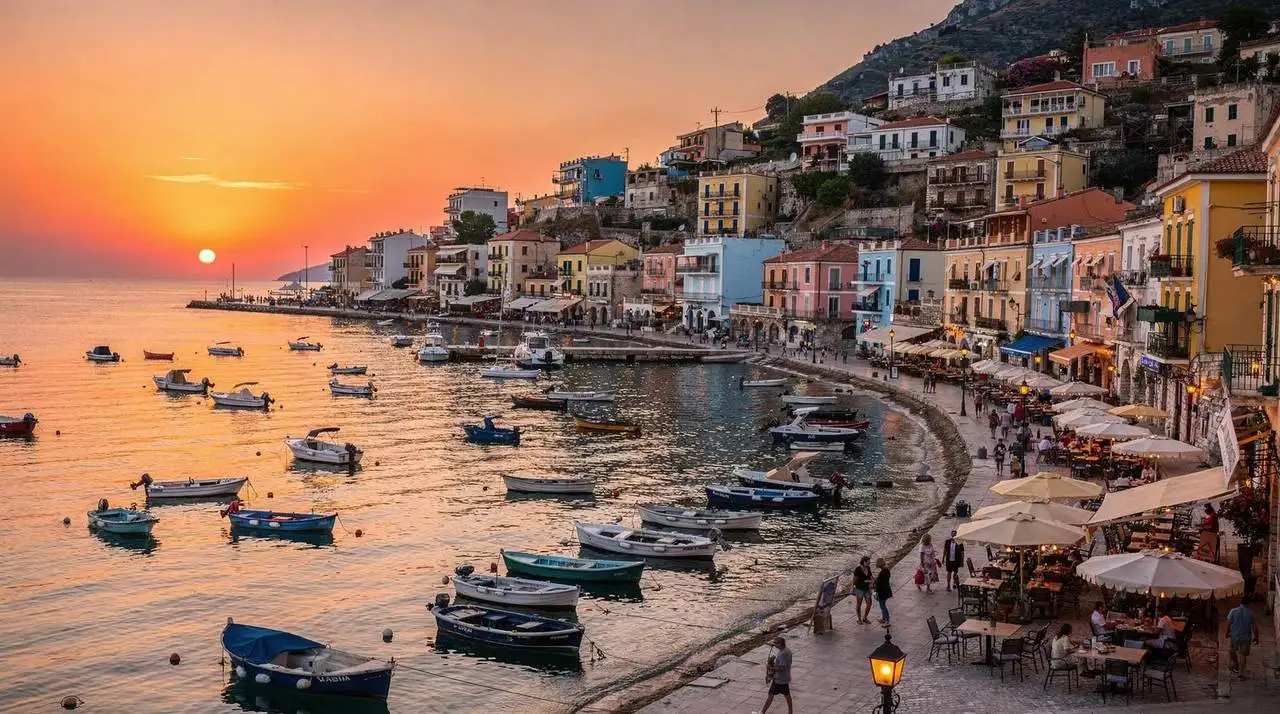
The Albanian Riviera — roughly the 110km of Ionian coast from Vlora south to Saranda — has water clarity that equals anything in Greece or Croatia. The Ksamil lagoon, the gorge beach at Gjipe, the cliffs above Dhermi, the wild coves of the Karaburun Peninsula accessible only by boat — these are not “nice for Albania”; they are genuinely exceptional by any Mediterranean standard.
Sea temperatures reach 25-27°C from July through early September. Most beaches are pebble rather than sand, but the water clarity more than compensates. Development is increasing rapidly — infrastructure that was minimal five years ago is now adequate at most of the major beaches.
Saranda: Ksamil Islands, Shipwreck, Snorkeling & Swim Stops Saranda • Half day • Best of the southern coast from €25Serious Historical Depth
Albania’s history is layered in a way that rewards engagement. The country was the last European state to fall to the Ottomans (and resisted for 25 years under Skanderbeg), spent most of the 20th century under the most isolated communist regime in Europe outside North Korea, and emerged from isolation only in 1991. The physical evidence of all this is everywhere: Byzantine churches with intact frescoes inside Ottoman-era cities, the 750,000 concrete bunkers that Enver Hoxha scattered across the landscape, the BunkArt museums in Tirana that repurposed actual nuclear bunkers as contemporary art spaces.
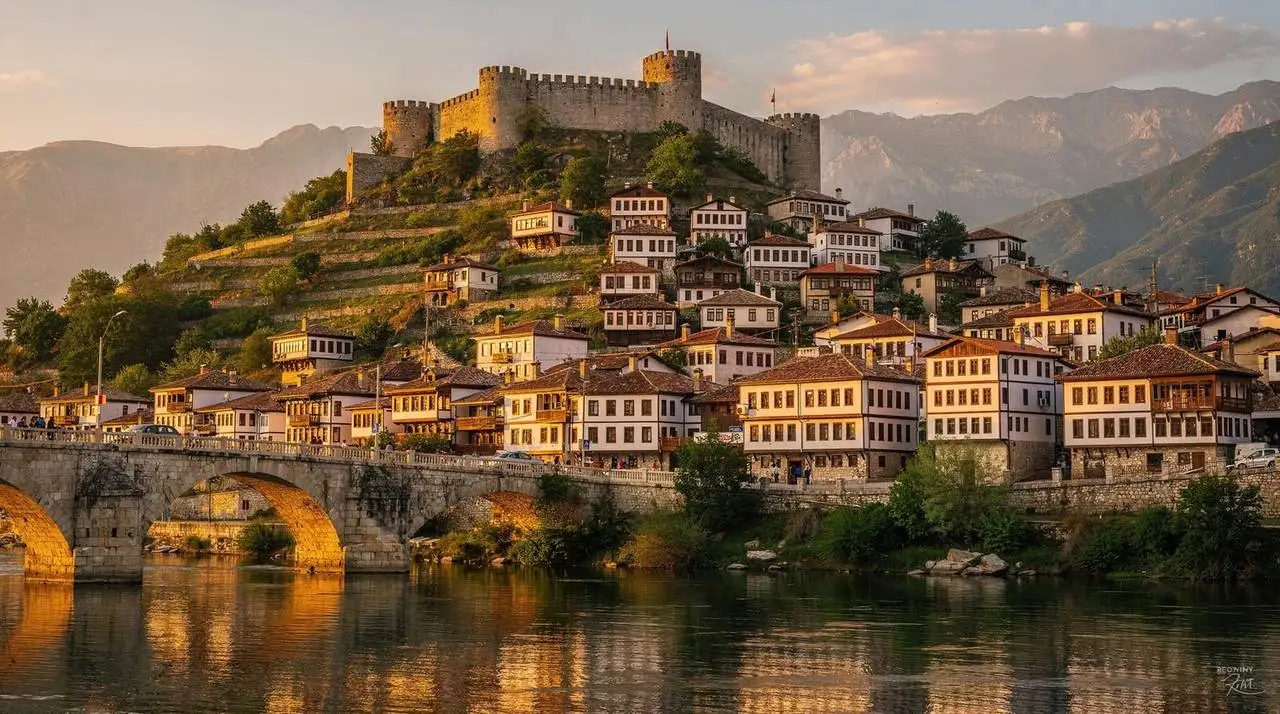
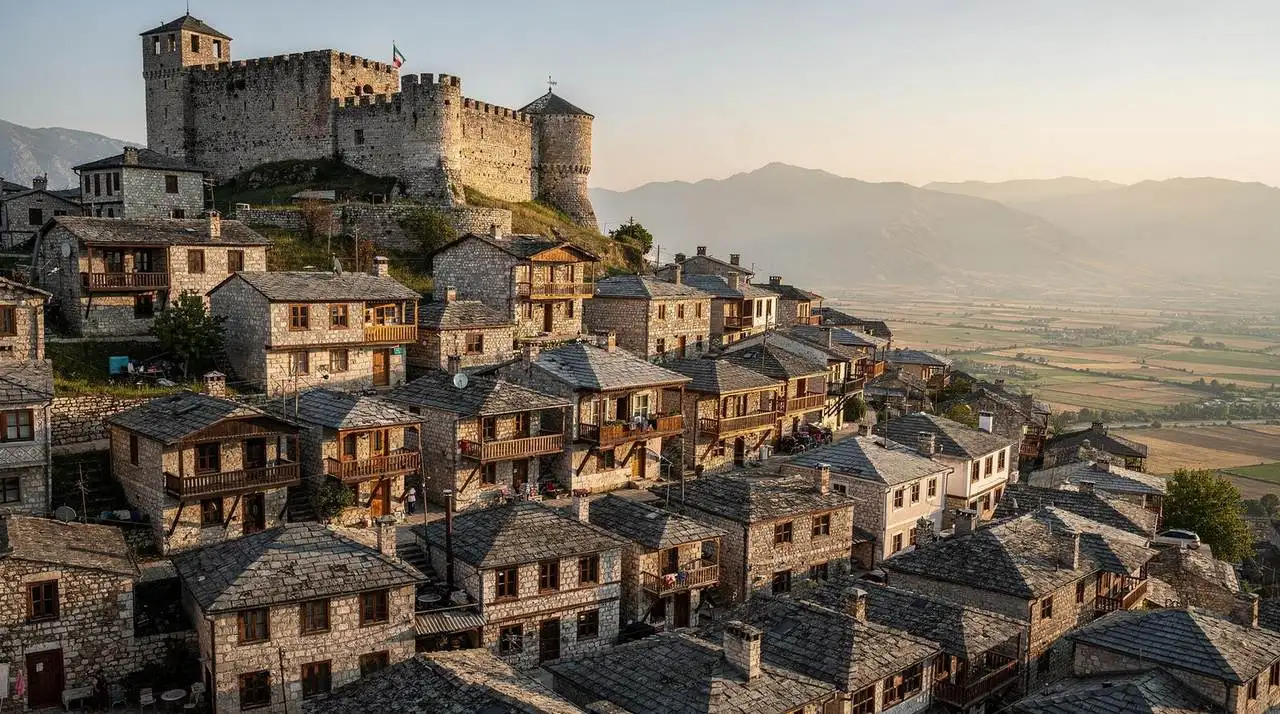
Berat and Gjirokastra are UNESCO World Heritage cities with Ottoman domestic architecture that has few equivalents in the Balkans. Butrint is a Greek-Roman-Byzantine-Venetian city set on a wooded peninsula that feels genuinely remote despite its accessibility from Saranda.
From Tirana: Berat Full-Day Tour Tirana → Berat • Full day • UNESCO city from €35Price Point
By Western European standards, Albania is inexpensive. A coffee costs €1-1.50. A fresh fish lunch at a beachside restaurant runs €8-15. Accommodation in guesthouses and mid-range hotels costs €25-60 per night for a double room outside of peak season; €40-90 in July and August at quality properties. Guided day trips cost €20-55. Public transport is extremely cheap.
Compared to equivalent destinations — the Greek islands, Croatia’s Dalmatian coast, Montenegro — Albania is typically 40-60% cheaper for comparable quality. See our Albania travel budget guide for detailed numbers by travel style.
Mountain Scenery
The Albanian Alps in the north (Theth, Valbona) are among the most dramatic mountain landscapes in Europe: jagged limestone peaks above 2500m, traditional stone guesthouses in high valleys, and the celebrated Valbona-Theth hike crossing a high mountain pass. The Komani Lake fjord — a reservoir set between sheer thousand-metre walls — is one of the continent’s most photogenic boat journeys.
Further south, Llogara Pass drops 1000m in a series of switchbacks from mountain pine forests to the sea — a drive that stops traffic in both directions.
A Genuinely Good Table
Albania’s food scene surprises visitors who expect a compromise on the way to the beach. Fresh grilled fish on the coast, slow-cooked Ottoman-influenced dishes like tavë kosi inland, mountain dairy in the north, and a wine and raki culture that goes well beyond the tourist-menu basics. See the Albanian food guide for what to order and where, and the vegetarian Albania guide if you are travelling meat-free — Albania’s produce-heavy mezze culture makes this easier than most Balkan neighbours.
Albania vs. the Alternatives
Travellers weighing Albania against its neighbours usually want a straight comparison rather than marketing copy. Here is the honest version:
| Compared to | Where Albania wins | Where it loses |
|---|---|---|
| Greece | Price, uncrowded coast, historical density per euro | Island-hopping infrastructure, service consistency |
| Croatia | Price (roughly half for comparable coast), fewer crowds | Polish, established restaurant scene |
| Montenegro | Wilder coastline, cheaper, deeper Ottoman/communist history | Montenegro’s roads and signage are more developed |
| North Macedonia | Coastline (Macedonia is landlocked), broader itinerary options | Macedonia edges it on Ohrid’s Macedonian side polish |
Full head-to-head detail lives in the dedicated comparison guides: Albania vs Greece, Albania vs Croatia, Albania vs Montenegro, and Albania vs North Macedonia.
What a Realistic Week Costs
Numbers help more than adjectives. For a mid-range independent trip — guesthouses and small hotels rather than hostels or five-star resorts — budget roughly:
- Accommodation: €35-70/night for a comfortable double, more on the coast in August
- Food: €15-30/day eating well, including at least one proper sit-down meal
- Transport: €5-15/day for furgons and the occasional taxi; more if renting a car (see the car rental Albania guide)
- Activities: €20-55 per guided experience (boat trips, museum entries, day tours)
That totals roughly €500-800 per person for a comfortable week, excluding international flights — genuinely lower than an equivalent week in Croatia or the Greek islands. The Albania travel budget guide breaks this down further by travel style, and the Albania esim guide covers staying connected without roaming charges, which matters given how much planning happens on the fly.
What Albania Does Not Offer
Seamless Infrastructure
Driving in Albania requires attention: potholes, livestock on roads, aggressive urban driving, and occasional road closures from winter damage. The road from Tirana to Theth involves a long stretch of unpaved mountain track. Public transport (furgons) is cheap but runs on Albanian time — there is no timetable, the furgon leaves when it is full.
Wi-Fi is generally good in city accommodation and restaurants. Payment infrastructure is cash-heavy: most beach bars and guesthouses do not accept cards. See our Albania currency guide for practical preparation.
Resort-Style Beach Facilities
Ksamil and Dhermi have beach clubs with sunbeds, bars, and adequate facilities. The majority of the Albanian coast has simpler setups: some sun-loungers, a family-run beach bar, a path to the water. If you need five-star beach club service with a full cocktail menu and reserved loungers, the Albanian Riviera is not the place. If you want clear Ionian water and genuinely fresh seafood at a reasonable price, it absolutely is.
Established Tourist Infrastructure for Rushed Itineraries
Albania rewards slower travel. The transport connections between major sites are improving but still require planning — particularly in the north. Visitors who try to see too much in too few days end up spending more time on buses or in taxis than at actual destinations. A week in Albania is a minimum for getting beyond the capital; two weeks lets you cover both the Alps and the southern coast properly.
Who Should Visit Albania
The value-maximising traveller. If Greece or Croatia are regular destinations but the cost is starting to grate, Albania delivers comparable natural quality at a fraction of the price — particularly on the coast.
History and architecture enthusiasts. Three UNESCO World Heritage Sites (Berat, Gjirokastra, Butrint), the extraordinary communist history layer, Byzantine churches, Roman amphitheatres in Durres, the Ottoman medinas. The historical density is high for a small country.
Off-season travellers. Albania in May, September, and October is close to ideal. The coast is uncrowded, the mountains are accessible, accommodation is cheaper, and the weather is warm without the 35°C heat of August.
Independent travellers comfortable with logistics. People who like figuring things out, eating where the locals eat, and not knowing exactly how the afternoon will unfold. Albania rewards flexibility and punishes rigid schedules.
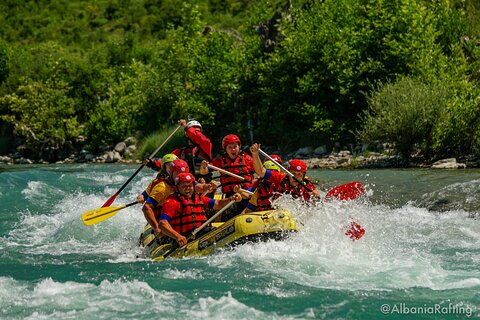
Hikers and outdoor enthusiasts. The Peaks of the Balkans trail, the Valbona-Theth crossing, rock climbing, kayaking on the Ionian — the outdoor activity density in a small country is remarkable.
Who Might Struggle
Package-holiday travellers. Albania does not yet have the resort infrastructure of Turkey, Greece, or Montenegro. All-inclusive hotels exist but are not the dominant form of accommodation. The country works better as an independent or semi-organised trip.
Travellers with very limited time. A long weekend in Tirana is absolutely viable. But Albania’s best is spread across a relatively small but logistically demanding country. Four or five days starts to feel cramped if you want to see both the Alps and the coast.
Visitors expecting Western European standards throughout. The gap between a good Tirana restaurant or a well-run boutique hotel in Berat and a petrol station bathroom two hours away from both is wider than in Western Europe. That contrast is part of the experience for some travellers; for others it is genuinely frustrating.
The Verdict
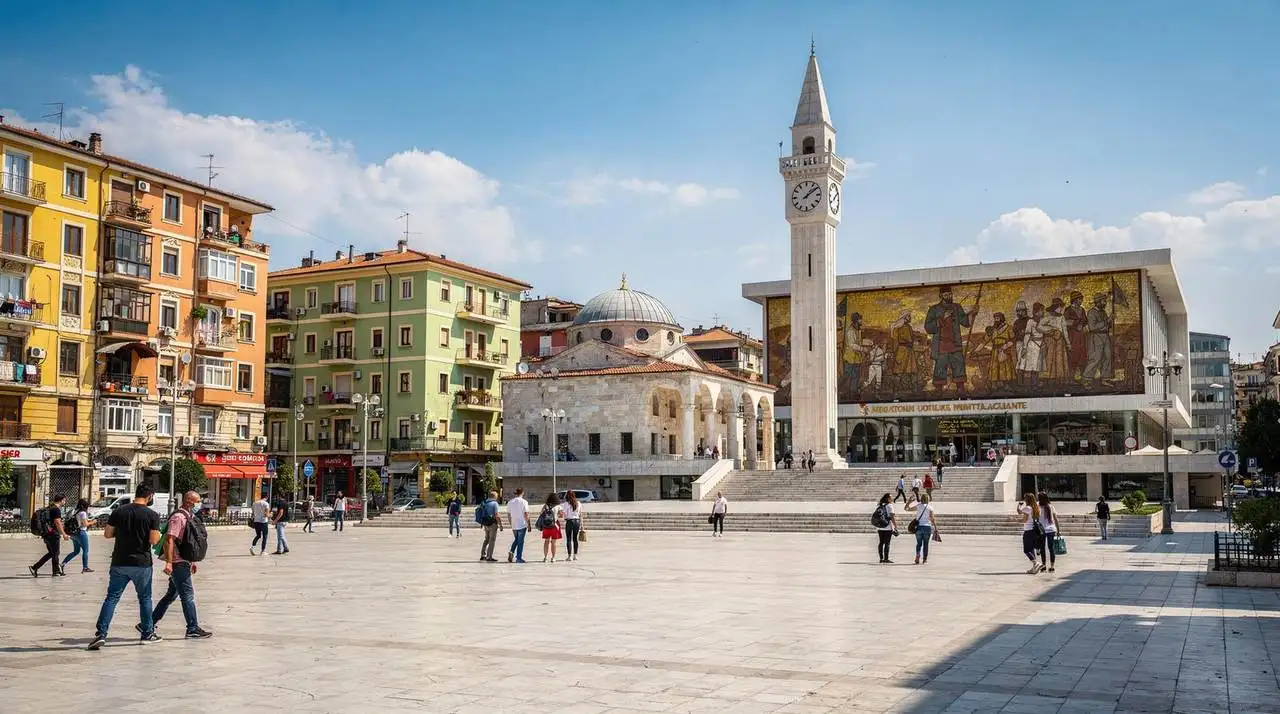
Albania in 2026 is the clearest yes in the Western Balkans for the right traveller. The combination of coast, mountains, and historical layering at this price point has no equivalent in Europe. Tirana is a genuinely interesting city. Berat and Gjirokastra are first-rank Ottoman heritage cities. The Riviera, from Ksamil to Himara, has water quality that will surprise anyone arriving with Balkan-lowered expectations.
The window of visiting before the price rises is still open, but narrowing. Hotel prices and tour costs have increased meaningfully since 2020; the coast is noticeably more developed than it was. The ideal combination of quality and price will not persist indefinitely. This is still the moment to visit — but the reasons to delay are also still valid for those who need seamless infrastructure.
For a structured start, a walking tour of Tirana followed by a day trip to Berat covers the essential first impression efficiently:
Tirana Walking Tour Tirana • 3h • City overview with local guide from €18 From Tirana: Berat Full-Day Tour Tirana → Berat • Full day • UNESCO city guide from €35For the full picture on logistics and planning, read our Albania travel tips guide and our Albania safety guide before you book.
Frequently Asked Questions
Is Albania safe for tourists?
Albania is consistently ranked among the safer countries in the Balkans for tourists. Violent crime against visitors is rare. The main safety considerations are road conditions (driving requires concentration), occasional petty theft in busy tourist areas, and the informal economy that can make some transactions unpredictable. See our detailed Albania safety guide for a full breakdown.
Is Albania cheap to visit?
Yes, by European standards. The main categories: accommodation (€25-90/night depending on quality and season), meals (€6-15 for a good restaurant meal), public transport (€1-5 for intercity furgons), and guided day trips (€20-55). A comfortable mid-range week costs €500-800 all-in per person excluding flights. Budget travellers can do it for €40-50/day.
What is the best time to visit Albania?
May, June, and September are the consensus best months: weather is warm and settled, crowds are manageable, prices are below peak, and all services are running. July and August are perfectly viable but hotter and more crowded, particularly on the coast. October is excellent for the coast and mountains; November through April sees some closures at beach destinations. See our seasonal month-by-month guides for detail.
Do I need a visa for Albania?
Most Western and EU passport holders do not need a visa for stays up to 90 days. US, UK, Canadian, Australian, and all EU citizens enter visa-free. Check our Albania visa requirements guide for the full current list, as it changes periodically.
How long should I spend in Albania?
A week is a practical minimum for seeing the country’s key regions — Tirana, a day trip to Berat, and either the northern Alps or the southern Riviera (not easily both in a week). Two weeks allows a thorough circuit: Tirana, Albanian Alps, central Albania’s UNESCO cities, and the full Riviera from Vlora to Saranda. Read our Albania travel tips for suggested itineraries.
Is Albania better than Montenegro or Greece?
Different rather than better. Albania has wilder, less-developed coast than Montenegro and prices significantly below both. Greece has better-organised tourism infrastructure, more extensive island options, and more consistent service quality. Albania’s historical depth (Ottoman cities, communist-era sites) is stronger than Montenegro’s, roughly comparable to northern Greece’s. The comparison that most often works in Albania’s favour: if you want the Ionian water quality of Corfu at half the price, Albanian Riviera delivers.