Albania Travel Budget: How Much Does It Actually Cost?
Albania is Europe’s budget travel secret. While Croatia charges EUR 150+ per day in summer and even neighboring Montenegro has adopted premium coastal pricing, Albania remains genuinely affordable without sacrificing quality of experience. The beaches are as beautiful, the mountains as dramatic, the food as good — but the prices are closer to Southeast Asia than Western Europe.
This guide gives you honest, itemized cost breakdowns for every level of traveler, based on real 2025-2026 prices across the country. Everything is covered: accommodation, food, transport, activities, tipping, shopping, and month-by-month price variations to help you find the best value window for your trip.
| Budget traveler | around EUR 30-50/day |
| Mid-range traveler | around EUR 50-80/day |
| Comfort traveler | around EUR 80-120/day |
| Best value season | May, June (early), September, October |
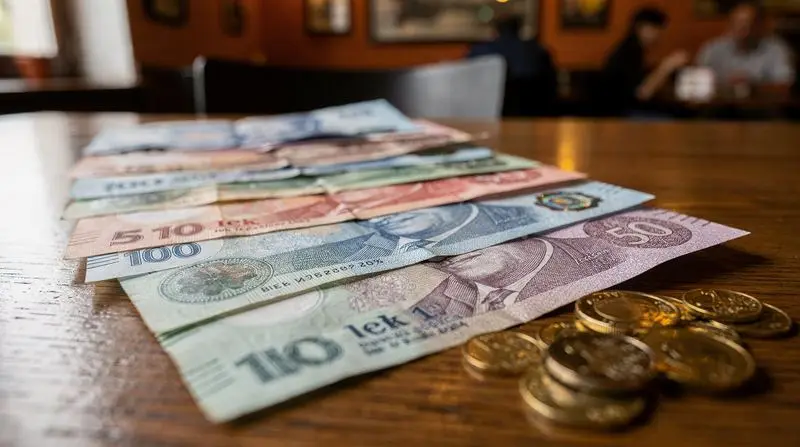
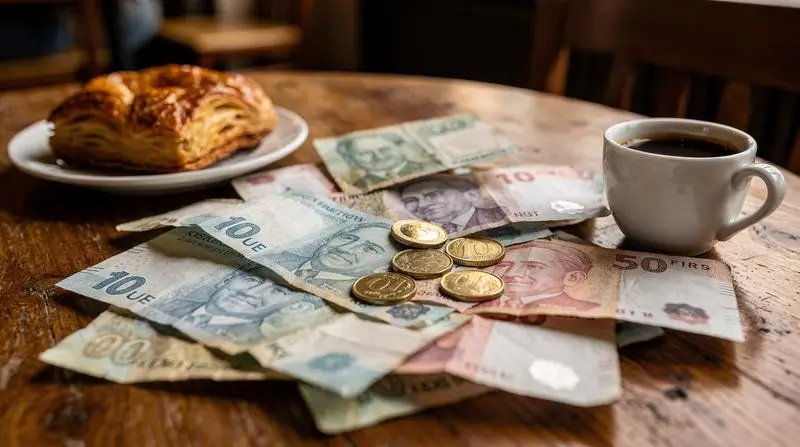
| Cash needed | Yes — furgons, guesthouses, markets are largely cash-only |
The Short Answer: Daily Budget by Traveler Type
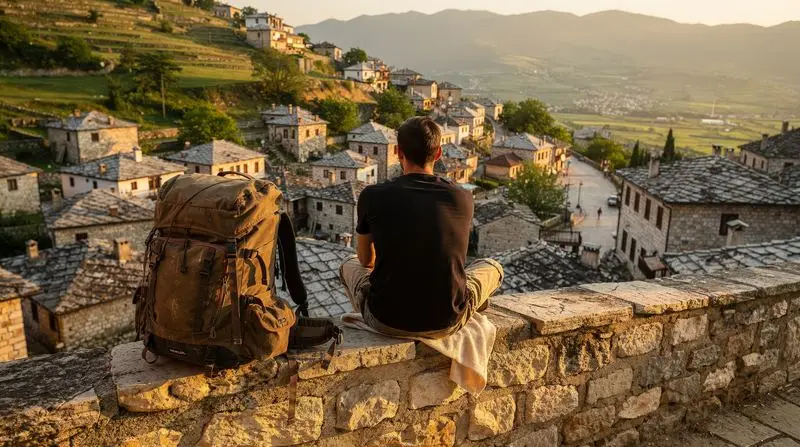
Budget traveler (backpacker, hostel, local food, furgons): EUR 30-50 per day
Mid-range traveler (guesthouse or 3-star hotel, restaurants, some taxis): EUR 50-80 per day
Comfort traveler (good hotels, restaurants with drinks, car hire): EUR 80-120 per day
Luxury (boutique hotels, private tours, fine dining): EUR 150-250+ per day
These are all-in daily figures including accommodation, food, transport, and activities. Most travelers are pleasantly surprised at how little they actually spend — the EUR 30-50 figure is achievable without feeling like you are depriving yourself of genuine experiences.
Accommodation Costs
Hostels
Albania’s hostel scene has grown significantly, with the best options concentrated in Tirana, Berat, and Saranda. A dorm bed in a well-regarded hostel costs:
- Tirana: EUR 10-15 per night
- Berat: EUR 8-12 per night
- Saranda: EUR 10-18 per night (higher in peak season)
Private rooms in hostels: EUR 20-35 per night for a double. Good-quality hostels include options near Berat’s castle district and several well-reviewed options in Tirana’s Blloku neighborhood. Hostel social scenes in Albania are good — the international traveler community is friendly and comparatively uncrowded compared to Southeast Asian party hostels.
Guesthouses
Albania excels at family-run guesthouses, particularly in mountain areas. These typically include an extraordinary home-cooked dinner and breakfast as part of the room rate:
- Albanian Alps (Theth, Valbona): EUR 20-35 per person with half-board (dinner and breakfast included)
- Riviera villages (Himara, Dhermi): EUR 25-50 per room per night
- Historic cities (Berat, Gjirokastra): EUR 25-50 per room
The value at mountain guesthouses is exceptional — for EUR 25-35 per person, you get a comfortable room, raki on arrival, a multi-course home-cooked dinner with local wine, and a full breakfast. Mountain guesthouses represent some of the best accommodation value anywhere in Europe. See the Albanian Alps guesthouses guide for specific recommendations.
Hotels
3-star equivalent hotels: EUR 40-70 per night for a double room 4-star hotels: EUR 80-150 per night Boutique / design hotels in Tirana: EUR 100-200 per night
The best upscale options are concentrated in Tirana and along the Riviera. The Riviera sees some genuinely luxury boutique properties at EUR 150-250+ per night in peak season, particularly around Dhermi and Himara.
Apartments
Airbnb and apartment rentals have grown across Albania’s tourist towns. A well-located apartment in Saranda or Tirana costs EUR 30-60 per night. For longer stays or groups, apartments represent very good value — EUR 400-700 per month for a decent apartment in Tirana. Digital nomads and remote workers find Tirana particularly affordable on a monthly basis. The Albania digital nomads guide covers long-stay costs in detail.
Food and Drink Costs
Food is where Albania really shines for budget travelers. Even in tourist areas, eating out is remarkably affordable.
Street Food and Bakeries
- Byrek (flaky pastry filled with cheese or meat): 50-100 ALL (EUR 0.50-1)
- Qofte (grilled meat patties) from a grill stand: 100-200 ALL
- Fllija (layered pastry): 100-150 ALL per portion
- Fresh bread from a bakery: 50-80 ALL
A full street food breakfast — byrek and a macchiato — costs around 150-200 ALL total. This is one of Europe’s cheapest morning meals by any measure.
Local Restaurants
- Lunch main course: 500-800 ALL (EUR 5-8)
- Dinner main course: 600-1,200 ALL (EUR 6-12)
- Beer (local Birra Korce or Tirana): 150-250 ALL (EUR 1.50-2.50)
- Local wine, carafe: 300-500 ALL (EUR 3-5)
- Coffee (espresso): 50-100 ALL (EUR 0.50-1)
- Water (large bottle): 50-80 ALL
A good sit-down dinner with starters, a main, a local beer or wine, and dessert: EUR 10-20 per person in most restaurants. Excellent seafood restaurants on the Riviera might reach EUR 20-30 per person, still remarkably good value compared to Italian or Greek equivalents.
Tourist Restaurants
In prime tourist areas — Saranda waterfront, Tirana Blloku — expect slightly higher prices: EUR 15-30 for a full dinner with drinks. Still significantly cheaper than Western Europe, but notable if you are on a tight budget.
Budget Daily Food Total
- Budget traveler eating local: EUR 10-15 per day (mostly street food and cheap restaurants)
- Mid-range eating at proper restaurants with drinks: EUR 20-35 per day
- Eating well at good restaurants everywhere: EUR 35-60 per day
Transport Costs
Albania’s transport options range from almost free to very reasonable.
Furgons and Local Buses
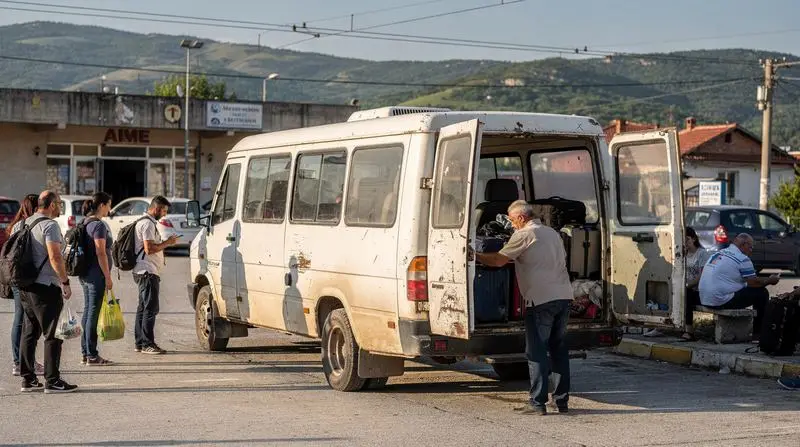
Furgons and buses are the cheapest way to travel. Typical costs:
- Short urban journey: 100-200 ALL (EUR 1-2)
- Tirana to Berat: 400-500 ALL (EUR 4-5)
- Tirana to Saranda: 1,200-1,500 ALL (EUR 12-15)
- Tirana to Shkodra: 400 ALL (EUR 4)
- Tirana to Gjirokastra: 700-900 ALL (EUR 7-9)
The bus routes Albania guide covers all major routes with exact prices and departure points.
Taxis and Bolt
- Short journey within a city (Bolt): EUR 1.50-4
- Airport to Tirana center (official taxi): EUR 20-25
- Airport shuttle bus: EUR 4
- Cross-city transfer: EUR 5-15 depending on distance
Car Rental
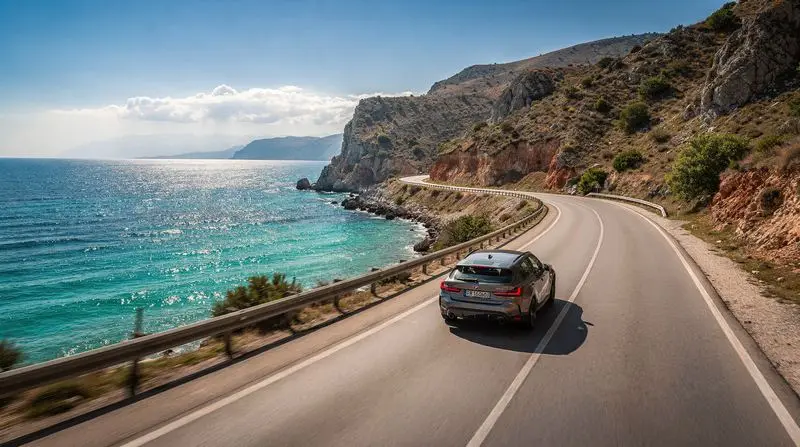
From EUR 15-25 per day for a basic economy car (local agency), or EUR 30-50 per day for a modern SUV. An economy car for a week including fuel typically costs EUR 150-250 total. See the car rental Albania guide for full details on agencies, insurance requirements, and which vehicle types suit different routes.
Koman Lake Ferry
EUR 6-7 per foot passenger — one of the world’s best value scenic journeys, covering around 40km of dramatic fjord-like scenery. The Koman Lake ferry guide covers schedules and logistics.
Budget Daily Transport Total
- Budget traveler using furgons: EUR 3-8 per day
- Mid-range with occasional taxis: EUR 8-20 per day
- Car rental traveler: EUR 25-40 per day (car plus fuel)
Activity and Entrance Costs
Albania’s greatest attractions are largely free or very cheap:
Free:
- Beaches (all public, no entry fee)
- City exploration (Tirana, Berat old town, Gjirokastra bazaar)
- Hiking in the Albanian Alps on marked trails
- Watching the sunset from the Llogara Pass
- Visiting many historic churches, mosques, and monuments
Paid attractions:
- Bunk’Art 1 and Bunk’Art 2 (communist bunker museums): 400-700 ALL (EUR 4-7) each
- Butrint National Park (UNESCO site): 700 ALL (EUR 7)
- Gjirokastra Castle: 500 ALL (EUR 5)
- Berat Castle complex: 200 ALL (EUR 2)
- National History Museum, Tirana: 500 ALL (EUR 5)
- Divjaka-Karavasta National Park: 200-300 ALL (EUR 2-3)
Organized tours:
Half-day guided city tours: EUR 20-40 per person. Full-day tours with transport: EUR 40-80 per person. Tirana walking tours are an excellent value for first-time visitors — expert local guides, good group dynamics, and the best way to quickly orient yourself in the capital.
For day trips from Tirana, organized tours offer a cost-effective option when you factor in transport. A guided day trip to Berat from Tirana typically costs EUR 40-60 per person including transport and entrance fees — comparable to renting a car for the day, but with knowledgeable guiding included.
Water activities:
- Sea kayaking on the Riviera: EUR 25-50 for a half-day
- Boat trip to Ksamil islands: EUR 5-10
- Riviera boat tour (organized day trip): EUR 50-80
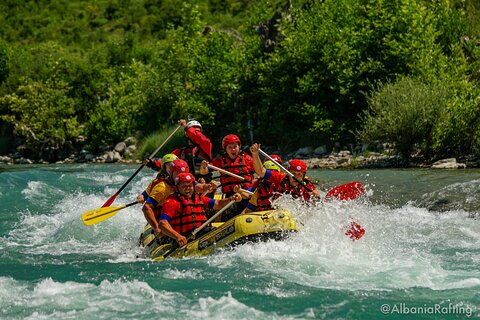
- Rafting on the Osumi Canyon: EUR 30-50
Adventure activities:
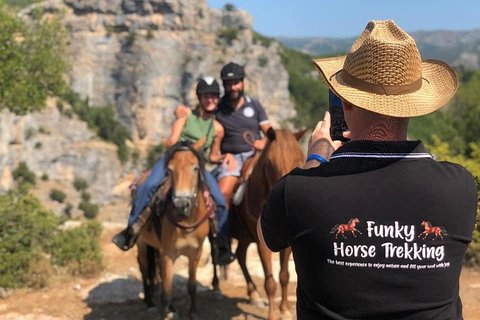
- Hiking guide for the Theth-Valbona trail: EUR 15-25 per day
- Paragliding near Dhermi: EUR 60-80
- Canyoning in the Osum: EUR 35-55
Tipping Culture
Tipping is appreciated but not obligatory. A practical guide:
- Restaurants: 10 percent is generous and well-received; rounding up the bill is common
- Taxis: Round up the fare or add EUR 1-2
- Guesthouse hosts who cooked for you: A tip of EUR 5-10 per stay is very appreciated and remembered
- Guided tours: EUR 5-15 per person depending on length and quality
- Hotel staff: EUR 1-2 per bag is appropriate in upscale hotels
Do not feel pressured to tip at basic cafes or for standard services. Tipping culture is more relaxed than in North America and less expected than in some other European destinations.
Where Albania Is Cheap vs. Where It Is More Expensive
Cheapest:
- Mountain guesthouses in the Alps (extraordinary value with half-board)
- Street food and bakeries everywhere
- Local wine and raki from producers
- Furgon transport
- Museum and site entrance fees
More expensive than expected:
- Saranda waterfront restaurants in peak summer (tourist premium applies)
- Riviera boutique hotels in July-August (demand-driven prices, book early)
- Organized tours from larger agencies in Tirana
- International brand hotels in Tirana (Marriott rates are comparable to Western Europe)
Where to save money:
- Stay in Berat instead of Saranda — equally beautiful, 30-40 percent cheaper accommodation
- Eat where local workers eat — look for places with handwritten Albanian menus and plastic chairs
- Use furgons instead of renting a car on routes with good connections (Tirana-Berat-Gjirokastra corridor)
- Visit the Riviera in June or September instead of July-August (same sea temperature, lower prices)
- Book guesthouse accommodation directly rather than through booking platforms
Sample Daily Budgets
EUR 35 day (backpacker):
- Hostel dorm: EUR 12
- Street food and one local restaurant meal: EUR 10
- Furgon transport: EUR 5
- Entrance fees or activities: EUR 3
- Coffee, water, sundries: EUR 5
EUR 60 day (mid-range):
- Guesthouse double room (half-board): EUR 35
- One sit-down meal with drinks: EUR 15
- Transport (occasional taxi or bus): EUR 7
- Activity or entrance fee: EUR 3
EUR 100 day (comfortable):
- 3-star hotel double room: EUR 55
- Good restaurants with wine (two meals): EUR 35
- Car rental daily share: EUR 10
EUR 180 day (luxury):
- Boutique hotel or premium villa: EUR 120
- Fine dining and beach club: EUR 45
- Private driver or tours: EUR 15
Budgeting Around Peak Wedding and Festival Season
Late spring and summer in Albania overlap with a heavy wedding and festival calendar, particularly around Berat and Gjirokastra, and this can quietly push up guesthouse and restaurant availability (and occasionally prices) in smaller towns during specific weekends. If your dates are flexible, checking whether a major local festival or a wedding weekend falls during your stay is worth a quick search — not because prices spike dramatically, but because the best-value family-run guesthouses can simply be full. This is a minor factor next to the seasonal swings covered below, but it explains the rare case of a normally-quiet Berat weekend having no rooms available at short notice.
How Albania Compares to Neighboring Countries
As a rough comparison of average daily costs for a mid-range traveler:
- Albania: EUR 50-80
- Montenegro: EUR 80-130
- Croatia: EUR 100-160
- Greece mainland: EUR 70-110
- North Macedonia: EUR 45-70
- Kosovo: EUR 40-65
Albania is significantly cheaper than its main coastal competitors. The value-for-experience ratio — what you get for your money in terms of natural beauty, authentic culture, and quality food — is arguably the best in Europe. A detailed comparison is in the Albania vs Montenegro guide.
Month-by-Month Cost Variations
Albanian prices vary significantly by season, and timing your trip can save significant money:
January-February: Absolute lowest prices for accommodation and flights. Hotels in Tirana may be 40-50 percent cheaper than summer peak. No beach season, mountain roads may be closed, but the historic cities are uncrowded and atmospheric in winter light. The best time to visit on a tight budget if your priorities are culture and cities rather than beach.
March-April: Prices start rising as the weather improves. Shoulder season — good balance of cost and experience. Mountain wildflowers appear in April. Some Riviera accommodation begins opening. Good overall value.
May: The sweet spot begins. Good weather, Riviera beaches warm enough for swimming, everything open, prices 20-30 percent below peak. Highly recommended for budget-conscious travelers wanting sun and outdoor access.
June (early): Still excellent value. Beach weather firmly established, prices beginning to rise but not at peak. Outstanding combination of cost and experience. The country is beautiful in early June with green landscapes.
June (late) - August: Peak season. All prices at maximum. Accommodation on the Riviera can be hard to find without advance booking. Some beach services and restaurants at significant premium. Fly-in costs also peak. If you must travel in this period, book everything early and consider basing yourself in Tirana or Berat rather than on the coast.
September: Prices drop from August peaks but the sea remains warm (the Ionian stays comfortable until mid-October). One of the best value months for beach travel — the key beaches are quieter, prices lower, weather excellent.
October: Very good weather (especially early October), very few tourists, lowest mountain prices, outstanding hiking conditions in the Alps. One of the best overall value months.
November-December: Low season. Some Riviera businesses close. Mountains getting cold. But historic cities are beautiful in autumn and winter light and prices are at their second-lowest of the year.
Saving Money on Activities Without Sacrificing Experiences
Go to Berat instead of Saranda as your base. Berat offers comparable beauty and cultural richness to anywhere in Albania, at prices 30-40 percent below Saranda in peak season. For quality of experience per euro spent, Berat is exceptional.
Hire a driver for a day rather than booking a formal tour. Local drivers charge EUR 50-80 for a full day of flexible transport. A formal organized tour from a Tirana agency for the same destinations might cost EUR 120-180 per person. For two or three people sharing, a hired driver is substantially cheaper and more flexible.
Eat where workers eat. Albania’s rapid infrastructure development means many towns have cheap lunch restaurants serving workers — no English menus, handwritten signs, plastic chairs, and outstanding qofte, tavë kosi, and lamb dishes at EUR 3-5 for a full plate.
Buy local wine and raki from producers. Some guesthouses and rural producers sell their homemade wine and raki directly. You pay a fraction of restaurant prices for authentic, high-quality products. Ask your mountain guesthouse host if they produce their own — many do. The Albania raki guide explains what to look for.
Walk instead of taking taxis where feasible. Albanian cities are more walkable than they appear on maps. Berat’s old town is compact. Gjirokastra’s main area takes 20 minutes to cross on foot. Tirana’s center and Blloku are a pleasant 15-minute walk apart. Save taxi money for when distance or heat make walking impractical.
Cost of Specific Iconic Experiences
For precise budget planning, here are costs for Albania’s most popular experiences:
- Blue Eye spring: Free to access on foot; national park entry around EUR 5; taxi from Saranda approximately EUR 15-20 return
- Butrint National Park: EUR 7 per person
- Bunk’Art 1: EUR 7 per person
- Bunk’Art 2: EUR 4 per person
- Gjirokastra Castle: EUR 5 per person
- Berat Castle area: EUR 2 per person
- Rozafa Castle (Shkodra): EUR 2 per person
- Theth-Valbona trek (self-guided): Free on the trail itself; accommodation at guesthouses EUR 25-35 pp with dinner
- Osumi Canyon rafting: EUR 35-55 per person with a reputable operator
- Sea kayaking (half day): EUR 25-50 per person
- Private boat trip on the Riviera: EUR 80-150 per boat for groups of 4-8
- Koman Lake ferry: EUR 6-7 per foot passenger
- Ancient city of Apollonia: 500 ALL (EUR 5) entry
Budgeting for Souvenirs and Shopping
Albanian souvenirs worth buying tend to be modest in price and genuinely local:
- Homemade raki from producers: EUR 5-15 per bottle
- Albanian wine from smaller producers: EUR 4-10 per bottle
- Handmade wool socks and slippers from mountain villages: 500-1,500 ALL
- Albanian olive oil: Excellent quality, EUR 5-12 per liter bottle
- Copperwork from Gjirokastra bazaar: Handmade copper pots and decorative items, EUR 10-50
- Traditional embroidery: EUR 15-40 for quality pieces
- Local honey: Albanian mountain honey is outstanding, EUR 5-15 per jar
Budget approximately EUR 50-150 for souvenirs and gifts across a two-week trip — these are genuine local products, not mass-market imports.
Digital Nomad and Extended Stay Budgets
For travelers staying a month or more, monthly costs drop sharply below the daily-trip figures above. A private apartment in Tirana runs EUR 400-700/month, co-working desks EUR 80-150/month, and groceries plus occasional dining out EUR 250-400/month for one person — a total monthly budget of EUR 800-1,300 that undercuts most Western European cities by half or more. The Albania digital nomads guide covers visa mechanics, co-working spaces, and neighborhood choice for exactly this kind of extended stay.
Family Budget Planning
Traveling with children changes the calculation in Albania’s favor more than in many destinations. Most guesthouses and family-run hotels do not charge full adult rates for children under 10-12, and many mountain guesthouses simply add a child to the family table for a token supplement rather than a full second half-board price. Museum and site entry fees (Bunk’Art, Butrint, castle complexes) are typically 50% or free for children under a set age, usually 6-10 depending on the site.
A family of four traveling mid-range should budget roughly 2.5-3x the solo mid-range figure rather than a full 4x multiple, once these discounts are factored in — so a EUR 60/day mid-range solo budget becomes closer to EUR 150-180/day for a family of four rather than EUR 240. Car rental becomes close to essential with children, adding EUR 20-40/day but saving considerably on taxi and furgon logistics with luggage and tired kids in tow.
ATM Fees, Cash Withdrawal, and Currency Practicalities
ATM withdrawal fees in Albania vary noticeably by bank. Raiffeisen Bank and BKT typically charge lower flat fees (around 200-400 ALL per withdrawal) than smaller regional banks, and both have widespread city coverage. Home bank foreign transaction fees usually matter more than the local ATM fee — check whether your card charges a percentage on foreign withdrawals before you travel, since this can add up over a two-week trip with multiple withdrawals.
Withdraw larger amounts less frequently rather than small amounts often, to minimize the fixed per-transaction fee. A reasonable approach: withdraw roughly a week’s worth of cash at a time in cities, since ATMs become scarce once you head into the Alps or smaller Riviera villages. Dynamic currency conversion — where an ATM or card terminal offers to charge you in your home currency instead of Lek — should always be declined; it carries a worse exchange rate than letting your own bank convert the Lek amount.
Budgeting for Specific Trip Types
Not every Albania trip fits the generic “budget/mid-range/comfort” categories cleanly. A few common trip shapes and what they actually cost:
A mountain-only week (Theth and Valbona): Because half-board guesthouses bundle accommodation, dinner, and breakfast for EUR 22-35 per person, a week focused entirely on the Albanian Alps can cost less than a coastal week despite feeling more remote. Add furgon and the Koman Lake ferry (around EUR 6-7) to reach Valbona, and budget EUR 250-350 total for seven days excluding flights.
A car-based Riviera-and-cities loop: Renting a car for a 10-day trip covering Tirana, Berat, Gjirokastra, and the Albanian Riviera adds EUR 150-350 for the rental depending on vehicle and season, but saves significant time and opens up villages furgons don’t reach. See the car rental Albania guide for agency comparisons and what insurance to buy.
A student or backpacker circuit: Sticking to hostels, furgons, and street food across a three-week loop typically lands at EUR 25-35 per day — see the Albania backpacking guide for a full route-by-route cost breakdown aimed specifically at this travel style.
A couples’ romantic trip: Boutique guesthouses, private boat trips, and better restaurants push daily costs to EUR 90-150 per couple, still a fraction of an equivalent Amalfi Coast or Santorini trip. The Albania for couples guide covers where that extra spend delivers the most value.
Frequently Asked Budget Questions
Is Albania cheaper than Montenegro? Yes, significantly. Montenegro’s coastal areas — Kotor, Budva, Tivat — have adopted near-Western European pricing, particularly in summer. Albania’s Riviera, which is equally beautiful, costs 40-60 percent less for comparable accommodation and food. A full comparison is in the Albania vs Montenegro guide.
How much money should I bring for two weeks? A mid-range two-week traveler should budget EUR 800-1,200 for accommodation, food, transport, activities, and incidentals. This is generous — many travelers spend less, particularly those spending time in mountain guesthouses (where costs are very low and all food is included). Add your flight cost and any pre-trip tour bookings on top.
Is Albania still cheap in 2026? Yes, though prices have risen from the rock-bottom levels of 2019-2020 as tourism has grown and inflation has affected costs. However, Albania remains significantly below comparable Mediterranean and Balkan destinations. The fundamentals of affordable accommodation, cheap food, and free public beaches remain intact.
Do I need to budget for tipping? Build in roughly 5-10 percent of your restaurant bills for tips. On a EUR 25/day food budget, this adds EUR 1.50-2.50 per day. Very manageable — add EUR 20-35 to your two-week budget for tipping.
Should I pre-book tours or pay on arrival? For most activities, walk-up booking in Albania is possible and often preferred. However, for popular guided tours in peak season — particularly day trips from Tirana and Riviera boat tours — pre-booking through platforms like GetYourGuide Albania guarantees your spot and sometimes offers better pricing. The Albania travel tips guide covers booking logistics in detail.
Albania’s cost structure rewards thoughtful planning. Unlike destinations where budget anxiety dominates the experience, Albania allows the question to become: “How do I make the most of this remarkable value?” The difference in mindset is significant — and is a big part of why travelers who discover Albania tend to come back.
Is Albania cheap to travel?
Yes, Albania is one of Europe’s most affordable travel destinations. Budget travelers can get by on EUR 30-50 per day including accommodation, food, and transport, while a comfortable mid-range trip costs EUR 50-80 per day. Even peak season prices remain significantly below comparable Mediterranean destinations.
How much money do I need per day in Albania?
Budget travelers need around EUR 35-50 per day (hostel dorm, street food, furgon transport). Mid-range travelers spending on guesthouses and restaurants should budget EUR 60-80 per day. A comfortable trip with good hotels and car rental runs EUR 80-120 per day. Mountain guesthouses at EUR 25-35 per person with dinner and breakfast included represent exceptional value.
Is Albania cheaper than Greece?
Yes, Albania is considerably cheaper than Greece. Accommodation costs roughly 40-50 percent less for comparable quality, restaurant meals are 30-40 percent cheaper, and beach services like sunbeds and boat trips are significantly more affordable. A mid-range traveler spends EUR 50-80 per day in Albania versus EUR 80-130 in Greece.
Do I need cash in Albania?
Cash is essential, particularly outside Tirana and major tourist towns. While card payments are increasingly accepted in Tirana restaurants and hotels, most guesthouses, beach bars, mountain cafes, furgons, and smaller establishments are cash only. Bring enough Albanian Lek from city ATMs before heading to remote areas.
Can I use euros in Albania?
Euros are widely accepted at tourist-oriented businesses, guesthouses, hotels, and tour operators, particularly on the Albanian Riviera and in popular destinations. The official currency is the Albanian Lek (ALL), and local markets, street food vendors, and furgons typically require Lek. Exchange rates when paying in euros informally are usually reasonable but slightly below bank rates.
Albania Travel Budget Calculator
Estimate your daily travel costs in Albania (prices in EUR)
Prices based on 2026 averages. Actual costs vary by season, location, and personal choices. Peak summer (Jul-Aug) on the Riviera can be 30-50% higher.