Is Albania Safe? An Honest Assessment for Tourists
Albania has one of the most undeserved reputations in European travel. For decades, the country was associated in Western minds with communist isolation, economic chaos after 1990, and a crime narrative driven by the Albanian diaspora in other countries. The reality for visitors today is almost the opposite of this perception: Albania consistently ranks among the safest countries in Europe for tourists, and travelers who visit routinely report feeling safer than in many Western European cities.
This guide gives you an honest, detailed safety assessment covering crime, road safety, political stability, health risks, and specific situations that traveler may encounter. It draws on traveler reports, official government advisories, and on-the-ground patterns from across the country — from Tirana’s streets to the remote Albanian Alps.
| Overall risk level | Low — same advisory level as most Western Europe |
| Main concern | Road safety, not crime |
| Emergency number | 112 |
| Safest areas | Mountain villages (Theth, Valbona), UNESCO towns |
| Most caution needed | Night driving, Tirana Airport taxis, Blue Eye swimming |
Crime and Petty Theft
The honest summary: violent crime against tourists is extremely rare in Albania. Muggings, street robbery, and physical assaults on tourists are not reported with any regularity. The country’s powerful hospitality culture — the concept of besa (a code of honor and trust) — means that Albanians take the treatment of guests very seriously. Harming a visitor would be a profound social transgression. For a deeper understanding of besa and Albanian cultural values around hospitality, see the Albania customs and etiquette guide.
Petty theft does exist, as it does everywhere, and deserves sensible precautions:
- Watch your belongings in crowded markets, bus stations, and furgon departure points
- Use a money belt or inside pocket for your passport and large amounts of cash
- Keep phones visible but be aware in crowded Tirana street markets
- Do not leave bags unattended on beaches
- Use ATMs inside bank branches rather than standalone street machines where possible
Scams: Albania has fewer tourist scams than most comparable destinations. The one area to be careful is unofficial taxis at Tirana Airport — unlicensed drivers who approach in the arrivals hall and charge inflated fares. Use the official taxi rank or the Bolt app. See the airport transfers Tirana guide for full guidance on getting from the airport into the city safely and at a fair price.
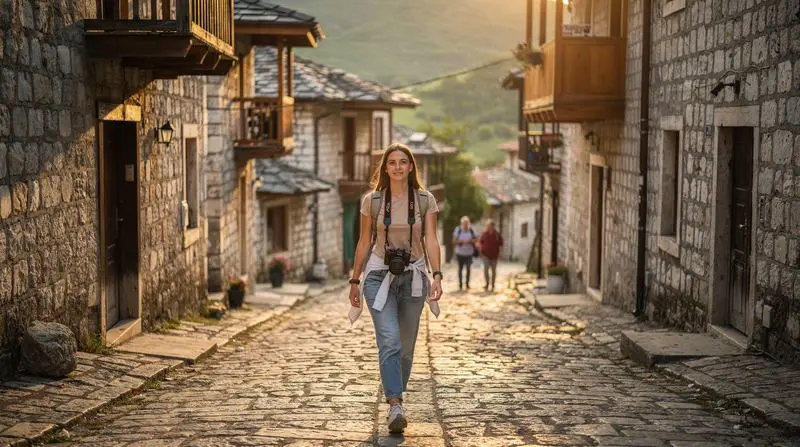
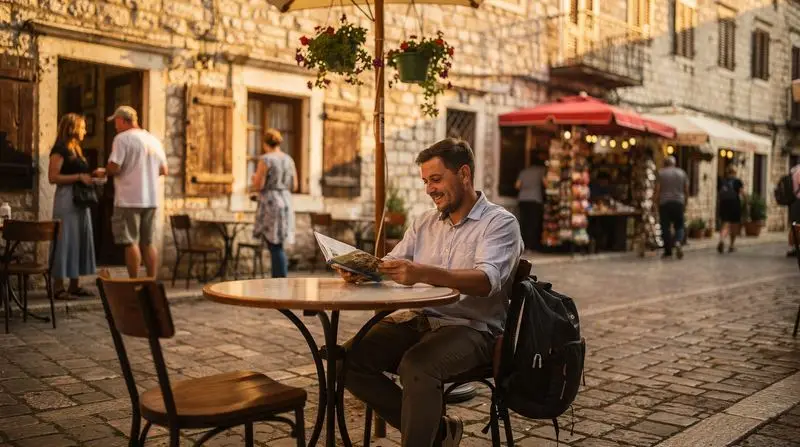
In cities: Tirana is a generally safe city to walk at night, including in the Blloku neighborhood and around Skanderbeg Square. Normal urban awareness applies — stay in well-lit areas, be aware after very late nights, and avoid displaying expensive items unnecessarily. Gjirokastra, Berat, and Saranda — the main tourist towns — are even more relaxed. Travelers frequently describe leaving bags at café tables while they explore, with zero concern.
Road Safety
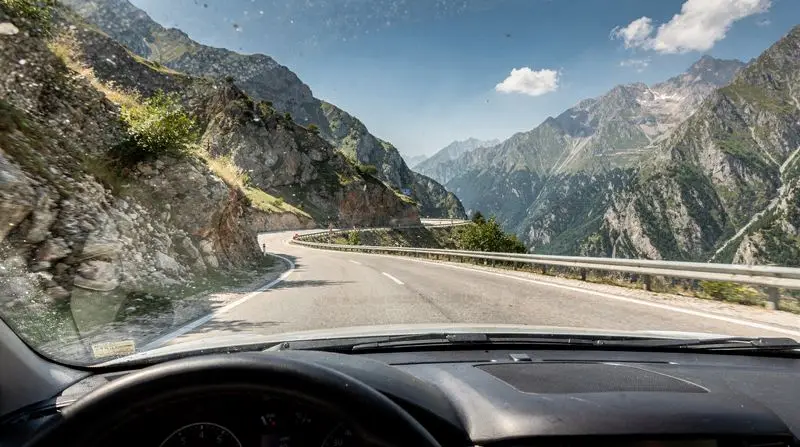
This is the most significant safety concern in Albania. The roads are objectively more dangerous than in Western Europe by statistical measures, and the driving culture is assertive to aggressive in urban areas. Road traffic accidents are the primary cause of serious injury to visitors in Albania.
The specific risks:
- Unpredictable driver behavior: Overtaking on blind bends, running red lights, and sudden stops are not rare
- Unlit vehicles at night: Agricultural vehicles and occasionally cars travel without lights in rural areas
- Livestock on roads: Particularly at dawn and dusk in mountain areas
- Mountain road conditions: No barriers on some exposed sections, narrow passing spaces, occasional poor surfaces
- Potholed urban roads: Even in Tirana, road quality varies dramatically. Manholes, broken curbs, and unexpected drops require pedestrian caution after dark
How to mitigate road risk:
- Drive defensively and allow more space than you would at home
- Avoid rural night driving if possible
- Rent a vehicle appropriate for your route — SUV for mountain roads, standard car for main routes
- If using a car service, assess the driver’s demeanor before committing to a long journey
- Always wear seatbelts — Albanian roads mean you need them more, not less
- Do not drink and drive under any circumstances
For travelers not comfortable with Albanian driving conditions, using private transfers or organized tours is a practical safety choice. Guided city tours from Tirana handle transport logistics so you can focus on the experience rather than road stress. The full driving in Albania guide covers road conditions in detail including specific routes and their challenges.
Political Stability and Civil Unrest
Albania is a stable parliamentary democracy and EU candidate country. There are no active armed conflicts, no insurgency, and no separatist movements. Political protests occur occasionally in Tirana (as they do in every democracy) but are typically peaceful and localized around government buildings — they do not affect tourist areas.
The country has no significant terrorist threat history and is not on any major government advisory for terrorism risk. The UK Foreign Commonwealth and Development Office (FCDO) and US State Department both rate Albania at a basic “exercise normal caution” advisory, the same as most of Western Europe.
The blood feud tradition (gjakmarrja): This is occasionally cited in outdated guides as a safety concern. In practice, the traditional code of revenge killings between families is almost entirely historical. Isolated incidents may occur in very remote northern areas but have zero relevance to tourist safety. You will not encounter this concern anywhere on a standard visitor itinerary. The mountain communities of Theth and Valbona — where the tradition has deeper historical roots — are among the safest places in Albania for visitors.
Health and Medical Safety
Medical facilities vary significantly in quality. Tirana’s American Hospital and several private clinics offer good care and English-speaking doctors. Regional hospitals have more limited resources and equipment. For serious medical emergencies outside Tirana, evacuation to the capital or abroad may be preferable. This is the main reason travel insurance with medical evacuation coverage is strongly recommended for every visitor.
Water: Tap water in Albania is technically treated but not reliably safe for drinking in all regions. Drink bottled water, which is cheap and universally available (50-80 ALL for a 1.5L bottle). Use bottled water for brushing teeth in older accommodation. In the mountain areas, many springs produce excellent natural water that locals drink freely — but use judgment rather than assuming all spring water is safe.
Food safety: Albanian food hygiene standards are generally reasonable, particularly in established restaurants. Street food is usually safe — byrek, qofte, and other staples have high turnover and are cooked fresh. The main food safety risk is on the heat — in summer, be cautious about meats that have been sitting in warm conditions. Restaurant cleanliness in tourist areas has improved considerably in recent years as competition for international visitors has increased.
Altitude: The Albanian Alps reach heights where altitude sickness can occur for hikers who ascend too quickly. The Theth-Valbona trail reaches approximately 1,800m at its highest point. Acclimatize properly, stay hydrated, and do not push through symptoms of altitude sickness — headache, nausea, and unusual fatigue are signs to slow down or descend.
Sun and heat: The Albanian coast has intense summer sun. The Riviera’s reflective white limestone cliffs and water magnify UV exposure. Use high-SPF sunscreen (factor 50 is appropriate), especially on boat days and at beach destinations. A hat and light cover-up are valuable from late June through August.
Insects: Mosquitoes are present in lowland and coastal areas, particularly in August. Bring repellent appropriate to your tolerance — DEET-based products are the most effective. Sandfly bites (small and painful) are also common on some coastal beaches at dusk. There is a low but non-zero risk of West Nile Virus in parts of Albania — check current health advisories and use repellent if visiting wetland areas.
Vaccinations: No specific vaccinations are required for Albania. Standard travel vaccinations recommended for Europe — Hepatitis A, Tetanus updates — are reasonable precautions. If planning extensive time in rural or mountain areas, a Rabies vaccination is worth discussing with your travel health doctor.
LGBTQ+ Safety
Albania decriminalized homosexuality in 1995 and has made some legal advances, but social attitudes remain conservative, particularly outside Tirana. Public same-sex affection draws unwanted attention in smaller towns and rural areas. Tirana has a small but growing LGBTQ+ scene, and the capital is notably more tolerant than the rest of the country. The annual Tirana Pride event takes place and has grown in profile and official support in recent years.
Practical guidance: be discreet in public outside Tirana; use your judgment about how open to be in guesthouse settings; Tirana’s Blloku neighborhood is the most accepting area. The Albania LGBTQ+ travel guide covers the scene, safe spaces, and practical advice in more detail.
Women’s Safety
Albania is generally safe for women travelers, including solo women. See the dedicated female solo travel Albania guide for detailed advice. The short version: apply standard urban precautions, particularly in nightlife areas late at night, and you will find Albania welcoming and safe. Harassment exists — catcalling can occur in some tourist areas — but physical threat to solo women travelers is not reported in any significant pattern.
Women traveling with children will find Albania particularly welcoming — Albanian culture has strong child-positive norms and families are made to feel comfortable almost everywhere. The Albania family travel guide covers family-specific considerations.
Swimming and Water Safety
Sea swimming: The Albanian Riviera has some excellent beaches but also some areas with strong currents and no lifeguards. Check local advice before swimming at unfamiliar beaches. Several beach areas have no rescue services whatsoever — if you are not a strong swimmer, stick to shallow, protected areas. The main resort beaches at Ksamil, Saranda, and Dhermi’s larger coves are generally monitored in peak season.
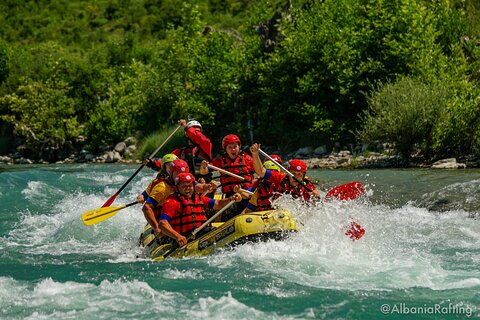
Mountain rivers and springs: Albania’s rivers are powerful and fast-flowing in spring and early summer when snowmelt peaks. The Osumi, Vjosa, and other rivers used for rafting should only be approached with reputable guided operators. Casual swimming in fast mountain rivers has caused fatalities — always assess the current before entering.
The Blue Eye (Syri i Kalter): This karst spring near Saranda is hauntingly beautiful but has strong upwelling currents in the deep central section. Several serious incidents involving swimming directly over the spring have occurred. Wade in the shallower perimeter areas where the current is manageable, but do not attempt to dive into or swim directly over the main eye. This is not a theoretical risk — park rangers are present for this reason.
Natural Hazards
Earthquakes: Albania sits in a seismically active zone. The 2019 earthquake (magnitude 6.4) caused significant casualties and damage to several sites north of Tirana. While the risk cannot be eliminated, construction standards have improved in newer buildings and major tourist infrastructure has been assessed and repaired. The risk exists but should not deter travel — Albania is no more seismically risky than much of Greece, Italy, or Turkey.
Forest fires: Summer wildfires are an increasing risk across the Albanian highlands and some coastal areas, particularly in July and August during dry, hot conditions. Llogara National Park and some areas near the Riviera have seen fire damage in recent years. Monitor local news and hotel advice if traveling in affected periods during drought years.
Flooding: Spring flooding affects some low-lying areas near rivers. The Shkumbin and Drini rivers in particular can flood significantly in early spring. Check road conditions when traveling in the rainy season (November-March), particularly when planning mountain road crossings.
Emergency Numbers
- General emergency: 112
- Police: 129
- Ambulance: 127
- Fire: 128
In practice, dialing 112 connects you to English-speaking operators in most areas. Save these numbers in your phone before arriving. Also save your accommodation’s WhatsApp number — in many situations, your Albanian host can mobilize help faster than the formal emergency services.
The Urban vs. Rural Safety Divide
Safety in Albania varies somewhat between urban and rural contexts, and understanding this division is useful for planning:
Urban areas (Tirana, Durres, Shkodra): The normal dynamics of any city apply. Tirana is fundamentally safe but is a city with pickpockets in crowded areas, occasional late-night incidents near nightlife venues, and traffic that requires constant pedestrian awareness. The same common sense you would apply in any Southern European city — watch your bag in crowds, be aware late at night — applies here. Skanderbeg Square and the Blloku area are well-policed and busy throughout the day and evening.
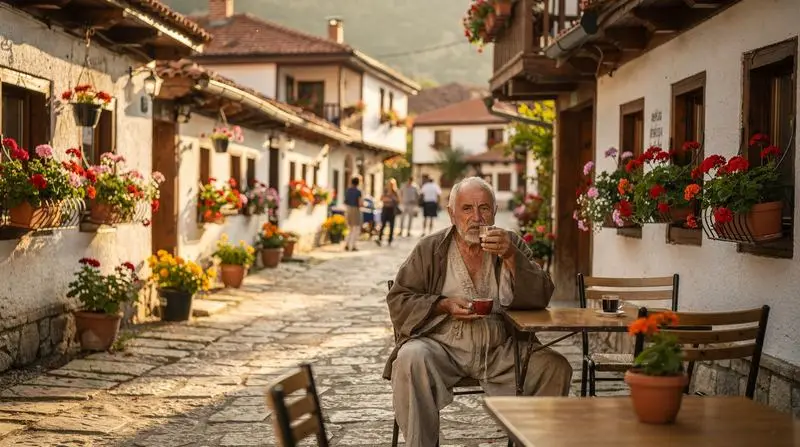
Tourist destinations (Berat, Gjirokastra, Saranda): These are genuinely relaxed and safe. Crime against tourists is essentially non-existent in these towns. You can walk freely, leave your bag at a café table while you pay, and generally enjoy the absence of the hyper-vigilance that some cities require.
Mountain areas (Theth, Valbona, highlands): The safest environments in Albania. Remote communities with strong social codes around guest protection, very little crime of any type, and a pace of life that makes even remote hiking feel comfortable. The risks here are environmental — terrain, weather, physical exertion — rather than social. Guesthouses look after guests genuinely. The Albanian Alps hiking guide covers mountain-specific safety in detail.
Rural lowland areas: Broadly safe. Some road safety concerns (agricultural vehicles without lights at night, livestock crossings) but no significant crime risk. Drive carefully after dark in unfamiliar areas.
Scam Awareness
Albania is notably free of the aggressive tourist scam culture found in some destinations. The hospitality culture militates against it — taking advantage of a guest is a serious social transgression. However, a small number of scams do exist:
Taxi overcharging: Primarily at Tirana Airport from unlicensed drivers, and occasionally in other cities from unmarked cabs. Solution: use the official airport taxi rank, the Bolt app, or arrange your accommodation’s transfer service in advance.
Currency confusion: Some merchants may misquote prices in a way that could be genuine confusion or opportunism. Always confirm the price before committing to a purchase or service. The Albania currency and money guide covers cash management, ATMs, and how to handle pricing situations.
Tour sales pressure: Some operators in tourist areas offer tours with misleadingly good descriptions. Check recent Google Maps or TripAdvisor reviews before booking. Booking through established platforms like GetYourGuide for Tirana activities gives you buyer protection and verified reviews — useful when you are unfamiliar with local operators.
Fake merchandise: As with all tourist markets, some “local crafts” are mass-produced imports. If authenticity matters, buy directly from producers or at established craft markets where provenance is clearer.
Safety for Hikers and Outdoor Enthusiasts
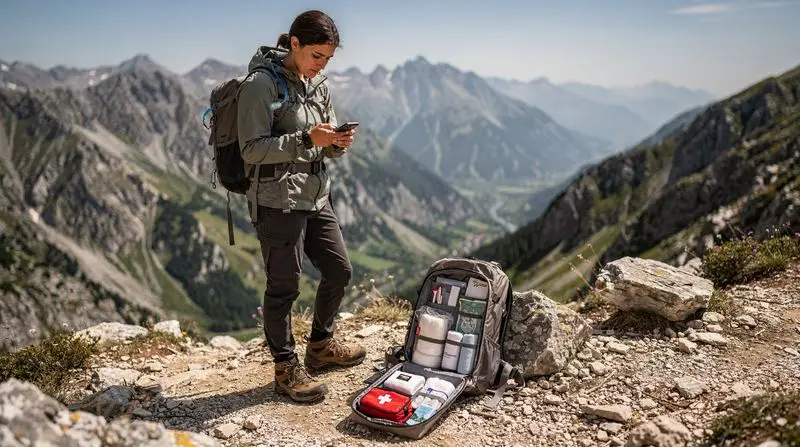
Albania has increasingly sophisticated hiking infrastructure, but the mountains demand proper preparation:
Trail marking: The Peaks of the Balkans international trail is well-marked with clear waymarkers. Many secondary trails have improved marking in recent years, but standards vary considerably. Always carry a detailed map (download on Gaia GPS or similar offline mapping app) in addition to your navigation app.
Weather changes rapidly in the Alps. Clear morning skies can bring afternoon thunderstorms by June and July. Lightning in exposed mountain terrain is a serious and underappreciated risk. Start hiking early and descend from ridges by early afternoon. Ask your guesthouse host about the day’s weather forecast — they know the local patterns far better than any app.
River crossings: Some mountain trails cross streams on footbridges of variable quality, and occasionally without bridges at all. In spring snowmelt periods (April-May), stream crossings can be genuinely dangerous. Ask local guides about current conditions before setting out.
Tell someone your plans. When setting out on a mountain hike, tell your guesthouse host your planned route and expected return time. This is not paranoia — it is standard mountain safety practice anywhere in the world.
Emergency services in the mountains: Mountain rescue exists but response times in remote areas are long. The most reliable emergency assistance is your guesthouse host who knows the terrain and can mobilize local help quickly. This is one reason the guesthouse accommodation model in the Alps is valuable beyond just food and shelter.
For rafting, canyoning, and other adventure activities, only use operators who can demonstrate proper equipment and safety training. The Osumi Canyon and Vjosa River have legitimate operators — seek recommendations from your accommodation or tourism offices.
Comparing Albania’s Safety Record to Other European Destinations
To put Albanian safety in perspective:
The Global Peace Index consistently ranks Albania among the safer countries in the Balkans. Its crime rate, measured by police statistics, is lower than many EU members including Belgium, France, and Sweden. The rate of violent crime against foreigners is extremely low by any European comparison.
The UK Foreign, Commonwealth and Development Office advises travelers to “exercise normal precautions” in Albania — the same advisory level as Germany, France, and the Netherlands. This is the baseline advice, not a warning. Countries with elevated risk receive Level 2 “Be more cautious” or Level 3 advisories.
The US State Department’s Level 1 advisory for Albania (“exercise normal precautions”) applies consistently. For comparison: Albania receives the same advisory level as most of Western Europe. Countries with genuine security concerns receive Level 2 or Level 3 advisories.
These official assessments align with traveler experience. The overwhelming consensus from the backpacker and independent travel community is that Albania exceeded their safety expectations significantly. Travelers moving from Western Europe to Albania often comment on how unstressed they feel, particularly compared to crowded tourist destinations where petty theft is endemic.
Building Confidence for Your First Albania Visit
For first-time visitors who feel uncertain about safety, a few confidence-building suggestions:
Start in Berat. The UNESCO city is small, atmospheric, heavily visited by international travelers, and utterly non-threatening. Two nights in Berat immediately demonstrates that Albania is safe and welcoming. The Berat destination guide has everything you need to plan those first nights.
Stay at well-reviewed guesthouses. The Albanian guesthouse community is consistently praised for its warmth and the way hosts look after guests. Starting your trip in a well-reviewed guesthouse puts you in contact with people who will help, advise, and watch out for you. This is genuinely part of Albanian culture, not just customer service.
Join a walking tour on your first day in Tirana. Organized walking tours put you in a group, give you context for what you are seeing, and provide natural social connections with other travelers. Tirana walking tours are available daily and are an excellent way to orient yourself in the capital, meet fellow travelers, and get comfortable with the city quickly. The Communist Albania history tour is particularly well-reviewed for pairing safety orientation with fascinating historical context.
Use Bolt from day one. Eliminating the taxi uncertainty by using the Bolt ride-hailing app immediately removes one potential source of anxiety. Transparent fares, driver accountability, and the ability to share your trip with someone you know make city transport worry-free. See the best apps for Albania guide for Bolt and other useful apps.
Read recent traveler reviews. The most current picture of safety comes from travelers who have just returned. Albania travel Facebook groups and Reddit communities (r/albania, r/travel) have active recent reports. The overwhelming pattern: people arrive nervous and leave surprised by how safe and welcoming the country is.
Safety Tips Summary
For quick reference, the key safety practices for Albania:
- Road: Drive defensively, avoid rural night driving, always wear seatbelts, avoid all mountain driving after dark
- Crime: Normal urban awareness in cities, minimal concern in tourist towns and mountain areas
- Health: Drink bottled water, get travel insurance with evacuation coverage, carry your own medicines
- Swimming: Check for currents and lifeguards, follow warnings at Blue Eye and mountain rivers
- Hiking: Carry navigation tools, tell your host your plans, start early to avoid afternoon storms
- Emergencies: Save 112 in your phone, save your accommodation’s contact
- Taxis: Use Bolt or official taxi ranks, never go with airport touts
Albania will reward any traveler who arrives with open eyes and reasonable precautions. The country has earned its growing reputation as one of Europe’s most welcoming destinations — and the safety record supports that reputation fully.
For comprehensive trip preparation, see the Albania travel tips guide, the packing list for Albania, and the Albania travel budget guide for understanding what your trip will cost.
Safety for Specific Traveler Types
Families with children: Albania is genuinely welcoming to children, and safety concerns specific to families are minimal beyond standard road and water precautions. Albanian culture is strongly child-positive, and travelers with kids consistently report feeling looked after. The Albania family travel guide covers family-specific planning.
Backpackers and budget travelers: Hostel and guesthouse safety standards in Albania are good, and the backpacker circuit (Tirana, Berat, Saranda, the Alps) is well-trodden and safe. Standard hostel precautions — secure lockers, awareness in dorm rooms — apply as anywhere. See the Albania backpacking guide for route-specific advice.
Older travelers: Albania’s hospitality culture is particularly attentive to older visitors, and the main practical safety considerations are uneven surfaces in historic old towns rather than crime. The Albania seniors guide covers accessibility and medical planning by region.
Insurance and Safety Preparation
Comprehensive travel insurance with medical evacuation cover is the single most important safety preparation for any Albania trip, given that Albania sits outside the EU and EHIC/GHIC do not apply. The Albania travel insurance guide covers what a policy should include — mountain rescue cover matters specifically if your itinerary includes the Albanian Alps or Peaks of the Balkans trail, and this is not automatically included in standard policies.
Frequently Asked Questions About Safety in Albania
Is Albania safe for tourists?
Yes, Albania is among the safest countries in Europe for tourists. Violent crime against visitors is extremely rare, and the US State Department and UK FCDO both issue their lowest-level advisory (“exercise normal precautions”) — the same as most of Western Europe. The main safety concern is road traffic, not crime.
Is Albania safe for solo female travelers?
Generally yes. Solo female travelers consistently report feeling safe throughout Albania, including in cities and rural areas. Normal urban precautions apply in Tirana at night, and some catcalling occurs in tourist areas. The Albanian hospitality culture is strongly protective of guests, and violent incidents involving solo women travelers are not reported with any regularity.
Is it safe to drive in Albania?
Driving in Albania is safe if you drive defensively, but road safety is the most significant hazard for visitors. Albanian driving culture is assertive, roads vary in quality, and livestock and unlit vehicles appear on rural roads after dark. Renting an appropriate vehicle, avoiding mountain roads at night, and maintaining greater following distances than usual are the key precautions.
Are there scams in Albania?
Albania has far fewer tourist scams than most comparable destinations. The main exception is unofficial taxis at Tirana Airport, where unlicensed drivers approach in arrivals and charge inflated fares. Using the official taxi rank or the Bolt app eliminates this risk entirely. Currency confusion at markets is occasionally reported but rarely deliberate.
Is the tap water safe in Albania?
Tap water in Albania is technically treated but not reliably safe for drinking everywhere, particularly in older buildings and smaller towns. Drink bottled water, which costs 50-80 ALL (under EUR 1) for a 1.5L bottle and is universally available. In the Albanian Alps, many natural mountain springs produce excellent water that locals drink freely.