Gjipe Beach: Albania’s Finest Hidden Beach
There are beaches, and then there is Gjipe. Albania’s coastline has become increasingly celebrated for its clarity of water and dramatic scenery, but even within the Albanian Riviera — a stretch already remarkable by Mediterranean standards — Gjipe occupies a category of its own. It is the beach that requires you to earn it, and the effort is its own reward.
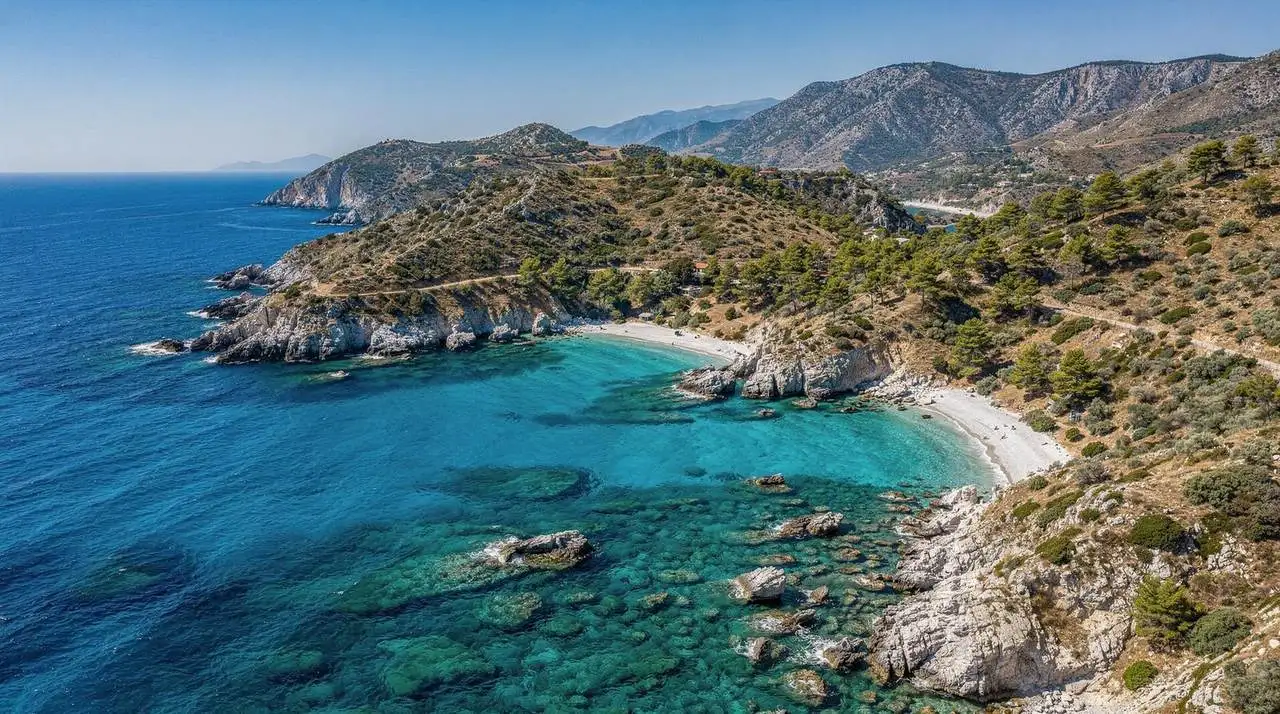
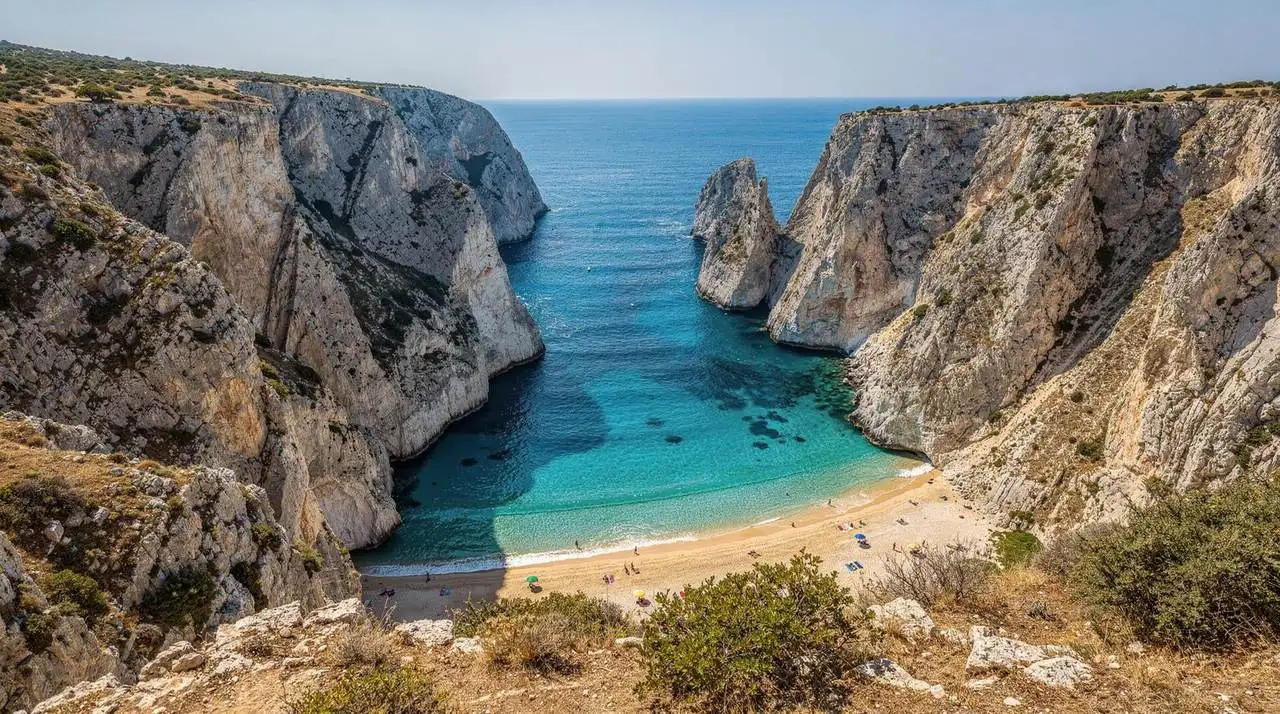
Gjipe is a small cove at the mouth of a limestone canyon, tucked between sheer white cliffs that plunge directly into the Ionian Sea. No road reaches it. To get there you hike through scrubland and down a dramatic gorge, or you take a boat from a nearby bay. The canyon walls tower overhead, filtering the light and creating an atmosphere that feels genuinely removed from the rest of the world. The water is a colour you will try to describe when you get home and find you cannot, exactly.
Gjipe sits between Dhermi to the north (approximately 6 kilometres) and Himara to the south (approximately 20 kilometres). It is most naturally visited from a base in either town, and fits perfectly within a best beaches in Albania exploration of the Riviera. If the Albanian Riviera is the headline, Gjipe is the secret kept within it. The Albania off the beaten path guide covers Gjipe alongside other Riviera experiences that require more than simply arriving by bus and walking to the nearest beach bar.
| Where | Albanian Riviera, between Dhermi and Himara |
| Getting there | 25-35 min canyon hike, or boat/kayak from Himara or Potami |
| Time needed | Half a day minimum; a full day or overnight is better |
| Facilities | Minimal — seasonal beach bar only, no toilets |
| Best time | June or September for near-solitude and comfortable hiking heat |
The Canyon and the Setting
The Gjipe canyon — Kanioni i Gjipes in Albanian — is the defining feature of the beach. The canyon cuts inland for several kilometres through the limestone mountains, created over millennia by a seasonal stream that now flows only in winter and spring. In summer the gorge is dry, its floor made of smooth white and grey limestone rocks polished by centuries of water.
The canyon walls rise steeply on both sides, sometimes narrowing to just a few metres across. Ancient olive trees and wild fig cling to ledges, birds of prey circle overhead, and the sound that dominates is silence punctuated by your own footsteps and the growing sound of the sea as you approach the beach.
Where the canyon meets the coast, the cliffs open dramatically and the cove appears — perhaps 150 metres of grey pebble beach framed by white limestone walls, the Ionian spreading out beyond in extraordinary shades of blue and turquoise. It is a genuinely world-class natural setting. That it remains as undeveloped as it does is a minor miracle and a strong argument for visiting before things change.
The microclimate within the canyon is noticeably different from the open coast. The limestone walls trap cold air overnight, which can linger into the morning even in midsummer. By midday the canyon heats up considerably, but the walls provide shade at the canyon mouth in the early afternoon, making Gjipe more comfortable in the afternoon heat than fully exposed beaches.
How to Reach Gjipe Beach
The Hike Through the Canyon
The most popular and most rewarding way to reach Gjipe is the hike through the canyon. The trailhead is on the main SH8 road between Dhermi and Himara, at a point sometimes marked only by a small sign and a scattering of parked cars in season. GPS coordinates are worth saving before you leave mobile coverage.
From the road, the path descends into the canyon and follows its floor for roughly 2.5 kilometres. The terrain is mostly flat once you are in the gorge, and the walking is easy on the smooth limestone. The entire one-way journey takes around 25-35 minutes at a comfortable pace. The only significant challenge is the final descent to the beach, which involves some scrambling over rocks — manageable for most people, but not suitable for very small children or those with serious mobility issues.
Return is the same way. The uphill walk out of the canyon back to the road takes about 40 minutes. In the heat of summer, doing this in the middle of the day is sweaty but not dangerously strenuous — bring at least two litres of water per person and start early if possible.
What makes the hike worthwhile, beyond the beach itself, is the canyon. Walking between those white limestone walls — with the sound of the sea gradually growing louder ahead of you and the silence of the mountain behind — is an experience in its own right. The geology is extraordinary: the limestone formations in the narrowest sections show striation patterns from ancient marine deposits, and the cave alcoves carved into the walls at various heights are remnants of spring flood channels.
By Boat from Himara
The second option is arriving by sea. Boat services run from the small bay near Potami, a few kilometres north of Himara, and also from Himara port itself during the peak summer season. The boat ride takes 20-30 minutes and offers an entirely different perspective — approaching Gjipe from the sea, watching the canyon mouth appear in the cliff face, and arriving directly on the beach.
These Albanian Riviera boat tours from Himara typically include Gjipe as one of their stops, along with several other coves and sea caves accessible only by water. Arriving by boat means you can see the beach from the sea first, then explore the canyon on foot before boarding again.
For dedicated sea cave exploration near Gjipe, this Himara Riviera caves boat tour explores the dramatic cave systems cut into the limestone cliffs near Gjipe and to the north — an excellent complement to a canyon walk visit, giving you both the water and land perspectives on this extraordinary coastline.
This Pirates Cave boat tour from Himara covers the cave systems near Gjipe, with opportunities to swim inside the cave formations — the most dramatic swimming available on the Albanian Riviera.
If you can, do both: arrive by boat and leave via the canyon hike, or hike in and arrange a boat pickup. This combination gives you the full Gjipe experience — sea approach and mountain departure.
By Kayak
A third option for the more adventurous: kayaking from Himara or from the cove at Potami. The sea route covers several kilometres of stunning coastline and sea caves before arriving at Gjipe. This is best attempted with experience or as part of a guided kayak tour, as the open-sea section can be exposed to wind and swell.
This kayak and SUP tour from Himara covers the coastal caves in the Gjipe direction, giving a guided kayaking experience with the sea cave exploration built in. Kayak rental and guided tours are also available from operators in Himara for those who prefer to paddle independently.
What to Expect on the Beach
The Beach Itself
Gjipe is a pebble and coarse-gravel beach, as are most of the best beaches on the Albanian Riviera. The stones are smooth and pale, the water crystal clear. The cove is reasonably sheltered, which means even when there is some swell on the open coast, the water at Gjipe is often calm. Snorkelling is excellent — the water is clean and visibility is high, and the rock formations at the base of the cliffs shelter good marine life including sea bass, bream, moray eels, and octopus.
The canyon walls provide shade in the morning and afternoon, though the central part of the beach is fully exposed at midday. The microclimate is slightly different from the open coast: cooler, quieter, with less wind. On a very hot day this shade is welcome; on a cool day it can make the beach feel chilly until the sun reaches full height.
The pebble surface is comfortable for lying on with a beach towel or mat — the stones are smooth enough to be pleasant rather than uncomfortable. The beach is typically 10-20 metres wide, expanding slightly at the canyon mouth. The total beach area is not large: in peak season (July-August) with 50-80 visitors present, it feels moderately populated; with 20 visitors, it feels private.
Facilities
Gjipe is minimally developed. In the peak summer season (July-August), a small beach bar operates, selling cold drinks and basic food — beer, water, simple snacks. Do not count on it being open, and do not count on card payment being available. Bring everything you need: water, food, sunscreen, and cash.
There are no toilets. There is no shade infrastructure. There is no lifeguard. This is wild beach swimming — glorious, but requiring appropriate self-sufficiency. The lack of facilities is precisely what preserves the beach’s character; it keeps the casual visitor away and rewards those willing to plan properly.
Swimming
The swimming at Gjipe is exceptional. The water is deep close to shore, which means you can jump from the lower sections of rock at the canyon mouth — a favourite activity. The water temperature in July and August is typically 24-26 degrees Celsius. The clarity is extraordinary. On calm days with the right light angle, the colour of the water against the white limestone walls is something most visitors photograph immediately and then put the camera away, accepting that it cannot quite be captured.
The area around the base of the canyon walls is particularly good for free diving — the water is typically 3-5 metres deep very close to the rock face, and the formations provide ledges and overhangs worth exploring. Beyond the cove mouth, the depth increases quickly; swimming around the headlands brings you into the open sea and occasional strong currents.
Camping at Gjipe
Gjipe is one of the few places on the Albanian Riviera where wild camping is genuinely feasible and relatively commonly practised. Arriving late in the afternoon, spending the night, and watching both sunset and sunrise from the canyon mouth is, by many accounts, one of the peak experiences available on the Albanian coast.
Ground is limited — the beach is not large — so arriving early enough to secure a flat spot before dark is important. The flattest and most sheltered camping spots are at the canyon mouth itself, where the walls provide some wind protection. Further back in the canyon are additional flat areas, though they are darker and cooler.
Bring everything: tent, sleeping bag (nights in the canyon can be cool even in summer), food, water, and a light source. There is a seasonal freshwater spring in the canyon that may or may not be flowing depending on the time of year; do not rely on it as your water source. Carry at minimum two litres per person per day plus cooking water if you plan overnight.
Camping here is not officially permitted but is widely tolerated in practice. Leave no trace — pack out everything you bring in, do not light fires, and treat the canyon with appropriate respect. The fragile nature of the site is what keeps it beautiful. Human waste should be dealt with well away from the water and buried; bring a trowel if you plan to stay multiple nights.
Getting to the Gjipe Trailhead
The trailhead is located on the SH8 highway between Dhermi and Himara, approximately 6 kilometres south of Dhermi and 20 kilometres north of Himara.
By car: About a 20-minute drive from Himara and 10 minutes from Dhermi. Parking is available at the trailhead, typically a verge-side area with space for 20-30 cars. In peak season (July-August), this fills early — arrive before 9am to guarantee a space. See our car rental in Albania guide for vehicle options.
By furgon: From Himara, the furgons running north towards Dhermi and Vlora pass the trailhead. Ask to be dropped at “Gjipe” — most drivers know the spot. The return can be tricky if relying on public transport; agree a pickup time with a taxi from Himara in advance. Return taxis from Himara typically charge EUR 10-15 for the trip.
From Dhermi: If you are staying in Dhermi, Gjipe is an excellent half-day excursion — hike in, swim, hike out, and be back for a late lunch. The proximity makes it the perfect morning activity before an afternoon at Dhermi or Drymades beach.
Where to Eat Near Gjipe
Gjipe itself has only the seasonal beach bar. For proper meals:
In Himara (20 minutes south): Himara has the best restaurant selection nearest to Gjipe. Several seafood tavernas near the harbor serve fresh grilled fish at excellent prices. The seafront restaurants serve the daily catch simply prepared — grilled sea bass with olive oil and herbs is the standard, and it is consistently excellent. See the Himara guide for specific recommendations.
In Dhermi (10 minutes north): Several restaurants on the coastal road near Dhermi serve grilled seafood and Albanian cooking. Budget EUR 8-15 per person for a full meal.
At the trailhead: No food facilities at the trailhead itself. Pack provisions from the nearest town for your beach day. The village bakeries in both Dhermi and Himara are open from early morning and produce excellent byrek and bread for packing.
Our Albanian food guide covers the regional cooking of the Ionian coast, including the fresh seafood traditions of Himara and Dhermi.
Practical Tips for Gjipe Beach
Timing your visit: July and August see the most visitors. In absolute terms, Gjipe is never truly crowded — the canyon walk naturally limits numbers — but in peak season the beach can hold 50-100 people. June and September offer near-solitude, warmer water than spring, and comfortable hiking temperatures. The ideal visit is a weekday in June or September when the canyon feels as remote as it looks.
What to wear: Hiking shoes or sandals with decent grip are preferable to flip flops for the canyon walk, particularly for the final scramble to the beach. The limestone can be slippery when wet — water from the occasional spring in the canyon can make rocks treacherous in sections. Change into beach footwear when you arrive.
What to bring: At minimum — more water than you think you need (the canyon is sheltered but hot in summer), sunscreen, a packed lunch or snacks, and a dry bag for anything valuable. A small first aid kit is sensible for any remote beach. A thin towel or mat is more practical on pebble than a thick beach towel.
Afternoon light: The best light on the water at Gjipe is in the morning. By early afternoon the canyon walls begin to shade the beach from certain angles, though the light quality changes rather than disappears — afternoon light creates dramatic shadow patterns on the canyon walls that are equally photogenic.
Currents: The open water beyond the canyon mouth can have stronger currents than the sheltered cove. If you swim out around the headlands, be aware of conditions. Stay inside the cove if uncertain.
Budget: Gjipe is one of Albania’s cheapest beach destinations — the beach itself is free, access is free, and only the optional beach bar costs anything. The main expense is getting there (taxi or rental car). See our Albania travel budget guide for cost comparisons across the Riviera.
Gjipe by Season
| Month | Water temp | Crowds | Hiking comfort |
|---|---|---|---|
| May | Cool, swimmable for the hardy | Very light | Ideal — cool canyon air |
| June | Warm | Light | Very good, before peak heat |
| July-August | Warmest (24-26°C) | Busiest — 50-100 on peak days | Hot; hike early morning |
| September | Still warm | Light again after early month | Excellent — arguably the best month |
| October+ | Cooling fast | Near-empty | Beach bar closed; bring all supplies |
Sea Caves Beyond the Cove
The limestone coastline either side of Gjipe is riddled with sea caves and smaller coves that are invisible from the canyon trail and only reachable by water. Several of the boat and kayak tours mentioned above route past these formations rather than heading straight to Gjipe, and it is worth choosing an operator that includes them rather than a direct drop-off. The caves nearest Gjipe are shallow enough for confident swimmers to enter and explore in calm conditions, with shafts of light penetrating through cracks in the rock overhead — a striking contrast to the open, sunlit cove itself. Combining a cave-focused boat trip with the canyon hike on a different day is the most complete way to experience this stretch of the Albanian Riviera, giving you both the dry-land and sea-level perspectives on the same coastline.
Gjipe in the Context of the Riviera
Gjipe does not replace the other beaches of the Albanian Riviera — it completes them. Dhermi offers the social beach scene, the tavernas, and the nightlife. Himara has the castle, the town, and the practical services. Borsh has the seven kilometres of quiet shore. Gjipe offers the experience that reminds you why beaches exist: water, stone, light, and silence.
If you spend a week on the Riviera, give Gjipe at least half a day, ideally a full day or an overnight. It is the beach you will remember when all the others have blurred together. The 14-day Albania itinerary includes Gjipe as a half-day excursion from either Dhermi or Himara. Our best beaches in Albania guide gives a comprehensive comparison of all the major beaches along this coastline, with practical ratings for different types of travellers — families, couples, backpackers, and those seeking solitude.
Frequently Asked Questions About Gjipe Beach
How do you get to Gjipe Beach?
There are two routes to Gjipe. The most popular is the canyon hike: a 2-3 km walk through the Gjipe canyon, starting from a car park on the road between Himara and Dhermi. The path follows the narrow canyon bottom over rocks and small stream crossings before opening onto the beach — it takes 45-60 minutes. The alternative is by boat from Himara or Dhermi: local fishermen and small boat operators run informal trips, taking approximately 20-30 minutes by sea, typically costing EUR 10-20 per person return.
Is the Gjipe canyon hike difficult?
The Gjipe canyon walk is rated easy to moderate. The terrain involves walking over smooth canyon rocks and occasional small stream crossings — no technical climbing or significant elevation gain. Proper footwear (hiking sandals or shoes with grip) is important as the limestone can be slippery. The canyon is narrow and shaded, which keeps temperatures comfortable even in summer. Children and non-hikers manage the route comfortably with appropriate footwear.
Are there facilities at Gjipe Beach?
Gjipe is a very basic beach with minimal infrastructure. A small seasonal beach bar operates in July and August, selling drinks and simple snacks. There are no toilets, no changing rooms, no sunbed hire, and no food facilities beyond the bar. Bring everything you need: food, sufficient water, sun protection, and a dry bag for valuables. This absence of facilities is part of the appeal — Gjipe is one of the most genuinely wild beaches accessible on the Albanian Riviera.
Can you camp at Gjipe Beach?
Yes — rough camping on the beach is possible and practiced by some visitors, particularly those who hike in and prefer to overnight rather than return through the canyon in darkness. There are no official campsite facilities — no pitching fees, no services, no management. Bring a tent, sleeping bag, and all supplies. Leave no trace: pack out all waste as there is no collection. The beach remains pristine because visitors have generally maintained this ethic; please contribute to it.
How long should you spend at Gjipe?
A minimum of a half-day is needed to make the round trip worthwhile — 45-60 minutes in each direction plus time on the beach. A full day is the ideal allocation: swim, eat lunch, explore the canyon walls and sea caves at low water, and return in the late afternoon. The beach is at its best in the morning light before midday shade begins to reach parts of the cove. If you have the option, arriving early and leaving mid-afternoon avoids the busiest part of the day on the trail.
Is Gjipe better than Dhermi or Drymades beach?
They serve different purposes rather than competing directly. Dhermi and Drymades offer sunbeds, beach bars, and an easy, social atmosphere; Gjipe offers seclusion and dramatic scenery at the cost of a hike and minimal facilities. Most travelers on the Riviera do both — a social beach day at Dhermi and a half-day excursion to Gjipe — rather than choosing one over the other.
Can you visit Gjipe without hiking?
Yes — the boat and kayak options from Himara or Potami avoid the canyon walk entirely and give a completely different sea-level approach to the cove. This suits travelers with mobility limitations or anyone who prefers not to manage the rocky scramble down into the canyon. See the boat tour options above for operators that include Gjipe as a stop.