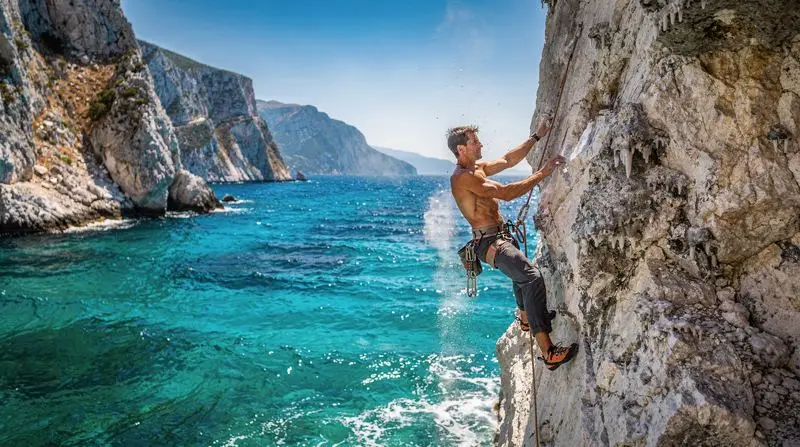
Rock Climbing in Albania: A Guide for Sport Climbers and Boulderers
Albania is an emerging rock climbing destination, sitting at an earlier stage of development than established Balkan climbing areas in Croatia or Montenegro but offering something those countries cannot: genuine first-ascent potential, deep water soloing on spectacular unclimbed limestone, and sport crags within reach of Tirana and the Riviera with a fraction of the crowds found at better-known European venues.
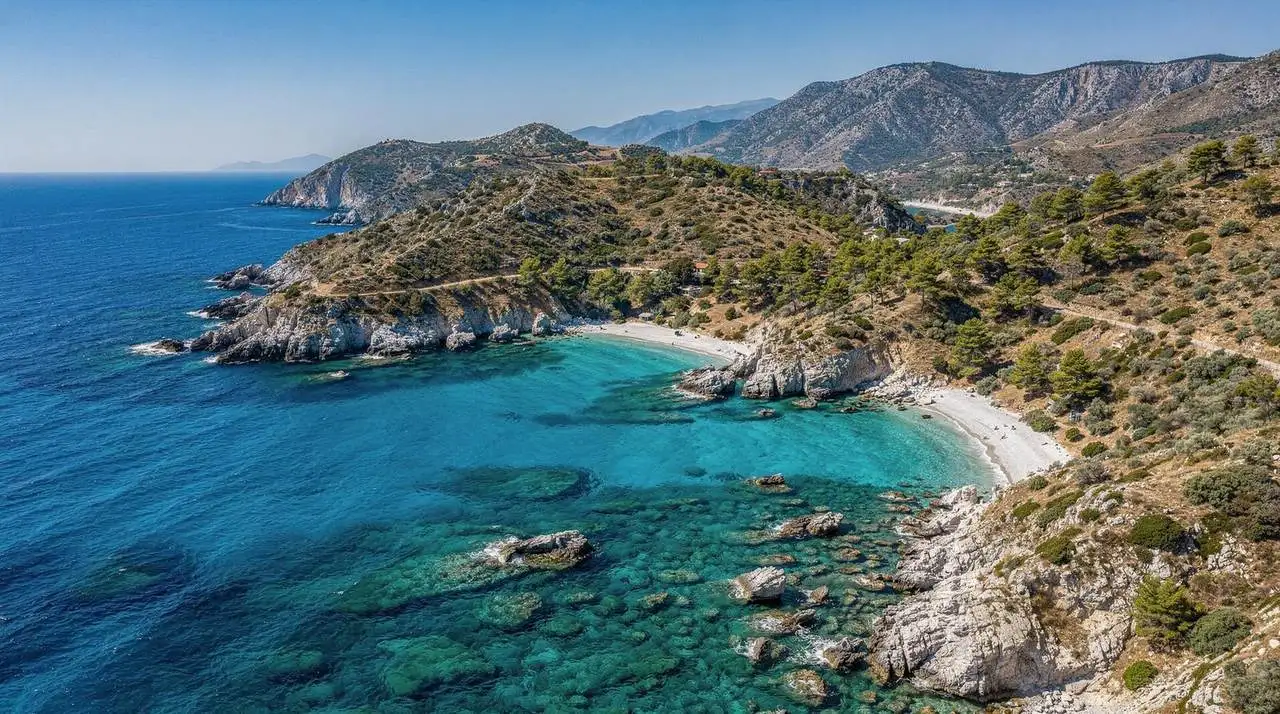
The country’s geological character — extensive limestone formations in both the mountain north and the coastal south — creates natural climbing terrain. Albanian limestone is typically solid and varied, with face climbing, pocketed walls, and crack systems all represented. The Albanian Alps add dramatic mountain crags to the picture, while the Ionian coast south of Vlora offers one of the most visually extraordinary deep water soloing settings in the Mediterranean.
This guide covers the established climbing areas, bouldering spots, deep water soloing locations, and the practical logistics of climbing in Albania.
| Where | Bovilla (near Tirana), Albanian Alps, Riviera coast (DWS) |
| Grades | 5c-8a sport, mostly 6a-7a |
| Gear | Bring your own — no rental near the crags |
| Best time | May-September (Alps); year-round Bovilla, weather permitting |
| Guides | Rare — connect via climbing clubs/Facebook groups |
The Albanian Climbing Scene
Rock climbing in Albania is in active development. A dedicated community of Albanian climbers has been establishing routes over the past decade, and visiting climbers from Italy, Germany, and other European countries are increasingly discovering the country’s potential. Several crags now have published topos — available through 27crags, TheCrag, and local climbing club resources — and bolting projects continue to expand the route count each season.
The character of Albanian climbing is raw and adventurous. Approaches are rarely manicured, some bolts are older than you would find on recently developed crags, and the overall experience demands a degree of self-sufficiency. In exchange, the settings are spectacular and the crowds are minimal.
Climbing Near Tirana: Bovilla and Surroundings
The most accessible climbing for visitors based in Tirana is in the hills north and east of the city, within an hour’s drive.
Bovilla Gorge: The Bovilla reservoir area, approximately 20km northeast of Tirana, has several limestone walls that have been partially developed for sport climbing. The gorge setting is dramatic — compact limestone faces above turquoise water — and the area is increasingly popular for day trips from the capital. Route grades range from 5c to 8a on the established sectors.
Preza Castle area: The hills around Preza, north of Tirana, have some bouldering potential in the metamorphic rock below the old castle. Routes are informal and not extensively documented, but the terrain rewards exploration.
Getting to Bovilla from Tirana takes about 40 minutes by car. Public transport reaches the area but requires a walk to the crags. The gorge also offers 4WD jeep safari experiences that can be combined with a climbing day, and if you want a rougher ride on a rest day, this off-road safari adventure near Golem and Durres is another option.
Climbing in the Albanian Alps
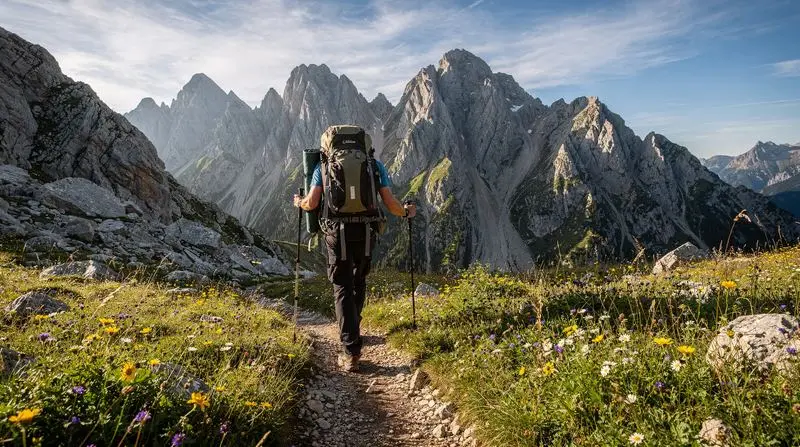
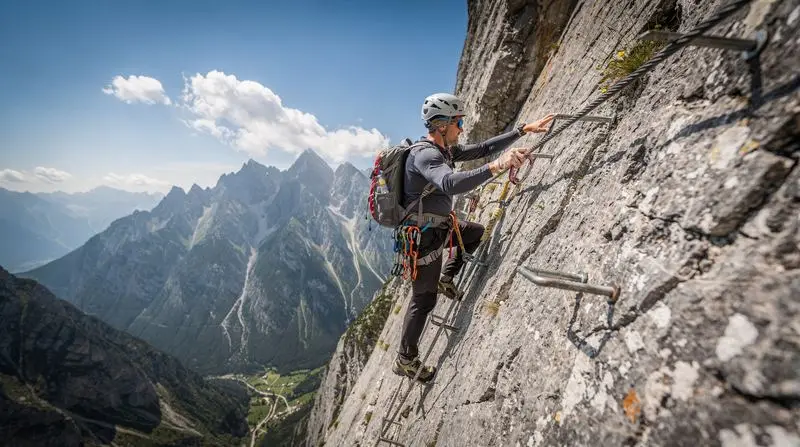
The mountain limestone of the Prokletije range — particularly around Theth and Valbona — offers the most dramatic high-altitude climbing terrain in Albania. Development is sparse by Alpine standards, which means significant first-ascent opportunities for adventurous climbers, but limited beta for those preferring established routes.
Theth Area
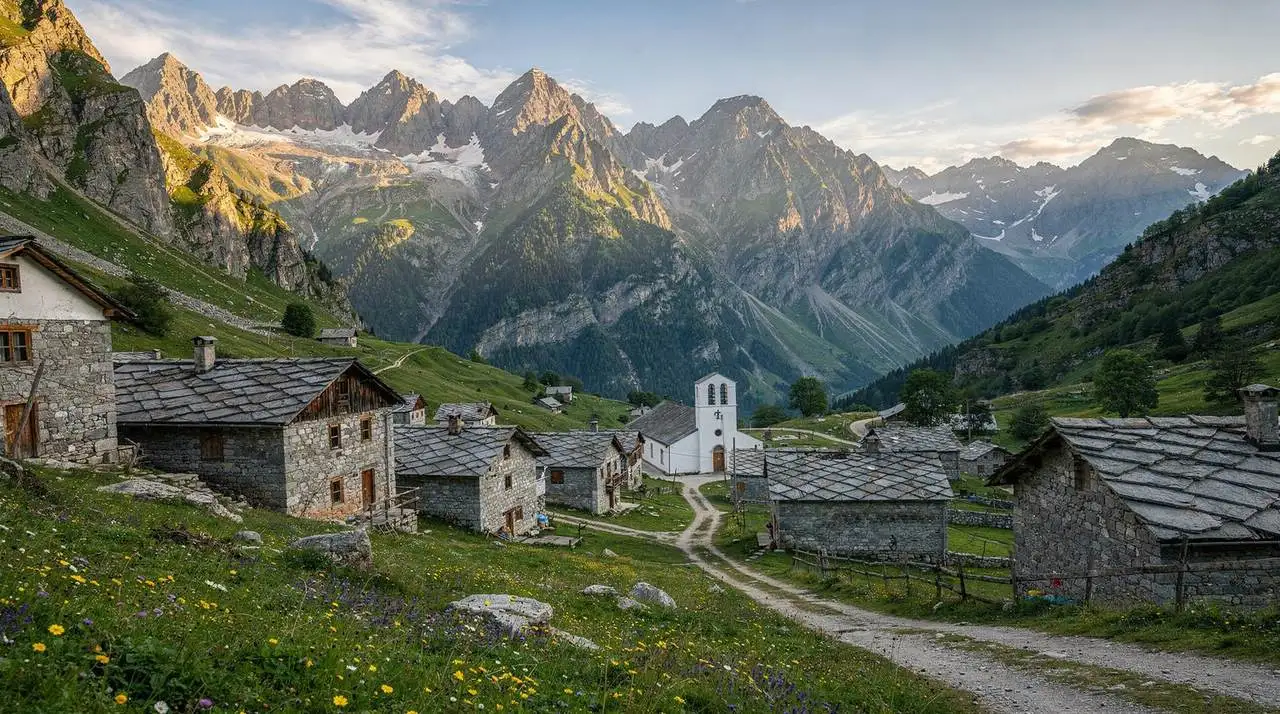
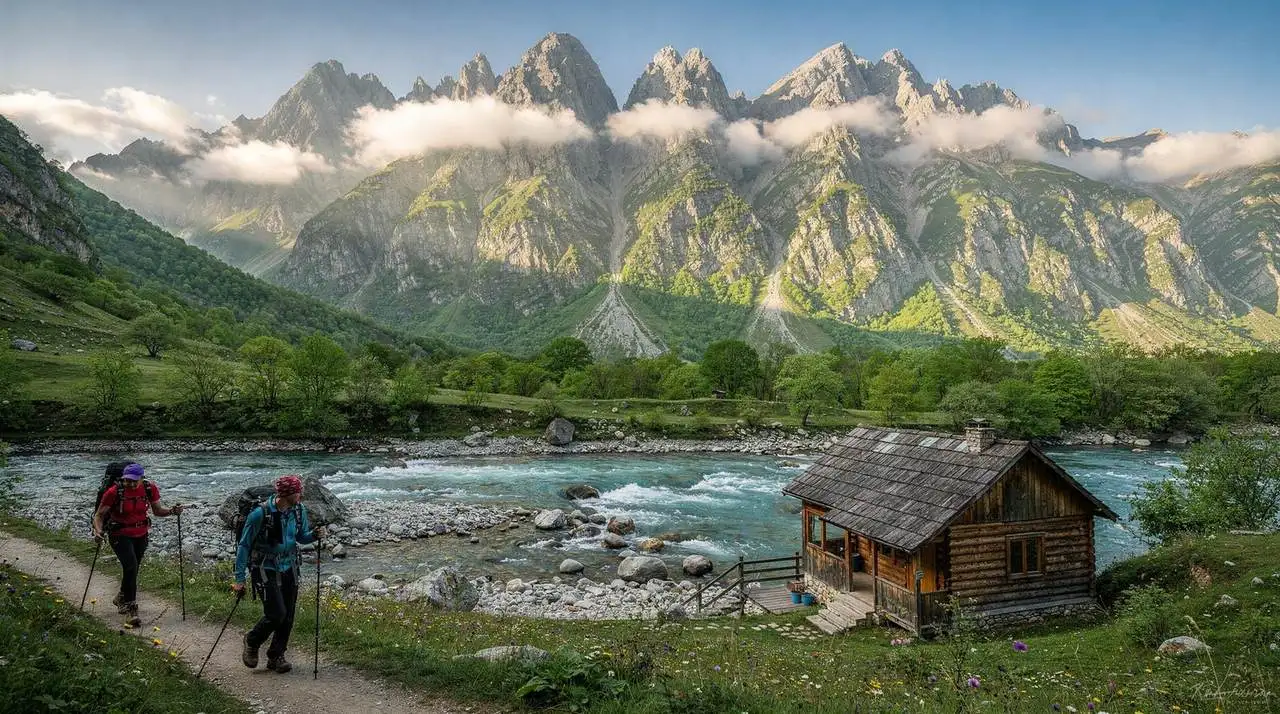
The cliffs surrounding Theth village rise to over 2,500 metres and include extensive limestone walls, couloirs, and ridge systems. Some single-pitch sport routes have been established on lower crags accessible from the village. Multi-pitch and alpine routes on the higher walls exist but are largely undocumented — local knowledge from guesthouse owners and the occasional visiting climber is the best source.
The combination of hiking, swimming in the Blue Eye waterfall pool, and climbing makes Theth an excellent multi-activity destination for small groups with mixed interests.
Valbona Valley
Similar character to Theth — dramatic peaks, limestone walls, limited documented sport climbing but significant potential for trad and alpine climbing. The Valbona Valley guesthouses serve as bases for exploration. Some Italian and German climbing teams have visited specifically to establish new routes.
Access and Self-Sufficiency
Climbing in the Albanian Alps requires a high degree of self-sufficiency. There are no guiding services specifically for rock climbing (as distinct from trekking guides). There is no mountain rescue comparable to Western Alpine standards. Weather can change rapidly at altitude. These factors make the area appropriate for experienced trad and alpine climbers who are accustomed to committing to routes in remote environments.
Deep Water Soloing on the Albanian Riviera
Deep water soloing (DWS) — climbing above deep water without a rope, falling safely into the sea — is one of the most exciting growth areas of the sport globally. Mallorca’s Cala Barques and the Adriatic coast of Croatia are well-known DWS destinations. Albania’s limestone Riviera coast, largely undocumented for DWS, offers comparable terrain in a wilder setting.
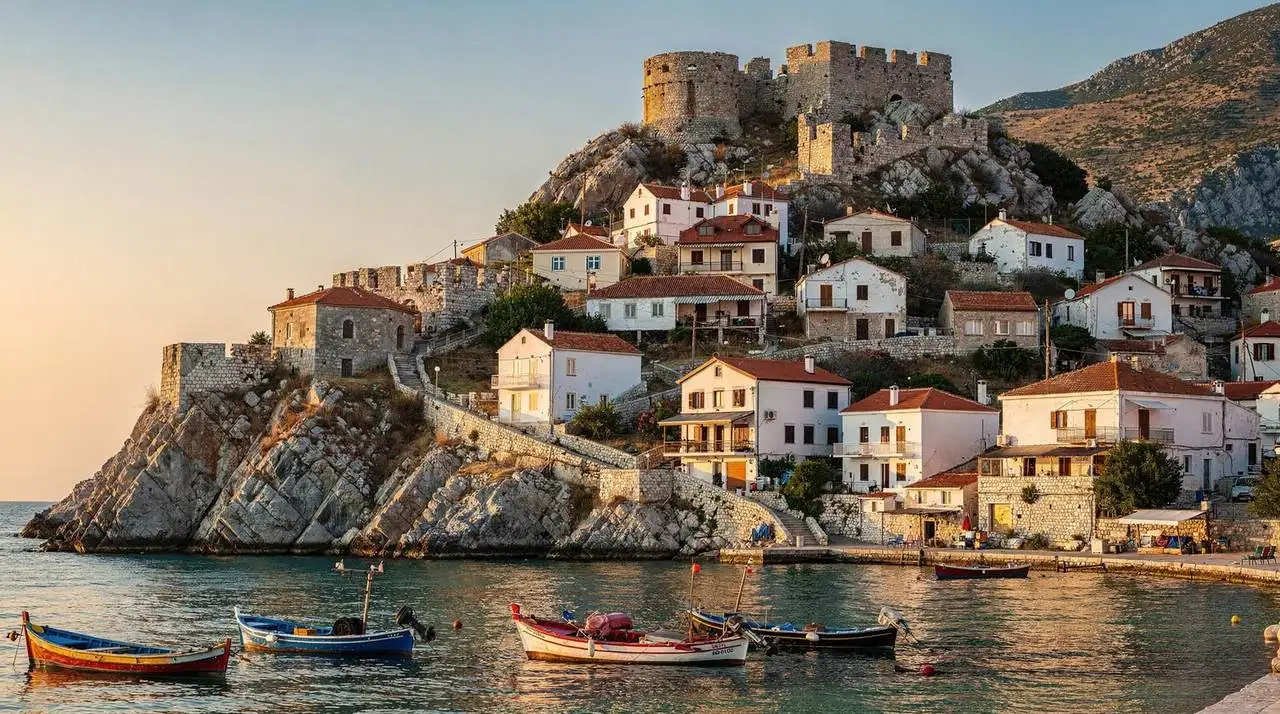
The stretch of coast between Himara and Porto Palermo contains dramatic overhanging limestone cliffs that drop directly into deep water. These formations are the result of the same geological processes that created the caves and sea arches visible on boat trips — and that geology creates natural DWS terrain.
Current status: Documented DWS routes in Albania are extremely limited in published sources. The opportunity here is for experienced DWS climbers to explore and potentially establish new venues. The approach requires a boat (charter day boats from Himara are inexpensive), ability to self-assess conditions (swell, water depth, rock quality), and DWS experience.
The Himara area sea cave complex at Porto Palermo is accessible by kayak and boat. The Porto Palermo kayak and SUP tour from Himara provides water access to the cliff base area that DWS climbers would want to assess — it is an excellent reconnaissance tool even for those not yet committed to climbing.
Practical DWS considerations on the Albanian coast:
- Bring your own shoes and chalk — no equipment hire available
- Assess swell carefully before committing — even modest Atlantic swell can make DWS landing zones dangerous
- A boat or kayak to access cliff bases is necessary for most potential venues
- Buddy system is essential — falling unobserved into sea caves or under overhangs can be dangerous
- Early morning conditions are typically calmest
Bouldering in Albania
Bouldering development in Albania is primarily concentrated around Tirana and in the gorge systems north of the city. The metamorphic and limestone rock varieties around the capital provide varied textures.
Bovilla: The Bovilla area has bouldering potential alongside the sport routes. Rock quality varies but some excellent sequences exist.
Synej Forest: The forested hills above Tirana have pockets of bouldering terrain, primarily developed by the local Tirana climbing community. Contact Albanian climbing clubs (search for “Alpinism Federation of Albania” or local Tirana groups on Facebook) for current topos and access information.
Limitations: Albania does not yet have a developed bouldering scene comparable to dedicated bouldering destinations in Slovenia or Spain. The terrain exists and is being slowly mapped — visiting boulderers should treat it as exploratory rather than destination-grade.
Sport Climbing: Established Crags
Beyond Bovilla, several other areas in Albania have documented sport routes:
Permet Gorge (Kelcyra): The Kelcyra Gorge on the Vjosa River, south of Permet, has limestone walls with some established sport routes. The area is primarily known for canyon trekking but has climbing potential. Grades documented are predominantly 6a-7b.
Shkodra area: Limestone outcrops in the hills around Shkodra have attracted some climbing development. Information is fragmentary — local connection is the best approach.
Southern coast cliffs: Various sea cliffs along the Riviera between Vlora and Saranda have been examined by visiting climbers. Most remain undeveloped but specific sectors near accessible beaches have some routes.
Getting Climbing Beta
The information landscape for Albanian rock climbing is improving but still requires effort:
Online resources:
- 27crags.com: search “Albania” for current documented routes and sectors
- TheCrag.com: similar resource with some Albanian coverage
- Mountain Project: limited but growing coverage
- Local Facebook groups: “Climbing Albania” and similar groups are the most current sources
Local contacts:
- Federata Alpiniste e Shqiperise (Albanian Alpinism Federation) based in Tirana
- Tirana outdoor gear shops sometimes have local beta
- Guesthouse owners in Theth and Valbona often know which climbing groups have visited
Hiring guides: Professional rock climbing guides for Albania are rare. The best option is connecting through climbing clubs or reaching out via the climbing-specific social media groups above, where experienced local climbers sometimes accompany visitors.
Gear and Equipment
Albania has very limited rock climbing gear retail. Bring everything you need:
For sport climbing: Full rack of quickdraws, belay device, helmet, shoes. Rock shoes with high-friction rubber for Albanian limestone.
For trad and alpine: Full trad rack (cams, nuts), nuts, hexes, slings. Conditions in the Alps can require ice axes and crampons even in early summer.
For DWS: Rock shoes that you are comfortable getting wet. Chalk bag. No rope needed — but consider a thin line for self-belaying reconnaissance.
For bouldering: Crash pad (carry-on or checked luggage depending on airline). Rock shoes, brush.
Repair and replacement: Bring spare equipment and any personal repair tools. There is no climbing shop near the crags.
Combining Climbing with Albania’s Other Highlights
Albania’s climbing destinations are all within easy reach of the country’s other major attractions, making it natural to combine climbing with sightseeing, hiking, and cultural immersion.
A climbing-focused week might look like:
- Days 1-2: Tirana (Bovilla day trip for climbing, city exploration in the evening)
- Days 3-5: Theth or Valbona (mountain climbing/alpine exploration, combine with Valbona-Theth hike)
- Days 6-7: Himara Riviera (DWS reconnaissance, sea cave kayaking, beach recovery)
See the via ferrata guide for related vertical terrain accessible to non-climbers in the same areas.
Safety Considerations
Rock climbing in Albania carries the same inherent risks as climbing anywhere, amplified by limited local rescue infrastructure:
Bolt quality: On some established crags, bolts may be older and of variable quality. Bring a bolt kit for replacing suspect hardware if you have the skills to do so.
Weather: Mountain weather in the Alps changes rapidly. Check forecasts, build in flexibility, and be prepared to retreat.
Communications: Mobile coverage is limited in the Albanian Alps. Satellite communication devices (SPOT, Garmin InReach) are worth carrying for backcountry climbing.
Emergency: In the event of a serious climbing accident in remote areas, helicopter evacuation may be required. Emergency services number in Albania is 112. Travel insurance that covers mountaineering activities is essential.
Combining Climbing with the Rest of a Riviera Trip
For climbers based on the coast, a Bovilla day trip from Tirana pairs naturally with time exploring Theth or Valbona further north, while the Riviera DWS scene sits within easy reach of Himara and the wider Albanian Riviera — meaning a climbing trip rarely needs to be a standalone itinerary. Non-climbing companions can hike, kayak, or explore coastal towns while the climbing group works a crag, which makes Albania a workable destination for mixed-interest groups in a way that more specialized climbing trips abroad often are not.
Bovilla vs the Alps vs Deep Water Soloing
For visitors trying to decide where to focus limited time, the three main climbing areas suit different priorities:
| Bovilla (Tirana) | Albanian Alps | Riviera DWS | |
|---|---|---|---|
| Access | 40 min from Tirana | Multi-hour approach via Theth/Valbona | Boat from Himara |
| Grades | 5c-8a, documented | Largely undocumented, trad/alpine | Self-assessed, no grading |
| Best for | Day trips, sport climbers | Experienced alpine/trad climbers | Experienced DWS climbers with a boat |
| Rescue infrastructure | Reasonable (near capital) | Very limited | Very limited |
Climbing Culture and Getting Involved
The Albanian climbing scene, while small, is welcoming to visiting climbers who make the effort to connect with it. Local climbers active in Tirana and around Bovilla are generally happy to share beta with respectful visitors who reach out through the Facebook groups and federation contacts listed above, and joining a local climbing day is often the fastest way to learn about recently bolted routes that haven’t yet made it onto 27crags or TheCrag. For travelers whose main interest is hiking rather than technical climbing, the Albanian Alps hiking guide and via ferrata guide both access similar mountain terrain without requiring a climbing rack.
Frequently Asked Questions About Rock Climbing in Albania
Are There Established Sport Climbing Crags Near Tirana?
Yes. The Bovilla Gorge area, approximately 40 minutes from the city centre, has the best-developed climbing near Tirana. Routes range from beginner-friendly grades to technical 8a lines. The setting above the reservoir is spectacular.
Is Deep Water Soloing Safe on the Albanian Coast?
DWS safety depends on conditions — swell, water depth below the route, and rock quality. The Albanian Riviera coast has DWS potential but limited documentation means self-assessment is required. Only attempt DWS with experience, in calm conditions, with a partner and access to a boat. The Porto Palermo sea cave area near Himara is worth reconnaissance by kayak before committing to any climbing.
Can I Find a Rock Climbing Guide in Albania?
Professional rock climbing guides specifically for Albania are rare. Connect through the Albanian Alpinism Federation or climbing-focused Facebook groups. Some general adventure tour operators in Tirana are beginning to offer climbing day trips to Bovilla — check current listings.
What Climbing Grade Routes Are Available?
Documented routes in Albania range from 5c to 8a in sport climbing grades. The majority of established bolted routes are in the 6a-7a range. Uncharted terrain (particularly in the Alps) offers unlimited potential at all grades for those comfortable establishing routes.
Should I Bring My Own Gear?
Absolutely. Albania has no dedicated climbing gear retail outside Tirana (where options are very limited). Bring all personal gear including shoes, harness, helmet, and draws. Do not expect to buy or hire gear at the crags.