Rafting in Albania: Vjosa, Osum, and Beyond
Albania’s rivers are among the last wild waterways in Europe. While most of the continent’s major rivers have been dammed, diverted, or regulated into submission, Albania’s mountain streams still run free — carving through limestone gorges, dropping through rapids, and flowing through landscapes of extraordinary beauty that very few visitors have seen. For whitewater enthusiasts, this represents an opportunity that becomes rarer each year as development pressures grow.
The two main rafting destinations in Albania are the Vjosa River near Permet in the south and the Osum Canyon near Berat and Corovoda. Each offers a different character: the Vjosa is a broad, powerful river running through open valley with sections of genuine whitewater; the Osum is a narrower, more dramatic gorge cut deep into the limestone plateau, offering a more technical and visually dramatic experience. Both are world-class in their own way, and both are accessible to guided groups without prior rafting experience.
Prices are among the most competitive in Europe for this kind of experience — approximately EUR 35-60 per person for a guided half-day or full-day trip including equipment, guide, and transport from the nearest town.
| Where | Vjosa River (Permet) or Osum Canyon (Berat/Corovoda) |
| Cost | Around EUR 35-60/person, incl. equipment, guide, transport |
| Rapids | Class II-III (Osum), Class I-IV depending on season (Vjosa) |
| Best time | June (both rivers); March-May for high-water Vjosa |
| Experience needed | None — guided trips suit first-timers |
Rafting on the Vjosa River
The Vjosa is one of the last large free-flowing rivers in Europe — no dams, no weirs, no major infrastructure between its source in Greece and its mouth at the Adriatic near Vlora. It was designated a National Park in 2023 following a decade-long campaign by environmental groups, a victory that ensures its wild character will be preserved. Running through a broad valley flanked by limestone hills and mixed forest, the Vjosa offers rafting conditions that range from gentle float trips suitable for families to more energetic sections with class III-IV rapids during high water.
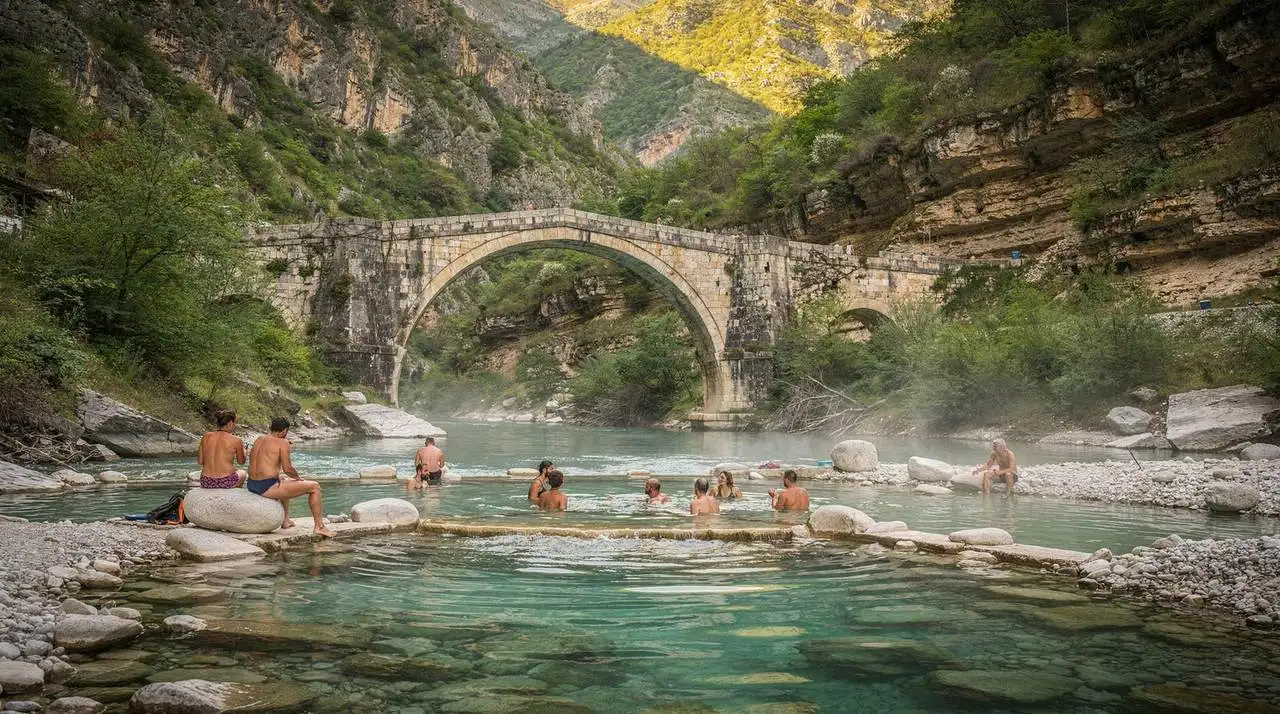
The prime rafting location on the Vjosa is the section near Permet — one of Albania’s most attractive southern towns, with Ottoman-era bridges, a thriving raki and wine tradition, and a reputation for excellent local food and honey. Permet makes an excellent base for two to three days of river-based exploration combined with the broader landscapes of the Gjirokastra region.
This Vjosa River rafting experience near Permet is operated by local specialists with deep knowledge of the river’s conditions and character. The half-day excursion covers the most exciting sections of the upper Vjosa, suitable for participants with no prior rafting experience. Cost approximately EUR 35-50 per person.
What to Expect on the Vjosa
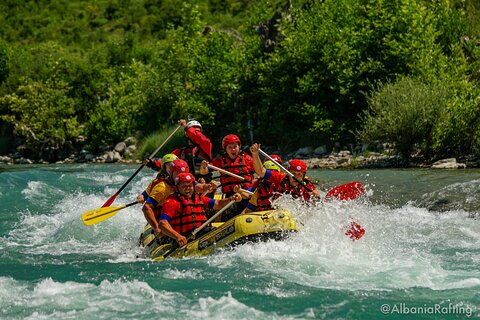
The character of the Vjosa changes dramatically by season. In spring (April-May), snowmelt from the highlands sends the river running high and fast — this is the period of the most powerful rapids, reaching class III-IV in places, and is best suited to experienced rafters or those with qualified guides who can manage the conditions confidently.
By June, water levels have dropped and the river settles into a more manageable character. The main rapids remain entertaining — class II-III — while the stretches between offer leisurely floating with views of the surrounding limestone hills and the abundant birdlife that the protected valley supports. July and August bring the lowest water, when some sections become more suitable for swimming and tubing than serious whitewater, though the scenery remains spectacular and the river culture continues.
The Vjosa’s combination of rapid sections and calm stretches makes it suitable for multi-day rafting expeditions. Some operators offer two to three day trips camping on the riverbank — a genuine wilderness experience that puts you in the heart of the Vjosa National Park with no other noise than the river and the birds. Ask local operators in Permet for current multi-day options, as these change season by season.
Rafting the Osum Canyon
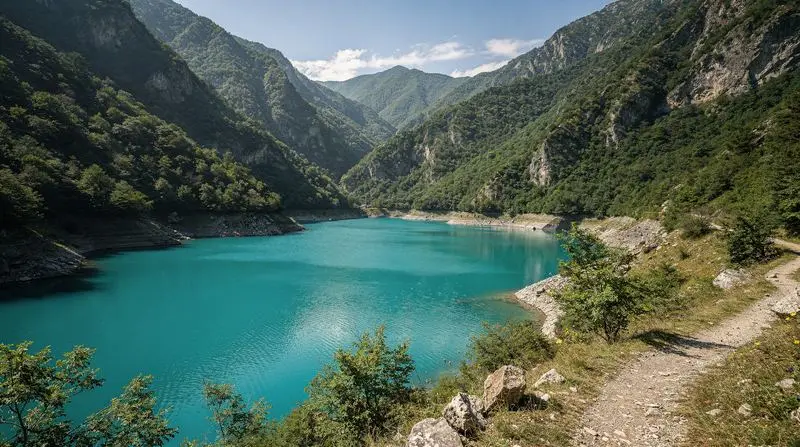
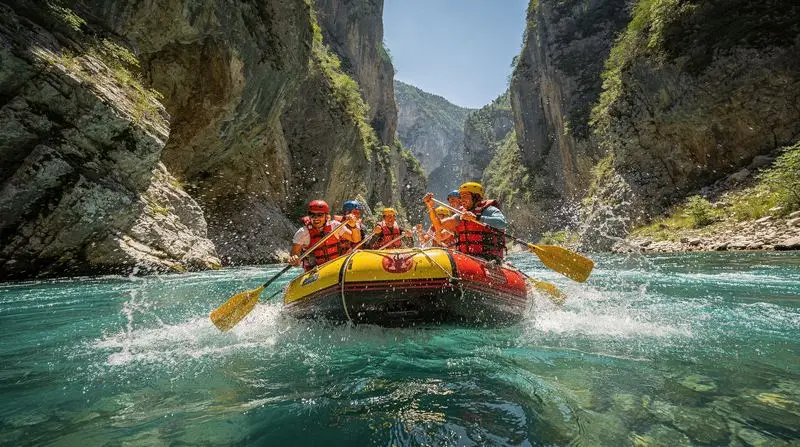
The Osum Canyon near Corovoda is a different beast entirely. Over millions of years, the Osum River has carved a spectacular gorge up to 80 metres deep into the limestone plateau of central Albania, creating a series of narrow passages, river pools, and cascades that can only be explored from the water. The canyon walls — sheer limestone in shades of grey, orange, and cream — tower directly above the raft for much of the route.
This is canyon rafting in the truest sense: in places the gorge narrows to a few metres wide, the sky is a thin strip above, and the only way through is downstream. The rapids within the canyon (class II-III) are intensified by the confined space, and the combination of technical water and extraordinary geology makes this one of the most memorable rafting experiences in the Balkans. The Bigazi Waterfall, encountered partway through the canyon, drops into a deep plunge pool of extraordinary turquoise colour.
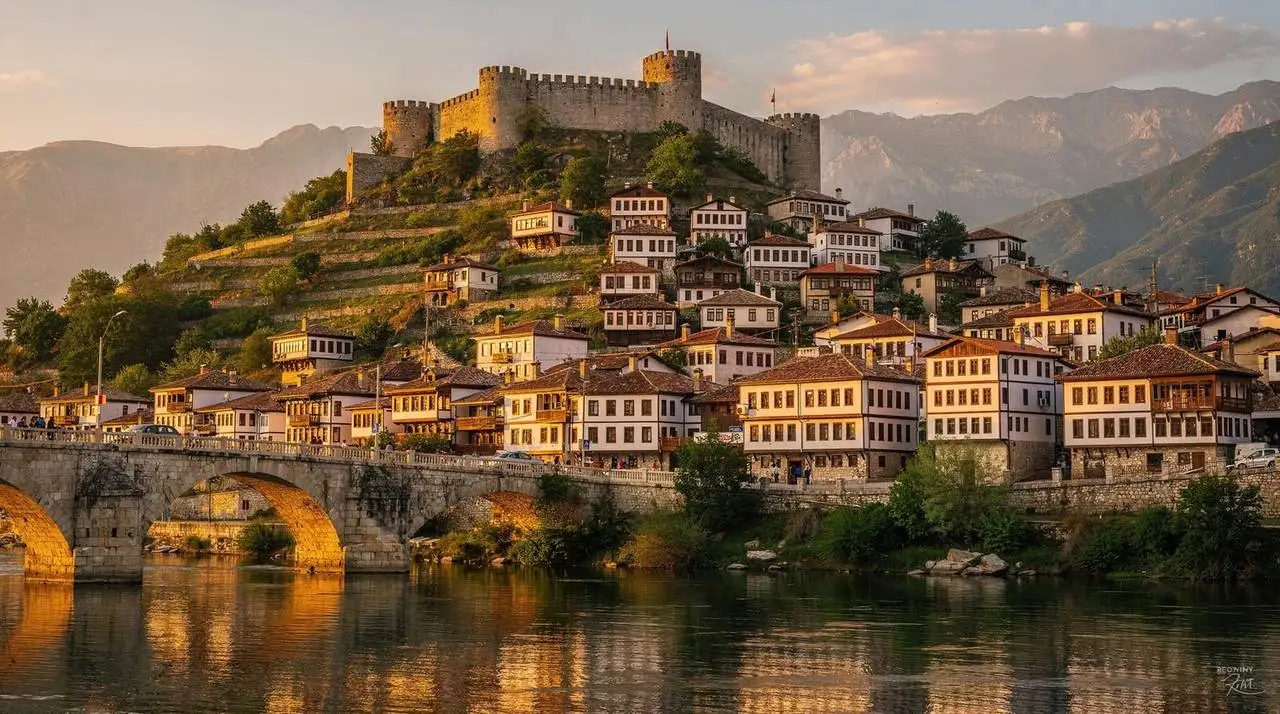
This Grand Canyon of Albania rafting and canoeing trip from Berat covers the Osum Canyon in a full-day excursion, departing from Berat — itself one of Albania’s most beautiful cities and a UNESCO World Heritage Site. Combining the rafting with a day exploring Berat’s castle and old town makes for an excellent two-day programme.
For those coming directly to the canyon from the Corovoda side:
This Corovoda Osum Canyon adventure at Bigazi Waterfall offers both rafting and the more relaxed canyoning option — floating and swimming through the canyon, a suitable choice for those who want the gorge experience with a more active physical engagement.
The Osum Canyon in Context
The Osum Canyon stretches for around 26 kilometres, though most rafting tours cover a section of 10-15 km. Entry into the gorge is at or near Corovoda, a small town on the edge of the plateau; exit is further downstream as the canyon opens out into a broader valley. The landscape inside the canyon is geologically dramatic — layers of limestone, the remains of ancient marine creatures now exposed by the river’s patient erosion, creating a natural geological record that spans millions of years.
The best season for Osum rafting is March through June, when water levels are adequate for navigation and the conditions inside the gorge are not excessively hot. By July and August, lower water levels in some years make parts of the canyon difficult to navigate by raft, though guided canyoning (swimming and scrambling) remains excellent. October brings cooler conditions and occasionally adequate water for rafting, depending on autumn rainfall.
The Permet Area: Multi-Activity Rafting Base
Permet deserves more than just a paragraph as a rafting base. This relaxed southern Albanian town sits in a particularly beautiful valley surrounded by mountains, with the Vjosa flowing through its heart. The town’s cultural life — its traditional music, its local wines from the Cobo winery just outside town, its mountain honeys sold in the central market — makes it one of the most rewarding places to spend two or three days in southern Albania.
The combination of Vjosa rafting, Langarica Canyon canyoning, and Benja Thermal Baths creates a complete outdoor activity programme within a short distance of the town center. This activity cluster, combined with the town’s food and cultural offerings, makes Permet one of the best-value adventure bases in Albania.
Getting to Permet from Tirana takes approximately four hours by bus (roughly EUR 10) or furgon. From Gjirokastra, the journey takes around two hours. There is no direct rail connection. See the Gjirokastra travel guide for the closest city with more frequent transport connections.
Other Rafting and River Activities
Beyond the Vjosa and Osum, several other rivers offer whitewater experiences:
The Osumi tributaries include smaller streams that feed the main canyon and offer shorter, technical sections suitable for experienced paddlers who want to explore beyond the standard guided routes.
The Shkumbin River in central Albania has occasionally been used for kayaking but is not currently commercially developed for rafting. The river runs through the Elbasan area and has some interesting sections in its upper reaches.
The Drin River in the north, upstream from the Koman Lake dam, has technical whitewater sections accessible only by experienced kayakers — not currently available as commercial rafting tours but known to specialist kayaking groups.
For a more relaxed water experience, kayaking and SUP tours along the Albanian Riviera offer the pleasure of watercraft without whitewater. River tubing — available at both the Vjosa and Osum — is an excellent midpoint for those who want to be on the water without the full physical demands of rafting. Floating through the Vjosa valley on an inflatable ring, with the mountains above and the birdsong from the riverbanks, is one of the most peaceful experiences available in Albania.
Practical Information for Rafting in Albania
What to Bring
All reputable operators provide helmets, life jackets, and wetsuits where appropriate. You should bring a change of dry clothes and footwear for after the trip, sunscreen applied before departure (reapplication on the water is not possible), secure footwear for the water — old trainers or water shoes rather than sandals, a waterproof bag or dry bag for valuables, and water for the day as exertion in summer sun demands good hydration.
Leave passports and excess cash at your accommodation. Most operators have secure storage at the start point.
Fitness Requirements
Vjosa rafting at moderate water levels (June-September) requires only a basic level of fitness and the ability to follow paddle instructions from your guide. No prior experience is necessary. The canyon tours on the Osum are slightly more demanding in confined sections but still suitable for beginners under qualified guidance.
For the spring high-water season on the Vjosa (April-May), any responsible operator will apply more stringent fitness and experience requirements. Always be honest with operators about your experience level — they need this information to keep the group safe.
Safety Standards
Check that your chosen operator provides certified guides, uses properly rated equipment, and operates with current permits. Reputable operators on both the Vjosa and Osum have been running tours for several years and maintain good safety records. The operators linked above are established businesses with multiple positive international reviews.
Emergency evacuation from river gorges is significantly more complex than from other outdoor environments — choosing a well-established operator with a safety plan is not optional, it is essential.
Best Time to Go
March-May: Highest water, most powerful rapids on the Vjosa. Best for experienced rafters. Wetsuits essential. The canyon is at its most dramatic in this season.
June: Good water levels, warming weather. Excellent conditions for all levels on both rivers. This is the optimal month for a combination of enjoyment and safety on the Vjosa.
July-August: Lower water on both rivers. Rafting possible but check with operators about current conditions before booking. River tubing and canyoning are good alternatives when rafting becomes difficult in dry years.
September-October: Water levels vary year to year. Possible on the Vjosa in most years. Check Osum conditions carefully as the canyon can run low in a dry autumn.
Getting There
Permet is accessed by bus from Tirana (around four hours, approximately EUR 10) or from Gjirokastra (around two hours). The town has a growing selection of guesthouses and small hotels across the price range, making it a viable multi-night base.
Berat is an easy two-hour drive or bus ride from Tirana and one of Albania’s most visited cities. See the day trips from Tirana guide for transport options from the capital. The city makes an excellent two-night base combining the Osum Canyon with the UNESCO old town.
Corovoda is a smaller town reached by local bus or private transport from Berat (around one hour) or from Tirana (around two and a half hours). Tours from Berat typically include transport to Corovoda and back.
Combining Rafting with Sightseeing
Albania’s rafting destinations sit in historically rich areas that reward exploration beyond the river. Permet is close to the stunning Benja thermal baths, the Langarica Canyon, and the ancient Mesopotama village — one of the few early Christian settlements in southern Albania with significant remains. The town’s traditional stone bridges date from Ottoman times and are excellent examples of the engineering tradition of the period.
Berat is a UNESCO city of extraordinary beauty with a castle, a thousand-windowed old town, and excellent local wine and food. See the wine tasting guide for the best producers near Berat. The cooking classes in Berat are an excellent evening activity after a day on the river.
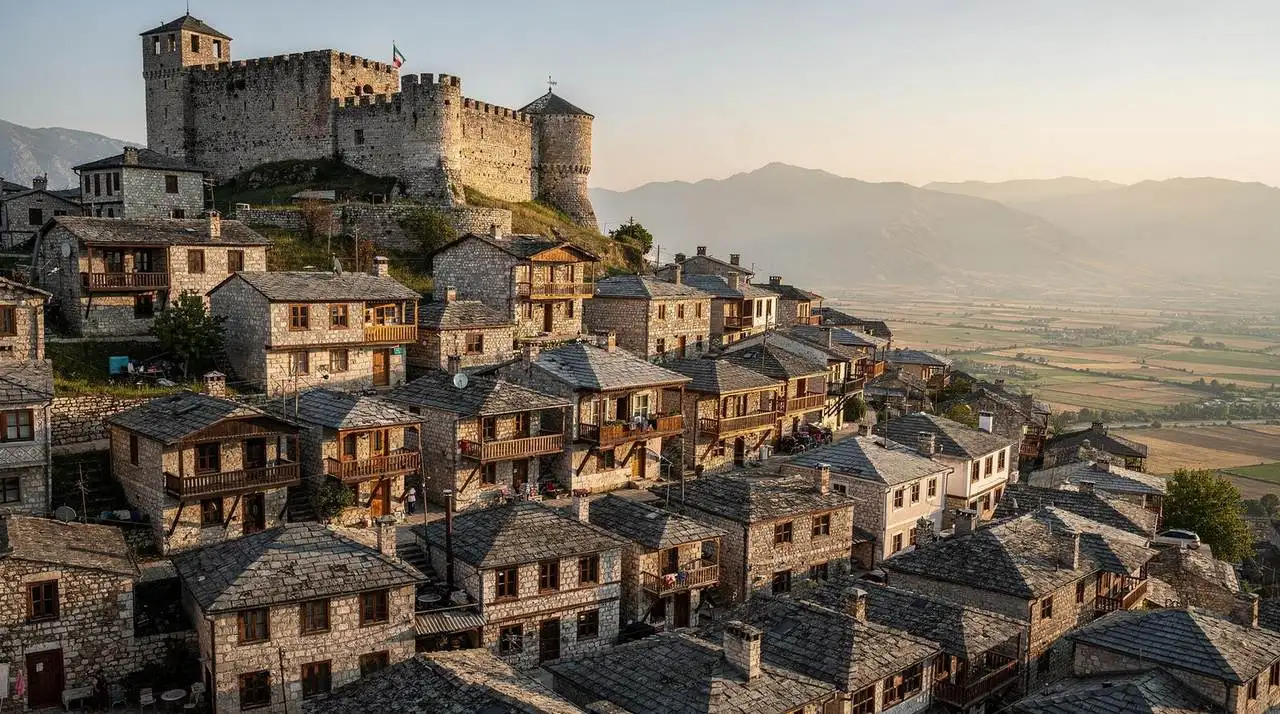
For visitors doing a southern Albania circuit, combining Berat, the Osum Canyon, Gjirokastra, and Permet into a four to five day loop covers remarkable diversity of landscape and culture. Gjirokastra is worth at least a full day and is easily combined with river activities along the Vjosa valley the following day.
Rafting and the Albanian Environment
The Vjosa’s designation as a National Park was the result of years of activism against plans for multiple hydroelectric dams that would have destroyed the river ecosystem. The preservation of wild rivers for activities like rafting, swimming, and kayaking is an ongoing topic in Albania, where energy demands and development pressure continue to threaten river environments.
Choosing to raft with operators who actively support river conservation, and spending money in riverside communities like Permet, contributes directly to the economic argument for keeping these rivers wild. The Vjosa in particular has become a flagship example of how wild river tourism can generate sustainable income that competes with extractive development — a model increasingly cited in regional environmental discussions.
For broader travel planning, see the Albania travel budget guide and the best experiences in Albania guide for how rafting fits within a complete Albania itinerary.
Final Thoughts
Albania’s wild rivers are a genuine adventure resource that most European visitors have never heard of. The Vjosa National Park and the Osum Canyon represent two very different but equally compelling experiences — one in an open valley of ecological importance, the other in a cathedral gorge of geological drama. Either one will be among the most memorable days of an Albania trip, and combining both is entirely feasible within a one-week southern Albania circuit.
The rivers here are wild in the true sense: they run free, they change with the seasons, and they reward those who engage with them on their own terms. Go in the right season, choose a reliable operator, and Albania’s rivers will exceed what you imagined.
What a Typical Rafting Day Looks Like
Most guided trips follow a similar structure regardless of river. You meet your operator in the morning at a pickup point in Permet, Berat, or Corovoda, get fitted with a helmet, life jacket, and paddle, and receive a safety briefing covering paddle commands, what to do if you fall in, and how the group will communicate on the water. Transport to the put-in point is typically 20-40 minutes by vehicle.
The rafting itself runs 2-4 hours depending on the package, broken into active rapid sections and calmer floating stretches where guides point out geological features, wildlife, or historical context. Lunch is often included on full-day trips, sometimes eaten riverside or at a stop partway through. You finish at the take-out point with transport back to town, usually arriving mid-afternoon with time left in the day for sightseeing.
Vjosa vs Osum: Which to Choose
If you can only raft one river, the choice comes down to what kind of experience you want:
| Vjosa River | Osum Canyon | |
|---|---|---|
| Setting | Open valley, National Park | Narrow limestone gorge |
| Character | Broad, powerful, scenic float sections | Technical, confined, dramatic |
| Best base | Permet | Berat or Corovoda |
| Family friendly | Yes, especially June-August | Yes, with a qualified guide |
| Combine with | Benja thermal baths, Langarica Canyon | Berat old town, wine tasting |
What to Wear
Wear quick-dry synthetic clothing rather than cotton, which stays wet and cold once soaked. A swimsuit under lightweight layers works well for both rivers in summer; in the cooler spring high-water season on the Vjosa, a wetsuit (usually provided by the operator) is standard. Secure footwear — old trainers or water shoes — protects your feet on rocky put-in and take-out points; flip-flops or sandals are not suitable and most operators will ask you to change.
Non-Rafting Activities on the Same Rivers
Neither the Vjosa nor the Osum requires committing to a full rafting trip. River tubing on both rivers is a lower-intensity alternative for families or anyone who wants the water experience without whitewater technique, and for a calmer pace altogether, kayaking and SUP tours along the coast offer a complementary water activity without river currents. For visitors weighing up their full activity list for a southern Albania trip, the best experiences in Albania guide puts rafting in context alongside canyoning, hiking, and cultural stops.
Frequently Asked Questions About Rafting in Albania
Where is the best rafting in Albania?
The Osum Canyon near Permet is Albania’s most spectacular rafting destination — a 26-km gorge with walls up to 80 metres high and crystal-clear emerald water. The Vjosa River offers a different experience: a wider, wilder river through an open valley in Europe’s largest undammed river national park. Both are in southern Albania, manageable as day trips from Permet or Berat.
How much does rafting cost in Albania?
Osum Canyon rafting trips cost EUR 35-55 per person with a reputable operator, including equipment and transport to the put-in point. Vjosa River rafting is similar at EUR 30-50 per person. Private full-day packages with transport from Tirana or Berat cost EUR 80-120 per person all-inclusive.
Is rafting in Albania safe?
Rafting in Albania is safe when you use established operators with certified guides and proper equipment. The Osum Canyon has Class II-III rapids suitable for beginners with appropriate guidance. The Vjosa can have more variable conditions depending on season. Always check operator credentials and ask about safety equipment before booking.
What level are the rapids in Albania?
The Osum Canyon features Class II-III rapids — suitable for beginners and families with no previous rafting experience. The Vjosa River varies by section and season, ranging from gentle Class I to more challenging Class III in higher water. The Osumi Canyon trip is deliberately accessible, making it one of the most popular adventure activities in southern Albania.
Can beginners and families raft in Albania?
Yes. Both the Osum Canyon and the Vjosa at moderate water levels (June onward) are designed for participants with no prior rafting experience, and guided trips include full safety briefings, helmets, and life jackets. The spring high-water Vjosa (April-May) is better suited to experienced rafters or those comfortable with faster conditions under expert guidance.