The City of a Thousand Windows
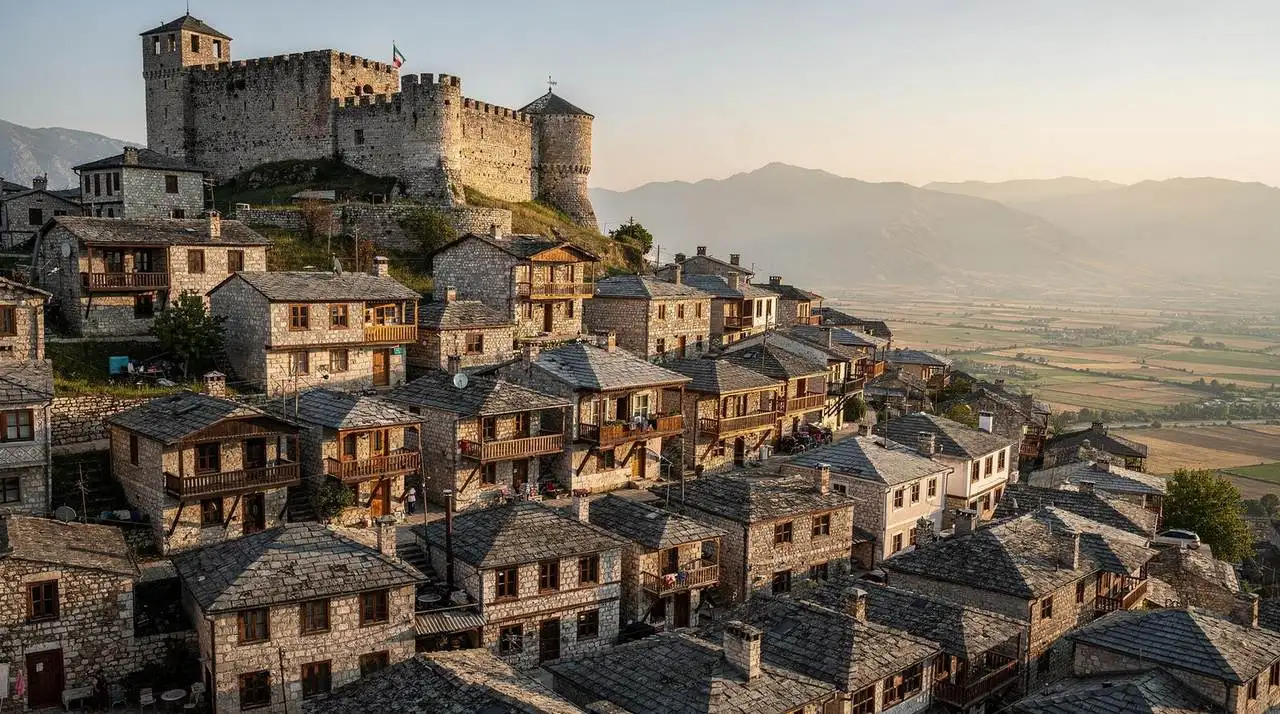
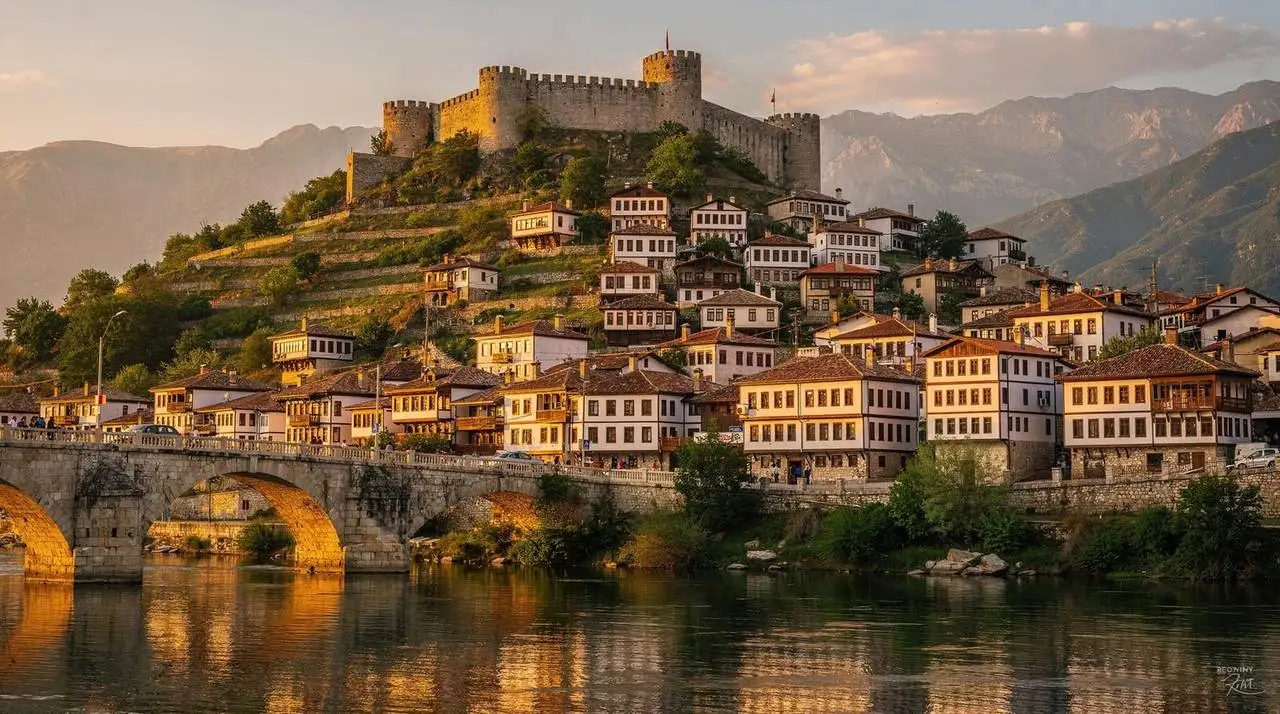
Berat is one of those destinations that exceeds its photographs. Seen from across the Osum River, the whitewashed Ottoman houses climbing the hillside toward the castle — their large, symmetrical windows stacked in rows that make the facades look like they are watching you — form one of the most arresting urban landscapes in the Balkans. UNESCO granted Berat World Heritage status in 2008, recognizing it alongside Gjirokastra as an exceptional example of a preserved Ottoman-era Albanian city. Unlike some heritage sites that feel museumified, Berat is alive: people live in the castle, hang laundry from Ottoman-era windows, and keep shops open in the old bazaar.
The city sits on the Osum River in south-central Albania, about 120 km south of Tirana and roughly two hours by road. It divides into three historic quarters: Mangalem on the west bank (the Muslim quarter, below the castle), Gorica on the east bank (the Christian quarter), and Kalaja — the castle itself, still inhabited. This layering of communities and faiths within a single small city is what makes Berat so historically rich and visually distinctive.
Berat is essential to any UNESCO sites in Albania itinerary, and pairs naturally with Gjirokastra for a two-city southern circuit. Our 7 days south Albania itinerary gives a full routing that includes both UNESCO cities, the Albanian Riviera, and Saranda.
| Where | South-central Albania, on the Osum River, ~120 km / 2hrs from Tirana |
| Getting there | Furgon from Tirana (Kombinat terminal, ~EUR 3-4) or rental car |
| Time needed | 1-2 days (3 if adding Osum Canyon or Vjosa) |
| Castle entry | Around 500 ALL, includes Onufri Museum |
| Best base | A guesthouse inside Kalaja or a boutique hotel in Mangalem |
Berat has been continuously inhabited for over 2,400 years. The Illyrians built fortifications on the rocky hill above the Osum River, and the city passed through Greek, Roman, Byzantine, Bulgarian, and Serbian hands before the Ottomans took control in 1417. It was under Ottoman rule — which lasted until 1912 — that Berat developed the distinctive domestic architecture that defines it today: multi-story stone houses with huge bay windows designed to maximize light in an era before electricity, their white lime-washed walls rising in terraces up the hillside.
The Ottomans called it Arnaud Belgrad — “Albanian Belgrade.” Albanian nationalists reclaimed the name Berat, derived from the older Byzantine Bellegrada. The city became a center of Albanian cultural activity during the National Awakening of the 19th century and was declared a “museum city” by the communist government, which paradoxically helped preserve its architectural heritage even as it suppressed religious practice.
The National Awakening period (Rilindja) mattered enormously to Berat specifically: the city hosted underground Albanian-language schools when Ottoman authorities restricted education in Albanian, and several of the intellectuals who shaped modern Albanian national identity passed through its Ottoman-era religious schools and merchant houses. That layered history — Illyrian, Greek, Ottoman, nationalist, communist — is part of why walking through Mangalem feels less like visiting a single-period monument and more like reading several centuries stacked on top of each other.
Things to Do
Kalaja: The Living Castle
Berat’s castle — Kalaja — is the centerpiece of any visit and one of Albania’s most extraordinary historical sites. Built initially in the 4th century BC and expanded by the Byzantines and then the Ottomans, it crowns the rocky outcrop above Mangalem at around 200 meters above the river. What makes it unusual is that people live here: around 400 inhabitants still reside within the castle walls, tending gardens, keeping chickens, and going about daily life inside a medieval fortification.
The castle walls enclose a small village of churches, a mosque, cisterns, towers, and residential houses. The Church of the Holy Trinity (13th century), Church of St. Mary of Blachernae, and the Church of the Evangelistria are among the most atmospheric, often unlocked during opening hours. The views from the castle walls over the Osum valley and the Mangalem quarter below are exceptional in every direction.
Practical details: The castle entrance is reached via a steep cobbled path from the Mangalem quarter. Entry costs approximately 500 ALL. Open daily 8am to 6pm (longer hours in summer). Allow at least two to three hours inside the castle. Sensible shoes are essential — the paths are steep and uneven throughout.
Onufri Museum
Inside Kalaja, the Church of the Dormition of Saint Mary houses the Onufri Museum, arguably the finest collection of Orthodox religious art in Albania. Onufri was a 16th-century Albanian iconographer of exceptional talent, celebrated throughout the Orthodox world for his vivid red pigments and expressive faces. The museum holds 17 icons attributed to Onufri and his son, alongside liturgical objects, manuscripts, and embroideries collected from churches across the Berat region. Entry is included with the castle ticket. Guides are available at the museum entrance; English-speaking guides cost approximately 1,000 ALL for a 45-minute tour and add considerable depth to what might otherwise be a visually impressive but contextually opaque collection.
Mangalem Quarter
The Mangalem quarter is the beating heart of Ottoman Berat — the streets below the castle are a labyrinth of cobblestones, stone walls, overhanging bay windows, and small cafes. The main street, Rruga Antipatrea, runs through the middle and is lined with restaurants, souvenir shops, and guesthouses converted from Ottoman houses. At the bottom of the quarter, the 16th-century Lead Mosque (Xhamia e Plumbit) is one of the oldest Ottoman structures in Albania.
Walking slowly through Mangalem in the early morning or evening, when the light is golden and the tourist crowds thin, is the most rewarding experience Berat offers. The neighborhood is compact enough to explore without a map but complex enough that wandering always reveals something unexpected — a hidden courtyard, a carved wooden doorframe, an Ottoman fountain fed by an underground spring. Our Albania photography workshops guide covers Berat among the country’s strongest locations for anyone travelling with a serious camera setup, including the specific lanes that catch the best light.
Gorica Quarter and the Old Bridge
Cross the pedestrian stone bridge over the Osum River to reach Gorica, the Christian quarter on the east bank. Gorica is quieter and less visited than Mangalem, with a more residential feel — it is essentially a village of old Albanian Christian houses climbing a wooded hillside. Several churches survive here, and the views back across the river toward Mangalem and the castle are the best available. The old arched bridge itself (17th century, recently restored) is a pleasure to walk across, and the riverbank on both sides is popular with locals for evening strolls and summer swimming.
From Gorica, the best photograph of Berat is the classic view: both Mangalem and the castle reflected in the calm Osum at sunset. Position yourself on the east bank of the river, looking west, in the golden hour before dusk.
Bachelors’ Mosque (Xhamia e Beqarëve)
Down in the center of town near the clock tower, this elegant 18th-century mosque is notable for its interior frescoes — unusual in a mosque — which blend Islamic geometric patterning with figurative painting in a way that reflects Berat’s unique multicultural character. It is open to visitors outside prayer times. Entry is free; a small donation is appropriate.
Ethnographic Museum
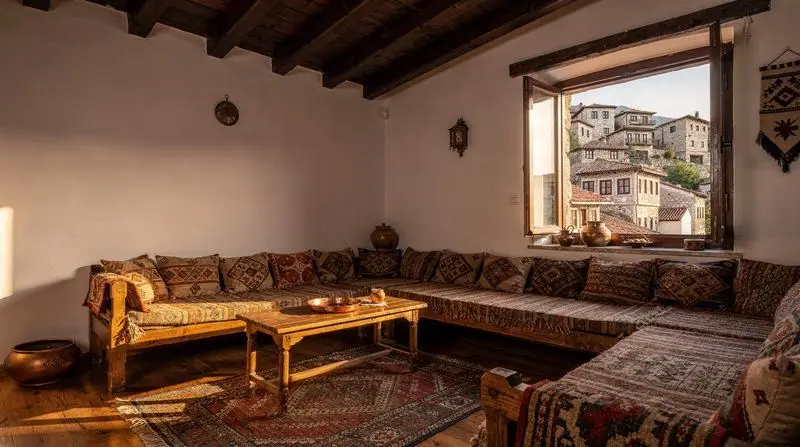
Just below the castle entrance, the Ethnographic Museum occupies a beautifully preserved 19th-century Ottoman house and displays traditional clothing, household objects, agricultural tools, and crafts from the Berat region. Entry is approximately 300 ALL. The building itself — with its carved wooden ceilings, painted interior walls, and large windows — is as interesting as the collection. It provides essential context for understanding the daily life that took place behind those famous facades.
Osum Canyon Day Trip
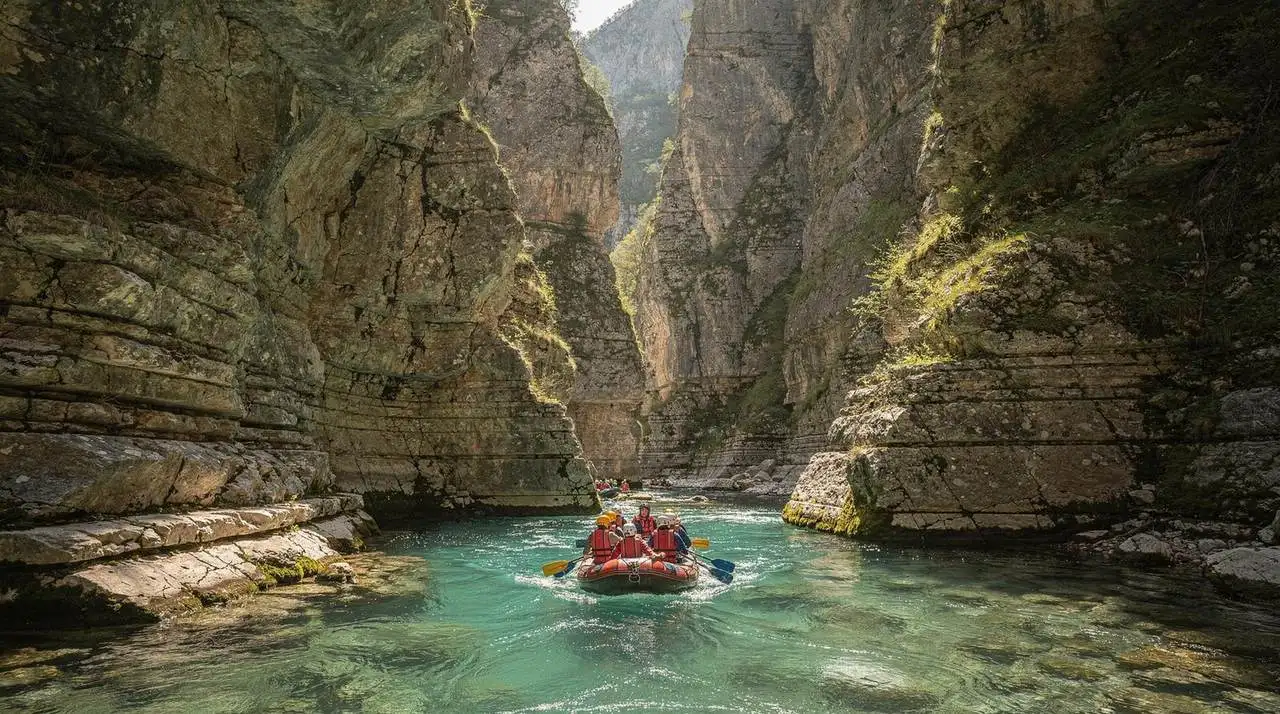
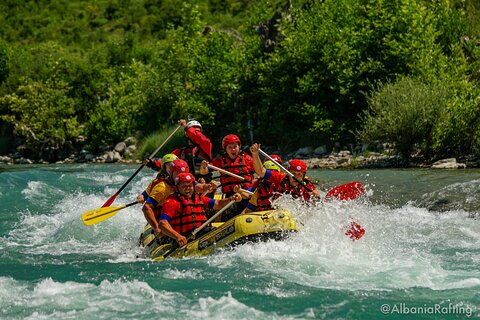
One of the most spectacular natural attractions in southern Albania, the Osum Canyon carves a dramatic gorge through limestone rock south of Berat. The canyon reaches depths of 80 meters in places, with sheer vertical walls and turquoise water threading through the bottom. In spring, rafting and kayaking trips run through the canyon; in summer, the water is calmer and swimming is possible at several points. The Bogove Waterfall — a curtain of water tumbling from a cliff into the canyon — is accessible by a short walk from the road.
This guided Osum Canyon and Bogove Waterfall tour from Berat is the easiest way to experience the canyon, combining transport and guiding for a stress-free half-day. For more intensive adventures, this full Osumi Canyons exploration with lunch provides a more comprehensive day in the gorge including swimming stops. Serious paddlers should look at the Grand Canyon of Albania rafting and canoeing trip which runs the canyon’s best whitewater sections. Our rafting in Albania guide explains the different sections and what skill level is required.
Vjosa River Kayaking
A short drive from Berat, the wild Vjosa River — Europe’s last major undammed river — offers outstanding flat-water and moving-water kayaking through pristine valley scenery. This Vjosa River kayaking experience is one of the more distinctive active options available from Berat, suitable for beginners and experienced paddlers alike.
Wine and Olive Oil Around Berat
Berat sits inside one of Albania’s most productive agricultural belts, and that shows up on every table in town. The slopes of the Tomorë and Shpirag mountains are planted with Shesh i Zi and Kallmet vines, and small family producers around the city bottle reds that rarely leave the region — the honest way to try them is simply to ask restaurants for the house wine rather than looking for a label. Our Albanian wine guide covers the country’s main wine regions, including Berat’s, in more depth if you want to plan tastings rather than stumble into them.
Olive oil is the other pillar of the local economy: the Myzeqe plain south toward Fier and the hills around Berat itself are heavily planted with olives, and family-run mills press oil that ends up in the ferges and grilled dishes served across the city. Travellers interested in visiting groves or a working mill should read the Albania olive oil trail guide, and the broader agrotourism in Albania guide lists farm stays near Berat where this kind of hands-on visit is easiest to arrange.
Festivals and Local Life
Berat’s calendar includes several events worth timing a visit around. The Berat International Multimedia Festival and various National Awakening commemorations bring extra life to Mangalem’s streets in the warmer months, and the castle occasionally hosts small cultural evenings that are only advertised locally. Outside of organised events, the most reliable way to see authentic Berat life is simply the early evening xhiro — the Albanian tradition of a slow social walk along the main streets — which happens nightly along Rruga Antipatrea regardless of the season. Our Albania festivals and events guide has current dates for the bigger national celebrations that sometimes coincide with a Berat visit.
Berat and the Belsh lakes lie on the same road south, forty minutes apart, and the second is the part almost nobody adds: a Berat and Belsh day trip from Tirana takes the pair, which turns a town visit into a day with something between the stops.
Where to Eat
Berat’s food scene is rooted in southern Albanian home cooking — rich, slow-prepared, and heavily influenced by the olive oil, vegetables, and lamb that define the region’s agriculture.
Mangalemi Restaurant (Rruga Antipatrea) — The most atmospheric restaurant in Berat, housed in a converted Ottoman building with a terrace overlooking Mangalem. Excellent tave kosi and grilled lamb. Budget EUR 8-15 per person.
Berat Beer Garden (near the bridge) — A local institution where Albanian families gather in summer evenings. Grilled meat, cold beer, and the social atmosphere of real Albanian hospitality. Budget EUR 5-10 per person.
Guesthouse restaurants in Kalaja — Several guesthouses inside the castle serve home-cooked dinners to residents and walk-in guests. These represent the best and most authentic food in Berat, typically multi-course Albanian meals for EUR 8-12 per person. Ask at the castle entrance for recommendations.
Ferges Berati is Berat’s local variation of the classic Albanian pepper and cheese stew, prepared in the traditional clay dish called a tavë. Qofte (grilled minced meat rolls) are found at every restaurant. Local honeys, walnuts, and fresh cheeses from the surrounding villages are sold at the small markets in Mangalem.
Berat sits in a wine-producing area — the Tomorë and Shpirag mountain slopes produce Shesh i Zi and Kallmet grapes used in local red wines. Ask at restaurants for the house wine, often produced by local families.
For hands-on immersion in Albanian cooking, this Berat cooking class teaches traditional recipes in a local kitchen — an excellent half-day activity. The entertaining cooking class in Berat takes a more social approach, combining cooking instruction with cultural storytelling in a particularly welcoming home setting. More options are listed in our cooking classes in Albania guide.
Where to Stay
Berat has a growing range of accommodation, from simple family guesthouses inside the castle walls to boutique hotels in Mangalem. Staying within Kalaja or in Mangalem puts you in the heart of the historic quarters and is worth the premium for the atmosphere alone.
Guesthouses inside the castle offer a unique experience — waking up inside a living medieval fortification is not something many destinations can offer. Rooms tend to be simple but atmospheric, with views over the valley. Expect EUR 30-50 per person including breakfast.
Mangalem boutique hotels have expanded significantly in recent years, with several thoughtfully converted Ottoman houses offering en-suite rooms at mid-range prices (EUR 40-80 per night).
Budget travelers will find simple rooms for EUR 20-35 per night in guesthouses throughout both quarters. For current recommendations and booking tips, our where to stay in Berat guide has detailed listings.
How to Get to Berat
From Tirana: Regular furgons (shared minibuses) depart from Tirana’s Kombinat terminal throughout the day, taking approximately two hours and costing around EUR 3-4 one way. The first departure is typically around 7am; last return from Berat to Tirana is around 4pm. Private taxis or rental cars take the same route in 1.5 to 2 hours depending on traffic.
Day trip from Tirana: Berat is one of the most popular day trips from the capital. This full-day Berat tour from Tirana includes transport, a guided castle visit, and time to explore Mangalem independently — the most hassle-free way to visit if you are based in the capital. The tour typically departs at 8am and returns by 7pm, giving a full six hours in the city.
From Gjirokastra: The journey north through the mountainous interior takes around two to three hours by shared transport or rental car, passing through Tepelena and the Vjosa River valley. This scenic route passes through some of southern Albania’s most dramatic gorge country.
From Saranda: Around three hours north by rental car or taxi, following the SH8 inland from the coast. No direct public transport; connect via Gjirokastra.
By car: If you are driving through Albania, Berat sits conveniently between Tirana/Durres and the southern cities. The road from Tirana via the Rrogozhina junction is well-maintained and straightforward. For car rental guidance, see our car rental in Albania guide.
Best Time to Visit
Berat is at its best from April through October. Spring (April-May) brings wildflowers and mild temperatures ideal for walking between the quarters and castle — the hillside gardens are in bloom and the Osum runs high and clear. Summer (June-August) is warm to hot (30-35°C), which can make climbing to the castle strenuous in the midday heat; arrive early or visit in the evening when the city cools. September and October offer excellent conditions with summer crowds diminishing and the light turning golden.
Winter visits are possible — Berat has a small off-season tourism scene and accommodation prices drop significantly — but some guesthouses close and the atmosphere is quieter.
Practical Tips
Time your visit to daylight hours in the castle: Kalaja has limited street lighting after dark, and several of the churches and the Onufri Museum close by early evening, so plan the castle portion of your day before mid-afternoon rather than after.
Combine Berat with Gjirokastra: Both are UNESCO-listed Albanian cities with similar Ottoman architecture and remarkable castle complexes. If your schedule allows, visiting both as part of a southern Albania loop (Tirana — Berat — Gjirokastra — Saranda) makes for an outstanding itinerary. Our UNESCO sites in Albania guide provides context for both cities and our 7 days south itinerary gives day-by-day routing.
Wear suitable shoes: The cobbled streets in all three historic quarters are steep and uneven. Comfortable walking shoes or hiking sandals are essential. Flip-flops will not serve you well anywhere in the old town.
Carry cash: While some restaurants and hotels now accept cards, many smaller establishments and market vendors are cash only. Withdraw Lek from the ATM in the town center before heading up to the castle.
Photography: Berat is one of Albania’s most photogenic cities. The best light for photographs of the famous window facades is in the morning (from Gorica side, looking west) and late afternoon (from below Mangalem, looking east toward the castle). The view from the castle walls at sunset is exceptional.
Guided tours: Berat’s history is complex enough that a local guide significantly enriches the experience, particularly inside Kalaja and the Onufri Museum. Guides can be arranged through guesthouses or directly at the castle entrance.
Budget planning: Berat is one of Albania’s more affordable destinations. A daily budget of EUR 25-45 covers accommodation, all meals, and entry fees with room to spare. For broader budget planning, our Albania travel budget guide breaks down typical costs across different travel styles.
Berat pairs naturally with a wider southern Albania itinerary — combine it with Gjirokastra to the south, a day on the Albanian Riviera, and a visit to the springs at Blue Eye for a complete view of what the south has to offer. The Osum Canyon is the perfect active counterpoint to two days of history and architecture in the city.
Frequently Asked Questions About Berat
Is Berat worth visiting?
Berat is one of the most visually stunning and historically rich destinations in Albania, and for many visitors it becomes the highlight of the entire trip. The UNESCO-listed city of a thousand windows, with its Ottoman houses cascading down the hillside toward a medieval castle where people still live, is unlike anywhere else in the Balkans. Two days here is time very well spent.
Can you do Berat as a day trip from Tirana?
Yes, and it is one of the most popular day trips from the capital. Furgons depart Tirana from around 7am and reach Berat in approximately two hours. Organised day tours from Tirana include transport, a guided castle visit, and time in Mangalem independently, typically leaving at 8am and returning by 7pm. That gives you around six hours in the city — enough to see the main sights but not enough to linger. Staying overnight is strongly recommended to experience the city in the evening and early morning.
How long to spend in Berat?
One full day covers the castle, Onufri Museum, Mangalem quarter, and a walk across to Gorica. Two days is ideal — adding time to explore at a slower pace, visit the Ethnographic Museum, and take a half-day trip to the Osum Canyon. A third day suits those who want to combine Berat with the Vjosa River or day-trip toward Permet.
Can you walk up to Berat Castle?
Yes. The castle is reached by a steep cobbled path from the Mangalem quarter below — the walk takes about 20-30 minutes uphill and is perfectly manageable for anyone in reasonable health. Wear proper walking shoes rather than sandals or flip-flops, as the cobblestones are steep and uneven throughout. The path is well-signed from the lower old town.
Is Berat better than Gjirokastra?
Both are UNESCO-listed Albanian cities but with quite different characters. Berat is more visually dramatic from a distance — the famous window-facade houses climbing toward the castle across the Osum River is one of the great urban landscapes of the Balkans. Gjirokastra is grittier, more authentically lived-in, built from grey stone rather than white lime-wash. Most southern Albania itineraries include both — the Tirana to Saranda circuit via Berat, Gjirokastra, and the Riviera is a natural and extremely rewarding week.
Is Berat expensive?
No — Berat is one of Albania’s more affordable stops. A daily budget of EUR 25-45 comfortably covers a guesthouse room, all meals in local restaurants, and entry to the castle and museums, with room to spare for a coffee-shop xhiro each evening. The Albania travel budget guide breaks this down further if you are planning costs for a longer trip that includes Berat.
Can you visit Berat without a car?
Yes, easily. Furgons connect Berat to Tirana, and the town itself is entirely walkable once you arrive — the castle, Mangalem and Gorica are all reachable on foot from any central guesthouse. A car becomes useful mainly for reaching the Osum Canyon or Vjosa River independently rather than for getting around Berat itself.