Nightlife in Albania: Balkans Energy, Mediterranean Vibe
Albania’s nightlife is one of its most surprising offerings for first-time visitors. A country often associated in European media with poverty and underdevelopment turns out, on closer acquaintance, to have one of the most energetic, stylish, and genuinely fun night scenes in the western Balkans. Tirana has transformed from a grey communist capital into a city that routinely stays awake until dawn, with bar terraces spilling onto summer streets, clubs that import international DJs, and a local population that approaches the night with considerable enthusiasm.
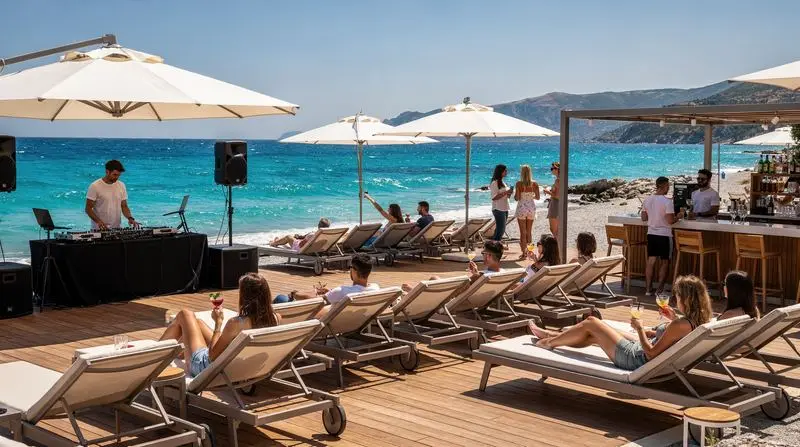
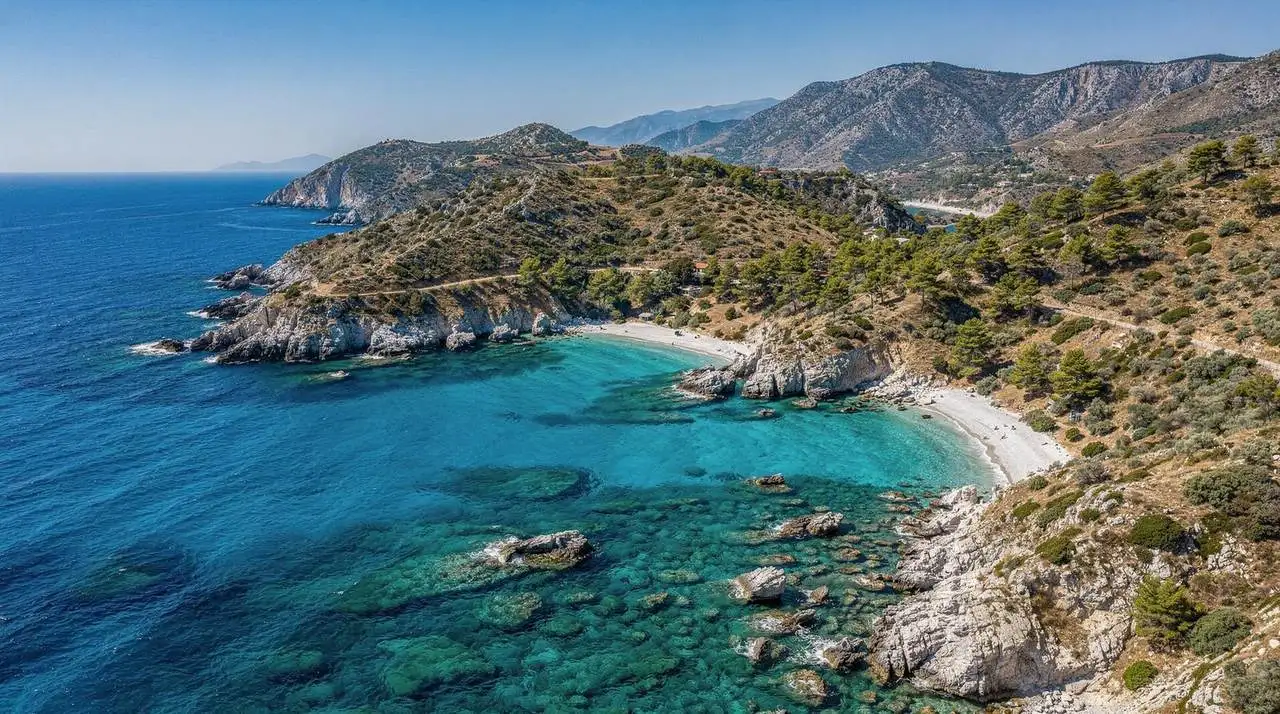
In summer, the action migrates to the Albanian Riviera: Dhermi, Jale, and Himara host outdoor parties on beaches where the Ionian Sea provides the backdrop and Albanian and international DJs spin until sunrise. This seasonal migration of nightlife energy from city to coast is a pattern familiar from Croatia and Greece — but Albania does it at a fraction of the price, without the crowds, and with a distinctly local character that makes it feel less manufactured and more spontaneous.
The value is extraordinary. Cocktails in Tirana’s Blloku bars cost EUR 4-8. Local beer is EUR 2-4. A night out that would cost EUR 80-120 in London or Paris is achievable for EUR 20-30 in Tirana, without compromising on the quality of the music, the venue, or the company.
| Best area | Blloku, Tirana (bars, clubs, cocktail lounges) |
| Summer alternative | Dhermi, Jale, Himara beach parties |
| Typical cost | Cocktails EUR 4-8, beer EUR 2-4, club entry EUR 5-15 |
| Starts | Bars fill 10-11pm; clubs after midnight |
| Peak season | June-August (Riviera), year-round (Tirana) |
Tirana: The Blloku District
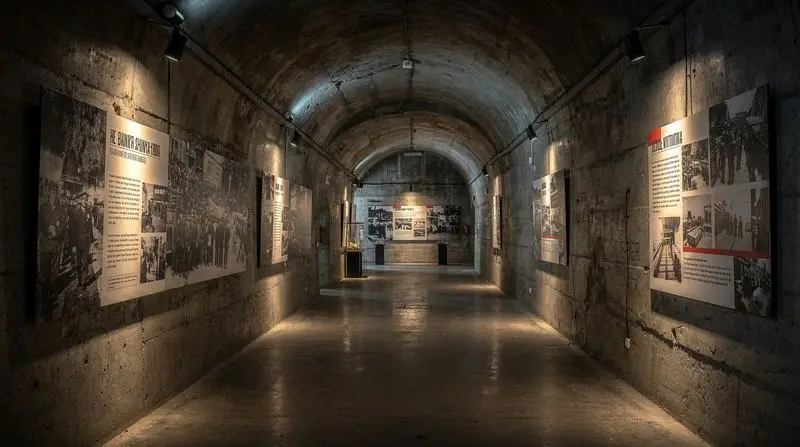
The word “Blloku” translates simply as “the Block” — the area in central Tirana that was sealed off as the exclusive residential enclave of the communist leadership under Enver Hoxha. High-ranking party officials, Hoxha himself, and the inner circle of the regime lived here, protected by armed checkpoints, while ordinary Albanians were forbidden from entering on pain of imprisonment. When the regime fell in 1990, the Blloku’s gates opened and the transformation began.
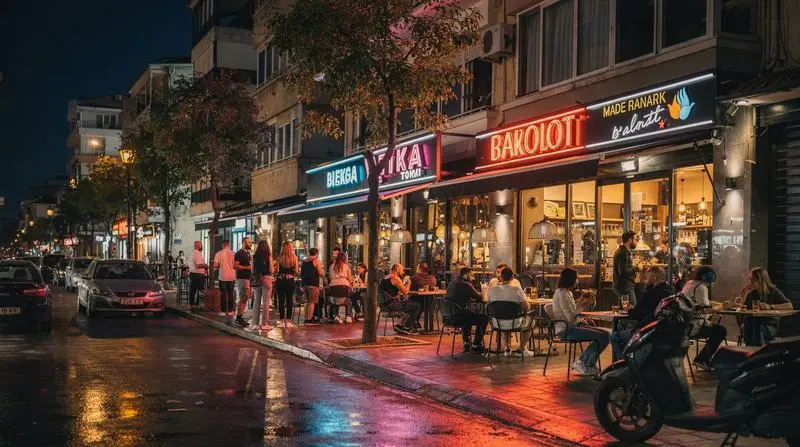
Today Blloku is Tirana’s most fashionable neighbourhood: a compact grid of streets packed with cafes, restaurants, boutiques, cocktail bars, and clubs. In summer the terraces overflow; in winter the interiors are packed with an eclectic mix of young professionals, students, expats, and tourists. The energy is genuinely good — unpretentious in the way that cities where nightlife is still a relatively recent freedom tend to be, with a warmth toward visitors that more established nightlife destinations have long since lost.
The Blloku scene starts late by northern European standards: bars fill from around 10pm, clubs begin to stir at midnight or later, and things continue until 4-6am on weekends. If you are planning an early departure the next morning, calibrate your ambitions accordingly.
A Pub Crawl Introduction
For visitors who want an introduction to Tirana’s bar scene without the research and guesswork, join a Tirana pub crawl that visits the best bars in Blloku with a local guide, welcome drinks included, and the social infrastructure that makes meeting other travellers easy. These organized crawls are also a good way to get oriented in an unfamiliar city’s nightlife geography before exploring solo on subsequent evenings. Cost approximately EUR 15-25 per person including some drinks.
The pub crawl format works particularly well in Tirana because the city’s best bars are spread across several interconnected streets rather than concentrated in a single zone. A guide who knows the current hot spots saves significant wandering time.
Key Areas Within Blloku
Rruga Pjeter Bogdani and surroundings: The densest concentration of bars and cafe-bars. In summer, tables spread across the pedestrianized sections and the energy builds from late afternoon, continuing through the early hours.
The Hoxha villa compound area: The former leader’s house has been converted to institutional use, but the surrounding streets retain an architecturally distinctive quality — leafy, slightly formal, incongruous with the nightlife surrounding it.
Rruga Sami Frasheri: Several of Tirana’s better cocktail bars cluster here, catering to a slightly older, more design-conscious crowd. The craft cocktail menus at the best venues here are genuinely sophisticated.
Types of Venues in Tirana
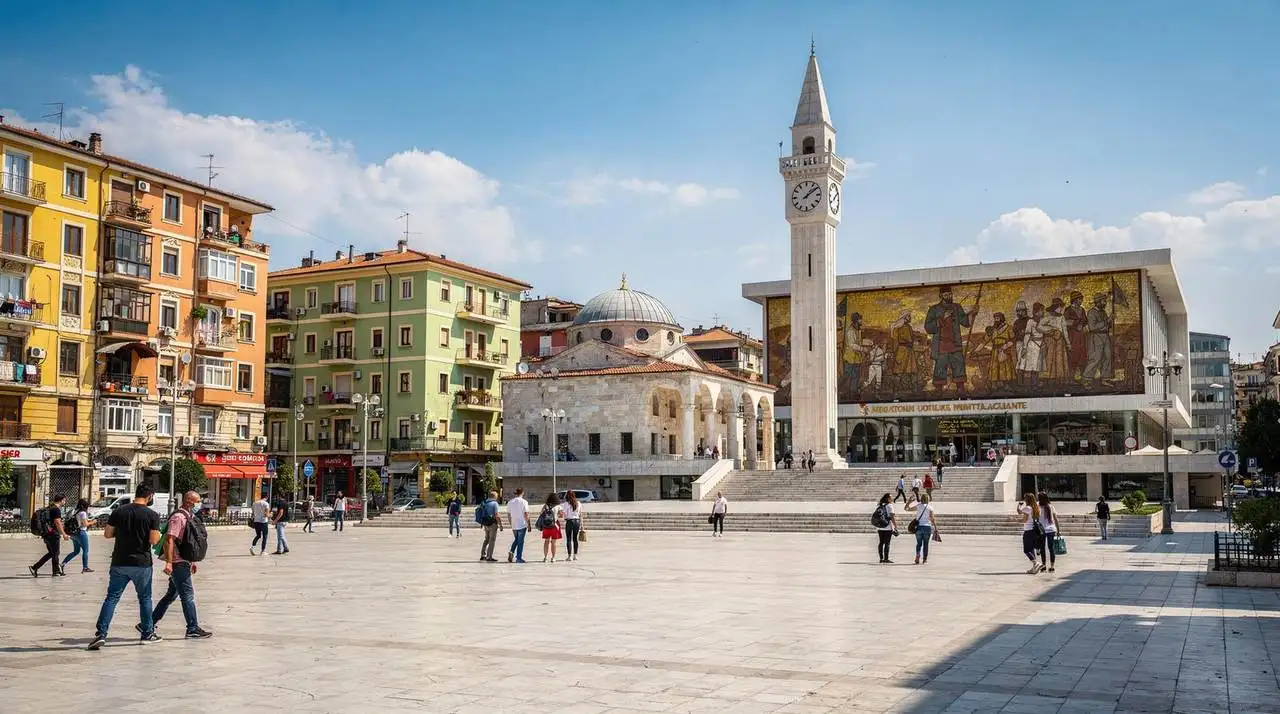
Sky bars: Tirana has developed a taste for rooftop bars with panoramic views — several hotels and standalone venues now have rooftop operations with cocktails and views over the Skanderbeg Square area or the surrounding mountains. These work particularly well at dusk, when the light over the city is extraordinary.
Cocktail bars: The craft cocktail scene has developed considerably since 2018. Several Blloku bars employ genuinely skilled bartenders working with local spirits (raki-based cocktails are an emerging specialty), fresh ingredients, and creative menus. The best bars are developing genuine personalities.
Beer bars: Albanian craft beer is a nascent but real phenomenon. A handful of bars specialize in local microbrewery output alongside international craft selections. Albanian commercial beer (Tirana Beer, Korça Beer) is competent and very cheap — typically EUR 2-3 per bottle.
Coffee culture that runs late: Albanian cafe culture is its own institution. The standard espresso order — “kafe turke” (Turkish coffee) or “makiato” (a short espresso with a splash of milk) — is drunk at all hours. The line between late-night cafe and bar is blurry in Tirana, with many establishments serving both coffee and alcohol until very late. Sitting on a terrace over a coffee that gradually becomes a raki is a genuinely Albanian way to spend an evening.
Clubs: Proper nightclubs with dedicated dance floors, DJs, and door policies exist in Tirana, though the bar culture dominates. Cover charges are modest by Western European standards — EUR 5-10 on nights with international bookings. International DJ bookings are becoming more frequent as Albania’s reputation grows among European electronic music communities.
Nightlife After Dark: Practical Tips
The best Tirana nights follow a loose pattern: dinner at around 9-10pm (Albanians eat late), drinks in Blloku from around 10:30pm, transition to a club after midnight if the evening is heading that way. This rhythm feels natural once you adopt it; trying to compress into northern European timing makes the city seem dead.
Tirana’s walking tour taken during the day gives useful orientation to the Blloku geography before the evening — knowing where you are going makes the night flow better. Many walking tours pass through Blloku specifically because the communist history of the area is part of the city’s narrative. See the Tirana travel guide for daytime context that enriches an evening in the same neighbourhood.
Korça: The Cultural Capital’s Night Scene
Korça in southeastern Albania punches above its weight for nightlife, driven by its reputation as Albania’s most culturally sophisticated provincial city. The pedestrianized city center has a genuinely pleasant bar and cafe scene, and the city’s particular passion for music and culture means that live events — jazz nights, folk music sessions, cinema screenings — supplement the standard bar experience throughout the year.
Korça’s famous local beer (Birra Korça) is Albania’s most celebrated commercial brew, and drinking it in its home city carries a mild pilgrimage quality. The brewery has operated since 1928 and the product is genuinely good by Balkan lager standards. Several bars in Korça’s center specialize in the local output and provide a social context quite different from Tirana’s cocktail culture.
The Korça brewery tour with traditional beer tasting provides a daytime cultural experience of the city’s most iconic institution — pairing with the evening bar scene creates a complete Korça beer culture experience. Cost approximately EUR 15-25 per person including tastings.
Korça’s food scene — known for its byrek and its grilled meats — pairs well with an evening on the main boulevard, where the promenade culture is at its most active on summer weekends.
Shkodra: Northern Energy
Shkodra in northern Albania has a bar scene driven partly by its young university population and partly by the city’s position as the starting point for travellers entering Albania from Montenegro. The pedestrianized central streets have concentrated cafe-bar activity, and the summertime terrace scene around the old bazaar area is pleasant and social.
Shkodra also has a tradition of live music — particularly for traditional Albanian iso-polyphony and various folk forms — that surfaces in venues and at events throughout the year. If you are lucky enough to encounter a live folk music session in Shkodra, it is worth stopping for as long as it continues.
Summer Riviera: Where the Season Comes Alive
From June through early September, the center of Albanian nightlife gravity shifts from Tirana to the Albanian Riviera. The coastal villages of Dhermi, Jale, Palasa, and Himara develop their own temporary night economies centered on beach bars, open-air clubs, and events that attract Albanian visitors from across the country alongside a growing number of international travellers.
Dhermi
Dhermi is the most developed beach destination on the Albanian Riviera for nightlife purposes. The village above and the beach below both have evening activity. Several of the beach clubs on Dhermi beach transition into evening DJ venues as the sun sets, with sound systems and lighting that create genuine nightclub experiences outdoors. International bookings at Dhermi have included recognizable names from the European electronic music circuit.
The vibe is younger and more hedonistic than the average Albanian destination. Expect a crowd heavy on Albanians from Tirana who drive or take furgons down for the weekend, Kosovars, and an increasing proportion of European backpackers who discovered Albania through social media. See the beach clubs guide for specific venue recommendations on and around the Dhermi beach.
Jale
Jale has developed a distinct identity from Dhermi: more bohemian, more organic, less polished. The beach here is sheltered and smaller, and the bar scene has grown organically around a cluster of simple beach bars that have evolved into late-night operations over several seasons. The music tends toward more alternative and eclectic programming. Camping on or near the beach is common, and the overall atmosphere is more festival than resort — the kind of place where you end up staying three days longer than you planned.
Himara
Himara, the main town between Dhermi and Saranda, has a more established local community than the smaller beach villages, which gives its nightlife a slightly more grounded character. The old town bars and the seafront promenade provide the social context. Events and organized parties occur throughout the summer, particularly around Albanian and Kosovo national holidays when domestic tourism peaks and the town fills with energy.
Raki Culture: Understanding Albanian Drinking
No account of Albanian nightlife is complete without addressing raki — the clear grape or mulberry brandy that functions as the national spirit, social lubricant, and cultural institution. Home-produced raki is shared at the start of meals, offered to guests as a fundamental act of hospitality, and present at every significant social occasion. Commercial raki is widely available; genuine home-produced raki, offered by an Albanian host, is something else — often remarkably good, always significant.
In bars and restaurants, ordering a raki (typically from a commercial producer like Skenderbeu or a regional label) is the most distinctly Albanian drinking choice you can make. The ritual of the small glass, the toast (“gëzuar” — “cheers”), and the appreciation of the spirit creates an immediate cultural connection. Prices in bars are typically EUR 1-3 per measure.
A winery tour near Tirana with wine tasting provides a daytime complement to the evening raki and bar culture — understanding Albanian wine production makes drinking it in bars and restaurants considerably more rewarding. Cost approximately EUR 25-40 per person.
Wine has become a genuine part of Tirana’s nightlife culture, with several wine bars now stocking serious Albanian producers alongside international options. The indigenous grape varieties — Kallmet, Shesh i Zi, Shesh i Bardhe — are increasingly well-made and pair excellently with Albanian food. See the wine tasting guide for the best producers and where to find them.
Practical Information for Tirana Nightlife
Getting around: Tirana has a reliable ride-app network. Bolt is widely used and is inexpensive and reliable late at night. Walking within Blloku is easy and safe; the area is well-lit and busy until the early hours.
Dress code: Tirana bars range from extremely casual (jeans and trainers are fine) to mildly smart-casual. Nicer cocktail bars and clubs may turn away obvious beachwear. There is no strict dress code culture comparable to London or Milan — the general expectation is simply that you look like you made some effort.
Prices: Remarkably low by Western European standards. Cocktails: EUR 4-8. Beer: EUR 2-4. Local raki in less touristy settings: EUR 0.50-1.50. Budget EUR 20-40 for an active evening and you will not feel constrained.
Safety: Tirana’s Blloku district is considered safe for late-night socializing. Normal city nightlife precautions apply — be aware of your valuables, use authorized app-based taxis, and apply the same common sense you would anywhere in Europe. Albania has a lower violent crime rate than most Western European capitals.
Language: In Tirana’s tourist-facing nightlife, English is widely spoken, particularly among younger staff. Some menus may be only in Albanian — helpful staff are usually happy to explain.
Payment: Cash (Albanian Lek) is universally accepted. Cards are increasingly accepted in Blloku bars but not universal. ATMs are plentiful throughout the city center and in Blloku itself.
When to Go for Nightlife
June-August: The summer peak, particularly on the Riviera where the beach club and outdoor event scene is fully operational. Tirana also reaches its most energetic in late June-July when temperatures are high and terraces stay open late.
September: The best combination of good weather, reduced peak-season crowds, and continued Riviera season. September is arguably the finest month for a Riviera visit that includes both beach time and evening activity — the chaos of August is over and the quality of the experience improves.
October-May: Tirana’s indoor nightlife continues year-round. The Blloku scene is genuinely active in spring and autumn. Winter is quieter but by no means dead — Albanians have a strong cafe culture that sustains bar life through the cold months, and the Christmas and New Year period brings genuine festivity to the city center.
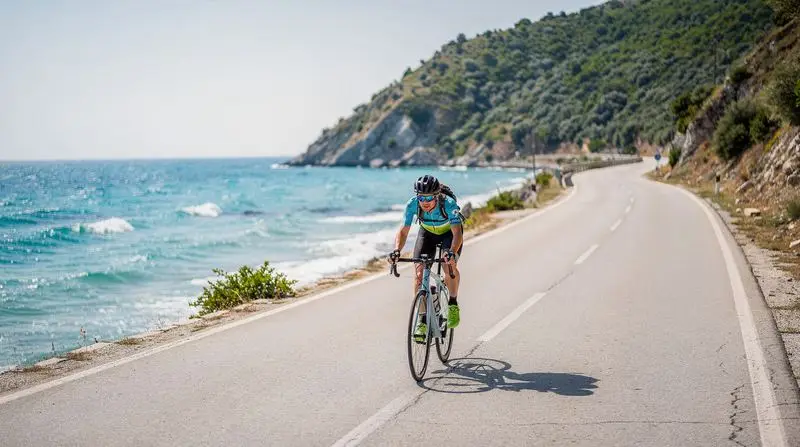
For travellers combining nightlife with Albania’s other attractions — UNESCO heritage sites, outdoor adventures, canyoning, and historical exploration — the Tirana base works well year-round. The Riviera nightlife functions as a seasonal complement during a coastal leg of the itinerary that also includes boat tours, kayaking, and the best beaches of the Albanian coast.
Live Music and Cultural Nightlife Alternatives
Not every good Albanian evening involves a bar or a club. Tirana and Korça both have growing live music scenes covering jazz, traditional Albanian folk, and contemporary Balkan sounds, often in venues that double as cafes earlier in the evening. Shkodra’s iso-polyphony tradition — a distinctive multi-part vocal style recognised by UNESCO as intangible cultural heritage — occasionally surfaces in informal venue settings and is worth seeking out if you happen to be in the city when it is happening. The festivals and events guide covers scheduled cultural events throughout the year that make for a different kind of evening than the standard bar circuit, including the Korça Beer Festival and various summer music events on the Riviera.
Nightlife for Different Travel Styles
Not every visitor wants the full Blloku club circuit, and Albania’s nightlife scene is broad enough to accommodate different preferences. Solo travellers will find the pub crawl format and Blloku’s welcoming, low-pressure atmosphere genuinely easy to navigate — see the solo travel guide and female solo travel guide for safety-specific context. Couples looking for something calmer than a club night will find Tirana’s cocktail bars and rooftop venues, plus Korça’s cafe culture, better suited — the Albania for couples guide covers romantic evening options beyond bars specifically.
Families travelling with children will naturally skip the late-night scene, but the early-evening xhiro promenade culture — in Tirana, Korça, and Shkodra alike — is a genuinely pleasant, family-inclusive part of Albanian evening life worth experiencing regardless of whether the bars that follow are relevant to your trip.
Where Nightlife Fits into a Riviera Road Trip
For a coastal itinerary that includes evening entertainment as a deliberate stop rather than an afterthought, sequence matters: base in Dhermi for the most developed beach club scene, add a night in Jale for its more bohemian alternative, and finish in Himara or Saranda for a calmer, more local evening atmosphere before continuing to Ksamil. The where to stay in Dhermi guide covers accommodation options within walking distance of the main beach club strip, which matters if a late night is on the agenda and you would rather not arrange late-night transport back to a distant guesthouse.
Frequently Asked Questions About Nightlife in Albania
What is the nightlife like in Albania?
Tirana has a surprisingly vibrant and varied nightlife scene for a city of its size. The Blloku neighborhood — formerly the sealed-off residential quarter of the communist elite — is now Albania’s entertainment hub, packed with bars, cocktail lounges, clubs, and late-night restaurants. The energy is Mediterranean: slow to start, with things picking up from midnight onward.
Where is the best nightlife in Albania?
Tirana’s Blloku district is by far the best nightlife destination in Albania, with dozens of bars and clubs concentrated in a walkable area. In summer, the Albanian Riviera adds a seasonal beach club and bar scene, particularly around Dhermi and Jale where open-air venues with Ionian views create a distinctive summer party atmosphere. Saranda also has a lively waterfront bar scene in peak season.
What time does nightlife start in Albania?
Albanians follow a late Mediterranean schedule. Bars start filling from 10-11pm, clubs typically get going after midnight, and peak energy runs from 1-3am. Restaurants in social areas stay busy until well after midnight. The early evening hours are dominated by the xhiro — the traditional evening promenade walk — rather than bar activity, so plan accordingly and do not arrive at clubs before midnight.
Is nightlife expensive in Albania?
By European standards, no. A local beer at a Tirana bar costs EUR 1.50-3. Cocktails at mid-range Blloku venues run EUR 4-8. Club entry, where charged, is typically EUR 5-15. The Riviera beach clubs command higher prices in peak season (EUR 5-10 for drinks at beach clubs), but still represent good value compared to similar experiences in Greece or Croatia.