Wine Tasting in Albania: A Guide to Albanian Wine Culture
Albanian wine is one of Europe’s best-kept secrets — a polite way of saying that almost nobody outside Albania has heard of it. This is beginning to change. Wine writers who have discovered Albanian varieties in the past few years have used terms like “exciting,” “genuinely distinctive,” and “criminally underrated.” The indigenous grape varieties — cultivated in these Balkan hillsides for at least 2,000 years — produce wines that express a Mediterranean terroir as authentic as anything from Greece or southern Italy, at prices that make most comparable European wines look expensive.
For visitors to Albania, wine tasting offers a way into both the landscape and the culture. The winery experiences available near Tirana, in the Berat valley, and in the Permet area of southern Albania are accessible, personal, and genuinely informative — nothing like the corporate winery visits of more established wine regions. You will almost always taste with the person who made the wine.
Wine tasting in Albania costs significantly less than in most European wine regions: guided winery tours with tasting typically run EUR 15-30 per person, often including cheese and food pairings. The quality of what you taste is consistently above what the price implies.
| Where | Near Tirana, the Berat valley, and around Permet |
| Cost | Around EUR 15-30/person for a guided tasting |
| Time needed | Half-day per region; 2-3 days to cover all three |
| Getting there | Car or organised tour (public transport is limited) |
| Best time | Year-round; harvest season (Sept-Oct) adds extra interest |
Albanian Wine: A Brief History
Viticulture in Albania is ancient. Archaeological evidence from sites across the country suggests that wine was being produced here during the Illyrian period, more than two millennia ago. The location is ideal for viticulture — a Mediterranean climate, limestone-rich soils in many areas, sufficient altitude variation to create diverse terroirs from the coastal lowlands to the mountain foothills.
The Ottoman era (1385-1912) complicated but did not entirely suppress wine culture — while the Muslim majority population did not drink, the Christian Albanian communities in the mountains and the Greek-Albanian communities of the south continued producing wine for their own consumption. The Ottoman records from Permet, Berat, and Shkodra all reference local wine production and trade.
The communist era (1944-1991) nationalised viticulture along with everything else. State vineyards produced wine on an industrial scale with little attention to quality. The collapse of communism brought the destruction of much of the viticultural infrastructure, but from the 1990s onward, a new generation of small producers began working with the indigenous varieties, learning modern winemaking techniques from Italian and French consultants, and producing wines of steadily improving quality.
Today, Albania has approximately 4,000 hectares of vineyard under production. The main wine regions are the central lowlands (Tirana-Durres corridor), the Berat valley and Permet area in the south, and the Shkodra region in the north.
Key Albanian Grape Varieties
Understanding the local grape varieties transforms a wine tasting from a pleasant experience into an education:
Shesh i Bardhe (White Shesh): Albania’s most widely planted white variety. At its best, it produces wines with a distinctive floral aroma, medium body, fresh acidity, and notes of green apple, white peach, and mountain herbs. Best drunk young — within two to three years of the vintage. This is the wine to order with byrek and grilled fish — the combination is a genuine food-wine discovery.
Shesh i Zi (Black Shesh): The red version. Medium-bodied, with cherry and plum fruit, moderate tannins, and good acidity. The most food-friendly of the Albanian reds and the most widely available in restaurants and wine shops across the country.
Kallmet: Found almost exclusively in the Shkodra area. Full-bodied, tannic, with dark berry fruit and an earthy, mineral character. Requires at least two years of age. Arguably Albania’s most distinctive and serious red variety — worth seeking out even if you only find it in Tirana wine shops.
Vlosh and Debinë: Two white varieties cultivated mainly in the Permet area, used both for table wine and for raki production. Vlosh has an intriguing aromatic character — somewhere between Muscat and Gewurztraminer in intensity — that makes it interesting as a pairing wine with Albanian cheese and honey.
Puls: A red variety from the Permet area, producing a light, aromatic red wine with unusual floral notes. More delicate than Shesh i Zi and interesting as a contrast variety in a structured tasting.
Wineries Near Tirana
Lunder/Lundra Winery
Situated in the hills above Tirana at Lundra village, this winery combines a working vineyard with a restaurant and wine tasting space that overlooks the capital. The drive up — through the residential fringes of Tirana and into the forest hills of the Dajti massif — is pleasant in itself. The winery produces wines from both Albanian indigenous varieties and international cultivars, with the local Shesh i Bardhe and Shesh i Zi as the flagship products.
This guided Lunder winery tour with wine tasting combines a tour of the vineyard and production facility with a structured tasting of four to six wines. The setting — vineyard terrace with views toward Tirana and the mountains beyond — is excellent, and the guides provide genuine context on Albanian viticulture. Cost approximately EUR 20-35 per person.
Durres Countryside Vineyards
The hilly countryside between Tirana and Durres is one of Albania’s most productive wine regions. Several family-owned vineyards in this area now welcome visitors for tastings and vineyard walks, some combined with traditional food pairings.
This Durres wine tasting tour visits vineyards in the Tirana-Durres corridor, combining a vineyard walk with tasting sessions and a food pairing that demonstrates how Albanian wine works with the local cuisine. An excellent half-day excursion from Tirana or Durres. Cost approximately EUR 25-40 per person.
Wineries Near Berat
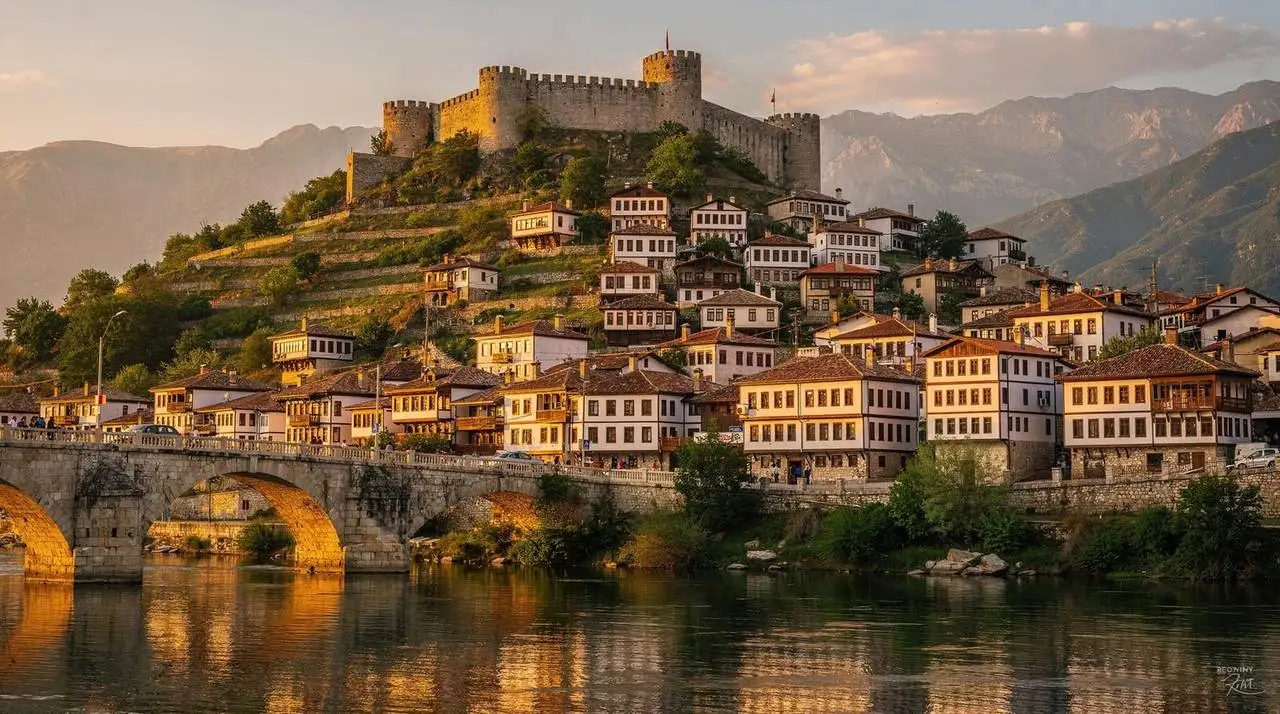
The Berat valley is within Albania’s main wine country, and several well-regarded producers operate within easy reach of the UNESCO city. The Cobo winery is one of the best producers of Shesh i Bardhe in the country — their white wine is consistently well-reviewed and available in Tirana restaurants and wine shops.
Winery visits in the Berat area can be combined with the castle, the Mangalem quarter, and — for adventure-focused visitors — the Osum Canyon canyoning experience that departs from nearby Corovoda. A two to three day Berat stay combining cultural sightseeing, adventure activity, and winery visits is one of Albania’s most rewarding concentrated itineraries.
For cooking classes in Berat that incorporate local wine into the meal, the Berat cooking class typically serves locally produced wine alongside the dishes participants have cooked — a natural integration of the two experiences.
Wineries Near Permet
Vreshti i Pashait Winery
Permet sits in one of Albania’s most scenically dramatic and culturally rich valleys in the south of the country. The town is known for its Ottoman heritage, its thermal baths at Benja, its outstanding local raki, and increasingly for its wine. The local Vlosh and Debinë varieties — almost unknown outside the Permet area — give the wines of this region a distinctive character.
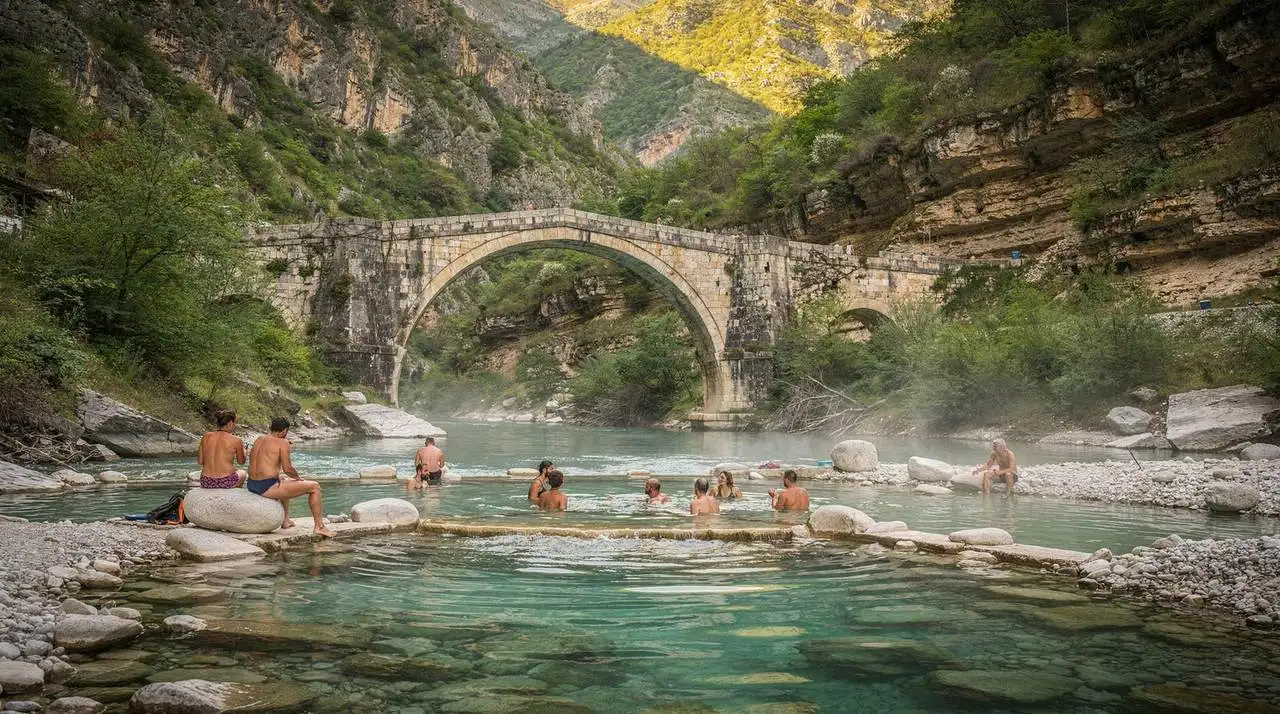
Combine a Permet winery visit with the Benja Thermal Baths for a perfect day in the Permet valley — wine tasting in the morning at a local producer, thermal soaking in the afternoon at the Ottoman bridge pools. Cost approximately EUR 20-35 per person for the thermal baths experience.
Permet rewards a stay of two to three days beyond the winery visit. The Benja thermal baths, Langarica Canyon canyoning, rafting on the Vjosa River, and the extraordinary Ottoman bridges of the surrounding valleys make Permet one of the most activity-rich small towns in southern Albania.
The Raki Culture
No guide to Albanian wine is complete without addressing raki — the clear grape or mulberry brandy that functions as the national spirit and cultural institution. Albanian raki is distilled primarily from grape pomace or from whole fruit, typically at 40-55% ABV. Unlike Greek tsipouro or Italian grappa, Albanian raki has a raw, direct character that reflects its home-production origins.
Almost every Albanian family produces raki. The annual distillation in late autumn is a social event, and the results — stored in demijohns and shared freely throughout the year — vary from rough and fiery to genuinely exceptional. The best artisan rakis from producers in Permet and Berat are among the finest spirits in the Balkans.
Raki is offered as a welcome drink in guesthouses throughout Albania. Follow the Albanian custom of eating something alongside the raki — a piece of cheese, an olive, a slice of bread — rather than drinking it neat. This is both culturally correct and considerably kinder to your system.
Understanding the raki culture is important context for Albanian wine tasting: the same grapes that make Shesh wine are also the primary source for raki production. Tasting both from the same producer — in Permet or the Berat valley — creates a remarkable lens on Albanian distillation and viticulture simultaneously.
Wine and Albanian Food Pairings
The classic pairings work beautifully and are worth understanding before your tasting:
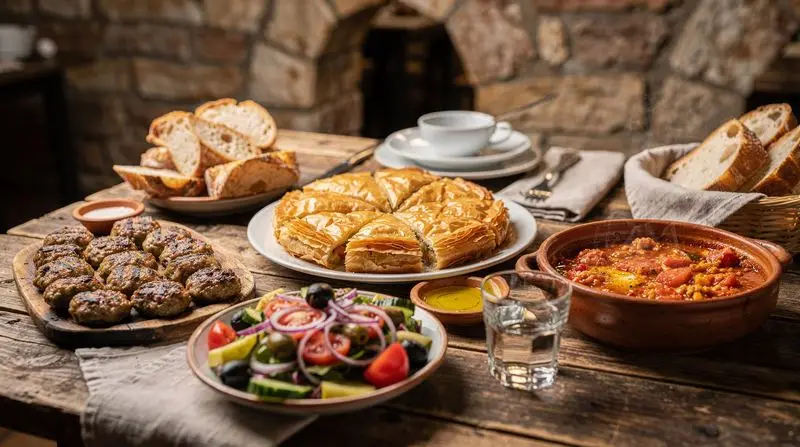
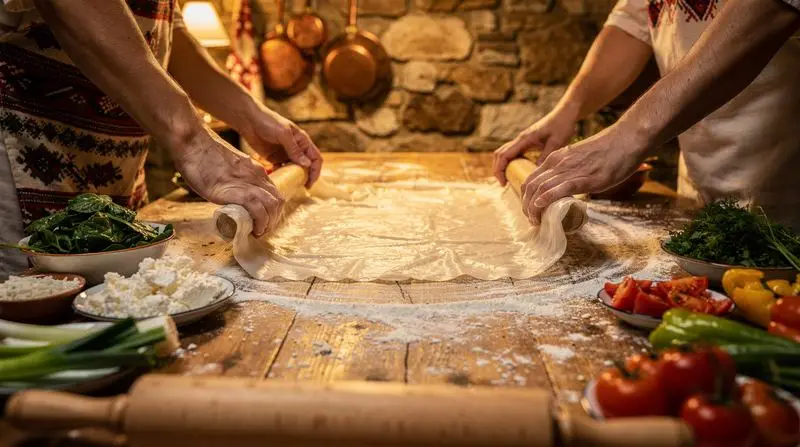
Shesh i Bardhe with byrek: The fresh acidity of the white Shesh cuts through the richness of the cheese and filo pastry. One of the great simple food-wine combinations of the Balkans. See the food tours guide for where to eat the best byrek in Tirana and Berat.
Shesh i Zi with tave kosi: The cherry fruit and moderate tannins of black Shesh complement the tangy yogurt sauce and lamb without overwhelming it. Albania’s national dish with Albania’s most versatile red is a pairing that makes complete sense once you try it.
Kallmet with grilled meats: The firm tannins and dark fruit of Kallmet are built for Albanian grill culture — qofte (meatballs), shish, and grilled lamb on the bone. This is the winter wine, best in a mountain guesthouse with an open fire and a platter of grilled meat.
Vlosh with fresh fish: The aromatic character of Vlosh works as an interesting alternative to more familiar white wines alongside grilled sea bass or sea bream from the Albanian coast. On the Riviera, a glass of Vlosh with a whole grilled fish and a view of the Ionian Sea is one of the most Albanian experiences available.
The cooking classes guide covers how to make many of these dishes yourself — combining a cooking class with a subsequent wine tasting creates a genuinely comprehensive food and wine education that very few destinations can offer at these price points.
Albania’s vineyards were collectivised and largely replanted after 1991, so the estates open to visitors are young operations working native grapes like Shesh i Bardhë: a Durrës countryside vineyard tour with tasting and food pairing covers the coastal plain where most of that replanting happened.
Comparing Albania’s Three Wine Regions
| Region | Signature grape | Setting | Best paired with |
|---|---|---|---|
| Tirana/Durres | Shesh i Bardhe, Shesh i Zi | Hillside vineyards near the capital | Half-day trip, city break |
| Berat valley | Shesh i Bardhe (Cobo) | UNESCO city + wine country | Osum Canyon, cooking class |
| Permet | Vlosh, Debinë | Southern mountain valley | Benja Thermal Baths, raki |
Planning a Wine-Focused Trip
A single day cannot do justice to more than one region, so decide what you are optimising for. Based near Tirana, the Lunder winery or a Durres countryside tasting fits neatly into a city stay with no extra driving. Travellers already following the Albania road trip guide can build wine stops into a south-bound route: Tirana wineries on day one, Berat on day two or three, Permet by day four or five, continuing on to the coast.
For a dedicated food-and-wine focus, the foodie Albania itinerary sequences tastings, cooking classes and markets across the country, and the 7 days south itinerary naturally threads through Berat and Permet, both wine country. If time is tight, prioritise Berat: it combines the country’s most reliable winery (Cobo), a UNESCO old town, and same-day access to the Osum Canyon — the single most efficient wine-plus-culture day in Albania.
Wine Shopping and Bringing Wine Home
Albanian wine is not yet widely distributed internationally, making the country itself the best place to buy it. Good sources include:
Specialty wine shops in Tirana: Several shops near Blloku and the Pazari i Ri stock a good range of Albanian wines, including smaller producers not available in restaurants. Prices are low — a good bottle of Shesh i Bardhe costs EUR 5-12 depending on producer and vintage.
Winery direct sales: Buying directly from the winery is the best value and gives access to wines not in wider distribution. Most producers are happy to sell multiple bottles for visitors to take home.
Pazari i Ri market (Tirana): Several vendors at the new bazaar sell local wines and rakis alongside cheese, honey, and olive oil — excellent for putting together an Albanian food and drink selection for taking home.
EU residents can bring up to 2 litres of sparkling wine and 4 litres of still wine duty-free from non-EU Albania. UK limits are similar. Pack wine carefully in checked luggage using wine shipping bags (bubble wrap with zip-lock seal) or a purpose-made wine carrier.
Practical Information for Winery Visits
Opening hours: Most Albanian wineries require advance booking rather than walk-in visits. This is standard for small producers everywhere and typically means you get a more personal, attentive experience rather than joining a group tour.
Transport: The wineries near Tirana are most conveniently visited as day trips from the capital. A car or organised tour is the most practical option — the Durres countryside wineries in particular are not accessible by public transport.
Season: Wine tastings are available year-round, but visiting during harvest season (September-October) adds the spectacle of grape picking and pressing to the visit. The wines tasted at this time of year are the newest vintage, sometimes available before bottling.
Cost: EUR 15-30 per person for a guided winery tour with tasting, often including cheese and food pairings. Buying bottles to take home adds to the cost but represents excellent value by any European comparison.
Language: English-speaking staff are available at the major established wineries. For smaller family producers, some basic communication in Albanian or Italian may be needed — your guesthouse or tour operator can often arrange an introduction.
What a Winery Visit Actually Involves
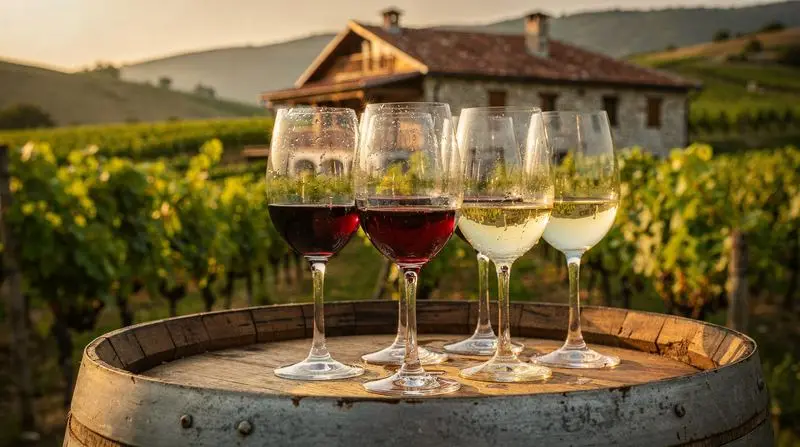
Most Albanian winery visits follow a similar rhythm, and knowing what to expect makes the experience richer. You typically start with a short walk through the vines, where the owner or winemaker explains the specific terrain — soil type, aspect, altitude — and how it shapes the grapes grown there. This is followed by a tour of the production area, often a small, low-tech cellar rather than an industrial facility, where fermentation and ageing are explained in practical rather than technical terms. The tasting itself usually covers four to six wines, moving from lighter whites through to the fuller reds, and almost always finishes with a taste of the producer’s own raki.
Food is central to most tastings. Expect a plate of local cheese (often a fresh, salty white cheese similar to feta), olives, cured meats, bread, and sometimes a light meal if the winery has a restaurant attached, as several near Tirana and Berat do. Tastings are conversational rather than scripted — ask questions, and most producers are happy to talk at length about their grapes, their history, and how Albanian wine has changed since the 1990s.
Wine Tourism Development and What’s Changing
Albania’s wine tourism sector is still young, and the pace of change is visible year to year. New producers are opening tasting rooms specifically for visitors rather than treating tourism as an afterthought to production, and a handful of wineries near Tirana and Berat have added accommodation, allowing an overnight stay among the vines rather than a same-day round trip. International wine competitions have started to recognise Albanian entries, particularly Kallmet, which is helping build the export case that has been largely absent until now. For visitors, this means the experience is currently at its most personal — small enough that you are usually meeting the people actually making the wine, before the sector scales toward a more polished, less intimate model.
Final Thoughts
Albanian wine rewards the curious visitor. The indigenous grape varieties — Shesh i Bardhe, Kallmet, Vlosh — are found nowhere else in the world, which makes tasting them in Albania a genuinely unique experience. The winemakers are passionate and often willing to discuss their craft at length. And the combination of excellent wine, spectacular mountain scenery, and outstanding food at very reasonable prices makes a wine-focused day or two in Albania one of the most satisfying ways to spend time in the country.
For broader travel context, see the best experiences in Albania guide and the Albania travel budget guide. The food tours guide covers where Albanian wine sits within the broader culinary culture, and the cooking classes guide describes how to cook the dishes that pair with it.
Frequently Asked Questions About Wine Tasting in Albania
Is Albanian wine good?
Yes, Albanian wine quality has improved dramatically over the past decade, with several producers now making wines that hold their own against regional European competition. The indigenous varieties are the most interesting — Kallmet (a full-bodied red) and Shesh i Bardhe (a crisp white) are unique to Albania and offer flavors found nowhere else in the world.
What grapes grow in Albania?
Albania has several indigenous grape varieties found nowhere else. The most important reds are Kallmet (from the Shkodra region), Shesh i Zi, and Vlosh. For whites, Shesh i Bardhe and Debine are the key native varieties. International varieties including Cabernet Sauvignon, Merlot, and Chardonnay are also cultivated widely.
Where are the best wineries in Albania?
The main wine regions are around Berat (the Toka winery and surrounding estates), the Shkodra region for Kallmet production, and the Permet area in the south. Cobo Winery near Berat is one of the most visitor-friendly, with organized tastings. The Macia Winery and several smaller producers in the Berat region offer tours by appointment for EUR 15-30 per person including tastings.
Do I need a car to go wine tasting in Albania?
A car or an organised tour is the practical option for most wineries, particularly the Durres countryside and Berat-area producers, which are not reachable by public transport. Tirana-based wineries are close enough for a taxi. Guided day trips that include transport, such as the Lunder or Durres tastings, remove the need to drive yourself, which also means you can actually enjoy the wine.