Historical Sites in Albania: Ancient Civilizations on Europe’s Edge
Albania’s history reads like a compressed encyclopedia of Mediterranean civilization. Greek colonists, Roman legions, Byzantine emperors, medieval Slavic kingdoms, Ottoman administrators, and 20th-century communist planners have all left their mark on a country no larger than the state of Maryland. The result is a concentration of historical sites — ancient cities, medieval castles, Ottoman quarters, and archaeological treasures — that rivals destinations far better known on the tourist map.
What makes Albanian historical sites particularly compelling is not just their quality but their accessibility. At Butrint, one of the finest archaeological sites in the Mediterranean, you can walk among Greek, Roman, Byzantine, and Venetian ruins with a fraction of the crowds you would find at comparable sites in Italy or Greece. At Apollonia, another ancient Greek colonial city, you might be the only visitor in sight. This combination of world-class archaeology and uncrowded access is increasingly rare in Europe, and it will not last indefinitely as Albania’s profile rises.
Entry prices are very low by European standards — Butrint costs approximately EUR 10, Apollonia and most castle sites cost EUR 3-5. For visitors with genuine historical interests, Albania represents extraordinary value: a two-week circuit of the major sites would cost less in entry fees than a single day at the Colosseum in Rome.
| Top site | Butrint (Greek-Roman-Byzantine, UNESCO), near Saranda |
| Entry fees | EUR 3-10 depending on site |
| Best circuit | South-to-north: Saranda-Vlora-Durres-Tirana-Kruja-Shkodra |
| Allow | 2-3 hours at Butrint; similar at Berat/Gjirokastra castles |
| Getting there | Rental car or organised tours from major bases |
Butrint: Layers of 2,500 Years
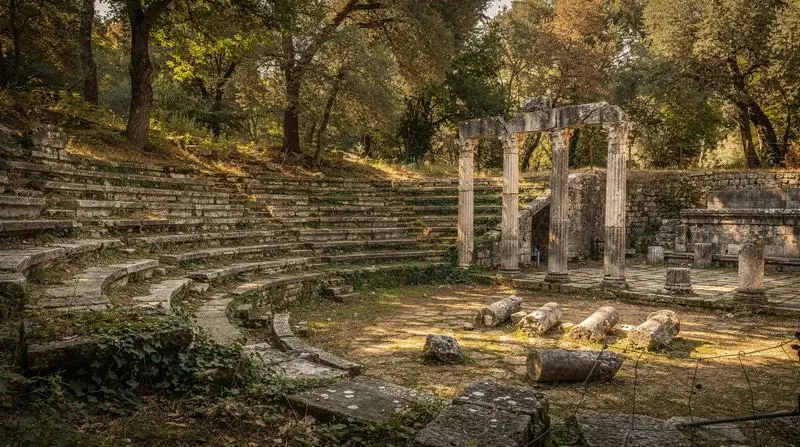
Butrint, in the far south near Saranda, is Albania’s finest archaeological treasure and a UNESCO World Heritage Site since 1992. The site occupies a forested peninsula between Butrint Lake and the Vivari Channel, a setting of extraordinary natural beauty that adds to the already impressive archaeology.
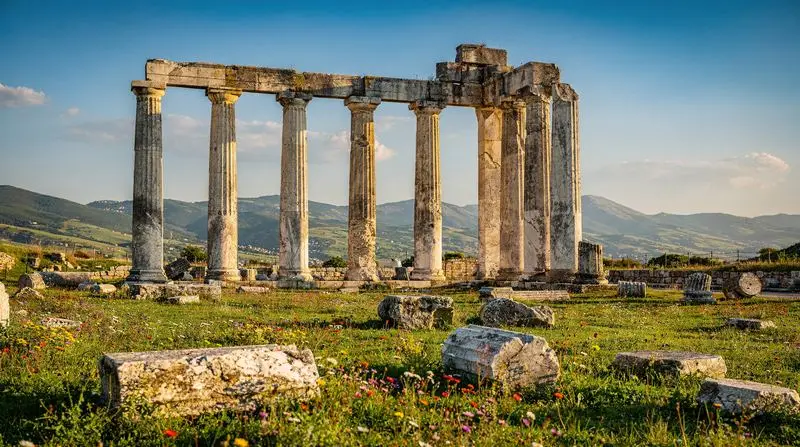
The site was first settled by Greek colonists in the 7th century BC and grew into a substantial town under Hellenic rule. Julius Caesar granted it Roman colonial status, and subsequent Roman development — a theater, forum, baths, temples, and mosaic-floored villas — dramatically expanded the city. The Byzantine Empire fortified it and built substantial churches, including a remarkable 6th-century baptistery with some of the best-preserved floor mosaics in the entire Mediterranean world. The Venetians added their characteristic lion-carved towers and fortifications. All of these layers coexist on the same forested hillside, creating an experience of compressed historical time that is genuinely moving.
Explore Butrint on a guided tour from Saranda port — the most convenient way to visit the site with expert historical context and transport included. A guided visit transforms what would be a pleasant walk through ruins into a genuine understanding of how this remarkable place evolved across two and a half millennia. Cost approximately EUR 25-40 per person.
Allow a minimum of two to three hours at Butrint, more if you want to explore the outlying structures. The site museum at the entrance is excellent and worth spending 30-45 minutes in before the ruins themselves — the displays on the baptistery mosaics and the Venetian period are particularly informative. The surrounding national park is also a significant wildlife area with breeding flamingos, pelicans, and migratory birds that add an unexpected natural dimension to the historical visit.
Getting there: Butrint is approximately 20 km south of Saranda on the road toward the Greek border. A taxi from Saranda costs around EUR 15-20 return with waiting time. Organized tours from Saranda, Gjirokastra, and further afield are the most comfortable option. From Saranda, several operators combine Butrint with the Blue Eye spring and Lekuresi Castle in a full-day circuit — see the day trips from Saranda guide for options.
Apollonia: The Philosopher’s City
Apollonia, near the modern town of Fier in central Albania, was one of the most important cities of the ancient world — the place where Julius Caesar sent the young Augustus to study, and a center of learning sufficiently prestigious to host the Roman Empire’s future ruler. The Greek colony was founded around 588 BC and became a major port and cultural center on the Adriatic coast, eventually growing to a population estimated at 60,000-80,000 inhabitants.
Today the site is less complete than Butrint — centuries of stone quarrying and earthquake damage have reduced much of the ancient city to foundations and fragments — but what remains is impressive: a well-preserved prytaneion (council chamber), a colonnaded stoa, a monumental arch, an odeion (small theater), and the particularly striking Church of St. Mary, converted from a Roman temple and now housing a small but excellent archaeological museum.
The setting is remarkable in its own right: a broad hilltop with olive groves and scattered ruins extending across a landscape that has changed little since antiquity. On a quiet morning, with few other visitors, Apollonia is one of the most evocative archaeological experiences in the Balkans.
Getting there: Apollonia is approximately 150 km south of Tirana via Fier, around two hours by car. The entrance road is signposted from the main Fier-Vlora highway. Entry fee is approximately EUR 3-5. Tours from Tirana and from Vlora typically combine Apollonia with other sites in the same region.
The Roman Amphitheatre of Durres
Durres, Albania’s second city and main port, contains a remarkable historical surprise: the largest Roman amphitheatre in the Balkans, partially excavated from beneath the streets of the modern city. Built in the 1st-2nd century AD, it held approximately 15,000-20,000 spectators — comparable in capacity to venues across the Roman world and extraordinary evidence of how important Durres (Roman Dyrrachium) was as a gateway city on the Via Egnatia.
The site is extraordinary for its urban context: substantial sections of the amphitheatre remain beneath apartment blocks and streets, with ongoing excavation periodically revealing new sections. The visible area includes impressive arched galleries, the arena floor area, and a Byzantine chapel built within the ruins featuring early Christian mosaics. A well-organized site museum provides the historical context that makes the physical remains fully comprehensible.
Durres is easily reached from Tirana by road (40 km, approximately 45 minutes) or by rail. The city also has a fine archaeological museum in the city center with exceptional finds from Apollonia, Butrint, and Durres itself — particularly the Roman-era grave goods and the Hellenistic sculptures. The museum collection is one of the finest in the Balkans and should not be missed on any Durres visit.
Combine Durres history with a traditional Albanian food tour of the city — the amphitheatre and archaeological museum in the morning, followed by a food tour covering Durres’ distinctive culinary culture, makes an excellent full-day programme. Cost approximately EUR 30-45 per person for the food tour.
Berat Castle (Kalaja)
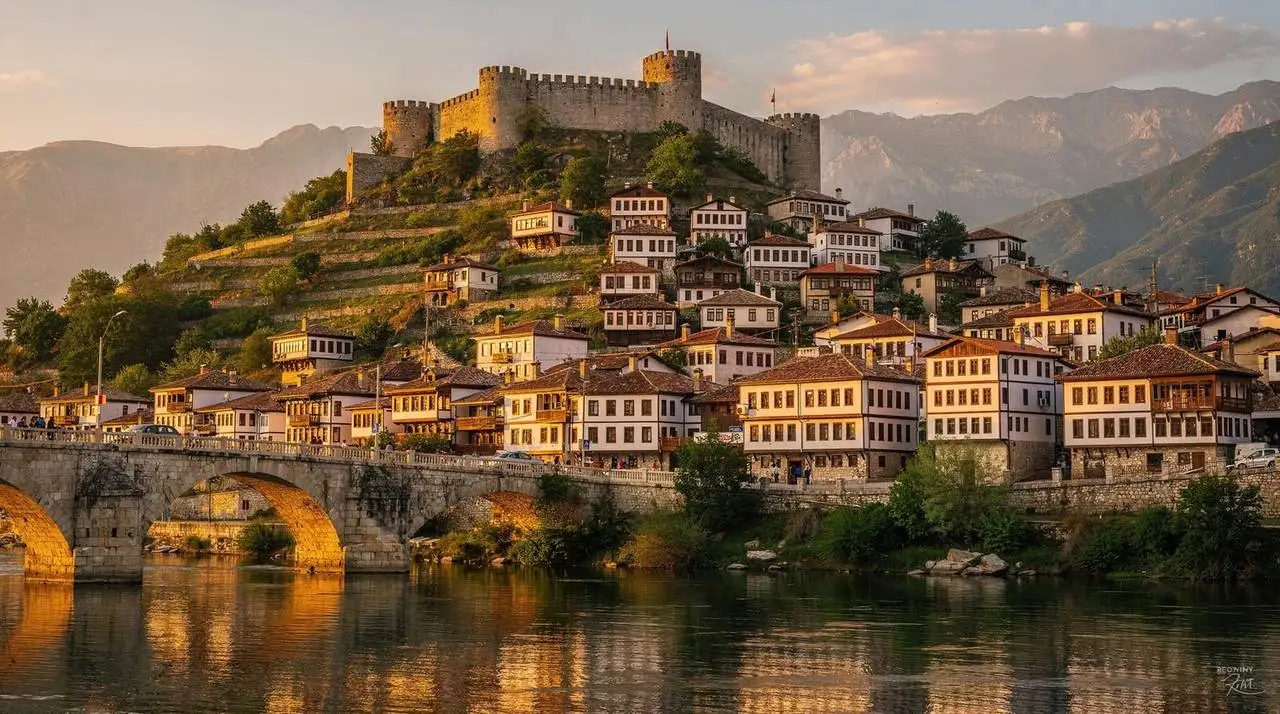
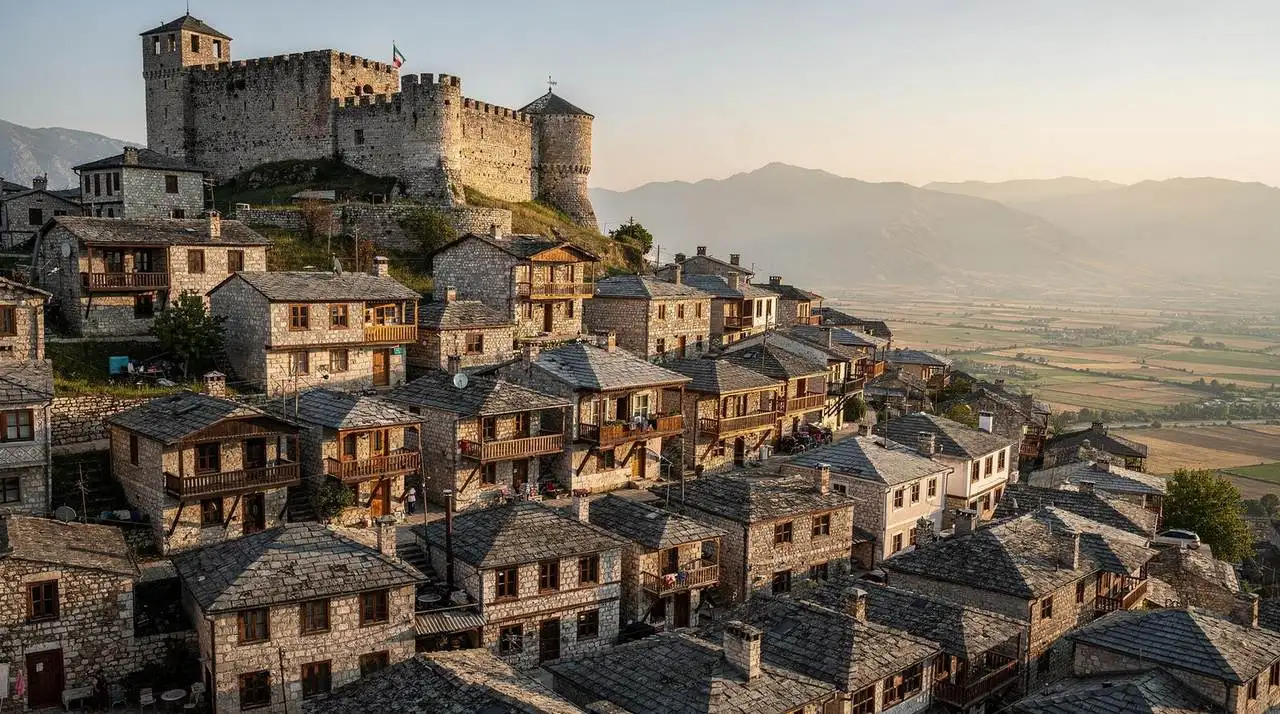
Berat’s castle — Kalaja — is the centerpiece of the UNESCO-listed city and one of Albania’s most extraordinary inhabited monuments. Built initially in the 4th century BC and expanded by Byzantines and Ottomans, it crowns a rocky outcrop above the Osum River at around 200 meters. What makes it unique in Europe is that people continue to live inside the castle walls — around 400 inhabitants tend gardens, keep livestock, and go about daily life inside a medieval fortification.
The castle encloses churches, mosques, cisterns, towers, and the Onufri Museum (housed in the Church of the Dormition of Saint Mary) — arguably the finest collection of Orthodox religious art in Albania. Multiple churches from the 13th-16th centuries are accessible during opening hours, many with original frescoes in varying states of preservation. The castle is open daily from approximately 9am to 5pm (hours may vary seasonally). Entry to the castle area is free; the Onufri Museum charges a small admission of approximately EUR 3.
Allow two to three hours minimum inside the castle. The entrance requires a steep cobbled climb from the Mangalem quarter below — sensible shoes with grip are essential. Views from the castle walls over the Osum valley and the distinctive Ottoman townscape of Berat below are among the finest in Albania. See the full Berat travel guide for complete visiting information and accommodation recommendations.
Join a full-day Berat tour from Tirana that combines the castle, the Onufri Museum, and the UNESCO quarter with return transport — an excellent option for visitors based in the capital who want a structured introduction to one of Albania’s finest historical cities. Cost approximately EUR 40-60 per person.
Gjirokastra Castle
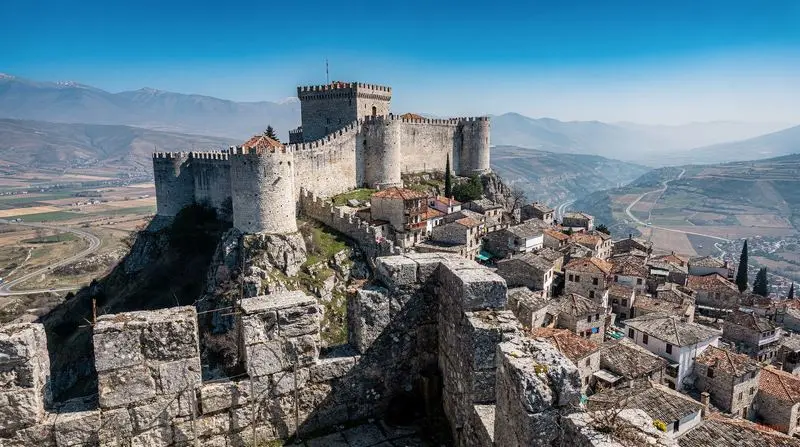
The castle above Gjirokastra is the largest in Albania and commands one of the most theatrical settings of any fortress in the Balkans: a massive stone structure dominating the ridge above the UNESCO-listed city, its towers and ramparts looming over a town of extraordinary stone Ottoman houses. The castle dates to the 12th century and expanded under the Ottomans in the 17th-19th centuries.
Inside the castle complex are the National Weapons Museum (a substantial collection of arms from all periods of Albanian history, including communist-era weapons), an American spy plane shot down during the Cold War (displayed in the courtyard and a genuinely surreal Cold War artefact in this medieval setting), and an Ottoman aqueduct and cistern system. The views from the ramparts encompass the entire Drino Valley and the mountains beyond.
Opening hours are approximately 9am-5pm daily. Entry costs approximately EUR 3-5. The castle is best visited with a local guide who can explain the complex history of the structure and the significance of the artefacts inside. See the Gjirokastra city guide and castles guide for full visiting information.
Kruja Castle and the Skanderbeg Museum
Kruja, perched dramatically above a gorge some 25 km north of Tirana, occupies a special place in Albanian history. It was the stronghold of Gjergj Kastrioti Skanderbeg — the 15th-century military genius who united Albanian princes against the Ottoman Empire and held them at bay for over two decades. After his death in 1468, the Ottomans swept through within a decade, but Skanderbeg had become the defining figure of Albanian national identity. His double-headed eagle banner became the Albanian flag.
The hilltop site combines the partially reconstructed castle with the outstanding Skanderbeg National Museum — an ambitious building designed to look like a medieval fortification and containing comprehensive collections on Skanderbeg’s campaigns and Albanian medieval history. The museum is one of the finest in the country and essential context for understanding Albanian national consciousness.
Below the castle, the old bazaar (Çarshia e Vjetër) is one of the finest traditional bazaars in Albania — a long street of artisan workshops under wooden porticoes, selling handmade textiles, copper work, and traditional products. It is a working craft market rather than a tourist simulacrum. Kruja is an excellent half-day or full-day trip from Tirana and is often combined with a walking tour of the capital.
Ali Pasha’s Castle at Porto Palermo
On the Albanian Riviera between Himara and Saranda, the small bay of Porto Palermo contains one of the most romantically situated castles in the country. Built by Ali Pasha of Ioannina in the early 19th century on a rocky promontory almost entirely surrounded by the Ionian Sea, it was subsequently used as a submarine base by the communist regime. The triangular plan of the castle — built over just a few years at the height of Ali Pasha’s power — reflects his personal architectural vision rather than standard Ottoman military design.
The castle grounds are occasionally accessible to visitors, and the exterior views from the road and from the water are dramatic regardless of access. Boat tours from Himara pass directly below the castle, giving the best perspective on its extraordinary setting. The Porto Palermo kayak tours bring visitors even closer to the castle walls from the sea.
Rozafa Castle, Shkodra
Near Shkodra in northern Albania, Rozafa Castle occupies a limestone hill at the confluence of three rivers — the Drin, Buna, and Kiri. The site has been fortified since the Illyrian period, substantially expanded by Venetians who controlled Shkodra for over a century, and finally taken by the Ottomans in 1479 after a legendary siege.
The castle ruins are extensive and the views from the ramparts extraordinary. A small museum covers the site’s history and the famous Albanian legend of Rozafa — a woman immured in the castle walls during its construction to ensure its stability, whose spirit is said to nourish the castle’s foundations. The legend is one of the most widely known in Albanian folklore and has been the subject of poetry and literature for centuries.
Shkodra itself is northern Albania’s cultural capital, with a thriving arts scene, the excellent Marubi Photography Museum (the world’s largest collection of Albanian historical photography), and the best accommodation infrastructure for visitors heading to the Albanian Alps.
The Communist Bunkers: Albania’s Most Unusual Historical Legacy
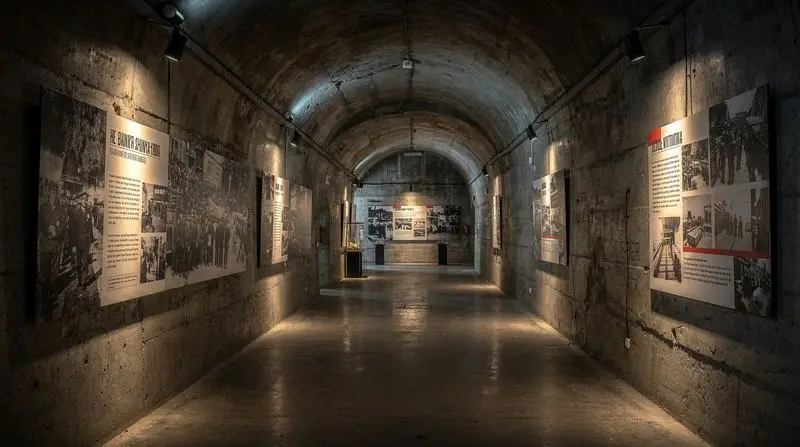
No account of Albanian historical sites would be complete without mentioning the 173,000 concrete bunkers that dot the landscape from border to border — one of the most extraordinary physical legacies of any 20th-century regime. Built between 1968 and 1986 under Enver Hoxha’s paranoid command, the mushroom-shaped structures were intended to protect Albania against invasion from every direction simultaneously. They were never used in battle.
Today the bunkers have been variously repurposed as cafes, storage sheds, art installations, and tourist attractions. The Bunk’Art museums in Tirana — housed in two massive underground communist-era bunkers — are among the best museum experiences in the country, combining genuine historical artefacts with the extraordinary physical reality of the bunker itself. See the museums guide for more on these sites.
The Tirana communist Albania tour with Bunk’Art Museum provides the best structured introduction to this period, covering the physical bunker experience alongside the historical narrative of the Hoxha era. Cost approximately EUR 25-40 per person.
Planning Your Historical Sites Itinerary
Albania’s major historical sites form a natural south-to-north itinerary: enter at Saranda, visit Butrint, drive the Riviera to Vlora, day-trip to Apollonia, continue to Durres for the amphitheatre, and end in Tirana before heading north to Kruja and Shkodra. This route covers the main ancient and medieval sites in roughly ten days of comfortable travel and can be extended with castle visits, museum days, and cultural stops throughout.
For visitors with two weeks, adding Gjirokastra and Berat in the middle of this circuit creates the definitive Albanian historical tour: two UNESCO-listed medieval cities alongside the ancient Greek and Roman sites of the coast and lowlands.
For deeper archaeological interest, the museums of Albania — particularly the National History Museum in Tirana and the Durres Archaeological Museum — provide essential context for the sites themselves. Visiting the museums before the ruins significantly enhances the experience of the sites. See our UNESCO heritage guide for in-depth coverage of the four World Heritage Sites that form the core of Albanian historical tourism, and our castles guide for the complete fortress circuit.
Albania’s Historical Sites in European Context
The comparative lack of tourist infrastructure and the absence of mass tourism at most Albanian historical sites is both the country’s challenge and its greatest asset for historically motivated visitors. Where Dubrovnik is overwhelmed, Butrint is tranquil. Where Athens is crowded, Apollonia is often empty. This is the window of opportunity that historically interested travelers should seize now — the sites are exceptional, the experience is uncrowded, and the value for money is extraordinary.
For travel planning, see the Albania travel budget guide for cost estimates, and the best experiences in Albania guide for how historical sites fit within a broader Albania itinerary that includes outdoor adventures, food culture, and the remarkable contemporary story of this fast-changing country.
Frequently Asked Questions About Historical Sites in Albania
What is the most important historical site in Albania?
Butrint, near Saranda, is widely regarded as Albania’s finest historical site — a UNESCO World Heritage Site with Greek, Roman, Byzantine, and Venetian layers on a single forested peninsula. Apollonia near Fier is the second major ancient site, historically significant as the city where Augustus studied under Julius Caesar’s patronage.
How much time do I need for Albania’s historical sites?
A focused circuit covering Butrint, Apollonia, the Durres amphitheatre, Berat Castle, and Gjirokastra Castle takes about ten days at a comfortable pace, including travel time between sites. A shorter five-to-six day version focusing on Butrint, Berat, and Gjirokastra covers the essentials for visitors with less time.