Albania for Digital Nomads: The Complete Guide to Working Remotely
Tirana has appeared on digital nomad radar in the past few years, and for good reason. The combination of a low cost of living, genuinely good internet connectivity, a 90-day visa-free window for most Western passport holders, a vibrant and growing cafe culture, and a central European location has made it a legitimate contender in the ongoing nomad search for the next affordable, livable European base.
This guide covers everything a remote worker needs to know: costs, connectivity, co-working, visa considerations, neighborhood choices, and the honest upsides and downsides of working from Albania for days, weeks, or months at a time.
| Best base | Tirana (Blloku); Saranda for a seasonal coastal stint |
| Monthly cost | around EUR 800-1,200 comfortably |
| Visa | 90 days visa-free for most Western passports; no dedicated nomad visa yet |
| Internet | Fibre 100-300 Mbps in Tirana apartments; strong cafe WiFi |
| Best season | April-May or September-October |
Why Tirana Works as a Nomad Base
Cost of Living
This is the primary draw. Tirana offers a quality of life — modern coffee shops, decent restaurants, access to culture and green spaces, good international food options — at prices significantly below any Western European capital.
Monthly cost of living estimates (solo, comfortable):
- One-bedroom apartment (central Tirana): EUR 350-600 per month
- Shared apartment or co-living: EUR 200-350 per month
- Food (mix of cooking and eating out): EUR 200-350 per month
- Coffee (daily espresso habit, cafe working): EUR 40-80 per month
- Mobile data (Vodafone or ONE): EUR 15-25 per month
- Co-working space membership: EUR 100-200 per month
- Local transport (Bolt plus walking): EUR 30-60 per month
- Gym membership: EUR 20-40 per month
Total comfortable monthly budget: EUR 800-1,200 per month for a solo digital nomad. This is a realistic figure for someone with a private apartment, eating well, working from cafes and co-working spaces, and not living like a student.
This compares very favorably with Lisbon (EUR 1,800-2,500), Barcelona (EUR 2,000-3,000), and even Tbilisi (EUR 900-1,400) — cities regularly cited as nomad favorites. See the Albania travel budget guide for how costs compare across different traveler types.
Internet Connectivity
Home internet: Fiber broadband is widely available in Tirana through ALBtelecom and other providers. Plans with 100-300 Mbps speeds cost EUR 20-35 per month. Installation typically requires a local contact or agent to handle paperwork.
Cafe WiFi: Tirana’s cafe scene has exceptional WiFi by European standards. The intense coffee culture — dozens of independent cafes and some larger chains — means you have genuine choice of workspace. Most cafes offer reliable connections of 20-50 Mbps without requiring a minimum spend beyond an espresso. Working from cafes for several hours is completely normalized and expected.
Co-working space internet: Dedicated co-working spaces offer the most reliable connections (50-200 Mbps) with guaranteed uptime — important if you are doing video calls or need consistent speeds for client work.
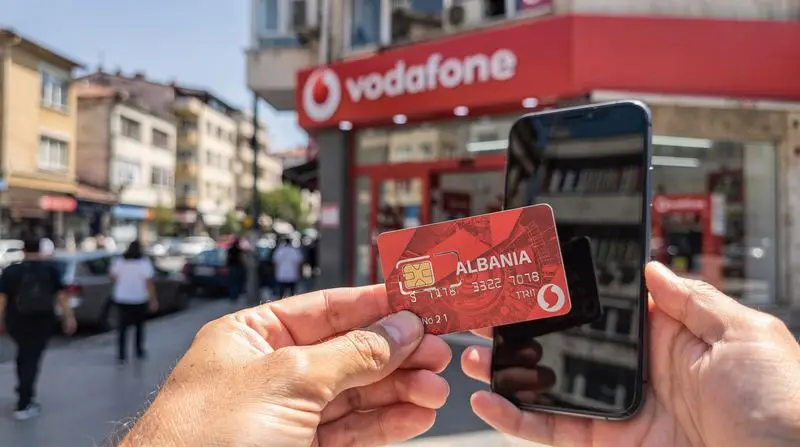
4G Mobile data: Vodafone and ONE both offer strong 4G in Tirana. Monthly unlimited data packages cost EUR 15-20. Having mobile data as a backup when cafe WiFi disappoints is very practical. See the Albania SIM card guide for setup details.
Visa Situation
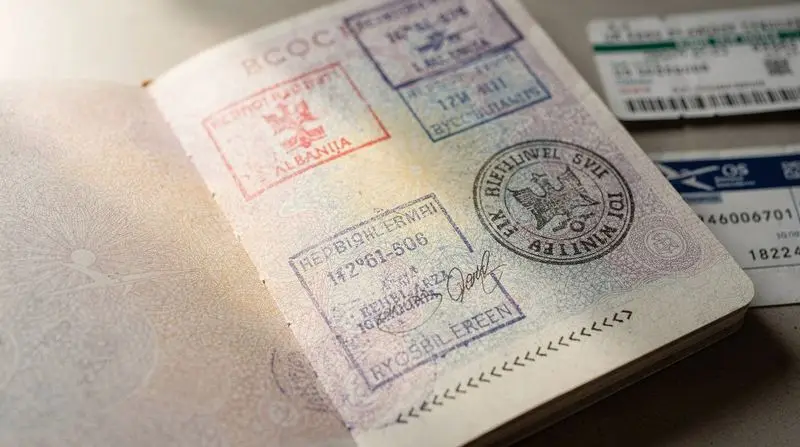
Albania offers 90-day visa-free access for EU, UK, US, Canadian, Australian, and most other Western passport holders — and since Albania is not in the Schengen Area, these 90 days are entirely separate from your Schengen allowance. You can spend 90 days in Albania without consuming a single Schengen day, then cross into Greece or Italy for a Schengen block, and return to Albania.
There is no specific digital nomad visa for Albania as of 2025-2026. The 90-day tourist allowance is what most nomads use. For stays beyond 90 days, a residence permit is technically required (see the visa requirements guide). Albania is reportedly working on formal digital nomad visa provisions as part of its EU integration process.
Nomad Community
Tirana’s nomad community is small but growing. The Albania Expats and Albania Digital Nomads Facebook groups have active memberships and regularly organize meetups. The scene is not on the scale of Lisbon or Tbilisi, which means Tirana retains a sense of discovery — you are not competing for the same desks and apartments as hundreds of other nomads, and the local culture has not been sanitized by an overwhelming influx.
Best Neighborhoods for Digital Nomads in Tirana
Blloku
The former communist elite neighborhood — where Party officials lived behind walls closed to ordinary Albanians — is now Tirana’s trendiest district and the heart of the cafe and restaurant scene. Blloku is the most obvious base for digital nomads: dense with coffee shops, co-working options, restaurants for every budget, and a social atmosphere in the evenings.
Apartment costs in Blloku: EUR 450-700 per month for a one-bedroom. Prices have risen as the neighborhood has become more fashionable but remain reasonable by Western European standards.
Brryli and New Neighborhoods
Quieter and more local in character, with lower apartment rents (EUR 300-500 for a one-bedroom) and improving cafe and amenity options. A 15-20 minute walk or short Bolt ride from Blloku. Some nomads prefer the balance of quiet neighborhood living with easy access to social areas.
Center (Qendra)
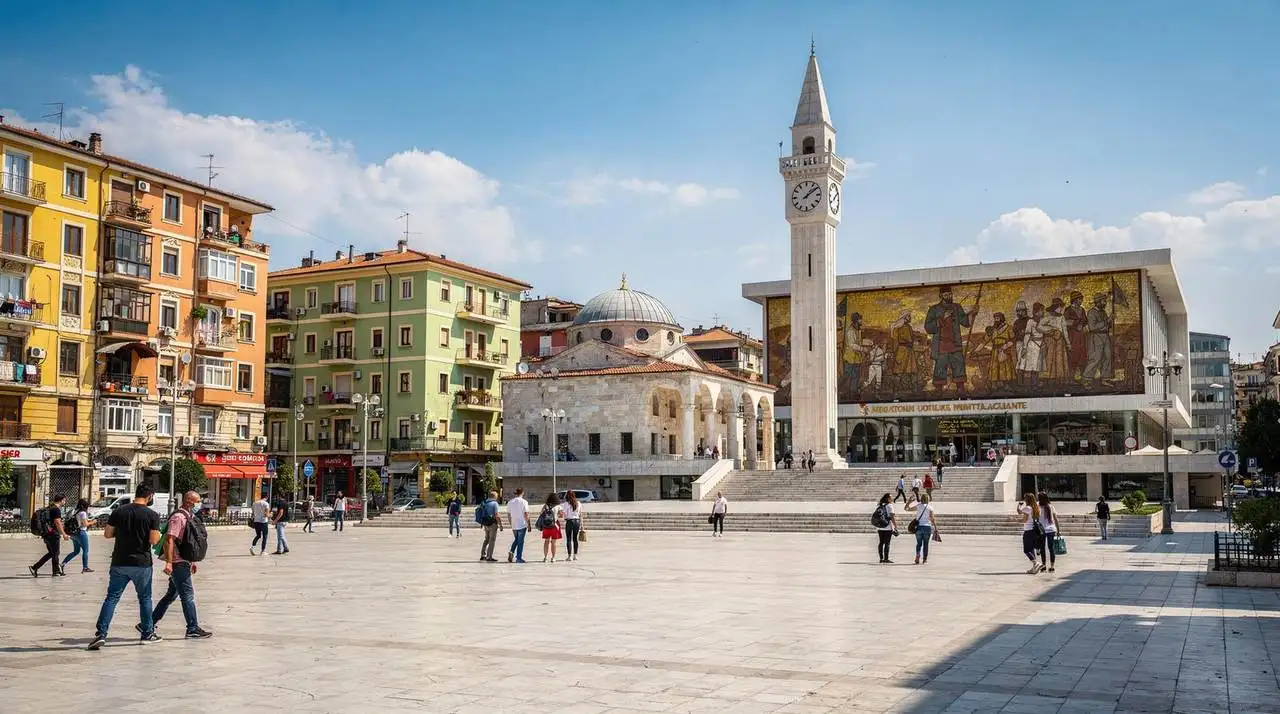
The area around Skanderbeg Square and the main boulevards has a mix of older apartments, some of the city’s best cultural sites, and good transport links. Rents are variable. It can be noisy but the location convenience is excellent for combining tourism and productivity.
Co-Working Spaces in Tirana
Tirana’s co-working scene has grown substantially:
Ofiqi — one of the larger and better-established co-working spaces in central Tirana. Offers hot desks, dedicated desks, and private offices. Good WiFi, meeting rooms, printing facilities, and community events.
Innovation Hub Albania — a tech and startup-focused co-working space with a more curated membership. Events, workshops, and networking opportunities alongside desk space.
Hybrid cafe-workspaces — several Tirana cafes have evolved into de facto co-working spaces with power outlets at every table, strong WiFi, and a working atmosphere. Areas around Blloku have the highest concentration of these.
Day passes at dedicated co-working spaces typically cost EUR 10-15. Monthly memberships: EUR 100-200 depending on the type of desk and space.
Getting Oriented in Tirana
A first-week orientation program for nomads:
- Arrive and get an Albanian SIM card immediately — Vodafone and ONE have airport booths
- Secure short-term accommodation (Airbnb or a hotel for the first week while you assess neighborhoods)
- Try several cafes to identify your regular working spots and test WiFi speeds
- Visit a co-working space for a day pass to see if membership suits your needs
- Connect with the expat and nomad Facebook groups for current recommendations
Joining a Tirana walking tour in your first couple of days is genuinely useful for nomads — you get a fast orientation of the city layout, understand which neighborhoods are which, and often meet other travelers or expats who can share current recommendations.
If you want a structured introduction to the local food scene beyond your usual cafe routine, a Tirana food tour is a relaxed way to learn what to order and where to eat once the work day is done.
Practical Considerations
Banking and Money
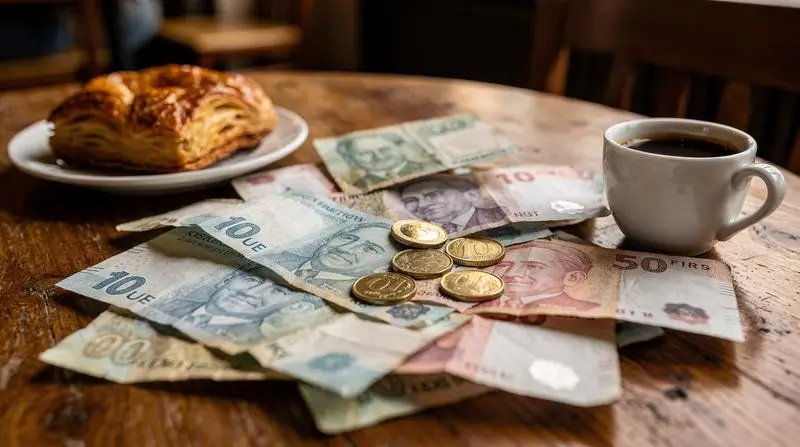
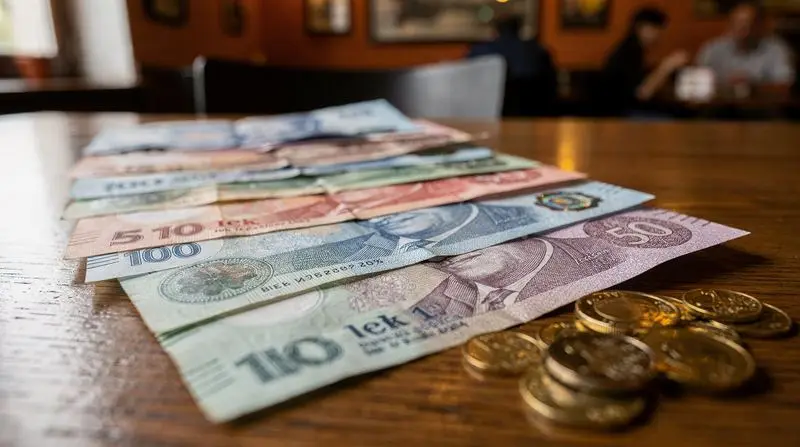
Albania uses cash heavily, and while cards work increasingly in Tirana, having a good card for ATM withdrawals is essential. Revolut and Wise both work well in Albania and minimize exchange rate fees. There is no local bank straightforwardly open to expat accounts without a residence permit, so most nomads manage with their home country cards and Lek cash.
See the Albania currency and money guide for detailed advice on ATMs, exchange, and cash management.
Health and Insurance
Albania’s public medical system is not at Western European standard. For digital nomads staying longer-term, having comprehensive international health insurance is important. The American Hospital in Tirana handles most medical situations for expats and visitors and is English-speaking throughout.
For nomads interested in the Albanian dental care advantage, Tirana’s private dental clinics offer excellent treatment at 50-70 percent below Western European prices. Many nomads specifically schedule dental work during their Albania stay. The Albania medical tourism guide covers this in detail.
Quality of Life: The Honest Assessment
Upsides:
- Extremely affordable cost of living
- Genuinely good coffee and cafe culture for working in
- Safe and walkable city center
- Growing food scene with increasingly diverse options
- Warm, curious locals who make integration enjoyable
- Not overcrowded with other nomads (yet)
- Close to incredible nature (beach 45 minutes, mountains 2 hours)
- Rich historical and cultural scene to explore on non-work days
Downsides:
- Bureaucracy for formal residency is complex
- Traffic and air quality in central Tirana is a real issue — the city center has significant congestion and pollution on windless days
- Entertainment and nightlife options, while growing, are limited compared to larger European capitals
- Limited international grocery options (improving but not at Lisbon or Tbilisi levels)
- Language barrier for anything outside tourism or hospitality contexts
- Seasonal quality: summer is hot (July-August regularly over 35 degrees Celsius); winters are grey and rainy (November-February)
The sweet spot: Most nomads find Tirana best as a 1-3 month base during spring (April-May) or autumn (September-October), when temperatures are ideal, the city is lively without summer heat, and the surrounding nature is at its best.
Beyond Tirana: Other Nomad Options
Saranda is increasingly popular as a short-term seasonal nomad base, particularly in May-June and September-October when the Riviera is beautiful but not overwhelmingly crowded. Cafe WiFi is decent, apartments are available for weekly and monthly rental, and the lifestyle of working mornings and swimming afternoons is genuinely achievable. A one-bedroom apartment in Saranda costs EUR 400-700 per month in shoulder season.
Berat and Gjirokastra are more atmospheric but have less nomad infrastructure — fewer co-working options and more limited reliable cafe WiFi. For short creative retreats, they are magical. For sustained productivity, Tirana is the better base.
The Albanian Riviera generally has good nomad potential in spring and autumn. Himara is smaller and more atmospheric than Saranda — some nomads prefer its quieter character for deep work periods.
WiFi quality varies significantly by apartment and cafe on the Riviera. Test connections on arrival before committing to a monthly rental. The most reliable option is to have an Albanian SIM with a strong data package as your backup connection. The Albania eSIM guide covers pre-arrival connectivity options.
The Tirana Startup and Tech Scene
Tirana has developed a nascent startup and tech ecosystem that is worth understanding for nomads interested in professional networking:
Innovation Hub Albania: A co-working and innovation center hosting events, workshops, and meetups relevant to the tech and startup community.
Blloku area tech offices: Several tech companies, consulting firms, and startups have offices in and around the Blloku district. Casual networking happens naturally in the area’s cafes.
Tirana tech events: A growing calendar of tech meetups, startup pitches, and entrepreneurship events — check Facebook events and Eventbrite for current programming.
For nomads who want professional connection alongside scenic cafes and beach access, Tirana offers a growing tech community that punches above its size.
Monthly Stay Logistics
Accommodation: For stays of one month or more, negotiating a monthly rate directly with landlords or through property management agencies offers significant savings over nightly rates. Facebook groups for Albania expats and various local property management companies handle monthly rentals. Typical one-bedroom monthly rates: EUR 350-600 in Tirana (Blloku area), EUR 250-450 in other neighborhoods.
Utilities: Often included in monthly apartment rentals. Confirm before signing. In summer, air conditioning is essential and can add EUR 30-80 per month to utility costs if not included.
Grocery shopping: Tirana has improving supermarket options including Lidl, Carrefour (Spar), and local supermarket chains. The fresh produce market (pazari) offers excellent quality local vegetables, fruit, cheese, and meat at very low prices — and producing home-cooked meals from local ingredients is a significant cost saver.
Healthcare for Long-Stay Nomads
The American Hospital Tirana: The primary destination for expats and nomads requiring medical care. English-speaking doctors, international standard facilities. A GP consultation costs approximately EUR 30-50. Specialist consultations EUR 50-100 — significantly lower than Western European equivalents.
Private clinics: Several private clinics in Tirana offer specialist services. The Hygeia Hospital is another well-regarded option.
Pharmacies: Albania’s pharmacies are well-stocked for most common medications. Bring sufficient supply of any essential prescription medications for the duration of your stay. See the Albania travel insurance guide for what health coverage to arrange before arrival.
Dental care: Albania has excellent quality and very affordable dental care — a check-up costs EUR 20-40, and treatments are 50-70 percent cheaper than in Western Europe. Some nomads specifically schedule dental work in Tirana as part of their stay.
Weekend Escapes for Nomads
One of the greatest advantages of basing yourself in Tirana or the Riviera is access to extraordinary weekend escapes:
From Tirana, the Koman Lake ferry to the Albanian Alps is 2.5 hours away — a full weekend in Valbona or Theth is entirely feasible. The day trips from Tirana guide covers Berat, Kruja, Shkodra, and other accessible options.
From a Riviera base, Butrint, the Blue Eye, Gjirokastra, and the cave restaurant near Himara are all day-trip or weekend accessible. The natural quality of the Albanian coastline provides extraordinary weekend recovery from screen-heavy work weeks.
Albania’s Nomad Potential
Albania’s nomad potential is not yet fully realized compared to Tbilisi, Lisbon, or Chiang Mai, but the trajectory is clear. The country is building infrastructure, its tech scene is growing, costs remain among Europe’s most competitive, and the lifestyle quality — particularly for those who value nature access, food culture, and genuine human connection — is compelling.
Getting here while it is still early means experiencing Albania before the crowds arrive and prices rise. That window is still open. For nomads who value discovery alongside productivity, it is a window worth stepping through.
Time Zone and Working With Other Regions
Albania sits on Central European Time (CET/CEST), the same zone as most of continental Europe, which makes it a genuinely convenient base for nomads working with European clients or teams — no significant offset to manage, unlike more distant nomad hubs in Southeast Asia. For those working with US clients, the gap runs 6-9 hours depending on the US time zone and daylight saving alignment, which typically means mornings free for personal time and afternoons/evenings overlapping with US business hours — a schedule many nomads find works better than a fully overlapping one, since it preserves daylight hours for exploring Tirana or the coast.
Comparing Tirana to Other Balkan Nomad Bases
| City | Monthly cost (solo) | Internet | Nomad community | Visa-free stay |
|---|---|---|---|---|
| Tirana | EUR 800-1,200 | Strong fibre, good cafe WiFi | Small, growing | 90 days (most Western passports) |
| Belgrade | EUR 1,000-1,500 | Strong | Established | 90 days (most) |
| Sarajevo | EUR 700-1,100 | Good | Small | 90 days (most) |
| Skopje | EUR 700-1,000 | Good | Very small | 90-180 days (varies) |
Tirana sits comfortably at the affordable end of this comparison while offering better weather and beach access than Belgrade or Sarajevo, and a larger, more developed cafe and co-working scene than Skopje. For nomads weighing several Balkan bases in one trip, Tirana pairs naturally with a Kosovo or Montenegro leg using the Albania-Kosovo itinerary or Albania-Montenegro itinerary as a starting framework.
Language and Everyday Work Logistics
English is widely spoken among the younger professional population in Tirana, particularly in Blloku’s cafes and co-working spaces, but formal business processes — dealing with landlords, utility providers, or any bureaucracy — usually require either Albanian, a translator, or a patient local contact. Most nomads find that a handful of Albanian phrases plus a translation app covers daily needs, while anything involving contracts or official paperwork benefits from local help, sometimes arranged through a co-working space’s community or the expat Facebook groups mentioned above. Printing, courier services, and package delivery are all available in central Tirana but can be less reliable than Western European standards, so building in buffer time for anything time-sensitive is a sensible habit.
A Realistic First Month in Tirana
For nomads considering a trial month before committing longer, a realistic sequence: book short-term accommodation (Airbnb or a hotel) for the first week while scouting neighborhoods, get an Albanian SIM or activate an eSIM immediately for connectivity, try several cafes and one co-working day pass to identify your preferred working setup, then negotiate a monthly apartment rate once you’ve settled on a neighborhood. This staged approach avoids locking into a lease or a workspace membership before you know the city, and most nomads report the first two weeks are enough to make an informed longer-term decision.
Frequently Asked Questions About Digital Nomad Life in Albania
Is Albania good for digital nomads?
Albania is increasingly popular with digital nomads, particularly Tirana, which offers low costs, improving coworking infrastructure, excellent cafe culture, and easy access to nature. The city is compact, walkable, and has a growing community of international remote workers. Living costs are among the lowest in Europe for a capital city.
How fast is the internet in Albania?
Internet speeds in Albania are generally good in urban areas. Tirana has fast fiber broadband available in most apartments (100-500 Mbps), and 4G mobile data coverage is reliable throughout major towns and along main roads. Mountain areas (Theth, Valbona) have very limited connectivity. Coworking spaces in Tirana offer reliable high-speed connections specifically designed for remote work.
How much does it cost to live in Tirana as a nomad?
A comfortable nomad lifestyle in Tirana costs approximately EUR 800-1,200 per month. A one-bedroom apartment in a good central location runs EUR 400-600 per month. Food costs EUR 150-250 per month eating a mix of cooking at home and eating out regularly. Coworking passes cost EUR 80-150 per month. This makes Tirana one of Europe’s most affordable capital cities for remote workers.
Do you need a visa to work remotely in Albania?
Most Western passport holders (EU, UK, USA, Canada, Australia) can stay in Albania for up to 90 days without a visa, which covers medium-term nomad stays. Albania does not yet have a specific digital nomad visa but is an EU candidate country with improving residency options. For stays beyond 90 days, a longer-stay permit or temporary residency application through the Albanian authorities is required.