Albania vs Montenegro: A Practical Comparison
Montenegro and Albania share a border and a historical identity rooted in the same Ottoman, Illyrian, and Venetian worlds. They are adjacent countries that could easily be combined in a single Balkans trip — and often should be. But if you have limited time and must choose one, the question is worth answering carefully.
| Cost gap | Albania around 30-50% cheaper |
| Best single sight | Montenegro’s Kotor Bay |
| Best beaches overall | Albania (more variety, less crowded) |
| Best mountains | Roughly comparable — Albanian Alps vs Durmitor |
| Border crossing | Han i Hotit/Muriqan, fast outside peak summer |
The simplest summary: Montenegro has better infrastructure, a world-class attraction in Kotor Bay, and stronger connections to Croatia and the luxury travel market. Albania has longer and less crowded beaches, more dramatic mountains, older and less touristy UNESCO cities, and prices that are consistently 30-50 percent lower.
This comparison covers geography, price, culture, mountains, food, infrastructure, and logistics — everything you need to make the choice, or to plan a trip that combines both.
Geography and Coastline
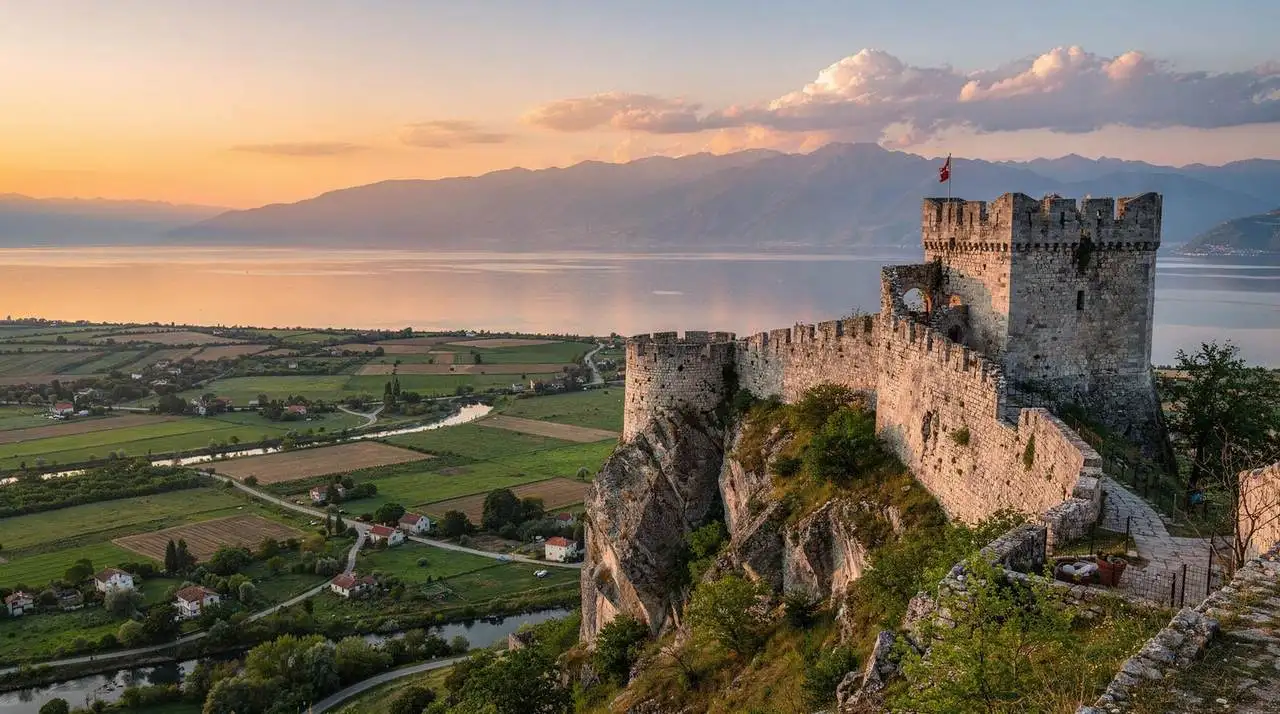
Montenegro’s coast is short — around 300 kilometers including all the inlets and bays — and dominated by the Bay of Kotor in the south. Kotor Bay is genuinely extraordinary: a drowned river canyon that forms a Mediterranean fjord ringed by medieval Venetian walls and backed by mountains rising to 1,700 meters. The bay is the country’s single strongest argument for inclusion in any Balkans trip.
Outside Kotor Bay, Montenegro’s beaches are largely concentrated around Budva and the southern coast near Ulcinj. They are good beaches but not exceptional, and in peak season the most popular ones (Sveti Stefan, Budva’s town beach) are extremely crowded and increasingly expensive. The beach infrastructure — beach clubs, sunbeds, organized facilities — reflects years of upmarket development that has raised quality alongside prices.
Albania’s Albanian Riviera stretches approximately 110 kilometers from Vlora to Saranda, with a dramatically varied character. The Ceraunian mountain range drops almost vertically to the sea, creating a landscape of extraordinary visual intensity. The beaches range from the world-famous turquoise lagoon of Ksamil to wild, barely-accessible coves like Gjipe that require a 45-minute walk to reach. The Riviera gets significantly more space and variety than Montenegro’s coast, and in 2025 remains less crowded despite growing tourism.
The Adriatic beaches north of Shkodra — along Albania’s northern coast near Velipoja and Shëngjin — are long, flat, and largely undeveloped. They offer kilometers of beach with almost no infrastructure, which is a different kind of attraction: raw, quiet, and genuinely uncrowded even in August.
Price Comparison: Albania vs Montenegro
Both countries are inexpensive by Western European standards, but Albania is consistently cheaper than Montenegro by a meaningful margin.
| Category | Albania | Montenegro | Difference |
|---|---|---|---|
| Budget guesthouse double | EUR 35-55 | EUR 50-80 | Albania ~30% cheaper |
| Mid-range hotel double | EUR 60-90 | EUR 90-150 | Albania ~35% cheaper |
| Dinner for two (mid-range) | EUR 20-35 | EUR 35-60 | Albania ~40% cheaper |
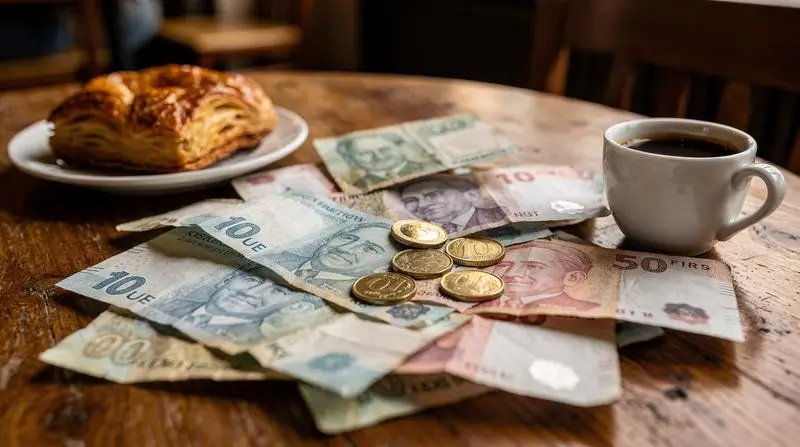
| Coffee | EUR 1.00-1.50 | EUR 1.50-2.50 | Albania ~40% cheaper |
| Beach sun lounger | EUR 5-8 | EUR 10-20 | Albania ~50% cheaper |
| Furgon/local bus per route | EUR 2-5 | EUR 3-8 | Albania slightly cheaper |
Montenegro has moved upmarket noticeably since the mid-2010s, driven partly by its luxury hotel development around Porto Montenegro in Tivat and partly by increased demand from Russian and Gulf tourist markets. A week in Montenegro for a couple in summer costs EUR 1,500-2,500 at a mid-range level; the same trip in Albania costs EUR 900-1,500.
For Albania-specific cost planning, see the Albania travel budget guide which gives daily spending estimates across accommodation, food, transport, and activities.
UNESCO Heritage and Culture
Montenegro’s cultural highlight is Kotor old town — a perfectly preserved Venetian walled city that genuinely deserves its UNESCO status. It is also genuinely crowded in summer, receiving a disproportionate number of cruise ship day visitors. The walled city is small, beautiful, and best experienced early in the morning or late evening when the cruise passengers have gone. Inside the walls: excellent restaurants, a good network of small hotels, a cathedral, and many small churches.
Cetinje, Montenegro’s historical capital, is undervisited and more rewarding as a cultural experience. The old royal palaces, embassies-turned-museums, and monastery of this small city have a strange, faded grandeur that is genuinely atmospheric.
Albania’s UNESCO portfolio covers more ground and involves less competition with other tourists. Gjirokastra — the grey-stone Ottoman fortress city with streets of slate-roofed houses cascading down a steep ridge — is larger, older, and far less visited than Kotor. Berat — the city of a thousand windows, where Ottoman-era houses cling to hillsides above a Byzantine castle — has a visual drama that rivals any old town in the Balkans. Butrint — the ancient city with Illyrian, Greek, Roman, Byzantine, and Venetian layers in a single archaeological site — is one of the most archaeologically rich sites in Europe and receives only a fraction of the visitors it would if located in Italy or Greece.
None of Albania’s UNESCO sites receive anything like the visitor numbers of Kotor. That gap is the visitor’s gain: you experience these places with genuine breathing room.
For guided tours that bring Albania’s UNESCO cities to life with historical context, guided day tours from Tirana to Berat are an excellent way to experience the city’s layers with local expertise.
The Mountains: Albania Alps vs Durmitor
Both countries are mountainous, and both have spectacular mountain landscapes. But the Albanian Alps — accessible from Shkodra via the Koman Lake ferry or by the direct road — are more dramatic, more remote, and less developed for mass tourism than Montenegro’s Durmitor National Park.
The Valbona-Theth hike in Albania is one of the great mountain walks in the Balkans, crossing the Valbona Pass through limestone scenery of extraordinary power. Guesthouses along the route are simple and good value; the experience feels genuinely remote without being difficult to access.
Montenegro’s Prokletije mountains are part of the same geological range as the Albanian Alps — the Dinaric Alps — and equally beautiful in character. Montenegro’s Durmitor is famous for the 1,300-meter-deep Tara Canyon and its glacial lakes. Both deserve serious consideration for mountain travelers.
For serious mountain hiking, the Albanian Alps have a slight edge in terms of guesthouse infrastructure for multi-day trekkers (the Peaks of the Balkans trail and its accommodation network are well-developed) and in the raw remoteness of the experience. The hiking the Albanian Alps guide covers routes and preparation.
Food: Albania vs Montenegro
Albanian food is more complex and more interesting than its profile suggests. The cuisine is a product of its geography and history: Ottoman influences in the spicing and preparation, Italian influences in the pasta and dairy traditions of the north, Greek influences in the olive oil and seafood traditions of the south. Fergesë (a dish of peppers, tomatoes, and curd cheese) is uniquely Albanian. Byrek (flaky pastry with cheese or spinach) is everywhere. Grilled meats — qebap, shish, liver — are excellent and cheap. Fresh seafood along the Riviera is caught that morning and grilled simply.
Montenegro’s food is also good, shaped by similar Balkan traditions with stronger seafood influence on the coast and hearty mountain food inland. Montenegrin lamb, Njeguši prosciutto, and the burek pastry tradition are highlights.
Both cuisines favor fresh ingredients, simple preparation, and generous portions. Albania has the price advantage here too — a full meal in a local Albanian restaurant that costs EUR 8-12 per person would cost EUR 15-20 in the equivalent Montenegrin setting.
The Albanian food and drink guide covers Albanian cuisine in depth.
Infrastructure and Ease of Travel
Montenegro is slightly easier to navigate for first-time visitors. The road quality is generally good, English is widely spoken in tourist areas, online booking platforms work reliably, card payment is more consistently available, and the tourist infrastructure has had a decade longer to mature.
Albania is improving rapidly. The major routes are now excellent; Tirana’s airport is modern and well-connected; the Riviera road is well-maintained. But rural roads, mountain areas, and the reliance on cash in many places still require more flexibility than Montenegro does. An Albanian trip occasionally involves improvising — a furgon that is running late, a guesthouse that only takes cash, a mountain road that is rougher than expected.
This need for flexibility is, for many travelers, part of Albania’s appeal. The country rewards adaptability and engagement in ways that a more polished destination cannot.
Driving in Albania covers what to expect on Albanian roads — essential reading if you plan to self-drive.
Connections and Logistics
Montenegro has the significant logistical advantage of proximity to Dubrovnik. The Montenegro-Croatia border is a short drive from Kotor, making Montenegro a natural stop on the classic Dubrovnik-to-Split Dalmatian coast route. If Croatia’s coast is on your itinerary, Montenegro inserts naturally between Croatia and Greece.
Albania connects well to different destinations. The Saranda to Corfu ferry is one of the most convenient international ferry routes in the Balkans — just 30-45 minutes by high-speed ferry from Saranda to Corfu, with Greek island ferry connections onward. Albania also connects overland to North Macedonia (useful for Ohrid), Kosovo, and via the Italy-Albania ferry route from Bari or Ancona.
Tirana Airport has expanded significantly and now connects directly to over 40 European cities, including budget airline routes from the UK, Germany, Italy, Switzerland, and the Netherlands.
The combination of Tirana flight connections and the Corfu ferry makes Albania accessible from almost anywhere in Europe and naturally links to Greek island trips.
What Montenegro Does Better
- Kotor Bay: among the most beautiful bays in the world, period
- Sailing and yacht charter infrastructure (Porto Montenegro in Tivat is excellent)
- Luxury hotels and high-end resorts at the global standard
- Connections to Dubrovnik and Croatia for combination trips
- Cetinje’s historical atmosphere and faded royal grandeur
- Durmitor National Park for canyon scenery and lakes
- More consistent card payment acceptance
- More developed English-language tourism information
What Albania Does Better
- Price: significantly cheaper across every category
- Beach variety and space: more beaches, more variety, fewer crowds
- UNESCO cities: Berat and Gjirokastra are larger, older, and far less visited than Kotor
- Mountain hiking: the Albanian Alps are exceptional for serious hikers
- Cultural authenticity: a country that feels less processed for international tourism
- The Koman Lake ferry: one of the great boat journeys in Europe
- Food: more complex and more interesting for adventurous eaters
- Thermal baths: the Benja springs near Permet are extraordinary and nearly unknown
- The ancient sites: Butrint, Apollonia, and Byllis are in Albania’s league alone
Albania for Digital Nomads vs Montenegro
For extended stays, Albania has the advantage. Tirana has developed a genuine digital nomad infrastructure with co-working spaces, fast internet, and a cost of living that allows comfortable remote work on a Western salary. Blloku neighborhood in Tirana is one of the best places in the Balkans to work remotely — good coffee culture, fast WiFi in essentially every cafe, and a lively social scene.
Montenegro’s Bar and Kotor attract remote workers too, but at higher costs and with less developed co-working infrastructure.
Safety Comparison
Both countries are safe for travelers. Crime rates are low, petty theft is uncommon, and both governments actively support tourism development. Montenegro has a longer established tourism infrastructure which means slightly more predictable traveler-facing services. Albania is equally safe but the Albania safety guide covers specific things to be aware of.
The Best Approach: Do Both
The most efficient and rewarding way to approach this choice is not to make it. Albania and Montenegro share a border near Shkodra-Ulcinj, and the crossing is easy and fast. A two-week Balkans trip can reasonably include:
- Five to six days on the Albanian Riviera and in the southern UNESCO cities (Berat, Gjirokastra)
- Two days in Shkodra and optionally the Albanian Alps
- Crossing into Montenegro at Han i Hotit or Muriqan crossing (very fast in non-summer)
- Three to four days in Kotor Bay and the Montenegrin coast
- Continuing to Croatia by road or flying home from Tivat or Podgorica
This itinerary gives you the best of both countries without sacrificing one. Albania’s beaches and history in the south, Albania’s mountains in the north, Montenegro’s Kotor Bay as a finale. The combination is hard to beat for value and variety in the Western Balkans.
For touring both countries, organized tours in Albania handle logistics for specific sites and day trips, which is useful for the UNESCO cities where local guide knowledge significantly enhances the experience.
The Verdict
If you genuinely must choose one: Albania is the better value proposition for most travelers. It has more to see across a greater variety of landscapes, costs significantly less, and offers a more authentic experience of Balkan life that Montenegro has partly traded away in pursuit of the luxury market. The Albanian Alps and the UNESCO cities give it depth that Montenegro’s more compact offer cannot fully match.
Montenegro wins if Kotor Bay is a specific ambition (and it should be — it really is spectacular), if you want easier connections to Croatia’s Dalmatian coast, or if you prefer more reliable luxury infrastructure and consistent English.
Both countries are excellent. Both reward careful, engaged travel. Neither will disappoint a traveler who approaches them with genuine curiosity.
But the honest answer is: plan two weeks and see both. The border is easy, the contrast is illuminating, and the combined experience of the Albanian and Montenegrin Adriatic is one of the great Balkans itineraries.
Matching Specific Towns
Travelers weighing specific stops rather than whole countries may find this direct matching useful: Montenegro’s Budva (busy beach resort town with an old walled core) compares to Albania’s Saranda — both are lively waterfront tourist hubs, with Saranda considerably cheaper and less polished. Montenegro’s Sveti Stefan (an exclusive islet resort) has no real Albanian equivalent — this is genuinely one of Montenegro’s unique offerings. For quiet lakeside scenery, Montenegro’s Skadar Lake shares its southern shore with Albania, and both sides offer excellent birdwatching and boat trips at very different price points.
For hikers specifically choosing between the two mountain ranges: Durmitor’s Tara Canyon and glacial lakes suit travelers who want a national park with established trail infrastructure and facilities, while the Albanian Alps suit those seeking a more remote, guesthouse-to-guesthouse trekking experience with fewer other hikers on the trail.
Crossing the Border: What to Expect
The Han i Hotit and Muriqan crossings between Shkodra and the Montenegrin coast are straightforward — simple passport checks on both sides, with wait times of 15-30 minutes outside peak summer weekends. In July-August, particularly on weekend afternoons, queues can build to an hour or more, so cross earlier in the day if your schedule allows. Neither country is Schengen, which keeps the crossing simple regardless of your onward plans; if Croatia is next on your route, your Schengen clock only starts once you cross from Montenegro into Croatia.
Travelers without a car can still combine both countries reasonably easily: furgons run from Shkodra to the border area, and Montenegrin buses pick up the route into Kotor and Budva from there. It requires a short walk or taxi across the crossing itself in most configurations, so budget extra time compared to a seamless car journey.
Frequently Asked Questions About Albania vs Montenegro
Is Albania cheaper than Montenegro?
Yes, consistently 30-50% cheaper across accommodation, food, and activities. Montenegro’s shift toward the luxury market, particularly around Porto Montenegro and Kotor, has pushed prices well above Albania’s, which remains one of the most affordable countries in Europe.
How long does it take to cross from Albania to Montenegro?
The border crossing itself typically takes 15-30 minutes outside peak season, extending to an hour or more on summer weekends. From Shkodra to Kotor by road is roughly 1.5-2 hours including the border, making a day trip technically possible but a multi-day stay far more rewarding given how much there is to see on the Montenegrin coast.
Which has better hiking, the Albanian Alps or Montenegro’s Durmitor?
Both are part of the same Dinaric Alps range and are genuinely excellent. The Albanian Alps have a slight edge in raw remoteness and the well-developed Peaks of the Balkans multi-day trekking network; Durmitor offers more established park infrastructure, marked trails, and the dramatic Tara Canyon. Serious hikers with time for both should not feel they need to choose.