Albania’s Tourism Boom: The Environmental Question Nobody Is Asking Loudly Enough
We love Albania. That should be obvious by now. We have spent years encouraging people to visit, writing about why it is one of the most underrated destinations in Europe, and celebrating the things that make it genuinely special. So when we say that we have concerns about where tourism development is heading in certain parts of the country, please understand that this comes from the same place as everything else we write: honest affection, and a genuine investment in seeing it get things right.
The question of sustainable tourism in Albania is not abstract. It is visible on the ground, in specific places, in specific ways. And it is a conversation that deserves to happen openly.
| Riviera pressure | High — construction pace has outrun enforcement in places |
| National parks | More encouraging — terrain limits overdevelopment |
| Biggest success | Vjosa Wild River National Park, established 2023 |
| What helps most | Locally owned stays, shoulder-season visits, spreading out beyond hotspots |
What “Tourism Boom” Means in Practice
Albania’s visitor numbers have grown dramatically over the past five years. The country that received perhaps 2 million tourists a year a decade ago now welcomes well over 6 million annually, with the Albanian Riviera and Tirana absorbing the large majority. This growth brings obvious benefits: income for local communities, investment in infrastructure, international visibility for a country that spent decades in enforced isolation. None of these are trivial.
But growth at speed also brings pressure. Pressure on coastal ecosystems that are genuinely fragile. Pressure on mountain landscapes that have no natural mechanism for managing high visitor numbers. Pressure on infrastructure — water supply, waste management, electricity — that has struggled to keep up with both population growth and visitor demand. And pressure on the cultural authenticity that made Albania interesting to visitors in the first place.
The Riviera: Where the Stakes Are Highest
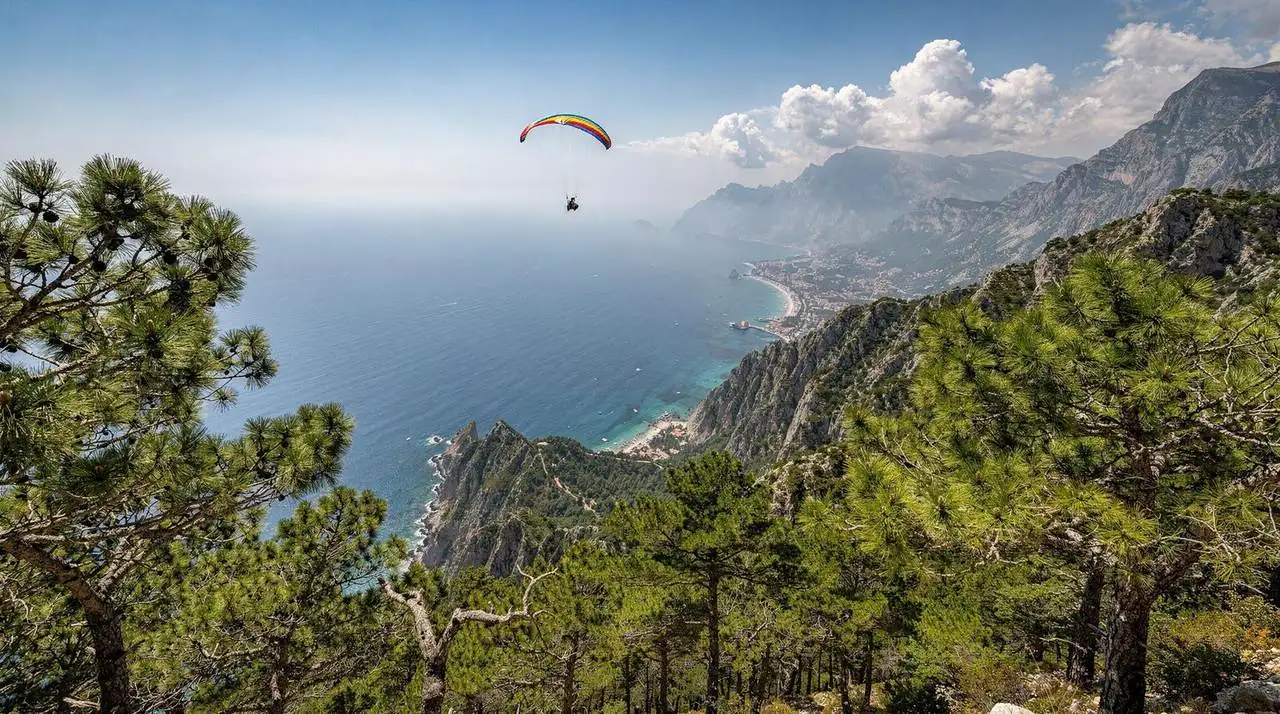
The Albanian Riviera — the coast from Vlora south to Saranda — contains some of the clearest water and most dramatic coastal scenery in the Mediterranean. Its appeal rests substantially on what it lacks: the overdevelopment that has compromised comparable coastlines in Greece, Croatia, and Montenegro.
The threat to that appeal is real and visible. In the last five years, construction along parts of the Riviera has been rapid and not always carefully planned. Concrete structures have appeared on hillsides that were previously protected. Beach facilities have expanded in ways that sometimes compromise the visual character of the coast. In the most visited spots — Ksamil, parts of Dhermi, the area around Saranda — the infrastructure of mass tourism has arrived faster than the management framework to handle it.
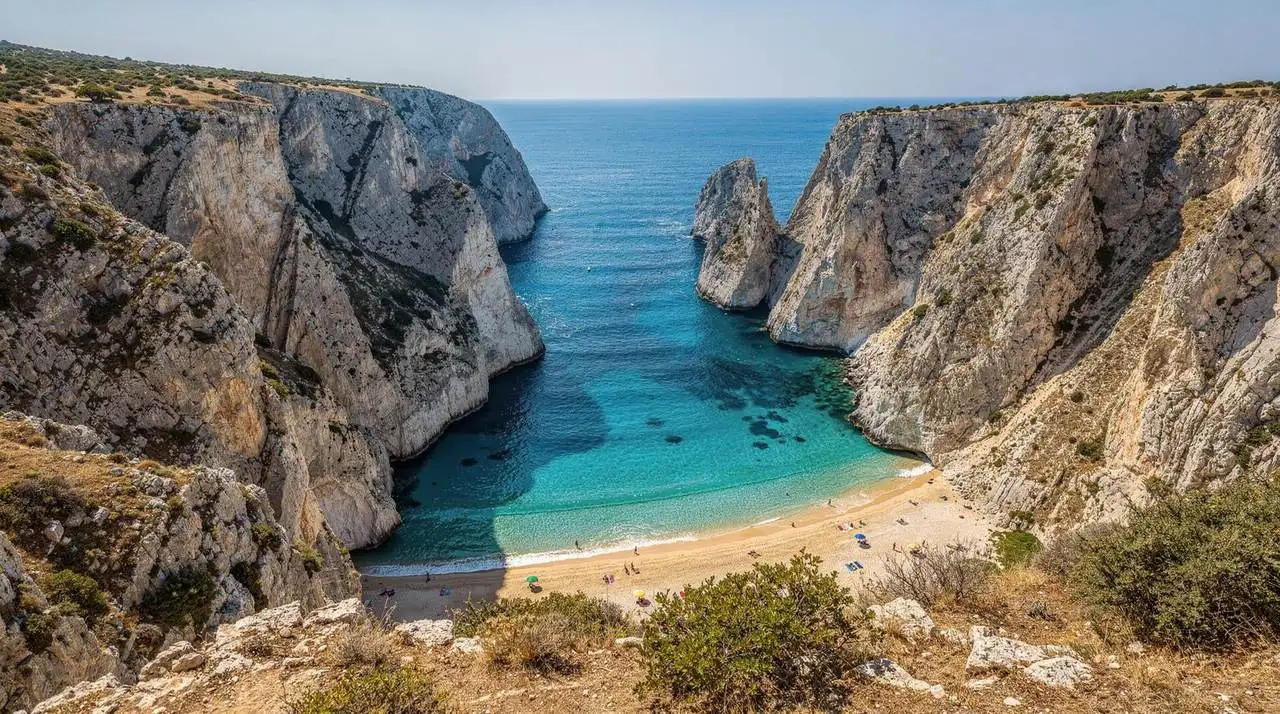
The Albanian government has made statements about protecting the Riviera. Some specific protections exist: Gjipe Beach is in a canyon that its access route effectively protects from overdevelopment, and there have been demolition orders issued against some illegally constructed buildings along the coast. Llogara National Park provides a protective framework for the central section of the coast.
But enforcement has been inconsistent, and the economic incentives for development are powerful. The people building along the Riviera are, in most cases, Albanians who see an economic opportunity in one of Europe’s fastest-growing tourism destinations. Telling them they cannot build is politically difficult and practically complicated.
The National Parks: A Brighter Picture
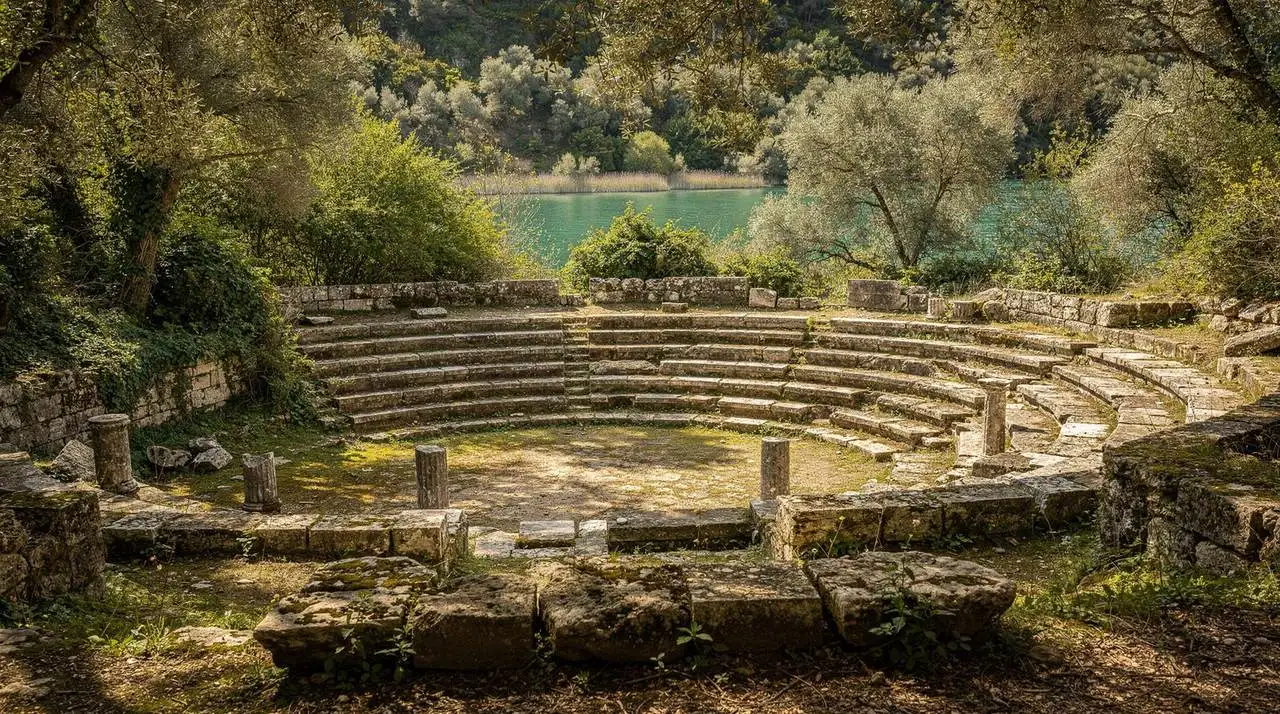
The situation in Albania’s national parks is more encouraging than on the coast. The parks — which include Valbona, Theth, Llogara, the Prespa area, and Butrint — have benefited from a combination of natural protection (mountains are simply harder to overdevelop than beaches) and increasing international support through conservation organisations and EU funding.
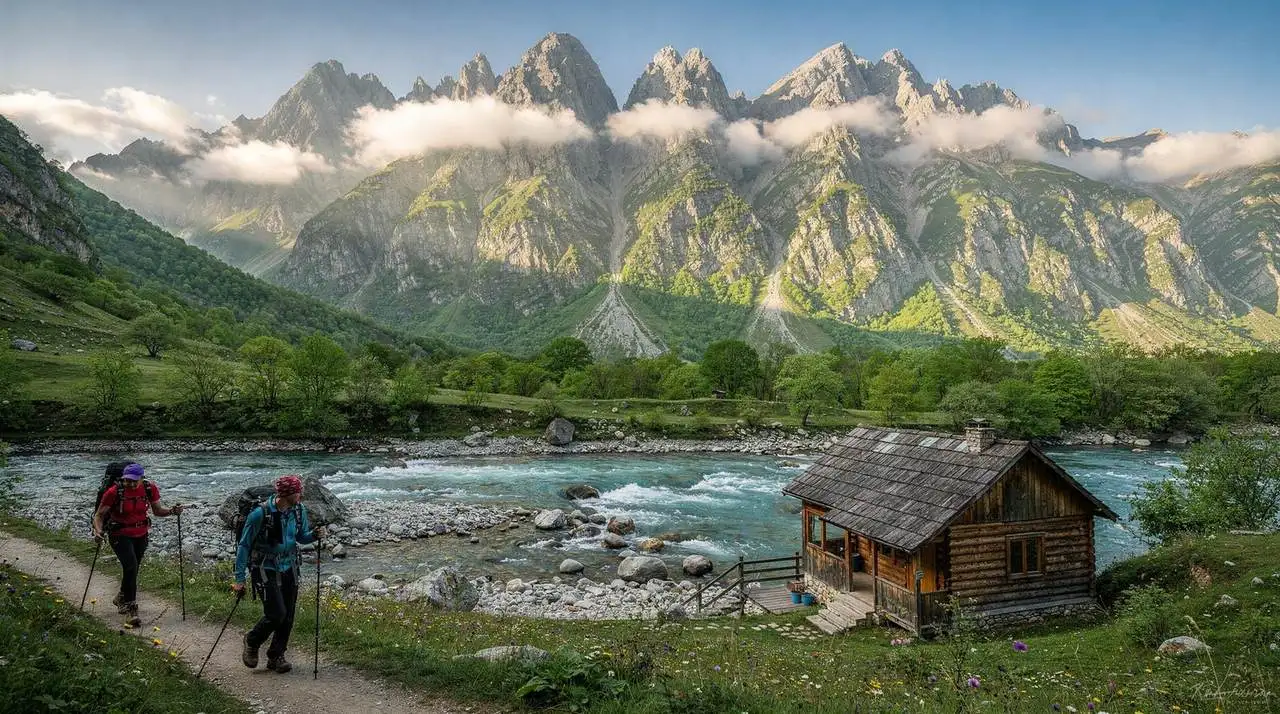
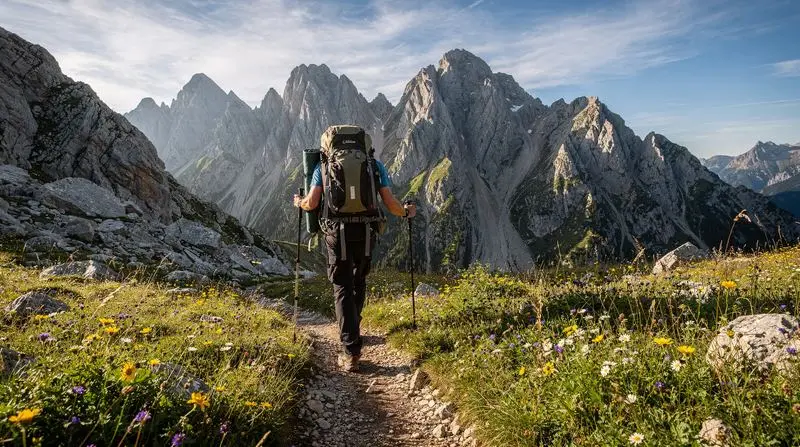
In Valbona and the surrounding Valbona National Park, a management plan has been in development with input from both the government and local communities. The challenge here is familiar from mountain tourism worldwide: the same trekking route — the Theth to Valbona hike — has become so popular that it now attracts thousands of walkers in peak season, creating erosion on sensitive trails and crowding in villages that do not have the infrastructure for mass tourism.
Local guesthouse owners in Valbona and Theth have been vocal about both the opportunity and the problem. Tourism has transformed the economic prospects of these remote communities — families who had little income beyond subsistence farming now run successful guesthouses. But the pace of visitor growth has outrun the supporting infrastructure, and several local leaders have called for visitor management measures that do not yet exist.
The Vjosa River: A Conservation Success Story
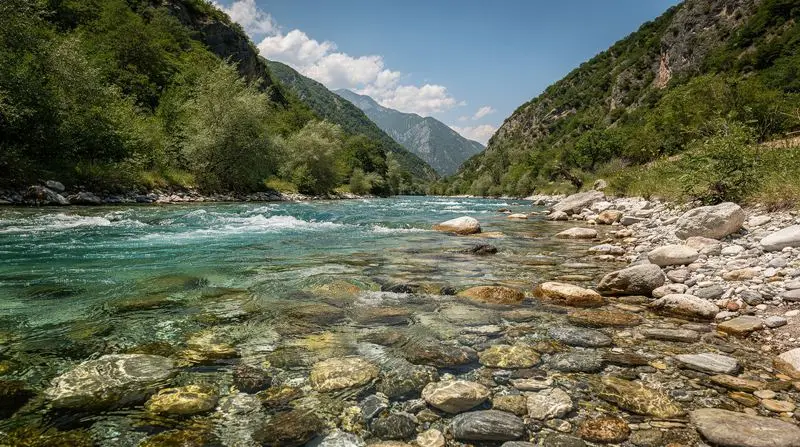
One genuinely positive development in Albanian environmental management is the Vjosa Wild River National Park, established in 2023. The Vjosa is one of the last truly wild large rivers in Europe — free-flowing along its entire length without dams or major engineering interventions, supporting an ecosystem that includes species found nowhere else in the Balkans.
The decision to protect the Vjosa as a national park, following years of campaigning by environmental organisations and scientists, was significant. It established that Albania is capable of making protective decisions even when they limit short-term economic exploitation. The river runs through the Permet region — Permet sits on its banks — and the national park status gives conservation advocates a legal framework they previously lacked.
Whether the Vjosa protection holds against future development pressure remains to be seen. But its establishment is a meaningful precedent that gives cautious optimism about the country’s environmental direction.
The Marine Environment: A Separate and Growing Concern
Coastal construction is the visible half of the sustainability question. The marine environment is the less visible half, and it deserves more attention than it usually gets. The waters off the Albanian Riviera support seagrass meadows, nesting areas for loggerhead turtles on quieter beaches, and fish stocks that local communities still depend on. Increased boat traffic in peak season, anchoring directly on seagrass beds, and unregulated wild swimming near nesting beaches all put pressure on a marine ecosystem that has, until recently, been remarkably intact compared with the rest of the Mediterranean.
There is no dedicated marine protected area covering the most sensitive stretches of the Riviera coast yet, which puts the responsibility disproportionately on individual operators and visitors. Choosing boat operators who anchor in sand rather than seagrass, avoiding marked nesting beaches during turtle season, and not disturbing the Ionian’s clearer waters with anything you would not do at a protected beach back home all make a real, if modest, difference. Our diving and snorkeling in Albania guide covers which operators take marine conservation seriously.
How Albania Compares to Its Neighbours
Albania is not managing this challenge alone or from a uniquely difficult starting point — every Mediterranean country with a fast-growing coastline has faced some version of this. The Albania vs Croatia guide touches on how differently the two countries have handled coastal development, and it is broadly instructive: Croatia industrialised its coast decades ago and is now trying to manage the consequences, while Albania still has a genuine choice about how much of that path to repeat. That is both the opportunity and the urgency of the current moment.
What Responsible Visitors Can Do
We do not think the answer to Albania’s sustainability challenges is for visitors to stay away. Responsible tourism is, in our view, better than no tourism — for communities, for economies, and for the political will to protect landscapes that generate income.
What responsible visiting looks like in Albania:
Stay in locally owned accommodation. The guesthouses run by Albanian families in mountain villages and coastal towns deliver far more economic benefit to local communities than large internationally-owned hotels. Our destination guides across the site cover guesthouse options in detail.
Eat locally. Albanian restaurants and market vendors are the economic foundation of local food systems. Choosing to eat at the place run by a local family rather than the tourist-oriented establishment on the main drag keeps money in the community. The Albanian food guide points you toward what to look for. A Tirana food tour with meals included supports local restaurants and market vendors directly while teaching you the food culture that makes eating locally rewarding for the rest of your trip.
Respect protected areas. In national parks, stay on marked trails, follow camping regulations, take your rubbish out. This is basic, but it matters in environments where waste management infrastructure is limited. The hiking in the Albanian Alps guide covers the trail ethics and environmental considerations for the northern mountain routes.
Visit in shoulder season. May-June and September-October spread visitor impact more evenly through the year, give local businesses revenue outside the peak crush, and mean you have a better experience. The Albanian Riviera beaches are still excellent in these months — perhaps better, because you can actually walk on them.
Move beyond the hotspots. Visiting Permet rather than only Saranda, spending time in Pogradec rather than only Ksamil, exploring the north as well as the south — this distributes tourism revenue more broadly and takes pressure off the places that are already most strained.
Choose boat tours that respect the marine environment. Albanian Riviera boat tours from Himara operated by responsible local companies navigate the coast with care for marine life and stay away from sensitive nesting areas. Ask your operator about their environmental practices when booking.
Cook with local ingredients. A cooking class in Berat uses locally sourced produce and teaches traditional techniques — it supports the local agricultural economy and gives you skills that help you eat locally wherever you go.
The Future of Albanian Tourism: Choices Being Made Now
The choices being made right now about where to build, what to protect, and how to manage visitor flows will define what Albania looks like as a tourism destination in 2030 and beyond.
The Riviera’s future depends significantly on whether the enforcement of existing protections strengthens. The Llogara National Park boundary needs to hold against development pressure from the south. The Gjipe canyon’s protection needs to remain intact. The illegal structures that dot the hillsides of the more developed sections need to be addressed rather than retrospectively tolerated.
The mountains’ future is somewhat more secure — the terrain itself limits what is possible, and the communities in the mountain valleys have shown both willingness to host visitors and an emerging understanding that sustainable hosting is better for everyone long-term. The Albanian Alps hiking culture is developing with more attention to trail maintenance and carrying capacity than it had five years ago.
The cities — Tirana, Berat, Gjirokastra — are navigating the tension between development and heritage preservation with varying success. Berat’s UNESCO status provides some protection for the old town, but the pressure of development on the surrounding areas requires ongoing management.
Our Honest Assessment
Albania is at a crossroads that will look familiar to anyone who has followed tourism development in other Balkan countries. The choices made in the next five to ten years about what to protect, what to develop, and how to manage visitor numbers will determine whether Albania in 2035 is still the country that captures the imagination of travellers looking for somewhere genuinely different — or whether it becomes another entry in the long list of Mediterranean destinations that sold their distinctiveness for short-term tourist income.
We remain cautiously optimistic. The Vjosa protection is real. There are Albanian planners, conservationists, and community leaders making the right arguments in the right rooms. The government has, at least rhetorically, committed to sustainable tourism as a development goal.
But optimism has to be honest. The economic incentives for rapid development are not going away, and enforcement of environmental protections has a checkered history. The next chapter of Albanian tourism is being written now, and the outcome is not yet determined.
What we know for certain: the Albania worth visiting is the one that still has its wild coast, its genuine mountain communities, and its environmental character intact. We hope, and we advocate, for that Albania to be protected.
As visitors, we vote with our feet and our spending. Choosing the right guesthouse, the right restaurant, the right season, and the right way to move through the country adds up to something real. It is not everything, but it is the part that visitors can control.