Albania in 2024: What Has Actually Changed
We spend a lot of time in Albania across the year, which means we notice things that a first-time visitor on a two-week trip might miss. The country moves fast right now — faster than almost anywhere else in the Balkans — and 2024 brought a set of changes significant enough that anyone planning a visit really needs to know about them.
This is not a marketing piece about how wonderful Albania is. You already know that, or you would not be reading this. This is our honest rundown of what has shifted, what it means for you practically, and where we see both opportunities and friction points for travellers this year.
| Flights | More direct routes into Tirana, prices generally down on 2023 |
| Prices | Rising, but still affordable — budget around 60-90 euros/day for two, mid-range |
| Riviera | More developed, book coastal stays for July-August well in advance |
| Best move | Travel shoulder season (May-June or September-October) for better value and space |
New Flight Routes: Getting There Has Never Been Easier
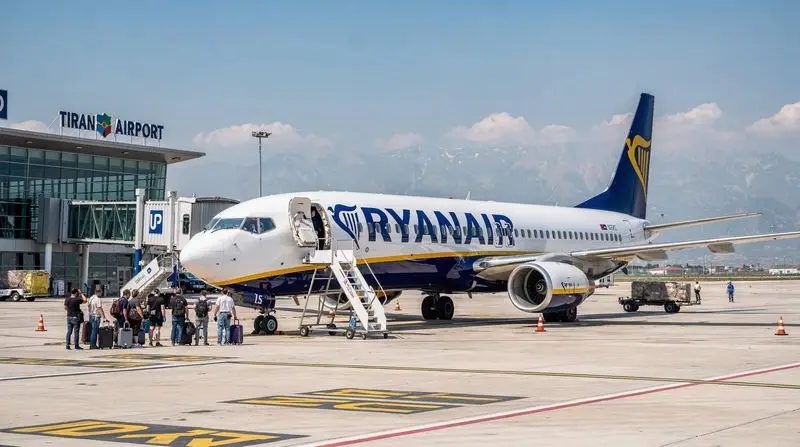
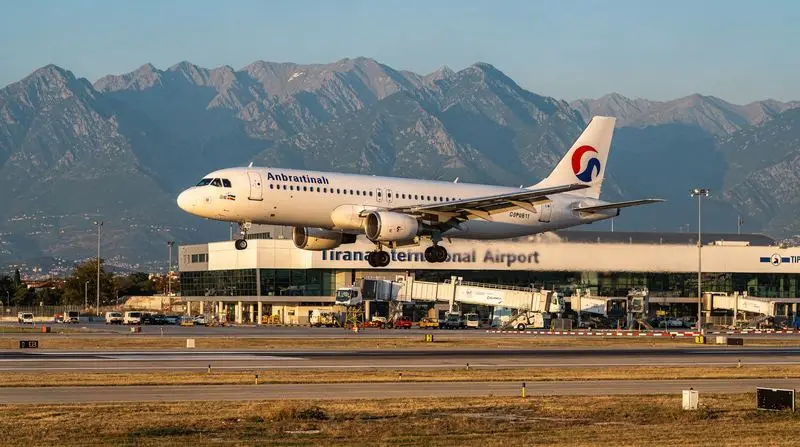
The single biggest practical change for international visitors in 2024 has been the expansion of direct flight routes into Tirana’s Mother Teresa International Airport. Ryanair significantly expanded its Albania operations, adding routes from several new UK and European cities. Wizz Air followed with additional Eastern European connections. A number of full-service carriers quietly added extra frequencies on existing routes in response to growing demand.
The result: if you are travelling from Western Europe, you almost certainly have more direct options into Tirana than you did twelve months ago, and you are probably paying less for them. The competitive pressure between low-cost carriers on popular routes like London-Tirana and Rome-Tirana has driven prices down noticeably.
What this means practically: book early. The routes exist, but capacity is not unlimited, and the growth in visitor numbers means that summer flights fill up faster than in previous years. We have seen people surprised that a route they assumed would have availability until the last minute was sold out months in advance. Our full how to get to Albania guide covers the main airlines, routes, and booking strategy in detail.
For those coming overland or by ferry, the Corfu-Saranda hydrofoil continues to operate and remains one of the most pleasant ways to arrive in the country — stepping off a boat and straight into the old town of Saranda on a sunny morning never gets old. The ferry connections from Bari and Ancona in Italy to Durres and Vlora have also seen increased frequency.
Tirana’s Infrastructure: Genuinely Improving
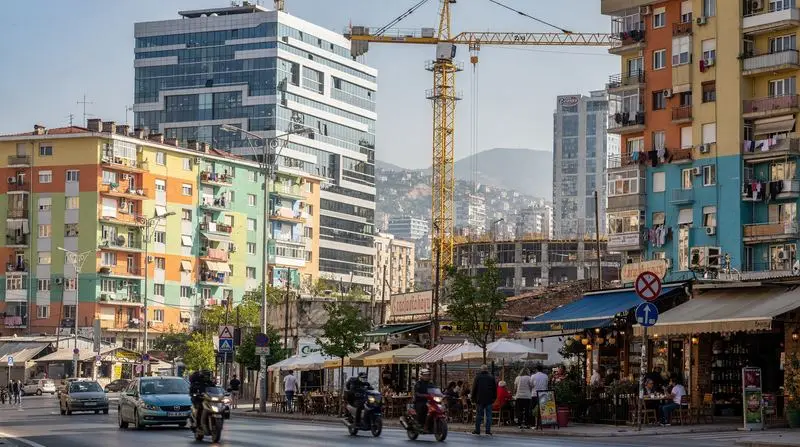
We have been vocal in the past about Tirana’s infrastructure challenges — the traffic, the air quality, the variable quality of pavements. In 2024, some of these genuinely improved.
The expansion of the Tirana cycling lane network continued, and the Lanë river promenade project added green space in a city that needed it. Several key road junctions were reorganised, reducing some of the worst bottlenecks. None of this transforms Tirana into a pedestrian paradise overnight, but the trajectory is positive.
The public transport situation also took a small step forward. New electric bus lines were introduced on several routes, and the municipality has signalled further investment in public transit. For visitors, this matters because getting around Tirana without a car or taxi has historically been inconvenient. It is still not the kind of city where you can navigate everything on foot alone, but options have improved.
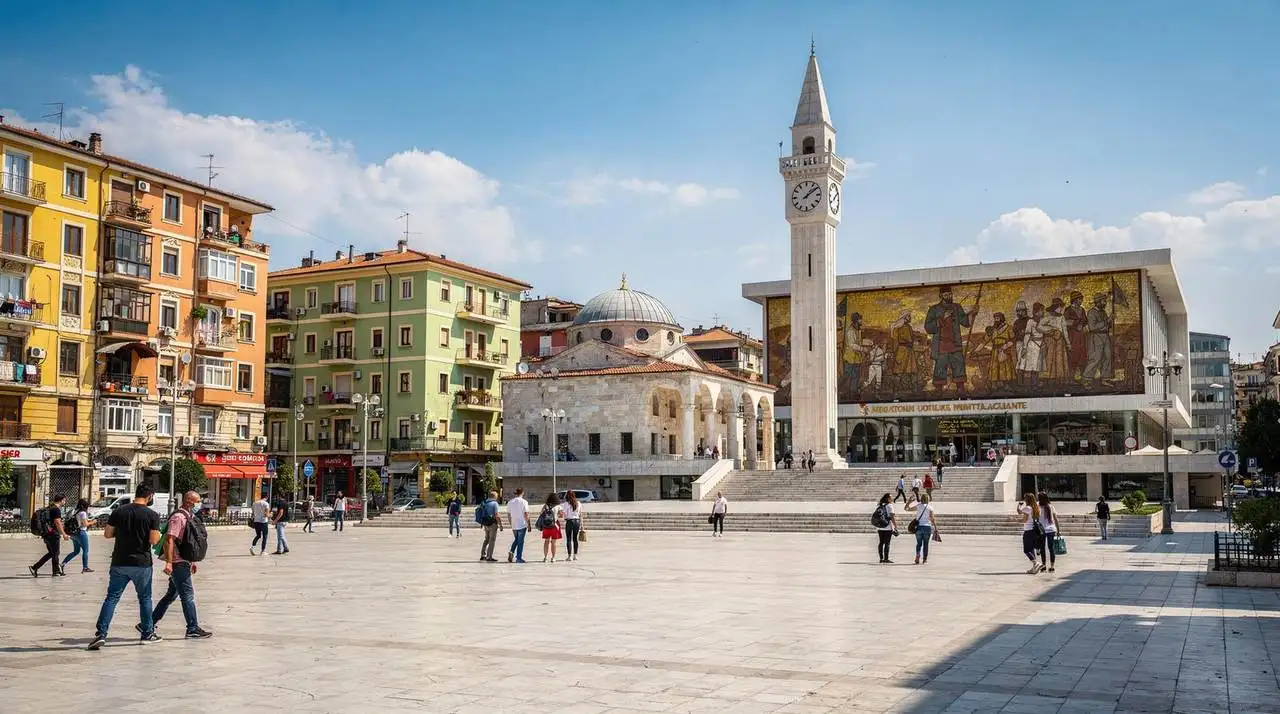
If you are visiting Tirana for the first time, we strongly recommend joining an organised walking tour to get your bearings before exploring independently. A guided walking tour of Tirana covers the key landmarks, the Blloku neighbourhood, the communist-era Pyramid, and the layers of Albanian history in a manageable three hours. It is the best orientation tool available and leaves you with context that improves everything you do afterward.
Our Tirana destination page covers the neighbourhoods and how to get between them in more detail.
The Riviera: More Developed, Still Beautiful
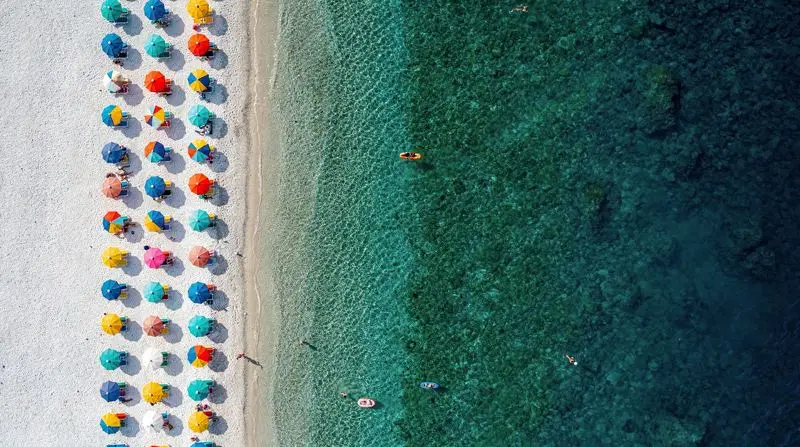
Anyone who has followed Albania over several years knows that the Albanian Riviera is changing faster than anywhere else in the country. 2024 continued that trend. New hotels, bars, and beach clubs opened along the coast between Vlora and Saranda. Some sections of coast that were rugged and undeveloped two years ago now have a resort infrastructure.
Our honest assessment: the Riviera is still one of the most spectacular coastal destinations in Europe. The water quality, the dramatic mountain-meets-sea scenery, and the general value for money remain outstanding. But if you are chasing the wild, undiscovered Riviera of five years ago, you need to look harder to find it now. It exists — particularly north of Himara and on certain stretches accessible only by boat — but it requires more effort.
Ksamil is now unambiguously busy in July and August — genuinely crowded by any standard — and accommodation needs to be booked well in advance. Saranda has expanded its hotel offering at both the budget and mid-range levels. For the most beautiful and least-developed beaches, we currently point people toward the Albanian Riviera’s northern section, particularly the beaches accessible from Llogara National Park. The best beaches guide has our current full ranking.
Albanian Riviera boat tours from Himara remain one of the best ways to access the coast in 2024. Boat trips reach sea caves, hidden coves, and beach sections that no road touches — and these are exactly the spots that have changed least even as the accessible coastline develops further.
For beaches that still feel relatively undiscovered, we are also pointing people toward the Adriatic beaches around Shengjin in the north, which get far fewer international visitors than the Ionian coast.
Prices: The Honest Picture
This is the section that will be most useful and probably least welcome. Albania’s prices have risen. Not dramatically — it remains one of the most affordable destinations in Europe — but the gap between Albanian prices and, say, North Macedonia or Kosovo has narrowed. The “it costs nothing” narrative that circulated about Albania in travel media a few years ago needs updating.
A decent dinner for two in a Tirana restaurant now costs between 30 and 50 euros including wine. Not expensive by any Western European standard, but noticeably more than 2019 or 2020 levels. Coastal accommodation in peak season commands prices that would not look out of place in Croatia, particularly at the newer boutique hotels. A coffee in Tirana still costs 1-1.50 euros, which is reassuring.
Budget travellers can absolutely still do Albania cheaply — staying in guesthouses, eating at local restaurants rather than tourist-oriented places, travelling by furgon rather than private transfer. But the assumption that Albania is uniformly dirt cheap is becoming less accurate, particularly in the south and particularly in July and August.
For a full breakdown of what things actually cost, our Albania travel budget guide covers all spending categories with current prices. For planning purposes, budget roughly 60-90 euros per day for two people travelling mid-range, more if you want coastal accommodation in summer.
Gjirokastra: Getting the Attention It Deserves
One of the genuinely positive developments of 2024 is that Gjirokastra has started receiving the visitor numbers it deserves. For years it was overlooked in favour of Berat, perhaps because it felt harder to reach. New direct bus connections from Tirana and from the Greek border crossing at Kakavia have made the city more accessible, and it shows.
Accommodation options in Gjirokastra have expanded significantly in the last two years. Several excellent boutique guesthouses have opened in the old town, occupying restored Ottoman houses. The food scene has improved. The castle is still one of the finest in the Balkans.
If you want a proper guided introduction to Gjirokastra’s layered history, a guided city tour of Gjirokastra is worth booking. The city’s architecture, the castle’s Cold War history, and the story of the Ottoman merchant houses all become considerably richer with someone local explaining what you are looking at.
If you have been to Berat but not Gjirokastra, 2024 is the year to correct that oversight. Our 7-day south itinerary includes both cities in a logical route from Tirana.
Digital Infrastructure: Albania Gets Better Connected
For remote workers and digital nomads, a significant 2024 development was the continued expansion of fiber internet connectivity in Tirana and several other cities. Tirana now has several dedicated co-working spaces and a growing community of location-independent workers from both Albania and abroad.
4G coverage has also improved in some areas that previously had patchy connectivity — particularly along the southern coast and in certain mountain valleys. It is still not comparable to Western European coverage in remote areas, but it is meaningfully better than a year ago.
The North: Still the Place for Genuine Discovery
While the south has developed rapidly, the northern mountains retain the quality that made Albania feel genuinely undiscovered. The Albanian Alps around Theth and Valbona are busier than they were in 2019, but they are still wilderness by any reasonable standard. The Koman Lake ferry — one of the great river journeys in Europe — continues to be one of the most rewarding days anyone can spend in the country.
Shkodra has improved as a city in its own right: better restaurants, better accommodation options, and a more developed tourist infrastructure that makes it easier to use as a base for northern exploration. We now recommend spending at least one night there rather than rushing through on the way to the mountains.
Cards, Cash, and SIM Cards: What Changed
More places in Tirana, Saranda, and the bigger coastal towns now accept cards, but this shift has not reached the whole country evenly. Guesthouses in Theth and Valbona, small konoba-style restaurants in Gjirokastra, and most furgon drivers still expect cash only. We now recommend carrying more lek than you think you will need whenever you leave Tirana, Saranda, or Vlora — ATMs thin out fast once you are in the mountains or the smaller southern towns. On connectivity, a local SIM remains the easiest fix for data: our Albania SIM card guide covers current providers and prices, and coverage along the coast and in Tirana is genuinely good now.
Where We’d Spend the Extra Money
If prices are creeping up, the honest question is where that extra spend is actually worth it. Our answer: a guided walking tour on arrival in Tirana or Gjirokastra pays for itself in context and orientation, a private transfer for the Theth-Valbona crossing on a tight schedule removes real logistical risk, and one or two nights in a genuinely well-reviewed boutique guesthouse on the Riviera beats three nights in a mediocre resort-style hotel. Where we would not spend more: bottled water, taxis for short hops you could walk, or “skip the line” add-ons for sights that rarely have lines outside of August. For a fuller category-by-category breakdown, the Albania travel budget guide remains the most useful reference, and pairing it with the Albania travel tips guide covers most of the practical questions this update does not.
What to Book Now for 2024
If you are planning an Albania trip and have not yet booked:
Coastal accommodation for July-August: Book as early as possible. This is not us exaggerating for effect. The better guesthouses and boutique hotels in Ksamil, Himara, and Saranda fill up months in advance.
Flights from the UK and Western Europe: Routes are competitive but fill up. Book as soon as your dates are confirmed.
The Valbona-Theth hike guesthouses: Peak season booking for this now-famous route needs to happen in spring. Do not assume you can arrive and find a bed. Our Theth-Valbona hike guide explains the full logistics.
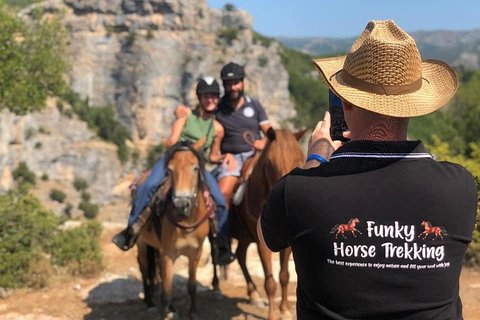
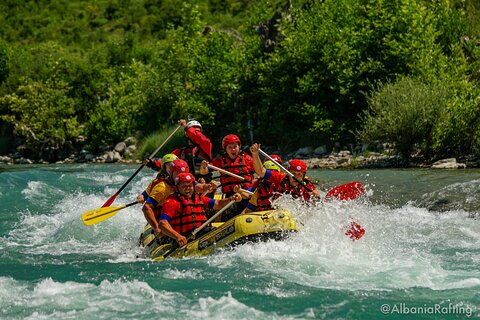
Organised tours: Whether you want a food tour in Tirana, a boat trip along the Riviera, or a multi-day Alpine hike, popular options sell out faster every year. If something is specifically on your list, book it before you travel rather than hoping to sort it on arrival.
The rest: Albania’s shoulder seasons — May-June and September-October — remain genuinely uncrowded, and accommodation availability is much better. If you have flexibility on timing, these months give you the best balance of weather, price, and breathing room.
The country keeps changing. We keep going back. And we keep finding it worth it. Whether you are visiting for the first time or returning after years away, plan a little more carefully than last time — and prepare to be surprised all over again.
Our Albania safety guide covers the practical questions that first-timers often have, and our car rental guide is essential reading if you plan to explore the coast and mountains under your own steam. The logistics are straightforward once you know the patterns, and the rewards for those who plan well are extraordinary.