Where to Stay in Shkodra: The Northern Gateway Guide
Shkodra (also spelled Shkoder) is Albania’s second city in cultural and historical importance, a place where the Ottoman, Venetian, and Austro-Hungarian architectural traditions overlap in ways that make it immediately distinctive from the capital. Set between Shkodra Lake — one of the largest lakes in the Balkans, shared with Montenegro — and the Rozafa Castle hill, the city has a character shaped by centuries of being a trading and diplomatic crossroads.
For most international visitors, Shkodra serves a dual purpose: it is both an interesting destination in its own right and the essential staging point for journeys into the Albanian Alps — the Accursed Mountains (Bjeshket e Namuna) and the valleys of Theth, Valbona, and the Koman Lake route. Getting this base right sets the tone for what can be the most spectacular part of any Albania trip.
This guide covers every accommodation zone in Shkodra, with honest assessments of who each area suits, plus the practical logistics of using Shkodra as a base for the Alps.
If you want the wider picture of the city before choosing a bed, the Shkodra destination page covers its history and sights, and the Lake Shkodra page explains the water that shapes so much of daily life here. For eating options once you have settled in, see the best restaurants in Shkodra.
| Where | Pedestrian zone, lakeside, or Rozafa Castle area |
| Cost | Around EUR 30-70/night |
| Getting there | Furgon from Tirana, around 2 hours, EUR 5 |
| Best time | Spring (April-June) for the lake and mountain views |
| Booking | 1-2 weeks ahead is usually enough |
The Pedestrian Zone and City Center: The Best Base
Shkodra’s pedestrian zone — Rruga Kolë Idromeno, locally known simply as “the Pedestrian” — is the social heart of the city and the natural place to base yourself. The street runs through the old market area and connects to the main squares, with cafes, restaurants, and small shops on both sides. In the evenings, the pedestrian street becomes the stage for Shkodra’s version of the Albanian xhiro tradition: a slow, sociable walking promenade that is one of the most pleasant local rituals you will encounter in the country.
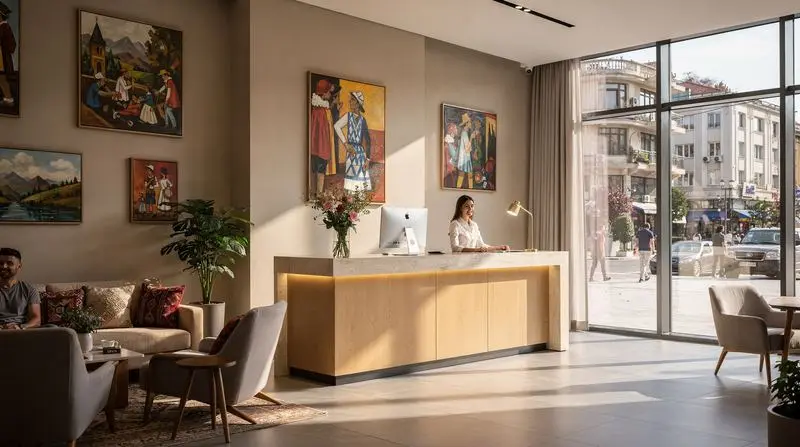
Accommodation around the pedestrian zone ranges from budget guesthouses to well-equipped mid-range hotels. The best properties are those that face toward the pedestrian street or the adjacent lanes — central, walkable to everything, and with easy access to the morning furgons and minibuses that serve the Alps routes.
Price range for pedestrian zone accommodation:
- Budget guesthouses and hostels: EUR 10-30 per night
- Mid-range hotels: EUR 35-65 per night
- Better boutique properties: EUR 60-90 per night
Shkodra is significantly more affordable than Tirana for equivalent accommodation quality, and the hospitality in the smaller guesthouses tends to be warmer and more personal. A EUR 40 hotel room in Shkodra typically offers more character and better breakfast than a EUR 60 room in Tirana.
Near the Lake: Lakeside Accommodation
Shkodra Lake (Liqeni i Shkodrës) extends to the northwest of the city, and a number of guesthouses and small hotels have established themselves along the lake road. Staying here gives you immediate access to the lake’s remarkable birdlife — the area is a recognized Important Bird Area, with pelicans, herons, cormorants, and dozens of migratory species visible year-round — as well as a quieter, more rural atmosphere than the city center.
The lakeside is a 15-20 minute cycle or 30-minute walk from the city center, and most lakeside guesthouses have bicycles available for rent or loan. Given that Shkodra is one of Albania’s most cycling-friendly cities (relatively flat, with dedicated cycle paths in parts), this is a genuinely practical option.
Lakeside accommodation prices: EUR 30-60 per night, including in most cases breakfast that features lake fish, local dairy products, and house-grown vegetables. Lake fish — particularly koran, a trout species endemic to Shkodra Lake — is a culinary specialty worth seeking out, and lakeside guesthouses are the most reliable place to find it properly prepared.
The lakeside area is particularly good for visitors who want to spend time on or near the water — kayaking, cycling the lake circuit, and birdwatching are all more naturally accessed from a lakeside base than from the city center.
Rozafa Castle Area: Views and Peace
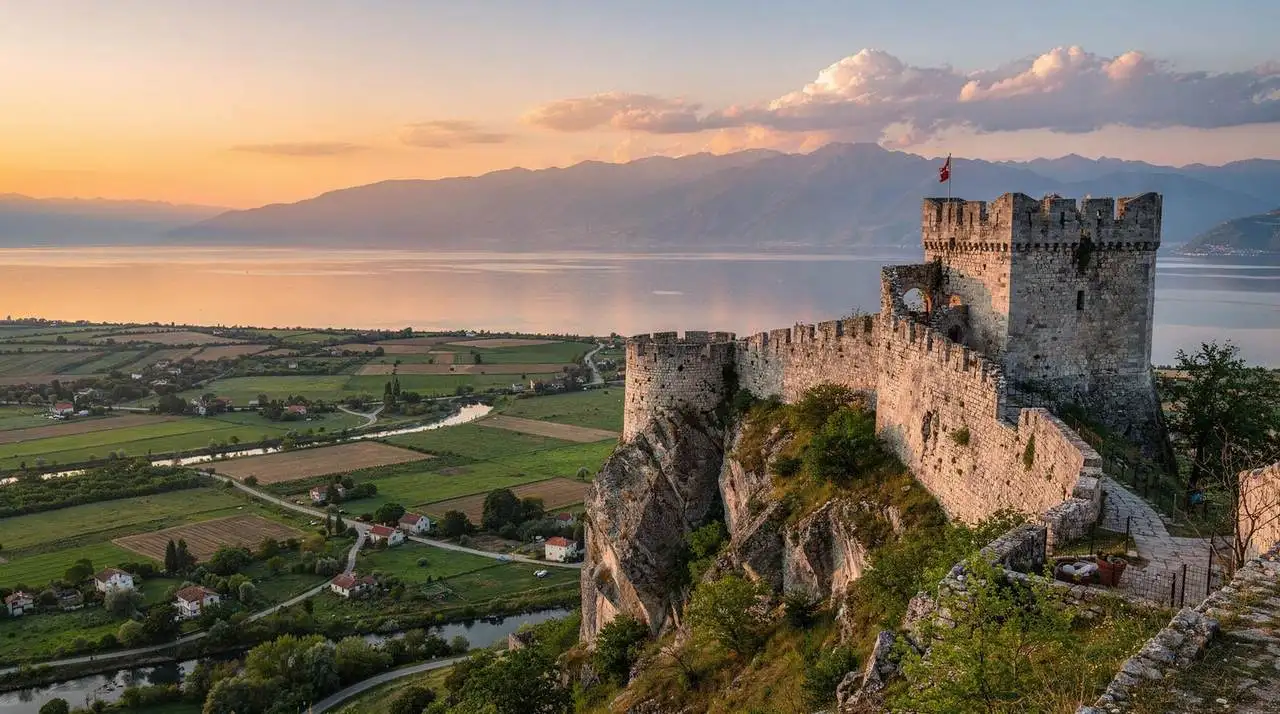
Rozafa Castle — perched on a rocky hill above the confluence of the Drin and Buna rivers at the city’s edge — is the defining landmark of Shkodra and one of the finest medieval fortresses in the Balkans. The views from its walls across the lake, the rivers, and the mountains beyond are among the best in northern Albania.
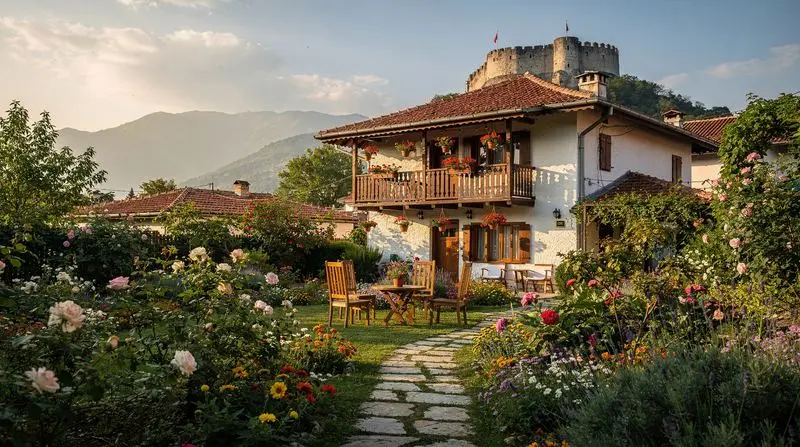
A handful of guesthouses and small hotels occupy positions near the castle foot and on the surrounding slopes. Staying here means having the castle as your immediate backdrop and access to some of the best early-morning views — when the light catches the water of the lake and the mountains of Montenegro are visible in the distance — but you sacrifice some of the convenience of being in the pedestrian zone.
The Rozafa Castle area is particularly atmospheric at dusk, when the castle is illuminated and the evening light on the lake creates one of Shkodra’s signature views. Guesthouses with terraces facing toward the lake and castle combination are the most coveted positions in this area.
Castle area prices: EUR 30-55 per night for guesthouses; the walk to the center takes about 20-25 minutes on foot, or EUR 3-5 by taxi.
Hostels: Shkodra’s Backpacker Scene
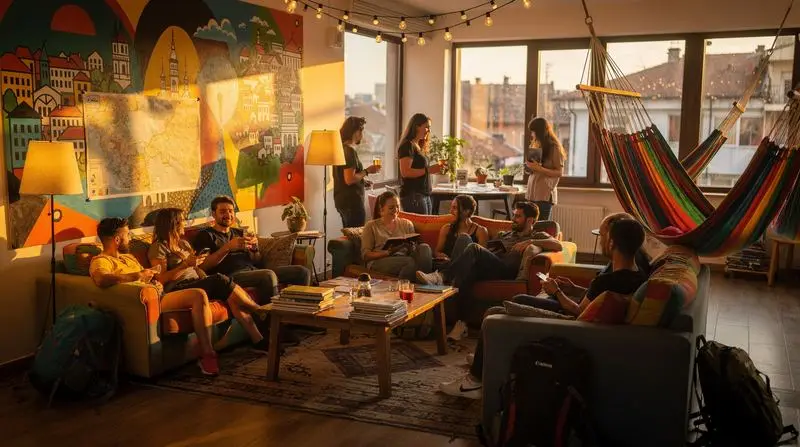
Shkodra has developed a better hostel scene than most Albanian cities of comparable size, driven by its position on the Balkan backpacker route and its role as the gateway to the Alps. Several well-run hostels in the center offer dorm beds from EUR 10-14 and private rooms from EUR 25-35.
The best Shkodra hostels do more than provide beds: they function as information hubs for the Albanian Alps, with staff who can advise on current trail conditions, guesthouse availability in Theth and Valbona, transport options, and weather forecasts. If you are planning an Alps hiking trip and have not organized your details, the hostels are the right starting point.
The staff at Shkodra’s best hostels have typically done the Theth-Valbona hiking route themselves and can give you current, practical information about conditions — far more useful than any website. They often have relationships with guesthouse owners in the mountains and can make direct recommendations or introductions.
For a full breakdown of hostel options across Albania, see the hostels guide.
Shkodra as an Alps Base
The key function of Shkodra accommodation for many visitors is as a logistics hub for the Albanian Alps. From here, the two main entry points to the mountains are:
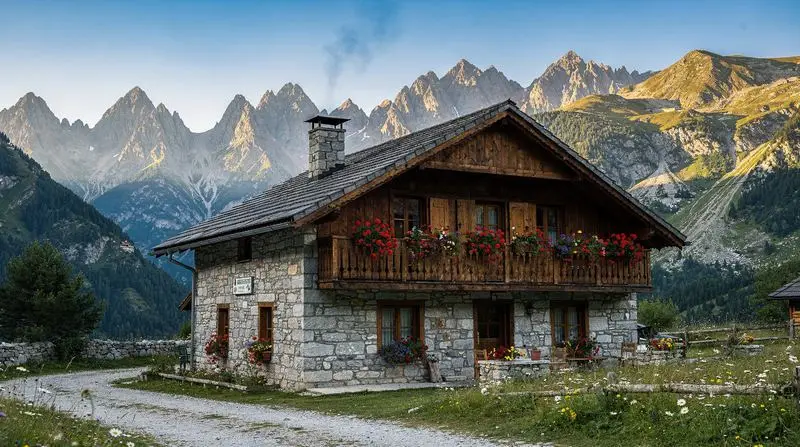
Theth Valley: A furgon or shared vehicle runs from the Shkodra market area to Theth most mornings in season (typically departing around 6:30-7:00am, returning mid-afternoon from Theth). The journey takes 2.5-3 hours on improving but still demanding mountain roads. Theth is the most accessible of the high mountain villages and the most developed for tourism, with guesthouses, a waterfall walk, a cold-water swimming pool, and the famous Blue Eye spring.
Valbona and Koman Lake: The classic route involves a morning bus from Shkodra to Koman, the two-hour ferry across the spectacular Koman Lake reservoir, and then a further drive up the Valbona valley. This is typically organized as a two-day journey from Shkodra — one night in Valbona before crossing to Theth, or vice versa. The Koman Lake ferry crossing is one of the most spectacular boat journeys in Europe and is worth the logistical effort regardless of your hiking plans.
Hostels and guesthouses in Shkodra can usually arrange onward transport to either destination with a day’s notice, and some offer organized group transfers that reduce the complexity of the independently arranged journey.
If the two-valley traverse is your goal, the Theth to Valbona hike guide describes the route itself, and the Valbona destination page helps you decide how long to stay at the far end. Choosing a Shkodra base that makes the early departure easy is the single decision that smooths the rest of the trip.
For accommodation in the Alps themselves, see the Albanian Alps guesthouses guide — the mountain guesthouses are a highlight of any hiking trip.
Organised Tours from Shkodra to the Alps
For visitors who want the Alps experience without organizing the multi-day logistics independently, there are excellent day trip and short trip options:
This Shkodra to Theth hiking day trip provides transport and a guide for a day in the mountains — ideal if you want the Alps experience without committing to a multi-day hike. The tour covers the Theth waterfall, the Blue Eye spring, and the mountain landscape in a single long day from Shkodra. Cost approximately EUR 45-65 per person.
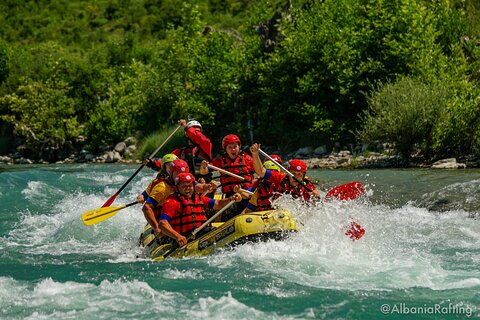
This Koman Lake and Shala River boat tour from Shkodra covers the most spectacular part of the Alps access route — the reservoir crossing and the Shala River canyon — as a day experience without requiring a full mountain itinerary. The Shala River turquoise pools are among the most extraordinary natural features in northern Albania. Cost approximately EUR 40-60 per person.
For the full multi-day Alps experience with organised transport and accommodation:
This 3-day Valbona to Theth Alps trip from Shkodra covers the classic traverse — Koman Lake ferry, Valbona valley, the mountain pass crossing to Theth — with accommodation and guidance included. Cost approximately EUR 120-180 per person for the full three days.
What to Do in Shkodra
The Rozafa Castle is the essential visit — allow 2-3 hours to explore the walls, towers, and the legends associated with the Rozafa myth (the story of the woman built into the castle walls to ensure its stability is one of the most important in Albanian oral tradition). The views from the upper battlements are excellent, and the castle museum provides good historical context for Shkodra’s role in Albanian history.
The old market area and the pedestrian street repay slow exploration on foot. The Historical Museum occupies a former Franciscan church and covers the city’s history from Illyrian times through the Ottoman period to independence. The photography of Marubi — the extraordinary archive of 19th and early 20th century studio photographs documenting Albanian life — is displayed in the Marubi National Photography Museum, one of the most remarkable collections in the country. Entry is EUR 2-3 per person.
This Shkodra city highlights walking tour gives a guided introduction to the city’s history and architecture — covering the Rozafa Castle, the Marubi Museum, the pedestrian zone, and the historical background of north Albanian culture. A good first half-day activity before heading north. Cost approximately EUR 20-35 per person.
Cycling in Shkodra
Shkodra has the most developed cycling culture of any Albanian city. The flat terrain around the lake, the dedicated cycling paths on some routes, and the strong local cycling tradition (Shkodra residents are famous for cycling) make it a good city to explore on two wheels.
Several hostels and guesthouses offer bicycle rental (EUR 5-10 per day). A bike makes the lakeside guesthouses and the Shiroka fishing village on the lake shore easily accessible, and opens up the possibility of cycling sections of the lake circuit that offer excellent wildlife-watching and views toward Montenegro.
The Shiroka village, about 7 kilometres from the center on the lake shore, is one of the most pleasant cycling destinations — a small fishing community with several good fish restaurants and a different, quieter character from the city. Koran fish lunch at a Shiroka restaurant is one of Shkodra’s best food experiences.
For more on cycling across Albania, see the cycling guide. Travellers who also enjoy wildlife on the lake may like the birdwatching guide, and those arriving by road can compare options in the car rental guide.
Day Trips and Surroundings
For a fuller list of excursions beyond those below, the day trips from Shkodra guide is the natural next read, and the Koman Lake ferry guide covers the crossing in more detail.
Montenegro: Shkodra sits close to the Montenegrin border, and Podgorica (the Montenegrin capital) is under two hours away. The border crossing at Hani i Hotit is well-established for road travel. For visitors doing a broader Balkans circuit, Shkodra is the natural transfer point between Albania and Montenegro.
Komani Canyon: The narrow gorge where the Drin River was dammed to create the Koman Lake reservoir is accessible on day tours from Shkodra — the landscape of sheer limestone cliffs and deep green water is genuinely extraordinary and requires no multi-day hiking commitment.
Theth: As a standalone day trip rather than a hiking departure point, Theth — the village at the head of its valley with traditional kulla tower houses and dramatic mountain backdrop — rewards a full day. The morning furgon schedule makes this viable without an organised tour.
Practical Booking Information
Booking.com has a reasonable Shkodra inventory, including most of the established hotels and several guesthouses. However, many of the best smaller guesthouses are found on Airbnb or through direct contact — WhatsApp numbers listed on Google Maps or recommended by other travellers.
The city sees peak demand in July and August but not to the same extreme as the coastal resorts. Booking 1-2 weeks ahead is usually sufficient for most of the season. The Alps departure routes create some high demand for very early morning slots (staying near the market area is useful if you have a 6:30am furgon to Theth), so confirming your transport timing before booking your accommodation location makes sense.
Year-round visitors find Shkodra more functional than many Albanian cities in winter — the city does not close down seasonally and offers good base infrastructure for winter hikes in the lower Alps. The castle is particularly atmospheric in light snow, and the lake views in winter mist have a melancholy beauty that photographers value. Off-season hotel rates of EUR 25-45 per night make winter Shkodra one of the best-value city stays in the country.
For the full northern Albania context, including comparison of budget options in Shkodra versus Tirana, see the budget accommodation guide.
Food and Restaurants in Shkodra
Shkodra’s food scene is less developed than Tirana’s but offers genuine character. The pedestrian zone restaurants serve traditional northern Albanian food: tavë (baked meat and egg dishes), fresh bread from the morning bakeries, lake fish from the nearby Shkodra Lake, and excellent coffee from the city’s many cafes.
Lake fish: Koran (lake trout endemic to Shkodra Lake), perch, and carp are the specialties. The restaurant at Shiroka fishing village on the lake shore — 7 kilometres by bicycle or 15 minutes by taxi — serves them with a directness and freshness impossible in Tirana. A full fish lunch at Shiroka costs EUR 10-15 per person.
Coffee culture: Shkodra takes coffee seriously, in the Italian-influenced tradition of the northern Albanian coast. The city was historically connected to Italy through trade and the Catholic Church, and the espresso culture reflects this — a Shkodra coffee is reliably good, the bars are numerous, and a morning espresso at a pedestrian-street cafe costs EUR 0.80-1.50.
Budget eating: The cheapest and often the best food in Shkodra is from the bakeries and small eateries in the market area near the pedestrian zone. Byrek, pogaçe (small round rolls with various fillings), and fasule (white bean soup) are the local staples, available from early morning for EUR 1-3 per portion.
Getting to and from Shkodra
From Tirana: Furgons and buses run frequently from Tirana’s northern bus station (near Zogu i Zi) to Shkodra — approximately 2 hours, EUR 5 per person. The first service typically departs around 6:30am; the last around 5-6pm.
From Kosovo: Shkodra is well-connected to Prizren and Pristina in Kosovo, making it a natural entry point for Kosovo-Albania itineraries. Services run regularly, taking 2-3 hours depending on the specific route.
From Montenegro: The border crossing at Hani i Hotit (north of Shkodra, 25 km) and Muriqan (on the lake road) are both well-established. Shkodra to Podgorica (Montenegrin capital) is under 2 hours by road.
Within Shkodra: The city is compact and very cycle-friendly. Bicycle rental from hostels and guesthouses costs EUR 5-10 per day. Walking from the pedestrian zone to the castle takes about 25 minutes. Taxis are available throughout the city at reasonable prices (EUR 2-4 for most urban journeys).
Seasonal Guide to Shkodra
Spring (April-June): The best season to visit Shkodra. The lake is at its most dramatic, the mountains visible from the castle still have snow on the upper peaks while the valley below is green, and the Alps guesthouse season opens in May-June. Accommodation prices are moderate and the city has good availability.
Summer (July-August): Hot in the city (28-34 degrees) but the lake provides breezes and the lakeside accommodation is pleasant. The main pressure on Shkodra accommodation is from visitors using it as the staging point for the Alps — book at least two weeks ahead for July-August stays near the pedestrian zone.
Autumn (September-October): Excellent for the city itself and for the lower Alps hiking (the pass is clear and the light is beautiful). Lake birdwatching is productive from September onward as migratory birds begin to arrive. Prices are moderate and the city is at its most relaxed.
Winter (November-March): Shkodra is fully functional year-round. The lake can be spectacular in winter — fog and low cloud create extraordinary atmospheric conditions. The lower Alps trails are accessible on good days. Hotel prices drop to EUR 25-50, making winter Shkodra among the best-value city accommodations in Albania.
Safety in Shkodra
Shkodra is a safe city for visitors. The northern Albanian reputation for a certain fierce independence — the kanun, the traditional law code, and the blood feud history — belongs primarily to historical record rather than contemporary reality. Visitors are welcomed, the pedestrian zone is sociable and safe at any hour, and the only specific caution is around cycling: the cycle paths, while present, require attention to car traffic at intersections.
The stray dog population visible in residential areas is typical of Albanian cities generally. Normal precautions (avoid approaching stray dogs) apply. Shkodra’s central areas are clear.
Shkodra Zones Compared
| Zone | Price | Character | Best for |
|---|---|---|---|
| Pedestrian zone | EUR 10-90 | Central, social, xhiro evenings | Alps departures, first-timers |
| Lakeside | EUR 30-60 | Rural, birdlife, cycling | Nature-focused stays |
| Rozafa Castle area | EUR 30-55 | Views, quiet, atmospheric | Photographers, sunset views |
| Hostels (center) | EUR 10-14 dorm | Backpacker information hub | Alps trip planning |
Accommodation Booking Summary
For Alps-focused trips: Stay near the pedestrian zone or market area. Confirm your morning furgon or minibus time to Theth or Koman the evening before. Have cash ready — no ATMs exist in the mountain valleys.
For city exploration: Any of the three zones (pedestrian center, lakeside, castle area) serves well depending on your priorities. The pedestrian zone is most convenient; the lakeside is most atmospheric; the castle area has the best views.
For transit stops: Shkodra is an excellent one-night transit city between Tirana and Montenegro or Kosovo. Central hotels near the pedestrian zone are the practical choice for an overnight stop before crossing the border.
For all price levels and the complete budget picture, see the budget accommodation guide.
Whether Shkodra is your base for the Alps or a single night before the border, a room close to the pedestrian zone keeps the morning simple. Choose a rate with free cancellation in case your Theth or Koman plans shift, and ask the host about cash and an early start. You can then check Shkodra stays on Booking.com across the pedestrian, lakeside and castle areas.
Frequently asked questions about Where to Stay in Shkodra
Do I need to stay in Shkodra before an Alps hike, or can I go straight from Tirana? Staying a night in Shkodra is strongly recommended. Morning furgons to Theth or Koman leave early (around 6:30-7am) from the Shkodra market area, and hostel staff here have current, practical information on trail conditions and guesthouse availability that’s far more useful than planning remotely from Tirana.
Which Shkodra zone is best if I’m not hiking the Alps? The pedestrian zone is the most convenient for city sightseeing (Rozafa Castle, the Marubi Museum, the old bazaar), while the lakeside suits visitors who want cycling and birdwatching over city buzz.