Cooking Classes in Albania: Learning the Country’s Food from the Inside
There is no better way to understand Albanian food culture than to cook it. Albanian cuisine is home cooking at its most fundamental — dishes shaped by centuries of mountain and Mediterranean agriculture, Ottoman trading culture, and the deeply communal nature of Albanian hospitality. Every Albanian family has its own version of byrek, its own recipe for tave kosi, its own preferred ratio of yogurt to egg in the sauce. A cooking class puts you at the table — or rather, at the stove — alongside the people who learned these dishes from their grandmothers.
Albania’s cooking class scene is not vast, but what exists is genuinely excellent. The classes available in Tirana, Berat, and Gjirokastra are typically small-group or private sessions held in home kitchens or on restaurant premises, taught by home cooks and chefs who have a deep knowledge of regional cuisine. The format combines cooking instruction with eating together, conversation about Albanian food culture, and often a tour of a market or garden to understand the ingredients before you cook with them.
| Where | Tirana, Berat, Gjirokastra |
| Cost | Around EUR 30-50 per person |
| Time needed | 3-4 hours, including market visit and eating |
| Group size | Usually 2-8 people; private sessions available |
| Booking | A few days ahead in June-August |
What You Will Learn to Cook
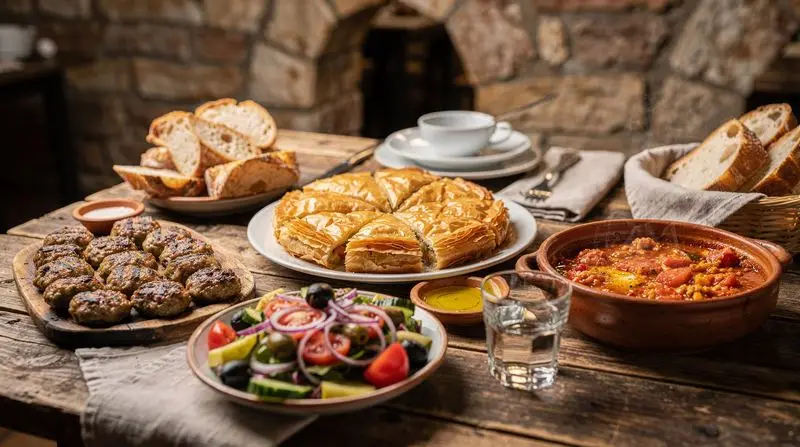
The dishes taught in Albanian cooking classes vary by instructor and region, but most sessions cover a core repertoire of traditional Albanian food:
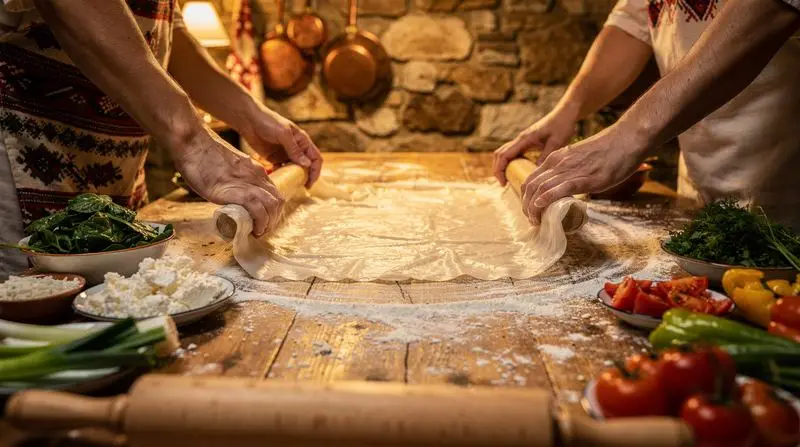
Byrek: The most universally taught Albanian dish. Filo pastry dough is made from scratch (or worked from store-bought filo), filled with a mixture of spinach, white cheese (similar to feta), and egg, then layered and baked in a round or rectangular pan. The technique of layering the filo — each sheet brushed with oil or butter — is more achievable than it appears and the results are immediately satisfying.
Tave kosi: The national dish of Albania, and deservedly so. Lamb or chicken is cooked slowly until tender, then combined with a mixture of yogurt, eggs, and flour in a clay pot (tave) and baked until golden on top. The yogurt sauce sets into something between a custard and a bechamel — rich, tangy, and deeply satisfying. Learning to make tave kosi gives you a recipe for life.
Fergese Tirane: A Tirana speciality of roasted peppers, tomatoes, and cottage cheese (gjize), baked together in a clay pot and served bubbling. Simpler than it sounds, but the flavour depends entirely on the quality of the peppers and the freshness of the cheese. Vegetarian and excellent.
Qofte: The Albanian meatball — ground lamb or beef mixed with onion, parsley, and egg, shaped into oval patties and grilled or pan-fried. The seasoning is deliberately restrained to let the quality of the meat speak. Served with plain yogurt and flatbread.
Pite: Related to byrek, pite is a stuffed pastry pie made with a thicker, bread-like dough rather than filo. Regional versions vary significantly — the northern Albanian pite is different from the Gjirokastra version, and learning the local variant in each city reveals how cuisine functions as local identity.
Baklava and sweets: Some classes include an Albanian pastry-making session covering baklava (with the Albanian walnuts-and-honey version, less sweet than the Turkish), sheqerpare, and other traditional sweets. Albanian sweets are rarely overpowering — the sweetness is restrained compared to Turkish or Greek equivalents.
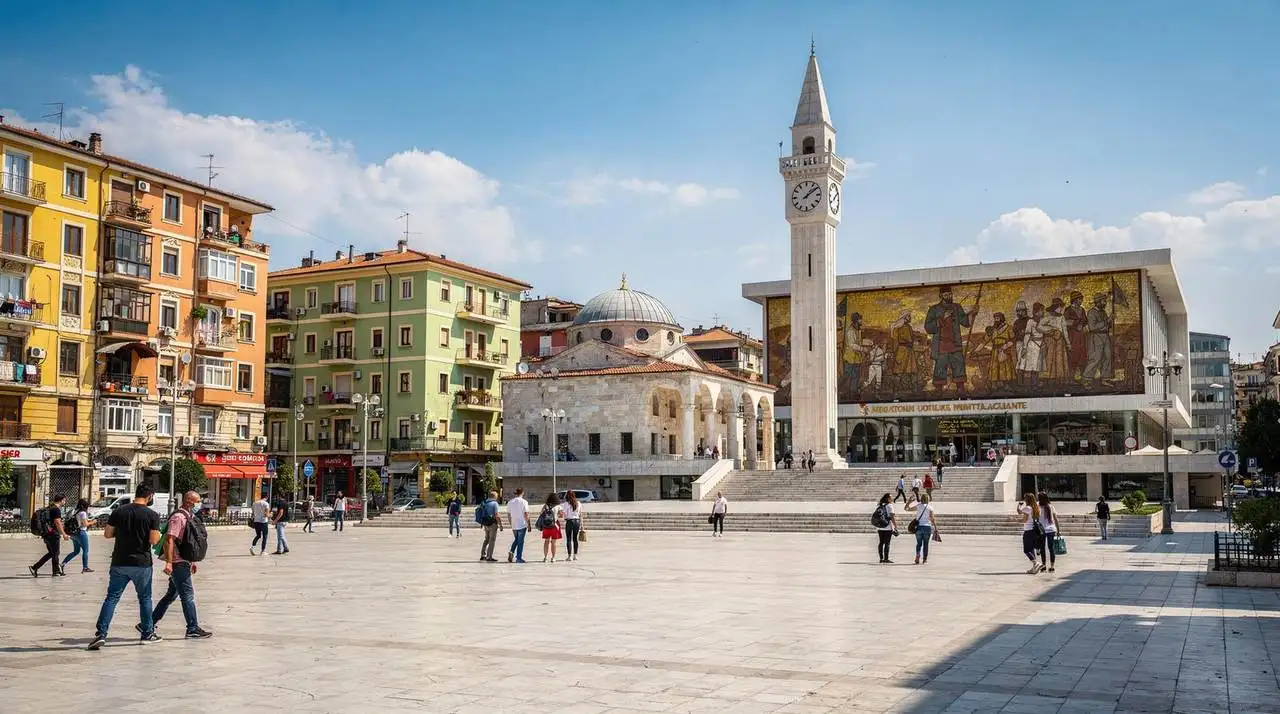
Cooking Classes in Tirana
Tirana’s cooking class scene has the widest variety of options, reflecting the city’s greater experience with international visitors. Classes are available in both home kitchen settings (intimate, personal, genuinely domestic) and in dedicated cooking school environments.
This Tirana traditional food cooking class is a highly regarded session that teaches byrek, tave kosi, and other Albanian classics in a welcoming home kitchen environment. The class typically begins with a trip to the Pazari i Ri market to select ingredients — an excellent orientation to Albanian produce before you begin cooking. Cost approximately EUR 35-50 per person.
The session covers three to four dishes in two to three hours of cooking time, followed by eating everything you have made together. Recipes are provided to take home. Small groups of up to eight participants ensure that everyone gets hands-on time rather than watching from the back.
What to Expect in Tirana
Tirana cooking classes typically run from around 10am (to catch the morning market) through lunchtime. The Pazari i Ri market stop — where your instructor explains Albanian cheese varieties, shows you how to choose the right quality of filo, and introduces you to local olive oil and herb vendors — adds significant value to the experience.
The market itself is worth an hour of exploration even independent of the class. The Pazari i Ri was renovated in 2017 and is now one of the finest covered markets in the western Balkans: an Ottoman-era complex of wooden-roofed pavilions surrounding a central courtyard, with dedicated sections for cheese, meat, fish, vegetables, dried goods, and specialty products. Buying here before you cook is a lesson in Albanian food culture in its own right.
The cooking itself happens in a domestic kitchen, which is intentional: Albanian food is home food, and learning it in a restaurant kitchen misses something essential. Expect a warm welcome, strong coffee from the start, and a meal at the end that you will be proud of.
For food tours in Tirana that complement the cooking class, see our dedicated guide. The two experiences pair well — a food tour to understand what Albanian food looks and tastes like, then a cooking class to understand how it is made. Combined, they provide a genuinely comprehensive education in Albanian culinary culture.
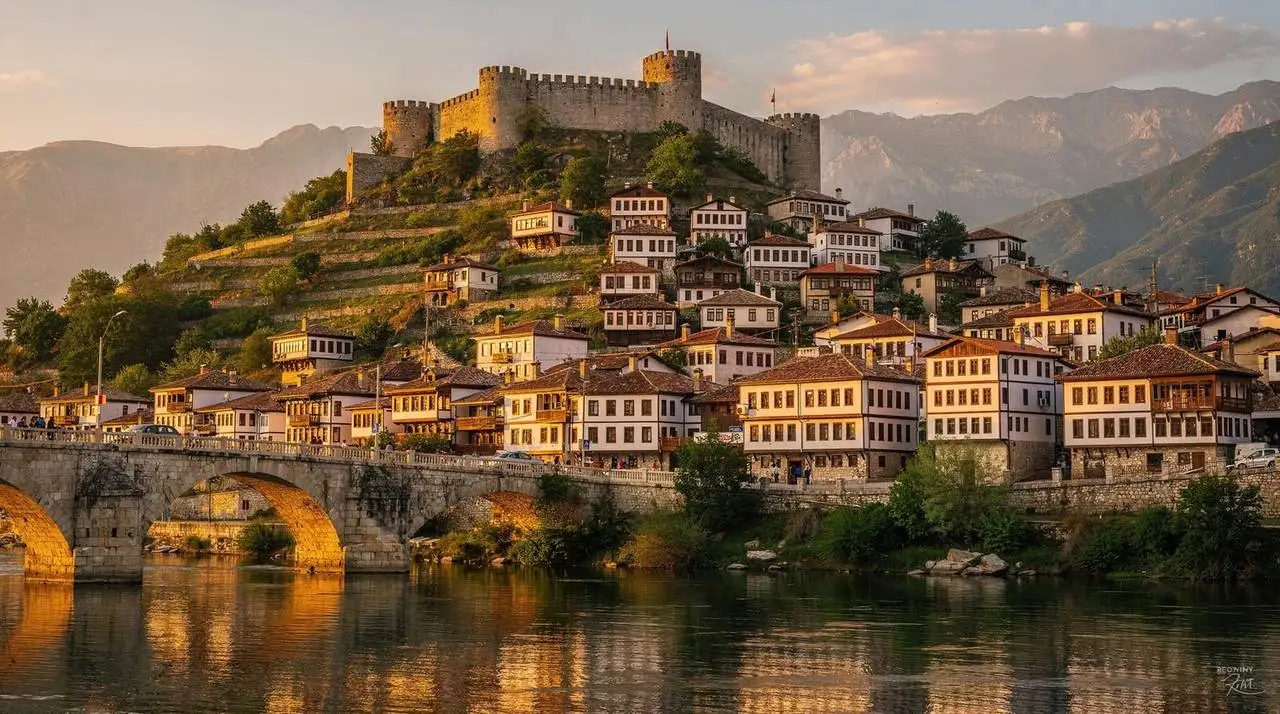
Cooking Classes in Berat
Berat’s cooking class offering reflects the city’s Ottoman heritage and its position in one of Albania’s most productive agricultural areas. The Berat valley grows excellent vegetables, olives, and figs, and the local food traditions draw on both Muslim and Christian Ottoman-era cuisines.
This Berat cooking class focuses on the traditional dishes of the Berat region, including the local variants of byrek and tave that differ in spicing and technique from Tirana’s versions. The class is typically held in the old town area, with views of the castle hillside above — a uniquely atmospheric setting for a cooking session. Cost approximately EUR 30-45 per person.
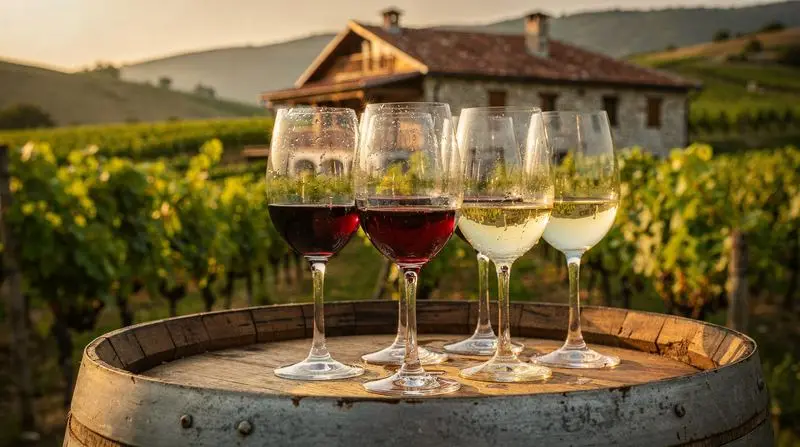
Berat’s class often incorporates local wine from nearby producers — a natural pairing given the city’s position in Albania’s main wine country. See the wine tasting in Albania guide for winery visit options near Berat.
The cooking class in Berat can be combined with a full day in the city: the castle and UNESCO old town in the morning, a cooking class over lunch, and an afternoon walking the Mangalem neighbourhood. This is one of the most satisfying single-day itineraries in southern Albania. Where to stay in Berat covers the best guesthouses in the Ottoman quarters for this kind of extended visit.
Berat’s Distinctive Ingredients
What makes a Berat cooking class particularly interesting is the regional ingredient focus. The city sits within the main olive oil production area of central Albania — a single-variety oil from local trees with a character distinct from Greek or Italian equivalents. Your instructor will explain why this olive oil is used differently from olive oil in Tirana’s recipes (more generous, less combined with butter).
The Berat white cheese (djath i bardhe) is made from the milk of sheep grazing the surrounding hills and has a specific salinity and texture that gives byrek from this region its distinctive character. Understanding these regional differences turns a cooking class into a geography lesson.
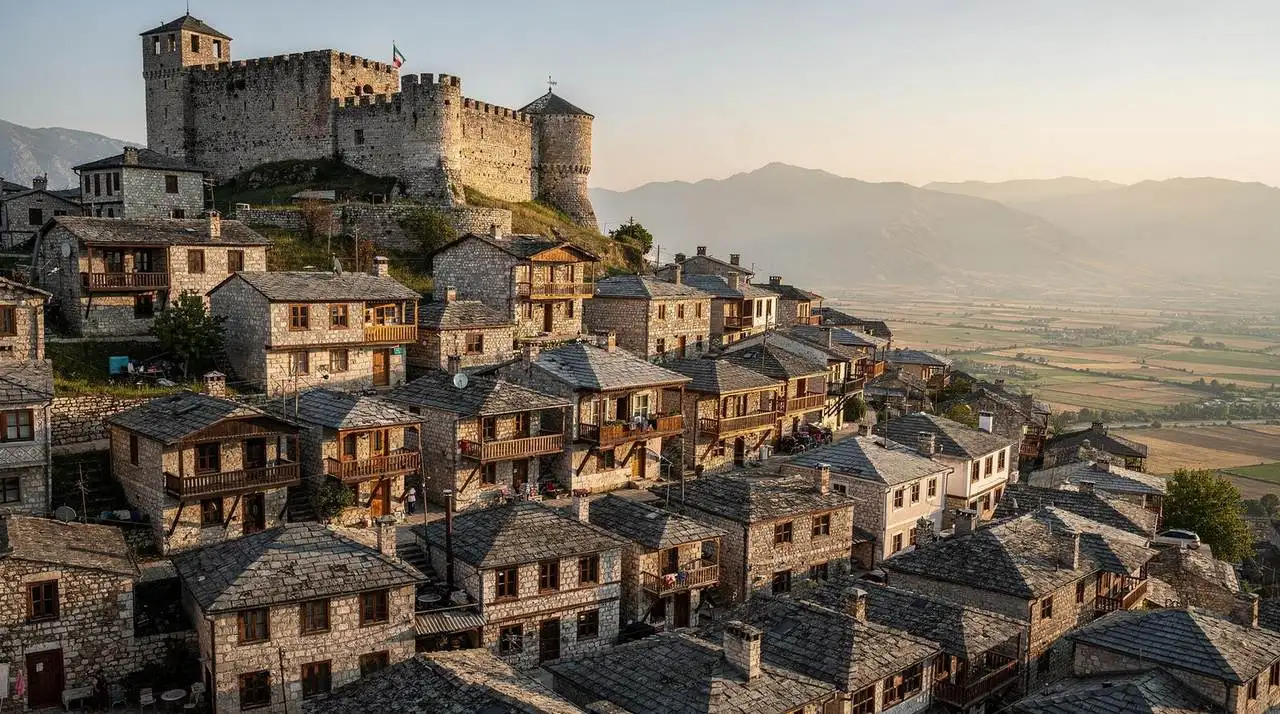
Cooking Classes in Gjirokastra
Gjirokastra has a strong culinary identity tied to its Ottoman and local Albanian heritage. The city’s old bazaar historically served as a crossroads for traders from across the region, and its food reflects this diversity. The Gjirokastra cooking class experience has a specific emphasis on vegetarian and vegetable-forward dishes — reflecting both the local tradition and the mountain environment, where fresh meat was historically seasonal and vegetables preserved from summer were the winter staple.
This Gjirokastra traditional Albanian vegetarian cooking class teaches the vegetarian side of Albanian cuisine — filo pastries with spinach and cheese, vegetable dolma (stuffed grape leaves with rice and herbs), roasted pepper salads, and the dairy-based dishes that form the backbone of mountain Albanian food. Cost approximately EUR 30-40 per person.
It is an excellent choice for vegetarians who want to engage fully with Albanian food culture, and for omnivores who want a different perspective on the cuisine. The mountain vegetable tradition in Gjirokastra produced dishes that were developed out of necessity but have a sophistication that reflects centuries of refinement.
Gjirokastra is itself one of the most rewarding stops in Albania — its UNESCO-listed stone-built old town, the massive Ottoman castle, and the underground Cold War tunnel all justify a stay of at least two nights. A cooking class fits naturally into a Gjirokastra itinerary, ideally combined with the guided walking tour of the old city. See the walking tours Albania guide for the best Gjirokastra city walk options.
Regional Ingredients That Define Albanian Cooking
Understanding Albanian ingredients helps you get more from a cooking class:
Djath i bardhe (white cheese): The Albanian cousin of feta — brined, slightly crumbly, and ranging from mild to sharp depending on the producer and age. Used in byrek, salads, and as a table cheese. Made from cow, sheep, or goat milk, or a mixture. The version from Berat and Korce is considered among the finest.
Gjize: Fresh Albanian cottage cheese, loose and slightly sour. The key ingredient in fergese and several other cooked dishes. Not widely available outside Albania — part of what makes Albanian cooking class recipes hard to replicate at home without substitution.
Misri (cornmeal): Cornbread (buke misri) and polenta-style dishes are central to northern Albanian food culture. A cooking class in the north will often include cornbread baking.
Vaj ulliri (olive oil): Albanian olive oil from the southern lowlands and coastal regions is excellent — fruity, peppery, and used generously. The Berat valley and the Vlora region produce the best. Available to buy at markets and specialist shops. The olive groves around Vlora and Berat have been in continuous cultivation since antiquity.
Bari (herbs): Fresh herbs used liberally: parsley, dill, mint, and a variety of mountain herbs that have no direct English translation. Dried herbs (including Albanian mountain tea) make excellent take-home gifts.
Mjalt mali (mountain honey): Some of the finest honey in Europe comes from Albanian mountain hives, where bees collect pollen from a wild botanical diversity that has largely disappeared from more intensively farmed regions. Walnuts with honey is one of Albania’s simplest and best combinations. The Permet area is particularly celebrated for its mountain honey.
Farm and Agritourism Cooking Experiences
Beyond the city-based cooking classes, Albania’s growing agritourism sector offers cooking experiences embedded in farm life:
Several farms near Berat and in the Permet area offer half-day or full-day experiences that begin with harvesting ingredients from the kitchen garden and end with a communal meal at a farm table. These are typically arranged through local guesthouses rather than booking platforms — ask your accommodation in Berat, Permet, or Gjirokastra whether they can connect you with a local farm experience.
The olive harvest season (October-November) provides a particularly immersive experience. Participating in the harvest — hand-picking olives from trees that may be hundreds of years old — followed by a meal using the new-season oil is a memory that stays. Some farms near Berat welcome working visitors during harvest season; enquire locally.
The Broader Food Culture: Context for Your Class
A cooking class becomes more rewarding when you understand the cultural context of what you are making. A few key points:
Food as hospitality: In Albanian culture, feeding a guest generously is a fundamental expression of respect. The dishes you make in a cooking class are the dishes that a host would prepare for an honoured visitor — understanding this changes how you relate to the effort going into the food.
Ottoman influence: The techniques and ingredients of Ottoman court cuisine filtered through to Albanian domestic cooking over five centuries of shared governance. Stuffed vegetables, yogurt sauces, slow-braised meats, and the pastry tradition all arrive through this channel. A cooking teacher who can explain these connections gives you a window into Albanian history through food.
Regional variation: Albania is a small country with significant culinary regional variation. Northern Albanian food (polenta, cornbread, lamb, fresh dairy) differs substantially from southern Albanian food (more olive oil, Mediterranean vegetables, richer Ottoman pastry tradition). The coast adds a seafood dimension. Understanding which region your cooking class represents enriches the experience.
Albanian home cooking rests on things that rarely reach a restaurant menu — byrek folded by hand, fërgesë made with the local cottage cheese: a traditional Albanian private cooking class in Tirana is the shortest route to the version cooked at home.
Practical Information for Cooking Classes
Duration: Most Albanian cooking classes run three to four hours including the market visit, cooking, and eating. Plan for a late breakfast or light snack beforehand — you will eat substantially by the end.
Group sizes: Classes in all three cities typically accommodate groups of two to eight participants. Private sessions for individuals or couples are usually available at a modest premium of EUR 10-20 over the per-person rate.
Languages: All the classes listed are conducted in English. Italian-language instruction is sometimes available; ask when booking.
What to wear: Comfortable clothes suitable for kitchen work. An apron is provided but some oil and flour will inevitably go astray.
Dietary requirements: Give advance notice of any dietary restrictions. The vegetarian Gjirokastra class is already meat-free; other classes can adjust dishes on request. Severe allergies should be communicated clearly at booking.
Advance booking: Classes have limited capacity and should be booked at least a few days ahead in high season (June-August). In off-peak periods (October-May), some flexibility on booking exists, but advance booking is always recommended to avoid disappointment.
Recipes to take home: All reputable cooking classes provide written recipes. Ask specifically for measurements in grams/metric rather than “a handful” if you plan to replicate the dishes at home.
Extending Your Food Experience
A cooking class is the beginning of a food education, not the end. Combining it with:
- A food tour to understand the range of Albanian cuisine before you cook
- A wine tasting experience to understand what local wine pairs with the food you have cooked
- Market visits to buy ingredients and products to take home
- A visit to a raki producer to understand the spirit that accompanies every Albanian meal
…creates a comprehensive engagement with Albanian food culture that goes well beyond typical tourist experiences.
For visitors interested in Albanian food culture at a deeper level, the country’s agrotourism sector is growing. Several farms near Berat, Permet, and in the north offer farm-to-table experiences combining cooking with understanding of how the food is grown. Ask locally for current options.
Choosing Between a Cooking Class and a Food Tour
Visitors with limited time in a single city sometimes have to choose between a cooking class and a food tour. They serve different purposes, and understanding the difference helps you pick the right one for your schedule:
| Cooking class | Food tour | |
|---|---|---|
| Time | 3-4 hours | 3-4 hours |
| Best for | Hands-on technique, recipes to take home | Breadth — tasting many dishes and venues |
| Setting | One home kitchen or restaurant kitchen | Multiple stops around the city |
| Physical effort | Standing, chopping, some kitchen heat | Mostly walking between venues |
| Take-home value | A skill and written recipes | A mental map of where to eat well |
If you only have time for one, a cooking class gives you a deeper, more personal experience of a single household’s food culture, while a food tour gives you a broader orientation to what Albanian food looks and tastes like across a city. Doing both — food tour first, cooking class second — is the ideal sequence if your schedule allows it.
What Separates a Genuinely Good Class from a Mediocre One
Not every listed cooking class delivers the same quality of experience. A few signals distinguish the best sessions:
Small groups over large ones. A class of two to six people means real hands-on cooking time; a class of fifteen becomes a demonstration you watch from the back. Confirm group size before booking, particularly in July and August when demand is highest.
A home kitchen, not a demonstration kitchen. The most memorable classes happen in an actual family kitchen, with the domestic clutter and warmth that a sterile demonstration space cannot replicate. This is where Tirana and Gjirokastra’s home-based classes have an edge over more formal culinary school settings.
A market visit included. Classes that start with a trip to a local market — like the Pazari i Ri stop in Tirana — teach you as much about Albanian ingredients as the cooking itself. A class that skips this step is missing a significant part of the education.
An instructor who explains, not just demonstrates. The best teachers explain why a dish is made a certain way — the Ottoman influence behind a technique, the regional reason a recipe differs from a neighbouring town’s version — rather than simply walking you through steps. This context is what turns a pleasant afternoon into genuine cultural understanding.
Final Thoughts
Albanian cooking classes deliver something genuinely rare in modern travel: direct, personal contact with a living food tradition. The instructors are not professional chefs performing for tourists — they are home cooks sharing techniques that their families have practised for generations. The food you make is real Albanian food, cooked the way it is actually cooked in Albanian homes.
Take the class, eat what you make, and then spend the rest of your trip finding the best versions of those same dishes in restaurants and guesthouses across the country. You will find them — in the mountain guesthouses of Theth, in the courtyard restaurants of Berat, in the fishing tavernas of the Riviera — and you will recognise them from the inside out.
Frequently Asked Questions About Cooking Classes in Albania
What do you learn in an Albanian cooking class?
Albanian cooking classes typically cover the country’s most iconic dishes: byrek (filo pastry), tave kosi (lamb and yogurt bake), fergese (peppers with cottage cheese), and homemade bread or cornbread. Mountain guesthouse classes often include wild herb identification and traditional preservation techniques. You learn the philosophy of seasonal, local cooking as much as specific recipes.
How much does a cooking class cost in Albania?
Cooking classes in Tirana run EUR 40-70 per person for a half-day session including ingredients and the shared meal. Mountain guesthouse cooking experiences — where you cook alongside the host family — are sometimes included in the accommodation rate or available for EUR 20-40 extra. More formal culinary workshops in Berat or Gjirokastra cost EUR 50-80 per person.
Where are the best cooking classes in Albania?
Tirana has the most organized cooking class scene, with several dedicated operators running regular classes. Mountain guesthouses in Theth and Valbona offer the most authentic experience — cooking alongside families in traditional kitchens using ingredients from their gardens and farms. Berat’s old town also has cooking experiences tied to its UNESCO-protected culinary heritage.
Do I need cooking experience to join a class?
No. Albanian cooking classes are designed for complete beginners as much as for confident home cooks. Instructors explain each step clearly, and the techniques — filo layering, yogurt sauce whisking, simple dough work — are approachable regardless of prior kitchen experience. If you have never cooked before, say so when booking; instructors adjust their pace accordingly.
Can I do a cooking class as a vegetarian or vegan?
Vegetarians are well catered for, particularly the dedicated Gjirokastra vegetarian class, which teaches filo pastries, dolma, and dairy-based dishes without meat. Vegan participants should ask in advance, since Albanian cooking relies heavily on yogurt and cheese — most instructors can adapt at least one or two dishes with notice, but full-vegan sessions are less standardised than vegetarian ones.