Pogradec: Albania’s Quiet Lakeside Town
Pogradec sits at the southeastern edge of Albania, draped along the shore of Lake Ohrid in a way that makes it feel like it has always been here — because it essentially has. This modest lakeside city is one of the country’s most underappreciated destinations, offering a slower, cooler, and distinctly Albanian counterpoint to the frenetic pace of the coast. While the Albanian Riviera draws the crowds, Pogradec rewards those who seek something more reflective: a sparkling lake shared with North Macedonia, mountain-framed sunsets, and some of the freshest fish you will eat anywhere in the Balkans.
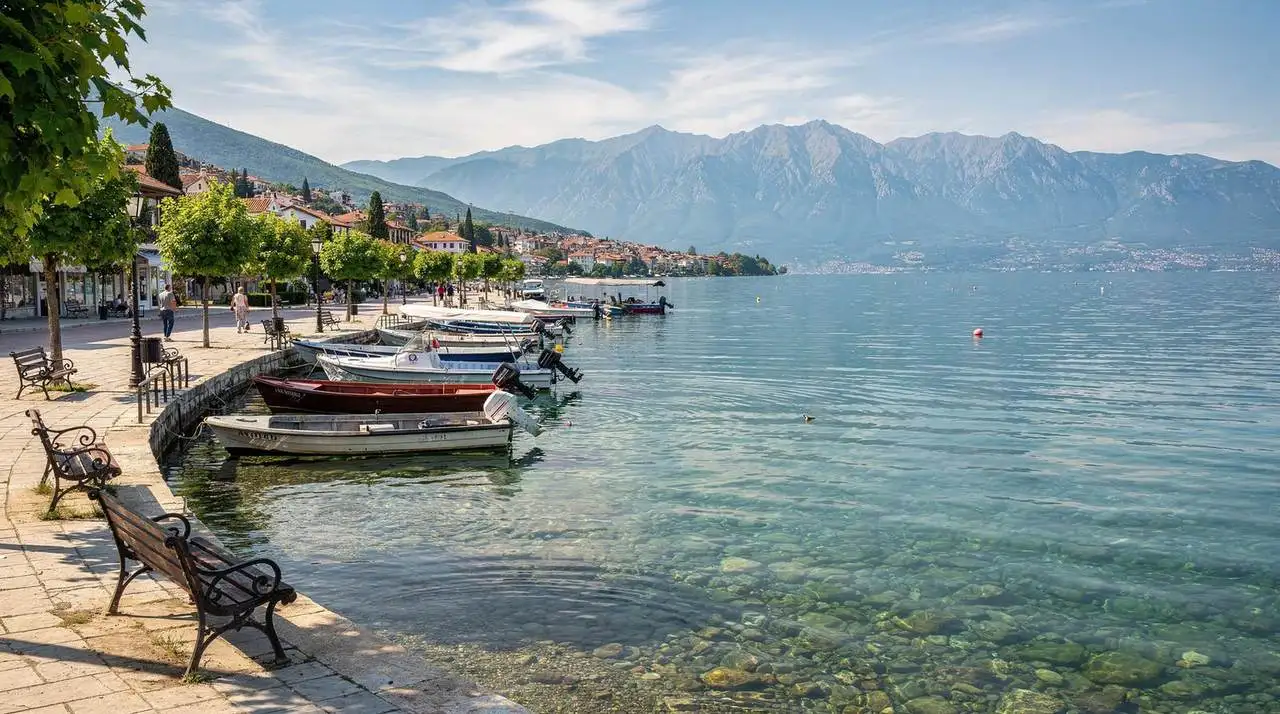
The town itself is unpretentious. A long promenade edges the lake, lined with cafes and old men casting rods into the water. Behind it, residential streets climb gently into hills. There is no grand old town, no fortress on a hill — the appeal here is the lake itself, and the pace of life beside it.
If you are exploring eastern Albania, Pogradec pairs naturally with Korca, the cultured city an hour to the south, and together they form a compelling eastern loop that most visitors to Albania never take. The UNESCO sites in Albania guide covers the Ohrid region’s World Heritage status in full context. Our 14-day Albania itinerary includes Pogradec as the eastern highlight of the country circuit, and the Albania off the beaten path guide places Pogradec in the broader context of eastern Albanian travel.
| Where | Eastern Albania, Lake Ohrid shore, ~150km from Tirana |
| Cost | EUR 20-35/day, lower than the coast |
| Time needed | 1-2 days |
| Getting there | Furgon from Tirana (~3hrs) or self-drive via Elbasan |
| Best time | June and September for warmth without August crowds |
Lake Ohrid: A UNESCO Natural Wonder
Lake Ohrid is ancient in the truest sense. Scientists estimate it is between 4 and 10 million years old, making it one of the oldest lakes in the world. That age has produced extraordinary biodiversity: over 200 species found nowhere else on Earth live in these waters, including the famous Ohrid trout and a species of eel that migrates all the way to the Sargasso Sea to spawn.
In 2019, the entire Ohrid region — spanning both the Albanian and North Macedonian sides — was designated a UNESCO World Heritage Site, recognising its outstanding natural and cultural value. The lake sits at 693 metres above sea level, which keeps the summer heat manageable and gives the water a clarity that feels almost unreal. On a calm day you can see the bottom many metres down in the shallower areas near the shore. The water has a distinctive quality — bluer than most lakes, with a luminosity that changes through the day as the light angle shifts.
The Albanian side of the lake is quieter and less developed than the North Macedonian side, where the city of Ohrid is a fully established tourist hub. That relative quiet is, for many travellers, the whole point. You get the same extraordinary lake, the same mountain backdrop, the same ancient waters — with far fewer crowds and significantly lower prices.
Things to Do in and Around Pogradec
Walk or Cycle the Lakeside Promenade
The korzo — the Albanian tradition of the evening promenade — reaches its lakeside ideal in Pogradec. The waterfront esplanade stretches several kilometres, and it is genuinely pleasant at any time of day. Rent a bicycle from one of the vendors near the main square and follow the shore south towards Drilon Park. Early mornings are particularly beautiful, when the lake is still and the Macedonian mountains across the water glow in the first light. The reflection of those peaks in the lake surface, before the day breeze disturbs the water, is one of the quietest and most beautiful moments available in Albanian travel.
Drilon National Park
About six kilometres south of the town centre, Drilon is one of the most beautiful natural areas in eastern Albania. A series of spring-fed channels and small lakes sit beneath ancient plane trees, creating a lush, shaded environment that feels completely different from the sun-baked rest of the country in summer. Wooden bridges connect islands, swans drift across mirror-calm pools, and the air is noticeably cooler.
It is a favourite spot for Albanian families on weekends — you will find restaurants serving grilled fish and raki under the trees, boats available for short rides, and a general atmosphere of relaxed celebration. Entry is minimal or free depending on the season. Do not miss it. The plane trees at Drilon are some of the oldest and largest in Albania; the park has a botanical character quite unlike any other easily accessible natural area in the country.
The Village of Lin
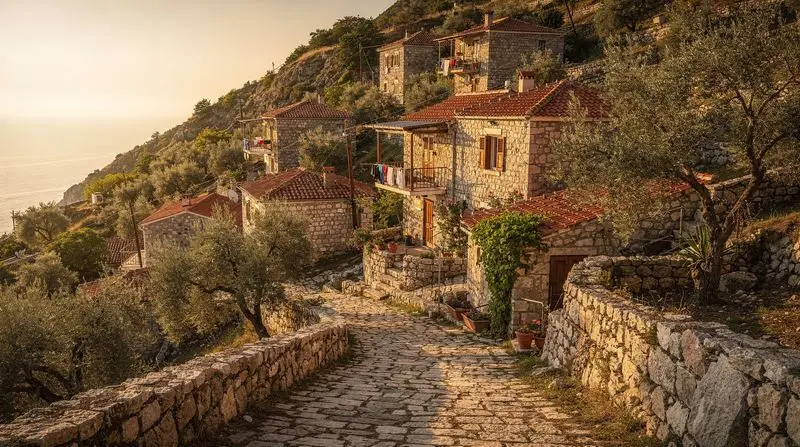
Lin is a small peninsula village that juts into the lake about 15 kilometres north of Pogradec. It is one of the oldest continuously inhabited settlements in the region, with roots going back to the Bronze Age. The village today is tiny and quiet, its old stone houses clinging to a hillside above the water. Early Christian mosaics have been found here, and there are remnants of ancient walls that speak to the village’s significance in late antiquity.
The view from the peninsula is exceptional — the lake wraps around on three sides and the mountains of North Macedonia frame the horizon. A small beach at the base of the village is ideal for swimming. Getting there requires a car or taxi from Pogradec, but the journey is short and the road is decent. The peninsular position means the light changes dramatically around Lin throughout the day, making it a rewarding photographic subject at multiple times.
Swimming and Beaches
The Albanian shore of Lake Ohrid has several swimming spots, mostly pebble or gravel beaches. The water is extraordinarily clean and warm enough for swimming from May through September. The main town beach is easily accessible, and there are quieter coves both north and south of the centre. The lake water has a distinctive quality — clearer and softer than the sea — that regular visitors often say they prefer for swimming. The temperature reaches 22-24 degrees Celsius in July and August.
For a guided experience that covers the lake and surrounding area, this day trip from Tirana covers Ohrid Lake, the Drilon springs, Lin village, and Pogradec — an excellent option if you want a local guide to handle the logistics and provide historical context. For a longer exploration combining the lake with eastern Albania’s cultural highlights, this 3-day tour from Tirana visits Lin, Lake Ohrid, Pogradec, and Korce with accommodation and meals included.
Day Trip to Korca
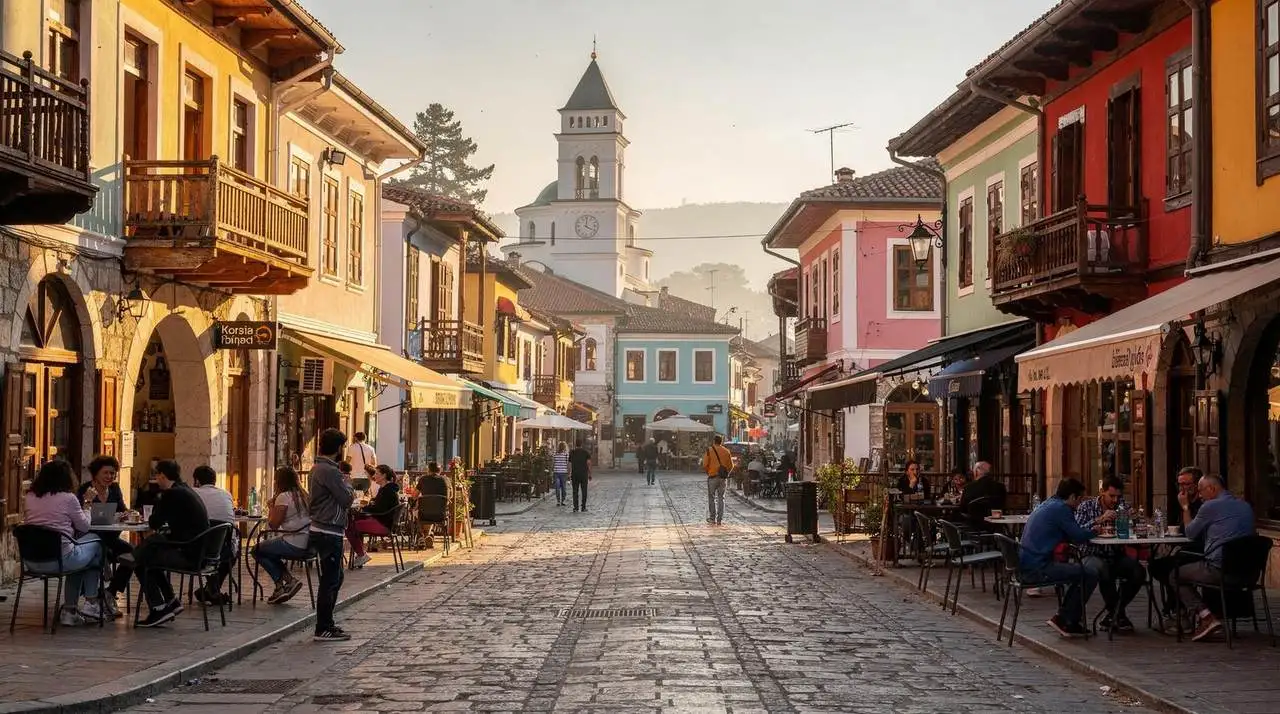
An hour’s drive south, Korca is the cultural capital of eastern Albania. It has an entirely different character from Pogradec — a proper old town, significant museums, a famous brewery and beer tradition, and a cosmopolitan atmosphere born from the many Albanian emigrants who came from or through this city. It pairs beautifully with a Pogradec base. Many travellers spend two nights in Pogradec and use one full day for Korca.
North Macedonia and Lake Ohrid Town
The border crossing between Albania and North Macedonia near Pogradec is straightforward for EU and most Western passport holders. The city of Ohrid on the Macedonian side, with its spectacular medieval old town, monastery-covered hills, and well-developed tourism infrastructure, is about 40 minutes from the crossing. It makes for a fascinating contrast — same lake, entirely different atmosphere and history. Combine with a Pogradec base for the optimal Lake Ohrid experience.
The Prespa Lakes Region
Further south, near the Greek and North Macedonian borders, the Prespa Lakes area is one of the most remote and beautiful corners of Albania. Pelicans nest on the islands, villages are half-abandoned, and the landscape feels genuinely wild. It requires a car to access but rewards the effort significantly for wildlife and landscape enthusiasts. Spring is the best season, when the pelican colonies are active and the wildflowers on the lake margins are at their peak.
Guided Day Tour from Tirana
For visitors who want to experience Pogradec and the lake without managing their own transport, a guided excursion from Tirana provides an efficient introduction. The drive from Tirana via Elbasan and the mountain pass gives a good cross-section of Albanian geography, and the lake arrival is a genuine revelation after the mountain interior. Ask at your Tirana accommodation for current tour options covering the lake circuit.
Where to Eat
The Essential Dish: Koran Trout
If you do one thing in Pogradec, eat the koran. This endemic Ohrid trout, found only in the lake, is one of Albania’s great culinary treasures and is strictly regulated to protect the population. When it is available, it appears on the menus of lakeside restaurants simply grilled with olive oil, lemon, and herbs. The flesh is pink and delicate, and it bears no resemblance to farmed trout from elsewhere.
Restorant Panorama (lakeside promenade) — The most consistently recommended restaurant on the Pogradec waterfront, with excellent koran trout when in season and various lake fish options year-round. The terrace views over the lake are outstanding. The restaurant also serves excellent carp preparations and lake eel when available. Budget EUR 8-14 per person.
Restorant Guri (promenade, central) — A simpler, family-run operation serving grilled lake fish, Albanian salads, and local white wine. Less touristic than the promenade frontrunners. Budget EUR 6-10 per person.
Drilon Park restaurants — Several restaurants operate inside Drilon National Park under the plane trees, serving grilled fish and traditional Albanian cooking. The setting is outstanding — eating under ancient trees beside a mirror-calm spring pool. The freshwater crayfish when available are exceptional. Budget EUR 8-14 per person.
Bakeries and street food — The central market area has good byrek vendors serving fresh pastries from early morning. Budget EUR 1-3 per person.
Even when koran is unavailable or off-season, the lake fish here — various carp species, eel, and others — are excellent. Restaurant prices along the promenade are considerably lower than equivalent meals on the coast. Our Albanian food guide covers the lake fish traditions of eastern Albania in detail, including how the koran differs from conventional farmed trout and why it is considered so special.
Where to Stay
Pogradec has a reasonable range of accommodation for its size. Lakeside hotels and guesthouses dominate, most of them small, family-run operations with rooms looking across the water.
Lakeside hotels — Several hotels on or near the promenade offer rooms with lake views. Quality varies but the best provide comfortable rooms with terraces overlooking the water. Budget EUR 35-60 per night. The view from a lake-facing room at sunset is worth the premium over inland-facing options.
Family guesthouses — The most authentic option and typically the best value. Many are on the hillside streets above the promenade with partial lake views. Budget EUR 25-40 per night with breakfast.
Prices are notably lower than Tirana or the coast. The waterfront fills up during Albanian holidays and in August, so book ahead if visiting then. Outside the Albanian summer holiday period, accommodation is readily available without advance booking.
Getting to Pogradec
Pogradec is approximately 150 kilometres from Tirana by road — around two to two and a half hours by car via the Elbasan valley. The drive is scenic and largely on decent roads.
By furgon: Furgons run from Tirana’s Linza terminal to Pogradec, taking roughly three hours and costing around 400-600 ALL. This is the standard public transport option and is reliable during daylight hours.
By car: The most flexible approach. The SH3/SH75 route via Elbasan is well-maintained. Elbasan makes a natural stop on the way — its Ottoman fortress and thermal baths add an extra hour to the journey without significant detour. See our car rental in Albania guide for vehicle recommendations.
From Korca: The road to Pogradec from Korca is about 60 kilometres and takes under an hour — a beautiful drive through the Devolli valley with lake views appearing as you descend from the mountain plateau.
Best Time to Visit
May through September is the best window. June and September are ideal — warm enough for swimming, free from the August peak, and the lake light is extraordinary in those months. July and August see the most Albanian domestic tourism, which gives the promenade a lively, festive feel but also means prices nudge upward and accommodation can be tight.
The town is quiet but not closed in winter — the lake does not freeze, temperatures are mild by Albanian standards, and the lack of tourists makes for an atmospheric visit if you do not need swimming weather. The lake in winter, with the Macedonian mountains snow-capped above the still water, has a completely different but equally beautiful character.
Practical Tips
Lake Ohrid endemic species protection: Koran trout is strictly regulated. Check that the restaurant sources it properly, and consider ordering other lake fish if in doubt. Responsible fishing is important for preserving the lake’s extraordinary biodiversity, which has survived for millions of years and deserves careful stewardship.
Evening promenade: The promenade is most alive after around 6pm, when the heat has broken and the korzo begins. Join it — this is one of the more genuine examples of traditional Albanian evening social culture, and the Pogradec version, with the lake reflecting the fading light, is particularly pleasant.
Scenic drives: The road north from Pogradec along the lake shore towards Lin and beyond is one of the most scenic drives in eastern Albania. If you have a car, follow it at least partway — the lake views from the hillside road sections are exceptional, particularly in the golden hour before sunset.
Cash: Card acceptance in Pogradec is improving but not universal, particularly in smaller restaurants and guesthouses. Bring Albanian lek.
Budget: A daily budget of EUR 20-35 covers everything comfortably, including a lakeside hotel, meals, and activities. See our Albania travel budget guide for detailed cost planning.
Pogradec Compared to the Coast
| Consideration | Pogradec (Lake Ohrid) | Riviera coast |
|---|---|---|
| Water | Freshwater lake, clear and calm | Sea, warmer in high summer |
| Prices | Notably lower | Higher, especially July-August |
| Crowds | Light even in peak season | Heavy on popular beaches |
| Atmosphere | Quiet, reflective, local | Lively, resort-oriented |
| Best for | Slow travel, lake swimming, fish dining | Beach clubs, boat tours, nightlife |
Cycling Around Pogradec
Beyond the lakeside promenade, the flat terrain around Pogradec extends into genuinely enjoyable longer cycling routes, particularly the shore road north towards Lin, which hugs the water for much of its length with mountain views across into North Macedonia. Bicycle rental is available near the main square and through several guesthouses, typically for EUR 5-10 per day. The full out-and-back to Lin and back is a comfortable half-day ride for a moderately fit cyclist, with several villages along the way offering coffee or a cold drink stop.
For a shorter option, the loop to Drilon Park and back covers around 12 kilometres round trip on flat, well-surfaced roads, making it accessible even for casual riders or families with older children. Early morning is the best time to ride, both for the cooler temperatures and for the light on the lake, which is at its most striking before the day’s haze builds up.
Why Pogradec Deserves More Attention
Albania’s tourism narrative has concentrated heavily on the coast and, more recently, the northern Alps. Eastern Albania — and Pogradec specifically — remains conspicuously undervisited. That will change, but for now it means you can arrive at one of Europe’s most ancient and biologically extraordinary lakes and have the promenade largely to yourself, the restaurants eager, the guesthouses available, and the fish fresh out of the water.
The lake does not care that it is underrated. It has been here for millions of years. But you should visit before everyone else catches on. The Korca and Pogradec eastern circuit detailed in our off the beaten path guide remains one of Albania’s best-kept travel secrets.
Frequently Asked Questions About Pogradec and Lake Ohrid
What is Pogradec known for?
Pogradec is known primarily as Albania’s gateway to Lake Ohrid — one of the oldest and most biologically diverse lakes in Europe, shared between Albania and North Macedonia. The town is famous locally for the koran (Ohrid trout), an endemic fish species found only in Lake Ohrid and considered a delicacy. The pleasant lakeside promenade, the Drilon springs and park (8 km from town), and the calm, unhurried atmosphere make Pogradec a welcome contrast to busier Albanian destinations.
Is Lake Ohrid a UNESCO site?
Yes — Lake Ohrid and its surroundings were inscribed as a UNESCO World Heritage Site in 1980, primarily for their exceptional biodiversity. The lake is one of the oldest in the world (estimated 5-10 million years old) and hosts over 200 endemic species — organisms found nowhere else on Earth. The Albanian shore at Pogradec shares in this designation. The UN Convention on Biological Diversity has described Lake Ohrid as being of exceptional natural heritage value.
What is koran trout and should you try it?
Koran (Salmo letnica, also called Ohrid trout) is an endemic fish species found only in Lake Ohrid and is the most important local dish in Pogradec. The fish is delicate in flavour, typically grilled simply with olive oil and lemon, and is served at essentially every lakeside restaurant in Pogradec. It is one of Albania’s finest regional dishes and should absolutely be tried when visiting the area. Prices are typically EUR 8-15 per portion depending on size and restaurant.
How do you get to Pogradec from Tirana?
Pogradec is approximately 145 km southeast of Tirana, reachable in 2.5-3 hours by car via the SH3 highway through Elbasan. Regular buses run from Tirana’s main terminal, taking approximately 3-3.5 hours and costing 500-600 ALL. The journey through the Elbasan gorge and the mountain approach to the lake is scenically rewarding in its own right. Most travelers combine Pogradec with Elbasan and/or Korca in an eastern Albania circuit.
Can you cross from Pogradec into North Macedonia?
The Sveti Naum border crossing between Albania (near Pogradec) and North Macedonia is open seasonally (typically summer months) and provides access to the Macedonian shore of Lake Ohrid and the town of Ohrid city. The crossing is not open year-round — check current status before planning. The main year-round border crossing between Albania and North Macedonia is further north. For travelers doing a Balkans circuit, combining Pogradec with Ohrid city is a natural and rewarding extension.
Is cycling around Pogradec worthwhile?
Yes — the flat lakeside terrain makes Pogradec one of the best cycling bases in eastern Albania. The shore road north towards Lin offers a scenic half-day ride with mountain views across into North Macedonia, and the shorter loop to Drilon Park is manageable even for casual riders. Bike rental is available near the main square for around EUR 5-10 per day.