Lake Shkodra: Southern Europe’s Largest Lake
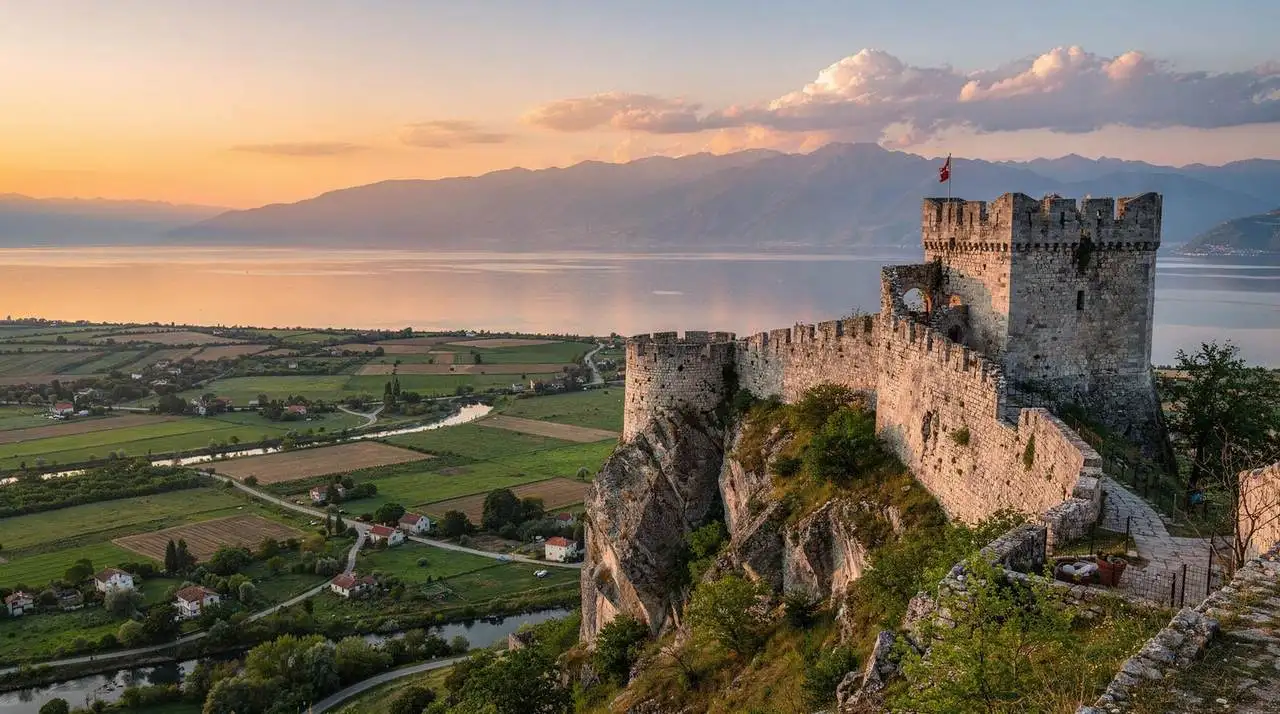
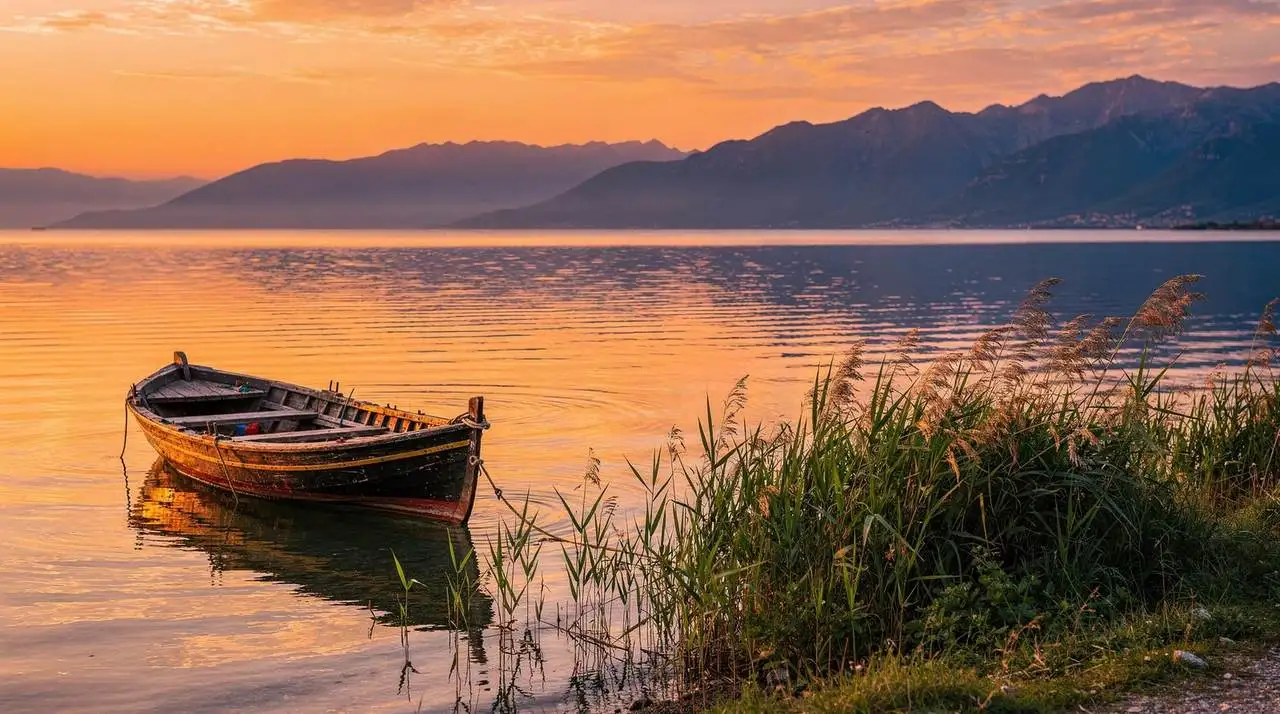
Lake Shkodra — known as Skadar in Montenegro and Scutari in older European literature — is the largest lake in Southern Europe, a vast, shallow expanse of water straddling the Albanian-Montenegrin border that in spring covers up to 530 square kilometres and even in its dry-season contracted state extends across approximately 370 square kilometres. It is one of the great bird habitats of the continent, a Ramsar-listed wetland of international importance, and the quiet natural counterpoint to the medieval drama of Shkodra city a few kilometres to the east.
Most visitors to northern Albania pass through Shkodra on the way to Theth and the Albanian Alps, spending an afternoon at the famous Rozafa Castle before heading to the mountains. The lake, sitting just south and west of the city, gets far less attention than it deserves. This is a place for slow travel, early mornings, and the specific pleasure of watching a pelican land on still water.
The lake is best experienced as a half-day or full-day excursion from Shkodra city, which serves as the natural base for the northern Albania circuit. The hiking the Albanian Alps guide covers the full northern circuit context, while this guide focuses on the lake itself. The 14-day Albania itinerary includes Lake Shkodra as a half-day from the Shkodra base before heading into the mountains.
| Where | 7km west of Shkodra, Albanian-Montenegrin border |
| Cost | Free shoreline access; boat tours around EUR 15-25/person |
| Time needed | Half day for birdwatching or cycling, full day combined |
| Getting there | Taxi (~EUR 3-4) or bike (~25 min) from Shkodra |
| Best time | April-June for breeding birds; Sept-Oct for migration |
The Lake: Geography and Character
Lake Shkodra occupies a tectonic depression between the Dinaric Alps of Montenegro and the limestone ranges of northern Albania. It is fed by several rivers, most significantly the Moraca from Montenegro, and drains southward into the Adriatic via the Buna River at Shkodra.
The lake’s hydrology is dynamic and seasonal in a way that most European lakes are not. In winter and spring, snowmelt and rainfall expand it dramatically — low-lying villages on the shore are occasionally inundated, and the boundary between water and land blurs across vast areas of reed bed and flooded meadow. In summer and autumn, the lake contracts, exposing mud flats, gravel bars, and temporary islands that shift from season to season.
This dynamism is precisely what makes the lake so valuable for wildlife. The shallow, fluctuating waters support an extraordinary variety of aquatic habitats within a relatively small area, and the resulting biodiversity is one of the richest in Europe for a lake of any size.
The Albanian shore — the eastern and southern edges of the lake — is the quieter side. Montenegro’s shore has more tourist development and infrastructure, centred on the town of Virpazar. The Albanian side retains its traditional fishing village character, with small communities like Shiroka, Zogaj, and Muriqan maintaining a way of life that has been here for centuries. The contrast between the two shores illustrates how different political histories can produce radically different relationships with the same natural resource.
Things to Do at Lake Shkodra
Birdwatching
Lake Shkodra is one of the premier birdwatching destinations in the western Balkans. The combination of open water, reed beds, flooded meadows, and surrounding woodland provides habitat for an exceptional range of species. Over 270 species have been recorded in the area.
Dalmatian Pelicans: The lake’s most iconic inhabitants are the Dalmatian pelicans — one of the world’s largest flying birds and one of its most endangered, with a global population of only a few thousand birds. Lake Shkodra is one of their most important breeding sites in the Balkans. In spring and summer, small colonies nest on the reed islands, and the sight of a pelican flock wheeling over the lake is genuinely extraordinary. Dalmatian pelicans have a wingspan of up to three metres — seeing them close is a different category of wildlife encounter from most European birdwatching experiences.
Herons, Egrets, and Cormorants: The lake supports breeding populations of grey heron, night heron, little egret, great white egret, and purple heron, along with pygmy cormorant, another European rarity. The reed beds are also home to little bittern and the secretive bittern itself. Dawn at the reed bed edge, with the air still and the birds beginning to move, is one of the more memorable experiences available in northern Albania.
Raptors: White-tailed eagle breeds on the lake. Osprey, marsh harrier, lesser spotted eagle, and occasional red kite hunt over the water. The open lake surface creates ideal conditions for watching raptors — ospreys plunge-diving for fish in the shallows are spectacular. Peregrine falcon hunts the reed bed edges.
Best birdwatching spots: The Shiroka waterfront (accessible by road from Shkodra), the Zogaj area on the southern shore, and the Buna river delta at Muriqan. Early morning is significantly better than midday — the lake comes alive in the hour after dawn, with activity that has largely subsided by 10am in summer.
Cycling Around the Lake
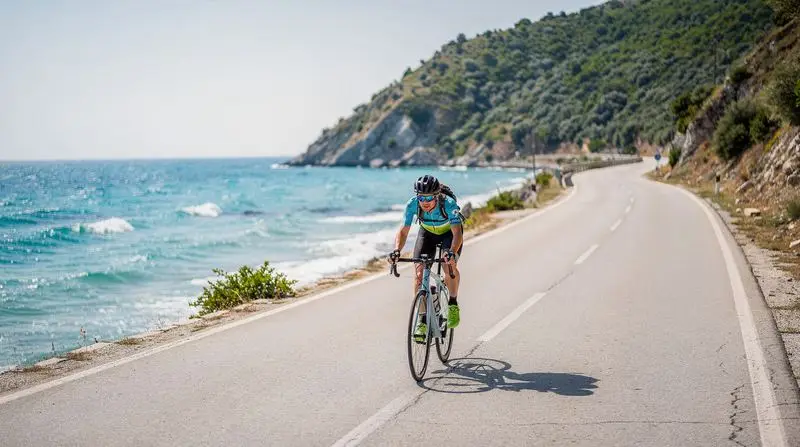
The flat terrain around the Albanian shore makes this one of the best cycling areas in northern Albania. A road runs from Shkodra city to the village of Shiroka along the eastern shore, and from there continues around the southern shore towards Zogaj.
The main Shkodra-Shiroka section (7 km) is an easy, flat ride suitable for any fitness level — the road crosses the Buna river and follows the canal before reaching the lake. The full southern circuit, approximately 30-40 kilometres, is a realistic half-day or full-day ride. Traffic is light, villages are frequent enough to provide water and refreshment, and the views across the lake are consistently beautiful.
Bicycles can be rented in Shkodra — the city has a reasonably established cycling culture with rental points near the main square. Our Albania cycling guide covers the lake circuit in detail, including the best sections and surface conditions, and compares the lake circuit with other cycling routes in northern Albania.
Boat Tours on the Lake
Several operators offer boat trips on the Albanian side of Lake Shkodra, departing from Shiroka or Zogaj. A typical tour covers the reed bed areas most productive for birdwatching, approaches the nesting colonies (at appropriate distance in breeding season), and explores some of the small islands and inlets that are inaccessible by land.
This Shkodra highlights tour of traditional northern Albania includes time at the lake alongside the city’s main attractions — an excellent option for visitors who want a curated introduction to the area including the lake’s natural character. The tour typically runs a half-day and gives you both the Rozafa Castle and the lakeside experience.
For a dedicated lake and gorge combination, this Komani Lake and Shala River boat tour from Shkodra combines the lake region with the dramatic Koman gorge further east — a full day of northern Albanian waterways covering two of the north’s most spectacular water landscapes.
Day Trip to Theth via Shkodra
From Lake Shkodra, the mountain road to Theth begins at Shkodra city. This private day tour from Shkodra to Theth waterfall and the Blue Eye is a good option for visitors combining the lake with a day in the mountains — the lake in the morning, Theth in the afternoon, or vice versa.
For the full alpine experience, this 3-day Albanian Alps trip covering Valbona and Theth handles all the logistics of the mountain circuit beginning from Shkodra — the perfect extension if you want to add the Alps to a Lake Shkodra visit.
Traditional Fishing Experience
The lake has been fished using traditional methods for centuries. Several operators and guesthouse owners near Shiroka offer fishing trips with local fishermen using the traditional wicker basket traps. This is a cultural experience as much as an activity — spending a morning on the water with a fisherman who has done this all his life provides a window into the lake’s traditional economy and human relationship with the water. The fishermen also know the best spots for pelican and egret viewing, making a fishing trip an excellent birdwatching opportunity as well.
Lake Shkodra by Season
| Season | Water level | Birdlife | What to expect |
|---|---|---|---|
| Spring (Apr-Jun) | High, expanding | Breeding pelicans, herons, egrets | Best birdwatching, lush reed beds, occasional flooding near shore |
| Summer (Jul-Aug) | Contracting | Quieter, some resident species | Warm cycling weather, busy Shiroka on Sundays, less bird activity |
| Autumn (Sep-Oct) | Low, stable | Migration peak | Good light, cooler mornings, second-best birdwatching window |
| Winter (Nov-Mar) | Variable, storms | Wintering waterfowl | Very few visitors, cold, some restaurants closed |
Kayaking and Slow Water Exploration
Beyond the guided boat tours, a growing number of guesthouses in Shiroka and Zogaj rent kayaks and small rowing boats by the hour, offering a quieter and more intimate way to explore the reed channels than a motorised tour allows. Paddling at dawn, before any engine noise disturbs the water, is by far the best way to get close to pelican and heron activity without a long lens — you can drift within twenty or thirty metres of feeding birds if you approach slowly and stay low in the boat. Expect to pay around EUR 5-8 per hour for a simple kayak, with no licence or experience required for the sheltered inshore channels near Shiroka.
Wind can pick up on the open lake by mid-morning in spring, so keep any independent paddling to the calmer channels close to shore rather than crossing open water, and always check with the rental operator about conditions before setting out. Combined with the cycling in Albania guide for the shore road and the Albania off the beaten path guide for wider northern context, a kayak morning followed by an afternoon bike ride is one of the more complete low-key days available in northern Albania.
Shiroka: The Lakeside Village
The village of Shiroka, 7 kilometres from Shkodra along the lake shore, is the most visited point on the Albanian side of the lake and the main departure point for boat trips. It is a small, unpretentious place — a waterfront of wooden fish restaurants, some old houses, a modest church, and boats tied up along the concrete quay.
Eating in Shiroka is excellent and authentic. The lake produces krap (carp), ngjala (eel), and other freshwater fish prepared in the simplest possible way: grilled, with salad, bread, and lemon. The restaurants are family operations, the prices are low, and the setting looking across the lake towards the Montenegrin mountains is very pleasant.
Shiroka fills up with Albanian families on Sunday afternoons in summer, when it becomes a destination for picnics and fish meals. Visiting midweek or early in the morning gives a quieter experience and better birdwatching conditions.
Where to Eat at Lake Shkodra
Restorant Tradita (Shiroka waterfront) — The most consistently recommended restaurant at Shiroka, serving lake fish grilled over charcoal with local vegetable sides. The eel is the standout dish — sweet, fatty, and distinctive in a way that rewards adventurous eating. The eel from Lake Shkodra is considered the finest in Albania. Budget EUR 6-10 per person for a full fish lunch.
Restorant Guri (Shiroka) — A simpler family operation at the water’s edge serving krap (carp), salad, and local wine. Excellent value. Budget EUR 5-8 per person.
Kafja e Shirokes (village center) — For a coffee and a byrek before cycling or taking a boat, this village cafe is the local morning meeting point. Budget EUR 1-3 per person.
Our Albanian food guide covers the northern Albanian food traditions in detail, including the freshwater fish culture of the lake communities and how the lake fish preparation methods differ from the marine fish traditions of the Adriatic coast.
Getting to Lake Shkodra
From Shkodra city: Shiroka is 7 kilometres from the centre of Shkodra. By taxi, the journey takes around 15 minutes and costs about EUR 3-4. By bicycle, it is a flat 25-minute ride — easily the most rewarding approach for those with time. Occasional minibus services run from the city.
From Tirana: Shkodra is approximately 110 kilometres north of Tirana — around 1.5-2 hours by car or about 2 hours by furgon. From Shkodra city, the lake is a further 15-20 minutes. See our car rental in Albania guide for vehicle options.
From Montenegro: The Muriqan border crossing is located at the northern end of the lake, near the point where the Buna river exits. From here it is possible to travel along the Albanian lake shore, entering Albania via this crossing and following the lake south to Shiroka and Shkodra.
Combining Lake Shkodra with Other Destinations
Lake Shkodra fits naturally into a northern Albania itinerary. The most common combination is Shkodra city plus the lake as a base, with day trips to:
Theth and the Albanian Alps: The primary mountain destination of northern Albania, Theth is 2-3 hours from Shkodra by road. A night or two in Theth and a night in Shkodra covers both the mountains and the lake in a satisfying northern circuit.
Koman Lake ferry: The spectacular gorge lake to the east connects Shkodra to Valbona valley. Combining a morning at Lake Shkodra with an afternoon at Koman is a full northern waterways day — two entirely different types of lake experience in the same region.
Rozafa Castle: Sitting on a rock above Shkodra city, this medieval fortress overlooking the confluence of the Buna and Drin rivers should not be missed if you are in the area. It is covered in detail in the Shkodra destination guide.
Velipoja Beach: The beach at Velipoja, where the Buna river meets the sea, is a quieter alternative to the Riviera beaches with a wilder, more estuarine character. About 30 minutes from Shkodra. The beach is backed by reed beds that connect ecologically to the lake system, and the birdwatching along the Buna corridor is excellent.
Practical Tips
Best months for birdwatching: April through June for breeding birds and spring migration; September and October for autumn migration and the return of wintering species. July and August are good for the lake atmosphere but less productive for birds.
Photography: Bring a telephoto lens if bird photography is the goal. The pelicans and herons are skittish and best photographed from a boat with a patient operator who understands wildlife approach. Morning light is considerably better than afternoon for shooting across the water. The golden hour after sunrise, with mist on the lake and birds beginning to fly, is the peak photography window.
Guides: Local birdwatching guides are available in Shkodra — ask at your accommodation or contact the local tourism office. A guide who knows where the pelican colonies are roosting at any given time is worth the cost, particularly for first-time birdwatchers who would not know where to look independently.
Currency: Small lakeside restaurants work entirely in cash. Bring Albanian lek.
What to bring for cycling: The terrain is flat, so no specialist equipment is needed. Bring water and snacks for the longer circuit, sunscreen, and a repair kit if you have one. The road quality varies in the less-visited sections. A light rain layer is useful — the lake creates its own weather patterns, and afternoon showers are possible in summer.
Combining with the Buna River: For visitors with an extra half-day, the Buna River corridor south of Shkodra connects the lake ecosystem to the Adriatic coast at Velipoja, and the same reed-bed wetland habitat continues along its banks. A short drive or cycle along the river from Shkodra towards the coast extends the birdwatching day considerably and adds a coastal dimension to what is otherwise a purely freshwater excursion. The car rental in Albania guide covers vehicle options for this kind of flexible half-day extension.
Lake Shkodra is the kind of place that reveals itself slowly — the more time you spend, and the earlier you wake, the more it gives. Even a single morning at the water’s edge, watching pelicans land in the stillness before the day heats up, is one of those Albania moments that reshapes what you expect from this country.
Frequently Asked Questions About Lake Shkodra
Is Lake Shkodra good for birdwatching?
Lake Shkodra is one of the premier birdwatching destinations in southeastern Europe. Over 270 species have been recorded here, with Dalmatian pelicans being the headline attraction — one of the most endangered pelican species in Europe and present on the lake in significant numbers. Pygmy cormorants, herons, egrets, spoonbills, and a wide variety of waders are also present. The Albanian shore, in particular around Shiroka and the Buna River wetlands, offers excellent access. A local guide significantly increases the number and quality of sightings.
Can you see pelicans at Lake Shkodra?
Yes — Dalmatian pelicans are present on Lake Shkodra and are reliably seen from a boat or from the lakeshore near the village of Shiroka, approximately 5 km from Shkodra city. The best viewing is from a flat-bottomed boat on the lake’s shallower margins during the morning hours. Spring and early summer offer peak numbers when the breeding colonies are active. A local birdwatching guide or boat operator can navigate to current colony locations, which shift seasonally.
Can you cycle around Lake Shkodra?
The Albanian shore of Lake Shkodra is flat and well-suited to cycling. A popular route runs from Shkodra city to the lakeside village of Shiroka (approximately 5 km) and continues along the lake margin through reed beds and fishing villages. Bike hire is available from several shops and guesthouses in Shkodra for around EUR 5-10 per day. The terrain is gentle enough for all fitness levels, and the lake views make this one of the most pleasant cycling excursions in northern Albania.
How big is Lake Shkodra?
Lake Shkodra (Liqeni i Shkodrës) is the largest lake in the Balkans, covering approximately 370-530 square kilometres depending on seasonal water levels. It stretches approximately 50 km from Shkodra north into Montenegro. The Albanian portion of the lake represents roughly one-third of the total surface area. The lake is relatively shallow — averaging around 6 meters depth — which contributes to its exceptional birdlife and wetland ecology.
Is Lake Shkodra worth a dedicated visit?
For nature and wildlife travelers, yes — Lake Shkodra deserves a dedicated half-day or full day rather than just a glance from the Shkodra waterfront. The combination of a morning boat trip on the lake, a cycle to Shiroka village, and an afternoon in the wetland areas makes for a genuinely rich wildlife experience. For general travelers, a morning cycle to Shiroka and a coffee at the lakeside adds an enjoyable dimension to a Shkodra overnight without requiring a major time commitment.
Can you kayak on Lake Shkodra?
Yes — several guesthouses and operators in Shiroka rent kayaks and small rowing boats by the hour for around EUR 5-8, allowing independent exploration of the calmer inshore channels. This is a quieter alternative to a motorised boat tour and particularly good for getting close to birdlife at dawn. Stick to sheltered channels near shore, as wind can pick up on the open lake by mid-morning, especially in spring.