Corovode: The Canyon Town
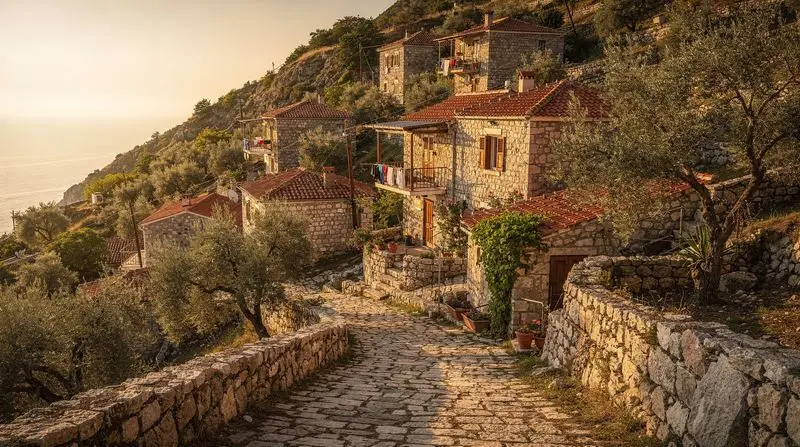
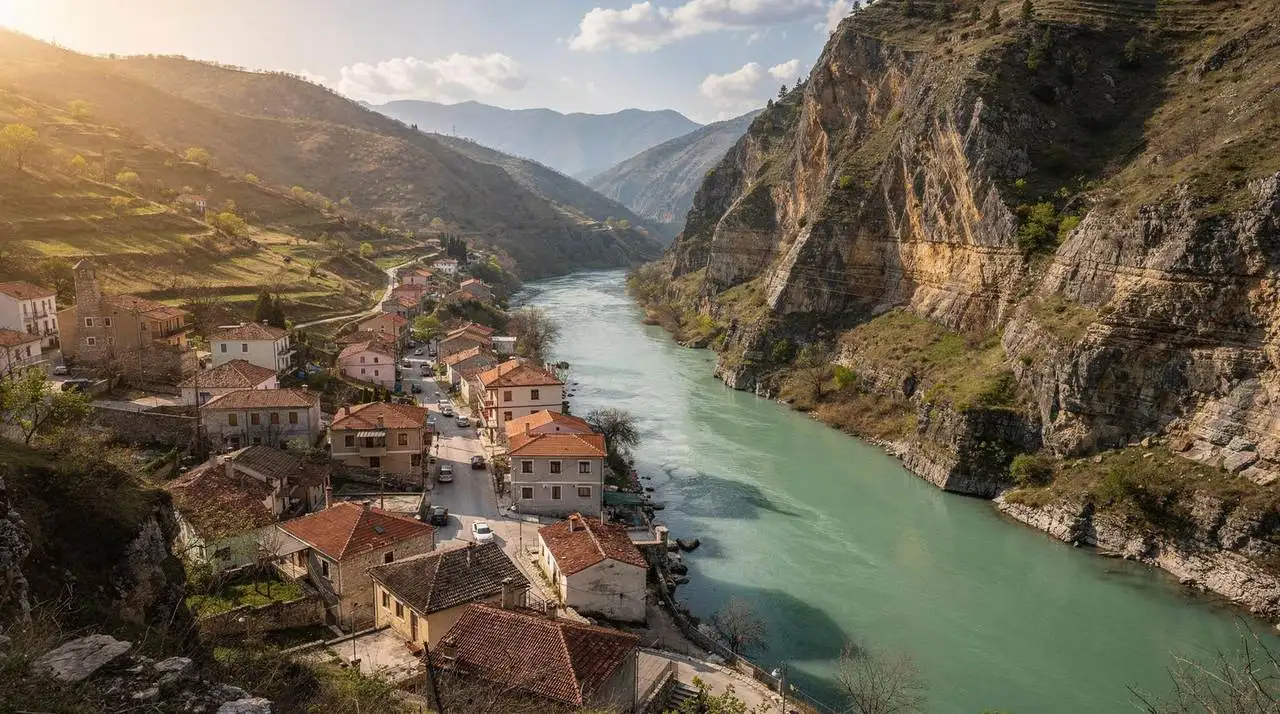
On the banks of the Osum River in central-southern Albania, where the river begins its dramatic descent through one of the deepest canyon systems in the Balkans, the small town of Corovode (also spelled Corovoda or Çorovodë) serves as the principal gateway to what many visitors to Albania consider the single most dramatic landscape in the country.
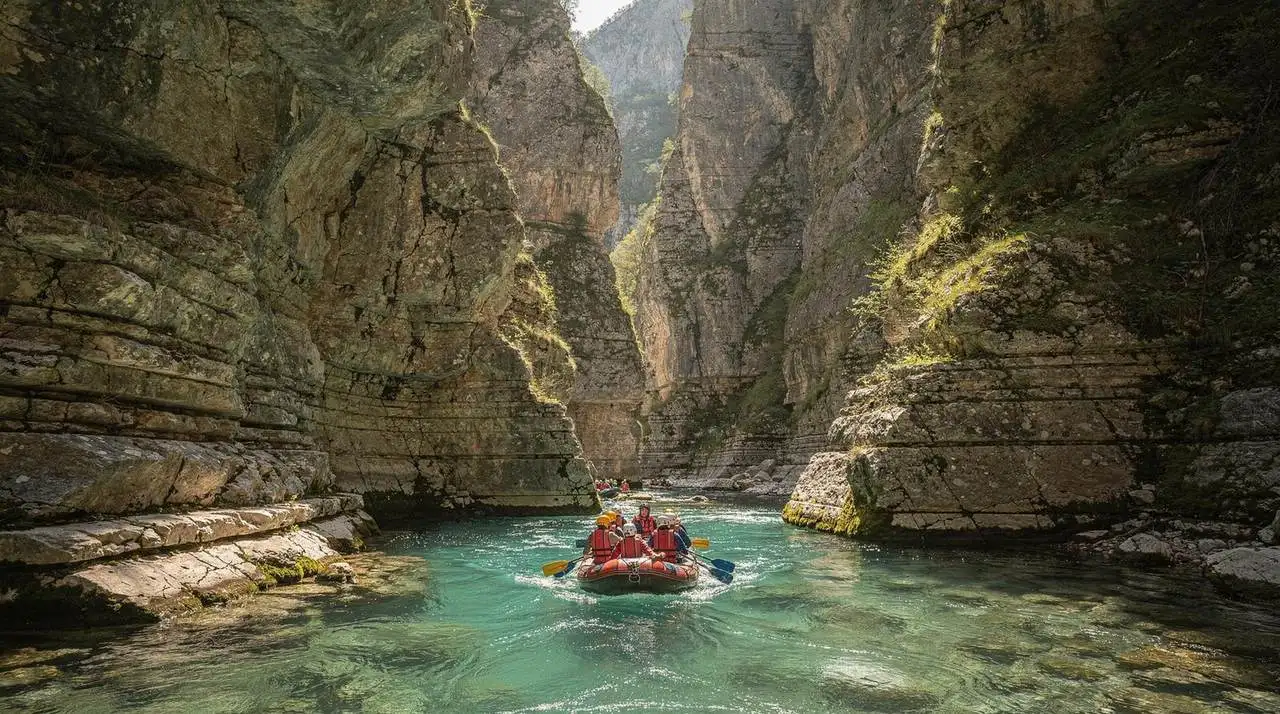
The Osum Canyon — a series of gorges cut by the river through limestone plateau over millions of years — stretches approximately 26 kilometres upstream from Corovode through increasingly dramatic terrain, with canyon walls reaching 80 metres in height and canyon widths narrowing to just a few metres in the tightest sections. The river that created this landscape is now the stage for the rafting and canyoning activities that draw adventure travellers to Corovode from across Albania and beyond.
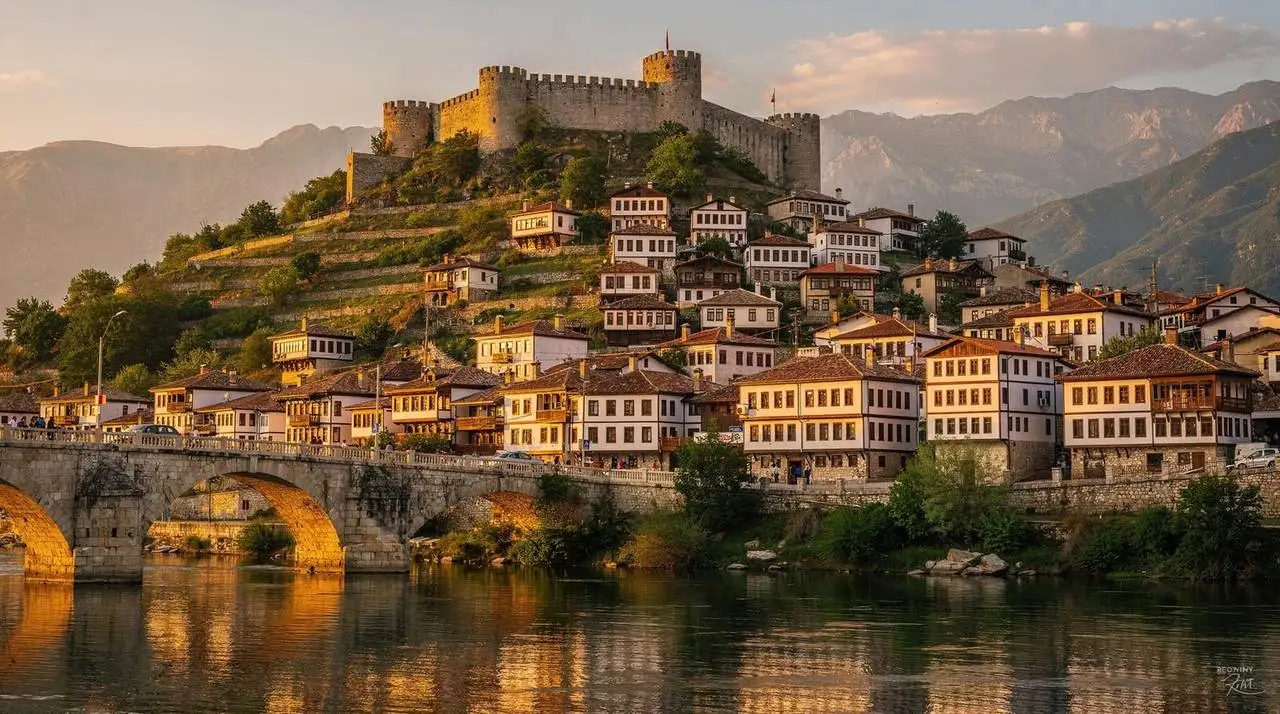
Corovode itself is a modest provincial town — no extraordinary architecture, no museum of note, no famous restaurant — but it has the functional infrastructure of a working Albanian small city combined with the growing activity operator sector that the canyon tourism has created. It is a town with a purpose for the traveller: you come to Corovode to access the Osum Canyon, and the town delivers that access efficiently.
The natural attraction around Corovode is genuinely world-class. The canyon is spectacular by any standard, the rafting and canyoning experiences are of a quality that would command premium prices in more developed adventure tourism markets, and the prices in Albania remain very accessible. For travellers with an interest in adventure activities in extraordinary natural settings, Corovode and the Osum Canyon are among the strongest offerings in the Balkans.
| Where | Osum valley, ~50 km / 1hr south of Berat |
| Getting there | Self-drive, infrequent bus, or a day trip organised from Berat |
| Best base | Berat (better accommodation and food), Corovode for early starts |
| Activities | Rafting, river tubing, canyoning at Bigazi |
| Season | April-October (April-June for the biggest water) |
The Osum Canyon: Albania’s Grand Canyon
The comparison to the American Grand Canyon is made by almost every Albanian who describes the Osum to visitors, and while the scale is different, the spirit of the comparison is not wrong. The Osum Canyon has the same quality of geological drama: a river that has cut impossibly deep into plateau rock, leaving vertical walls of coloured limestone rising above a narrow river corridor far below.
The canyon system around Corovode includes several distinct sections. The most accessible and most frequently visited for rafting runs through a series of gorge narrows where the canyon walls close in and the river occupies the entire available space between the rock faces. More remote sections further upstream are accessible only by multi-day expedition.
The canyon has a quality of light that is specific to deep limestone gorges: the walls filter and redirect sunlight so that the canyon floor receives it only at certain hours, creating dramatic contrasts of light and shadow. On clear days in late spring and early autumn, the interplay of light on coloured limestone — yellows, greys, whites, and the staining of iron minerals into rust and ochre — is extraordinarily beautiful.
For those who want to see the canyon rather than raft through it, viewpoints on the plateau rim above Corovode allow views down into the gorge from above. The rim perspective — looking down 80 metres to a river visible as a thin blue thread far below — is a different experience from the inside-the-canyon perspective of a rafting trip, and both are valuable.
Rafting and River Tubing
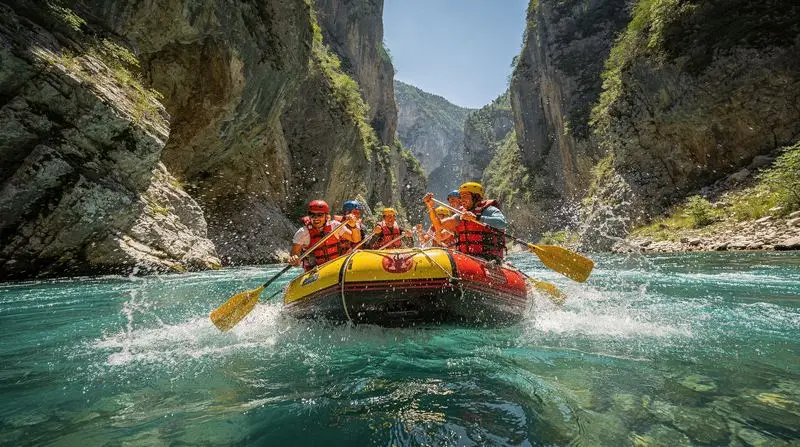
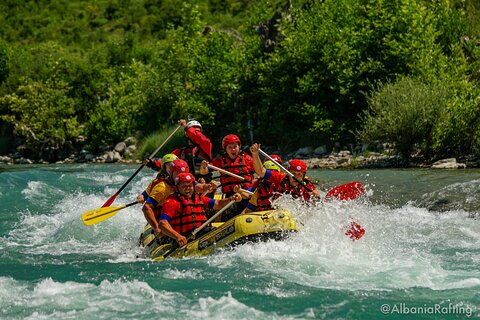
Rafting on the Osum through the canyon sections near Corovode is the flagship activity and the main reason most visitors come here. The river provides Grade 2-3 whitewater in normal season conditions, with the canyon walls rising on either side creating an immersive sense of being inside the mountain rather than travelling through a landscape.
For the classic Osum Canyon rafting experience: this Corovode Osum Canyon rafting and river tubing tour covers the main canyon section with full equipment and experienced guides. The tour typically includes both rafting sections and calmer stretches suited to river tubing, giving participants the complete range of the canyon experience. No prior rafting experience is required.
River tubing — floating downstream in a tube rather than a raft — is available on the calmer canyon sections and provides a more relaxed immersion in the canyon environment, ideal for participants who want the canyon experience without the physical demands of active rafting. The combination of rafting (for the whitewater sections) and tubing (for the deep pools and calm stretches) that some operators offer represents excellent value and covers the full range of what the canyon river delivers.
The rafting season runs from April through October, with highest water in April-June when spring snowmelt is feeding the system. The canyon sections are dramatic in high water. Late summer (August-September) sees lower water with longer pool sections and more tubing-oriented trips. The Albania rafting guide compares the Osum experience with the Vjosa and explains what makes each distinct.
Canyoning at Bigazi Waterfall
Beyond the mainstream rafting and tubing, the Osum system offers one of Albania’s finest canyoning experiences at the Bigazi waterfall, a tributary waterfall that drops into a canyon section accessible only by rope descent and swimming.
For an adventure canyoning experience at Bigazi: this Osum canyoning adventure at Bigazi Waterfall takes participants down into the gorge using rope techniques (abseiling) and through the canyon by swimming, scrambling, and jumping. The Bigazi waterfall itself is the centrepiece — a cascade into a turquoise pool in a cathedral-like canyon section where the walls are close enough to touch both sides simultaneously.
Canyoning at Bigazi is a more physically demanding and technically involving experience than standard rafting — participants need a reasonable level of fitness, no fear of heights, and comfort with swimming. The operator provides all technical equipment (wetsuits, helmets, harness, ropes). Guides are experienced and safety standards are appropriate for the activity level. This is a properly adventurous experience, not a gentle walk with equipment.
The combination of rafting one day and canyoning the next — or both in the same full day for highly active participants — is the optimal way to experience what the Osum system offers.
The Osum Canyon Compared to Vjosa
Travellers doing the southern Albania circuit frequently ask whether the Osum Canyon or the Vjosa National Park near Permet is the better adventure destination. The honest answer is that they offer different experiences and both are worth doing if time permits.
The Osum Canyon near Corovode is more dramatically enclosed — the canyon walls are steeper and higher, the gorge is deeper, and the visual drama of being inside the canyon is more intense. The Vjosa near Permet is a broader, more open river with a different ecological character and the added significance of being Europe’s last wild river in a national park.
For pure canyon drama: Osum. For river ecology, wild camping, and a broader adventure circuit: Vjosa. For the complete southern Albania outdoor experience: both, on a circuit that combines Corovode and Permet with Gjirokastra and Berat.
Where to Eat in Corovode
Corovode has a handful of restaurants serving standard Albanian food. The town is not a gastronomic destination, but honest Albanian cooking is available at very reasonable prices.
Riverside restaurants take advantage of the Osum River setting with terraces above the water. Grilled meats, fresh fish from the river (trout and carp when available), and the standard Albanian menu of byrek, salads, and grilled vegetables. The river views from these terraces are pleasant without the canyon drama of the sections upstream.
Town center cafes serve espresso and simple food from morning. The cafe culture of Albanian provincial towns — where the coffee ritual is serious and the social atmosphere unhurried — is at its most authentic in places like Corovode that have not yet been shaped by tourism pressure.
For more ambitious dining, Berat — approximately 45 kilometres north — has a much wider and more sophisticated restaurant selection. Many visitors to Corovode base themselves in Berat for the canyon day trip, taking advantage of Berat’s superior dining and accommodation while accessing the canyon activities from there.
Getting to Corovode
Corovode is located approximately 50 kilometres south of Berat and 130 kilometres south of Tirana by road. Access options:
By car from Tirana: The drive via Berat takes approximately 2.5-3 hours on the southern national highway and then provincial roads into the Osum valley. See the car rental Albania guide for vehicle recommendations.
By bus: Buses run from Tirana and Berat to Corovode. The journey from Tirana takes approximately 3 hours; from Berat approximately 1.5 hours. Services are not frequent — check timetables before committing to public transport.
From Permet: The drive from Permet to Corovode takes approximately 80 kilometres via mountain roads — about 1.5-2 hours. This makes the combination of Vjosa rafting (from Permet) and Osum Canyon (from Corovode) feasible as a two-day southern circuit.
Day trip from Berat: The most practical approach for most visitors. Basing in Berat and driving south to Corovode for the canyon activity, returning to Berat for the night. The 45-kilometre drive takes under an hour.
When to Visit
April-June: Highest water, best whitewater, most dramatic canyon conditions. The surrounding landscape is at its greenest and most wildflowered.
July-August: Lower water, better weather for tubing and swimming, hotter temperatures (the canyon provides shade from the walls). Most active season.
September-October: Excellent conditions — moderate water, autumn colours beginning in the vegetation, fewer visitors than summer.
November-March: The canyon is accessible but activities are reduced. The river may be too cold for comfortable water sports. Rim viewpoints remain accessible year-round.
Accommodation in Corovode
Corovode has basic guesthouse accommodation suitable for an overnight stay before or after the canyon activities. For most visitors, the better approach is basing in Berat — which has a much wider and higher-quality range of accommodation — and making Corovode a day trip.
If staying in Corovode itself, book the guesthouse through the activity operator if possible, as the canyon tour companies often have direct accommodation arrangements that simplify the logistics.
Is Corovode Suitable for Families?
The town itself is easy enough for families to navigate, but the headline activities are a different matter. Standard rafting on the calmer sections is achievable for older children with an operator willing to adjust the route, but the Grade 2-3 whitewater sections and the Bigazi canyoning route are aimed squarely at fit adults and teenagers rather than young children. Families with younger kids are usually better served by river tubing on the gentler stretches, or by treating Corovode as a scenic rim-viewpoint stop rather than a water-activity destination, saving the more demanding programs for a return trip when children are older. Our Albania family travel guide covers how to sequence adventure activities like this one into a broader family itinerary.
The Osum Canyon in Context
The Osum Canyon is part of a broader network of canyon and gorge landscapes in southern and central Albania that make this region one of the most topographically dramatic in the Balkans. The Osum Canyon guide covers the full geological and natural history context. The combination of limestone plateau, river erosion over geological time, and the active tectonic environment of the Albanian mountains has created canyon landscapes of genuine world-class quality that remain almost entirely unknown outside Albania.
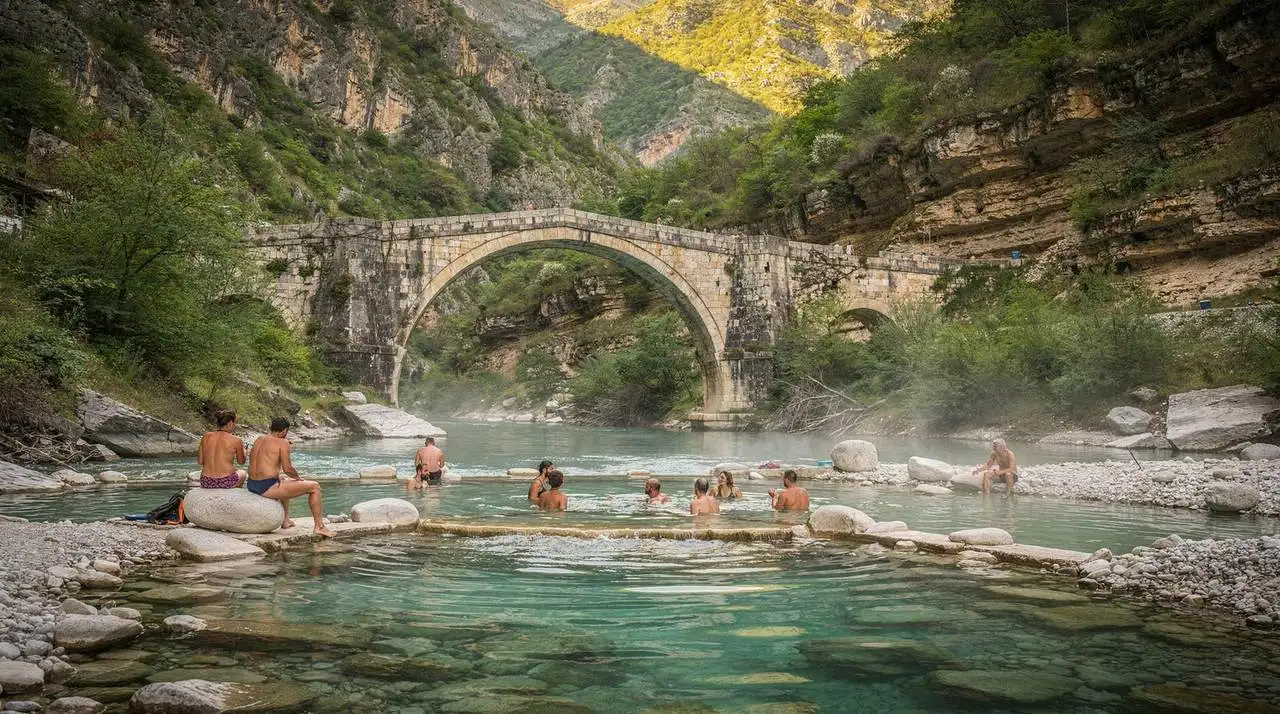
For adventure travellers doing a southern Albania circuit, Corovode and the Osum Canyon sit naturally between Berat (coming from the north) and Permet (heading south toward the Vjosa and the thermal baths). The three-stop circuit of Berat-Corovode-Permet is one of the finest adventure travel itineraries in the country, combining UNESCO heritage, spectacular canyons, whitewater rafting, and thermal hot springs within a 200-kilometre arc of southern Albanian landscape.
The comparative obscurity of the Osum Canyon outside Albania is itself part of its appeal for adventure travelers seeking destinations that have not been fully absorbed into mainstream European tourism routes. Operators here remain small and locally run rather than franchised international outfits, which means a more personal, flexible experience but also a smaller safety margin than you might expect at a larger, more heavily regulated adventure destination abroad — choose operators with visible equipment, clear briefings, and confident English-language safety instructions.
Practical Tips
Book activities in advance in summer: The canyon tour operators have limited capacity and the most popular dates (weekends in July-August) fill. Weekday visits are generally more available.
Bring a change of clothes: Rafting and canyoning will get you wet. Pack dry clothes in a bag that can be left in the vehicle while on the water.
Water shoes or old trainers: Essential for rocky riverbank scrambling and the canyoning sections.
Photography: Cameras in the canyon face mist, spray, and occasional complete immersion. A waterproof phone case or action camera is strongly recommended over non-waterproof equipment.
Cash: Corovode and the canyon operators typically work in Albanian lek cash. Bring adequate funds from the nearest ATM in Berat.
Fitness expectations: Standard rafting suits anyone in reasonable general health without swimming experience being essential, since life jackets and guides handle most of the physical demand. Canyoning at Bigazi is a step up — expect to swim short distances, climb and scramble over wet rock, and manage the psychological demand of an abseil descent. If in doubt, ask the operator directly about the physical requirements before booking rather than assuming either activity is beginner-friendly by default.
Mobile signal and logistics: Coverage in the canyon itself is unreliable given the depth and rock walls, so agree pickup times and meeting points clearly with your operator before setting off rather than relying on a phone call mid-trip.
The Geology of the Osum Canyon
The canyon’s dramatic vertical walls and narrow sections are the result of millions of years of geological process, and understanding the basic mechanism enriches the visual experience. The Albanian mountains are part of the Dinaric Alps — a fold-and-thrust mountain belt that formed as the Adriatic microplate and the Eurasian plate collided. The limestone that forms the canyon walls was deposited as marine sediment in a shallow tropical sea millions of years ago, then uplifted and folded by the tectonic collision.
The Osum River predates the mountain uplift — the river was flowing before the plateau rose, and as the land lifted, the river cut down through the rising rock rather than diverting around it. This is called antecedent drainage, and it explains why the canyon cuts straight through the plateau rather than following the valley logic that most rivers obey. The canyon is not the river going around the mountain; it is the river going through it.
The limestone that forms the canyon walls is Jurassic-Cretaceous in age — roughly 100-150 million years old — and shows the characteristic features of mature limestone: the vertical joints and bedding planes that create the stepped and fractured wall surfaces, the solution caves and pockets where acidic water has dissolved the rock, and the travertine deposits where mineral-rich water has precipitated calcium carbonate in the quieter sections of the river.
Canyon Wildlife
The vertical canyon walls create microhabitats that are inaccessible to most disturbance and therefore support wildlife populations that have largely disappeared from more accessible terrain. The canyon is not the primary reason most visitors come to Corovode, but birders and naturalists who look up from the river find an interesting community.
Wallcreeper (Tichodroma muraria) — the most charismatic Albanian cliff bird, the red and black spider-walker that moves across vertical rock faces with extraordinary agility — is present in the canyon. It is shy and well-camouflaged against limestone but unmistakable in flight when the crimson wing patches catch the light.
Blue rock thrush (Monticola solitarius) nests on the canyon ledges. The male’s deep blue plumage against the pale limestone is one of the most striking bird encounters in the canyon.
Peregrine falcon (Falco peregrinus) — increasingly common on Albanian cliffs — uses the canyon walls as a nest site. The stoops of peregrines across the canyon space, where the walls create a funnel that concentrates the air currents, are extraordinary to watch.
Egyptian vulture (Neophron percnopterus) — a globally vulnerable species — scavenges in the broader canyon landscape and is visible periodically from the rafting sections.
For visitors with binoculars, scanning the canyon walls during the quieter sections of the rafting trip — the deep pools between rapids — is rewarding. The noise of the raft engine (if motorised transfers are used) or the paddling (if human-powered) determines how approachable the cliff-nesting birds are.
The Osum River Fish
The Osum’s fish community reflects its position as an upland river draining the southern Albanian limestone highlands. The water is cold, well-oxygenated, and clear — conditions that support the salmonid fish (trout family) that require clean, fast-flowing water.
Brown trout (Salmo trutta) are present in the Osum and its tributary streams, more common in the upper sections above the canyon where the water is coldest. The trout fishing in these tributaries, practised by local fishermen with traditional rod-and-line methods, produces fish that appear in the Corovode and Berat restaurants as a seasonal menu item.
The downstream sections below the canyon hold a different fish community: chub, barbel, and the various cyprinid (carp family) species that dominate the warmer, deeper lowland river sections. These are less charismatic than the upland trout but form an important part of the local food economy.
Frequently Asked Questions About Corovode
What is the Osum Canyon and why is it famous?
The Osum Canyon is a system of limestone gorges cut by the Osum River near Corovode in central-southern Albania, with canyon walls reaching 80 metres in height and sections where the gorge narrows to just a few metres wide. It is considered one of the most dramatic natural landscapes in Albania — often compared to a miniature Grand Canyon — and has become the primary adventure tourism destination in central Albania. Rafting, river tubing, and canyoning through the gorge sections are the main activities.
Do you need experience for the Osum Canyon rafting?
No prior rafting experience is required for the standard Osum Canyon tours. The river offers Grade 2-3 whitewater — genuinely exciting but manageable for fit beginners with good instructions from the guide. All safety equipment is provided by the operator. For the canyoning at Bigazi Waterfall, participants should be comfortable with heights and swimming, as the route involves rope descents and swimming through canyon pools, but no technical climbing experience is required.
How do you get to Corovode from Berat?
Corovode is approximately 45 kilometres south of Berat on provincial roads through the Osum valley. The drive takes under an hour. Buses run between the two cities, but the service is infrequent; check schedules carefully. Most visitors use Berat as a base and drive south to Corovode for the day, which allows taking advantage of Berat’s superior accommodation and restaurant options while accessing the canyon activities.
Can you combine Corovode with Permet in the same trip?
Yes — the southern Albania adventure circuit combining Corovode (Osum Canyon) with Permet (Vjosa National Park rafting, Benja thermal baths) is one of the best outdoor itineraries in Albania. The two towns are approximately 80 kilometres apart via mountain roads. A typical circuit spends one night in Corovode or Berat (for the canyon), then moves south to Permet for one or two nights (for Vjosa rafting and thermal baths), before returning north or continuing south to Gjirokastra.
What is the Bigazi Waterfall canyoning experience like?
The Bigazi Waterfall canyoning involves descending into the Osum canyon system by rope (abseiling), then navigating through the canyon by swimming, scrambling, and jumping into pools, with the Bigazi waterfall itself as a centrepiece. The canyon in this section is tight and dramatic, with the walls very close and the light filtering in from far above. It is a genuinely adventurous experience requiring reasonable fitness and comfort with exposure — not suitable for those with severe fear of heights or water. The operator provides all technical equipment.
Is Corovode worth an overnight stay, or just a day trip?
For most travelers, a day trip from Berat makes more sense — Berat has significantly better accommodation, restaurants, and general infrastructure, and the drive south is under an hour. An overnight in Corovode is only worth it if you want an early start on the canyon activities before day-trippers arrive, or if you’re combining Corovode with Permet on a multi-day adventure circuit that doesn’t loop back through Berat.
Do I need to book rafting or canyoning in advance?
In peak summer (July-August weekends), yes — operator capacity is limited and popular dates fill. Outside of peak weekends, and especially on weekdays through the season, walking up or booking a day or two ahead is usually fine. Booking online in advance removes the uncertainty either way and is recommended if your itinerary has a fixed schedule.