Summer 2026 in Albania: What You Need to Know Before You Go
It is April, which means summer is no longer a hypothetical — it is arriving, and the people who planned ahead in January are settled, while the rest are realising they need to move quickly. If you are still in the “thinking about Albania this summer” camp, this post is for you. We cover the new routes, what has changed on the ground, the events worth planning around, and the practical decisions you need to make now.
If you have already booked flights and accommodation: good. Skip to the “what to do when you get there” sections.
| Peak heat | July-August, 34-38°C on the Riviera |
| Sea temperature | 26-28°C in the Ionian by July |
| Book ahead | Coastal accommodation for July-August, especially Ksamil and Himara |
| Best value window | Late May-June or September for lower prices and thinner crowds |
| Getting there | Growing direct-flight network into Tirana from UK, Scandinavia, Central Europe |
Summer Month-by-Month: What to Expect
| Month | Weather | Crowds | Notes |
|---|---|---|---|
| June | Warm, sea warming up | Moderate | Best value window before peak |
| July | Hot, 30s°C | Very busy on Riviera | Book coastal stays well ahead |
| August | Hottest, 34-38°C | Peak busy | Domestic Albanian holiday month too |
| September | Still warm, sea at its warmest | Thinning after the first week | Our preferred month for a first summer visit |
New Flight Routes for Summer 2026
Every summer brings new route announcements, and 2026 is no exception. The continuing expansion of direct services into Tirana has made Albania accessible from more origins than ever.
The headline additions for summer 2026 include new or expanded frequencies from several Northern European cities — additional Scandinavian connections in particular, reflecting the rapid growth of Albanian tourism among visitors from Norway, Sweden, and Denmark who have discovered the Riviera as an alternative to Mediterranean islands that have become expensive and crowded.
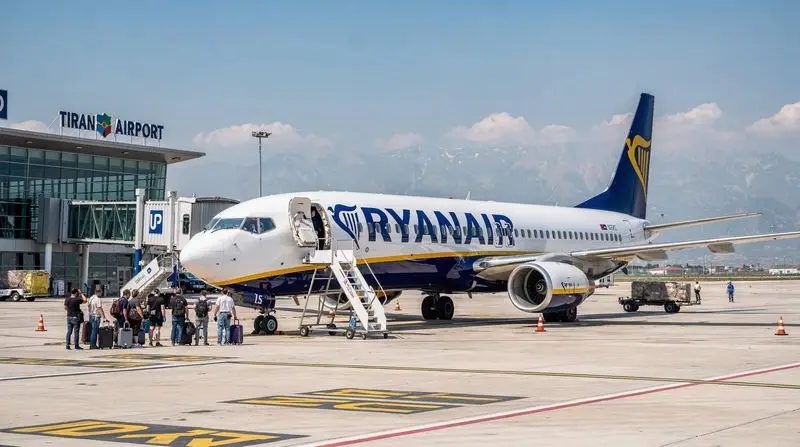
From the UK, the existing Ryanair and Wizz Air routes from London, Manchester, and Edinburgh continue, with increased frequency during peak summer weeks. Several of these routes now operate daily in July and August rather than the four or five times per week schedules of a year or two ago.
Charter flights from a handful of new markets — including several Central European cities — have also appeared on the summer 2026 schedule, bringing visitors who would previously have had to connect through multiple hubs. Our how to get to Albania guide tracks current routes and is updated as new announcements appear.
The booking situation: If you have not booked yet, check availability today rather than next week. Direct summer flights to Tirana are consistently fuller earlier than people expect, and the competitive pricing that makes them attractive disappears quickly as capacity fills. The spring booking window — when prices are still reasonable and seats are available — is closing.
The Riviera: What to Expect This Summer
We are going to be specific about what summer 2026 means on the ground, because honest information is more useful than cheerleading.
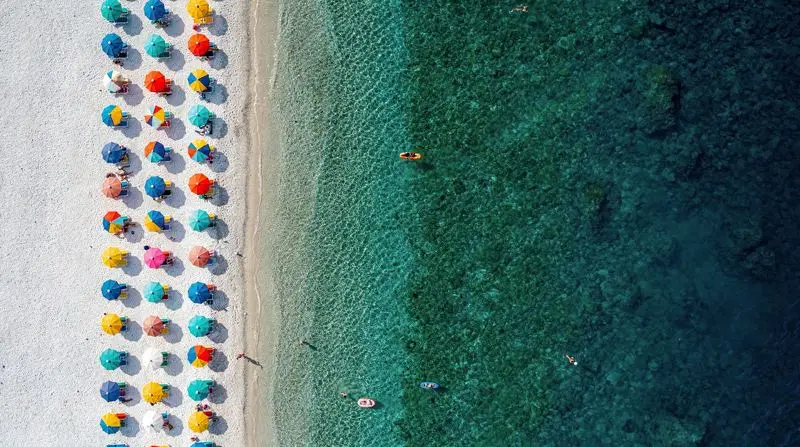
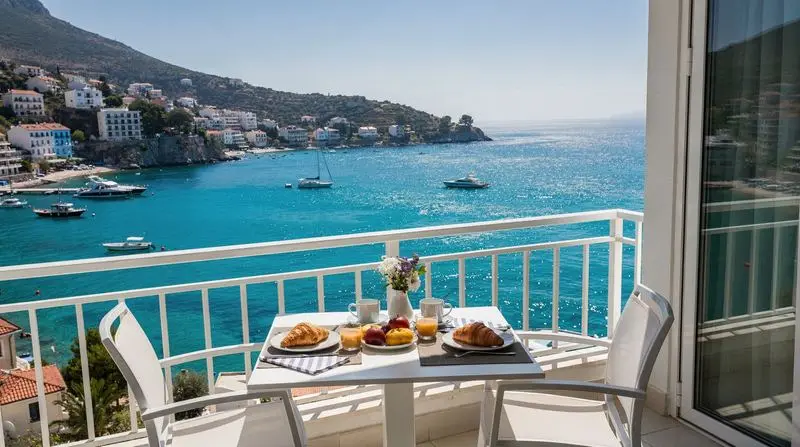
Ksamil and Saranda in July and August: busy. The town of Ksamil has grown significantly in the last two years with new accommodation and beach infrastructure. The beaches are more organised, which has advantages (more facilities, cleaner management) and disadvantages (more crowded, more commercial). The water remains extraordinary. This is not a destination for solitude in high summer — it is a destination for excellent water, great food, and lively Albanian summer energy.
The Ksamil Islands are best seen by paddleboard or small boat for the most beautiful perspective: a stand-up paddle tour from Ksamil to the islands lets you approach the sandy coves from the water and find spots that the boat crowds miss.
Himara and the central Riviera: our preferred area for visitors who want beach quality without the peak Ksamil intensity. The stretch from Himara north to Llogara Pass has enough coast that visitor numbers feel manageable, the beaches are genuinely excellent (Livadhi in particular), and the town has enough restaurants and bars to satisfy without being overwhelming.
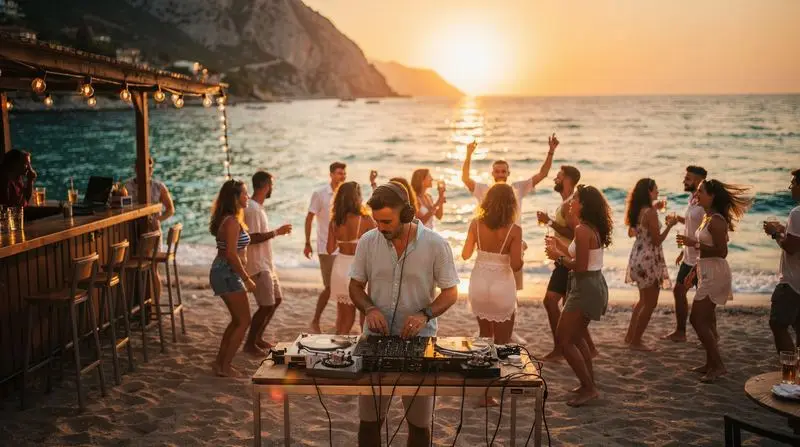
Dhermi: the party beach of the Albanian Riviera, and self-consciously so. If you want beach clubs, late-night music, and a social scene, Dhermi delivers. If you want quiet, you need to either arrive early morning or choose somewhere else.
The beaches north of Himara — Palasa, the coves accessed from Llogara — remain the best option for visitors who genuinely want the feeling of discovery. Access is harder, facilities are limited, but the rewards are proportionally greater.
From Himara, boat tours are the best way to access the most spectacular sections of the coast. Albanian Riviera boat tours from Himara give you access to sea caves and beaches that no road reaches — book in advance in summer as availability tightens in peak weeks.
The South: Blue Eye, Butrint, and Beyond
The southern tip of Albania around Saranda is the most visited section of the country in summer, and it rewards having the logistics sorted before you arrive. The Blue Eye (Syri i Kaltër), Butrint National Park, and the Ksamil beaches are all within a short drive of Saranda and can be combined efficiently in a single day.
A Best of Saranda day tour covering Blue Eye, Butrint, Ksamil, and Lekuresi Castle is particularly efficient for visitors who arrive for the first time without a rental car — it covers all four major southern sites in a well-organised day and is considerably less stressful than trying to manage the logistics independently in high season when taxis are in demand.
The Blue Eye destination is one of the genuine natural wonders of Albania — a freshwater spring of extraordinary depth and colour that deserves its reputation. In summer, go early morning or late afternoon to avoid the peak heat and the largest visitor concentrations.
Events Worth Planning Around
Summer 2026 has a developing events calendar that is worth incorporating into your planning if any of these align with your dates.
Tirana International Film Festival: traditionally held in late summer, this brings quality independent cinema to the capital’s outdoor venues and is worth checking for current dates.
AlbFest and summer music events: outdoor music events along the Riviera have grown significantly in the last few years, with several multi-day events drawing artists from across Europe. These are excellent if you want them and worth knowing about so you can avoid the accommodation crush if you do not.
Permet Summer Festival: the Permet valley hosts cultural events through the summer, including folk music performances and celebrations around the Vjosa river. These have a distinctly local character that is quite different from the coastal party events. The Permet destination page covers accommodation and logistics for the area.
Kruja bazaar days: the historic bazaar town north of Tirana has its busiest and most atmospheric period through summer, when craftspeople are most active and the town is most fully alive. Worth a day trip from Tirana.
Tirana itself has a full summer cultural calendar — outdoor concerts in the Grand Park, events at the Pyramid, exhibitions at the National Gallery, and the general Blloku evening scene that becomes its most intense in warm summer nights.
Tirana: Start Here
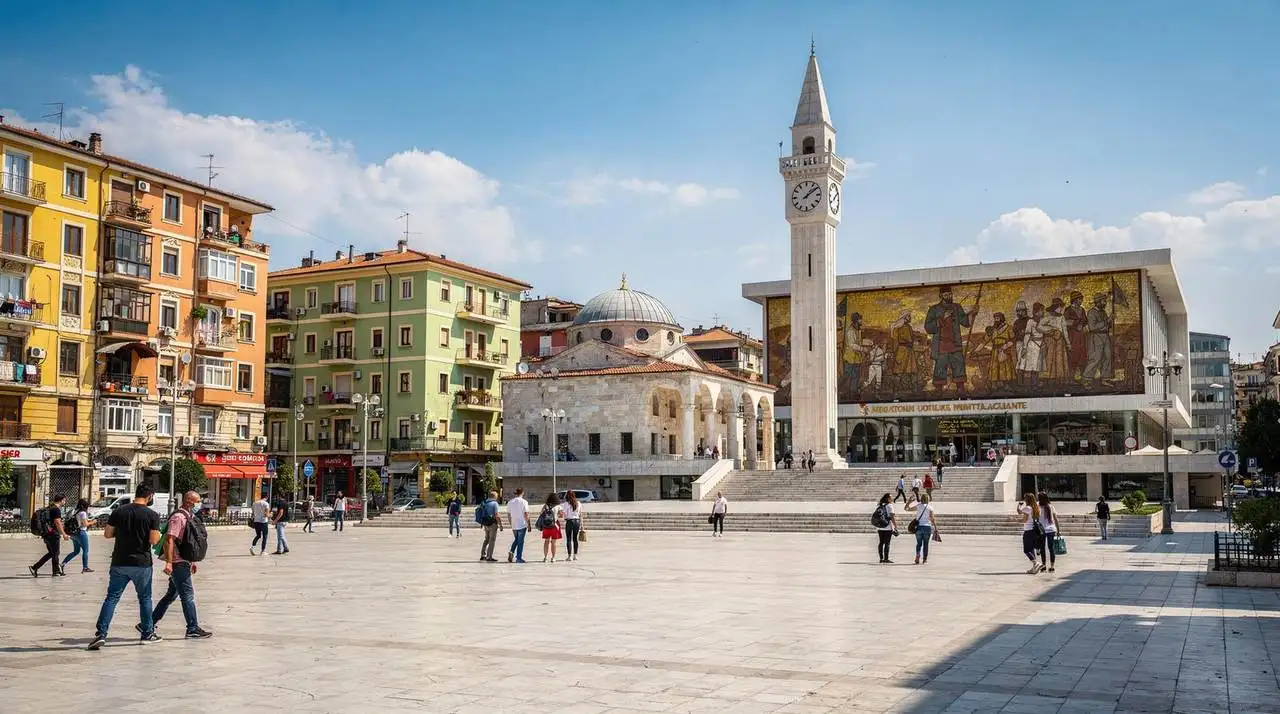
If this is your first Albania trip, we consistently recommend starting in Tirana before heading south or north. The capital orients you — gives you a sense of Albanian culture, food, history, and people before you encounter them in smaller and less visitor-oriented contexts. Two days in Tirana is ideal; one is the minimum.
A Tirana walking tour is the best single investment you can make in your Albania trip if you are doing it for the first time. A good local guide covers Skanderbeg Square, the Blloku neighbourhood, the Pyramid, and the layers of Albanian history from Ottoman times through the communist era and into the present in about three hours. You leave with context that makes everything else you see make more sense.
For the food side of Tirana, a Tirana food tour with meals included covers the New Bazaar, the traditional restaurants, and the food culture that makes eating in Albania so rewarding. Doing both — the walking tour one day and the food tour the next — gives you a comprehensive orientation that pays dividends for the rest of the trip.
Planning Your Summer Itinerary
For a two-week summer Albania trip, here is the structure we currently recommend:
Days 1-2: Tirana. Orientation, the key sights, the food markets, the coffee culture. A walking tour on day one, a neighbourhood wander and day trip to Kruja on day two.
Days 3-5: Head south. Bus or transfer from Tirana to the Riviera. Base yourself somewhere between Himara and Saranda — Himara itself is our current favourite for the balance of beach access, food quality, and accommodation value.
Days 6-8: Riviera beaches. Rotate between the beaches accessible from your base. Livadhi, Borsh, Palasa, a boat trip to the sea caves and hidden coves. One day trip to Gjipe if you have the energy for the canyon walk.
Days 9-10: Saranda and the south tip. Ksamil, the island beaches, Butrint archaeological park. Two nights is enough to do all of this without rushing.
Days 11-12: Gjirokastra and the interior. Take the bus inland for a completely different Albania — the stone city, the castle, the Ottoman bazaar. The contrast with the coast is one of the most striking things about Albanian geography. A guided Gjirokastra city tour on the first afternoon gives you the historical context before you explore independently.
Days 13-14: Return to Tirana. A day in Berat on the way back is worth the detour — it is almost exactly on the route from Gjirokastra to Tirana and adds an hour to the journey at most.
This itinerary is deliberately south-focused because summer on the coast is Albania’s strongest card. A different itinerary focused on the north — Tirana, Shkodra, the Albanian Alps — works equally well and is the one we recommend for hikers or visitors who actively want to avoid the beach scene. Our hiking in the Albanian Alps guide covers the northern mountains in detail, and our 14-day Albania itinerary balances both north and south.
The Heat: Managing Albanian Summer
Let us be honest about this. July and August in southern Albania are hot. Temperatures along the Riviera regularly reach 34-38°C in afternoon peak hours. Inland — Gjirokastra, Permet, Berat — the heat is often greater and the humidity lower, which can feel more manageable but can also produce headaches if you are not used to dry heat.
Managing Albanian summer heat is straightforward once you adjust your schedule. Do your sightseeing in the morning (leave accommodation by 8am, finish by midday). Rest or swim from midday to 4pm. Resume activity in the late afternoon as temperatures drop. Eat dinner late — Albanian dinner culture is naturally late, with most restaurants filling between 8 and 10pm, which suits a heat-adapted schedule perfectly.
Hydration: drink water constantly. Albanian tap water is drinkable in Tirana and most towns, though many people use bottled water in the south. Mineral water from Albanian springs is available everywhere and cheap.
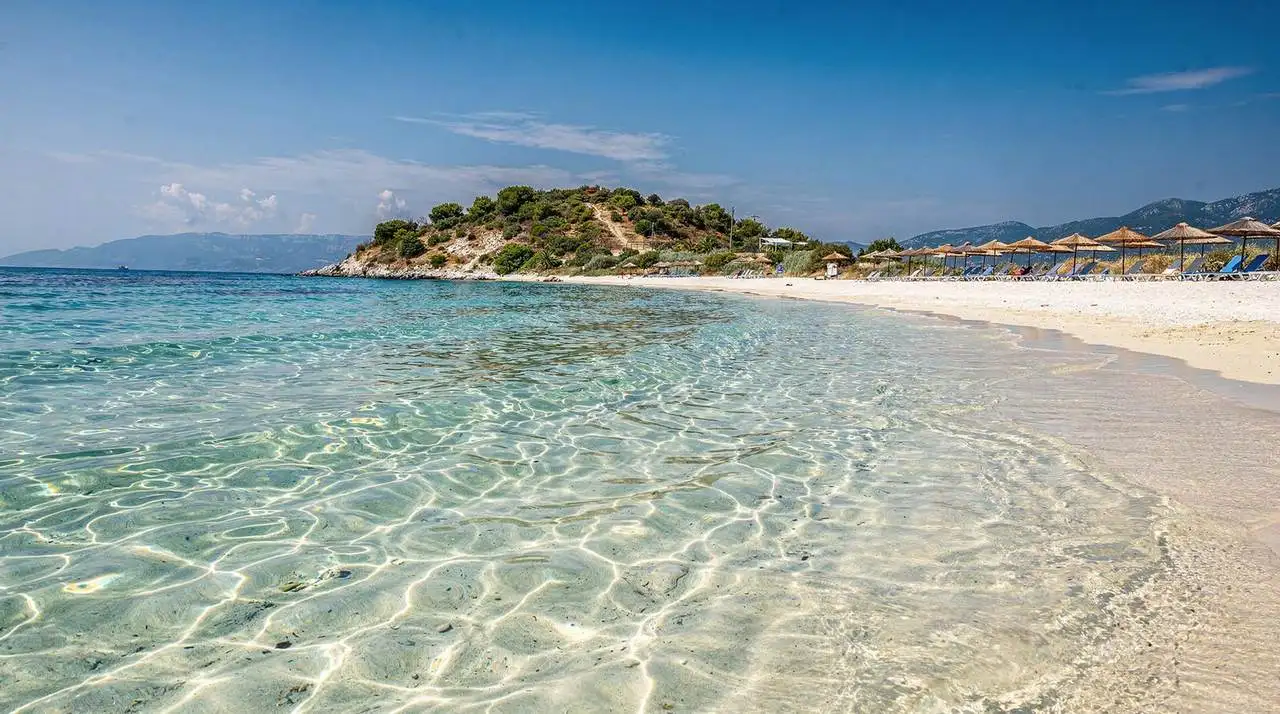
The sea in July and August reaches 26-28°C in the Ionian — warm enough to stay in for hours. This is both a pleasure and a practical heat management tool. The time you spend in the sea is the coolest time of the day in high summer, which is exactly the right incentive structure.
Festivals and Family Considerations
Summer is also Albania’s busiest season for family travel, and the practicalities differ from a couples or solo trip. Our Albania family travel guide covers which beaches and towns work best with children in tow — generally the calmer stretches around Himara over the more nightlife-oriented Dhermi. If you are travelling with a group specifically for the festival season, our Albania festivals and events guide tracks the current summer calendar in more detail than the highlights we listed above, since dates and lineups shift from year to year.
Diving, Sailing, and Getting on the Water
Summer is also when the Riviera’s watersports options are in full swing. Beyond paddleboarding and boat tours, our diving and snorkeling in Albania guide covers the clearer-water spots along the coast, and the sailing in Albania guide is worth a look if you want a multi-day angle on the Riviera rather than day trips from a single base. For families weighing beach clubs against quieter coves, our beach clubs in Albania guide and best beaches in Albania guide between them cover both ends of the spectrum.
Getting Around in Summer
Summer traffic on the coastal road, particularly the stretch through Llogara Pass, gets genuinely congested in August. Our buses and furgons in Albania guide covers current schedules, and the car rental Albania guide is worth reading before you commit to self-driving the coast in peak season, since the driving conditions described there apply with extra force in August traffic.
Our Honest Summer Verdict for 2026
Summer in Albania is extraordinary and busy. The extraordinary part has not changed — the water is still the best in the Mediterranean for clarity, the food is still wonderful, the people are still warm, and the scenery is still dramatic. The busy part has changed: you need to plan more, book earlier, and set expectations accordingly for the most popular spots.
The visitors who have the best summers in Albania in 2026 are the ones who come with their accommodation booked, their beach expectations calibrated (outstanding but shared), their itinerary flexible, and their schedule shifted to Albanian summer hours. If that is you, go. It is absolutely worth it.