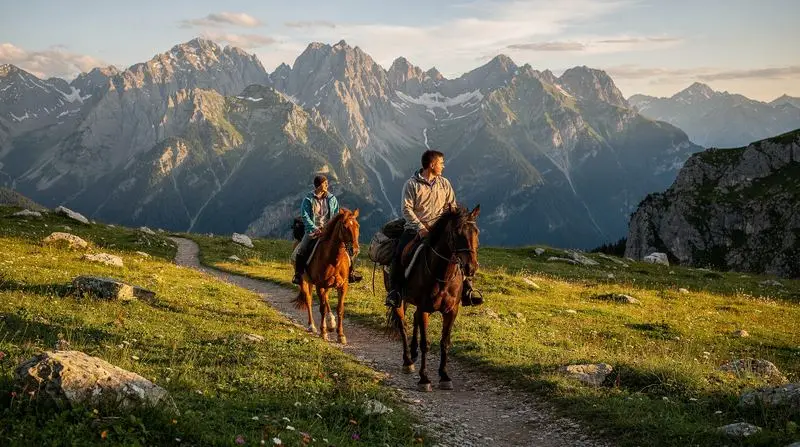
Horse Riding in Albania: A Guide to Equestrian Adventures
Horses have been central to Albanian mountain culture for centuries. Before roads reached the Albanian Alps, horses and mules were the primary means of transporting goods and people across the high passes. In some of the most remote valley communities, they remain so. The relationship between Albanian highland culture and horses is authentic and deep — which makes horse riding in Albania feel genuinely different from the managed pony trek experience common at many Western European venues.
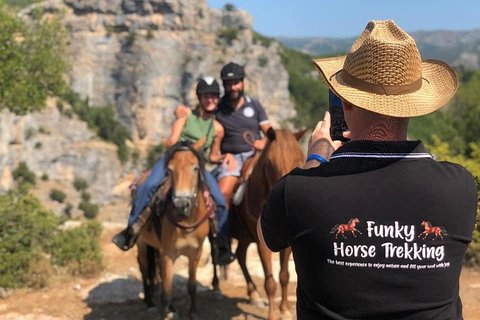
Today, Albania offers horseback riding experiences that range from beach canters along the Riviera to multi-day mountain treks through the Albanian Alps, crossing high passes and staying in village guesthouses. The horses are typically sturdy mountain breeds accustomed to challenging terrain, and the guides are people whose families have ridden these routes for generations.
This guide covers the main horse riding destinations and experiences in Albania — Valbona Valley, the Permet area, and coastal options — along with practical information on booking, season, fitness requirements, and how to combine equestrian activity with Albania’s other highlights.
| Best mountain riding | Valbona Valley |
| Best coastal riding | Himara/Dhermi area, Albanian Riviera |
| Cost | EUR 20-35 half-day; EUR 40-60 full-day |
| Booking | Direct via guesthouse WhatsApp/email; limited online platforms |
| Best season | June-September mountains; May-October coast |
Horse Riding in Valbona Valley
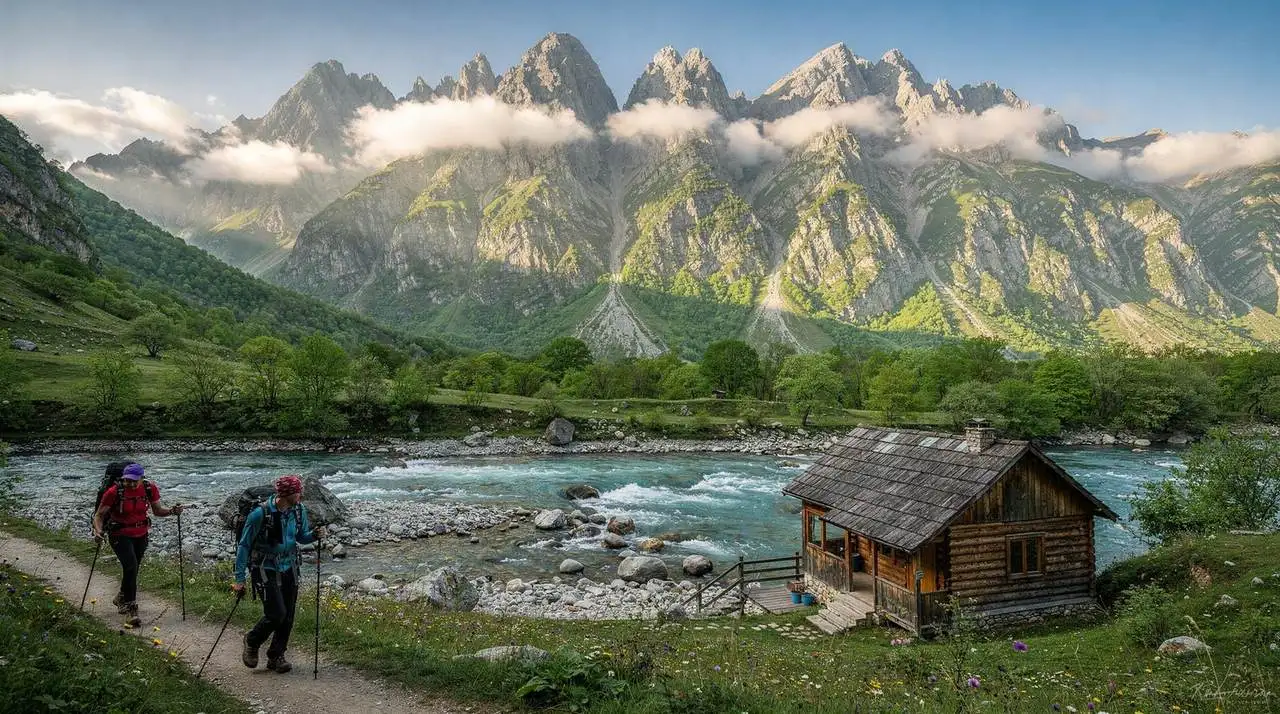
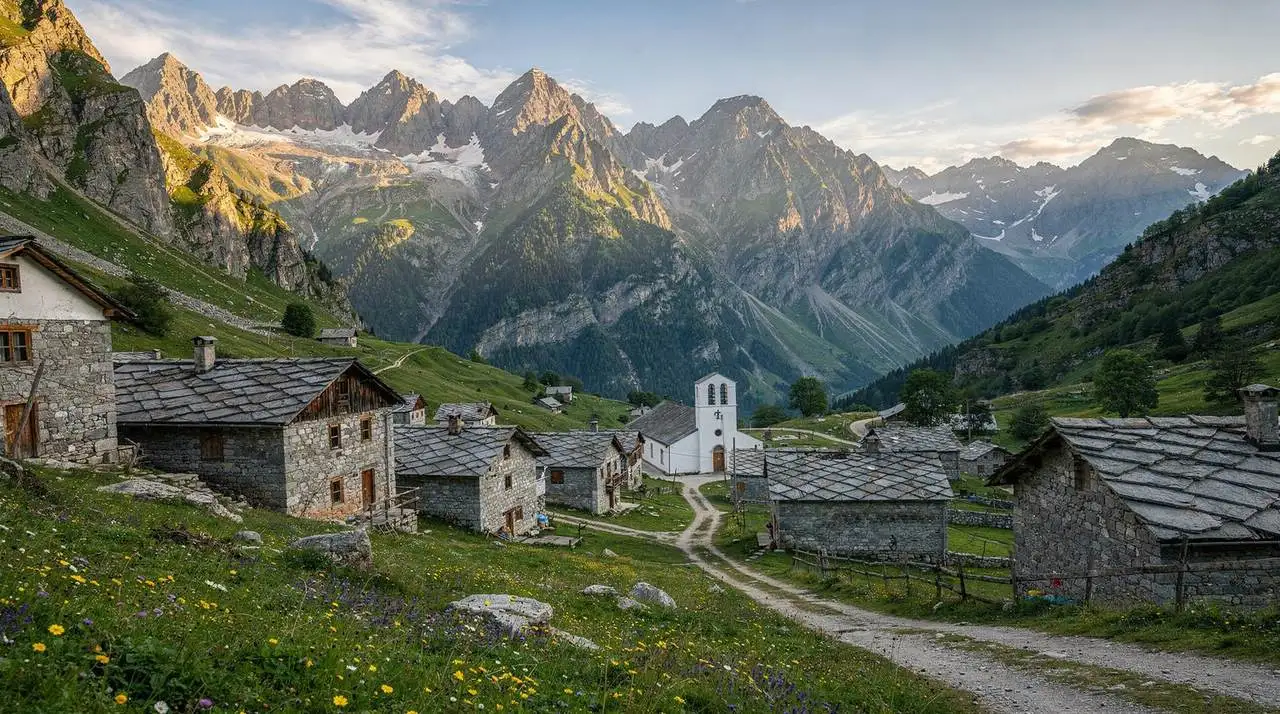
The Valbona Valley is the prime destination for mountain horse riding in Albania. The combination of a wide valley floor, dramatic surrounding peaks, forest trails, and traditional mountain villages creates a setting that is, frankly, extraordinary for horseback exploration.
What to Expect
Valbona-based horse riding typically operates as day excursions from guesthouses, with some operators offering multi-day rides that follow mountain trails between guesthouses — an equestrian version of the classic trekking routes.
Day rides from Valbona commonly follow the valley floor trails through riverside meadows, enter the beech forests above the valley, and climb toward viewpoints that reveal the full scale of the Prokletije peaks. Half-day options are available for those who want a taste of the experience rather than a full riding day.
Multi-day horse treks in the Valbona area may follow variant routes of the Peaks of the Balkans trail — the same high mountain terrain covered by trekkers, but experienced from horseback with pack animals carrying gear between guesthouses. These are less common than walking itineraries but genuinely available through guesthouses with horse-keeping traditions.
The Horses
Valbona mountain horses are typically small, sturdy, and exceptionally sure-footed on mountain terrain. These are working horses, not leisure riding school animals — they understand mountain terrain instinctively and are accustomed to all-day work. Riders from non-mountain equestrian backgrounds may find the horses’ confident movement on steep, rocky trails initially surprising; trust the horse’s judgment.
Most Valbona horses respond to basic aids and are manageable for riders with minimal experience. Riders with specific experience levels or preferences should communicate these clearly when booking — some horses are better suited to beginners than others.
Booking Horse Riding in Valbona
Horse riding in Valbona is not yet a fully commercialised activity with online booking platforms. The most reliable approach is to contact Valbona guesthouses directly — particularly those that have been operating for several years and have outdoor activity experience. Email or WhatsApp messaging works well with Valbona accommodation providers; response times are usually within a day.
Key questions to ask when booking:
- What is the current condition and experience level of the horses?
- What riding experience is required or recommended?
- Are helmets provided or should I bring my own?
- What is the maximum group size?
- Can the ride be adapted for a beginner/intermediate/experienced rider?
Many riders pair a Valbona ride with time in neighbouring Theth, since the two valleys share the same mountain culture and the same guesthouse hospitality. Whatever you plan, the packing list for Albania is worth a look before you go, especially for mountain layers.
Horse Riding in the Permet Area
The Permet region in the Vjosa Valley is one of Albania’s most culturally rich areas — famous for its thermal baths at Benja, its raki (fruit brandy), its traditional music, and a landscape of river valleys, forested hills, and Mediterranean scrubland that changes character dramatically across short distances.
Horse riding in the Permet area brings together river valley terrain, the olive groves and orchards of the lower valley, and the forested uplands above the town. Some local farms and rural accommodation providers offer horseback excursions as part of an agrotourism Albania experience — connecting the equestrian activity with farm visits, food tasting, and traditional crafts.
The Permet area is also convenient for the Llogara Pass mountain region to the southwest, where horse-based exploration of the highland villages and forest tracks offers a genuinely remote experience.
The Permet Thermal Bath Combination
A particularly appealing combination in the Permet area is horse riding in the morning followed by a restorative soak in the thermal baths at Benja in the afternoon. The Benja thermal pools sit in a dramatic river canyon and have been used for therapeutic bathing for centuries. The combination of physical activity and thermal relaxation is one of the most satisfying ways to spend a day in southern Albania. If you would rather not organise the logistics yourself, you can join a day tour to the Permet thermal baths and Langarica Canyon to round off your ride. The Benja thermal baths guide explains what to expect at the pools, and the wider Vjosa National Park area gives context for the river landscape you ride through.
Coastal Horse Riding
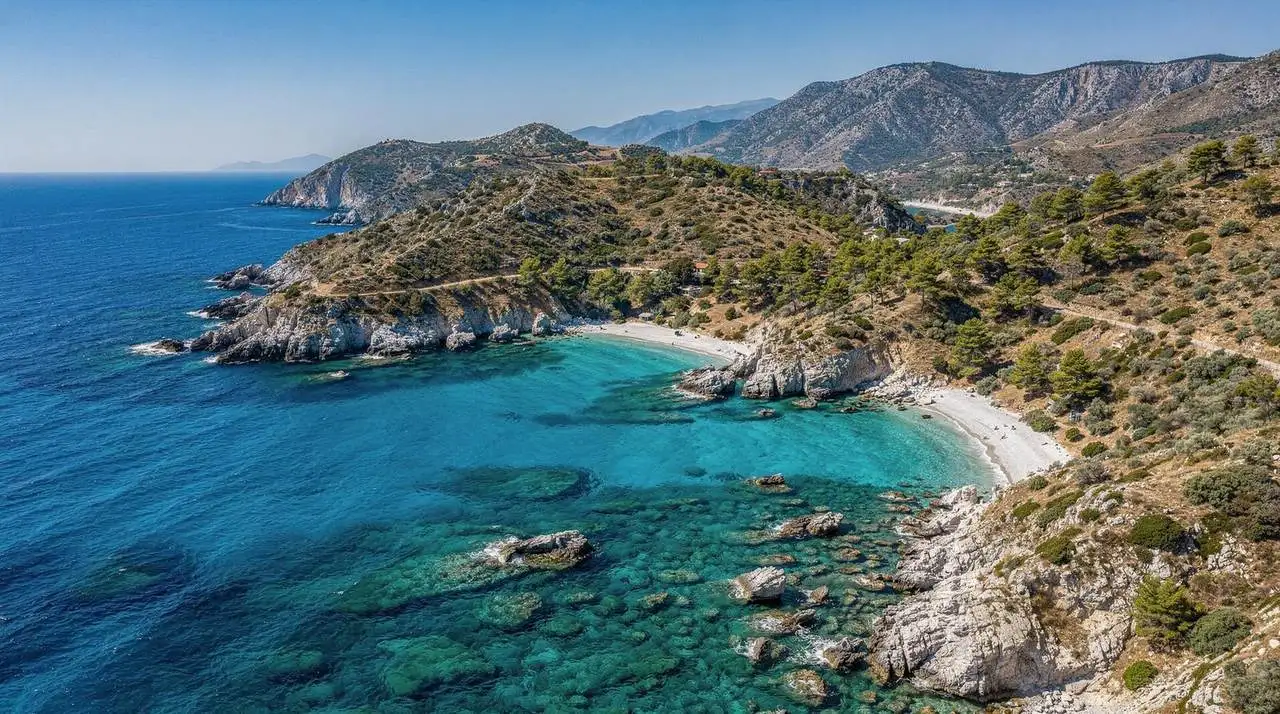
The Albanian Riviera offers a different kind of horse riding experience — beach canters and coastal trail rides with sea views, olive groves, and access to hidden coves.
Riviera Coastal Rides
Coastal horse riding operates most reliably from the Himara and Dhermi areas, where sandy beaches meet the dramatic Ceraunian mountain backdrop. Morning beach rides in particular — before the summer heat builds and before beach visitors arrive — are atmospheric and uncrowded.
Some operators in the Vlora area offer rides through the olive groves and countryside inland from the coast — terrain that shifts between sea views and mountain interior, through villages where olive cultivation has continued for millennia.
The Albanian olive culture is among the most ancient in the Mediterranean — wild olive trees thousands of years old exist in the south of the country — and exploring this landscape on horseback adds a dimension that walking or driving cannot match.
If you are still choosing where to base yourself on the coast, the guides to where to stay in Himara and where to stay in Dhermi help you pick a place close to the stables, and the best beaches in Albania guide shows which stretches of sand suit a quiet morning ride.
Practical Notes for Coastal Riding
- Beach riding is typically available May through October
- Early morning and late afternoon are best — heat and wind build through midday in summer
- Light, breathable clothing that covers the legs (to prevent saddle rub) is recommended
- Sun protection is essential for exposed coastal rides
Multi-Day Horse Trekking Routes
For experienced riders wanting more than day excursions, Albania offers multi-day horse trekking itineraries that connect guesthouses along mountain routes. These are not mass-market packaged tours but authentic local experiences organised through individual operators.
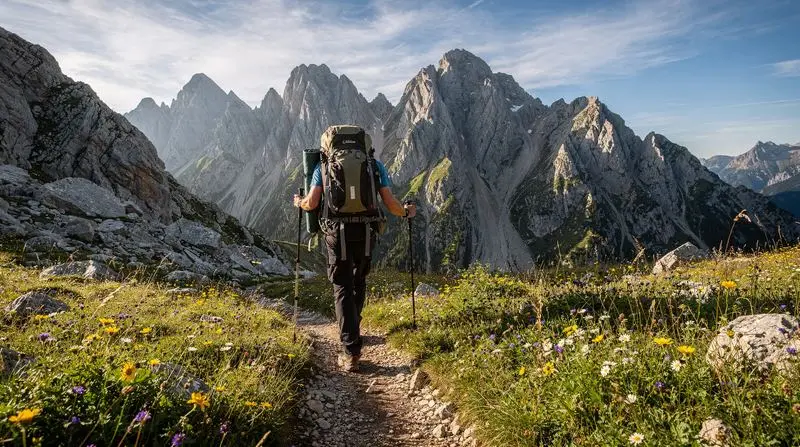
The Valbona to Theth route on horseback: The classic Valbona-Theth crossing — one of the most famous day hikes in the Balkans — is possible on horseback via the mountain pass. A guide with horses navigates the ascent and descent, with the horses following trails they know well. Pack horses carry any significant gear.
The Kelmend Valley circuit: The remote Kelmend region northwest of the Valbona Valley offers highland horse trekking through some of Albania’s most isolated communities. The terrain is demanding and the logistics require a local operator with mountain knowledge.
The Permet Valley circuit: Lower-altitude multi-day rides in the Vjosa Valley region, connecting villages, river crossings, and traditional farms.
Organising multi-day horse treks independently requires persistence and local contacts. The most practical approach is to enquire through established Valbona or Permet guesthouses with a horse-based activity history, or to connect with Albanian adventure tourism operators in Tirana who specialise in rural experiences. You can also book a horse riding tour in Albania through international activity platforms that partner with local operators.
Fitness and Experience Requirements
Horse riding in Albanian mountain terrain is more physically demanding than leisure riding at a commercial stable:
For day rides in Valbona or Permet (recommended experience):
- Some previous riding experience is helpful but not mandatory for valley floor rides
- Reasonable core fitness for sustained sitting in the saddle
- Comfort with horses — Albanian mountain horses are calm but not perfectly trained leisure animals
For multi-day mountain treks:
- Regular riding experience strongly recommended
- Physical fitness for 5-7 hour riding days
- Comfort in the saddle over extended periods
- Experience with horses that require active rather than passive riding
For coastal rides:
- Beginner-friendly options are generally available
- Walking pace rides are possible for complete beginners
What to Wear and Bring
Clothing:
- Long trousers that cover the calf (prevents saddle rub — jeans or riding breeches ideal)
- Closed-toe shoes with a small heel (a heel prevents the foot from slipping through the stirrup)
- Sun-protective clothing for coastal rides
- Layered clothing for mountain rides (temperature drops significantly at altitude even in summer)
Equipment:
- Helmet: Ask whether the operator provides helmets. Bringing your own equestrian helmet is the safest option.
- Gloves: Optional but useful for longer rides
- Water: Carry enough for the day — mountain rides in summer require significant hydration
- Sunscreen: Essential for coastal rides and high-altitude mountain rides
What to leave behind:
- Sandals or flip-flops — not safe footwear for riding
- Loose scarves or hanging accessories that could catch on branches
Horse Riding and Albanian Rural Culture
Horse riding in Albania is inseparable from the country’s rural culture. The families who offer equestrian experiences are typically the same families who use horses as part of their agricultural and mountain life. Riding with a local guide who grew up with horses in the Valbona Valley or the Permet uplands is a cultural experience as much as a physical one.
This connection is most visible in the conversation that happens during and after rides — guesthouses where horse riding is offered tend to be the same places where the deepest engagement with traditional Albanian food, music, and hospitality occurs. The agrotourism Albania guide covers this broader rural experience, of which horse riding is one element.
Booking and Costs
Costs (approximate):
- Half-day guided horse ride: EUR 20-35 per person
- Full-day guided ride: EUR 40-60 per person
- Multi-day trekking (per day including accommodation and meals): EUR 60-90 per person
These prices are indicative and vary by operator, season, and group size. Albania is consistently cheaper than comparable equestrian experiences in Turkey, Greece, or Croatia.
Booking approach:
- Valbona guesthouses: Email or WhatsApp direct. Use Albanian online accommodation platforms (Booking.com listings often mention horse riding in the property description).
- Permet area: Local guesthouses and tourist information. The Permet tourist office has contacts for rural activity operators.
- Coastal rides: Ask at accommodation in Himara or Dhermi; local operators advertise on noticeboards and via social media.
Combining Horse Riding With the Rest of Your Trip
Horse riding works best as one chapter of a longer journey rather than the sole reason for a trip. In the north, it slots naturally beside walking days; the Theth to Valbona hike is the obvious companion, and a ride can give tired legs a different way to see the same landscape. In the south, a ride fits easily into a stay around Vlora or along the coast.
Horse riding is an activity with real risks, so check that your travel insurance covers it before you book. Families should also read the family travel guide for Albania when deciding which rides suit younger riders.
Frequently Asked Questions About Horse Riding in Albania
Do I Need Previous Riding Experience?
For day rides on valley floor terrain (Valbona valley floor, coastal rides), minimal or no experience is manageable with a patient local guide. For mountain rides involving steep ascents and descents, some riding experience is strongly recommended. Multi-day treks require regular riding experience. Always communicate your experience level honestly to the operator.
Are Helmets Provided?
This varies by operator. Some provide helmets; many do not. If helmet use is important to you (and it should be), ask specifically when booking. Bringing your own equestrian helmet from home is the safest approach.
What Is the Best Season for Horse Riding in Albania?
June through September is the main season, with May and October possible for valley and coastal rides. Mountain routes at high altitude are best June through September. Coastal riding can be pleasant year-round in terms of temperature. Avoid July and August for high-altitude mountain rides during the hottest part of the day.
Can I Go Horse Riding Near Tirana?
Horse riding near Tirana is possible — there are equestrian centres and riding schools in the Tirana periphery. However, the most rewarding equestrian experiences in Albania require travelling to the Albanian Alps (Valbona) or the south (Permet, Riviera). A day trip specifically for horse riding near Tirana is not worth the journey compared to what the Valbona or Permet areas offer.
Is Horse Riding Available for Children?
Yes, at most operators who offer valley floor and coastal rides. Mountain terrain rides are less appropriate for young children. Minimum age and weight requirements vary — ask the operator directly. Pony rides for very young children may be available at some rural farms connected to the agrotourism network.