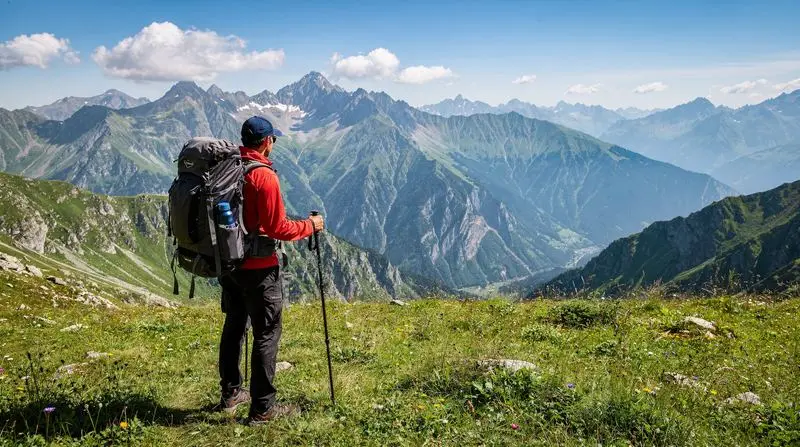
Peaks of the Balkans: The Definitive Trail Guide
The Peaks of the Balkans is one of Europe’s great multi-day treks — a 192-kilometre circular route that cuts through some of the most spectacular and least-visited mountain terrain on the continent. The trail links three countries — Albania, Kosovo, and Montenegro — weaving through the Prokletije mountain range, crossing passes above 2,000 metres, traversing remote valleys, and passing through traditional highland villages where hospitality has remained unchanged for centuries.
This is not a heavily commercialised trail. There are no cable cars, no refuge huts in the Alpine sense, no crowded waypoints with souvenir shops. What you get instead is raw wilderness, genuinely warm village guesthouses, spectacular views, and the satisfaction of a trail that still feels like a discovery even as its reputation grows internationally. If you have 10 days and reasonable hiking fitness, this trail is among the best things you can do in the Western Balkans.
This guide covers the full route, all ten stages, logistics, permits, accommodation, best season, and everything you need to plan the trek independently.
| Distance | 192km circular, ~12,000m cumulative ascent |
| Duration | 10 days standard (8-12 days depending on pace) |
| Countries | Albania, Kosovo, Montenegro (unmanned border crossings) |
| Cost | Around EUR 450-650 for 10 days of guesthouse beds, dinners and trail food |
| Best time | June and September |
| Fitness needed | Solid — 6-8 hours of hiking daily, several passes above 2,000m |
The Route at a Glance
The Peaks of the Balkans trail is a loop, which means you can begin and end at any of the three main entry points: Theth (Albania), Vermosh (Albania), Vusanje (Montenegro/Gusinje area), or Doberdol (Kosovo). Most international trekkers start and finish at Theth, accessed via Shkodra and the mountain road north.
The full circuit is approximately 192km with around 12,000 metres of cumulative elevation gain. Ten days is the standard timeframe, though strong walkers occasionally complete it in eight days and relaxed trekkers stretch it to twelve. Daily stages range from 15 to 25 kilometres with elevation profiles that require genuine fitness — several passes exceed 2,000 metres, and descents on loose shale demand care.
The trail is marked with red-and-white blazes throughout, with consistency varying by country. Albanian sections are generally well marked; Kosovo and Montenegro sections are reliable but occasionally require attention. Offline GPS tracks downloaded from the official Peaks of the Balkans website are strongly recommended.
The 10 Stages
Stage 1: Theth to Valbona
Distance: 18km | Ascent: 1,200m | Descent: 1,300m | Time: 6-8 hours
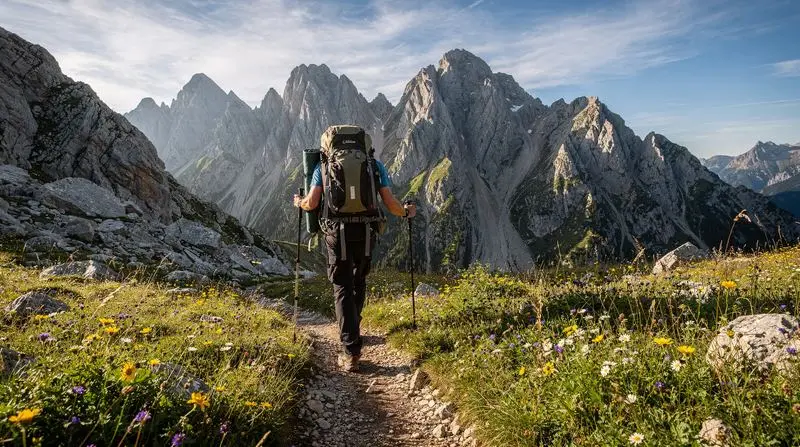
The classic Valbona Pass crossing is the most famous day hike in Albania and a perfect introduction to the Peaks of the Balkans. Starting from Theth, the trail climbs through forest and open alpine meadows to the Valbona Pass at 1,793 metres, then descends into the turquoise Valbona Valley. The views from the pass are extraordinary in all directions.
See the Theth Village guide for accommodation options before the hike and Valbona Valley for where to sleep on arrival.
Stage 2: Valbona to Cerem (Curraj i Eperm)
Distance: 22km | Ascent: 900m | Descent: 950m | Time: 7-8 hours
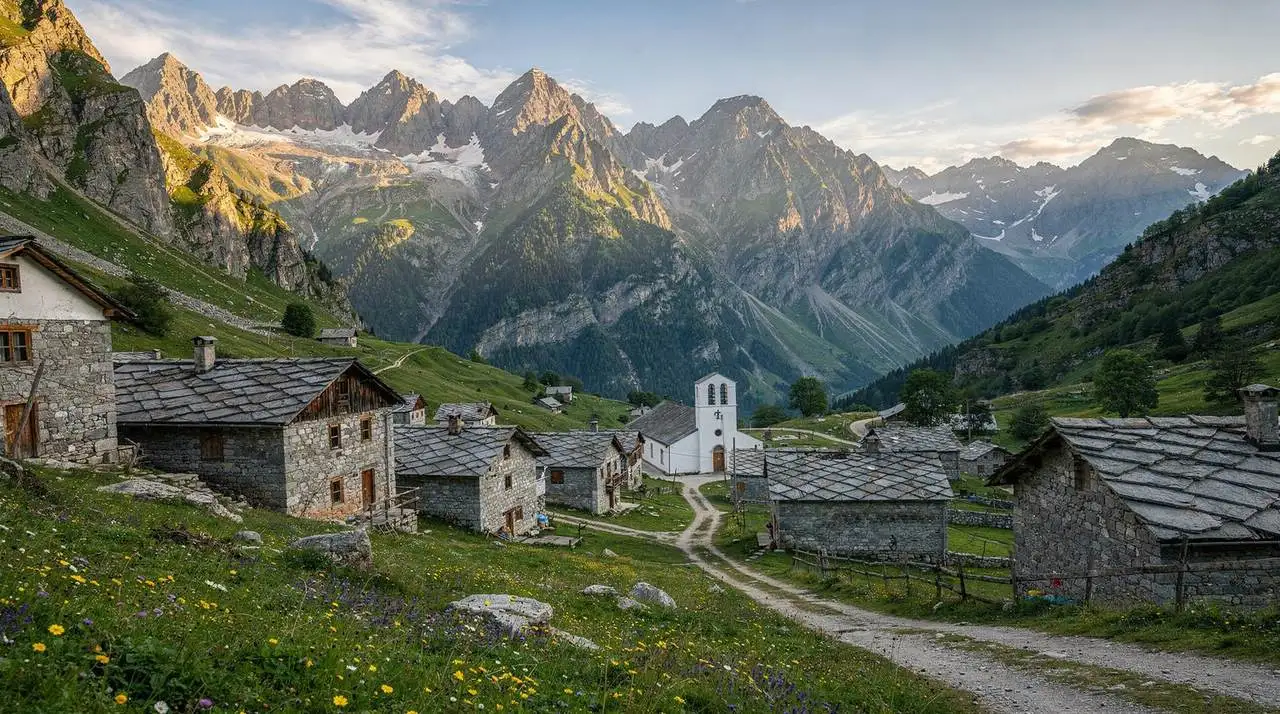
From Valbona the trail heads deeper into Albanian highland territory, passing through the Rragam valley and climbing to a series of secondary passes before descending to the remote village of Cerem. This is traditional Kelmend territory — some of Albania’s most isolated communities, where the kanun code of honour still influences daily life.
Stage 3: Cerem to Doberdol (Kosovo)
Distance: 16km | Ascent: 1,100m | Descent: 800m | Time: 6-7 hours
A demanding stage that crosses the Albania-Kosovo border at high altitude. The approach climbs steeply through pine forest before emerging onto exposed ridgelines with views south into Albania and north into Kosovo’s Rugova canyon. Doberdol is a small highland settlement with basic but welcoming guesthouse accommodation.
Stage 4: Doberdol to Babino Polje (Kosovo)
Distance: 20km | Ascent: 700m | Descent: 1,100m | Time: 6-7 hours
The deepest Kosovo stage takes you through the Rugova Valley — a dramatic limestone canyon that rival anything in the region. The trail traverses high above the valley floor before descending to village accommodation near the Rugova entrance.
Stage 5: Babino Polje to Peć/Peja
Distance: 18km | Ascent: 400m | Descent: 1,200m | Time: 5-6 hours
An easier stage that brings trekkers down into the Kosovo city of Peja (Peć in Serbian), a useful resupply point with hotels, restaurants, and ATMs. Most trekkers spend at least a half-day in Peja to rest, eat well, and explore the Patriarchate of Peć — a stunning 13th-century Serbian Orthodox monastery complex within walking distance of the trail.
Stage 6: Peć to Vusanje (Montenegro)
Distance: 21km | Ascent: 1,100m | Descent: 600m | Time: 7-8 hours
This long stage climbs back out of the Peja basin and crosses into Montenegro via the Čakor Pass (1,849m), descending into the Gusinje area and the village of Vusanje. The border crossing is straightforward for EU and most Western passport holders — see the permits section below for details.
Stage 7: Vusanje to Theth (via Ropojana and the Albanian Border)
Distance: 19km | Ascent: 1,300m | Descent: 1,400m | Time: 7-9 hours
One of the most dramatic days on the trail. The route climbs through the Ropojana valley — one of Montenegro’s most remote alpine basins — to the Perajica pass before descending steeply back into Albanian territory above Theth. Technically demanding in places, particularly on the descent.
Stages 8-10: Extended Route Options
The official trail has several variant extensions, including stages through the Vermosh valley (Albania’s most isolated inhabited region), routes through the Lumi i Zi valley, and options connecting to the Accursed Mountains interior. Many trekkers loop back through Vermosh to add two to three days of wilderness completely off the main tourist track.
Permits and Border Crossings
The Peaks of the Balkans crosses three countries, which raises natural questions about documentation.
Passport requirements: EU citizens can enter all three countries with an ID card. Non-EU trekkers need a valid passport. Check current visa requirements for Kosovo specifically, as Kosovo passport recognition varies by nationality.
Border crossings: The trail crosses several unmanned mountain borders. These are legal crossings registered with the respective border authorities — you are not crossing illegally. However, you are expected to have your passport and to register with local police in Kosovo (usually handled automatically when you check into a guesthouse). Some crossings have a border post nearby; others do not.
Trail permits: There is no single trek permit for the Peaks of the Balkans. However, guesthouse owners often assist with registration formalities. Staying in registered guesthouses rather than wild camping keeps you compliant with local regulations in all three countries.
Albanian nationals: Albanian passport holders can currently enter Kosovo and Montenegro without a visa, making the logistics straightforward for Albanians doing the trail from Tirana.
Accommodation: Guesthouses Along the Route
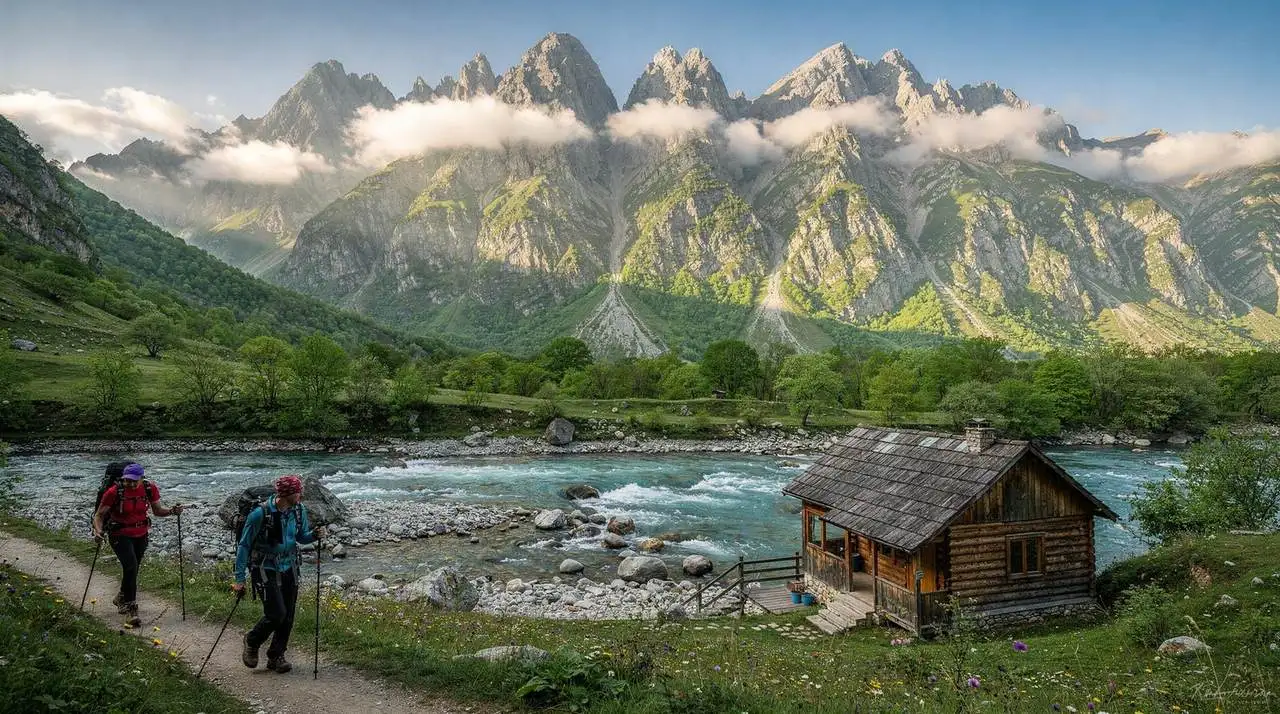
One of the Peaks of the Balkans’ great pleasures is the guesthouse network. These are not hotels — they are family homes where you sleep in simple rooms, eat whatever the family is cooking, and experience mountain hospitality in its most genuine form.
Albania (Theth, Valbona, Cerem):
- Theth has a well-developed guesthouse scene with around 30-40 options, ranging from basic rooms to more comfortable family houses. Book ahead for July and August.
- Valbona has similar options, centred around the main valley road.
- Cerem and other remote Albanian stages have very limited accommodation — usually one or two family guesthouses per village. Booking ahead (via phone, sometimes through tour operators) is essential.
Kosovo (Doberdol, Rugova area):
- Guesthouses are fewer and more basic than the Albanian side. Bring a sleeping bag liner for comfort.
- Peja/Peć has full hotel infrastructure as a resupply town.
Montenegro (Vusanje, Gusinje area):
- The Gusinje area has seen investment in recent years and now offers decent guesthouse accommodation.
Pricing: Expect to pay EUR 15-25 per person for a bed and dinner (full board is typically EUR 25-35). These prices are substantially cheaper than equivalent mountain accommodation in the Alps.
For an organised introduction to the Albanian Alps that includes transport logistics, consider the 3-day Valbona to Theth guided trip from Shkodra, which covers the most iconic section of the trail.
What to Pack
The Peaks of the Balkans is a mountain trail in genuine wilderness. Pack accordingly:
Essential gear:
- Hiking boots (waterproof, ankle support — not trail runners)
- Trekking poles (invaluable on the steep descents)
- Rain jacket and warm mid-layer (even in summer, temperatures above 2,000m can drop sharply)
- Sleeping bag liner (guesthouses provide blankets but liners add comfort)
- First aid kit and blister treatment
- Water filtration (streams are generally clean but carrying a Sawyer Squeeze or similar gives peace of mind)
- Offline maps or GPS track (download from the official Peaks of the Balkans website)
What you don’t need:
- Tent (guesthouses cover all stages)
- Full camping kit
- Stove and cooking equipment
Documents:
- Passport (not just ID card for non-EU trekkers)
- Emergency contact list
- Travel insurance documents
Best Season
June and September are the ideal months. Trails are clear of snow, temperatures are comfortable (cool at altitude, warm in valleys), wildflowers are at their best in June, and crowds are minimal compared to peak summer.
July and August are the busiest months, particularly in Theth and Valbona. Guesthouses book out weeks in advance, and the Valbona-Theth crossing can see dozens of hikers per day. The scenery is magnificent but the solitude is reduced.
May is possible for experienced mountain hikers — snow on passes is common until mid-May. Some guesthouses may not yet be open.
October is beautiful for experienced hikers but increasing risk of snow on high passes from mid-month. Guesthouse availability reduces significantly.
November to April: Not recommended. High passes are snow-covered, guesthouses are largely closed, and days are short.
Getting to the Trailhead
To Theth (main starting point): Most trekkers approach via Shkodra, which has bus connections to Tirana (2 hours) and is accessible from Podgorica, Montenegro. From Shkodra, shared furgons (minibuses) depart for Theth in the morning — the journey takes approximately 2-3 hours on mountain roads. Alternatively, private transfers can be arranged from Shkodra or Tirana.
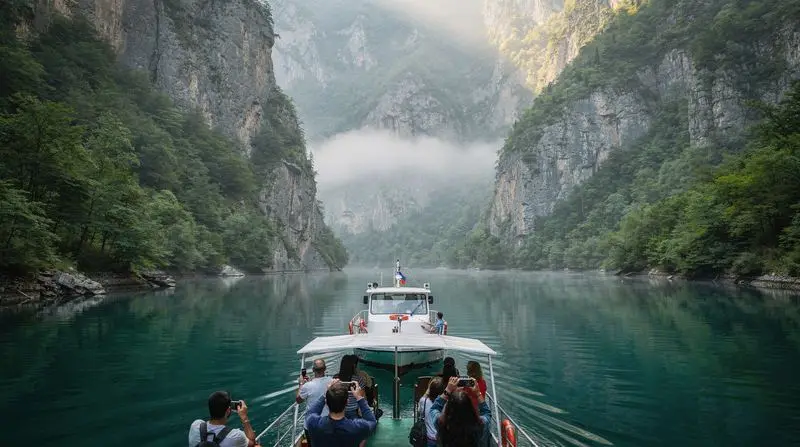
See the Koman Lake Ferry guide for the scenic approach via the Drin River gorge — many trekkers take the ferry to Fierza and a furgon to Valbona, starting the trail from Valbona instead of Theth.
From Tirana: Direct transfers to Theth are available and take approximately 4-5 hours. The Tirana to Shkodra connection runs multiple times daily.
Organised Tours vs. Independent Trekking
The Peaks of the Balkans is one of the more accessible multi-day treks for independent travellers. The trail is marked, the guesthouse network is established, and English is increasingly spoken by guesthouse owners. Independent trekking is entirely feasible.
That said, organised tours offer genuine advantages: they handle all accommodation bookings in advance (critical in summer), provide local guide expertise on trail conditions, manage border crossing logistics, and include transport from and back to Tirana. For solo travellers or those with limited trip planning time, guided options are worth the premium.
The 3-day Albanian Alps trek from Shkodra covers the most-celebrated section — the Valbona Pass and Theth valley — and is an excellent option for those who cannot commit to the full 10-day route.
Fitness and Difficulty
The Peaks of the Balkans requires solid hiking fitness. This is not a walk for beginners. The combination of high daily distances, significant elevation change, and remote terrain demands:
- Ability to hike 6-8 hours consecutively
- Previous experience with mountain terrain and trails
- Confidence navigating with maps or GPS
- Physical capacity to manage 10+ consecutive hiking days
The trail is rated moderate to challenging overall, with the harder stages (particularly the Ropojana crossing on Stage 7) reaching the upper end of that scale. If you are building toward the full trail, doing the Albanian Alps hiking sections first is an excellent preparation.
Trail Etiquette and Conservation
The Peaks of the Balkans passes through communities that depend on the trail for income. Responsible trekking matters:
- Stay in registered local guesthouses rather than wild camping where possible
- Buy food and drinks from local families and small shops
- Do not take shortcuts that damage fragile alpine vegetation
- Carry out all waste — there are no bins on remote trail sections
- Respect the privacy and customs of highland communities
- Do not photograph people without asking
Connecting the Trail to Albania’s Broader Highlights
Many trekkers combine the Peaks of the Balkans with time in the rest of Albania. The natural sequence is to begin or end in Tirana — spending a day or two in the capital — and build the trek into a longer Albania itinerary.
After completing the trail from Theth, the Koman Lake Ferry back to Shkodra is a beautiful way to transition from mountain to lowland Albania, combining one of the most scenic boat journeys in Europe with the return leg.
Money, Connectivity and Staying in Touch
Cash is essential on the trail. None of the guesthouses along the route — in Albania, Kosovo, or Montenegro — take cards, and there are no ATMs between Theth and Peja. Withdraw enough Albanian Lek, Euro (used informally in parts of Kosovo and Montenegro), and small-denomination notes before starting; guesthouse hosts rarely have change for large bills. Peja is the only genuine ATM stop mid-trail.
Mobile coverage is patchy at best on the high passes and largely absent in Cerem and the more remote Kosovo stages, though most valley villages and guesthouses have basic signal or wifi. Do not rely on your phone for navigation without an offline GPS track already downloaded — connectivity gaps are the norm, not the exception, once you leave Theth or Peja. Comprehensive travel insurance that explicitly covers trekking and mountain rescue is non-negotiable; standard travel policies often exclude activities above a certain altitude or with border crossings on foot, so check the policy wording. See the Albania travel insurance guide for what to look for.
How the Peaks of the Balkans Compares to Shorter Albanian Treks
Not everyone has 10 days. If the full circuit is more than your schedule allows, the single-day Theth to Valbona hike — Stage 1 of this trail — delivers the most photographed crossing of the entire route in one manageable day, and it is by far the most popular introduction to trekking in the Albanian Alps. Building fitness and trail experience on the Albanian Alps hiking network before committing to the full 10-day circuit is a sensible progression for anyone without recent multi-day trekking experience.
For those craving even more remote terrain after finishing the loop, wild camping is an option on sections of the trail away from the guesthouse network, though it requires full self-sufficiency and a different approach to permissions than the guesthouse-based itinerary described here — see the wild camping in Albania guide before planning a tent-based variation. The wider protected landscape the trail passes through connects to Albania’s broader network of national parks, several of which anchor sections of the route on the Albanian side.
Frequently Asked Questions About the Peaks of the Balkans Trail
Do I Need a Visa for All Three Countries?
Most Western passport holders can enter Albania, Kosovo, and Montenegro visa-free for stays under 90 days. However, Kosovo is not recognised by all countries, and its passport stamp can cause complications at some other border crossings. Check current requirements for your specific nationality before departure.
Can I Trek the Peaks of the Balkans Solo?
Yes. Many people complete the trail solo. The guesthouse network provides social connection each evening, English is spoken at most accommodation stops, and the trail is well-marked. The main risk of solo trekking is on remote high-altitude sections where a twisted ankle far from help is a serious situation — carry a communication device and inform guesthouses of your daily plans.
How Much Does the Full Trek Cost?
Budget approximately EUR 35-50 per day for guesthouse accommodation (bed and dinner) plus EUR 10-15 per day for lunches, snacks, and drinks on trail. Total accommodation and food costs for 10 days typically run EUR 450-650. Transport to and from the trailhead, equipment, and travel insurance add to this figure.
Is the Trail Marked the Entire Way?
Waymarking is generally good but uneven between countries. Albanian sections are well maintained; Kosovo and Montenegro sections are reliable but occasionally faded. Download the official GPS track from the Peaks of the Balkans website and carry it on your phone or a dedicated GPS device. This is not optional — it is essential for confidence in remote sections.
What Is the Best Direction to Trek?
The trail is a loop, so there is no mandatory direction. The most popular approach is to start in Theth (counter-clockwise: Theth → Valbona → Kosovo → Montenegro → back). This direction means the most famous and dramatic crossing — the Valbona Pass — comes on Day 1, setting a spectacular tone. It also allows you to exit at Theth with easy transport connections back to Shkodra and Tirana.
Can I Use Cards or Do I Need Cash on the Trail?
Cash only. Guesthouses along the route in all three countries do not accept cards, and there is no ATM between Theth and Peja. Withdraw Albanian Lek and Euro before starting the trek — Peja, roughly the trail’s midpoint, is your only chance to top up.
Is Mobile Signal Available Along the Route?
Patchy. Valley villages and most guesthouses have basic signal or wifi, but coverage disappears on the high passes and through remote stretches like Cerem. Download an offline GPS track before you start rather than relying on a connection.