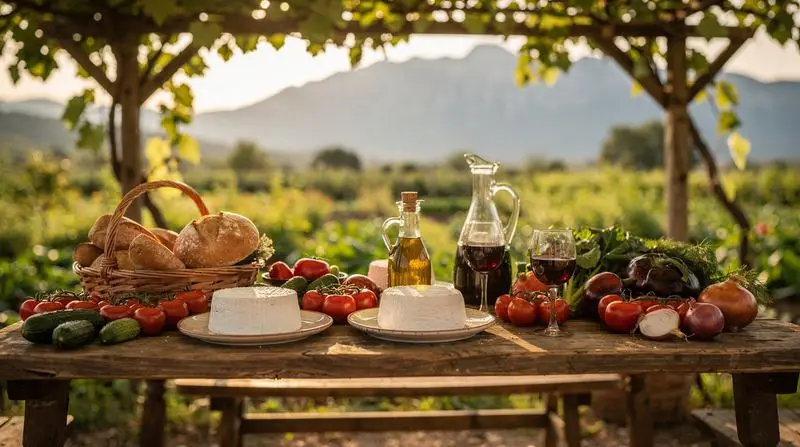
Agrotourism in Albania: Farms, Food, and the Rural Heartland
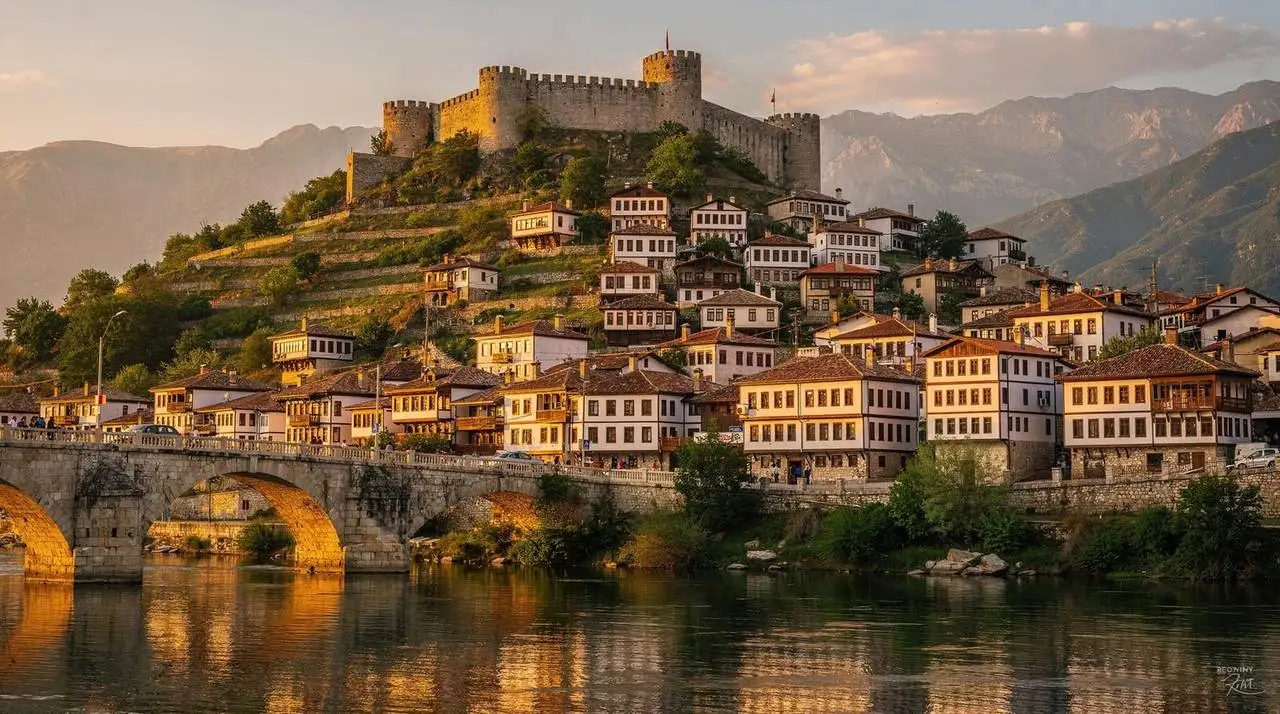
Albania’s countryside is one of the country’s greatest undervalued assets. Beyond the celebrated UNESCO cities of Berat and Gjirokastra, beyond the beach culture of the Riviera, and beyond the dramatic mountain wilderness of the Alps, there exists an agricultural Albania that moves to older rhythms — olive harvests in autumn, cheese made by hand in highland pastures, wine pressed from grapes grown in the same valley plots for centuries, and hospitality offered at a family table as a matter of cultural identity rather than commercial transaction.
Agrotourism in Albania — farm stays, agricultural participation, food production workshops, and rural homestays — has grown from a handful of pioneer operations into a recognised sector with government backing, EU development funding, and a growing international visitor base. For travellers seeking authentic engagement with a country’s food culture and rural life, Albania offers something that is genuinely hard to find: agricultural traditions alive and accessible, at prices that make extended rural stays genuinely possible.
This guide covers what Albanian agrotourism involves, the main regions and experiences, government support structures, practical logistics, and how to build a rural food itinerary through the country.
| Where | Berat, Permet, Gjirokastra area, Korça, Tirana periphery |
| Cost | around EUR 20-50 per person per night, full board |
| Best time | September-November (harvest season) or May-June (roses, herbs) |
| Getting there | Rental car or private driver recommended; some farms reachable by furgon plus a short taxi |
| Booking | Direct contact often required — many farms are not on major platforms |
Why Albania for Agrotourism?
The case for agricultural tourism in Albania rests on several convergent factors:
Agricultural traditions are intact. Albania’s isolation during the communist period, while devastating in many respects, had the side effect of preserving agricultural practices that have been mechanised or abandoned elsewhere. Hand-pressed olive oil, traditional raki distillation, highland cheese making in copper pots, and subsistence polyculture (a single farm producing vegetables, olives, grapes, fruit, meat, and dairy) remain common rather than nostalgic novelties.
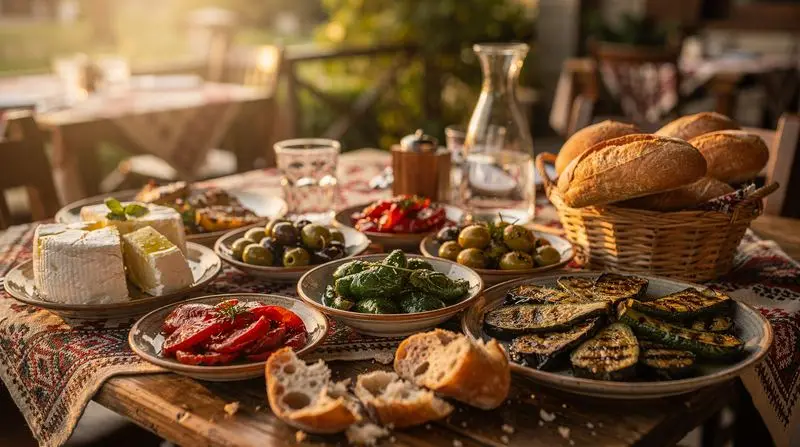
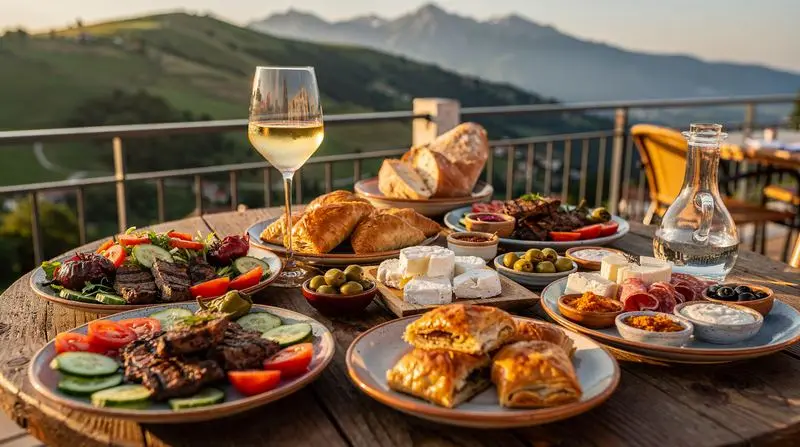
The food is extraordinary. Albanian cuisine is one of the Mediterranean’s great under-known food traditions. Olive oil of exceptional quality from ancient trees, lamb and goat raised on wild mountain herbs, fermented dairy products unique to specific valleys, wild herbs and mushrooms gathered from forests — the ingredient quality that drives the best Albanian food is accessible at source through agrotourism.
The sector is developing with purpose. The Albanian government identified agrotourism as a priority rural development sector in the late 2010s, and EU pre-accession funds have supported farm accommodation development, certification systems, and international promotion. This means visitors encounter farms that have been specifically prepared to receive guests — not just impromptu hospitality at random farmhouses.
The prices are remarkable. A farm stay with full board (three meals including farm produce) typically costs EUR 30-50 per person per night. Cooking workshops run EUR 20-40 per person. Wine tasting sessions are EUR 10-20. By any Western European standard, this is exceptional value.
The Main Agrotourism Regions
Berat and the Mjaçe Valley
Berat and its surrounding valleys are one of Albania’s richest agricultural zones. Olive groves have grown here for millennia — some trees are genuinely ancient, with gnarled trunks measuring metres in circumference. The valley’s wine production is growing rapidly as both Albanian winemakers and international investment rediscover the country’s wine heritage.
Agrotourism activities in the Berat region:
Olive oil production: Autumn (November-December) is olive harvest season in the Berat area. Farm visits during harvest allow participation in picking, and olive oil pressing at traditional mills (some using stone press methods, others more modern) turns olives into oil within hours of harvest. The quality of unfiltered, first-press Berat olive oil is extraordinary — grassy, peppery, intensely flavoured.
Cooking classes: Berat offers the most developed cooking class scene in provincial Albania. The Berat cooking class is consistently rated among the best food experiences in Albania — hands-on preparation of traditional dishes using local ingredients in a working kitchen. Recipes typically include byrek (filo pastry dishes), stuffed peppers with rice and herbs, tavë kosi (baked lamb with yoghurt), and regional specialities.
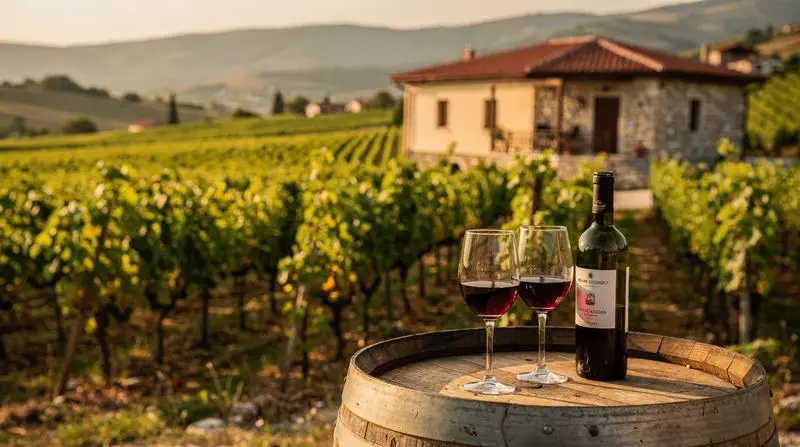
Wine experiences: The Berat area and nearby Cobo Winery have pioneered quality Albanian wine production. Vineyard walks, harvest participation in September-October, and cellar tastings are available through the wineries and through agrotourism operators.
Permet and the Vjosa Valley
The Permet area in the Vjosa Valley is the most intensely agricultural region of southern Albania. It is known for:
Rose cultivation: Permet is Albania’s centre for damask rose cultivation — the same variety used for rose oil production in Turkey and Bulgaria. Rose picking in May-June is a sensory experience unlike anything in most travellers’ experience.
Raki production: Albania’s national spirit is fruit brandy — raki, distilled from grapes, plums, figs, or mulberries depending on region. Permet area raki makers have a reputation for quality. Farm visits during distillation season (autumn) allow visitors to observe the copper pot distillation process and taste freshly made raki.
Gliko (spoon sweets): Permet is famous throughout Albania for its gliko — preserved fruit in syrup, served in a spoon as a welcome gesture. The tradition of making gliko from rose petals, walnuts, figs, and other local fruits continues in Permet households. Some agrotourism operators offer gliko-making workshops.
Wine: The Vjosa Valley has several small wine producers, including the well-regarded Vreshti i Pashait winery near Permet which has become one of the most visited wine destinations in Albania.
The Tirana Periphery and Lundrra
Closer to the capital, the hills and valleys around Tirana have a growing agrotourism and wine tourism scene. The Lundrra valley northeast of Tirana is home to several wineries that have invested in visitor infrastructure.
For wine tasting near Tirana, the Lundrra winery guided tour with wine tasting offers an accessible half-day experience from the capital, combining vineyard walking, cellar tours, and tasting of Albanian wine varietals.
The Gjirokastra Region
The area around Gjirokastra has one of the most distinctive agricultural characters in Albania — a high-altitude environment where specific products have developed their own identities:
Highland cheese: The area around Gjirokastra produces traditional gjizë (a soft ricotta-style cheese) and aged hard cheeses from sheep and goat milk. Some farms offer cheese-making participation, from milk collection through to the pressing and salting stages.
Medicinal herb gathering: The uplands around Gjirokastra are rich in wild medicinal herbs — sage, thyme, oregano, chamomile, and dozens of others. Traditional knowledge of herb identification and use is preserved in rural communities. Some agrotourism operators include herb walks with traditional herbalists.
Oil and honey: Artisanal honey production — from highland wildflower and chestnut honey — and small-scale olive oil production in the lower valley areas add to the Gjirokastra food map.
The Korca and Voskopoje Region
The Korca plateau is Albania’s grain basket — wheat, corn, and potato cultivation dominate the flat central plateau. The surrounding uplands produce dairy, wool, and traditional highland foods.
Apple and fruit orchards: The Korca area is known throughout Albania for its apple production. Autumn harvest season (September-October) brings orchards to life.
Korca Brewery (Birra Korca): Not a farm, but a significant part of the Korca food identity — the most respected Albanian brewery, whose tours and tastings have become part of the regional food tourism circuit.
Voskopoje artisan food: The isolated village of Voskopoje above Korca has a small agrotourism scene focused on traditional highland food production — cheese, preserved meats, and wild-harvested products.
Farm Stays: What to Expect
Albanian agrotourism farm stays are not luxury glamping. They are genuine working farms that have adapted to receive visitors, typically offering:
Accommodation: Rooms in the farmhouse or in separate guest quarters. Bedrooms are typically clean and comfortable but simply furnished. Bathrooms may be shared.
Food: The central draw of any farm stay — multiple-course meals built entirely or primarily around farm production. Breakfast typically includes yoghurt, cheese, eggs, fresh bread, preserves, and honey. Lunch and dinner feature seasonal vegetables, farm-raised meat or fresh fish if near the coast, and farm olive oil.
Activities: Depending on season and farm type, participation in agricultural work — olive picking, grape harvesting, cheese making, herb drying, raki distillation observation — is typically available and encouraged.
Hosts: Farm stay hosts are usually the family who owns and works the farm. Their hospitality (besa) is genuine and the conversation around the table is often the most memorable part of the stay.
Pricing: EUR 30-50 per person per night including breakfast and dinner is a reasonable guideline. Lunch is typically an additional EUR 5-10.
Seasonal Calendar of Agricultural Activities
March-April: Spring planting, first milk production from animals moved to higher pastures, wild herb season begins, olive trees in blossom
May-June: Rose picking (Permet region), herb harvest season, early vegetable production, honey extraction
July-August: Peak vegetable season, fruit orchards active, wheat harvest on Korca plateau
September-October: Grape harvest and wine making, apple picking in Korca, cheese making from autumn milk, mushroom season
November-December: Olive harvest and oil pressing — the most spectacular agrotourism season in Berat and the southern olive-growing regions
January-February: Quieter farm period, but raki distillation, cheese aging, and preserved food production continue
Government Support and Certification
The Albanian government established a formal agrotourism certification and support framework that makes it possible for farms to officially register as agrotourism operations and access development grants. EU pre-accession funds under the IPARD programme have supported farm accommodation upgrades, equipment for food production demonstrations, and marketing.
For visitors, the certification system means that registered agrotourism operations have met basic standards for accommodation and food safety. Asking whether a farm is registered with the National Registration Centre for Agrotourism (or the relevant regional agency) is a useful quality indicator.
How to Book Agrotourism Experiences
Direct booking: The most authentic agrotourism experiences are typically booked directly with farm owners, often by phone or messaging. Many rural farms are not listed on major booking platforms. Local tourist offices in Berat, Permet, and Gjirokastra maintain lists of registered agrotourism operations.
Tour operators: Albania-focused tour operators in Tirana offer multi-day rural itineraries that combine agrotourism farm stays with sightseeing. These handle all logistics and suit visitors who want the experience without the booking complexity.
Online platforms: Some Albanian agrotourism farms are listed on Booking.com and Airbnb. Quality varies — look for properties with a meaningful number of reviews.
GetYourGuide: Specific food experiences like the Berat cooking class and Lundrra winery tour are bookable online through platforms like GetYourGuide, providing guaranteed pricing and confirmed itineraries.
Responsible Agrotourism
Visiting Albanian farms responsibly means recognising the asymmetry of the transaction — you are a paying guest in someone’s home and livelihood:
- Buy directly from farms when possible rather than through intermediaries
- Be honest about your availability and commit to bookings you make
- Participate in the activities offered rather than treating the farm as a hotel
- Purchase farm products (olive oil, cheese, wine, preserves) directly from the farm
- Leave reviews on booking platforms that help small farms build their visibility
- Respect family privacy — farm stays are not hotels and the family has a working life beyond your stay
Combining Agrotourism With the Rest of Your Trip
Agrotourism works best woven into a wider Albanian itinerary rather than treated as a standalone visit. A common pattern: two or three nights on a farm near Berat or Permet, bookended by the UNESCO old towns and a stretch of coast. The foodie Albania itinerary is built specifically around this kind of food-led travel and gives a day-by-day structure that pairs farm stays with markets, wineries, and restaurant stops. For travellers building their own route, the Albania in autumn guide explains why the September-to-November window is also the best season generally, not just for harvest activities — cooler hiking, grape and olive season, and thinner crowds all coincide.
Wine deserves its own mention here: several of the farms and wineries described above overlap with Albania’s broader wine revival, and the Albanian wine guide is worth reading before you go if tastings are a priority, since it explains which regions are producing genuinely serious wine versus which are still finding their footing.
Money, Timing, and What to Bring
Cash is essential. Most agrotourism farms, especially outside Berat and Permet’s more developed circuits, do not take cards. Bring Albanian Lek in small denominations — a farm stay with meals typically settles at EUR 25-50 per person per night, and having exact or close-to-exact cash smooths the transaction considerably.
Book ahead for harvest season. October and November — peak olive harvest — are the busiest weeks for the best-known Berat-area farms. A message or call a week or two ahead is usually enough outside July-August and major holidays, but leave more lead time if a specific farm or activity (a particular pressing day, a rose harvest morning in Permet) matters to you.
Watch the shoulder seasons too. May-June brings the Permet rose harvest and the first vegetable flush, and is markedly quieter than autumn for farms that also draw domestic Albanian visitors during the October holidays. If your schedule is flexible and the specific harvest activity matters less than a relaxed pace and lower prices, late spring is a genuinely good alternative to the busier autumn window.
Pack for farm conditions. Closed shoes with grip, clothes you don’t mind getting dusty or stained (grape and olive picking are not clean work), and a light layer for cool mountain mornings even in warmer months. If you’re combining a farm stay with cooking classes elsewhere in the country, an appetite is the only other requirement.
Frequently Asked Questions About Agrotourism in Albania
What Is the Best Time of Year to Visit an Albanian Farm?
Autumn (September to November) is the most active and spectacular agrotourism season — grape harvest and wine making in September, apple picking in October, and olive harvest in November-December. Spring (May-June) is excellent for rose picking in Permet and herb season throughout the south.
Do I Need to Speak Albanian to Enjoy a Farm Stay?
Many Albanian farm owners in agrotourism areas speak some Italian or basic English. Younger family members often have better English. A few words of Albanian go a long way — “faleminderit” (thank you) and “mirë” (good) will earn genuine warmth. Translation apps fill the gaps.
Can I Buy Farm Products to Take Home?
Yes, and you should. Purchasing olive oil, cheese, raki, honey, wine, and preserved products directly from the farm is one of the most valuable things you can do for the farmers. Albanian olive oil in particular is exceptional quality at prices that are a fraction of equivalent Italian or Greek products. Check customs regulations for your home country regarding food imports.
How Do I Find Agrotourism Farms in Albania?
Start with the local tourist offices in Berat, Permet, Gjirokastra, and Korca — they maintain updated lists of registered operations. The Albanian Agrotourism Association (ATAA) publishes member directories. Albania-focused travel blogs and forums often have specific farm recommendations from recent visitors.
Is Albanian Agrotourism Suitable for Children?
Excellent for children, in fact. Farm stays with animal interactions, food preparation participation, and open rural space suit families well. Children who participate in olive picking, grape stomping, or cheese making acquire memories that outlast any theme park visit. Confirm with the farm that children are welcome and that appropriate activities are available for your children’s ages.