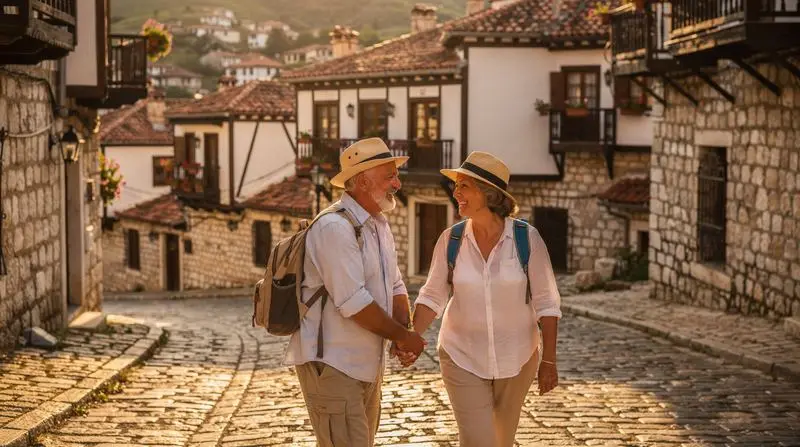
Albania for Senior Travelers: Everything You Need to Know
Albania has become one of Europe’s most rewarding destinations for older travelers. The combination of genuinely warm hospitality, affordable prices, rich history, and extraordinary natural beauty makes the country a compelling choice — and the cultural tradition of deep respect for elders means seniors are treated with particular courtesy throughout the country.
This guide covers everything an older traveler needs to plan a confident and comfortable Albanian trip: the best regions and cities, realistic accessibility information, medical facilities, gentle itinerary options, and honest advice on where the country is easy and where it requires more caution.
| Best bases | Berat, Saranda, Tirana |
| Ideal season | May, June, September |
| Private transfer cost | Around EUR 60-120 per intercity leg |
| Medical facilities | Best in Tirana (Hygeia, American Hospital) |
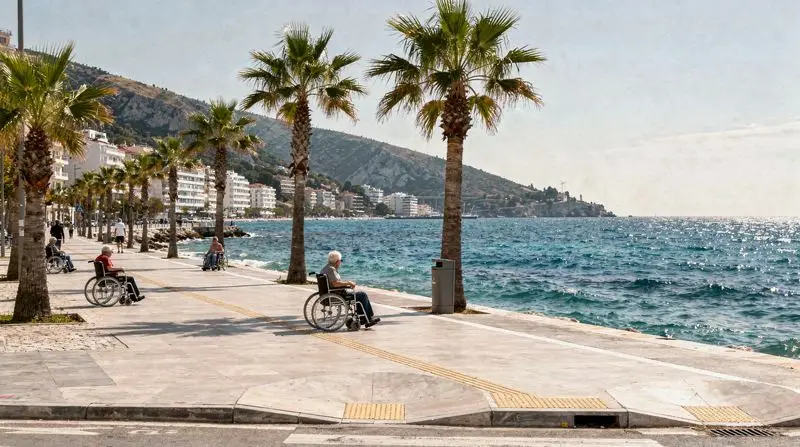
| Accessibility | Flat in Saranda seafront, Tirana center; steep in Gjirokastra |
Why Albania Works Well for Senior Travelers
Albanian culture holds older people in high regard. This is not a platitude — it manifests practically. You will be offered seats, helped with bags, given priority at counters, and engaged in genuine conversation. Drivers slow down for older pedestrians. Shopkeepers take time. Guesthouse hosts go significantly out of their way to accommodate special dietary needs or earlier dinner hours.
The country is also affordable. A senior traveler on a mid-range budget eats well, sleeps comfortably, and experiences major sites without financial stress. Healthcare costs, should they be needed, are a fraction of Western European prices. Quality guesthouses in historic towns like Berat and Gjirokastra run EUR 50-80 per night for a double room with breakfast — genuinely good value.
The pace of life suits a relaxed travel style. Albanian towns and cities operate at a Mediterranean tempo. Long lunches are normal. Coffee culture means sitting for an hour without pressure. Guesthouses are genuinely hospitable rather than transactional.
The Best Regions for Senior Travelers
Berat: The Ideal Senior Base
Berat is consistently rated by older visitors as Albania’s most rewarding city. The UNESCO World Heritage old town has a flat lower section (Mangalem) with cobbled but navigable streets, riverside promenades, and easy access to cafes and restaurants. The castle district above is steeper but accessible via a switchback road if walking uphill is difficult.
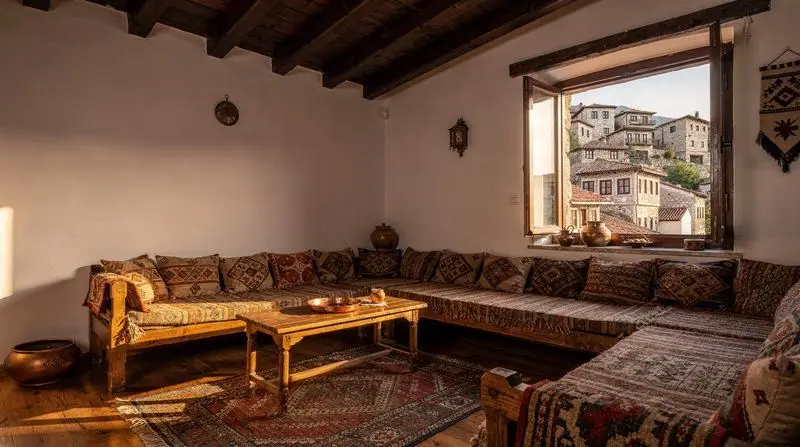
Guesthouses in the old town offer genuine hospitality, home-cooked meals, and owners who are accustomed to accommodating older guests with particular care. The city is small enough to navigate without stress but rich enough in history and beauty to absorb several days of exploration.
Saranda: Coastal Comfort
The southern port town of Saranda has a long, flat seafront promenade that is ideal for morning and evening walks. The town is hilly inland but the waterfront strip — cafes, restaurants, gelaterias, and boutiques — is accessible on flat ground. Day trips to Butrint (a UNESCO archaeological site with level paths through ancient forest) and Ksamil beaches are straightforward.
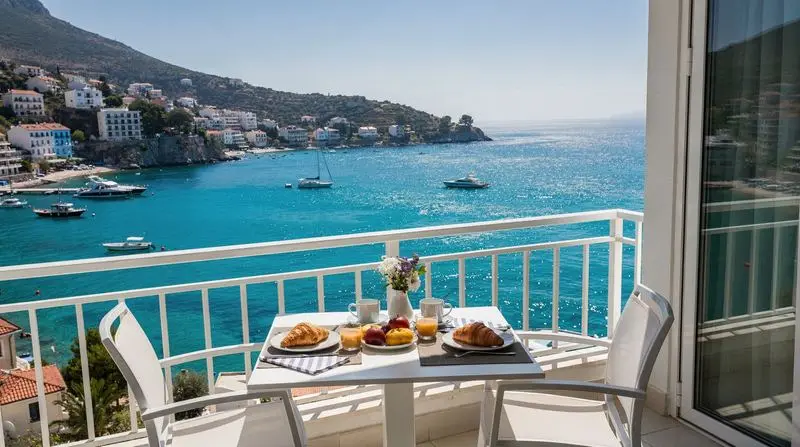
Saranda has the most developed tourist infrastructure of any Albanian city outside Tirana: numerous good hotels, reliable restaurants, English-speaking staff, and regular ferry connections to Corfu. It works well as a comfortable base for exploring the south.
Tirana: City Comforts
The capital has good accessibility in its central areas. Skanderbeg Square is a pedestrianized open space easy to navigate. The Blloku neighborhood has wide pavements and flat terrain. Restaurants and cafes are of consistently good quality. Tirana’s hospitals are Albania’s best-equipped, which provides peace of mind for those with medical considerations.
The airport transfer infrastructure is well-organized, with reliable taxis and shuttle services.
The Albanian Riviera: Himara and Dhermi
The Riviera coastline is stunning but hilly. Himara town has a manageable flat center and a reasonable beach walk. Dhermi involves steeper terrain. For seniors who prioritize beach access, Saranda and Ksamil offer better practical accessibility than the steeper stretches of the Riviera.
Regions to Approach with More Planning
The Albanian Alps (Theth, Valbona): Extraordinarily beautiful but designed around active hiking. The terrain is rough, accommodation is basic, and the journey in involves a long ferry crossing and mountain roads. Seniors who enjoy walking and do not require accessibility facilities can certainly visit — particularly Valbona, which has a flat valley floor — but it requires realistic fitness assessment.
Gjirokastra: The UNESCO stone city is built on a steep hillside. The old town involves significant climbing on uneven stone surfaces. Many older visitors enjoy Gjirokastra via a guided tour that prioritizes the most accessible areas, or base themselves in the lower, newer part of town.
Medical Facilities in Albania
Hospitals by Region
Tirana: The capital has Albania’s best medical infrastructure. The University Hospital Center “Mother Teresa” (Qendra Spitalore Universitare “Nënë Tereza”) is the main teaching hospital with specialist departments. Several private hospitals operate in Tirana: Hygeia Hospital and American Hospital are the two most frequently recommended by expatriates and medical tourists for their quality of care and English-speaking staff.
Saranda: Saranda Regional Hospital provides emergency and general care. For serious conditions, evacuation to Tirana or Greece (Corfu is 35 minutes by ferry) is straightforward.
Berat: Berat Regional Hospital covers emergencies. Quality of care in regional hospitals varies; for non-emergency specialist care, Tirana is preferable.
Shkodra: Shkodra Regional Hospital is the northern regional center. Reasonable standard for emergencies.
Pharmacies
Pharmacies (farmaci) are found throughout Albanian cities and most larger towns. They are identifiable by a green cross sign. Most cities have at least one 24-hour pharmacy. Pharmacists speak reasonable English in cities. Many common medications are available over the counter that would require prescription elsewhere. See the Albania pharmacy guide for full details.
Health Insurance
Comprehensive travel insurance with medical evacuation cover is strongly recommended. Albania is not part of the EU, so European Health Insurance Cards are not valid. Private healthcare costs are low (a doctor’s consultation: EUR 20-40; a blood test: EUR 10-20; a minor procedure: EUR 50-150) but emergency evacuation can be expensive without coverage. See the Albania travel insurance guide for policy recommendations.
Emergency Numbers
112 is the universal emergency number for ambulance, police, and fire. Operators speak Albanian; English-speaking operators are not guaranteed but are available in Tirana. In Saranda, the proximity to Corfu means Greek emergency services can also be contacted.
A Gentle Two-Week Itinerary for Seniors
This itinerary prioritizes comfort, accessibility, and cultural richness without demanding physical exertion. It allows time to absorb each location without rushing.
Days 1-3: Tirana
Arrive, recover from travel, and spend three days in the capital. Visit the National History Museum at a leisurely pace, walk through Blloku, explore the New Bazaar (Pazari i Ri) for fresh produce and local food. Use Bolt (the ride-hailing app) freely — fares are minimal (EUR 1.50-3) and the service is reliable and comfortable.
Consider a guided Tirana walking tour on your first full day — an excellent way to understand the city’s layered history without the effort of self-navigation, and at a pace that suits you.
Days 4-6: Berat
Take a comfortable morning bus or arranged private transfer to Berat (2 hours). Three nights here is the sweet spot — one full day exploring the lower town at leisure, one day for the castle (take a taxi to the top if the climb is challenging), one day for simply sitting in the riverside cafes and letting the town come to you.
The guesthouses in Mangalem old town serve exceptional home dinners. Request dietary accommodations when booking — hosts are invariably accommodating.
Days 7-9: Saranda and the South
Private transfer or comfortable bus from Berat to Saranda (allow a full day with a stop in Gjirokastra for a few hours — organized tours from Saranda work well for those who prefer not to manage their own logistics). Three nights in Saranda: one day for Butrint (level archaeological paths, genuinely fascinating), one morning for Ksamil beach (only 15 minutes by taxi), one day at leisure on the waterfront.
A Best of Saranda guided day tour covering the Blue Eye, Butrint, and Ksamil is ideal for seniors who prefer an organized, door-to-door experience.
Days 10-12: Shkodra and Lake Shkodra
Return north to Shkodra (comfortable bus via Tirana, or private transfer). Two nights based here for the Marubi Photography Museum, Rozafa Castle (driveable to the top), and the extraordinary lake at sunset. Lake Shkodra is the largest lake in the Western Balkans — the early-morning views from the lake promenade, with mist over the water and the Accursed Mountains above, are among the most beautiful in Albania.
Days 13-14: Return to Tirana
One final night in Tirana for any last shopping, museum visits, or restaurant meals. Fly home from Tirana International Airport.
Accessibility Notes for Each Major Site
Berat Castle: The road to the top is driveable; the castle interior has cobblestone surfaces. Uneven underfoot but manageable for those steady on their feet. Very steep for those with mobility impairments.
Butrint National Park: Largely flat paths through ancient forest. One elevated section with steps can be bypassed. Probably the most accessible major site in Albania for mobility-limited visitors.
Ksamil Beaches: Sandy beaches, easy beach access. Some locations have shallow gradients into the water.
Blue Eye Spring: Short, flat walk to the spring through plane-tree forest. Very accessible.
Gjirokastra Old Town: Steep and cobbled. A car can get close to the castle. The bazaar area is more manageable. Not ideal for those with significant mobility issues.
Tirana Skanderbeg Square: Entirely flat, wide open, no barriers.
Rozafa Castle (Shkodra): The road to the top is driveable. The castle ramparts involve uneven surfaces but the main viewing areas are accessible.
Practical Tips for Senior Travelers
Arrange private transfers for long intercity routes. Furgons and buses are fine for younger travelers but a private car hire for EUR 60-100 per day (driver included) is better value than the stress and physical effort of bus stations, waiting, and cramped seats for those who prefer it. Many guesthouses can arrange drivers.
Stay in the historic old towns. Guesthouses in Berat’s Mangalem, Gjirokastra’s old city (lower section), and Saranda’s waterfront area put you within easy walking distance of everything. This eliminates the need for daily transport logistics.
Eat early if needed. Albanian dinner culture runs late (9-10pm is normal), but restaurants are always happy to serve at 7pm for those who prefer it. Simply ask — no explanation is needed.
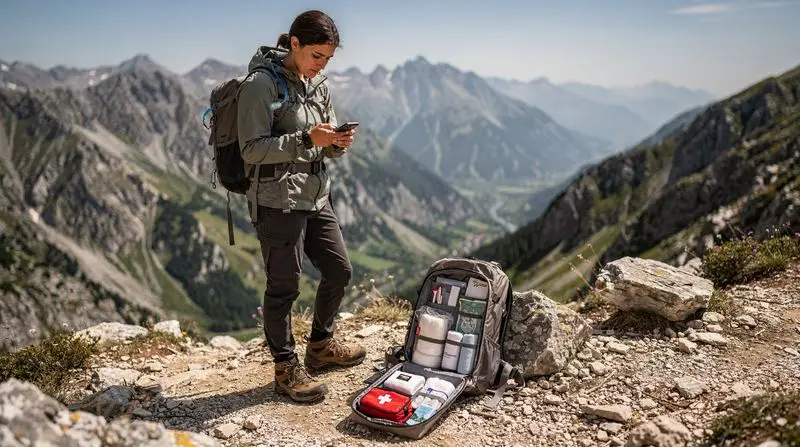
Carry a basic medical kit. Blood pressure medication, blood thinners, and common prescriptions should be brought in sufficient supply with a copy of your prescription. See the Albania pharmacy guide for what is available locally.
Keep the emergency number saved. 112 is the number for all emergencies in Albania. Store it before you leave and ensure your travel companion or the guesthouse host knows about any medical conditions.
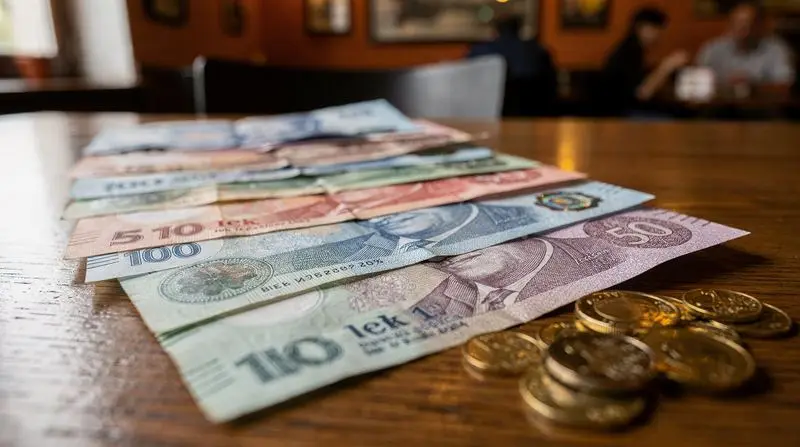
Use the Albania currency guide to understand ATM access. The Lek is cash-dominant and most smaller guesthouses do not accept cards. Organize cash in advance of mountain or rural stays.
Consider travel in May, June, or September. Summer heat (July-August) reaches 35-38°C on the coast and in cities. Spring and early autumn offer perfect temperatures (22-28°C), lighter crowds, and excellent light.
Getting Around Comfortably
The airport transfer from Tirana is the first logistics challenge — book in advance (EUR 25-35 for a private transfer to the city center). Within Tirana, Bolt (ride-hailing) is affordable and easy. Between cities, private taxis arranged through guesthouses offer the most comfortable option — typically EUR 60-120 per leg depending on distance.
For those who want maximum comfort and no logistical worry, organized group tours or private guided itineraries are available. A guided day tour to Berat from Tirana is a good example — all logistics handled, guide included, stops at your pace.
Accommodation Recommendations
For senior travelers, guesthouses in historic old towns offer the best combination of comfort and character. Avoid budget dormitory accommodation and look for:
- Private rooms with en-suite bathrooms
- Ground or first floor rooms (lift access is rare outside Tirana hotels)
- Properties with accessible entrance (no steep external steps)
- Half-board options (saves the effort of finding restaurants every night)
In Tirana, standard hotels offer more familiar international facilities. The where to stay in Tirana guide covers all price categories.
Traveling with a Companion vs Traveling with a Group
Senior travelers approach Albania in different configurations, and each has practical implications. Couples and pairs benefit from the flexibility of private transfers and can set their own pace entirely — this guide’s itinerary works well as written for two people sharing costs. Small organized groups (often through specialist senior-focused tour operators) remove all logistics but reduce spontaneity; a guided day tour to Berat is a good way to sample the organized-tour experience before committing to a longer group itinerary. Solo senior travelers will find Albania’s hospitality culture particularly supportive — guesthouse hosts look after solo older guests with real attentiveness, and the solo travel Albania guide covers the independent-travel specifics that complement this guide.
Dietary Needs and Special Requirements
Albanian guesthouses and restaurants are generally accommodating of dietary restrictions when informed in advance. Low-sodium, diabetic-friendly, and gluten-free requests are usually manageable, particularly in guesthouses that cook to order rather than from a fixed menu — the informal, family-style dining common in Berat and Gjirokastra actually makes accommodation easier than a rigid hotel restaurant would. Mention dietary needs when booking, not on arrival, so hosts can plan. The vegetarian Albania guide covers plant-based dining specifically, much of which applies to other dietary restrictions as well.
Travel Insurance for Senior Travelers
Standard travel insurance policies sometimes have age-related restrictions or higher premiums for travelers over 65-70, and pre-existing condition coverage requires careful attention when selecting a policy. Since Albania sits outside the EU, EHIC and GHIC provide no coverage here, making a comprehensive policy with medical evacuation cover essential rather than optional. Compare policies specifically for senior travelers rather than assuming a standard policy applies without adjustment — see the Albania travel insurance guide for what to check.
Frequently Asked Questions About Albania for Senior Travelers
Is Albania safe for older travelers?
Albania is safe for senior travelers. The hospitality culture is particularly attentive to older visitors, and violent crime is very rare. The main practical considerations are uneven surfaces in historic towns, summer heat, and ensuring adequate medical coverage. None of these are Albania-specific concerns — they apply to any Southern European destination.
What is the best time of year for seniors to visit Albania?
May, June, and September are ideal. Temperatures are warm but not extreme (22-28°C), crowds are lighter, accommodation prices are lower, and the light for sightseeing is excellent. July and August are very hot and the most expensive months. October is also excellent for the south.
Are there English-speaking doctors in Albania?
English-speaking doctors are available in Tirana’s private hospitals (Hygeia, American Hospital) and can be found in Saranda given the proximity to international tourism. In other cities, English capability varies. Your travel insurance provider can direct you to English-speaking practitioners. Having your insurance emergency line number readily accessible is important.
Can seniors visit Albania without a car?
Yes, comfortably. The combination of private transfers (arranged through guesthouses), occasional Bolt taxis, and comfortable buses makes the main itinerary destinations — Tirana, Berat, Saranda, Shkodra — accessible without self-driving. A rental car extends options but is not necessary for the core experience.