Albanian Wine: A Complete Guide to One of Europe’s Hidden Vineyards
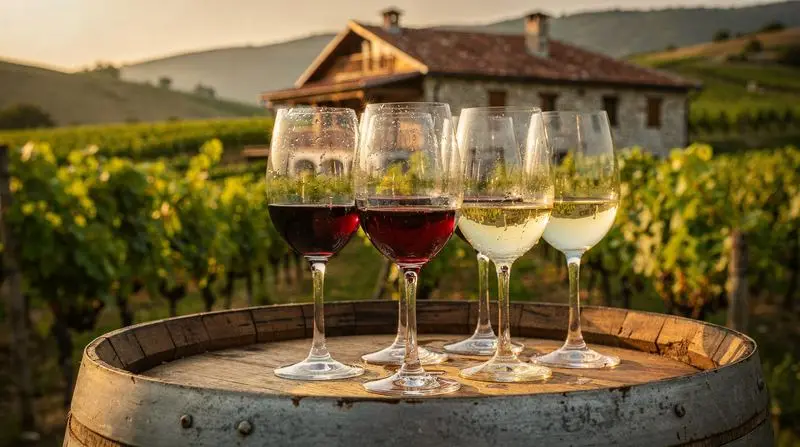
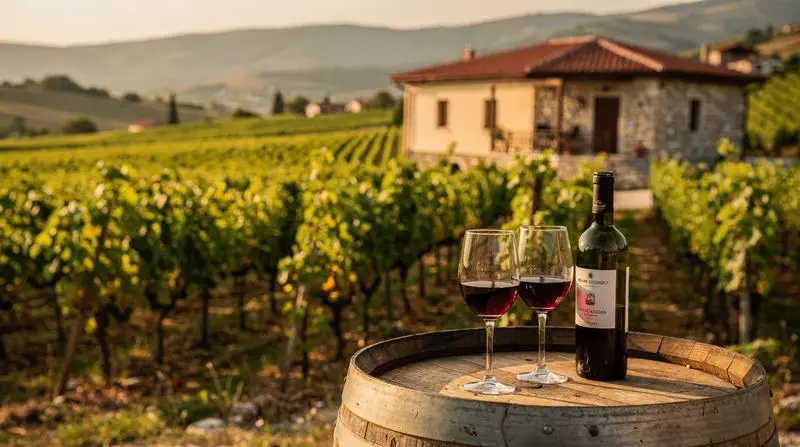
Albania produces wine that surprises almost everyone who tries it. In a country that has been largely off the international tourism and wine export radar for decades, a genuinely interesting wine culture has been developing quietly: indigenous grape varieties found nowhere else in the world, vineyards in landscapes of Mediterranean beauty, and a pricing structure that makes even the best bottles extremely accessible by any Western European standard.
The story of Albanian wine involves five thousand years of viticulture, fifty years of communist collectivization that nearly erased it, and a remarkable thirty-year revival driven by a combination of returning diaspora, international investment, and local winemakers who understood what they had inherited. The result is a wine scene in flux — improving rapidly, full of personality, and still largely undiscovered.
| Signature grapes | Shesh i Bardhe (white), Kallmet (red) |
| Bottle price (shop) | Around EUR 3–25 depending on producer |
| Winery visit cost | Around EUR 10–20 per person with tasting |
| Best regions | Berat, Permet, Shkodra |
| Restaurant glass | Around 250–500 lek (EUR 2.50–5) |
A Brief History of Albanian Wine
Viticulture in Albania has documented roots stretching back to antiquity. The Illyrians, who occupied the territory before the Roman and later Byzantine periods, were established wine producers, and ancient sources describe Albanian wine being traded across the Adriatic. The Roman period consolidated and expanded viticulture across the region, and various Byzantine and medieval sources confirm the continuation of winemaking traditions into the medieval period.
The Ottoman conquest brought the formal religion of a wine-prohibiting faith to Albanian territory, but practical viticulture continued among the significant Christian minority populations. Albanian wine culture survived through the Ottoman centuries in attenuated but continuous form.
The communist period under Enver Hoxha brought the most serious disruption. Private production was banned, vineyards were collectivized into state farms, and wine production was oriented entirely toward quantity rather than quality. The state cooperatives that controlled viticulture had no incentive to maintain quality, and the isolation of Albania from international wine culture meant that modern winemaking knowledge and techniques were completely absent. The communist era wines were largely undrinkable by any objective standard.
The collapse of communism in 1991 brought an initial period of chaos in which many collectivized vineyards were simply abandoned or the vines torn out. The recovery of Albanian wine, when it came, was built largely on privately established wineries from the late 1990s and early 2000s, often funded by Albanian emigrants returning with capital and international experience.
Indigenous Grapes: What Makes Albanian Wine Unique
The most compelling aspect of Albanian wine for anyone interested in viticulture is the indigenous grape varieties that have survived thousands of years in Balkan soil. These varieties are found nowhere else in the world — or only in adjacent areas of the former Yugoslavia — and produce wines with flavor profiles that cannot be replicated using international varieties.
Shesh i Bardhe (literally “white of the plain”) is the most widely planted white grape in Albania and is considered the country’s signature white variety. It produces wines with a characteristic freshness and minerality, often with notes of green apple, lemon, and herbal character. In good examples from careful producers, there is a complexity that rewards attention. In lesser versions, it can be thin and neutral. The best Shesh i Bardhe wines come from vineyards at higher elevations where lower temperatures extend the growing season and preserve acidity.
Shesh i Zi (black of the plain) is the red counterpart, producing medium-bodied wines with soft tannins, red fruit character, and an approachability that makes them particularly food-friendly. It has sometimes been compared to Pinot Noir in structural terms, though the flavor profile is distinctly different. Several wineries are now producing single-varietal Shesh i Zi bottlings that showcase the variety’s potential when handled carefully.
Kallmet is a northern Albanian red variety that produces darker, more tannic wines with significant aging potential. The variety takes its name from the Kallmet village area near Shkodra, where it has been grown for centuries. Well-made Kallmet needs several years of bottle age to show at its best — the tannins can be aggressive in young versions — but aged examples develop earthy complexity and a structure that recalls some southern Italian varieties. Kallmet is one of the most interesting red grapes in the region for wine enthusiasts.
Puls is a red grape from southern Albania, particularly the Berat and Permet areas, that produces wines of more intense color and riper fruit character than Kallmet. It is less widely planted than the Shesh varieties but has attracted interest from winemakers who see potential for full-bodied, age-worthy reds.
Debine is a white variety from the Gjirokaster region producing aromatic wines with floral character and a lively acidity. Small quantities are produced by specialty wineries.
International varieties including Merlot, Cabernet Sauvignon, Chardonnay, and Sauvignon Blanc are also widely planted, particularly by commercial producers who blend them with indigenous varieties or sell them as varietal wines to export markets that are unfamiliar with Albanian grapes.
Wine Regions
Albanian vineyards are concentrated in several distinct geographical zones, each producing wines with different characteristics shaped by soil, altitude, and microclimate.
The Durres-Tirana coastal plain is the largest production area, producing volume wines from both indigenous and international varieties in warm, fertile conditions. This region produces the most commercially successful Albanian wines but not necessarily the most interesting ones from a wine enthusiast’s perspective.
The Berat region in central Albania is producing some of the country’s most acclaimed wines. The city of Berat, already famous as a UNESCO World Heritage site, sits at the center of a wine-producing area where the combination of altitude, limestone soils, and the moderating influence of the Osum River creates conditions well suited to both white and red production. Several serious wineries have established themselves here.
The Permet area in southeastern Albania is a wine-producing zone of considerable historical importance and growing contemporary recognition. The Vjosa River valley, with its dramatic mountain scenery, produces red wines of intensity and character that are among the most distinctive in Albania. Permet is also famous for its raki, and the relationship between wine and raki production in this region is the foundation of a wine and spirits tourism circuit that is developing rapidly.
The Shkodra region in the north is the home of Kallmet, and the vineyards around the city and up toward the Albanian Alps produce reds of structure and seriousness. The cooler temperatures at higher elevations slow ripening and build complexity.
Winery Visits and Wine Tourism
Wine tourism in Albania is in its early stages but growing quickly. Several wineries now offer visits, tours, and tastings, and the combination of wine with Albania’s spectacular landscapes makes for a particularly compelling experience.
The Lundra winery near Tirana offers accessible wine tourism for visitors based in the capital. A guided visit covering the vineyard, the production facilities, and a structured tasting of Albanian wines provides an excellent introduction to what Albanian winemaking is doing. This guided Lundra winery tour with wine tasting includes transport from Tirana, making it a straightforward half-day excursion.
In the Permet area, the Vreshti i Pashait winery has become one of the most visited wine destinations in southern Albania. Set in the dramatic Vjosa valley landscape, the winery produces wines from local indigenous varieties and offers tours and tastings that combine wine with the scenery and food culture of one of Albania’s most rewarding regions. The Vreshti i Pashait winery tour and tasting is a natural complement to any visit to Permet and the Blue Eye spring area.
Miqesia near Shkodra is the home of Kallmet production and one of the oldest established wineries in post-communist Albania. Visits can often be arranged directly with the winery and provide insight into northern Albanian wine traditions.
Buying Albanian Wine
Albanian wine is available at a range of prices. Basic commercial wines (Shesh i Bardhe or Merlot from major producers) are sold at around EUR 3-5 per bottle in Albanian supermarkets. Mid-range wines from quality-focused producers run EUR 7-15. The best single-varietal and reserve wines from serious estates rarely exceed EUR 20-25 even at retail.
At restaurant prices, Albanian wine remains extraordinary value: a good bottle at a Tirana restaurant typically costs EUR 10-18, making it affordable to drink well throughout a trip. The house wine at most Albanian restaurants is a local production served in carafes or unlabeled bottles at prices well below this.
Bringing Albanian wine home presents logistical challenges but is very worthwhile. The wines of boutique producers like Nurellari, Cobo, and Çobo Winery are not exported in meaningful quantities and cannot be found outside Albania. Buying a selection at a winery visit or at the better wine shops in Tirana is one of the best ways to extend the Albanian experience beyond the trip itself.
Albanian Wine and Food Pairing
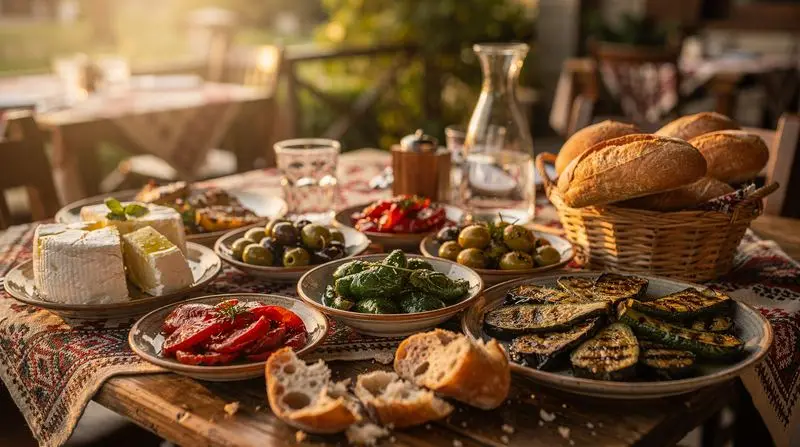
Albanian wine and Albanian food have coevolved in the same landscape, which is the simplest explanation for why they pair so well. Shesh i Bardhe with coastal seafood — the fresh fish of the Riviera, the mussels of Butrinti — is a natural and very successful combination. The wine’s acidity and minerality complement the flavors of the sea in the same way that white wines from other Mediterranean coastal areas do.
Kallmet with slow-roasted lamb or tave kosi (the national dish of lamb and yogurt) is a pairing of considerable depth: the wine’s tannin structure holds up against the richness of the meat, and the earthy character of well-aged Kallmet echoes the herbs and spices of Albanian lamb preparations.
Red Shesh i Zi works across a remarkable range of Albanian food: qofte, grilled meats, cheese-based dishes, even some of the richer vegetable preparations. Its soft tannins and medium body make it one of the more versatile red wines in the region.
For more context on Albanian food and the traditions that have shaped wine culture here, the Albanian food guide provides essential background. Our dedicated wine tasting guide covers organized tasting experiences across the country in more detail.
The Best Albanian Wine Producers
Albanian wine is produced by a growing number of private wineries ranging from small artisan operations making a few hundred cases per year to larger commercial producers supplying the domestic market and limited export customers. Knowing which producers to look for makes navigating Albanian wine lists and shop shelves considerably easier.
Cobo Winery in the Berat region is among Albania’s most decorated producers. The winery focuses on indigenous varieties and produces Shesh i Bardhe and Kallmet bottlings that represent the current ceiling of Albanian winemaking quality. The estate is family-run, has invested significantly in modern cellar equipment, and produces wines that have been received positively at international wine competitions.
Nurellari in the Shkodra region specializes in Kallmet, the northern red variety that the estate effectively pioneered as a quality wine rather than a bulk production grape. The Nurellari Kallmet aged reserve is one of the finest Albanian wines currently being made and develops impressive complexity with bottle age.
Botrini is a Berat-area producer of particular historical interest: the winery occupies the site of an ancient olive press and produces wines from both indigenous and international varieties with a consistent focus on quality. The Botrini white is particularly reliable.
Çobo Winery, also in the Berat area, is one of the pioneers of modern Albanian winemaking. The Çobo family established their winery in the 1990s and has been producing serious wines from the Puls and Shesh varieties for decades. Their experience shows in the consistency and character of the wines.
Miqesia, the Shkodra-area producer associated primarily with Kallmet, is more commercially oriented than the producers above but maintains good quality at accessible price points. The Miqesia wines are widely distributed and represent the best entry point into Albanian wine for visitors who encounter them in restaurants without prior knowledge.
Wine Tourism Beyond Winery Visits
Wine tourism in Albania extends beyond formal winery tours to include the experience of wine as it is consumed in the places where it is produced. A meal at a restaurant in Berat, accompanied by a carafe of locally produced wine poured from an unlabeled bottle, provides a more authentic integration of Albanian wine into Albanian life than any formal tasting room experience.
The wine-producing villages of the Berat region — accessible by car from the UNESCO city — have small family-run restaurants where the wine on the table is made by the family or a neighbor and the food comes from the same agricultural context. Spending an afternoon driving the back roads between Berat and the surrounding wine villages, stopping when something looks interesting, is one of the most rewarding things an interested traveler can do in central Albania.
The Permet wine area similarly rewards exploration beyond organized tours. The town itself has a small but growing wine bar scene where producers sell their wines by the glass, and the guesthouses in the area often serve their own wine with meals. The Vjosa valley landscapes around Permet — the dramatic river canyon, the limestone peaks, the terraced fields — provide one of the most beautiful contexts for wine tourism in the Balkans.
Albanian Wine Prices and Value
One of the strongest arguments for Albanian wine is its extraordinary value. A quality single-varietal bottling from a serious producer retails in Albanian wine shops for EUR 8-15. A winery visit with tasting included costs EUR 10-20 per person at most estates. Restaurant wine by the carafe — typically a local production — is priced from EUR 5-8 for a carafe that serves two comfortably.
By any comparison with French, Italian, Spanish, or Greek wine of equivalent quality, Albanian wine at these prices represents exceptional value. The opportunity to drink genuinely interesting, indigenous-grape wine in its region of production at these prices exists nowhere else in Europe.
The catch, of course, is that Albanian wine is barely exported. Finding these wines at home after a visit is difficult and usually impossible for the smaller producers. This makes the in-country experience of Albanian wine all the more worthwhile — it is an experience specific to being in Albania, and that specificity gives it a value beyond the liquid in the glass.
The Albanian Wine Regions in Detail
Albania’s wine production is concentrated in four main regions, each with distinct characteristics:
The Berat Region: The Osumi River valley around Berat has been producing wine since antiquity — the city’s name in ancient times was associated with wine culture. The red grape Shesh i Zi (literally “black sesh”) produces full-bodied, tannic reds here that benefit from short aging. The white Shesh i Bardhë (white sesh) produces aromatic whites with notes of green apple and Mediterranean herbs. The combination of the valley microclimate and traditional winemaking knowledge makes Berat reds some of the most characterful wines in the country.
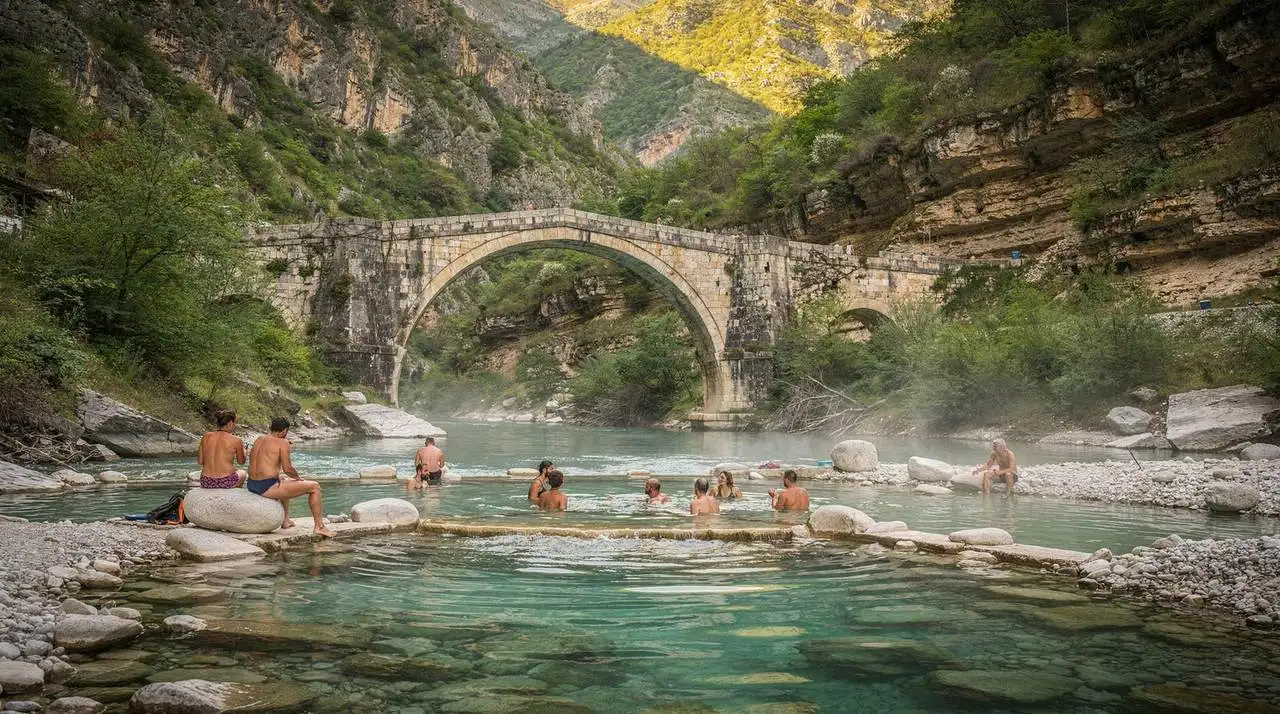
The Permet Region: The Vjosa River valley around Permet in southeastern Albania is perhaps the most exciting wine area in the country right now. The ancient grape Kallmet, grown here for centuries, produces reds with an unusual combination of earthy depth and fresh fruit. The Permet thermal baths and the Benja canyon make the region worth visiting for reasons beyond wine — combining a winery visit with a soak in the thermal springs is one of the best day experiences in southern Albania. The Permet winery tour and wine tasting visits the Vreshti i Pashait winery with a guide and full tasting experience.
The Shkodra Region (Kallmet heartland): The Kallmet grape is most associated with the Shkodra area in the north, where it has been grown for at least several centuries. Shkodra Kallmet is a distinct red variety — light ruby in color, high acidity, cherry and pomegranate on the palate — that pairs exceptionally well with lamb and grilled meats. Several family producers in the Shkodra area sell directly from their cellars; ask locally for recommendations.
The Lezha and Adriatic Coast Region: The coastal wines of northwestern Albania receive less attention than those further inland but produce interesting whites from local varieties grown in the maritime climate. The Puls grape (also called Shesh i Bardhë in some classifications) produces a distinctive coastal white.
Winery Visits and Wine Tourism
Albania’s wine tourism infrastructure is developing but still limited compared to established wine regions:
Near Tirana: The Lunder winery (Lundra) is approximately 20 minutes from Tirana city center and offers guided tours with wine tasting. The Lunder winery guided tour with wine tasting is the most accessible wine experience for visitors based in Tirana, covering the production process and finishing with a tasting of the estate’s wines.
Berat valley wineries: Several producers in the Berat area welcome visitors by appointment. The Berat guide mentions the wine bar scene in the Gorica neighborhood where local production can be sampled without formal winery visits.
Permet wineries: The Permet region’s wineries are the most developed for tourism, with the Vreshti i Pashait estate offering structured visits. The region combines wine with thermal springs, canyon hiking, and traditional Albanian cooking — making it the most compelling wine tourism destination in the country.
Albanian Wine in Restaurants
Navigating Albanian wine in restaurants:
Asking for local wine: “Keni verë vendase?” (Do you have local wine?) or simply “Verë shqiptare” (Albanian wine) will typically produce a response ranging from a house wine carafe to a short wine list of local bottles depending on the establishment.
Price expectations: A glass of Albanian wine at a good restaurant costs 250-500 lek (EUR 2.50-5). A bottle of quality Albanian wine costs 1,500-4,000 lek (EUR 15-40) at restaurant prices. These figures make quality wine accessible to virtually any travel budget.
The white versus red question: For seafood (the staple on the Albanian coast), a crisp Shesh i Bardhë or a coastal white is the natural pairing. For lamb, qofte, and heavier meat dishes (more prevalent in the interior and mountains), a Shesh i Zi or Kallmet red works well. Most Albanian restaurants will offer a recommendation if you describe what you are eating.
Combining a Wine Trip With the Rest of Albania
Wine tourism in Albania rarely stands alone, and building it into a wider itinerary is usually the more rewarding approach. A Berat-based day easily combines a morning at the UNESCO citadel with an afternoon driving the wine villages nearby, finishing with dinner and a carafe of local production back in town. A Permet-based day pairs even more naturally: the Benja thermal baths sit close enough to the Vreshti i Pashait winery that a soak and a tasting fit comfortably into the same afternoon, with the Vjosa canyon scenery as a backdrop to both. Travelers building a longer route through the south should also see the Albanian food guide for how wine, raki, and the region’s cooking fit together as a single, coherent experience rather than separate activities.
For visitors based on the coast rather than inland, a wine detour is still practical: Saranda and the Albanian Riviera are within a manageable drive of Permet’s wineries, making a full-day loop feasible without changing accommodation. Renting a car makes these combinations considerably easier than relying on furgon connections between wine regions, which run infrequently and are not designed around tourist schedules.
Frequently Asked Questions About Albanian Wine
Where can I buy Albanian wine to bring home?
The better wine shops in Tirana, particularly around Blloku, stock a decent range of boutique producers like Cobo, Nurellari, and Çobo, and staff can usually advise based on what you enjoyed while tasting locally. Buying directly at a winery during a visit is the most reliable way to get bottles from smaller producers who do not distribute widely, since supermarket selections tend to favor larger commercial brands over boutique estates.
Do I need to book a winery visit in advance?
For the more established wine-tourism operations near Tirana and Permet, booking a day or two ahead is sensible, especially in peak summer when tour groups fill available slots. Smaller family wineries, particularly in the Berat and Shkodra areas, often welcome visitors who simply show up, but calling ahead or asking your guesthouse to arrange it avoids finding the cellar closed.
Is Albanian raki related to Albanian wine?
Both typically come from the same agricultural base, since grape raki is distilled from the pomace or lower-grade grapes left over after wine production, making the two drinks genuinely complementary rather than competing products at many family wineries. Plum and mulberry raki are made separately from other fruit and are unrelated to the vineyard. Wineries in the Permet area in particular often produce both, and a tasting there frequently includes a small pour of the estate’s raki alongside its wines, giving a fuller picture of how the same land supports both traditions.
Sparkling and Rosé: The Newer Additions
Alongside the established still whites and reds, a small but growing number of Albanian producers have begun experimenting with sparkling and rosé styles, responding to rising domestic demand and to visitor requests that traditional producers did not always see coming. Rosé made from Shesh i Zi or Kallmet grapes, pressed briefly for color, has appeared on more wine lists in Tirana and coastal restaurants over the past few years, offering a lighter option for warm-weather drinking that pairs naturally with the grilled fish and mezze-style starters common on the coast.
Sparkling wine production remains rare and mostly experimental, produced in small batches by a handful of forward-looking estates rather than as an established category, so finding it typically requires asking directly at a winery rather than expecting it on a standard restaurant list. Neither style has the depth or history of the indigenous reds and whites, but both are worth trying if offered, since they represent where a handful of ambitious Albanian producers are taking the category next.