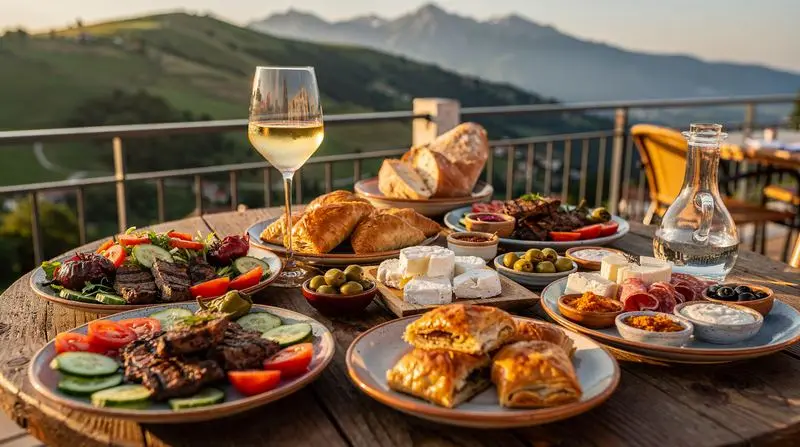
Albania in 10 Days: The Definitive Foodie Itinerary
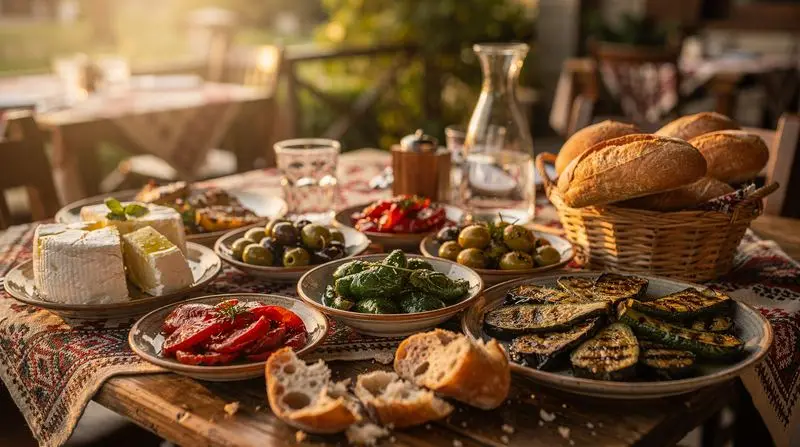
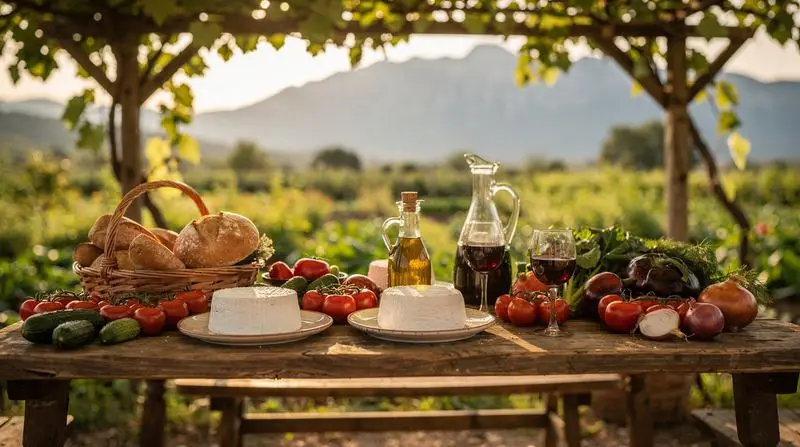
Albanian food is one of the Mediterranean’s great undiscovered culinary traditions. It draws on Ottoman cooking techniques, Byzantine grain culture, Venetian coastal influences, and indigenous Illyrian agricultural practices to produce a cuisine of remarkable variety and quality — a cuisine defined by extraordinary raw ingredients: ancient-tree olive oil, highland lamb and goat, lake fish found nowhere else, wild herbs gathered from mountain slopes, and fermented dairy products of a quality that rivals anything in the wider Mediterranean.
This ten-day itinerary connects Albania’s most rewarding food and drink experiences in a logical geographic arc: Tirana’s restaurant and market scene, the wine country around Durres, Berat’s cooking class tradition and UNESCO culinary heritage, the Permet Valley’s roses, gliko, and wine, Gjirokastra’s highland food character, Saranda’s seafood, and Korca’s celebrated brewery and regional cuisine.
This is not a tour of fine dining restaurants. Albania does not yet have a fine dining scene of international calibre. What it has is something more interesting: outstanding raw ingredients, living food traditions, genuine hospitality, and a food culture that is still primarily domestic rather than performative.
| Where | Tirana → Durres → Berat → Permet → Gjirokastra → Saranda (→ Korca optional) |
| Cost | around EUR 200–350/person for 10 days of food and drink |
| Time needed | 10 days, with a car recommended |
| Getting around | Self-drive or private transfers between stops; furgons work but slow the pace |
| Best time | September–October (harvest) or May–June (rose season in Permet) |
Route Overview
Days 1-2: Tirana — city food culture Day 3: Tirana to Durres — wine and coastal seafood Days 4-5: Berat — cooking class, wine, UNESCO food culture Day 6: Berat to Permet — Vjosa Valley food and wine Day 7: Permet — roses, gliko, raki, and thermal baths Day 8: Permet to Gjirokastra — highland food traditions Day 9: Gjirokastra to Saranda — seafood on the Ionian Day 10: Saranda or return to Tirana via Korca
Days 1-2: Tirana — City Food Culture
Tirana has undergone a restaurant and food scene transformation in the past decade. The capital now has genuine variety: traditional Albanian cooking at its best, regional specialist restaurants, a growing wine bar culture, and a coffee scene that rivals any European capital for seriousness and quality.
The Tirana Food Tour
Start with a structured food tour to orient your palate to Albanian food culture. The Tirana city food tour with meals included is a small-group guided experience that visits markets, traditional bakeries, and local restaurants, covering the essential Albanian food vocabulary: byrek, tavë kosi, grilled meats, fermented dairy, and the culture of Albanian coffee.
What to Eat in Tirana
Byrek: Albania’s most universal food — filo pastry layered with cheese (djathë), spinach and egg, or meat. Every neighbourhood has a burek shop serving fresh-baked trays from early morning. The best byrek is eaten immediately, hot from the oven.
Tave kosi: Baked lamb with eggs and yoghurt — Albania’s national dish, slow-cooked in clay pots. Every good Albanian restaurant has a version.
Qofte: Grilled minced meat in various forms — flat köfte, rolled fingers, or stuffed peppers.
Fergese: A Tirana-specific dish of offal (or tomatoes and peppers in the vegetarian version) baked in a clay pot. Uniquely Tiranit.
Coffee: Albanian coffee culture is serious and pervasive. The traditional turke (Turkish coffee, thick and unsweetened) competes with macchiato and espresso. Coffee is a social ritual — an invitation for coffee (rrimë një kafe?) is a genuine offer of connection.
Tirana’s Markets
The Old Bazaar (Pazari i Ri) is the most rewarding food market in the city — a recently restored 19th-century market complex with fresh produce stalls, cheese vendors, honey sellers, and butchers alongside restaurants and cafes. Go in the morning for peak activity.
The larger outdoor market on the ring road has seasonal produce, dried beans, wild herbs, mountain honey, and homemade raki sold informally. This is where Albanian households shop.
Day 3: Durres and the Wine Country
Drive from Tirana to Durres (30 minutes) and beyond, exploring the wine country on the coastal plain. The Durres hinterland has several wineries producing quality Albanian wine, particularly from the Shesh i Zi (Black Shesh) grape — an indigenous variety that produces robust, food-friendly red wines.
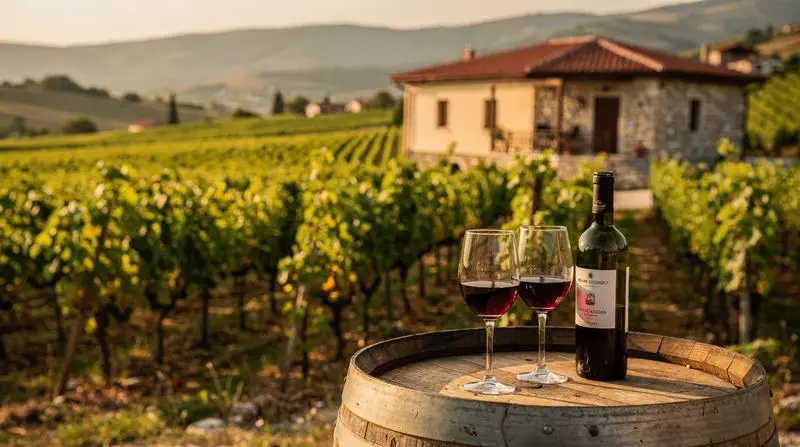
Albanian wine is one of the sector’s great secrets. The country has been producing wine for at least 3,000 years, but the communist period largely erased the private wine culture. Since 2000, serious winemakers have been rediscovering both Albanian native varieties and international ones planted in Albanian terroir, with results that regularly surprise international critics.
Visit a Durres-region winery: Several wineries in the Durres-Kavaje area now accept visitors. Ask your accommodation or tour operator for current recommendations — the scene changes as new producers come to market.
Durres seafood lunch: Durres is Albania’s main Adriatic port city, and its seafood is excellent. The waterfront restaurants serve fresh fish, grilled octopus, mussels, and seafood salads at prices far below equivalent meals in Montenegro or Croatia.
Roman Amphitheatre: While primarily a food day, Durres has a remarkable Roman amphitheatre partially excavated within the city fabric — worth 30 minutes.
Evening return to Tirana or onward to Berat (2 hours from Durres).
Days 4-5: Berat — Cooking Class and Ottoman Food Heritage
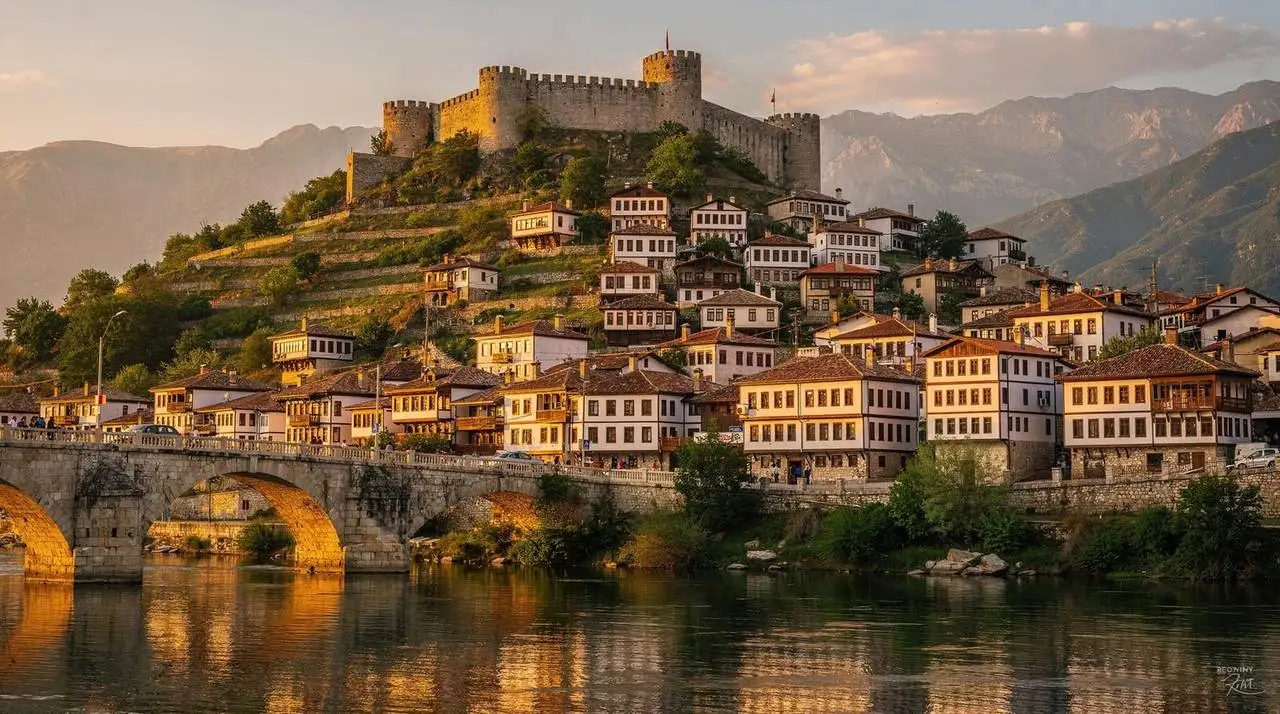
Berat is Albania’s most rewarding food destination after Tirana — a city where the Ottoman food heritage is still alive in the cooking, where local wine production is serious and accessible, and where cooking classes offer the most direct engagement with Albanian culinary tradition available anywhere.
The Berat Cooking Class
The Berat cooking class is consistently rated among the best food experiences in Albania. In a working home or traditional kitchen, you will prepare a multi-course Albanian meal using local ingredients: typically byrek from scratch, a slow-cooked main, stuffed vegetables, and a traditional dessert.
The class covers both technique and context — why Albanian food uses so much olive oil (the ancient olive tree cultivation of the region), how Ottoman-era cooking survived into Albanian homes, and how ingredients from the surrounding land appear on the table. The meal you prepare is the meal you eat.
Book ahead, particularly in summer — the cooking class has limited capacity and books out weeks in advance.
Berat Wine and Olive Oil
The Berat region is one of Albania’s main wine-producing areas. Cobo Winery is the best-known label, producing internationally recognised wines from both indigenous Albanian and international grape varieties. Their estate near Berat accepts visitors for cellar tours and tastings.
Berat olive oil — pressed from groves in the Osum River valley — is among the finest in Albania. The ancient olive trees here are genuine, some estimated to be thousands of years old. Farm visits during harvest season (November-December) are a spectacular agrotourism experience. See the agrotourism Albania guide for details.
Berat Day 2: City Exploration and Traditional Restaurants
Spend the second Berat day exploring the UNESCO city itself — the Kalaja castle quarter, the Mangalem Ottoman neighbourhood, and the Gorica quarter across the Osum River.
Berat’s old town restaurants serve the most traditional versions of Albanian food in the country. Look for restaurants in the old bazaar area and in guesthouses within the castle. The local speciality qifqi (fried rice-and-herb balls) is uniquely Berati and found nowhere else.
Day 6: Berat to Permet — Vjosa Valley Food Country
Drive south from Berat to Permet through the Vjosa Valley (approximately 2 hours). The valley road passes through a landscape of poplars and river gravel, with the snow-capped Nemerçka Mountains rising to the east.
Permet is Albania’s most food-intense small city. It is the capital of Albanian gliko (spoon sweets), the home of famous raki distillers, a centre of rose cultivation and rose-product production, and the location of several excellent wineries.
Arrive in Permet in time for late afternoon. Visit the central market — in Permet, even the daily market has an exceptional character: fresh produce, homemade jams and preserves, local cheese, wild herbs, and the famous sweet rose-petal products.
Evening at a Permet restaurant: Try the local specialities — local river fish (from the Vjosa), qingji i pjekur (roasted lamb), and home-produced wine or raki.
Day 7: Permet — Roses, Gliko, Raki, and Thermal Baths
A full day in the Permet area, combining food and beverage experiences with the extraordinary natural attraction of the Benja thermal baths.
Morning — Vreshti i Pashait Winery: The most notable Permet area winery has developed a proper visitor experience — vineyard walk, cellar tour, and tasting of their range of wines made from both Albanian and international varieties. The Vreshti i Pashait winery tour and wine tasting near Permet is bookable in advance and provides an excellent morning’s engagement with Albanian wine culture.
Midday — Gliko and Raki: Visit a local producer of Permet gliko — the spoon sweets for which the region is famous throughout Albania. Rose-petal gliko is the most prized variety; walnut, fig, and quince versions are also made here. Many producers welcome visitors who express genuine interest; your accommodation can advise on current contacts.
The raki culture in Permet is equally important. Raki distilled from Permet grapes, plums, or figs has a reputation as some of the finest in Albania. Informal raki tasting (offered universally as hospitality, never charged for) is an experience in its own right.
Afternoon — Benja Thermal Baths: The limestone canyon of the Lengarica River, 7km from Permet, contains natural hot springs at around 32°C. The Ottoman bridge nearby adds architectural beauty to the natural drama of the canyon. Soak in the thermal pools, explore the canyon walls, and watch the Lengarica River rush past below.
Day 8: Permet to Gjirokastra — Highland Food
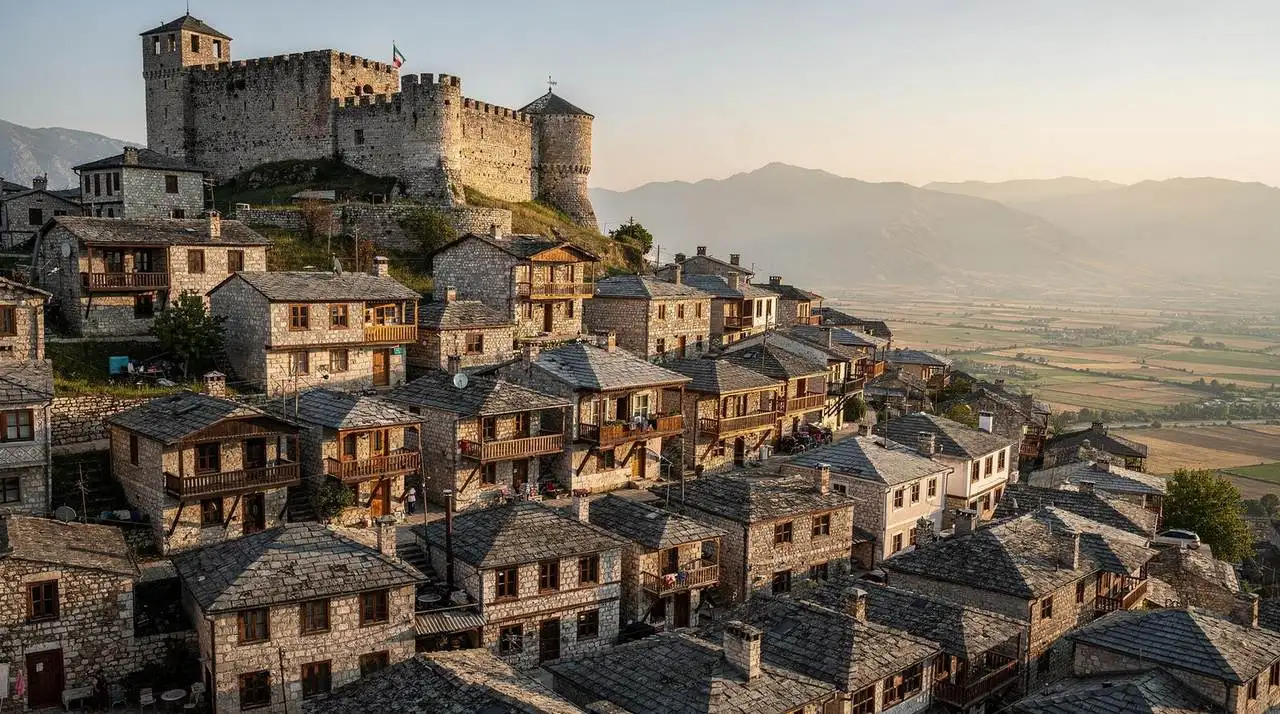
Drive from Permet to Gjirokastra (approximately 1.5 hours). Gjirokastra is the second of Albania’s two UNESCO World Heritage cities — a dramatic hillside city of grey stone houses and an Ottoman castle dominating the valley below.
The Gjirokastra food culture is distinct from the coastal and valley areas. Highland herbs, air-dried meats, fermented dairy, and the food preservation traditions developed by communities historically cut off from coastal trade dominate the character.
Morning market: Gjirokastra’s morning market has the most distinctive character in southern Albania. Local farmers bring highland produce — wild-gathered herbs, mountain honey, aged cheese, preserved meats, seasonal vegetables — in quantities and varieties you will not find in city supermarkets.
The Gjirokastra Bazaar: The old bazaar area below the castle has traditional food shops selling local products — dried herbs, cheese, pickled vegetables, and house-produced preserves. This is the right place to purchase Gjirokastra food products to take home.
Gjirokastra restaurant lunch: Gjirokastra’s restaurants specialise in slow-cooked meat dishes and traditional baked preparations. Look for gjellë me erëza (slow-cooked lamb with herbs) and the local take on fergese.
Castle and city exploration in the afternoon: The Gjirokastra Castle houses the National Armaments Museum and a restored bazaar area with craft workshops. The views from the castle battlements over the Drinos Valley are extraordinary.
Day 9: Gjirokastra to Saranda — Ionian Seafood
Drive from Gjirokastra to Saranda (approximately 1 hour via the Blue Eye spring — stop for 30 minutes at this remarkable karst spring).
Saranda on the Ionian coast provides the contrast to the mountain interior — seafood, coastal produce, Greek Ionian culinary influence from the nearby Corfu proximity, and a waterfront dining scene that is among Albania’s most varied.
Saranda seafood lunch: The waterfront restaurants serve the day’s catch in straightforward preparations — grilled sea bass (levrek), octopus, sea bream, mussels, and mixed fish plates. Sarandë’s proximity to Greek waters means the menu quality is high.
Afternoon: The Ksamil islands (accessible by boat or water taxi, 20 minutes from Saranda) provide a natural afternoon complement to the morning drive — swimming in extraordinary water, beach restaurants serving fresh fish, and the quieter pace of the southern Riviera.
Saranda wine bar evening: The Saranda waterfront has several wine bars serving Albanian wine alongside good food. This is the most relaxed evening setting in the itinerary — sitting by the Ionian at sunset with a glass of Berat wine and a plate of fresh seafood is a perfect penultimate night.
Day 10: Return via Korca (Extended) or Direct to Tirana
Option A — via Korca (adding 3-4 hours): Drive north through the Gjirokaster-Permet-Korca axis, stopping in Korca for lunch and a Birra Korca brewery visit before the final drive back to Tirana. Korca completes the Albanian food map — its Germanic-influenced beer culture (Korca city had significant German influence in the early 20th century), refined provincial restaurant scene, and the excellent Korca-region cheeses make it a fitting final food destination.
Option B — direct return: Drive the 3.5-4 hours from Saranda directly to Tirana via the coastal road and Fier junction. This is faster and leaves time for a final Tirana dinner before departure.
Food and Drink: Albanian Essentials
Olive oil: Buy a bottle (or a can) of Albanian olive oil. The best comes from Berat and Vlora regions. Unfiltered, cold-pressed, extraordinarily flavoured.
Raki: Albania’s spirit, distilled from various fruits depending on region. Grape raki (from Permet), plum raki (Shkodra area), and mulberry raki (various) are the main varieties. Always offered as hospitality; buy a bottle as a souvenir.
Wine: Albanian wine is genuinely worth exploring. Kosovar Shesh i Zi, Cobo Winery from Berat, and the Permet Valley wines are the most reliable producers currently.
Cheese: Djathë i bardhë (white cheese) is the most common — similar to feta but with distinct Albanian character. Ask for locally produced artisan cheese at markets.
Gliko: Permet spoon sweets. The rose-petal version is the most prestigious. Buy small jars at Permet market.
Booking Cooking Classes and Food Tours Ahead
The Berat cooking class and the Tirana food tour are the two experiences most likely to sell out, particularly in July–August. Book both at least a week ahead if your dates are fixed; a few days is usually enough outside peak season. Wineries in Permet and Durres are more flexible about walk-ins, but a message to your guesthouse the day before still improves your odds of a proper tasting rather than a rushed one. See the agrotourism Albania guide for farm and winery visits beyond the ones named on this route.
Adapting the Route for Fewer Days
If 10 days isn’t realistic, the itinerary compresses reasonably well:
7 days: Cut Durres (fold a winery stop into the Tirana-Berat drive instead) and go straight from Gjirokastra to Tirana rather than looping via Korca.
5 days: Focus on Tirana, Berat, and Gjirokastra only — the three stops with the highest food-experience density per day. Pair this with the southern cultural tour itinerary, which covers similar ground with a heritage rather than food lens.
14+ days: Add Korca properly (rather than as a Day 10 detour) and Voskopoje, and consider a Riviera extension from Saranda toward Himara and Vlora for coastal seafood beyond the Ionian stretch covered here — see the best restaurants Himara guide if you extend that far.
Eating Seasonally: What Changes Through the Year
Albanian food is deeply seasonal, and this itinerary tastes noticeably different depending on when you run it. In spring, markets fill with wild greens, fresh peas, and the first cherries; Permet’s roses aren’t yet in bloom, so gliko production is still working through last year’s preserves. Summer brings the fullest produce markets and the busiest restaurant scene, but also the highest prices and the need to book the Berat cooking class well ahead.
Autumn — September and October — is the itinerary’s strongest season: grape harvest coincides with wine-focused stops in Durres and Permet, fig and walnut season enriches the gliko and cheese offerings, and the weather is comfortable for the driving between stops. Winter narrows the itinerary’s scope somewhat (some smaller producers close or scale back), but Tirana’s restaurant and coffee scene runs year-round regardless, and Berat’s cooking classes operate on demand throughout the year with advance notice.
Vegetarian and Dietary Notes Beyond the FAQ
Beyond the general vegetarian-friendliness covered below, a few practical notes for this specific route: Berat’s cooking class can usually accommodate a vegetarian version of the menu if you flag it when booking — ask explicitly rather than assuming. Permet’s gliko, cheese, and wine focus is naturally vegetarian-friendly, and the market visits throughout the itinerary work well for anyone assembling their own picnic meals around dietary restrictions. Saranda’s seafood-heavy day is the one stretch where vegetarians should expect fewer highlights; the wine bar evening still works well as a substitute focus. See the vegetarian Albania guide for restaurant-level detail across all the itinerary’s stops.
Frequently Asked Questions About the Foodie Albania Itinerary
Is Albanian Food Vegetarian-Friendly?
More so than many Balkan cuisines. Byrek with cheese, spinach, or leek; stuffed peppers; flia (layered pancake dish); various vegetable preparations; and fermented dairy options make vegetarian eating manageable throughout the itinerary. Vegan eating requires more effort but is possible.
How Much Does Eating Well in Albania Cost?
Remarkably little. A full restaurant meal with wine at a good restaurant costs EUR 15-25 per person. Market shopping for picnic food costs EUR 3-5 per person. Cooking class prices run EUR 25-40 per person. The total food and drink budget for 10 days at moderate spending is typically EUR 200-350 per person.
When Is the Best Season for the Foodie Itinerary?
September and October are ideal: grape harvest and wine-making season, apple and fig picking, end-of-summer vegetable production at its peak, and the beginning of mushroom season. May-June is excellent for rose season in Permet and fresh spring produce. The itinerary works year-round, with the July-August peak season being busier but still rewarding.
Do Albanian Restaurants Have English Menus?
In Tirana, Berat, Gjirokastra, and Saranda — yes, most tourist-facing restaurants have English menus or staff who speak English. In smaller towns and at market stalls, Albanian or Italian is more likely. Photographs on menus and pointing at what other diners are eating are universal communication tools.
Can I Bring Albanian Food Products Home?
Yes, with customs consideration. Olive oil, wine, raki (in checked luggage), dried herbs, preserved foods, and gliko (spoon sweets) are generally permitted in most countries’ customs allowances. Check specific regulations for your home country, particularly regarding meat products. Liquid rules for carry-on luggage apply to olive oil, wine, and raki.