There is a particular feeling you get when you arrive somewhere before everyone else does. It is not quite smugness — or maybe it is a little bit smugness — but mostly it is a specific joy: the sense of being present at the beginning of something, of experiencing a place in a form that will not exist much longer. We have felt it in Albania repeatedly over the past few years, and we feel it more urgently every time we go back.
The question is not whether Albania will become a mainstream European destination. It will. The question is how quickly that happens and what gets lost along the way. Based on what we are seeing, the window for experiencing Albania as it exists right now — genuinely undiscovered, genuinely affordable, genuinely raw in all the best ways — is closing faster than most people realize.
Here is the case for why Albania holds this title, and why you should care.
| Still uncrowded | The north — Theth, Valbona, Koman Lake |
| Changing fastest | The Riviera coast between Vlora and Saranda |
| Best window | May-June or September, before/after peak crowds |
| Getting there | Fly into Tirana; roads and connections keep improving |
What “Hidden Gem” Actually Means
Travel writing overuses this phrase. Every city with a decent market and a slightly-off-the-beaten-path location gets called a hidden gem at some point. When we use the term for Albania, we mean something more specific.
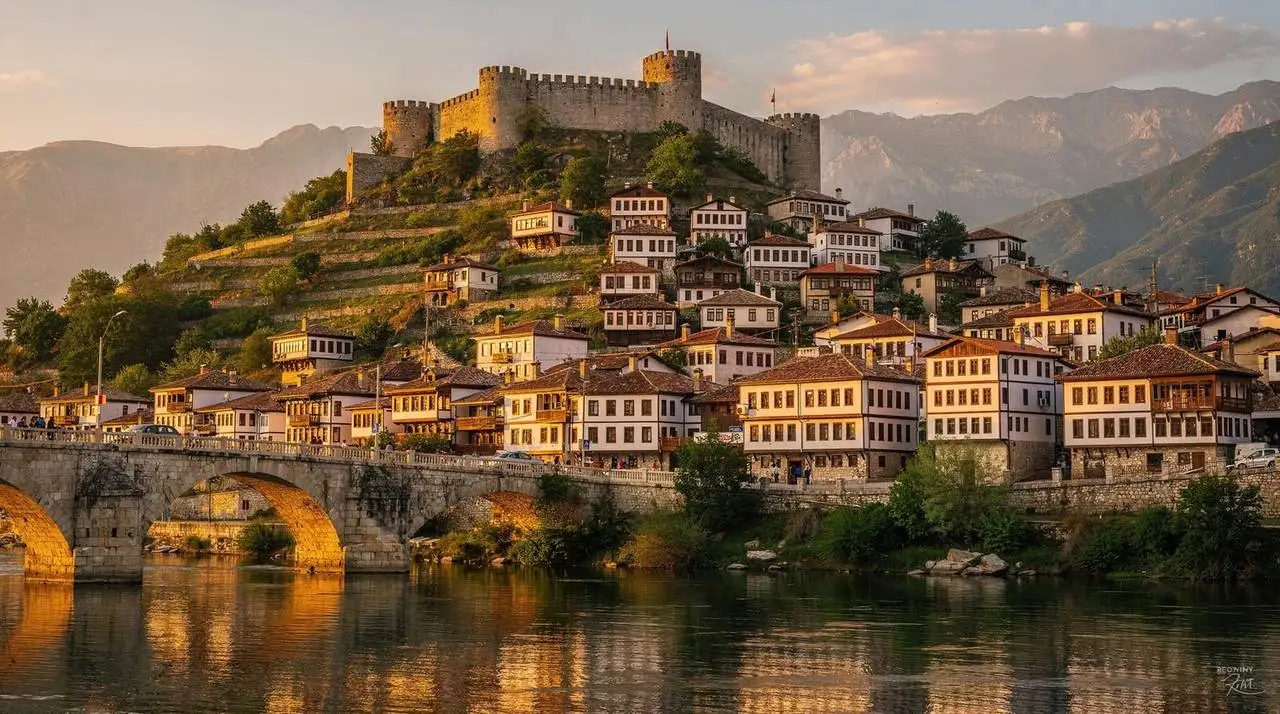
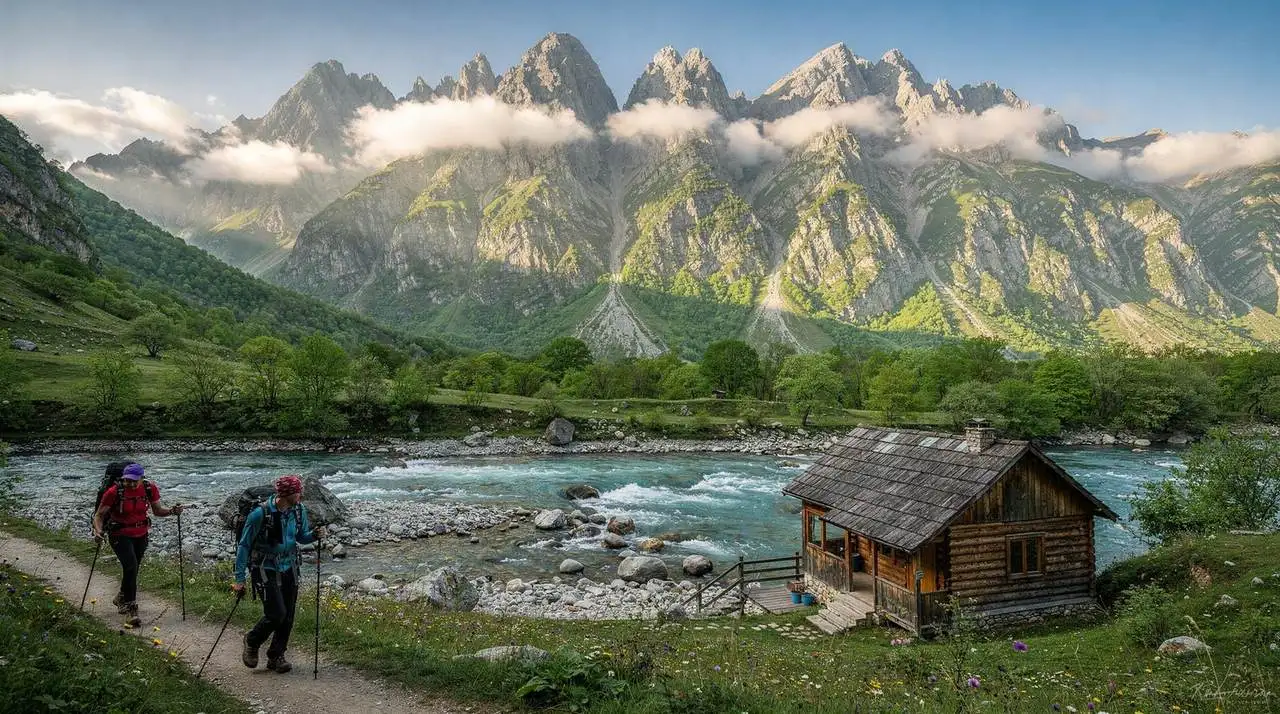
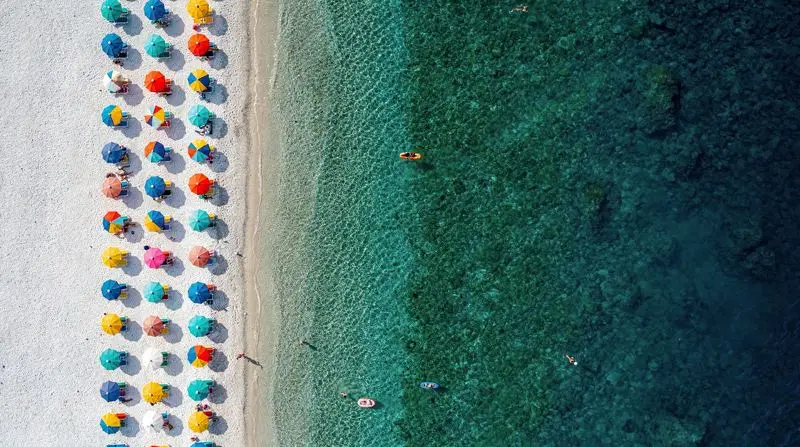
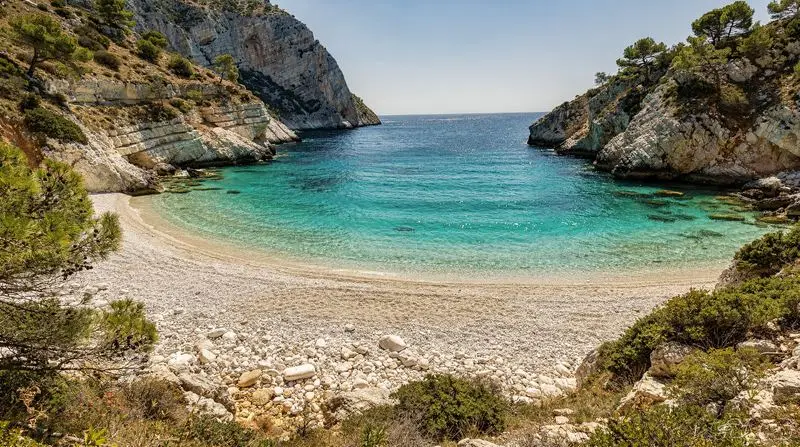
We mean a country with a UNESCO-listed medieval city — Berat — that still sees a fraction of the visitors that Dubrovnik or Prague receive on a single weekend. We mean coastal beaches with Ionian water so clear you can see fifteen meters to the bottom, that on a July afternoon hold a few dozen sunbathers rather than a few thousand. We mean Albanian Alps valleys like Theth where the hiking is world-class and the only other people on the trail might be a local shepherd.
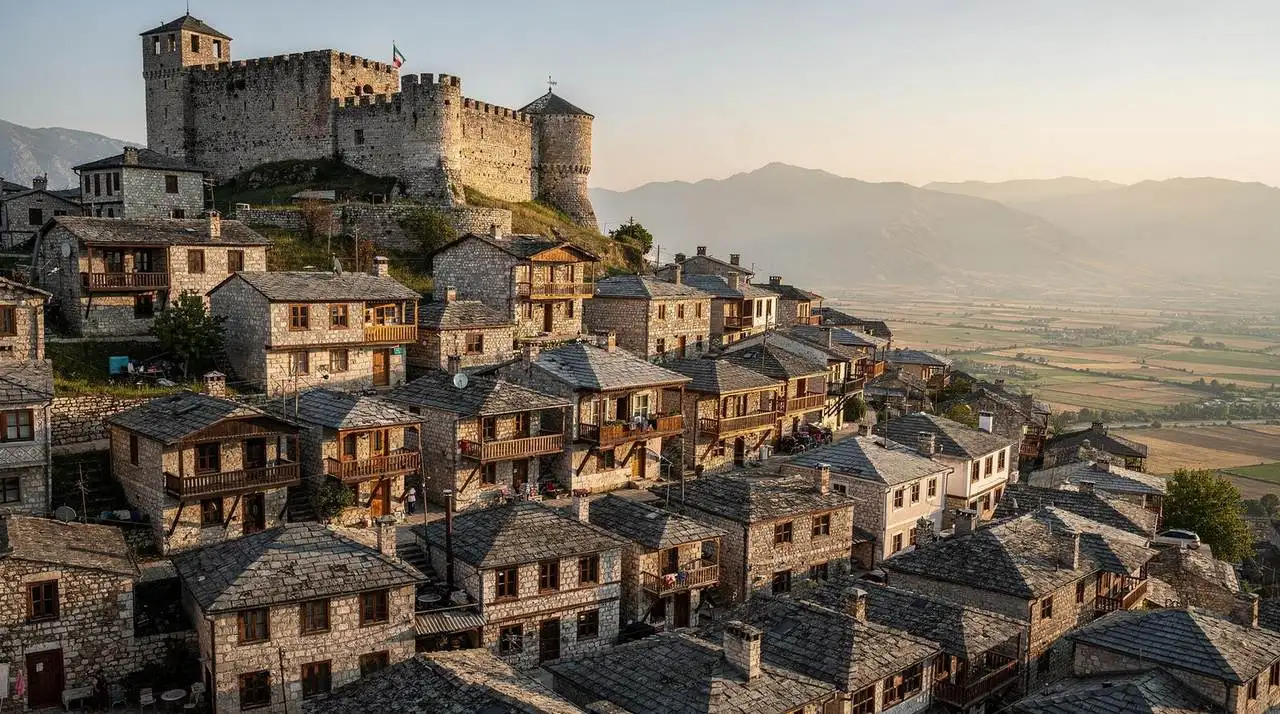
We mean a country where you can pull up to a guesthouse in Gjirokastra without a reservation in August and be welcomed in, fed a home-cooked meal, and given a room with a view of one of Europe’s most extraordinary townscapes, all for less than twenty-five euros. This is what hidden gem means when applied accurately: a destination with objectively exceptional qualities that has simply not yet received the international recognition it deserves.
Why Albania Stayed Hidden So Long
The answer is mostly historical. Albania spent forty-five years under one of Europe’s most extreme communist dictatorships, a period of isolation so complete that by 1990 it was arguably the most closed society on the planet. When the regime collapsed, the country emerged into the post-communist world without the tourist infrastructure, international connections, or public image that other Eastern European countries had been quietly building.
The 1990s were chaotic. A catastrophic pyramid scheme collapse in 1997 triggered armed conflict that destabilized the country and cemented an image of danger and dysfunction in the international press that proved difficult to shake. Albania spent the following two decades quietly rebuilding, reforming, and developing — largely unnoticed by the outside world.
The Albania that exists today is not the Albania of those news reports. The country is stable, democratic, and actively pursuing European Union membership. Tirana has been transformed from a grey communist capital into a genuinely vibrant city. The road network has improved dramatically. Tourism infrastructure has developed rapidly. The country is ready for visitors in a way that would have been unrecognizable fifteen years ago.
But the old reputation lingers. People who have not been there still ask us nervously about safety, about crime, about whether the roads are passable. Those questions are outdated. Our Albania safety guide answers them directly — the short version is that Albania is safe for independent travel including for solo travellers, and the concerns stem from news footage that is thirty years old.
The hesitation that reputation creates is precisely why Albania has remained undiscovered by the mainstream for this long.
The Evidence That the Window Is Closing
When we first started visiting, Albania received around 4 to 5 million tourists per year. By 2019, that number had risen to nearly 6 million. International flight connections have multiplied. Boutique hotels have opened in Berat and Gjirokastra. Tour operators in France, Germany, and the UK have begun adding Albanian itineraries to their portfolios. Travel publications that would never have mentioned Albania five years ago are now running feature pieces.
The Albanian government is actively pursuing tourism as an economic development strategy. Investment in coastal infrastructure is accelerating. The EU accession process is creating pressure to further improve roads, services, and hospitality standards.
All of this is good news for Albania. It means better incomes for local communities, improved services for visitors, and greater international recognition for a country that has genuinely earned it. But it also means that the particular quality of the Albania that exists right now — the slightly rough edges, the sense of stepping off the tourist trail onto something real — will gradually smooth over. Prices will rise toward regional norms. Popular spots will grow crowded. The magic of being somewhere before the world arrives will fade.
What Makes It Worth Rushing
We do not want to sound alarmist. Albania will not become the next Dubrovnik in five years. The country is large enough and diverse enough to absorb significant tourism growth without losing its essential character. But the specific window we are talking about — the one where you can walk through Berat’s castle at dusk with almost no other visitors, or have an empty Ksamil beach to yourself in early September — that window is genuinely finite.
The Albanian Riviera especially is changing fast. Development that would have been inconceivable a decade ago is happening now along the coast. Some of it is appropriate and well-managed; some of it is less so. The beaches that feel pristine today will not feel that way forever.
The mountain regions are more resilient. The valleys around Theth and Valbona retain their wilderness character because the terrain itself imposes limits on development. This is where the more adventurous and patient traveler will continue to find the Albania that exists in these pages for the longest time. Our hiking in the Albanian Alps guide and Theth-Valbona hike guide cover these areas in detail.
The Beaches: See Them Now
The coast between Vlora and Saranda is the area changing most visibly and most rapidly. New hotels, beach clubs, and restaurants are opening each season. Some beaches that felt untouched a few years ago now have sunbed operators and bars. This development brings amenities and jobs, but it also takes something away.
The beaches worth prioritising while they retain their character: the coves accessible only by boat from Himara, the hike-in beach at Gjipe, the remote stretches north of Palasa, and the Ksamil Islands visited in June rather than August. The best beaches guide ranks these specifically and honestly.
Boat tours remain the best way to access the hidden coastline. Albanian Riviera boat tours from Himara give you access to coves that no road reaches, and these are precisely the spots that have changed least as the accessible coast develops.
The Cities: Get There Before Everyone Else Does
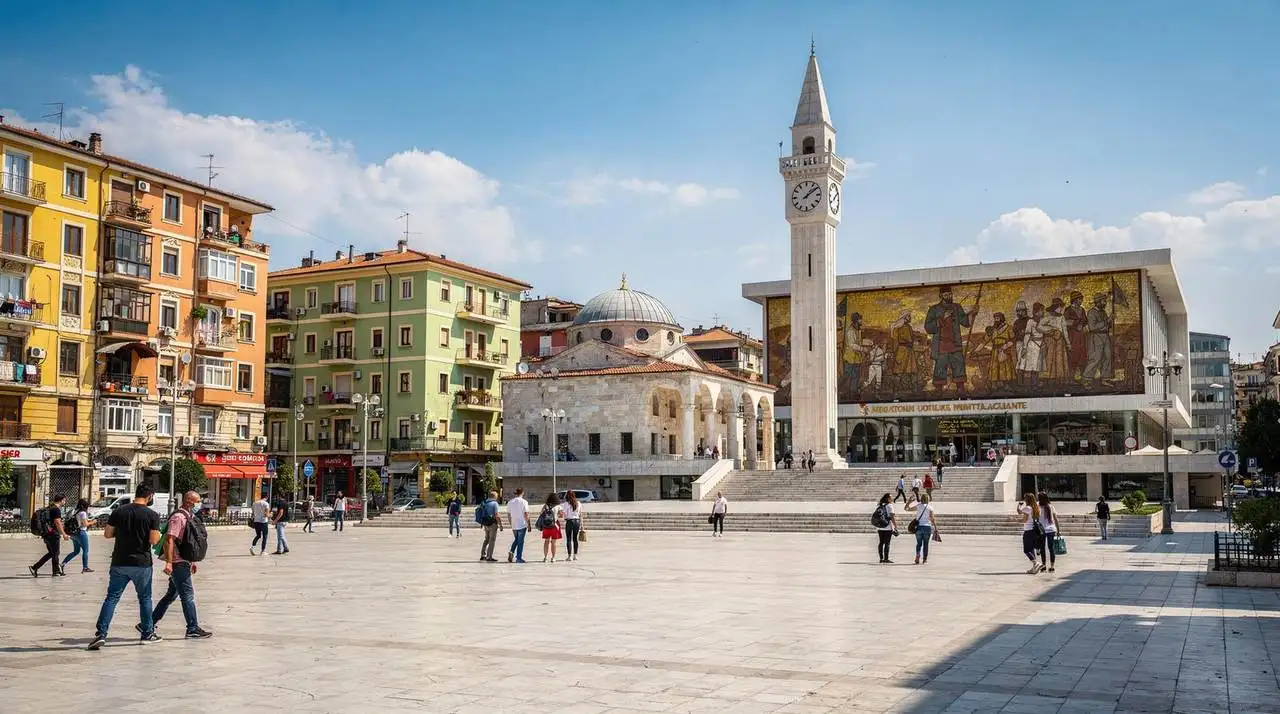
The walking tour of Tirana that you can take today — stopping at the Blloku neighbourhood, the Pyramid, the BunkArt museums, the New Bazaar — gives you a city in the middle of becoming something, not yet settled into what it will eventually be. This is an extraordinary time to visit. A Tirana walking tour right now means walking a city that is actively figuring out its relationship with its own history. That is more interesting than any finished, packaged city tour.
In Gjirokastra, a guided city tour of Gjirokastra shows you the castle, the Ottoman bazaar, and the remarkable fortified houses in a city that is still undervisited enough that a guided group does not feel like a theme park experience. The guide can stop and talk without worrying about the schedule because there is no crowd behind them waiting. This will not always be true.
Berat, similarly, rewards a slow visit now that it will not quite reward in five years when the visitor numbers have doubled. Take the day trip from Tirana, but better yet, spend two nights and let the city work on you the way it is supposed to work. Our 14-day Albania itinerary structures a proper introduction to both cities alongside the coast and mountains.
Where “Hidden” Still Means Hidden
If you only have time for one part of the country that genuinely still delivers on the hidden-gem promise, make it the north. Valbona and Theth remain wilderness by any honest measure, the Koman Lake ferry is still one of the least-known great journeys in Europe, and towns like Korça and Voskopoja see a fraction of the visitors the south now attracts. Inland southern towns hold up nearly as well — Permet and the Vjosa valley have the same undiscovered quality Berat had a decade ago, without the crowds that now find their way to the castle at sunset. If your window for an undiscovered Albania trip is genuinely limited, weight your itinerary toward these places over the increasingly developed coast.
A Note for the Next Few Years
None of this means avoid the Riviera or the well-known cities — Berat and Gjirokastra earn their reputation and remain extraordinary even as visitor numbers grow. It means going into those places with eyes open: book ahead where you would not have needed to a few years back, expect a livelier atmosphere in Ksamil and Dhermi than the old traveller reports describe, and treat the quieter alternatives as equally valid rather than lesser substitutes. Our Albania in autumn guide and Albania in spring guide both cover the shoulder-season approach that keeps the “hidden gem” feeling alive even as the country’s popularity grows.
Why This Matters Beyond Tourism
There is something worth saying here that goes beyond travel recommendations. Albania is a country trying to find its footing in the modern world while holding onto an identity that is genuinely its own — ancient, proud, complex, and unlike anything else in Europe.
Tourism done well can support that identity: it creates economic incentives to preserve historic architecture, maintain traditional food culture, protect natural landscapes, and promote the hospitality values that have always defined Albanian culture. Tourism done badly does the opposite: it strips away authenticity, prices out local communities, and transforms living places into theme parks.
The Albania we want to see succeed is the one that benefits from international attention without being overwhelmed by it. The travelers who come now, who spend thoughtfully, stay in local guesthouses, eat in family restaurants, and engage with the culture with genuine curiosity, are contributing to that outcome.
Our Honest Advice
Go to Tirana for two or three days and let the city’s energy surprise you. Head south to Berat and spend at least two nights — one is not enough to feel the pace of the place. If the season is right, continue to the coast and find a spot along the Albanian Riviera that suits your idea of a beach. If you have time and any appetite for adventure, go north to the Alps and walk one of the trails that links the mountain villages.
A practical starting point: our how to get to Albania guide covers flights, entry requirements, and the best routes into the country. Getting there is easier than it was even two years ago, and the time you save on logistics is time you can spend in places that are still, for now, yours to discover.
Do not try to do everything on a first trip. The country will still be here, and you will want an excuse to come back.
But do not wait too long, either. The Albania that caught our hearts is still very much alive. The window is still open. We would hate for you to miss it.