Skiing in Albania: Europe’s Most Underrated Snow Destination
Albania is not the first country that comes to mind when planning a ski holiday, but that oversight is precisely what makes it such a rewarding destination for skiers willing to look beyond the familiar. Albania offers downhill skiing, backcountry ski touring, snowshoeing, and a winter mountain culture that costs a fraction of what you would pay in Austria, France, or even Bulgaria and Serbia.
The main resort is Dardha, a traditional village in the mountains above Korca in southeastern Albania. The Albanian Alps in the north — particularly the Valbona and Theth valleys — offer spectacular backcountry ski touring for experienced ski mountaineers. And the overall winter travel infrastructure, while modest by Western standards, is sufficient for visitors who pack their sense of adventure alongside their ski gear.
This guide covers everything you need to know: where to ski, what to expect, how much it costs, and how to plan a winter Albania trip around the ski experience.
| Main resort | Dardha, near Korça (~1,500m) |
| Season | Late December to early March |
| Lift pass | Around EUR 10-15/day |
| 4-day trip cost | Around EUR 200-350/person all-in |
| Best for | Beginners, intermediates, budget skiers |
Dardha Ski Resort: Albania’s Premier Ski Destination
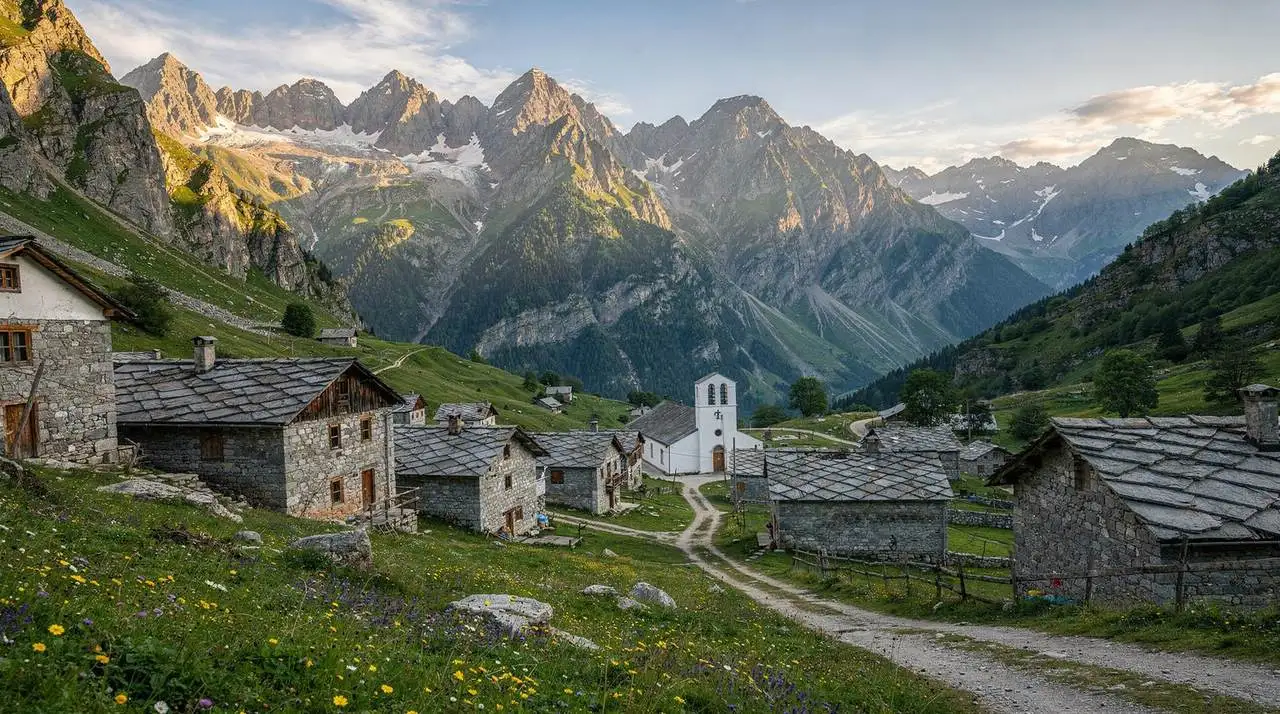
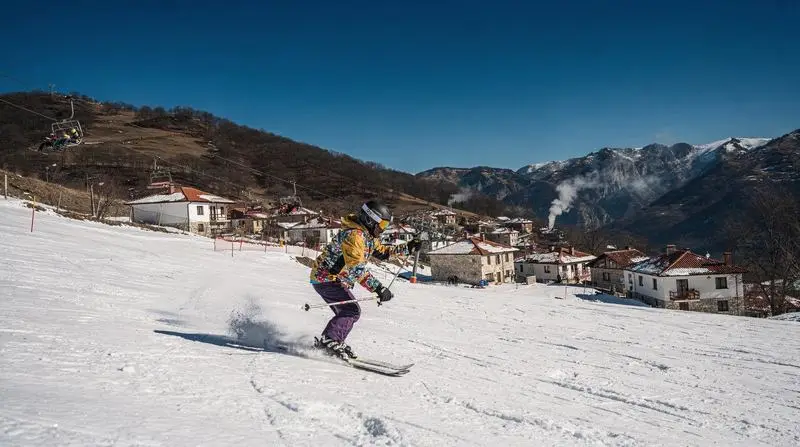
Dardha sits at approximately 1,500 metres altitude in the Morava mountains, around 17 kilometres from Korca. It is Albania’s most developed ski area — a description that manages expectations helpfully. This is a village resort with a handful of ski lifts, groomed runs suited to beginners and intermediate skiers, a growing number of guesthouses and chalets, and an atmosphere that feels more like a Balkan mountain village than a packaged ski resort. That is largely a feature, not a bug.
Terrain and Lifts
Dardha has several drag lifts (T-bars and platter lifts) serving runs of varying difficulty. The skiable terrain suits beginners and intermediates well. Advanced skiers looking for challenging pistes or modern lift infrastructure comparable to the Alps will be disappointed — Dardha is not that kind of resort. But for a relaxed few days of skiing in beautiful surroundings at genuinely affordable prices, it delivers.
Total vertical drop is around 400-500 metres depending on conditions and which lifts are operational. Run lengths are modest by international standards. The real appeal is the setting — snow-covered beech forest, traditional stone village architecture, panoramic views toward Lake Ohrid and into North Macedonia — combined with the price point.
Snow Conditions and Season
The ski season at Dardha typically runs from late December through early March, with the most reliable snow in January and February. Altitude is moderate for a ski resort, which means snow cover can be variable in warmer winters — a reality that affects all lower-altitude European resorts.
Before making Dardha the sole focus of a ski trip, it is worth checking snow conditions (local Facebook groups and Albanian tourism forums are the most current sources) and building in flexibility to explore the surrounding region if conditions are suboptimal.
Ski Hire and Lessons
Equipment hire is available in Dardha, basic but functional. Ski and snowboard rental runs to roughly EUR 10-15 per day. Ski school instructors are available for beginners — English language instruction is possible, though Albanian-speaking instructors are more plentiful. The combination of cheap equipment hire and affordable lessons makes Dardha an excellent place to learn to ski for the first time.
Getting to Dardha
Dardha is reached from Korca, which has bus connections to Tirana (approximately 3-4 hours). From Korca, taxis and local minibuses serve Dardha; the mountain road is unpaved in sections and snow chains or a 4WD vehicle may be required in winter conditions. Some guesthouses in Dardha can arrange transport from Korca on request.
From Tirana, the journey to Dardha takes approximately 4-5 hours by car via Korca. There is no direct public transport from Tirana — you need to travel to Korca first, then onward.
For Korca region exploration including winter options, Korca-based tour operators offer day and multi-day packages. You can also browse winter activities in Albania to find guided excursions and transfers in the region.
Voskopoje: The Village Above Korca
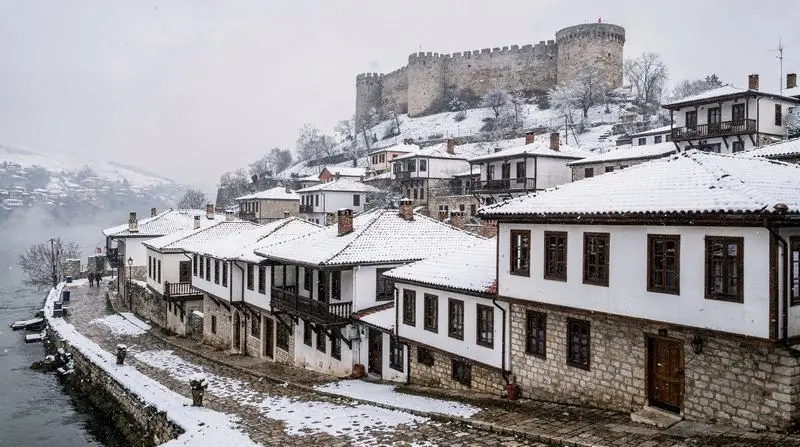
Before reaching Dardha, many winter visitors spend time in Voskopoje, a remarkable UNESCO-listed village at around 1,150 metres altitude. Voskopoje was once one of the most important cities in the Balkans — an 18th-century cultural and commercial hub that declined rapidly after the Ottoman period.
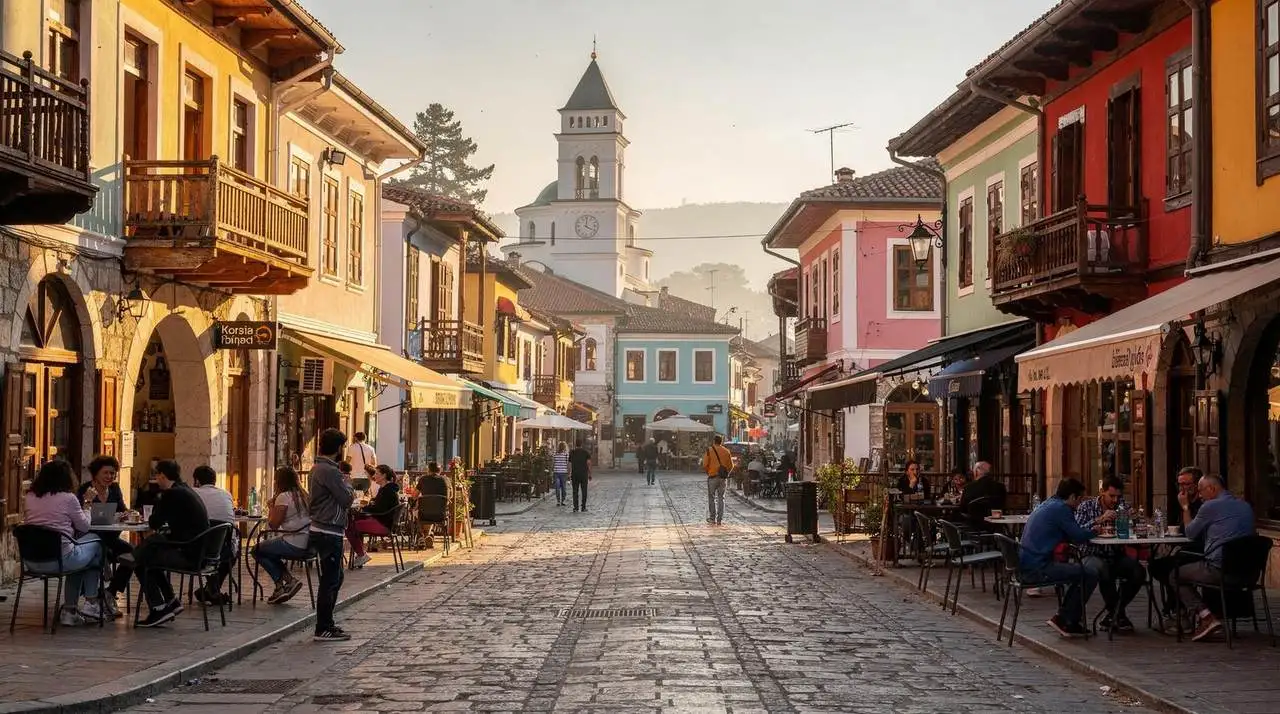
Today it is a quiet, atmospheric village of crumbling but beautifully frescoed churches, traditional stone houses, and a distinctly melancholic grandeur. In winter, with snow on the ground and smoke rising from chimneys, Voskopoje is one of the most evocative places in Albania. It makes a natural complement to a Dardha ski stay — culture and skiing within the same small region.
Backcountry Ski Touring in the Albanian Alps
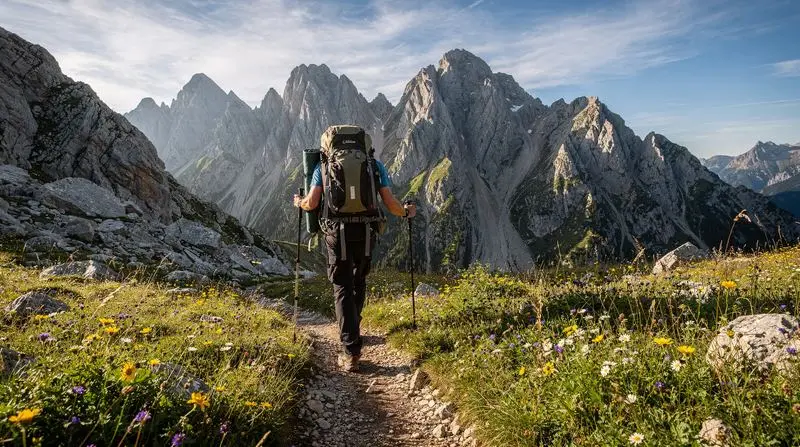
For experienced ski mountaineers, the Albanian Alps represent one of Europe’s genuinely undiscovered backcountry touring destinations. The Prokletije range — shared with Kosovo and Montenegro — has high ridgelines, extended couloirs, and ski terrain that has barely been documented in Western skiing media.
The main areas for backcountry touring are:
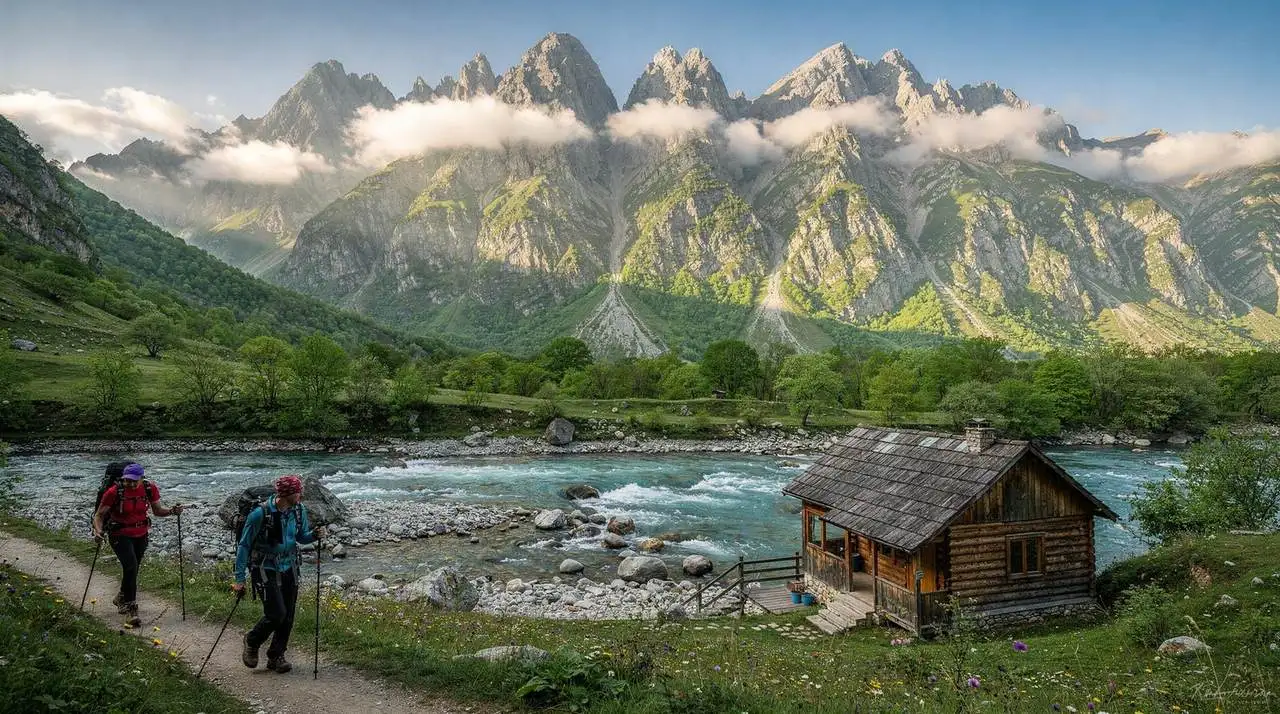
Valbona Valley: The Valbona Valley floor sits at around 800 metres, with peaks surrounding it reaching above 2,500 metres. Ski touring from the valley involves significant approach distances but rewards with extraordinary untracked terrain. Accommodation in local guesthouses (some remain open in winter) provides a base.
Theth Valley: Similar character to Valbona — dramatic peaks, significant vertical, genuine remoteness. The valley is accessible by 4WD in winter when the road is clear of snow.
The Kelmend Region (Vermosh area): Albania’s most isolated region in the northwest offers high-altitude terrain and extreme remoteness. Only for experienced groups with full self-sufficiency.
Important caveats for backcountry skiing in Albania:
- There are no avalanche forecasting services for Albania — you must assess conditions yourself
- No organised mountain rescue comparable to Western European standards
- Maps of the area are improving but remain less detailed than Alpine equivalents
- Travel with experienced partners and full avalanche safety equipment (beacon, probe, shovel)
- Inform guesthouses or local contacts of your plans and expected return times
The Albanian Alps backcountry is for experienced ski mountaineers who are self-sufficient and understand the risks. It is not appropriate for intermediate skiers looking to try touring for the first time.
Snowshoeing in Albania
Snowshoeing requires none of the technical expertise of ski touring and is accessible to any reasonably fit walker. Albania’s mountain landscapes are spectacular in winter conditions, and snowshoeing opens up terrain that becomes inaccessible on foot once snow deepens.
Best snowshoeing areas:
Around Dardha: The forested ridges above Dardha are excellent for snowshoeing. The terrain is moderate and the views toward Lake Ohrid reward the effort. Local guesthouses can advise on routes and conditions.
Valbona and Theth: The valleys themselves make for beautiful snowshoe excursions when winter snow is present. The main valley floors are manageable even in significant snow. Head into side valleys and onto lower slopes for more varied terrain.
Llogara Pass area: The Llogara Pass in the south, at around 1,000 metres, occasionally receives snow in January and February. Snowshoeing in the coastal mountain range above the Riviera — with sea views on one side and mountain interior on the other — is a unique experience.
Snowshoe hire is limited in Albania. Consider bringing your own or renting in Tirana from specialist outdoor shops before heading to the mountains.
If snowshoeing appeals more than lift-served skiing, the dedicated snowshoeing in Albania guide goes deeper into routes and preparation. The same valleys that host ski touring, Valbona and Theth, are covered in summer detail in the Albanian Alps hiking guide, which helps you read the terrain before you see it under snow. The coastal option is described on the Llogara page.
Skiing Albania vs. Other Balkan Destinations
How does Albania compare to other Balkan ski destinations?
Bulgaria (Bansko, Borovets, Pamporovo): Bulgaria’s resorts are larger, better-equipped, and more reliably snow-covered. Bansko in particular has good infrastructure and a party atmosphere. Prices are slightly higher than Albania but still modest by Western European standards. For serious skiers wanting reliable conditions and modern lifts, Bulgaria wins.
Serbia (Kopaonik): Kopaonik is Serbia’s flagship resort — the most developed ski area in the former Yugoslav region. Well-maintained pistes, modern lifts, good snow record. Comparable pricing to Bulgaria.
Bosnia (Jahorina, Bjelasnica): Beautiful, atmospheric, affordable — the 1984 Sarajevo Winter Olympics were held here. Similar rustic appeal to Dardha but with longer runs and more lift infrastructure.
Albania (Dardha): The cheapest of the group. The smallest and least developed in terms of lift infrastructure. The most authentic village atmosphere. Best suited to beginners, intermediates, and those who want skiing as one element of a wider Albania winter trip rather than as a dedicated ski holiday.
The honest position is this: if your primary goal is maximising ski days and variety of pistes, choose Bulgaria or Bosnia. If you want skiing combined with cultural exploration of one of Europe’s most distinctive countries, Albania offers something genuinely different.
Albania Ski Holiday Costs
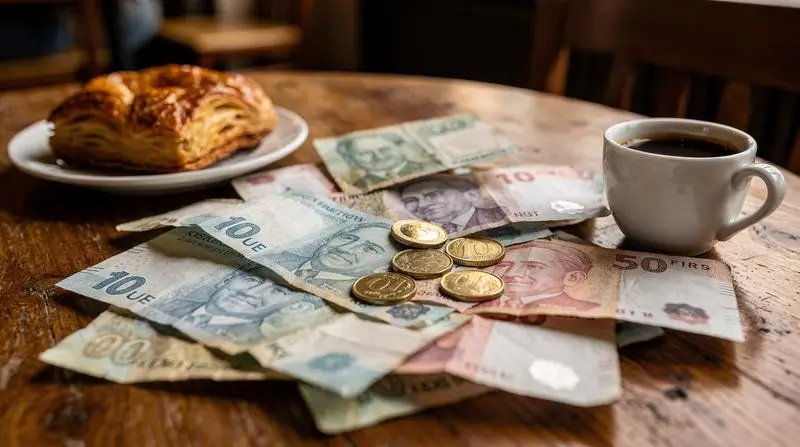
Albania lives up to its reputation as Europe’s most affordable ski destination:
Lift passes: Approximately EUR 10-15 per day at Dardha — a fraction of Western or even Bulgarian resort prices.
Equipment hire: EUR 10-15 per day for skis/board and boots.
Accommodation: Guesthouses in Dardha and Korca typically run EUR 25-45 per night for a double room with breakfast. Self-catering chalet rentals are available and cost effective for groups.
Food and drink: Korca is known for its excellent food culture — the city has the most developed restaurant and cafe scene in provincial Albania. Budget EUR 15-25 per person per day for meals. Traditional local beer (Korca brewery produces the most-respected Albanian beer) costs around EUR 1.50-2.50 per bottle.
A four-day ski trip to Dardha including accommodation, food, lift passes, and equipment hire typically costs EUR 200-350 per person — comparable to a single day at a French resort.
The Korca Region Beyond the Slopes
Korca deserves more than just a transit stop on the way to Dardha. The city has one of Albania’s most sophisticated cultural characters — it was a centre of Albanian national awakening and education in the 19th and early 20th centuries, and that history is visible in its architecture and institutions.
Key sights near Dardha and Korca:
- The National Museum of Medieval Art in Korca — extraordinary collection of Orthodox icons
- Voskopoje village and its 18th-century frescoed churches
- The Korca brewery (Birra Korca) — the most beloved Albanian beer, brewery tours available; if you want a guided visit, there is a Korca brewery tour with traditional beer tasting that fits well into a rest day between ski sessions
- Lake Prespa — a dramatic high-altitude lake on the three-country border with Greece and North Macedonia
- The old bazaar district of Korca
A winter trip to Dardha combined with two days in Korca city makes for an excellent five to six day winter Albania itinerary. Connect this with Permet thermal baths to the west for a comprehensive winter circuit.
Practical Tips for Skiing Albania
Book accommodation in advance for January and February. Dardha is popular with Albanian families and domestic tourists during winter weekends and school holidays. Guesthouses fill up.
Check road conditions before driving. The road to Dardha can be icy and the last section is unpaved. Snow chains are advisable; a 4WD vehicle is preferable.
Pack layers. Mountain temperatures can drop sharply at Dardha’s altitude, particularly at night. Quality waterproof outerwear is essential. The Albania packing list helps you sort out what to bring beyond ski gear.
Plan the money side early. The Albania travel budget guide gives a wider view of daily costs, and the travel insurance guide is worth reading before you commit to any winter sports, especially backcountry touring.
Leave time for Voskopoje. The Voskopoje page explains the village’s history and churches, which make a good counterpoint to days on the slopes. If the weather is clear, Lake Prespa is another quiet stop in the region.
Consider a weekday visit. Weekends see domestic Albanian tourists arriving in numbers. Weekdays are quieter on the slopes and in restaurants.
Try the local food. Korca-region cuisine is distinctive — byrek (filo pastry with cheese or meat), qofte (grilled meatballs), and tavë (baked lamb or liver dishes) feature heavily. The region also produces excellent rakia (fruit brandy) and some of the best wine in Albania.
Snow Reliability and Climate Risk
Because Dardha sits at a moderate altitude by ski resort standards (around 1,500 metres), snow reliability is more sensitive to warm winters than at higher Alpine resorts. In a mild December or a warm January, natural snow cover can be thin or patchy, and the resort has limited snowmaking infrastructure to compensate. This is a genuine trade-off for the budget-friendly pricing: book flexibly where possible, and treat January-February as the safest bet for snow rather than committing to an early- or late-season date months in advance without checking recent conditions first.
Dardha vs Regional Ski Resorts at a Glance
| Dardha (Albania) | Bansko (Bulgaria) | Kopaonik (Serbia) | Jahorina (Bosnia) | |
|---|---|---|---|---|
| Lift pass/day | EUR 10-15 | Slightly higher | Comparable to Bulgaria | Comparable to Bulgaria |
| Terrain | Beginner/intermediate | All levels | All levels | All levels, longer runs |
| Atmosphere | Village, rustic | Larger resort, party scene | Developed, modern | Olympic heritage, scenic |
| Best for | Learning, budget trips, combining with culture | Serious ski days, variety | Reliable snow, infrastructure | Atmosphere at a good price |
Winter Albania Beyond the Slopes
A ski trip to Dardha works best as part of a wider winter Albania itinerary rather than a standalone ski holiday, since the resort’s terrain and lift infrastructure are genuinely modest by international standards. Pairing a few days at Dardha with Korca city — its museums, brewery, and old bazaar — and Voskopoje’s frescoed churches turns a ski trip into a fuller cultural winter break. For visitors with more time, Berat is roughly two hours from Korca and makes an easy extension, combining alpine snow with UNESCO heritage and Albania’s mild lowland winter climate in the same week. The winter Albania itinerary maps this exact route across seven days, and the broader Albania in winter guide covers what else is accessible in the colder months if skiing is only one part of the plan.
Frequently Asked Questions About Skiing in Albania
Is Dardha Suitable for Beginner Skiers?
Yes, Dardha is actually well suited to beginners. The terrain is gentle enough for learning, ski lessons are affordable, and equipment hire is on-site. The relaxed atmosphere with no intimidating lift queues or aggressive intermediate skiers makes it a comfortable learning environment.
Does Albania Have Any Other Ski Areas Besides Dardha?
Dardha is the only developed resort with lifts. The village of Voskopoje, also in the Korca region, occasionally has makeshift ski facilities. Beyond that, all other skiing in Albania is backcountry touring in the Alps — terrain suitable only for experienced ski mountaineers.
When Is the Best Time to Ski in Albania?
January and February offer the most reliable snow cover at Dardha. The resort typically opens in late December and can remain operational into March in good snow years. Always check current conditions before travel.
Can I Combine Skiing with Other Albania Highlights?
Absolutely. The Korca region pairs skiing at Dardha with Voskopoje churches, Korca city culture, and regional cuisine. From Korca, Berat is around two hours by car — a natural combination of skiing and UNESCO heritage. The winter Albania itinerary links Tirana, Korca, Dardha, Berat, and Permet thermal baths into a seven-day winter circuit.
How Do I Get to Dardha Without a Car?
Take a bus from Tirana to Korca (several departures daily, 3-4 hours). From Korca, take a local taxi to Dardha (around 30 minutes, approximately EUR 10-15). Some Dardha guesthouses will arrange pickup from Korca if you contact them in advance.