LGBTQ+ Travel in Albania: An Honest 2026 Guide
Albania presents a genuinely complex picture for LGBTQ+ travelers. On paper, the legal landscape is more progressive than you might expect from a majority-Muslim Balkan country. In practice, Tirana is a remarkably open and cosmopolitan city with a genuine LGBTQ+ scene, while rural areas and small towns are substantially more conservative.
This guide offers an honest assessment of what LGBTQ+ travel in Albania is actually like — what you can expect, where you will feel comfortable, and how to approach a visit in a way that balances authenticity with practical safety.
| Most comfortable areas | Tirana (Blloku), the Riviera in summer |
| Areas needing discretion | Rural interior, mountain villages, small towns |
| Legal status | Decriminalized since 1995; no marriage/civil partnership recognition |
| Pride | Tirana Pride, May/June, since 2012 |
| Physical safety | Generally good; incidents are rare |
The Legal Situation
Albania decriminalized same-sex relations in 1995, making it among the earlier Balkan nations to do so. The legal framework has continued to develop:
- Same-sex sexual activity is legal (age of consent: 14, equal to that for heterosexual relations)
- Anti-discrimination laws include sexual orientation in employment (since 2010)
- LGBTQ+ people can serve openly in the military
- Albania’s constitution includes non-discrimination provisions
- Civil partnerships and same-sex marriage are not legally recognized
- Adoption by same-sex couples is not permitted
Albania is an EU candidate country, and the EU accession process has accelerated LGBTQ+ legal protections. The Commissioner for Protection from Discrimination handles discrimination complaints through an official process.
What the law does not show is the social reality, which is a different and more nuanced matter.
Social Attitudes: The Urban-Rural Divide
Albanian society has modernized rapidly since the end of communist isolation in 1991, but cultural conservatism — rooted in the Kanun (traditional code of social conduct), religious tradition, and patriarchal family structures — remains strong outside urban centers. Understanding this divide is essential for realistic planning.
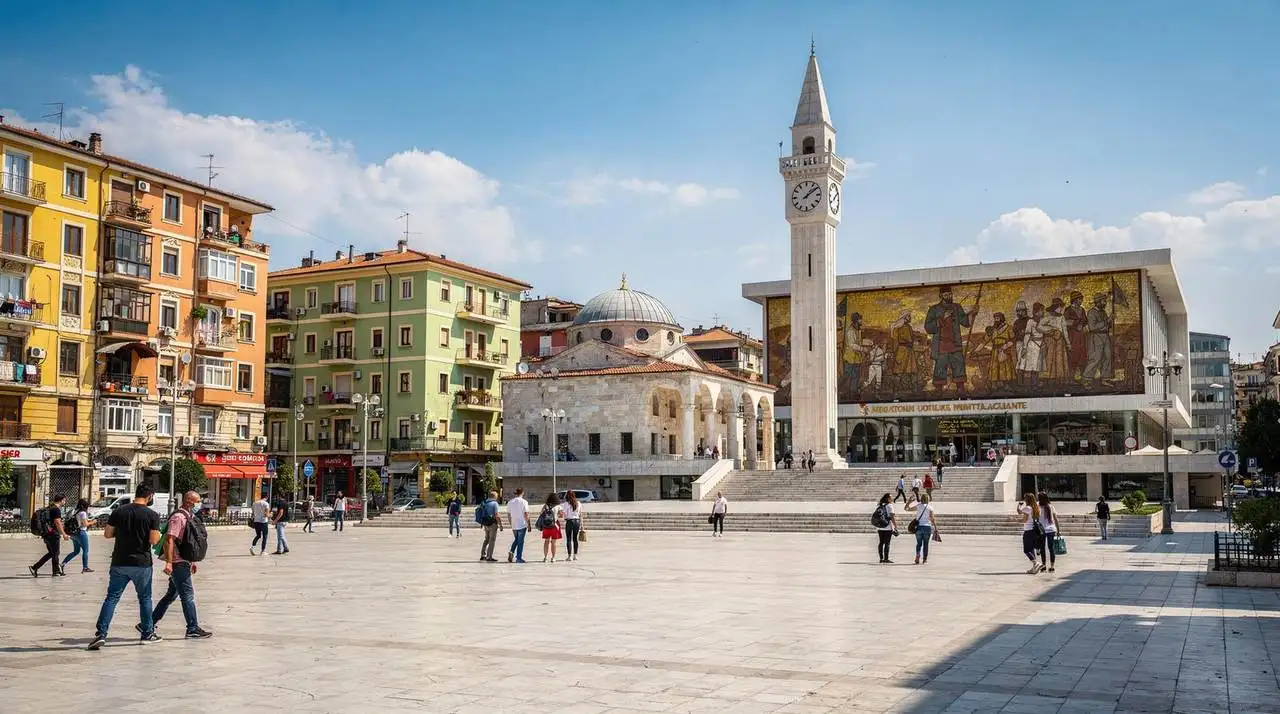
Tirana: Attitudes in the capital are considerably more liberal than the national average. Young Tiranans are in many respects indistinguishable from young people in Thessaloniki or Sofia — cosmopolitan, outward-looking, and generally indifferent to other people’s relationships. The Blloku district has become genuinely mixed in terms of clientele at bars and clubs. Open LGBTQ+ relationships are visible and unremarkable in certain contexts in the city.
Coastal resort areas (Saranda, Ksamil, Himara, Dhermi in summer): The resort areas in summer host large numbers of European tourists, creating a more liberal atmosphere than year-round. Public displays of affection between same-sex couples at beach clubs and restaurants are less likely to attract attention here than in rural interior towns.
Small towns and rural areas: Attitudes are substantially more conservative. LGBTQ+ people in Albania’s rural areas mostly remain closeted, and the concept of an openly gay visitor is still unusual in these contexts. Exercising discretion outside major urban and tourist areas is genuinely advisable — not because of danger, but because of the social dynamics of communities that have not yet had much exposure to visible LGBTQ+ visitors.
Albanian families: Albanian family and community life is intensely interconnected. Many LGBTQ+ Albanians describe coming out as a gradual, complex process managed very carefully within family structures. Visitors should be aware that this is the social context they are entering.
Tirana: The LGBTQ+ Hub
Tirana is the center of LGBTQ+ life in Albania, and the gap between Tirana and the rest of the country is substantial. The capital has a genuine and growing LGBTQ+ scene that is more developed than most of its regional neighbors.
Tirana Pride
Albania’s annual Pride event has been held since 2012, making it one of the longer-running Pride events in the Western Balkans. It typically takes place in May or June and has grown steadily — from a small march of a few dozen people in its early years to events with thousands of participants and significant media coverage.
Pride has faced challenges — counter-protests and security concerns in some years — but continues to happen with police protection and meaningful political support. Attending Tirana Pride as a visitor is a memorable experience and a genuine statement of solidarity with Albanian LGBTQ+ people who organize and attend at some personal risk. Check Aleanca LGBT’s social media for exact dates, as they vary year to year.
LGBTQ+ Organizations
Aleanca LGBT (LGBT Alliance Albania) is the main advocacy organization in Albania. Founded in 2009, it runs a community center in Tirana, operates support services, and organizes events throughout the year. Their social media pages are the best source for current events and gay-friendly venue information.
PINK Embassy operates LGBTQ+ support services and community space in Tirana.
These organizations are also useful resources for visitors who want to connect with the local LGBTQ+ community or need advice about specific destinations within Albania.
The Blloku District
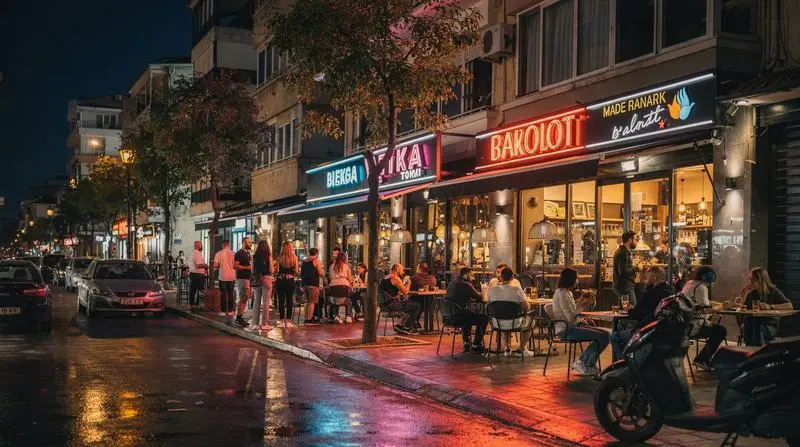
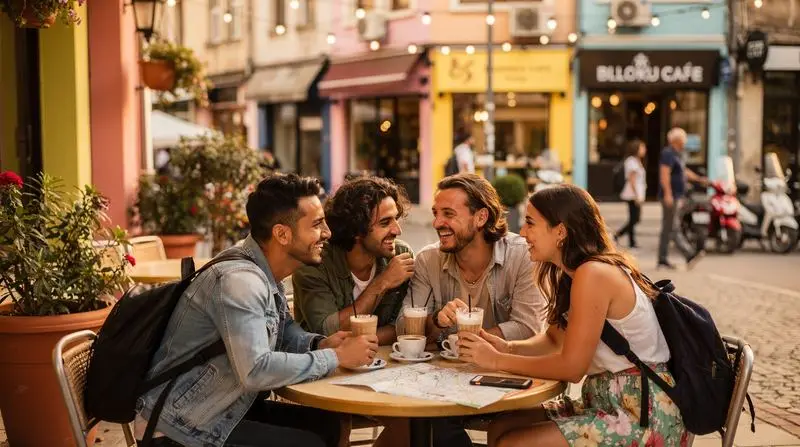
Tirana’s Blloku district has become the city’s entertainment heart. It hosts cafes, bars, restaurants, and clubs that are generally gay-friendly or mixed. While there is not a clearly defined “gay street,” certain bars are known locally as LGBTQ+ friendly. Asking at your hotel or checking current Aleanca LGBT social media is the best way to identify current venues, as the scene evolves. If you would rather ease into the city’s café and restaurant culture with a local guide, a Tirana food tour is a relaxed way to meet locals and get a feel for the neighborhoods before a night out.
Generally, the Blloku area on weekend nights is lively and mixed, and visible LGBTQ+ couples attract little or no negative attention. The rapid social changes of recent years have normalized mixed socializing in this neighborhood in particular.
Walking tours of Tirana with local guides provide useful context for understanding the city’s social geography — Tirana walking tours cover the Blloku area and its history, which is directly relevant to understanding how the neighborhood became what it is today.
Accommodation in Tirana
Tirana’s international hotels (Marriott, Tirana International, and boutique properties in Blloku) are entirely standard in terms of accepting same-sex couples without issue. Boutique hotels and guesthouses in the capital are generally fine. Reading booking platform reviews from LGBTQ+ travelers before booking smaller properties can be helpful for gauging the reception at specific establishments.
LGBTQ+ Travel on the Riviera
The Albanian Riviera in summer is more relaxed than the rest of the country due to the heavy presence of European tourists. Beach clubs at Dhermi and Himara in particular have a cosmopolitan atmosphere where LGBTQ+ visitors blend in without difficulty.
A few practical notes for the coast:
Beach clubs: Same-sex couples at beach clubs are not a source of conflict or attention in the main Riviera destinations. The international tourist presence normalizes a wide range of relationship presentations.
Boat tours: Small-group boat tours are run by local operators and are professional and uneventful. The Riviera boat trip experiences from Saranda and Himara are entirely accessible to LGBTQ+ couples without any specific considerations.
Restaurants: Same-sex couples dining together are universally unremarkable in tourist-oriented restaurants.
Public displays of affection: Holding hands or kissing on the beach may attract looks in some contexts, particularly around Albanian families in more conservative configurations. This is less about hostility and more about unfamiliarity. Use your own judgment based on the specific atmosphere of the location.
The Mountain Regions
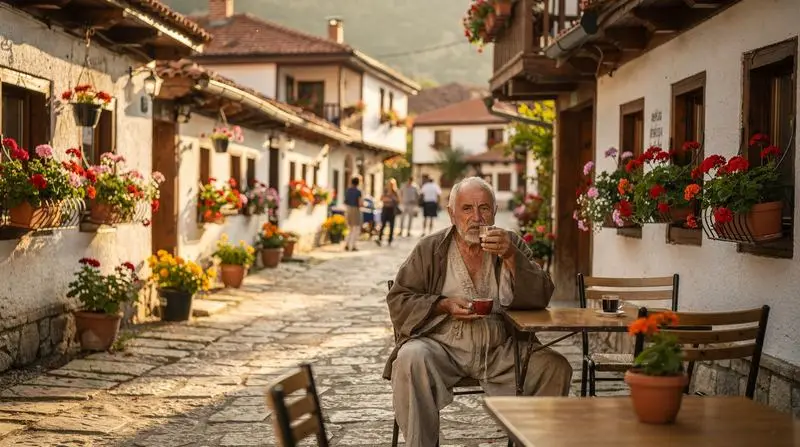
The Albanian Alps — Theth, Valbona — have a deeply traditional culture rooted in the Kanun. Guesthouses are family-run and operated by people with traditional social values. LGBTQ+ visitors are entirely welcome as guests and will receive warm hospitality — the Albanian hospitality code applies regardless of guest background — but openly displaying same-sex relationships in this context is best approached with discretion.
This is not a hostile environment. There is no history of violence against tourists in these areas. Think of it as being a house guest in a traditional family home and adjusting your behavior accordingly. The mountain communities are hospitable to visitors while holding their own social values, and the two things can coexist comfortably.
Practical Safety Guidance
Incidents are rare. Reports of violence against LGBTQ+ tourists in Albania are uncommon. The main risk is verbal harassment or unwanted attention in certain contexts, not physical violence. This is broadly similar to many Eastern European destinations.
Travel companions: Traveling as a same-sex couple is generally fine throughout Albania. The advice to exercise discretion in rural areas is about avoiding unnecessary friction, not about serious safety concerns.
Apps: Grindr and equivalent apps work throughout Albania. In smaller towns these may show very few profiles, reflecting local closeted reality rather than the absence of LGBTQ+ people.
Hotel check-in: Requesting a double bed when checking into smaller guesthouses in traditional areas can occasionally result in an awkward moment. Booking twin rooms or choosing hotels with clear online booking systems that register bed preferences in advance avoids this.
Emergency contacts: Aleanca LGBT operates a support line for visitors who encounter problems. The Tirana-based LGBTQ+ organizations are a source of current, on-the-ground advice.
Albania vs. Neighboring Countries for LGBTQ+ Travel
| Country | Legal Status | Capital Scene | Rural Attitudes | Overall |
|---|---|---|---|---|
| Albania | Decriminalized 1995, anti-discrimination laws | Good, growing scene | Conservative | Moderate |
| North Macedonia | Decriminalized 1996, anti-discrimination laws | Small scene in Skopje | Conservative | Similar to Albania |
| Kosovo | Decriminalized 1994, anti-discrimination laws | Very small scene | Very conservative | Challenging |
| Greece | Civil partnerships recognized | Excellent in Athens/islands | Mixed | Good |
| Montenegro | Decriminalized 1977, anti-discrimination laws | Small scene in Podgorica | Conservative | Similar to Albania |
Albania is broadly comparable to its Balkan neighbors in terms of the gap between urban tolerance and rural conservatism. It is significantly more open than Kosovo, broadly similar to Montenegro and North Macedonia, and less advanced than Greece or EU member states. The pace of change is notably faster in Albania than in most neighbors, with the capital changing visibly year on year.
Events and Festivals for LGBTQ+ Visitors
Tirana Pride (May/June): The main annual event. Check Aleanca LGBT for exact dates as they vary year to year. Attending Tirana Pride connects you with the local community in a way that standalone tourism does not.
International Day Against Homophobia, Transphobia and Biphobia (May 17): Aleanca LGBT and other organizations organize events around this date in Tirana.
Tirana International Film Festival (November): While not explicitly an LGBTQ+ event, TIFF has featured LGBTQ+ films and has a cosmopolitan, arts community audience.
Transgender Travel in Albania
Trans travelers face a more complex situation. Legal gender recognition in Albania is possible through a court process but is difficult in practice. The social visibility of trans people in Albania is limited outside Tirana. Trans travelers should exercise the same discretion as LGBTQ+ visitors more broadly, and may find Tirana’s LGBTQ+ organizations a useful first contact for current advice before travel.
Advice for Specific Traveler Profiles
Solo LGBTQ+ traveler: Albania is manageable and many solo LGBTQ+ visitors travel here without incident. Tirana and the Riviera are the most comfortable areas. The Albania solo travel guide covers general safety context.
LGBTQ+ couple: A romantic trip to Albania is entirely achievable. Dhermi, Berat, and Tirana are the most comfortable bases. The romantic experiences available — boat tours, boutique hotels, excellent food — are accessible and enjoyable. See the Albania for couples guide for specific recommendations.
Group travel: A group of LGBTQ+ friends traveling together will attract attention in rural areas simply by virtue of being foreigners (not specifically because of identity). Being low-key in traditional contexts is sensible; being anxious is not necessary.
The Reality Check
Albania is not a gay paradise, but it is also not a hostile destination. The honest summary:
- Tirana is a genuinely cosmopolitan city where visible LGBTQ+ life exists and is growing year on year
- The Riviera in summer is relaxed and tolerant by virtue of its international tourist character
- Rural and mountain areas require discretion but are not dangerous
- The pace of change is rapid — Albania 2026 is meaningfully more open than Albania 2016
For LGBTQ+ travelers who enjoy exploring off-the-beaten-path European destinations and are comfortable with a degree of cultural navigation, Albania is a fascinating, beautiful, and rewarding country to visit. The experiences on offer — the Riviera, the Ottoman cities, the Albanian Alps — are genuinely extraordinary, and they are available to every kind of traveler.
The Albania safety guide covers general safety for all travelers. Check current updates from Aleanca LGBT Albania before your trip, as the social and venue situation continues to evolve. And the Albania travel tips guide covers the practical planning that makes any Albania trip work well.
Solo LGBTQ+ Female Travelers
Solo LGBTQ+ women visiting Albania face a combined set of considerations that overlap with general solo female travel advice — Albania is broadly safe for solo women, with the same urban-rural comfort gradient described throughout this guide applying equally. Tirana and the Riviera towns in summer are comfortable for solo exploration, including evenings out in Blloku. The Albania female solo travel guide covers the broader safety context, accommodation tips, and social norms that apply regardless of orientation.
Practical Booking and Insurance Notes
Booking accommodation through platforms with clear reviews — Airbnb Albania or established booking sites — generally gives a more reliable read on how LGBTQ+-friendly a specific property is than walking in cold, particularly outside Tirana. Standard travel insurance applies the same way it would for any traveler; there are no Albania-specific exclusions for LGBTQ+ travelers, but confirming your policy covers your destinations as normal is sensible practice for any trip.
LGBTQ+-Friendly Nightlife Beyond Blloku
Tirana’s nightlife scene extends beyond Blloku into newer areas near the lake and the New Bazaar, where a younger, more mixed crowd has been shifting some of the city’s energy in recent years. The Albania nightlife guide covers the broader scene, including which areas skew more traditional versus cosmopolitan, useful context for LGBTQ+ visitors deciding where to base themselves for an evening out.
Frequently Asked Questions About LGBTQ+ Travel in Albania
Is Albania LGBTQ+ friendly?
Albania is partially LGBTQ+ friendly. Tirana has a growing, visible LGBTQ+ scene, annual Pride events, and increasing legal protections. Outside the capital, social attitudes remain conservative, and public same-sex affection may draw unwanted attention in smaller towns and rural areas. Albania decriminalized homosexuality in 1995 and continues to make incremental legal progress.
Is Albania safe for gay travelers?
Albania is generally safe for gay travelers in terms of physical safety — violent incidents targeting LGBTQ+ visitors are not commonly reported. The main concerns are social conservatism outside Tirana and the need for discretion in rural and smaller communities. Tirana’s Blloku neighborhood and the capital’s international tourist areas are notably more accepting.
Are there gay bars in Albania?
Tirana has a small but growing number of LGBTQ+-welcoming bars and venues, primarily in the Blloku neighborhood. The scene is not as developed as in Western European capitals, but LGBTQ+-friendly spaces do exist and are easier to find with current local information from organizations like Aleanca LGBT Albania. The annual Tirana Pride march has grown in scale and visibility in recent years.
Should gay couples be discreet in Albania?
Outside Tirana, a degree of discretion is practical advice. Avoid obvious public affection in smaller towns, mountain communities, and conservative rural areas — not because of any safety risk, but to avoid drawing uncomfortable attention. In Tirana, particularly in tourist and nightlife areas, LGBTQ+ couples typically experience no issues. Use judgment based on your specific location and setting.
When is Tirana Pride and how do I find out the exact dates?
Tirana Pride is typically held in May or June, but the exact date varies year to year. The most reliable source is Aleanca LGBT’s official social media channels, which announce dates and event details closer to the time — check a few weeks before planning a trip specifically around it.