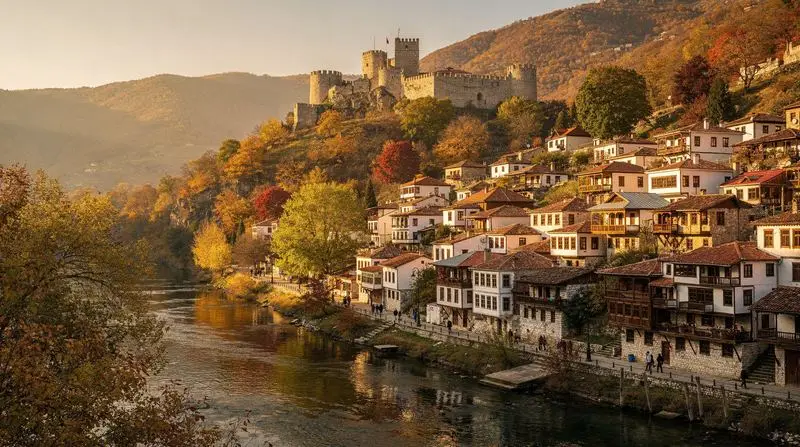
Albania in October: Autumn’s Underrated Reward
October is one of Albanian travel’s most underrated months. The tourist season has wound down, prices have dropped significantly from summer levels, the cities have returned to a normal Albanian pace, and the country is transitioning through an autumn that — in the south and at lower elevations — can be remarkably warm and beautiful well into the month.
October visitors frequently report a sense of discovery: an Albania that functions entirely for Albanians rather than for the tourism industry, at its most authentic and its most affordable, with landscapes that the summer sun has transformed into gold and amber that the postcard-friendly spring green does not approach.
| Where | Early October: Riviera and Ksamil; late October: UNESCO cities and Permet |
| Cost | 30-40% below August rates, deepening through the month |
| Time needed | 7-10 days to combine a last swim with culture and hiking |
| Getting there | Fly into Tirana; rental car recommended as guesthouses close mid-month |
| Best time of day | Any time in early October; midday for warmth by late October |
October Weather in Albania
Temperatures in October range from 18-20°C in the first week to 13-15°C by the end of the month, with coastal areas remaining somewhat warmer than inland locations. Early October, particularly in the first two weeks, often extends the summer conditions: warm sunny days, minimal rain, and temperatures that make outdoor activity highly comfortable.
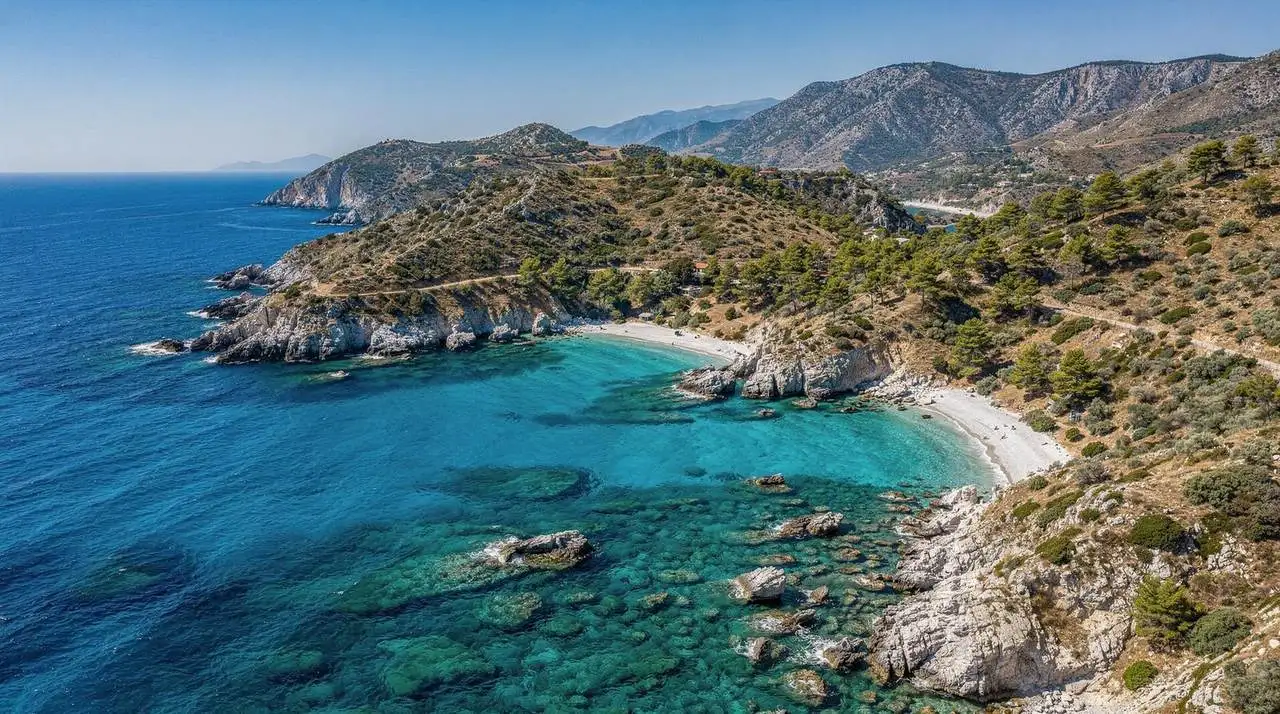
Sea temperatures in early October remain around 21-22°C — genuinely warm enough for swimming that is comfortable rather than merely tolerable. The Mediterranean thermal lag means the sea is warmer in October than the air temperature alone would suggest. Serious swimmers and those visiting the Albanian Riviera specifically for the water can realistically plan beach time in October, particularly in the first half of the month and particularly in the far south around Saranda and Ksamil.
By late October, sea temperatures drop toward 18°C and rainfall becomes a more regular feature. The autumn rainy season typically begins to establish itself in the second half of October, ending the extended summer that the first weeks of the month often provide.
The mountain regions cool significantly in October. Higher elevations in the Albanian Alps see the first autumn snows by mid to late October, and the upper mountain routes that were open through September begin to become more challenging. Valley-level hiking remains excellent, and the autumn color display in the mountain forests is outstanding.
Autumn Colors and the Visual Reward
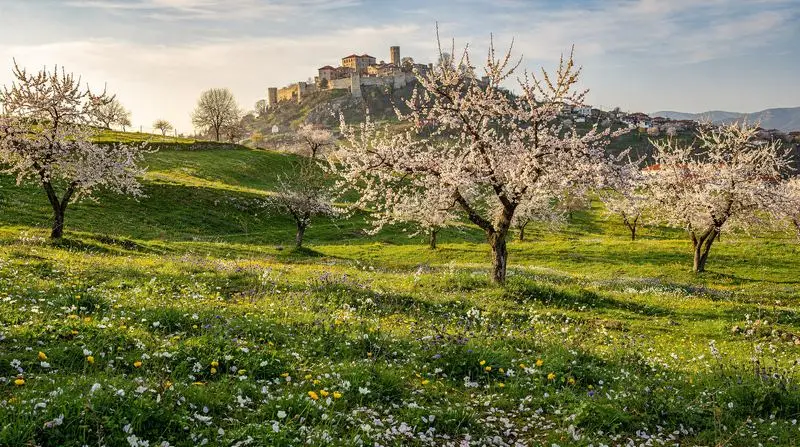
One of October’s most distinctive gifts in Albania is the autumn color change. The mountain forests — a combination of beech, oak, chestnut, and various Mediterranean species — turn across a palette of gold, amber, and deep red through October in a display that the spring and summer visit entirely misses.
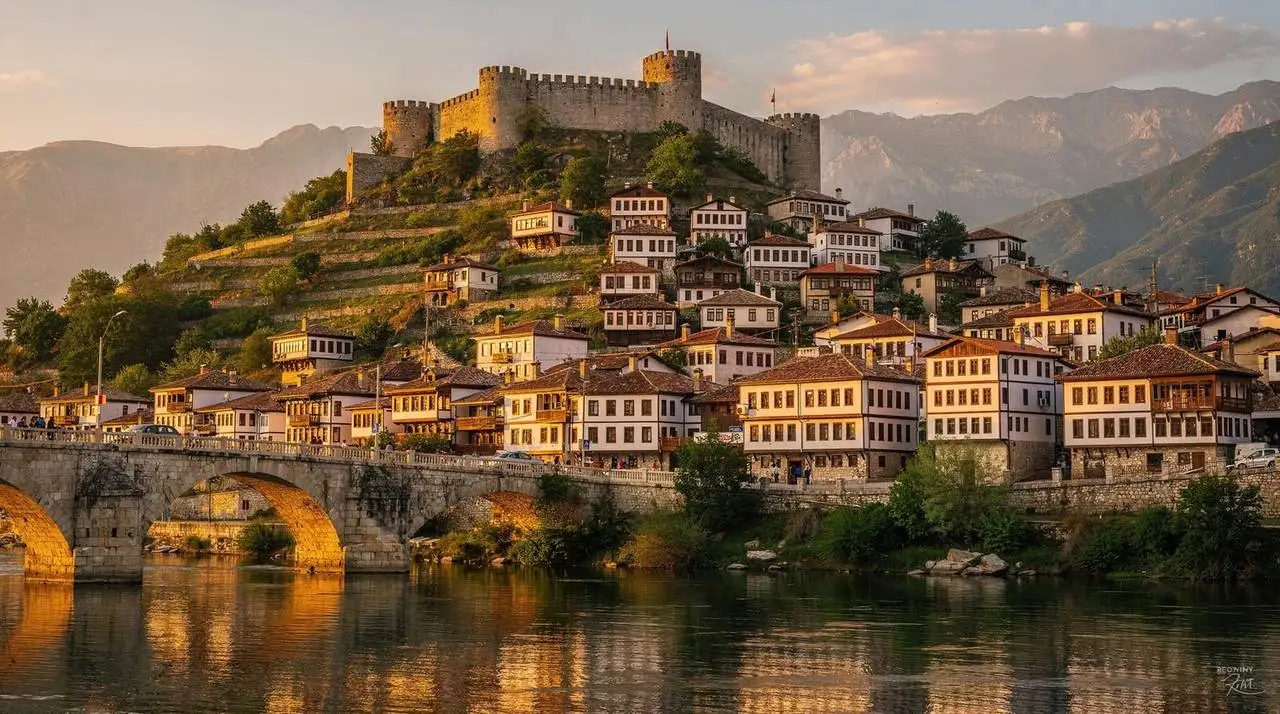
The area around Berat is particularly beautiful in October. The Tomorr massif behind the city and the forests above the Osum river valley turn through shades of gold that contrast with the white of the UNESCO town’s houses below. Walking the castle grounds of Berat in October, with the autumn trees on the surrounding hillsides and the seasonal light low and warm, is a very different experience from the summer version.
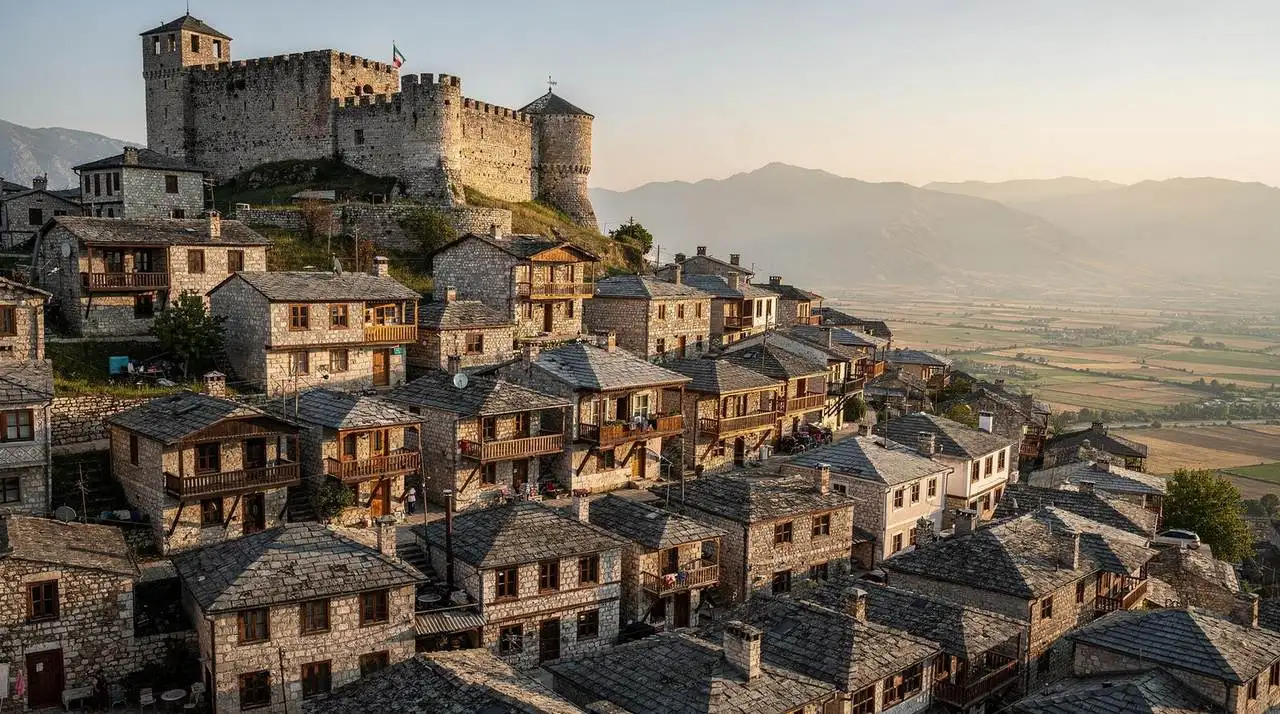
Gjirokastra in October has a particular atmospheric quality: the stone city, the castle walls, and the narrowing daylight create an increasingly dramatic stage as the month progresses. The city’s visual character — always somewhat austere and historically weighty — is enhanced rather than diminished by the autumn approach.
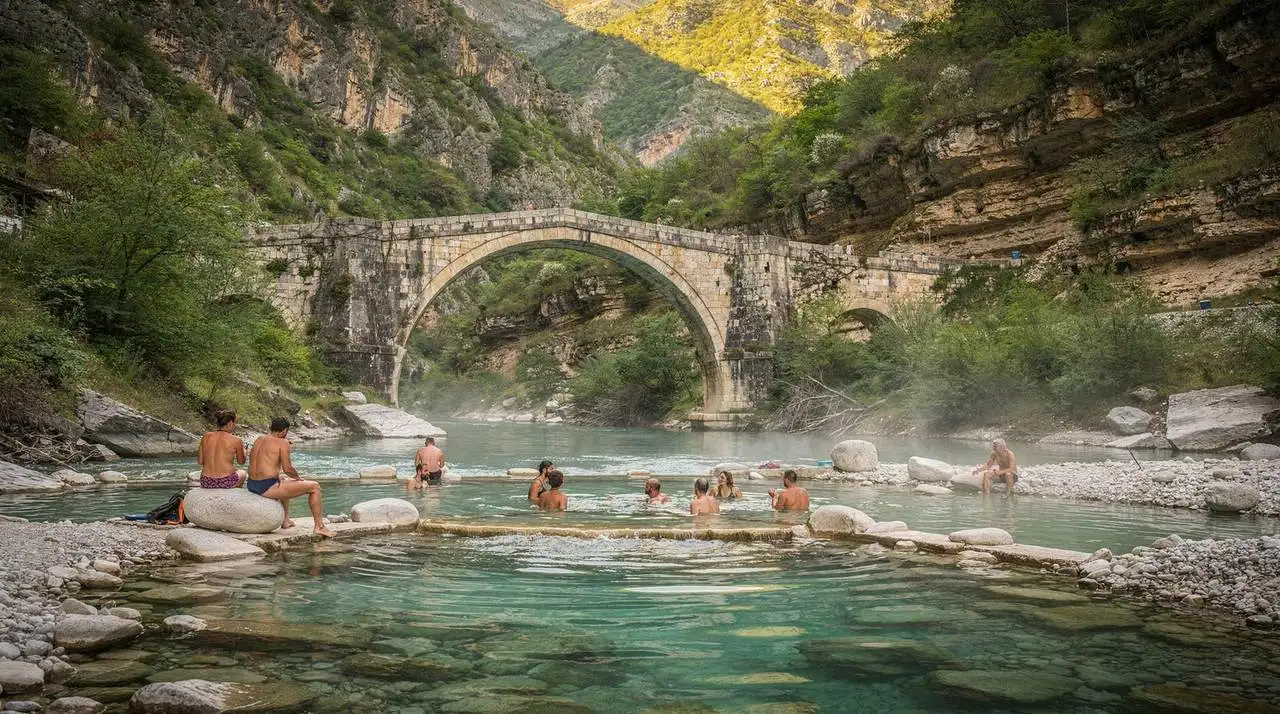
The Vjosa river valley near Permet is one of the finest autumn landscapes in Albania. The combination of the river winding through its canyon, the limestone peaks, and the deciduous forests on the slopes turning color produces a landscape of genuine beauty. A day walk in the Langarica Canyon near the Benja thermal baths in October has the additional pleasure of ending in warm thermal water — an increasingly appropriate treat as October temperatures cool.
Hiking in October
October extends the hiking season into one of its finest periods. The trails are dry from the summer, the heat that made midday mountain walking uncomfortable in July and August has gone, and the cooler temperatures make extended walking significantly more enjoyable.
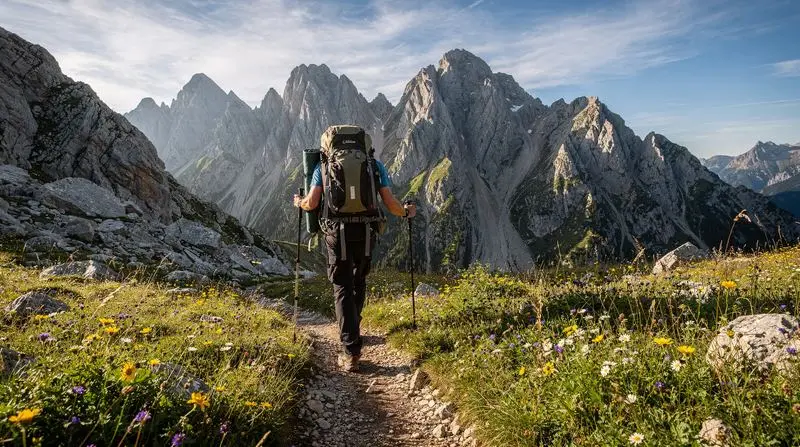
The lower mountain routes are at their absolute best in October. Day walks from Berat, hiking above the Albanian Riviera villages, routes in the Gjirokastra hills and the Drino valley — all of these are excellent in October conditions: cool enough for energetic walking, still warm enough in the sun, and rewarded with autumn colors that no other season provides.
The Albanian Alps are transitioning in October. The main Valbona-Theth crossing is still possible in the first half of the month but requires attention to weather forecasts — a sudden early snowfall can make the pass difficult or dangerous. By mid-October, planning mountain trips in the northern Alps requires local weather checking and some flexibility. Guesthouses in Theth and Valbona typically close by mid to late October.
Tirana walking tours in October operate in very comfortable conditions. The city in autumn light, with less heat and the parks turning gold, is one of the more photogenic versions of the Albanian capital and worth several days of exploration.
Olive Harvest Season
October is the beginning of olive harvest preparation in southern Albania, which has a significant olive oil producing tradition. The olive groves of the south — around Vlora, Fier, and throughout the hinterland of the Riviera — are laden with fruit in October, and the harvest itself begins in late October and runs through November.
The olive harvest in Albania is still conducted partly by hand, particularly in the smaller family operations that produce some of the finest oil. Walking through an olive grove in October, watching the harvest preparations, and finding the small oil producers who sell directly from the farm is one of the more distinctive food-and-travel experiences available in the country.
Albanian olive oil from the south — particularly from the Vlora region, which has a long history of cultivation — is of excellent quality and can be purchased directly from producers at prices well below what equivalent oil commands at retail in Western Europe.
The Quiet October Advantage
October’s most practical advantage is the combination of low prices and high availability. Accommodation that was fully booked and expensive in August is now easy to book at spring or even winter rates. Coastal hotels that imposed minimum-stay requirements in summer are now available for single nights. The restaurants, cultural attractions, and transport infrastructure are all fully operational without any of the pressure that summer imposes.
For visitors who have flexibility in their travel timing, October may be the most efficient month in Albanian travel: maximum experience at minimum cost and effort.
October on the Albanian Coast: Last Warm Days
The coastal experience in early October occupies a genuinely compelling position: the summer facilities are still operating, the sea is warm enough for swimming, and the summer crowds have largely gone. A week on the Albanian Riviera in the first two weeks of October, with beach days that are warm and pleasant but uncrowded, fresh seafood at restaurants that now have time to cook properly, and accommodation at prices 30-40% below August rates, represents exceptional value.
Ksamil in early October is arguably more beautiful than at any point in summer: the turquoise lagoon at its warmest (sea temperature around 22°C), the island beaches accessible, the beach bars still serving their final weeks of the season, and the crowds reduced to a level that makes the setting’s beauty visible rather than crowded. Walking the island shores in October, with the Ionian empty of the August boat traffic, shows Ksamil as it looks in travel photography rather than as it feels in peak season reality.
The coastal road drive in October adds autumn color to the summer’s blue-and-green landscape. The vegetation on the mountains above the Riviera is beginning to turn, and the low-angle October light on the sea and limestone cliffs creates photography conditions that the bright summer sun suppresses. Driving the Vlora-Saranda road in October is a different aesthetic experience from the same drive in July.
October in Tirana
Tirana in October is at one of its most livable points. The intense heat of July and August has lifted, the days are still long enough for afternoon sightseeing, and the city’s cultural and social life has returned from the summer recess in full. Theaters, galleries, and the city’s restaurant scene are at their autumn best.
The New Bazaar in October is extraordinary for food: the autumn harvest produces an overlap of late summer and early autumn goods that makes the market more interesting than any single-season visit. The tomatoes and peppers are at their last and most concentrated, alongside the first autumn mushrooms, fresh walnuts, quinces, and stored goods from the summer harvest. A morning at the New Bazaar in October followed by lunch at one of the bazaar restaurants — eating dishes made from what was just purchased meters away — is one of Tirana’s finest food experiences.
The Blloku neighborhood in October provides the outdoor cafe culture of summer but with more comfortable temperatures and the sense of the city’s social energy returning after the summer dispersal. The evening xhiro (promenade) around Rinia Park is pleasant in October conditions and shows Tirana’s social culture at its most genuine.
Tirana walking tours in October offer excellent conditions: comfortable temperature, clear autumn light, and manageable group sizes as the tourist season winds down. The city in October is often more photogenic than in midsummer, with the golden light that low-angle autumn sun produces on the capital’s architecture.
October Day Trips
Day trip options remain very good through October. Berat and Gjirokastra are both excellent in October, with autumn colors beginning on the surrounding hills and the UNESCO sites accessible without crowds. Kruja north of Tirana is rewarding in October — the castle and bazaar, seen against autumn-colored mountains, look different from the summer version and are entirely accessible.
The south of Albania — Permit, the thermal baths, Saranda — remains perfectly viable in October. The thermal baths at Benja are among October’s finest activities, and the combination of the gorge’s autumn colors with the steaming hot spring water creates a particularly beautiful October experience. The guided thermal baths excursion from Permet is still running in October and handles the logistics of reaching the springs as the autumn conditions require more local knowledge than peak season.
What to Pack for October
October requires the return of layering strategy. Light clothing for warm early-October days, warmer layers for the afternoons and evenings of mid-to-late October, and a proper waterproof layer for the first autumn rain showers. Boots or sturdy shoes with grip for the muddy mountain trails that autumn rain creates. Sunscreen remains useful in early October even as the temperature moderates.
October Food Highlights
October’s markets are full of autumn produce: the final tomatoes and peppers of the season, wild mushrooms from the mountain forests, fresh walnuts and chestnuts, seasonal figs, and the first persimmons. This is also the month when Albanian kitchens begin their preserved food preparations — turshi (pickled vegetables), roasted pepper sauces, and other preserves that will stock kitchen shelves through winter.
The restaurant food in October often reflects this seasonal transition: menus shift toward heartier preparations as the summer salad culture gives way to autumn’s more substantial cooking. A meal in October at a good traditional restaurant in Berat or Gjirokastra, with a carafe of the newly harvested local wine and autumn produce on the plate, is one of the most satisfying dining experiences Albanian travel offers. For fuller context on what is being cooked and why, see the Albanian food guide.
Practical October Information: What Is Open and What Is Not
Understanding what remains available in October avoids the disappointment of arriving with expectations set by summer travel accounts. Beach facilities — sunbeds, umbrellas, beach bars, jet ski hire, paddleboard rentals — begin closing from late September and most are shut by mid-October. The Riviera beaches themselves are still accessible and beautiful in October; you just bring your own towel and there is no infrastructure surrounding you.
The Albanian Alps guesthouses in Theth and Valbona typically close by mid-October. Some close earlier; a few run into November. Check current status with any specific guesthouse before planning a late-October mountain visit.
Boat tours along the Riviera and from Saranda are winding down in October but some operators continue running into the first half of the month, particularly in warm years when the sea conditions remain good and the demand (primarily from independent travelers and tour groups) justifies continued operation.
All museums, UNESCO sites, and cultural attractions are fully open through October and into November. The restaurant scene in the main cities is fully operational. Accommodation across the country is open and available at increasingly favorable prices through October.
Getting Around in October
October is an excellent driving month in Albania. The coastal highway between Vlora and Saranda — the most spectacular but sometimes most congested road in the country — is entirely manageable in October, with none of the summer weekend traffic that makes this drive stressful in July and August. The autumn light on the Ionian coast, the mountains showing the first colors, and the empty road create driving conditions of real pleasure.
The furgon network continues to operate fully in October. The Koman Lake ferry service — one of Albania’s most spectacular transport experiences, a slow boat through a flooded limestone canyon — operates through October and is an excellent option for accessing the Albanian Alps corridor from the north. See the Koman Lake ferry guide for schedules, and the buses and furgons guide for connecting routes if travelling without a car.
The October Verdict
October’s combination of reduced crowds, low prices, comfortable temperatures, extended beach viability in early month, autumn colors, and the start of harvest season makes it one of Albanian travel’s most undervalued months. Visitors who come specifically for October often find that it surpasses expectations formed by summer visitors’ accounts — a quieter, more beautiful, more affordable Albania that rewards curiosity and rewards it at low cost.
For the full picture of what Albanian travel looks like month by month, see the best time to visit Albania guide.
October in the Albanian Cities
October is among the best months for city-focused Albania travel:
Tirana in October has a settled autumn quality that suits exploration. The city’s cultural calendar (theatre, opera, galleries) is in full swing after the summer. The Blloku neighborhood’s outdoor terraces are still pleasant in the October sun. The New Bazaar is busy with autumn produce — walnuts, pomegranates, figs, autumn squash. Walking the city in October conditions (18-22°C midday, 12-15°C evenings) is more comfortable than summer.
Berat in October is particularly recommended. The vine leaves in the valley below the castle turn gold and amber in October. The autumn light on the thousand windows is softer and warmer than summer’s harsh midday sun. Guesthouses are available without the summer advance booking pressure. The Osumi River below the castle city reflects the autumn-colored hillsides in ways that produce genuinely beautiful photographs.
Gjirokastra in October offers the stone city at its most atmospheric. The Ottoman tower houses take on a different character when framed by autumn foliage. The castle at dusk in October light is extraordinary. The restaurants and guesthouses that remain open in October serve the warming food — slow-cooked lamb, bean soups, cornbread — that is appropriate to the season.
Shkodra in October combines the city’s own attractions (Rozafa Castle, the Old Town, Lake Shkodra) with the autumn atmosphere of the lake, where the water level has risen with autumn rains and the surrounding mountains take on autumn colours.
October Wine Harvest
October overlaps with the conclusion of the Albanian wine harvest — the grapes are picked in September and early October, and October sees the fermentation and processing of the new vintage. For wine-interested travelers, visiting a winery in October provides:
Fresh must and early fermentation: Some producers offer tastings of early-fermentation wine during October — a raw, sweet, fizzy product that is a seasonal specialty consumed during harvest time rather than a finished wine.
The post-harvest landscape: Vineyards after harvest have a particular quality — stripped vines, fallen leaves, the smell of fermentation in the air near winery buildings. The Berat valley and Permet region in October have this characteristic harvest atmosphere.
New vintage availability: By late October, some wineries are beginning to serve the new vintage. Asking for “verë e re” (new wine) at Berat or Permet restaurants in October may produce an early taste of the year’s production.
See the Albanian wine guide for winery visit details.
October Hiking Conditions
October extends the hiking season in the Albanian Alps, though with some qualification:
Early October hiking: The trails are open, guesthouses are still operating (most close by late October), and the conditions are excellent. The Valbona-Theth trail in early October is a quieter version of the summer experience — same dramatic mountain scenery, fewer other hikers, and the added bonus of autumn colours on the lower slopes.
Late October hiking: By late October, the guesthouses in Theth and Valbona begin closing for the season (typically from late October through April). The trail is still physically possible for experienced hikers with appropriate gear, but the support infrastructure of guesthouses at each end is no longer guaranteed. Checking with specific guesthouses before planning a late October Alpine visit is essential.
Day hikes from Shkodra: The trails accessible as day hikes from Shkodra (not requiring overnight stays in mountain guesthouses) remain viable through October. The views from above the city over Lake Shkodra in autumn are excellent.
October Packing
October requires the transition layer that Albania’s summer visitors never need:
A medium-weight jacket or fleece for evenings (12-15°C in the north, slightly warmer in the south). A waterproof layer (October brings more rain than September). Comfortable walking shoes that can handle wet cobblestones in the historic cities. Sunscreen for clear afternoon days in the south — the October sun is lower but still produces UV exposure during direct exposure.
The Riviera in early October (1-15) still warrants swimwear for the warmest days. The sea retains summer warmth longer than the air temperature would suggest — a 23-24°C sea in early October, combined with a clear blue-sky day, produces very good swimming conditions.
Early October vs Late October
| Early October (1-15) | Late October (16-31) | |
|---|---|---|
| Sea temperature | 21-24°C, swimmable | 18-20°C, cold for most |
| Beach facilities | Some still operating | Mostly closed |
| Alps guesthouses | Open | Closing by mid-month |
| Weather | Often extends summer | Rain more regular |
| Crowds | Low | Very low |
The two halves of October are different trips. Book early October for a last taste of the Riviera combined with cooling-but-comfortable sightseeing; book late October for a purely cultural circuit through Berat, Gjirokastra, and the thermal baths near Permet, since the coast and mountains lose their infrastructure by then. Travellers uncertain which half suits them can compare against the fuller September guide and November guide for the months on either side.
Frequently Asked Questions About Albania in October
Can I still swim in Albania in October?
Yes, particularly in the first half of the month. Sea temperatures around 21-24°C in early October make swimming genuinely pleasant, especially in the far south around Saranda and Ksamil, though beach facilities like sunbeds and beach bars are already thinning out. By late October, sea temperatures drop toward 18-20°C, too cold for most swimmers, and the trip is better planned around culture instead.
Is October a good month for the Albanian Alps?
Early October is excellent, with dry trails, autumn colour, and guesthouses still operating. By mid-to-late October, most guesthouses in Theth and Valbona close for the season and early snowfall becomes a real risk on higher passes, so late-October mountain plans need local weather checks and more flexibility than earlier in the month.