Albania in March: The Beginning of Spring
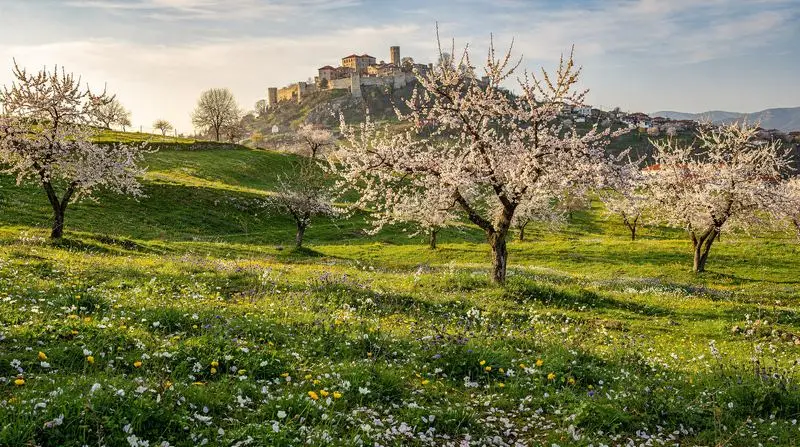
March is when Albania starts to wake up. The temperatures that held below 10°C through January and February begin to climb, reaching average highs of 14-15°C in the coastal lowlands and Tirana by the end of the month. The winter rains have not yet entirely retreated, but there are more clear days, the light is noticeably warmer, and in the southern valleys and along the Riviera coast the wildflowers have already begun.
March is a transitional month in every sense: not quite winter, not yet spring, with the character of the experience depending heavily on timing within the month and which part of Albania you are visiting. The southern half of the country is reliably warmer and more floral by mid-March; the north and the mountains are still largely in winter mode through most of the month.
For travelers who want to experience Albanian culture and landscapes without the summer crowds and at genuinely low prices, March is one of the most rewarding months to visit.
| Where | South Albania (Saranda, Permet, Gjirokastra) for the earliest spring |
| Cost | Near winter lows; some coastal properties begin reopening late in the month |
| Time needed | 7-10 days for a south-to-north cultural circuit |
| Getting there | Fly into Tirana; main highways fully open, mountain roads still variable |
| Best time of day | Afternoons for warmth; mornings for clear light and empty sites |
March Weather in Albania
Tirana and the coastal areas see temperatures climbing from roughly 8-9°C at the start of March to 13-15°C by the end, with some warm days pushing toward 17-18°C in sheltered locations. Rainfall decreases through the month compared to the winter peak but remains significant — particularly in the first half of March. The second half of the month typically sees more consistent dry spells.
The south of Albania — Saranda, Butrint, the coastal route toward Himara — is at its most spectacular in March. The combination of warming temperatures, low tourist numbers, and the first wildflower blooms on the limestone hillsides creates a landscape that is arguably more beautiful than the summer version, when the dry season turns the vegetation brown and the crowds replace the solitude.
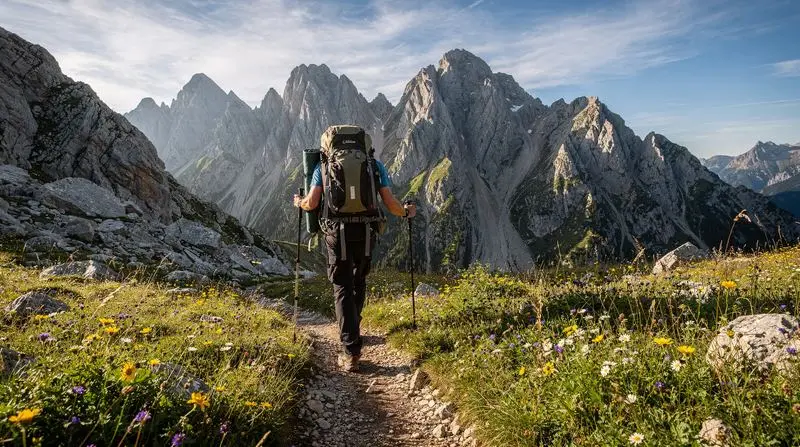
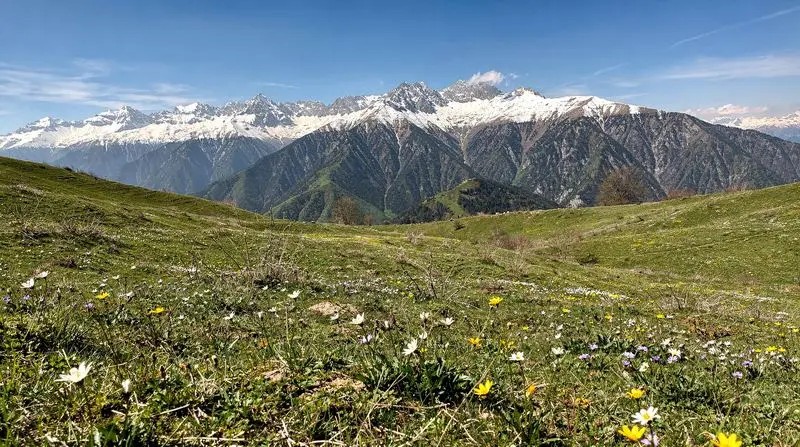
Mountain snow persists at higher elevations through all of March and into April. The Albanian Alps remain inaccessible for standard hiking, but lower mountain areas, including the foothills around Berat and the Vjosa valley near Permet, become increasingly walkable as the month progresses.
The Summer Day Festival: A Uniquely Albanian March Event
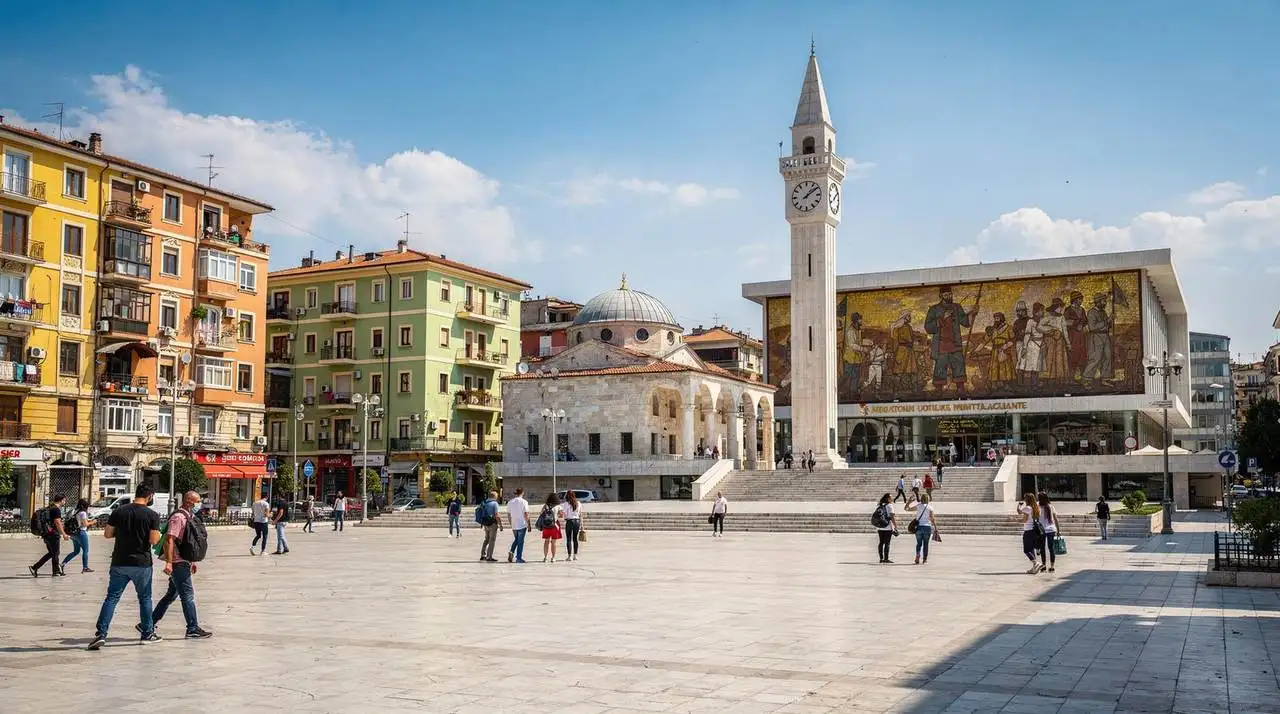
Dita e Veres — the Summer Day festival — is celebrated on March 14th across Albania and is one of the country’s most distinctive cultural events. The festival has pre-Christian, pre-Islamic, and pre-Orthodox roots, connecting to ancient Illyrian rituals marking the transition from winter to spring. It has been kept alive through Ottoman, communist, and post-communist eras without interruption.
Elbasan is the center of Summer Day celebrations, and the city on March 14th fills with festivities: street vendors sell the traditional ballokume cookies (the crumbly corn flour biscuits that are specifically associated with this festival), families gather in parks and public spaces, music plays in the streets, and the general atmosphere is of a city engaging in collective celebration of warmth returning to the world.
Visiting Elbasan on or around March 14th provides a glimpse of Albanian popular culture and tradition that is completely different from anything available in the tourist season. The festival is not staged for visitors; it is simply happening, and visitors are welcome to observe and participate in it.
Tirana also celebrates Summer Day with events in Rinia Park and around Skanderbeg Square, though the Elbasan version is more elaborate and more deeply rooted.
Wildflowers and the Albanian Spring Landscape
Albania has an exceptionally rich flora, a consequence of the country’s diverse geology (limestone karst in the mountains and coast, crystalline rock in the north, alluvial plains in the center) and its position at the junction of Mediterranean, Balkan, and continental European climate zones. The spring wildflower season, which begins in earnest in March in the south and spreads northward through April, produces a display that is spectacular in the limestone hillsides of the Riviera and the Albanian southern valleys.
The mountains above Gjirokastra are particularly rewarding for wildflowers in the second half of March: anemones, crocuses, cyclamen, and wild orchids appear alongside the roads and in the meadows before the summer heat arrives. The Drino valley below Gjirokastra turns green and flower-dotted in a way that the dry summer landscape obscures entirely.
The area around Permet — already one of Albania’s most beautiful destinations — is exceptional in spring. The Vjosa River valley, the Langarica Canyon near the thermal baths, and the surrounding mountains produce a profusion of wildflowers in March and April that make this one of the best periods for the southeastern Albania circuit.
Shkodra and the North in March
Shkodra, Albania’s northern cultural capital, is an excellent March destination. The city’s pedestrian main street, its cafe culture, and the Rozafa Castle above the city are all accessible and rewarding in winter conditions. The castle — an Illyrian and medieval fortress on a hill at the confluence of the Drin, Buna, and Shkodra rivers — has panoramic views that are particularly clear in March’s typically crisp air.
Lake Shkodra in March is at its winter level, higher than summer due to rainfall, and the lake’s extensive birdlife is at maximum diversity as migratory species pause on their spring migration. For visitors interested in birds, March at Lake Shkodra is one of the finest experiences in Albanian natural history: the lake shores are accessible by bicycle or car from the city, and the combination of resident and migratory species produces impressive diversity.
The historic streets of Shkodra’s old city — the area around the old mosque, the Orthodox cathedral, and the Catholic cathedral that reflect the city’s unusual religious pluralism — are worth a morning of exploration on foot. Shkodra is Albania’s most historically Catholic city (the bishop’s seat for northern Albania), and the religious architecture here reflects a different tradition from the mosques and Orthodox churches of the south.
Cultural Sightseeing in March
The museums and historic sites of Albania’s cities are open year-round and continue to be the primary March activity for most visitors. March conditions — mild afternoons, limited rain in the second half of the month, minimal tourist crowds — are arguably the ideal conditions for extended sightseeing in Berat, Gjirokastra, and Tirana.
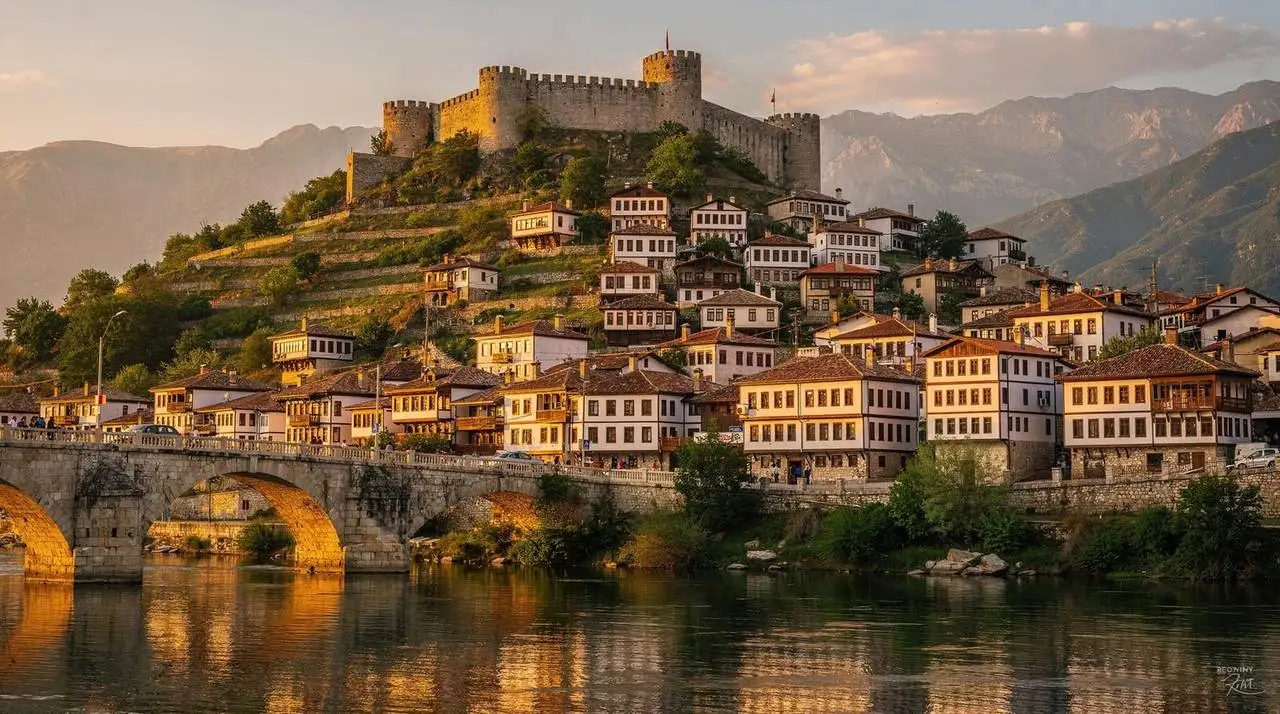
In Berat, the castle complex and the Onufri Museum within it are at their spring best in March: the castle walls covered with the first green of the season, the views over the Osum valley with the riverside city below, and the complete absence of crowds in the museum and along the castle lanes. A full day in Berat in mid-March, walking from the old quarter up through Mangalem to the castle and back, is one of the finest day-trip experiences in Albanian travel.
In Gjirokastra, the combination of the old city, the castle, and the ethnographic museum housed in Enver Hoxha’s birthplace creates a cultural circuit of real depth. March access is excellent: no queue for any attraction, no competition for the best viewpoints, and a pace that allows the city’s considerable architectural beauty to register fully.
March in the South: Saranda and the Riviera Awakening
The southernmost part of Albania — Saranda, Butrint National Park, and the first stretches of the Albanian Riviera — begins to stir in March. Most beach facilities remain closed, but the towns themselves are operational, the restaurants that stay open year-round are serving, and the landscape of the southern coast in March has a freshness and clarity that the summer version — browning vegetation, heavy heat, dense tourist traffic — does not match.
Walking the Saranda waterfront in March, with the Ionian Sea calm and blue under spring sun, Albanian families conducting their evening xhiro along the promenade, and no tourist activity anywhere, is a different Albania from the July version. For visitors interested in the country’s everyday life rather than its beach culture, this quiet coastal Albania of early spring has its own considerable appeal.
Butrint National Park in March is one of the finest archaeological experiences available in Albanian travel. The ancient ruins — Greek, Roman, Byzantine, Venetian — surrounded by lush vegetation at its spring peak, with no other visitors in sight and the lagoon birds active around the edges of the site, provide an immersive and almost entirely solitary experience of a major UNESCO site that is genuinely rare anywhere in Europe.
First Outdoor Opportunities
While the Albanian Alps remain closed for standard hiking in March, the lower mountain and valley routes begin to open up by mid to late March in the south.
Day walks from Berat into the surrounding hills are feasible from mid-March onward. The paths above the city toward the Tomorr massif (which is snow-covered at altitude but accessible at lower elevations) offer rewarding views and excellent spring flora.
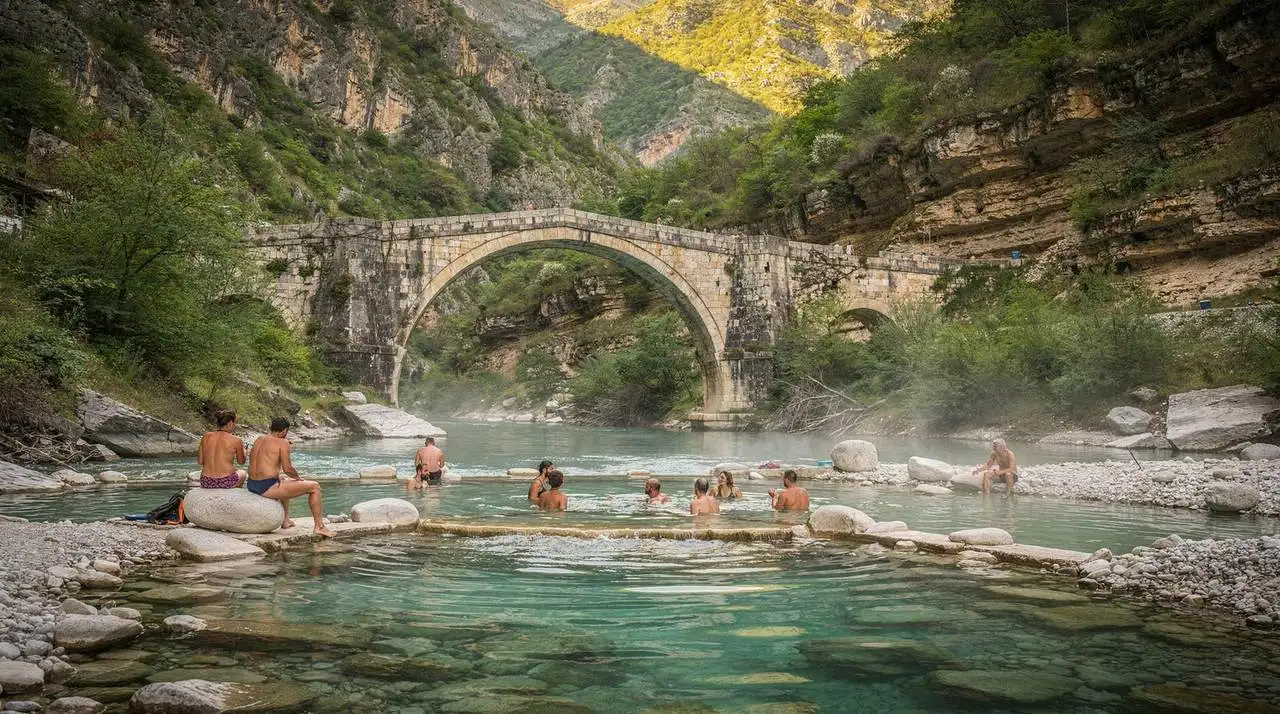
The area around Permet and the Benja thermal baths is walkable in March. The path along the Langarica Canyon to the thermal springs is negotiable on dry days, and the combination of a winter thermal bath experience with the first signs of spring vegetation in the canyon is one of March’s particular pleasures. Organized thermal bath excursions from Permet handle transport in conditions that can still be variable in March.
Prices and What to Expect
March is firmly pre-season in Albanian tourism terms. Prices for accommodation are near their winter lows, particularly in the first half of the month. By late March, some hotels and guesthouses in the coastal areas begin to open for the coming season, but even these are offering spring rates well below what July and August will bring.
The Riviera restaurants and beach facilities are not yet open, but the towns of Saranda, Himara, and the coastal route are accessible and functional. Walking the coastal road in March — with the Ionian Sea to one side and the Ceraunian mountains rising sharply above — in conditions free from summer traffic and heat is one of the season’s genuine pleasures.
The Tirana walking tour runs year-round and in March operates in pleasantly mild conditions with small group sizes. It is an excellent way to begin a visit to Albania, particularly for first-timers who benefit from a guided orientation to the city before independent exploration.
What to Pack for March
The layering principle still applies in March. Early March is effectively winter: bring waterproof footwear, a warm mid-layer, and a windproof jacket. By late March, lighter layers become appropriate for the afternoons but a mid-layer remains necessary for evenings and mountain areas. Comfortable walking shoes with grip are essential for the cobbled streets of Gjirokastra and Berat.
March Food and Markets
March is a transitional month for Albanian markets and food culture. The winter stores are being used up — preserved peppers, dried beans, pickled vegetables, aged cheeses — while the first signs of spring produce are appearing at the market stalls. In the south of Albania, the first spring greens (wild rucola, nettles gathered from hillsides, early spinach) appear in March and find their way into byrek fillings and simple cooked preparations.
The New Bazaar in Tirana in March is worth visiting for the seasonal overlap: winter dairy products at their peak richness alongside the first spring vegetables arriving from the southern lowlands. A breakfast of fresh byrek with winter white cheese and a strong espresso at a New Bazaar stall is one of the more grounding Albanian morning experiences at any time of year, and in the quietness of March it is even better.
The ballokume cookies associated with the Summer Day festival on March 14th are specific to this moment: made from corn flour, butter, eggs, and sugar, they are crumbly, gently sweet, and found in bakeries and market stalls through the festival period. Trying them in the context of the festival, in Elbasan or in Tirana, gives them a meaning that the out-of-season bakery version does not quite replicate. For the broader food context, see the Albanian food guide.
March in the Albanian Alps
The northern mountains are not a March hiking destination, but the dramatic transition from winter to spring is visible from the valley floors and lower approaches. The guesthouses in Theth and Valbona remain closed through most of March, and the trails between them are under snow. However, driving toward the Albanian Alps from Shkodra — as far as the end of the paved road — provides mountain scenery of considerable beauty: snowpack on the peaks, the first green in the valley floors, waterfalls running full with melt water.
The hot springs at Benja near Permet are accessible in March year-round. The Langarica Canyon approach can be muddy after rain, but the springs are reachable with appropriate footwear. The contrast between cold canyon air and steaming thermal water is particularly pronounced in March — one of the month’s finest outdoor experiences. Organized excursions to the Benja thermal baths handle the logistics for visitors who are uncertain about the road and trail conditions in March.
March Transport and Logistics
Traveling in March requires awareness of road conditions that improve through the month. Early March sees the last of the winter mountain conditions: roads in higher areas can be icy after cold nights, and mountain approaches to the Albanian Alps are still potentially problematic for low-clearance vehicles. The main highways between cities are fully open and safe throughout March.
The furgon network operates normally in March, with services to all major cities running daily. The tourist infrastructure is beginning to reopen — some guesthouses that closed in November are starting their new season preparations in March — though the full complement of open facilities is not available until April and May. Book ahead for any specific property you have identified; availability is not the issue, but confirming current status is worthwhile. See the buses and furgons guide for current route frequencies if travelling without a car.
Making the Most of March
The ideal March itinerary in Albania prioritizes the south, where the spring arrives earliest and the wildflower season begins by mid-month. A circuit from Tirana south through Berat, Gjirokastra, Permet including the thermal baths, and down to Saranda before returning north covers the best of Albania in conditions that are increasingly favorable as the month advances.
March visitors who return to Albania in summer often report that the spring visit was their preference — quieter, more affordable, and with a landscape quality that the summer heat and tourist numbers change considerably. For the full comparison of Albania’s months, see the best time to visit guide.
March vs April: Timing the Wildflowers and Prices
| March | April | |
|---|---|---|
| Coast temperature | 8-15°C | 12-20°C |
| Wildflowers | Beginning in the south | Widespread, including the north |
| Prices | Near winter lows | Slightly higher, still pre-peak |
| Sea swimming | No | Marginal for confident swimmers |
| Easter crowds | None | Possible if Easter falls in April |
March suits travellers who prioritise the lowest prices and are content with a mostly cultural, non-swimming trip focused on the south. April offers noticeably milder weather and wildflowers reaching the north and the Alps foothills, at a modest cost premium and the possibility of Easter-period crowds in Berat and Gjirokastra. Travellers choosing between the two for a first spring visit generally find April the more comfortable, better-rounded month, while March rewards those specifically chasing solitude and value.
Frequently Asked Questions About Albania in March
Can you swim in Albania in March?
No, not comfortably. Sea temperatures in March remain in the low teens, too cold for all but the most dedicated cold-water swimmers, and beach facilities such as sunbeds and beach bars are not yet open. March is better treated as a cultural and early-wildflower month than a swimming one — for a swimmable sea, June onward is the reliable window.
What is the Summer Day festival and is it worth planning a trip around?
Dita e Veres (Summer Day), celebrated on March 14th, is a genuinely distinctive Albanian tradition with pre-Christian roots marking winter’s end, centred on Elbasan where the streets fill with music, families, and the traditional ballokume cookies. It is worth planning around for travellers interested in authentic, non-touristic Albanian culture — the festival is not staged for visitors, which is exactly its appeal.