Albania in January: What to Expect in the Quietest Month
January is Albania’s quietest month for tourism, and that is both its principal challenge and its most compelling selling point. The beaches are closed, the mountain trails are under snow, and the Albanian Riviera — so vivid and crowded in summer — has retreated into a genuine off-season calm. What remains is a country experienced largely as Albanians experience it for most of the year: functional, affordable, and thoroughly untouristy.
For the right kind of traveler — one interested in culture, food, and the texture of daily life rather than beach clubs and boat trips — January in Albania offers something increasingly rare in European travel: an authentic, uncrowded experience at prices that feel almost improbably low.
| Where | Tirana, Berat, Gjirokastra, Korça — cultural cities, not the coast |
| Cost | Annual low, 30-50% below summer accommodation rates |
| Time needed | 5-10 days for a cultural circuit |
| Getting there | Fly into Tirana; furgons run daily but less frequently than summer |
| Best time of day | Daylight roughly 7:30am-4:30pm; plan around a 9-hour window |
January Weather in Albania
Temperatures in January range from 5°C to 10°C in Tirana and the coastal lowlands, with colder conditions at elevation. The Albanian Alps in the north are fully snowbound, and even the hills around Gjirokastra and Berat see occasional snow. Rainfall is significant in January — the wettest months of the Albanian year cluster around December through February — and visitors should expect overcast days, periodic rain, and the need for proper waterproof clothing.
The coastal areas around Saranda in the far south are the mildest part of Albania in January, with temperatures occasionally reaching 13-14°C on clear days. The Mediterranean influence here pushes temperatures slightly above the national average even in the depths of winter.
Mountain snow in January is reliable enough to make hiking in the Albanian Alps impractical and potentially dangerous without specialist equipment and local guidance. The passes that connect Theth and Valbona are typically closed to ordinary vehicles in January, and attempting them without experience is inadvisable.
Wind is a factor in January, particularly in the coastal areas and in open valleys. Pack layers and a windproof outer layer regardless of the base temperature forecast.
What to Do in Albania in January
The January travel agenda in Albania is built around indoor and urban experiences more than outdoor adventure.
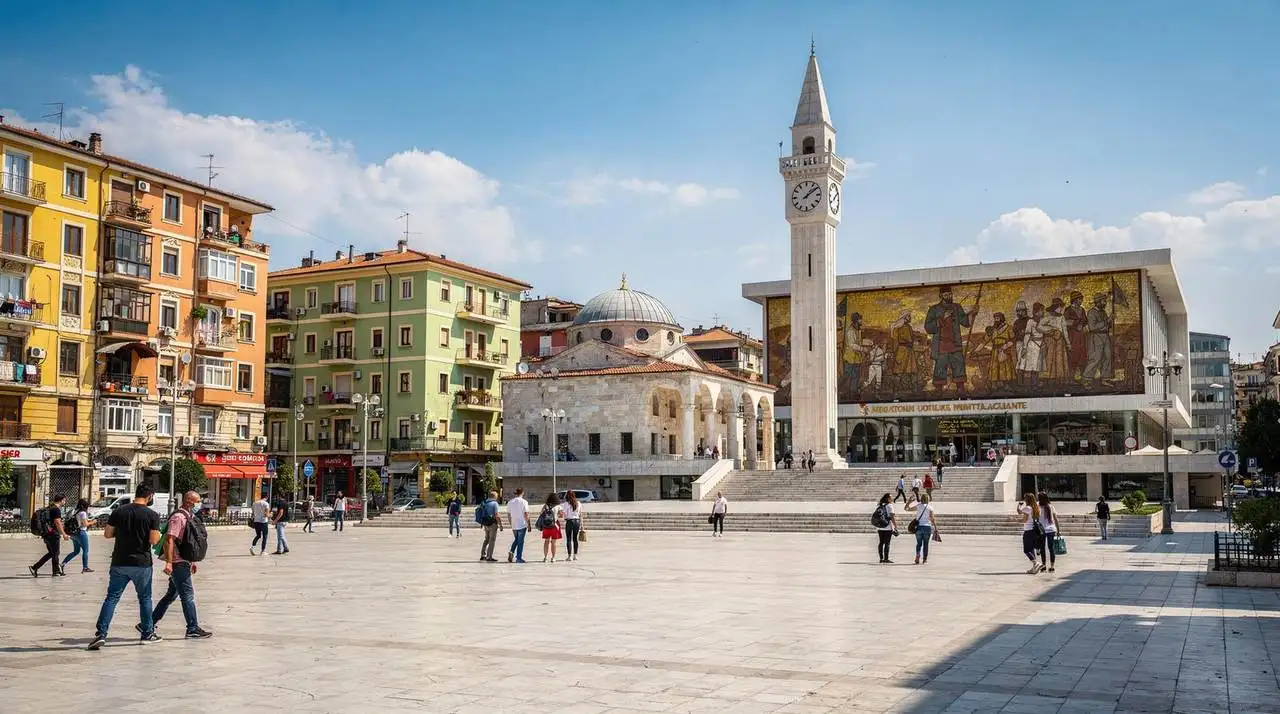
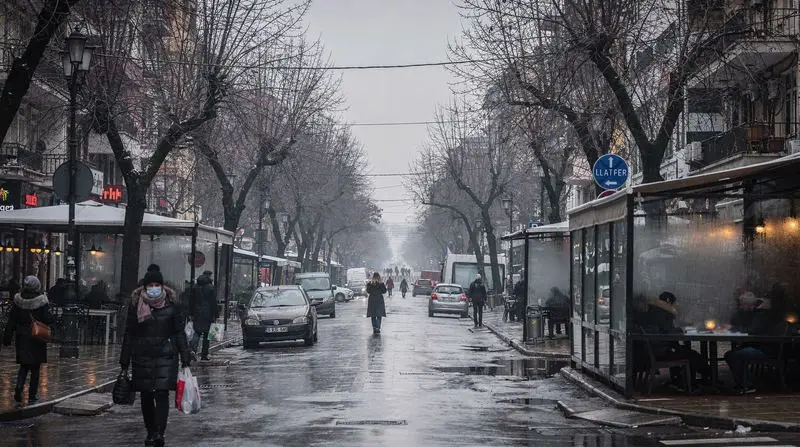
Tirana in January is a fully functional, lively city regardless of season. The coffee culture that defines Albanian urban life operates year-round, and the cafes of the Blloku district, the restaurants of the New Bazaar, and the museums and galleries of the center are all open and uncrowded. The National History Museum, the National Art Gallery, and the Bunk’Art underground museum — built in the tunnels of a cold-war bunker — are the principal cultural attractions and are best appreciated without the summer queues. The BunkArt experience in particular is enhanced by a winter visit: the cold and low light outside makes the descent into the concrete bunker more atmospherically appropriate.
The New Bazaar market in Tirana operates through winter with seasonal produce adjusting to what is available: root vegetables, winter greens, stored preserves, cured meats, and dairy products. A morning at the market in January, with a warm byrek in hand and coffee steaming at a nearby stall, is a more genuinely Albanian experience than any summer version surrounded by foreign visitors.
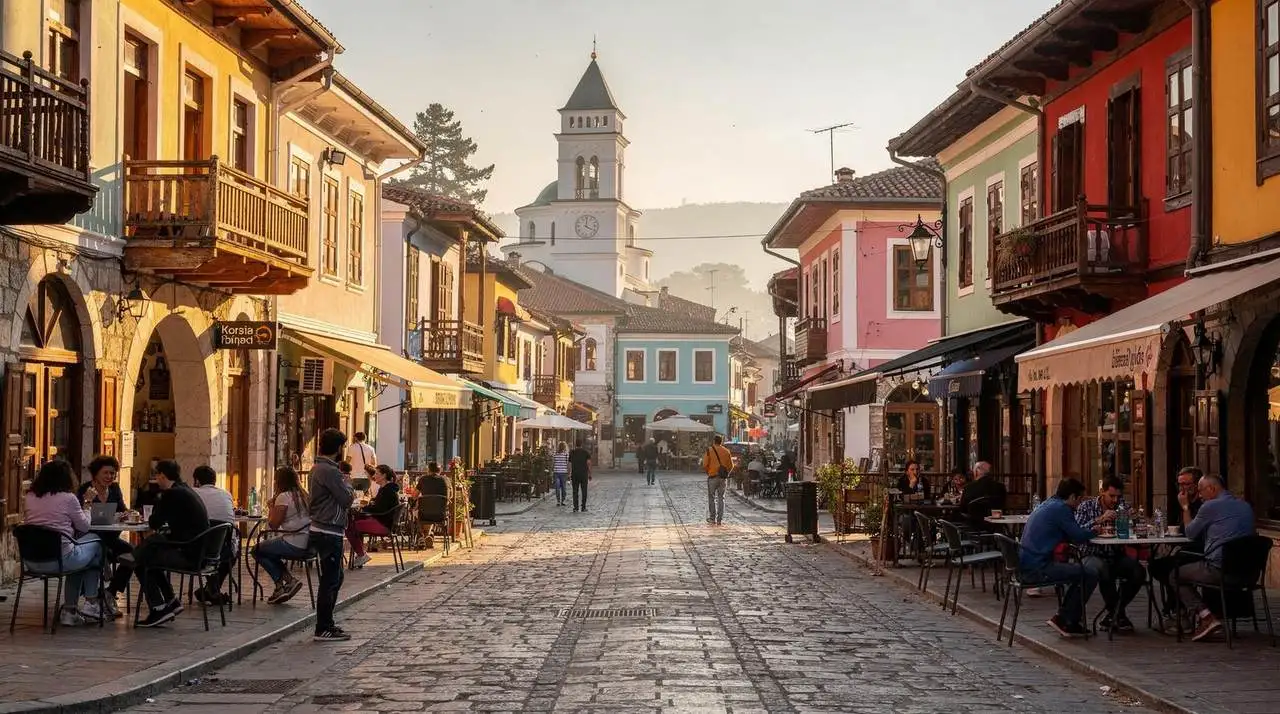
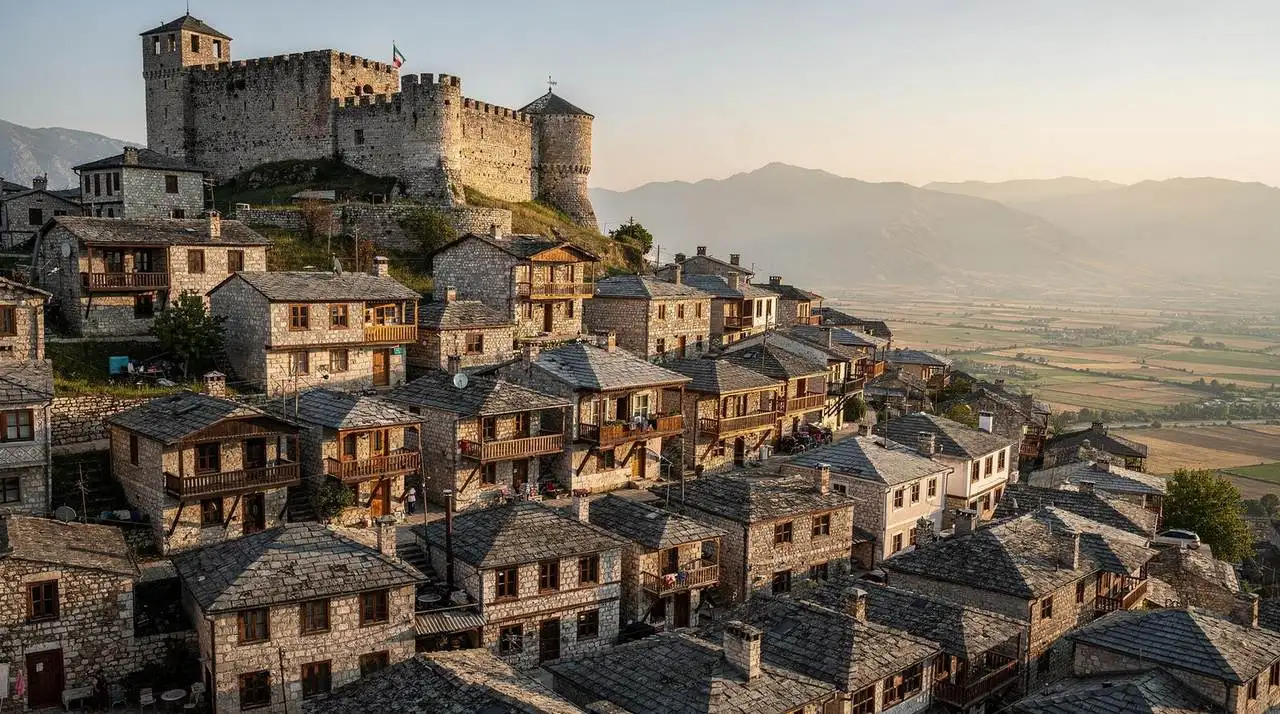
Gjirokastra and Berat in January are atmospheric in ways that summer visits rarely approach. The UNESCO World Heritage cities, stripped of tourist crowds and seen through winter light, reveal the architectural beauty of their stone and white-plastered buildings with a clarity that is genuinely striking. Walking the old city of Gjirokastra in January — the steep cobbled lanes empty, the castle walls catching whatever winter sun is available — produces an experience of the place that its thousands of summer visitors rarely achieve.
Korce in the southeast of Albania is worth a specific mention for January. The city has a well-established local culture, a beautiful old quarter, and a particular atmosphere in winter that its reputation as Albania’s “city of culture” reflects. The Korce Orthodox Cathedral, the Museum of Medieval Art (which houses some of the finest Byzantine icons in the region), and the Beer Festival (held in August, admittedly, but the brewery tours run year-round) make the city a rewarding winter destination. The city feels properly lived-in in January in ways that the peak-season version — when visitors arrive in numbers — does not.
Thermal Baths: January’s Best Activity
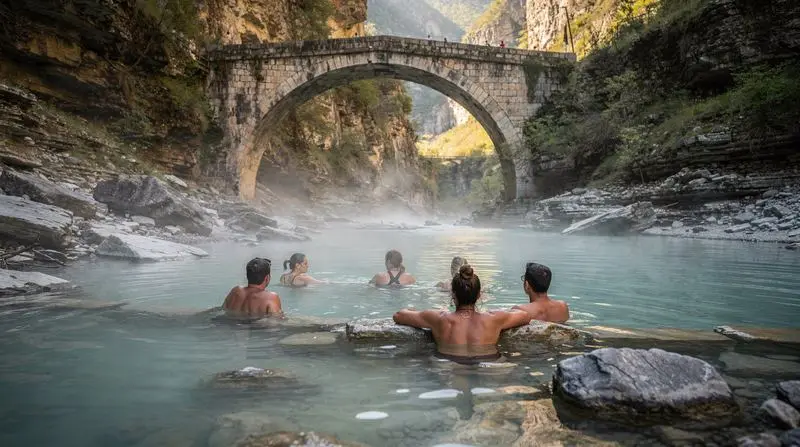
The thermal springs at Benja near Permet in southeastern Albania are among the finest thermal bath experiences in the Balkans, and they are at their absolute best in January. The natural hot springs feed pools maintained at 28-32°C, which are most enjoyable when the surrounding air temperature is cold — the steam, the warmth of the water against winter air, and the dramatic gorge setting combine into something genuinely memorable.
This guided excursion to the Benja thermal baths near Permet handles transport and access logistics, which is particularly useful in January when the roads to the springs require more care than in other seasons. The experience is one of Albania’s best low-season activities.
Other thermal bath locations in Albania include the springs at Llixha near Elbasan, which have a more developed infrastructure than the natural Benja springs, and are accessible year-round with basic changing facilities.
What Is Closed in January
Honest travel information requires acknowledging what is not available in January. Most beach facilities along the Albanian Riviera — sunbeds, umbrellas, beach bars — are shut entirely. The boat tours that operate between May and October are suspended. Many smaller hotels and guesthouses in coastal villages and in the mountain communities of the Albanian Alps close entirely for the winter months.
The mountain hiking routes — the Peaks of the Balkans trail, the Valbona-Theth crossing, and most alpine routes — are inaccessible without specialist winter equipment. Local mountain guides do operate in winter, but this is a completely different undertaking from summer hiking.
Some restaurants in smaller tourist towns reduce their hours or close on quieter weekdays. Calling ahead before making a specific trip to a restaurant in a smaller destination is good practice in January.
Prices and Value in January
January represents the absolute price floor for Albanian tourism. Hotel rates in Tirana run 30-50% lower than peak season. The coastal destinations that become expensive in July and August are either closed or offering accommodation at prices that seem almost unreasonably low. Transport (furgons, buses, car hire) is unaffected by season in price terms.
For budget travelers willing to accept cold and grey weather, January in Albania represents extraordinary value. The combination of low accommodation prices, already inexpensive food and drink, and the absence of any tourist premium makes a week in Albania in January genuinely affordable by any European standard.
January Events and Festivals
The social calendar in January is quiet by Albanian standards, but a few notable occasions shape the month.
New Year celebrations (Viti i Ri) in Albania are considerable affairs. The first days of January carry the festive atmosphere into the early part of the month, particularly in Tirana, where Skanderbeg Square is decorated and a concert program typically runs through the first week.
The Orthodox Christmas (celebrated on January 7th by the Orthodox Christian minority in Albania, particularly in areas like Korce and Gjirokastra) adds a second festive pulse to the early part of the month.
What to Pack for January in Albania
Waterproof footwear is essential — the combination of rain, cobbled streets, and temperatures that make mud of unpaved surfaces means that anything less is quickly uncomfortable. A warm mid-layer and a windproof jacket cover most conditions. Thermal underlayers are advisable for mountain excursions or for time in Korce, which sits at higher elevation than the coastal lowlands.
The Albanian urban environment in January is heated (cafes and restaurants are warm), so the layering principle applies: manageable for the cold outside, comfortable for the warm inside.
Getting Around Albania in January
The main highways and roads between cities remain open and usable throughout January. Road conditions on mountain passes can deteriorate with snow and ice, and drivers should check conditions before attempting any high-elevation route.
Furgon minibus services between cities continue operating year-round, though services to smaller mountain communities may be reduced or suspended in deep winter. Buses between Tirana and the major cities (Shkodra, Elbasan, Berat, Gjirokastra, Saranda) run daily throughout January.
For Tirana-based exploration, the city is easily navigable on foot within the center, and taxis and ride-share apps (Bolt operates in Tirana) handle longer distances within the city efficiently.
This Tirana walking tour operates year-round and provides an excellent orientation to the capital regardless of season. The winter version, with fewer participants and a more relaxed pace, often produces a better experience than the busy summer equivalent.
January Culture: Museums and Heritage Sites
Albania’s museums and cultural attractions are open year-round, and January is arguably the best month to visit them. The National History Museum in Tirana — the largest museum in Albania, covering the full arc of Albanian history from Illyrian prehistory through communism to the present — is best appreciated at the unhurried January pace, when you can spend two hours with the Byzantine art collection without anyone else in the room.
BunkArt1, located outside Tirana in the tunnel complex originally built as a command bunker for the communist leadership, is another winter priority. The scale of the bunker — five floors, 100 rooms, built to shelter the entire Albanian government in the event of nuclear attack — is most fully comprehensible in the quiet of January, when the atmosphere of paranoia and isolation that shaped it can be felt clearly rather than being diluted by crowds.
The Kruja castle and Skanderbeg Museum — the spiritual center of Albanian national identity, forty minutes north of Tirana — is virtually empty in January and the experience of walking the castle walls and the Ottoman-era bazaar with a local guide or in complete solitude is striking. The views from the castle over the Albanian lowlands toward the Adriatic are as good in January clear weather as at any other time.
Albanian Coffee Culture in January
January is an ideal month to immerse yourself in Albanian coffee culture, one of the country’s most distinctive social institutions. With no beach activities, no hiking, and no pressure to cover ground, the January traveler has permission to do what Albanians do in winter: sit in cafes for hours, drink small strong coffees, and talk.
The coffee culture is described in detail in our Albanian coffee guide, but the January experience of it is worth noting specifically: the heated interior of a Blloku cafe in Tirana in January, rain on the windows outside, a steady stream of Albanians coming in for their morning or mid-morning or mid-afternoon coffee and staying for forty-five minutes each time, is one of the most genuine windows into ordinary Albanian life that travel in this country provides.
Albanian Food in January
January is a month of Albanian winter cooking: hearty, warming, and based on preserved and stored ingredients from the autumn harvest. Bean soups (fasule) slow-cooked with pork or lamb, fergese made with dried and preserved peppers rather than the summer fresh version, bread puddings and rice puddings, and the dairy products — cheeses aged since summer, full-fat yogurt, kaymak — that are at their richest in winter.
Restaurant menus in January in Tirana and the cultural cities reflect this seasonal cooking honestly. Mullixhiu, the most acclaimed restaurant in Albania, has a winter menu that showcases preserved Albanian ingredients from artisan producers in ways that make the seasonal visit rewarding rather than a compromise. The Albanian food guide provides context for understanding what you are eating and why it is made the way it is.
January Itinerary Ideas
A practical January Albania itinerary focuses on Tirana as the base with day trips to accessible cultural destinations. Day one: arrive in Tirana, orientation walk of the Skanderbeg Square area, lunch at the New Bazaar, afternoon at BunkArt2. Day two: National History Museum in the morning, the National Art Gallery in the afternoon, dinner at Mullixhiu. Day three: day trip to Berat (two hours each way by bus or car), the castle complex and Onufri Museum, lunch at Mangalemi or Antigoni, return to Tirana for the evening. Day four: day trip to Kruja or Shkodra (both accessible as day trips from Tirana). Day five: thermal baths excursion — either Llixha near Elbasan (closer) or Benja near Permet (more spectacular, requires an overnight).
This structure provides cultural depth, comfortable distances, and the winter Albania experience at its most rewarding without requiring any of the beach or mountain infrastructure that is unavailable in January.
For a longer January visit (ten days to two weeks), adding Gjirokastra as a two or three night stay — for the stone city atmosphere, the castle, and the UNESCO old quarter in genuine winter solitude — extends the itinerary into southern Albania’s most dramatic urban environment.
Is January Right for You?
January suits travelers who want Albanian culture and history without tourists, who are comfortable with cold and grey weather, and who prioritize authenticity and value over sunshine and beaches. It is genuinely rewarding for that profile and genuinely unsuitable for visitors expecting the warm, vibrant Riviera experience.
If you are considering a January visit but uncertain, the best time to visit Albania guide covers all months with honest assessments of what each season offers. The Albania winter travel guide covers December through February as a group if you are weighing which of the three cold months best fits your trip.
Combining January with a Wider Balkans Trip
January’s quiet extends across the wider region, which makes it a reasonable month to combine Albania with neighbouring countries rather than treating it as a standalone destination. The Albania and North Macedonia itinerary and the Albania and Kosovo itinerary both work in winter, since the cultural cities and museums that anchor a January Albania trip have direct equivalents across these borders, and winter border crossings are generally straightforward with light traffic. For travellers arriving via a European capital, checking the flights to Albania guide is worthwhile, since January fares to Tirana are at their annual low and connections are less crowded than any other month.
Practical January Travel Tips
A few Albania-specific practical points that differ in January from other months:
Opening hours change. Many coastal and mountain businesses close entirely from November through March. In Tirana and the cultural cities, opening hours are reduced from summer peaks but most restaurants, museums, and cafes function normally. Before making a specific restaurant or museum a priority, a quick check of current hours via Google or a phone call is worthwhile.
Transport is reliable but less frequent. Furgons between major cities run year-round, but frequency is reduced. The daily Tirana-Saranda furgon operates but may run once rather than several times daily in January. Check current departure times with your guesthouse or hostel and book your seat the day before.
Prices are the lowest of the year. Hotel rates in January are typically 30-50 percent below summer prices. Guesthouses that charge EUR 70-80 in July often run EUR 40-50 in January. Restaurants are quieter and less rushed. The overall budget for a January trip is significantly lower than a summer trip of equal quality.
Pack for real winter. Tirana in January can reach 3-4°C at night. Gjirokastra and the interior cities are colder still. Mountain areas experience proper snow. Packing a proper winter coat, layers, waterproofs, and good walking shoes for wet cobblestones is not optional — it is essential.
The days are short. Sunrise in Tirana in January is around 7:30am and sunset around 4:30pm. A 9-hour window of daylight shapes what is achievable each day. Starting early and being back at your accommodation by late afternoon when temperatures drop is a sensible rhythm.
January Festivals and Events
January is not Albania’s richest month for public events, but a few are worth noting:
New Year period (1-7 January): Albania celebrates New Year with energy. Skanderbeg Square in Tirana has public celebrations on New Year’s Eve, and the first week of January has a festive atmosphere in cities across the country. Restaurants and hotels are slightly busier than the rest of the month during this period — book ahead for the first week of January.
Albanian Orthodox Christmas (7 January): For Orthodox Christian Albanians, Christmas Day falls on 7 January. In areas with significant Orthodox populations — particularly in the south around Berat, Gjirokastra, and Saranda — there are church services and family celebrations around this date. The atmosphere in old churches during an Orthodox Christmas service is genuinely moving.
Saint Anton’s Day (17 January): A saint’s day with regional significance in some parts of Albania, particularly in areas with Catholic or Orthodox traditions. Small local celebrations may be encountered in certain towns.
January is otherwise Albania’s quietest month on the event calendar. The National Theatre in Tirana and the National Opera and Ballet Theatre run regular winter programs that are worth checking for current productions during a January visit.
Getting Around Albania in January
Winter driving in Albania requires specific awareness:
Mountain roads may close. The road to Theth via the Qafa e Thorës pass is typically inaccessible in January due to snow. The road over Llogara Pass is occasionally closed briefly after heavy snowfall. Do not plan itineraries that depend on mountain roads without checking current conditions.
The coastal road (SH8) is open year-round. The main Riviera highway stays open through winter, though traffic is almost nonexistent south of Himara in January. This makes it an excellent time to drive the coast road without the summer convoy of vehicles.
City transport is normal. Bolt ridesharing operates normally in Tirana through winter. Public buses run regularly. Tirana’s city center is walkable in January — just dress warmly.
Car rental in January is available and cheaper than in summer. Road surfaces are generally passable on main routes but can be icy in the mornings in mountain areas. If renting in January for travel in the interior, asking for a vehicle with four-wheel drive capability is advisable for any planned mountain sections.
January vs December vs February
Of the three deep-winter months, January is the coldest and quietest, with the least festive atmosphere once the New Year period passes — December has the Korça Christmas market and Tirana’s holiday decorations, while February offers marginally longer days and the first hints of a milder spell. What January offers instead is the purest version of off-season Albania: the fewest visitors of any month, the deepest discounts, and a country experienced entirely on its own terms rather than through any seasonal event. Travellers who want winter Albania with zero festive scaffolding — just the cities, the museums, the thermal baths, and genuine Albanian daily life — tend to prefer January specifically for that austerity.
Frequently Asked Questions About Albania in January
Is Albania open for tourism in January?
Yes — Tirana and the cultural cities of Berat, Gjirokastra, and Korça operate normally year-round, including museums, restaurants, and transport. What closes is coastal and mountain seasonal infrastructure: beach bars, boat tours, and many guesthouses in the Albanian Alps shut for winter. A January trip works well as a cultural city break but not as a beach or hiking holiday.
How cold does it get in Albania in January?
Tirana and the coastal lowlands typically see daytime highs of 5-10°C with nights dropping to 3-4°C, while interior and elevated areas like Korça run noticeably colder. The far south around Saranda is the mildest part of the country, occasionally reaching 13-14°C on clear days. The Albanian Alps are fully snowbound and unsuitable for ordinary hiking.