Albania in 2026: Is It Still Affordable?
We get this question constantly now, and we understand why. Albania built its reputation on being genuinely cheap — a European destination where you could eat, sleep, and travel for twenty euros a day and not feel like you were roughing it. That reputation drew a generation of budget-conscious travellers who spread the word enthusiastically. Now those same travellers are asking whether the Albania they told their friends about still exists.
The honest answer is: yes and no. Albania is still affordable by European standards. It is no longer the budget outlier it was in 2018 or 2019. Here is a detailed, specific price check for 2026 based on our most recent visits.
For a comprehensive planning overview, our Albania travel budget guide covers all spending categories with current prices and tier breakdowns.
| Still cheap | Food, buses/furgons, mountain guesthouses |
| Risen most | Coastal accommodation in peak season |
| Mid-range budget | Around 100-150 euros/day for two |
| Best move | Travel May-June or September to save 30-40% on stays |
By Region: Where Prices Have Moved Most
| Region | 2019 feel | 2026 reality |
|---|---|---|
| Tirana | Cheap across the board | Mid-range, still good value |
| Albanian Riviera | Almost-free | Coastal peak-season prices rival parts of Croatia |
| Gjirokastra / Berat | Very cheap | Modest increase, still excellent value |
| North (Theth, Koman) | Very cheap | Barely changed — the best-value region left |
Coffee: The Canary in the Coal Mine
Albanian coffee culture is so embedded in national identity that the price of a macchiato functions almost as a social contract. When the price of coffee rises, everything else has usually risen first.
In 2019, a macchiato in Tirana cost 40-60 lek (roughly 35-50 euro cents). In 2022 it was 60-80 lek. In 2026, in most Tirana cafes, a macchiato costs 80-100 lek — call it 70-90 euro cents. In the more upmarket specialty cafes in Blloku, you will pay 150-200 lek (1.30-1.70 euros).
Verdict: coffee is still cheap by European standards but has roughly doubled in price in five years. The trajectory is clear.
Accommodation: The Biggest Change
This is where the most dramatic shifts have occurred, and where visitors with 2019 or 2020 expectations will experience the biggest surprises.
Budget: Hostels and basic guesthouses
Hostel dormitory beds in Tirana that cost 8-10 euros per night in 2019 now cost 15-20 euros. Basic private rooms in guesthouses that were 15-20 euros are now 30-40 euros. The supply of budget accommodation has not grown as fast as demand, which drives prices up.
Mid-range: Boutique guesthouses and small hotels
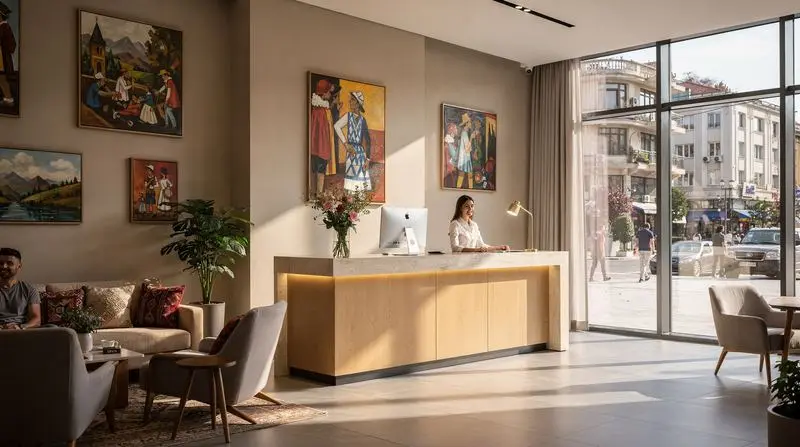
A decent double room in a mid-range guesthouse in Tirana: 60-90 euros per night in 2026, versus 35-50 in 2019.
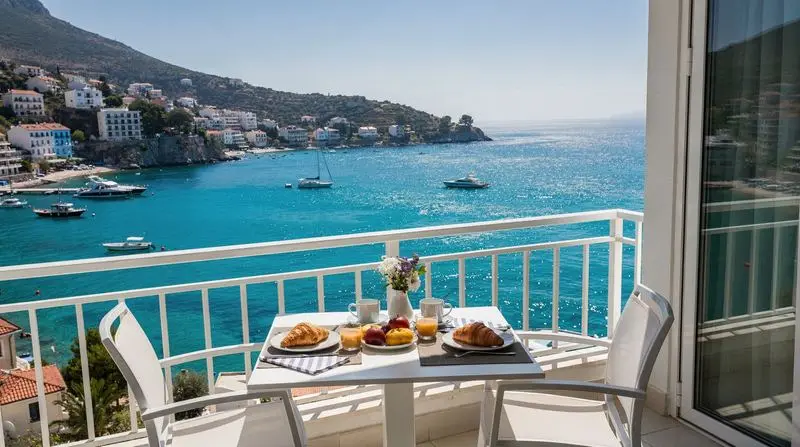
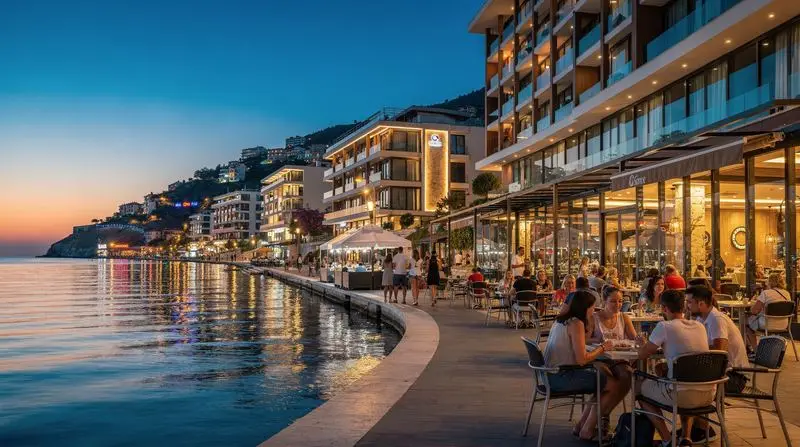
Coastal accommodation is where the price increase is most pronounced. A room in a well-reviewed guesthouse in Himara or around Ksamil that cost 40-60 euros per night in 2019 now costs 80-120 euros in peak summer. Some boutique properties in the best locations command 150-200 euros per night in July and August.
The context: These prices remain below comparable accommodation in Croatia, Greece, or Montenegro. But the gap has narrowed noticeably. The Albanian Riviera is the most affected area — the coast has developed fastest and prices have followed.
The workaround: Visiting in May, June, or September rather than July-August can save 30-40% on accommodation costs while still giving you excellent weather and swimmable water. Our Albanian Riviera road trip itinerary is structured around shoulder season travel for exactly this reason.
Food: Still the Best Value
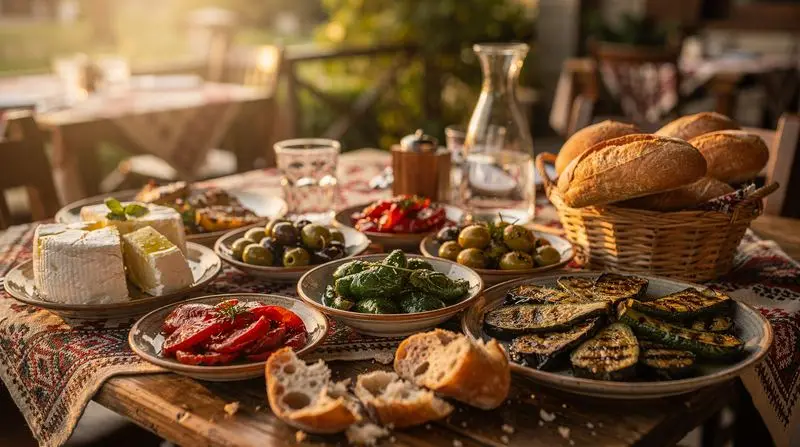
Food remains Albania’s strongest value proposition. The combination of outstanding quality and low prices that has always been the country’s best-kept secret has held up better than accommodation or transport.
A traditional restaurant meal (tave kosi, salad, bread, one drink) in most Albanian towns: 8-12 euros per person. In Tirana at a mid-range restaurant: 12-18 euros. At a tourist-oriented coastal restaurant in high summer: 15-25 euros.
Market shopping remains excellent value. Tomatoes, cucumbers, peppers, herbs, cheese, eggs, local fruit — a substantial haul from a market costs 10-15 euros for two people for several days of fresh produce. Albanian markets have not experienced the same price pressure as accommodation because they serve Albanians as much as they serve tourists.
The Albanian food guide covers what to order and where to find the best value eating across the country.
Specific prices in 2026:
- Byrek slice at a bakery: 80-120 lek (70 cents to 1 euro)
- Grilled fish dinner at a coastal restaurant: 1,500-2,500 lek per person (12-22 euros) including salad and bread
- Restaurant pizza in Tirana: 800-1,200 lek (7-10 euros)
- Raki from a village still: 200-300 lek per bottle (1.70-2.60 euros) — unchanged
For a particularly good food experience in Tirana that also shows you the city’s markets and culinary traditions, a Tirana food tour with meals included remains excellent value even at current prices — you taste multiple dishes and venues in a few hours for a cost comparable to a single restaurant dinner in Western Europe.
Transport: Modest Increases
Getting around Albania has become slightly more expensive but remains very cheap.
Buses and furgons: The intercity minibus (furgon) from Tirana to Saranda cost about 800 lek in 2019; it is now around 1,200-1,400 lek (10-12 euros). The furgon to Gjirokastra is around 800-1,000 lek. Buses from Shkodra to Tirana run about 400-600 lek. Still extraordinarily cheap relative to European intercity transport.
Taxis: Tirana taxis have increased in line with general inflation. Airport to city centre: 2,500-3,000 lek (21-26 euros), up from 1,500-2,000 lek a few years ago. Within the city, most rides cost 300-600 lek. The ride-hailing apps that operate in Tirana provide metered pricing and eliminate the need for negotiation.
Car rental: Self-driving remains one of the best ways to explore Albania, particularly along the coast and in the mountains. Rental prices are broadly in line with Southern European rates — roughly 35-50 euros per day for a standard vehicle including basic insurance. Our car rental Albania guide covers what to look for and which roads to be careful on.
Petrol: Broadly comparable to Southern European prices. Self-driving across Albania is still cheap relative to comparable distances in France or Italy.
Activities: Growing But Still Reasonable
The activity and tour market in Albania has professionalised and priced accordingly.
Guided tours of Berat, Gjirokastra, and other historical sites now typically cost 20-40 euros per person for a half-day tour. This is higher than the informal guide arrangements of a few years ago but reflects genuinely professional service.
Boat tours along the Albanian Riviera are excellent value for what they deliver. Albanian Riviera boat tours from Himara provide access to sea caves and hidden beaches that are otherwise unreachable, typically running 30-50 euros per person for a half-day — genuinely reasonable for a private or small-group boat experience in a spectacular setting.
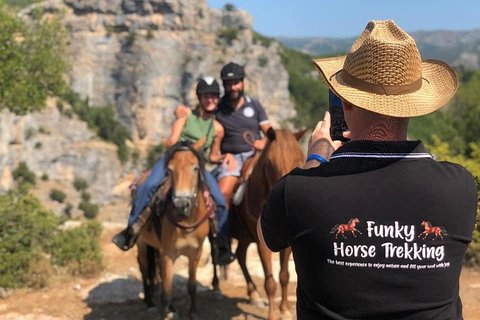
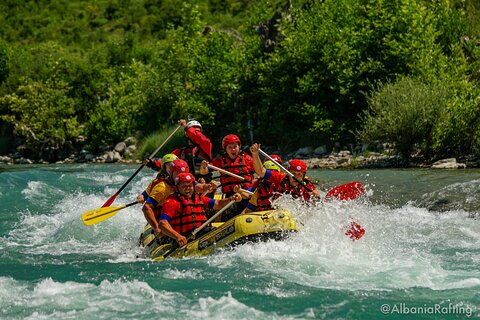
Off-road jeep tours, paragliding, kayaking — outdoor activities have all moved toward consistent pricing, generally 30-60 euros per person for a half-day activity.
Entry fees at archaeological sites have increased modestly. Butrint National Park now charges an entry fee. The Gjirokastra castle charges for entry. These are still trivial amounts — typically 200-500 lek per person (1.70-4.30 euros) — but they represent a shift from the “everything is free” era.
The Verdict: Budget Tiers in 2026
Backpacker/budget: 50-70 euros per day for two people. Hostel accommodation, cooking some meals, eating at local restaurants, using buses. Possible but requires more deliberate budget management than a few years ago.
Mid-range: 100-150 euros per day for two. Guesthouse accommodation, eating at proper restaurants, some activities. Comfortable and good value by European standards.
Boutique/comfort: 200-350 euros per day for two in peak season. Better guesthouses and boutique hotels, dining well, organised tours. For Riviera accommodation in July-August, add 30-50% to accommodation costs.
Where the Value Still Lies
The areas where Albania’s value proposition remains strongest in 2026:
Food: Still extraordinary relative to quality. Even mid-range restaurants deliver better food than their Western European equivalents at significantly lower prices. Do not economise on food in Albania — it is where the money goes furthest.
Northern mountain accommodation: The guesthouses in Theth and Koman Lake remain genuinely inexpensive. Mountain hospitality has not inflated at the same rate as coastal accommodation.
The experiences themselves: The Vjosa Valley, the Albanian Alps hiking routes, the old towns of Gjirokastra and Berat — the things that make Albania genuinely special are not expensive regardless of how much prices have risen. A day on the Theth-Valbona trail costs the same as it ever did. Our Theth-Valbona hike guide covers the full logistics with current costs.
Bus travel: The intercity bus and furgon network remains one of the best-value ways to move around the country. Taking the bus from Tirana to Gjirokastra costs roughly what a single coffee costs in a Scandinavian city.
How to Hedge Against Rising Coastal Prices
If accommodation is where your budget is most exposed, a few adjustments make a real difference. Basing yourself inland in Berat or Gjirokastra for most of the trip and treating the Riviera as a shorter add-on, rather than the centre of the itinerary, keeps the most inflated nights to a minimum. Booking Riviera stays the moment your dates are fixed — rather than waiting to compare options closer to the date — matters more than it did a few years ago, since the best-value properties in Himara and Ksamil now sell out before prices even peak. And splitting a longer trip so the coastal section falls in June or September, even by a week or two either side of the July-August peak, routinely saves 30-40% without meaningfully compromising weather or water temperature.
Is It Too Expensive?
No. Albania in 2026 is not too expensive. It is no longer the almost-free destination that word-of-mouth described in 2019, and visitors arriving with those expectations will be surprised. But compared to anywhere else in Mediterranean Europe, Albania offers significantly better value across the board.
The sweet spot has shifted. The place where Albania’s value is most striking is now food and local transport rather than accommodation. Build your Albania trip around what you eat and where you go rather than where you sleep, and you will still find that extraordinary Albanian generosity and quality that drew visitors here in the first place.
Our how to get to Albania guide covers the full logistics of arriving affordably. The country is worth it at current prices. It was extraordinary at the old prices, and it is still outstanding at the new ones.
The travellers who get the most out of Albania in 2026 are those who plan slightly more carefully than they might have needed to in 2019 — who book accommodation in advance for the coast, time their visit to shoulder season where flexibility exists, and commit fully to eating and drinking locally rather than in tourist-oriented establishments. That approach still delivers an extraordinary trip at a price that makes most of Europe look expensive by comparison.