Albania for Students and Gap Year Travelers: The Complete Guide
If your gap year shortlist still does not include Albania, move it to the top. Here is a country that delivers extraordinary value for student budgets, a genuinely warm welcome, world-class natural landscapes, two UNESCO World Heritage cities, and one of Southeast Europe’s most energetic urban nightlife scenes — almost none of it discovered by the mainstream gap year circuit that churns through Thailand and Bali.
This guide covers everything a student or gap year traveler needs: realistic daily costs, the best hostels, volunteer and working holiday opportunities, the nightlife scene, and a frank assessment of what to expect from Albania on a tight budget.
| Where | Tirana, Berat, Saranda, Albanian Alps (Theth/Valbona) |
| Cost | around EUR 28-40/day comfortable student budget |
| Time needed | 2-6 weeks for a proper first pass |
| Getting there | Ryanair/Wizz Air to Tirana, around EUR 50-120 return |
| Best time | May-June or September for weather and lower prices |
Why Albania Is Perfect for Gap Year Travel
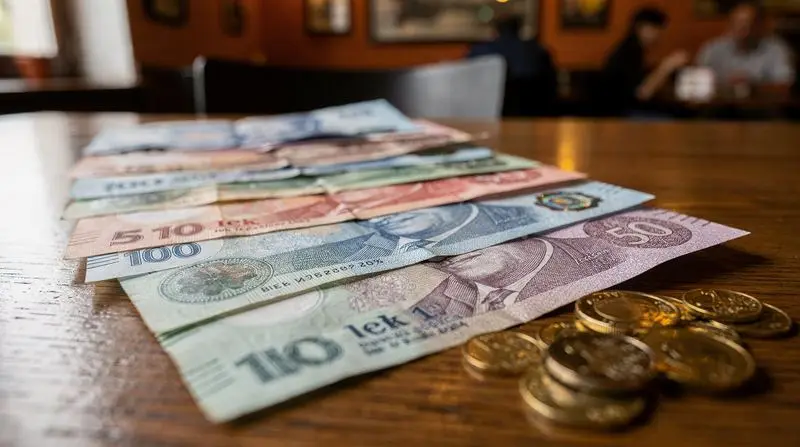
The price point is unmatched in Europe. A hostel dorm in Tirana or Berat: EUR 8-12. A full meal at a local restaurant: EUR 4-6. A beer: EUR 1.50-2. A furgon across the country: EUR 10-12. A student on a EUR 30/day budget eats well, sleeps comfortably, and does everything. This is harder to achieve in Portugal, not to mention Western Europe.
It is genuinely off the beaten path. The gap year circuit runs through the same well-worn grooves. Albania remains genuinely non-touristy outside peak summer weeks on the Riviera. You will meet locals before you meet travelers. The conversations you have, the places you stumble into, and the experiences you accumulate will be harder to have in Croatia or Greece.
The country is compact. You can cover the entire country in two to three weeks on public transport, which makes it excellent as part of a Balkans circuit or as a standalone intensive destination.
The youth culture is dynamic. Albania has a young population and an urban culture that is visibly global in its references while remaining genuinely Albanian in character. Tirana’s art, music, and food scenes are among the most interesting in the Western Balkans.
The Real Budget Numbers
Daily Budget Breakdown
Extreme budget: EUR 18-25/day (hostel dorm, byrek and market food, furgons, free activities)
Comfortable student budget: EUR 28-40/day (hostel dorm or cheap private, local restaurants, occasional taxi, one paid activity every few days)
Mountain section (Theth/Valbona): EUR 22-30/day all-in with half-board guesthouse — remarkable value because two meals are included.
Two-Week Trip Total
Flying from London to Tirana on Ryanair or Wizz Air: EUR 50-120 return (book ahead). Two weeks on the ground at EUR 30/day: EUR 420. Some paid activities (Koman Lake ferry, Bunk’Art museum, Butrint): EUR 30-40. Total: EUR 500-580 for an extraordinary two-week Balkans experience. Compare this honestly with Southeast Asia once you add the intercontinental flight.
The Albania backpacking guide has a full cost breakdown.
The Best Hostels for Students
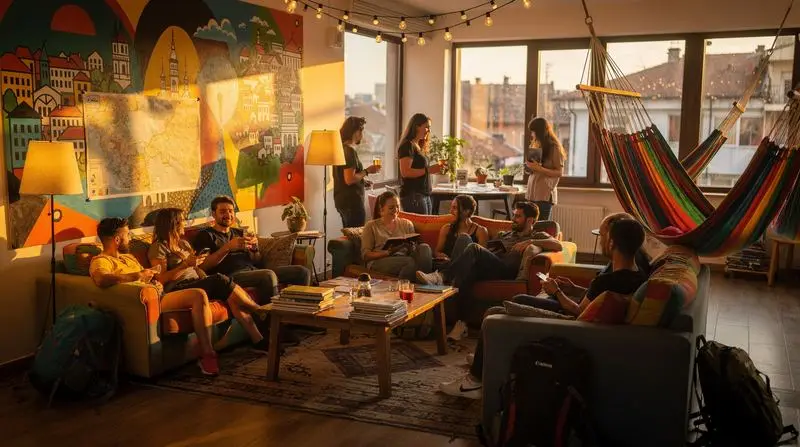
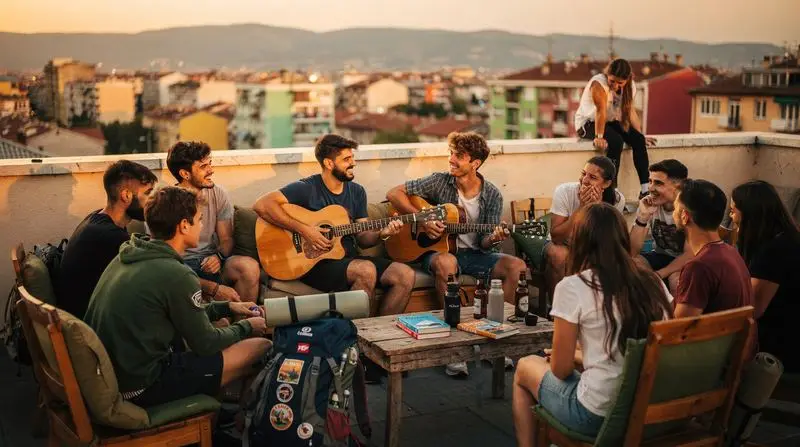
Albania’s hostel scene is small but quality in the key cities. What these hostels lack in scale they make up for in social atmosphere — common rooms actually function as social spaces, staff genuinely help you plan your next move, and meeting other travelers is easy.
Tirana hostels: The capital has the most developed hostel scene. Look for places in the Blloku neighborhood or near the city center — they are best positioned for walking to bars, restaurants, and cultural sites. Dorms range EUR 8-14. Several have rooftop terraces, organized social events, and staff who know the city intimately.
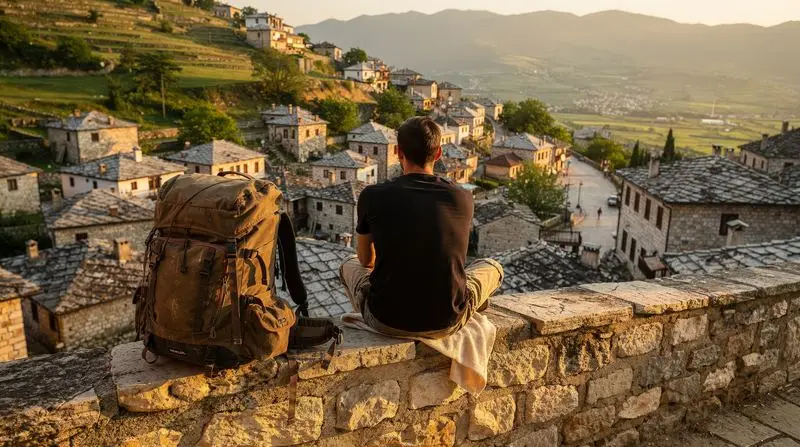
Berat hostels: Smaller selection but consistently well-reviewed. The best ones sit in the historic Mangalem old town with castle views. Staying here gives you the rare experience of waking up inside a UNESCO World Heritage site. Dorms EUR 8-12.
Saranda hostels: Growing fast as the town’s tourism expands. Most concentrate near the waterfront. EUR 12-18 in peak summer, lower in shoulder season.
Mountain guesthouses (Theth, Valbona): Not technically hostels, but solo travelers sleep in private rooms and eat communally at long family tables. The social dynamic is excellent and the price (EUR 22-30 half-board) is lower than most hostels once you count two included meals.
See the best hostels in Albania guide for specific recommendations by city.
Volunteering in Albania
Volunteering in Albania is genuinely possible and meaningful. The country has active NGOs, community development projects, and organizations working on environmental conservation, youth development, and rural community support.
Types of Volunteering Available
Environmental conservation: Albania has significant environmental challenges — plastic pollution on beaches, illegal dumping, and pressures on protected natural areas. Organizations running beach cleanups and environmental education programs operate particularly along the Riviera coast. These typically involve short-term stints of one to four weeks.
Community development and education: Rural Albanian communities, particularly in mountain regions, have limited educational resources. Organizations coordinating English teaching, youth work, and community project support accept volunteers. Accommodation is typically arranged with local families — this provides a depth of cultural immersion impossible to achieve as a tourist.
Social sector NGOs in Tirana: Tirana hosts a range of NGOs working on youth employment, women’s rights, Roma community support, and civic education. These organizations sometimes accept skilled volunteers for defined projects, particularly those with backgrounds in communications, design, or project management.
How to Find Volunteer Opportunities
Platforms including Workaway and WWOOF list Albanian opportunities (farming, guesthouse assistance, and more). Volunteering Albania and similar directory sites list NGO-based positions. The most reliable approach is direct contact — identify organizations whose work resonates with your interests and email them with a specific, short proposal.
Voluntary service timing: May through September is the easiest time for most volunteer placements, with the most active period for environmental work on the coast being June-August.
Working Holiday Options
Albania does not currently offer a specific working holiday visa for most nationalities. EU/UK/US citizens can enter visa-free for up to one year under reciprocal agreements (for UK and US: 90 days/180-day rolling). For longer stays and paid work, a residence permit and work authorization is required.
The practical reality for most gap year travelers is that paid work in Albania is limited by language barriers and the small formal economy. Most students fund Albanian stays through the extremely low cost of living rather than local income. Remote work (freelancing, online work) is the most common approach for extended stays.
The Nightlife Scene
Albanian nightlife is vibrant, genuinely local, and highly affordable. It deserves its growing reputation.
Tirana
Tirana’s Blloku neighborhood was the exclusive residential area of the communist elite — literally off-limits to ordinary Albanians until 1991. Today it is the city’s social heart: dozens of bars, terrace cafes, clubs, and restaurants covering a relatively compact walkable area. The scene runs late (Albanians don’t go out before 22:00, clubs peak at midnight-03:00) and the energy is high.
Bar culture: Coffee culture evolves seamlessly into evening aperitivo culture and then into late-night bar crawls. Many bars have no entry charge and serve local Birra Tirana or Birra Korçë for EUR 1.50-2.50. Raki (grape brandy, Albania’s national spirit) is EUR 1-2 a shot. The raki guide explains what to expect.
Clubs: Tirana has a genuine electronic music scene with clubs hosting international DJs during summer. Entry charges vary (EUR 5-15 for bigger events, often free on weekdays). The scene is friendly toward visitors and extremely international for a city of its size.
Summer Riviera: July and August on the Albanian Riviera (Dhermi, Himara, Ksamil) bring a domestic summer party scene. Open-air bars and beach clubs run along the coast, most with free entry or token charges. The combination of cheap drinks, Ionian sea backdrop, and Albanian hospitality makes this scene memorable.
Shkodra and Other Cities
Shkodra has a small but lively student scene, partly driven by its university. Berat and Gjirokastra have charming but limited evening scenes centered on old-town bars — excellent for an evening drink but not for clubbing.
Student-Friendly Destinations Within Albania
Tirana (2-3 nights minimum)
The capital is the essential starting point and the most obviously student-friendly city. The combination of cheap hostels, excellent food markets, free cultural spaces (the Pyramid, Blloku street art), and the nightlife scene makes it the natural base for the first days of any gap year visit.
The Bunk’Art communist bunker museums (EUR 4-7 each) are genuinely fascinating and among the most historically significant sites in Albania. One is built inside Enver Hoxha’s nuclear bunker.
Berat (2-3 nights)
The UNESCO city is universally loved by student travelers — beautiful, cheap, atmospheric, with excellent hostel social scenes and easy day trip access to wine estates and hill villages. Berat’s old town in the evening, when the day tourists have left and the light turns golden on the thousand-windowed hillside, is one of the most beautiful urban scenes in the Balkans.
Albanian Alps (Theth and Valbona, 3-4 nights)
Non-negotiable for anyone with hiking ability. The Valbona-to-Theth crossing (14 km, 6-9 hours) is one of Europe’s great day hikes — wild, dramatic, achievable without technical skill, and cheap. The Koman Lake ferry getting there is a day’s highlight in itself. See the Koman Lake ferry guide and the Albanian Alps hiking guide.
Saranda and Ksamil (2-3 nights)
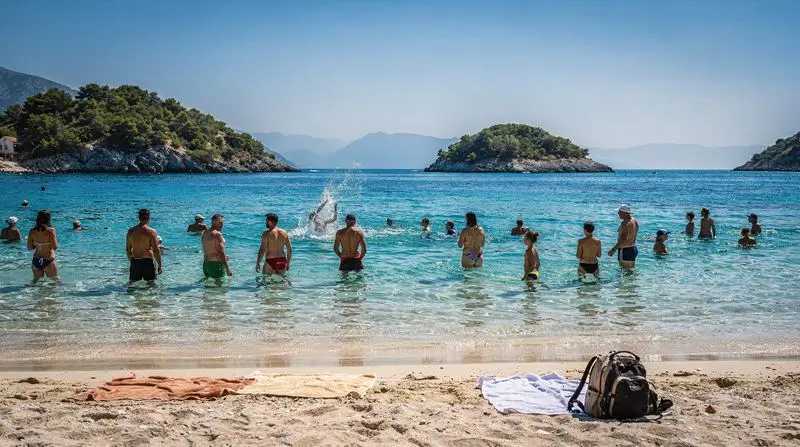
Beach time is a legitimate part of a Balkans gap year. Saranda’s waterfront is lively, Ksamil’s beaches are genuinely beautiful, and the nearby Butrint UNESCO site adds cultural weight. The ferry to Corfu (35 minutes, EUR 19) makes this a natural transition point if heading to Greece.
Getting Around on a Student Budget
Furgons and buses are the backbone of student transport. Key budget prices: Tirana-Berat EUR 4-5; Tirana-Shkodra EUR 4; Tirana-Saranda EUR 12-15; Koman Lake ferry EUR 6-7.
Hitchhiking works well in rural Albania and is considered normal. Apply standard safety judgment. In cities, Bolt (ride-hailing) is extremely cheap (EUR 1.50-3 per trip) and avoids any taxi overcharging risk.
The Albania bus routes guide has current schedules and prices for every major route.
Eating on a Student Budget
Albanian food is exceptional value. Key survival tips for the budget-conscious:
Byrek: Albania’s flaky pastry filled with cheese, spinach, or meat — sold at bakeries everywhere for EUR 0.50-1. This is breakfast and a snack and sometimes lunch. You will not get tired of it.
Local restaurant lunch specials: Many restaurants offer a two-course lunch including water for EUR 4-6. These are usually chalked on a board and represent the best value eating in Albania.
Supermarkets: Chains like Conad and local supermarkets sell excellent fresh produce, local cheese, cured meats, and bread at prices far below Western Europe. Self-catering for some meals is very easy.
The New Bazaar (Pazari i Ri, Tirana): The best cheap eating in the capital. Vendors sell byrek, roasted corn, fresh fruit, grilled meats, and local cheese. An excellent meal for EUR 2-3.
Staying Connected
A local SIM card is essential for navigation, WhatsApp communication with guesthouses, and general sanity. EUR 5-8 buys a week of data. Vodafone Albania has the best rural coverage, important for the Alps section. The Albania SIM card guide covers what to buy and where.
Extending Into a Wider Balkans Gap Year
Albania rarely stands alone on a gap year itinerary. Its position at the crossroads of the Western Balkans makes it a natural hub for a longer regional loop, and it is one of the few countries where you can cross into three or four neighboring states without flying. Kosovo is a short furgon ride from Shkodra via the Morina-Vërmicë crossing; North Macedonia and Lake Ohrid are reachable in a few hours from Tirana; Montenegro’s Bay of Kotor is a straightforward overland trip north.
Because Albania is not part of the Schengen Area, time spent here does not eat into a Schengen allowance — genuinely useful if your gap year also includes Italy, Greece, or France and you are trying to stretch your total European time. Budget an extra week or two if you want to add Kosovo or North Macedonia onto the core Albania route described below; furgon connections between the three countries are frequent and cheap, typically EUR 10-20 per leg.
Renting a car for a section of the trip — even just the mountain-to-Riviera stretch — is worth the splurge for a group of three or four splitting costs. The Albania road trip guide breaks down realistic routes, driving conditions, and rental costs for exactly this kind of student itinerary, and it pairs well with the driving in Albania guide if none of your group has driven abroad before.
A Sample Six-Week Gap Year Albania Itinerary
Week 1: Tirana — Settle in, get oriented, do the museums, explore the nightlife, meet other travelers in hostels.
Week 2: Albanian Alps — Shkodra, Koman Lake ferry, Valbona, the big hike to Theth, recover in Theth. Life-changing for most visitors.
Week 3: Berat and surrounds — Back south via Tirana, settle into Berat, day trip to Apollonia ruins, explore wine estates.
Week 4: The South — Gjirokastra (day trip from Berat or short bus), Blue Eye, Saranda, Butrint.
Week 5: Riviera and beaches — Ksamil, Himara, Dhermi. Beach mode. Consider the Corfu day trip or overnight.
Week 6: Tirana again / onward — A few days back in Tirana, decompressing and preparing for onward travel to Kosovo, North Macedonia, or Greece.
Joining an Organized Tour
Occasionally even the most independent gap year traveler benefits from joining a group experience. A Tirana food tour is an excellent first-day orientation that feeds you and teaches you Albanian cuisine simultaneously. For the Alps, a guided 3-day Valbona to Theth trip from Shkodra handles all logistics so you can focus on the experience.
Staying Safe and Healthy on a Student Budget
Albania is consistently rated as one of Europe’s safer countries for young independent travelers, but a gap year trip still benefits from basic preparation. The Albania safety guide covers the full picture — the short version is that violent crime against tourists is rare, and the main risks are road safety (avoid overnight furgon travel on mountain roads where possible) and standard petty-theft awareness at busy bus stations. Get a proper policy before you fly: the Albania travel insurance guide explains why medical evacuation cover matters if you plan any hiking in the Alps, and student policies are usually cheap enough not to skip.
A local SIM or eSIM from day one keeps you connected for Bolt, WhatsApp with hostels, and navigation — see the Albania eSIM guide if you want to activate data before landing rather than queuing at the airport kiosk. Pack light but sensibly; the Albania packing list is built for exactly this kind of multi-region trip, covering hostel dorms, mountain guesthouses, and Riviera beach days in one bag.
Solo Female Travelers on a Gap Year
Albania has a strong reputation among solo female backpackers, helped by the besa hospitality culture and low crime rates. The Albania female solo travel guide covers specific advice — hostel choice, transport timing, and cultural context — that is worth reading alongside the general safety notes above, particularly if the Alps or late-night Blloku nightlife are on your itinerary.
Language and Culture Tips
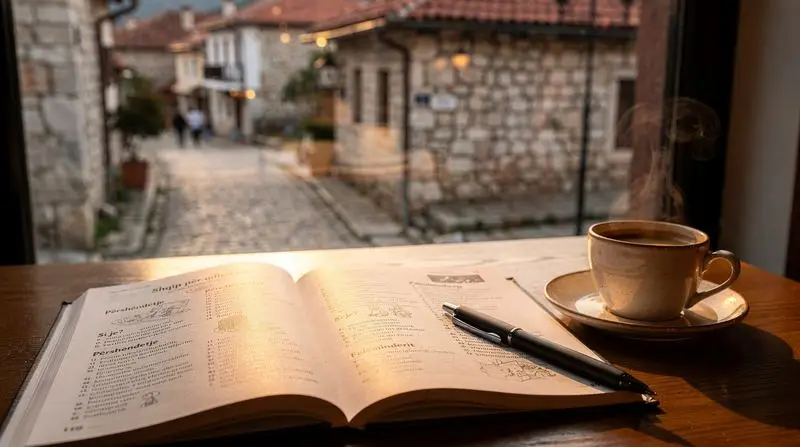
Learning basic Albanian before you arrive pays off disproportionately. Albanians are genuinely delighted when foreigners speak even a word of their language. See the Albania language basics guide for essential phrases.
Cultural notes that trip up gap year travelers:
- The head nod/shake reversal: Albanians nod for NO and shake for YES — the opposite of Western convention. This causes endless confusion the first day.
- Besa — the code of hospitality. Accept offered coffee, offered meals, and offered hospitality graciously. Refusing repeatedly is rude.
- Respect for elders is strong. Model respectful behavior in guesthouses and rural areas.
Frequently Asked Questions About Albania for Students and Gap Year Travelers
How much money do I need for a month in Albania?
A comfortable month in Albania on a student budget requires approximately EUR 800-1,000, including accommodation (hostel dorms and mountain guesthouses), food, transport across the country, paid activities, and a small buffer for emergencies. This is without flights. Add EUR 100-200 for flights from Western Europe.
Can I find work in Albania as a gap year traveler?
Formal employment requires permits and is not straightforward for non-EU nationals. The practical approach for extended stays is remote work or freelancing combined with Albania’s very low cost of living. Some guesthouses and hostels accept work-exchange arrangements (a few hours of tasks per day in exchange for a bed) — ask directly.
Is Albania safe for solo students?
Albania is consistently rated as safe by solo travelers including young women. The hospitality culture is genuine and people go out of their way to help confused or lost visitors. The main urban safety considerations (watch your bag at busy bus stations, use Bolt rather than informal taxis) are standard advice for any European city.
What is the nightlife like in Tirana compared to other Balkans cities?
Tirana punches significantly above its weight for nightlife. The Blloku neighborhood scene rivals Belgrade and Sarajevo, at a fraction of the cost. The summer Riviera scene adds a beach-party dimension that few Balkans cities can match. For gap year travelers primarily interested in nightlife, Tirana is seriously underrated.