Albania Festivals and Events: The Complete 2026 Calendar
Albania’s festival scene has evolved rapidly from a country that barely had a public cultural life during the communist isolation era (1945-1991) to one hosting internationally recognized film festivals, electronic music events that draw European crowds, ancient folk traditions preserved across centuries, and growing food and wine celebrations.
This guide covers the major annual festivals and events month by month, with practical information on timing, location, tickets, and what to expect. Planning your trip around a festival can transform a good Albania holiday into an extraordinary one.
| Biggest single event | Kala Festival, Riviera (June) |
| Most accessible | Korce Beer Festival (August) |
| Best cultural immersion | Gjirokaster Folk Festival (every 4 years) |
| Book months ahead | Kala Festival tickets and accommodation |
| Free or low-cost | TIFF screenings, photography festival |
Festival Calendar at a Glance
| Month | Festival | Location |
|---|---|---|
| January | Fire of the Dead | Lushnja region |
| Feb/March | Carnival of Shkodra | Shkodra |
| April | Photography Festival | Tirana |
| May | Korca Spring Festival, Albania Pride | Korce, Tirana |
| June | Kala Festival, Butrinti Festival begins | Riviera, Butrint |
| July | Fest-Jazz, Mount Tomorri Pilgrimage | Tirana, Berat area |
| August | Korce Beer Festival, Apollonia Music Festival | Korce, Fier |
| September | Wine harvest events, Tirana Art Fair | Berat/Permet/Shkodra, Tirana |
| October | Shkodra Jazz Festival | Shkodra |
| November | Tirana International Film Festival | Tirana |
| December | New Year’s in Tirana | Tirana |
January and February: Winter Festivals
Fire of the Dead (Zjarri i te Vdekurve) — January 16-17
One of Albania’s strangest and most compelling festivals, this ancient pagan tradition survives in the Lushnja region in central Albania and in certain villages near Elbasan. On the night of January 16-17, large bonfires are lit in memory of the dead, with communities gathering around the flames. The tradition predates Christianity and Islam — it is a holdover from Illyrian practices that has persisted through every political and religious change.
This is not a tourist event. It is a living community tradition. Visitors who find their way to participating villages in the Lushnja area will encounter something genuinely ancient and moving, but go as a respectful observer rather than a spectator.
Carnival of Shkodra (Late February/Early March)
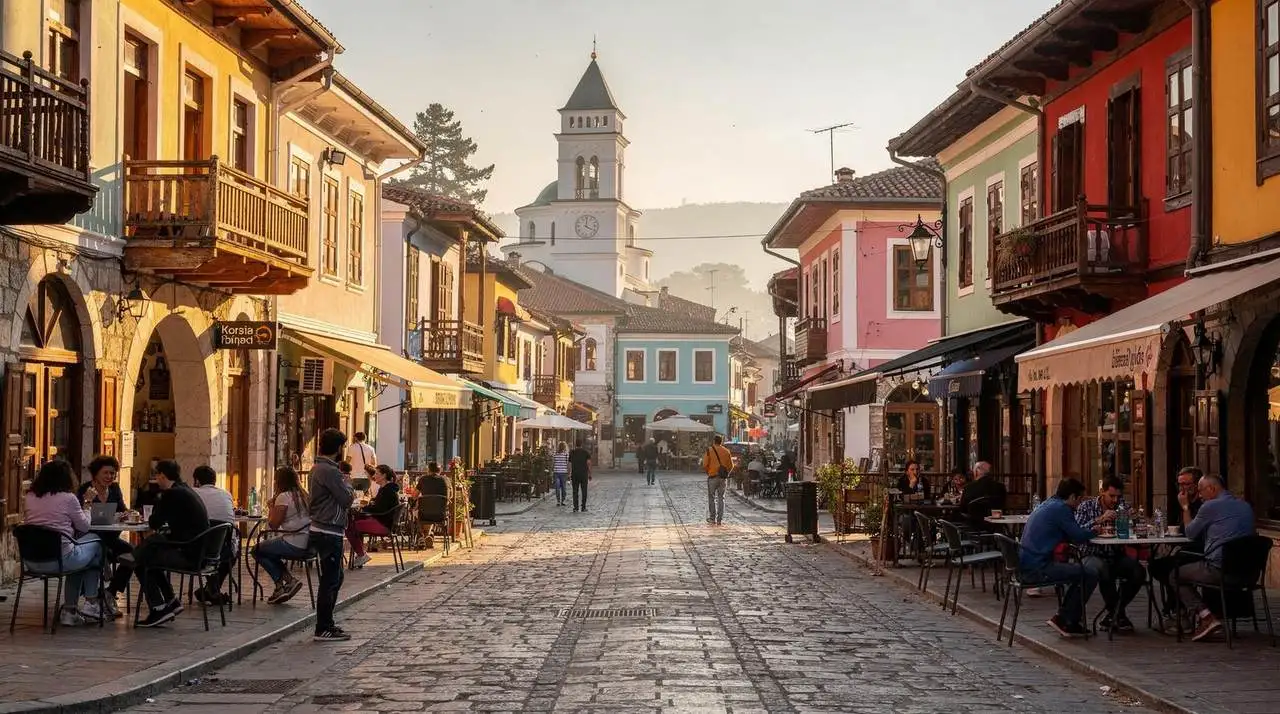
Shkodra, Albania’s northern cultural capital, holds a modest carnival in the days before Lent. The city has a historically Catholic population and a strong arts tradition, and the carnival reflects this — music, costumes, and community celebration in the city’s squares and on the pedestrian Kolë Idromeno Street.
March and April: Spring Events
International Photography Festival Tirana (April)
Tirana hosts a growing international photography festival typically in April, with exhibitions at venues across the city including the National Art Gallery and various independent spaces. The festival features both Albanian photographers and international participants. Entry to exhibitions is usually free or very low cost.
Easter in Southern Albania
In the predominantly Orthodox south of Albania (the Pogoni region, Permet area, southern villages), Easter is celebrated with particular richness. The week leading to Orthodox Easter (which often falls later than Catholic/Protestant Easter) features processions, traditional foods, and community gatherings. The town of Permet is particularly noted for its Orthodox Easter celebrations.
May: The Festival Month Begins
Tirana International Film Festival — Spring Edition (May)
TIFF, one of the most significant film festivals in the Western Balkans, holds occasional spring programming alongside its main November edition. Check current year listings for details.
Albania Pride (Tirana, May or June)
Tirana’s annual Pride parade and associated events have been held since 2012 and take place in late May or June. This is both a celebration and a visibility statement in a country where LGBTQ+ rights are evolving. See the events page for current year details.
Korca Spring Festival (May)
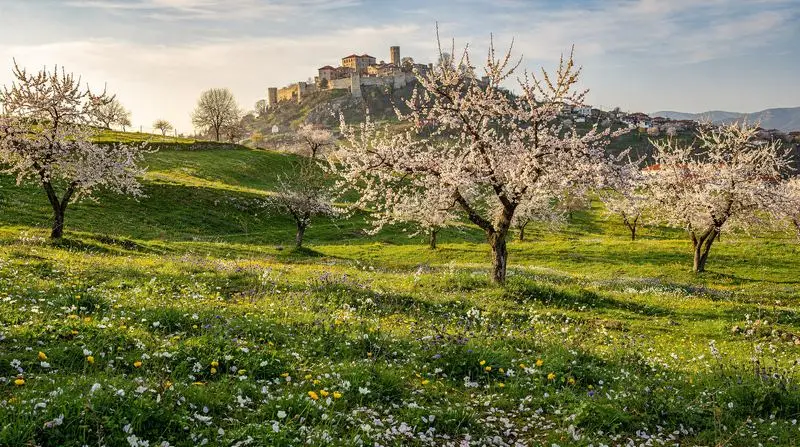
Korce — Albania’s “city of serenaders” — holds a spring cultural festival featuring traditional Albanian music (iso-polyphony), poetry, and folk dance. The city’s strong cultural identity, shaped by its history as an educational and artistic center, makes it one of Albania’s most rewarding festival destinations.
June: The Season Opens
Kala Festival (Palase/Porto Palermo area, June)
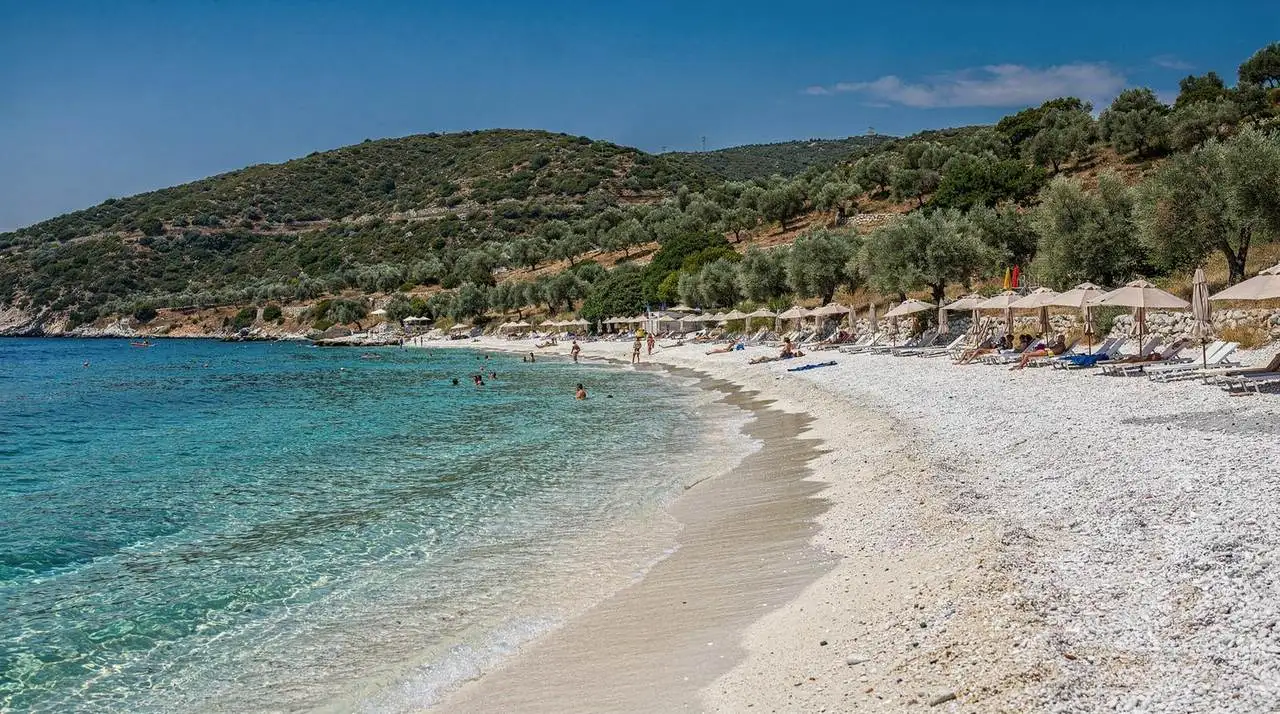
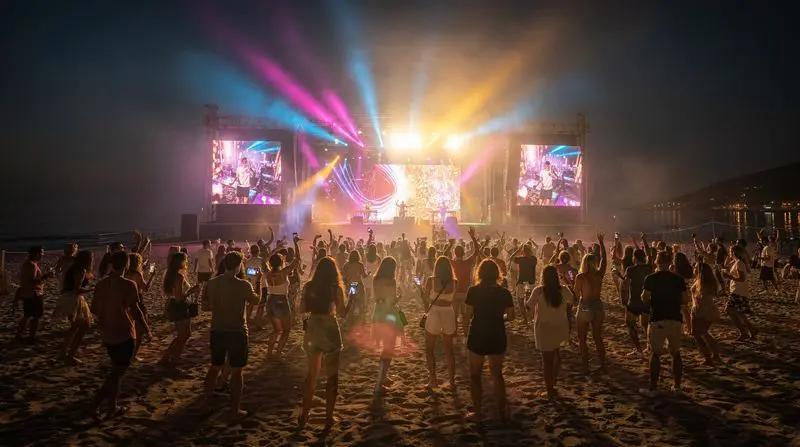
Kala is Albania’s premier electronic music festival and one of the most talked-about festival experiences in the Balkans. Held on the Albanian Riviera (the exact location has varied between Porto Palermo fort and other coastal sites), Kala combines internationally recognized electronic music DJs and producers with an extraordinary natural setting — limestone cliffs, Ionian coves, and Albanian sunshine.
The festival typically runs 5-6 days and attracts several thousand attendees, a significant proportion from outside Albania (UK, Germany, Italy, and beyond). The experience of dancing at sunrise on an Albanian clifftop with the Ionian Sea below is genuinely unique in European festival terms.
Practical info: Tickets sell out months in advance — book as soon as the lineup is announced (usually January-February for a June festival). Accommodation in the area books up completely; the festival usually offers camping options on site. Budget EUR 150-250 for a multi-day festival pass.
Butrinti International Festival (June-August)
The ancient ruins of Butrint, one of the most beautiful archaeological sites in the Mediterranean, provide the setting for summer cultural events including open-air theater, classical music concerts, and archaeological talks. Events are held within the ruins themselves — an extraordinary setting for any performance.
Check the Butrint National Park program for current year scheduling. The site is easy to combine with a stay in Saranda, and the Butrint destination guide explains what else to see among the ruins. If you want more context on the country’s ancient sites, the UNESCO sites guide is a good companion read.
Dhermi Summer Cultural Events (June-September)
Dhermi village hosts various summer cultural events including traditional music evenings, food nights, and art exhibitions in the village square. The village’s Dhermi setting — stone lanes, olive trees, views to the sea — creates an atmospheric backdrop for any event.
July: Peak Festival Season
Fest-Jazz (Tirana, July)
Albania’s main jazz festival brings international and Albanian jazz musicians to Tirana for a week of performances in the city’s outdoor venues and theaters. A contrast to the electronic music festival scene and a reflection of Tirana’s growing cultural sophistication.
Underwater Archaeology Week (Saranda, July)
With Albania’s coast rich in ancient wrecks and submerged ruins, an annual underwater archaeology event in Saranda brings together marine archaeologists and opens special dives to qualified participants. Also includes talks and exhibitions accessible to non-divers.
Mount Tomorri Pilgrimage (Late July/Early August)
One of Albania’s most remarkable traditional events — the annual Bektashi pilgrimage to Mount Tomorri near Berat. Tens of thousands of Albanian Bektashi Muslims make the ascent to the shrine at the summit over several days in late July or early August. This is a profound religious and cultural event, deeply Albanian in character, that has no equivalent elsewhere.
Visitors are welcome to observe from a distance and to hike on the mountain, but should approach the pilgrimage itself with respectful distance. Since the mountain sits near Berat, many travelers pair a visit with the old town; the customs and etiquette guide offers useful advice on behaving respectfully at religious events.
August: The Heart of Summer
Korce Beer Festival (August)
One of Albania’s most popular and accessible events, the Korce Beer Festival is held annually in August in Korce, home of Albania’s most famous brewery. The festival runs 4-5 days and features:
- Live music (Albanian and regional acts across multiple stages)
- Beer tasting from Birra Korce and guest breweries
- Traditional food stalls
- Cultural performances
- A family-friendly atmosphere that spans generations
The festival draws tens of thousands of visitors — a significant proportion of them Albanian from the diaspora returning for summer — and has a genuinely festive, community energy.
Book a Korce brewery tour with traditional beer tasting as a way to understand the brewery and its history before or after the festival. The Birra Korce brewery is one of the more interesting industrial heritage sites in Albania and the tour includes significant tasting.
Korce itself deserves more attention than most visitors give it. See the Korce destination guide for context on this underrated city.
Apollonia Music Festival (August)
The ancient Greek city of Apollonia near Fier hosts a summer music festival in its spectacular archaeological setting. Classical music and traditional performances in an amphitheater surrounded by 2,500-year-old ruins.
September: Culture and Harvest
Gjirokaster National Folklore Festival
The Gjirokaster Folk Festival is one of the most significant traditional cultural events in the Balkans. Held every four years (next editions: check current schedule), it brings together folk ensembles from across Albania and the region for performances of Albanian iso-polyphony, traditional dance, and instrumental music.
When it falls in a given year, the Gjirokaster Folk Festival is the single most important cultural event in Albania. Performances are held in the castle and throughout the old town, creating an atmosphere that is simultaneously ancient and alive.
Even in years when the main festival does not occur, Gjirokastra hosts smaller folk music events in September. For the town itself, see the Gjirokastra destination guide and the where to stay in Gjirokastra guide, which helps when festival dates fill local rooms.
Tirana Art Fair (September-October)
Tirana’s contemporary art scene has grown significantly and the annual art fair brings together galleries and artists from across Albania and the region. Held in various venues around the city, it is a window into Albanian contemporary culture for visitors interested in art.
Wine Harvest Events (September-October)
The wine harvest season in Albania runs through September and October, and wineries in the Berat, Permet, and Shkodra regions offer harvest events including grape picking, cellar tours, and tastings. This is the best time to visit Albanian wineries. See the Albanian wine guide for the main wine regions.
October and November: Cultural Peak
Shkodra Jazz Festival (October)
Shkodra, with its strong arts and music tradition rooted in its Catholic cultural heritage, hosts a well-regarded jazz festival in October. International and Albanian jazz acts perform at venues around the city.
Tirana International Film Festival (November)
TIFF is the most prestigious film festival in Albania and one of the significant film festivals in southeastern Europe. Founded in 2003, it takes place in late November and screens approximately 100 films across multiple venues in Tirana, with a particular focus on southeastern European cinema alongside international selections.
TIFF is worth planning a Tirana visit around:
- Screenings at multiple cinema venues across the city
- Industry events, Q&As with filmmakers, and panel discussions
- A growing red carpet element reflecting Tirana’s rising cultural profile
- Many screenings are free or very low cost
- The festival creates a wonderful atmosphere across the capital
Tirana in November is also simply a lovely time to visit — cool, atmospheric, without summer crowds, and the city’s café culture is at its most intense. Between screenings, a guided Tirana food tour is an easy way to sample local dishes.
Korca National Day Events (November 28-29)
Albanian Independence Day (November 28) is a national holiday, and Korce — which played a significant role in the Albanian national renaissance — hosts some of the most spirited celebrations in the country, including folk performances, concerts, and community events.
December: End of Year
New Year’s Celebrations in Tirana
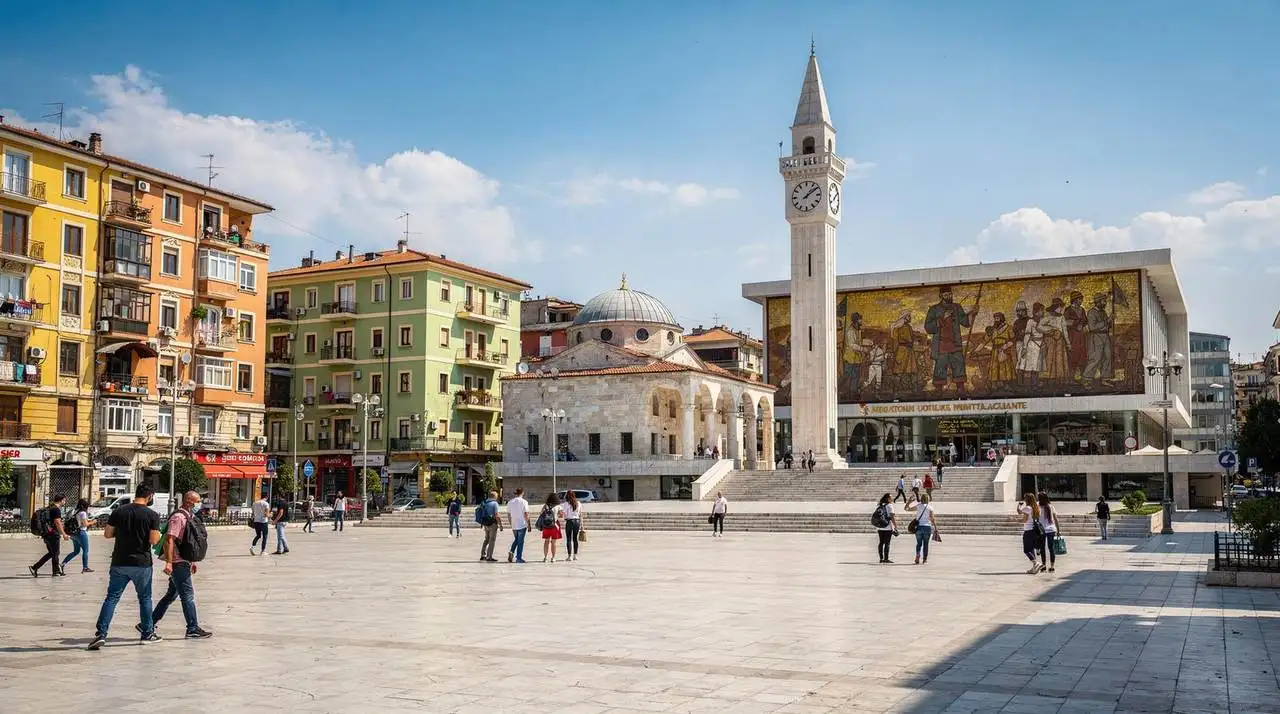
Tirana’s Skanderbeg Square and the streets of Blloku host end-of-year celebrations with concerts, lights, and fireworks. The capital’s restaurant and bar scene is in full swing, and the city has invested in Christmas market-style decorations in recent years. A surprisingly enjoyable time to visit.
Orthodox Christmas (January 6-7)
In the Orthodox communities of southern Albania, Christmas is celebrated on January 6-7 according to the Julian calendar. Village celebrations in the south are particularly atmospheric.
Planning Your Trip Around a Festival
The best time to visit Albania guide provides seasonal context, and the month-by-month pages for June, August and November cover what to expect around the main events. For festival transport, the car rental guide and the bus routes guide help you reach events outside the cities. For festival planning:
- June for Kala Festival: Book festival tickets and accommodation months ahead
- August for Korce Beer Festival: Accommodation in Korce books out; consider staying in Berat (1 hour away)
- November for TIFF: Excellent Tirana visit timing; film tickets available on the day for most screenings
- Every 4 years for Gjirokaster Folk Festival: Worth checking the schedule years ahead if this is a priority
Tickets, Costs, and Booking Windows
Most Albanian festivals remain accessible by Western European standards, but booking windows vary enormously by event. Kala Festival is the outlier — tickets and accommodation for the June event sell out months in advance, often by February, and prices for a multi-day pass run EUR 150-250 before accommodation. At the other end, TIFF in November and most local cultural festivals (Shkodra Jazz, the photography festival, wine harvest events) require no advance booking at all — many screenings and events are free, and same-day tickets are the norm.
The Korce Beer Festival sits in between: entry itself is typically free or very low cost, but Korce accommodation books out during the festival week, making Berat (about an hour away) a sensible overflow base. See the Albania travel budget guide for how festival trips fit into a broader budget, and the best time to visit Albania guide for how festival timing interacts with weather and crowd patterns generally.
Frequently Asked Questions About Albania Festivals and Events
What is the biggest festival in Albania?
Kala Festival, held on the Albanian Riviera each June, is Albania’s biggest and most internationally recognized festival, drawing several thousand attendees from across Europe for several days of electronic music on clifftop and coastal settings. For a more culturally rooted “biggest” event, the Gjirokaster National Folklore Festival — held every four years — is considered the single most important traditional cultural event in the country when it falls in a given year.
Do I need to book tickets in advance for Albanian festivals?
It depends heavily on the event. Kala Festival requires booking months ahead, as tickets and nearby accommodation sell out quickly once the lineup is announced. Most other festivals — TIFF, the Korce Beer Festival, Shkodra Jazz, wine harvest events — need little to no advance ticket booking, though booking accommodation ahead is wise for Korce during Beer Festival week and for Tirana during TIFF.
Traditional Music: A Year-Round Festival
Beyond the organized festivals, Albanian iso-polyphony — the UNESCO-listed traditional music of southern Albania — is performed at community events, celebrations, and increasingly at tourist venues throughout the year. This haunting, ancient polyphonic music, where voices interlock in complex harmonies, is one of the world’s extraordinary musical traditions.
Look for performances at:
- Permet and the surrounding villages (summer)
- Gjirokastra (throughout the year, particularly around festivals)
- Berat guesthouses and restaurants (regular traditional evenings)
The Albanian food guide has additional context on the cultural events that surround food and harvest in Albania, which are effectively festivals in themselves.