Tirana for Remote Workers in 2025: What Has Actually Changed
| Monthly budget (solo) | Around 1,200-1,800 euros |
| Apartment (1BR, decent area) | Around 500-800 euros/month |
| Co-working | Around 15-25 euros/day, 200-350 euros/month |
| Visa-free stay | Up to 90 days per 180-day period |
| Internet | Fiber standard in most rentals, 100Mbps+ common |
We have been tracking Tirana’s remote work scene since the early days when “co-working space” in the city meant “cafe with decent WiFi and a power socket.” The scene has changed significantly, and the 2025 version of Tirana for remote workers is genuinely different — better in most ways — from the city we first recommended to nomad friends three years ago.
This post is for people who are seriously considering Tirana as a base, not for people doing a one-week holiday with a laptop. We cover the specifics: where to actually work, what things cost, how fast the internet is, and what the community of remote workers in the city looks like.
Why Tirana Keeps Coming Up for Nomads
The case for Tirana is not complicated: it is a European capital with low costs, improving infrastructure, direct flights from a growing list of cities, and a quality of daily life — food, coffee, social warmth — that genuinely rewards spending time there. Albania is not in the EU, which means it is outside the Schengen zone, which creates some complications we will get to, but for most nomads the practical arrangement works.
The city has also developed a genuine nomad and expat community in a way that smaller or more remote Albanian destinations have not. This matters more than it might seem: arriving somewhere and being able to connect with people who know how things work locally makes the difference between settling in quickly and spending two weeks figuring out basics.
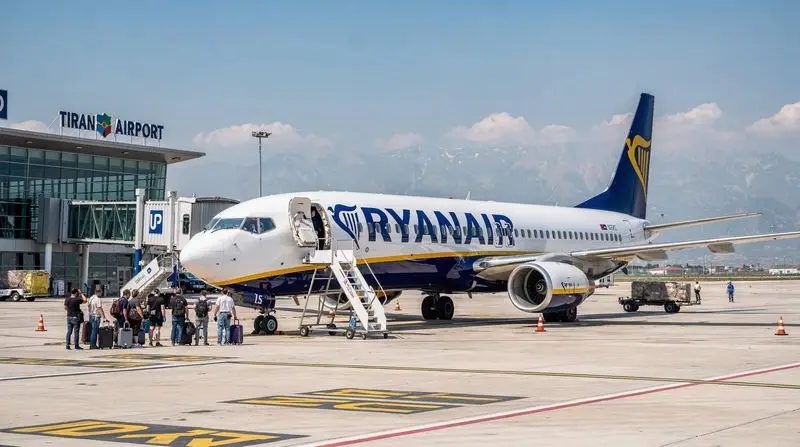
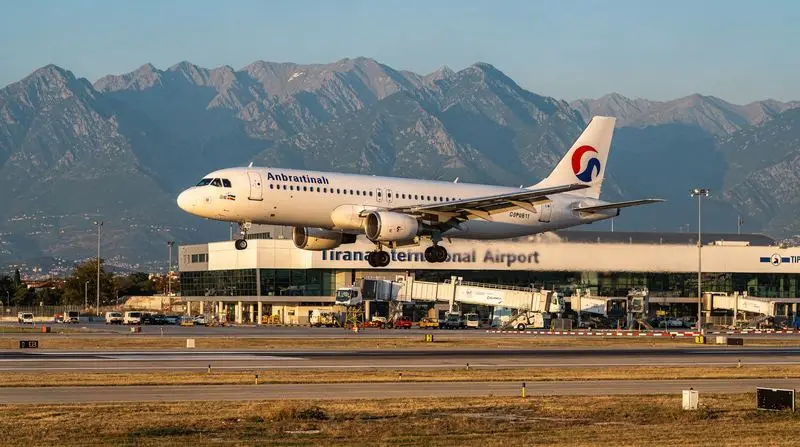
For the logistics of getting to Tirana in the first place, our how to get to Albania guide covers all the flight options and arrival practicalities.
The Internet Situation: Actually Good Now
This surprises people who have read older accounts of Albanian internet. The situation has improved substantially, and in Tirana specifically it has improved a lot.
Fiber optic broadband is available across most of the city and most apartment rentals now include it as standard. Speeds of 100Mbps or faster are common; gigabit connections exist and are not rare. If you are renting an apartment for a month or longer, ask explicitly for the internet speed in writing — the best apartments quote 200-300Mbps as a standard offering.
Mobile data is reliable within the city on both 4G and, in the central areas, 5G from the two main operators (ALBtelecom and Vodafone Albania). We have had no difficulty with video calls, cloud synchronisation, or any other standard remote work requirement in central Tirana. Coverage drops off in some suburban areas and the mountain approaches to the city, but for urban use it is solid.
Co-working spaces and cafes (see below) universally offer WiFi that is adequate to good. We have rarely encountered a cafe in Blloku that would not support a morning of remote work without connection problems.
Co-Working Spaces: The Actual Options
Tirana’s co-working scene has grown from virtually nothing in 2020 to a real set of options in 2025. Here is our honest assessment of the landscape:
Dedicated co-working spaces now number around half a dozen legitimate operations in the city. The best are concentrated in and around the Blloku neighbourhood and the adjacent streets. Pricing typically runs from around 15-25 euros per day for hot-desking to 200-350 euros per month for a dedicated desk. Private offices are available in some spaces at higher rates.
The quality varies. The best spaces have genuinely fast internet (ask for actual speeds before committing), comfortable ergonomic chairs (this matters more than you think for long days), reliable air conditioning (Tirana summers are hot), and a community of members who are actually working rather than just having coffee. The worst spaces are cafes that have put up a “co-working” sign and slightly improved their WiFi.
How to evaluate: visit before committing to anything, work there for an hour on a day pass, and assess the chair, the temperature, the noise level, and the actual internet speed with a speed test rather than taking anyone’s word for it.
Cafe working is a completely legitimate and widely practised approach in Tirana. Albanian cafe culture is extremely tolerant of people working at tables — you can sit for three or four hours over two coffees without any pressure to leave, and the WiFi in the better cafes is genuinely workable. The Blloku neighbourhood has the highest concentration of good cafe options. Rruga Myslym Shyri and the streets around the New Bazaar also have solid options.
The main limitation of cafe working is ergonomics: Albanian cafes have furniture designed for conversation, not for people who need to spend eight hours at a keyboard. After a few days of cafe-only working, you will notice the difference. Use cafes for the mornings or for lighter work days, and invest in a co-working space membership for the serious days.
Orientation: Making Tirana Yours Quickly
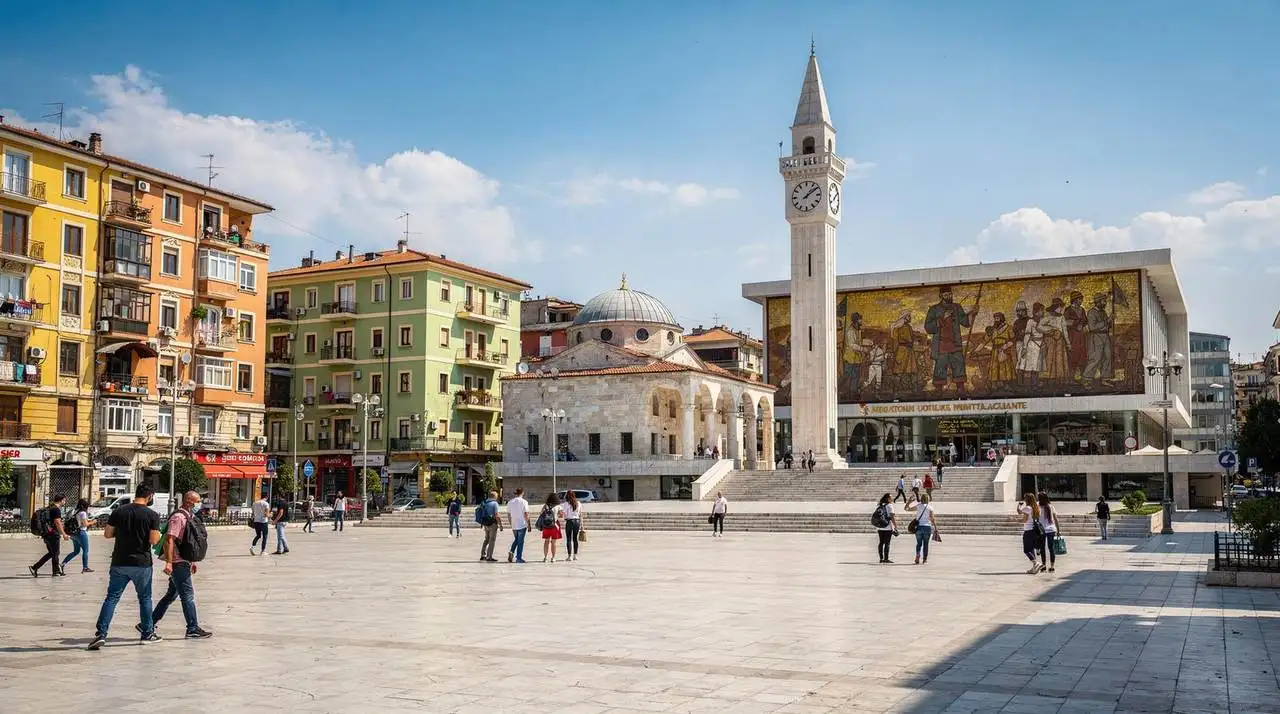
New arrivals to Tirana as a long-term base often spend the first week figuring out the city’s geography, which neighbourhoods have what, and where the essentials are. A guided Tirana walking tour on arrival day compresses this orientation process dramatically. Three hours with a local guide covers Skanderbeg Square, the Blloku, the Pyramid, the New Bazaar, and gives you a mental map of the city that would otherwise take several days of exploration to build. Worth doing even if you are generally a self-directed traveller.
For understanding what Tirana has come from historically — and therefore why it is changing as fast as it is — a communist Albania tour with BunkArt museum visit is a genuinely useful half-day. Understanding the BunkArt context gives you a mental framework for the city that makes it more legible. Many nomads who settle in Tirana for a month report that understanding the communist-era history is the key that unlocks why the city feels the way it does.
Costs: The Honest 2025 Numbers
Tirana is no longer the bargain destination it was in 2019. But it is still meaningfully cheaper than most Western European capitals, and the value proposition is strong.
Accommodation: A furnished one-bedroom apartment in a decent Tirana neighbourhood (Blloku, Kombinat, Don Bosko area) runs 500-800 euros per month for a comfortable modern flat. High-end apartments with good city views or new builds run 800-1,200. Budget options exist below 500 but tend to involve compromises on location, size, or quality.
Short-term rentals through the usual platforms run higher in summer — expect 40-70 euros per night for a good Tirana apartment in July-August, 30-50 euros in the shoulder seasons.
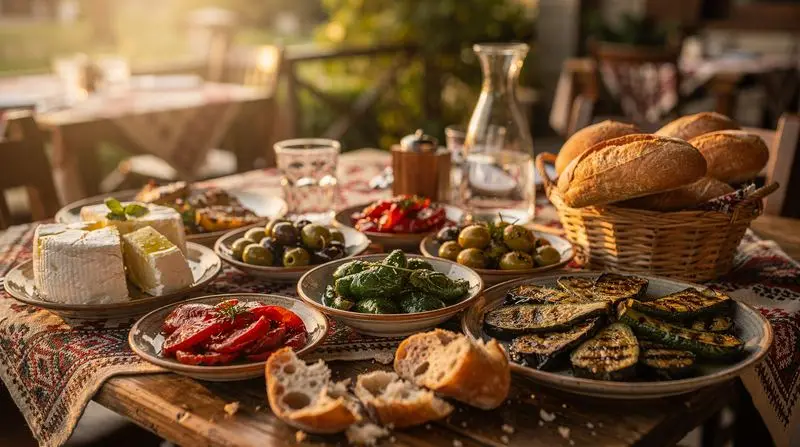
Food and drink: The Albanian food guide covers this in detail, but for daily budgeting: a market shop for a week costs 30-50 euros for two people. A restaurant dinner for two including wine runs 25-45 euros in a mid-range place. A daily coffee habit costs around 1.50-2 euros per macchiato. A Tirana food tour early in your stay is useful not just as an experience but as a research exercise: you will discover the markets, the best bakeries, the local wine shops, and the restaurant categories that serve you best for the rest of your time there.
Co-working: 15-25 euros per day, 200-350 per month for a dedicated desk.
Mobile SIM: Tourist SIMs with generous data are available at the airport and in phone shops throughout the city for around 15-20 euros per month.
Total monthly budget: For a solo digital nomad living reasonably comfortably with a proper apartment, eating well, and using a co-working space a few days per week, budget 1,200-1,800 euros per month. This is roughly equivalent to what you would spend living frugally in Lisbon or Budapest, but with more space, better food, and warmer people. Our Albania travel budget guide covers costs across all spending categories.
The Visa Situation: What You Need to Know
Albania is not in Schengen, which creates its own set of rules. Most Western European, US, Canadian, and Australian passport holders can enter Albania visa-free for up to 90 days per 180-day period — similar to the Schengen arrangement but on an Albanian clock.
For nomads planning longer stays, there are options. Albania has introduced a digital nomad visa category that allows longer residency with proof of remote income. The process is not as streamlined as some countries’ nomad visa programs, and the requirements and processing times vary — check current official guidance and speak to recent applicants rather than relying on any information that is more than six months old, including what we say here.
For short to medium stays of one to three months, the 90-day visa-free period is more than sufficient and requires no bureaucracy beyond presenting your passport at the border.
Weather and Seasonal Working Rhythm
Tirana’s climate shapes the nomad working year more than most newcomers expect. Summer heat (regularly above 35°C in July and August) makes air-conditioned co-working spaces genuinely necessary rather than a nice-to-have, and many long-term nomads shift their schedule to work early mornings and evenings, using the hottest midday hours for a break. Winter is mild by Northern European standards but grey and occasionally damp, which is when the city’s indoor cafe and co-working culture comes into its own. Spring and autumn are, unsurprisingly, when Tirana is most pleasant for the outdoor cafe-terrace working style the city is known for.
Language and Daily Integration
You do not need Albanian to live and work comfortably in Tirana — English is widely spoken among younger people, in cafes, and throughout the co-working and expat-facing parts of the city. That said, learning basic greetings and courtesy phrases changes how quickly locals warm to you, particularly outside the most international pockets of Blloku. Our Albanian language basics guide covers the handful of phrases that go furthest for a longer stay, and picking even a little of this up in your first weeks pays off socially in a way that pure English-speaking nomads sometimes miss out on.
Exploring Albania from Your Tirana Base
One of the underrated advantages of Tirana as a nomad base is how easy it makes the rest of Albania. From Tirana, Berat is two hours by bus. The northern mountains are three to four hours. The southern coast is four to five hours. Koman Lake and the Albanian Alps are reachable for a long weekend. Gjirokastra and Permet make a rewarding south circuit over three or four days.
You can take a working week in the city and a weekend in the mountains or on the coast, and the combination of those two things — urban productivity and natural beauty — is something that few European capitals can offer at this price point.
The Albanian Riviera is particularly accessible for a long weekend — take a Friday afternoon bus to Saranda, three days on the coast, return Sunday night. A Best of Saranda day tour covering Blue Eye, Butrint, Ksamil, and Lekuresi Castle condenses the best of the southern section into a single efficient day — ideal for the time-constrained nomad who wants to see everything without spending a week on logistics.
The Community: Real and Growing
This is perhaps the thing that has changed most dramatically in the last two years. Tirana now has a genuine community of remote workers, freelancers, and location-independent professionals. It is not as large as Lisbon or Tbilisi, but it is real, active, and welcoming.
There are regular meetups, informal and organised, primarily centred around the co-working spaces and a few Blloku bars. Online communities (search for Tirana digital nomad groups on the major platforms) are active enough to be genuinely useful — good for asking practical questions about apartments, recommendations, and the specifics of Albanian bureaucracy.
The Albanian professionals and freelancers in these circles add something that nomad communities in some other cities lack: local knowledge, genuine connections to the city, and the kind of warmth that Albanian hospitality culture produces. Arriving in Tirana as a nomad and finding community is faster and easier than it was two or three years ago.
Beyond Tirana: Other Bases Worth Considering
Tirana is the obvious nomad base, and this piece has made the case for why, but it is not the only option in the country. A small number of remote workers we have met base instead in Saranda for the coastal lifestyle, trading Tirana’s community and infrastructure for beach access and a slower pace outside peak season. Our broader Albania for digital nomads guide and Albania expat guide cover this wider picture, including how Tirana compares to coastal or mountain bases for people prioritising lifestyle over community and infrastructure.
Healthcare and Practical Admin
Two practical questions come up often enough from nomads considering Tirana to deserve a direct answer here. Private healthcare in Tirana is generally good and inexpensive by Western European standards, and most nomads use it rather than relying on the public system; comprehensive travel or nomad-specific insurance is still worth having regardless. For day-to-day admin — banking, SIM registration, apartment contracts — process speed varies more than in Western Europe, so building in patience for anything requiring an office visit saves frustration. Our Albania SIM card guide and Albania travel insurance guide cover these specifics in more depth.
The City Also Has Enough to Keep You Interested
Nomads who get bored of a city leave, which creates a self-selecting community of people who find Tirana genuinely engaging. We have not run out of things to do or explore after multiple extended stays.
The food scene keeps improving. New bars and restaurants open. Events — music, art, film — happen regularly. The street art changes. The co-working communities organise things. The Albanian summer festival calendar extends from June through September with outdoor events, markets, and cultural programming.
The social life is lively without being overwhelming. The pace is slower than Berlin or London in a way that suits focused work punctuated by genuine social time. And Albania is an interesting country — historically layered, culturally distinctive, and surprising in ways that give you things to think about and talk about that go beyond the usual nomad conversation topics.
We keep recommending Tirana, and the people we send there keep thanking us. That feedback loop is the most honest endorsement we can offer.