The Albania Backpacker Route: Europe’s Best-Value Adventure
Albania is a backpacker’s dream: genuinely cheap, genuinely off the beaten track (outside peak season), with extraordinary variety — mountains, beaches, UNESCO cities, ancient ruins — packed into a country the size of Wales. A backpacker can travel Albania for EUR 30–45 per day including accommodation, food, transport, and the occasional tour. That’s Greece or Croatia prices cut by 50–70%.
This 10-to-14-day route covers the essential Albania backpacker circuit: Tirana (2 days), the south (Berat, Gjirokastra, Blue Eye, Saranda, Ksamil), and the north (Shkodra, Koman Lake, Valbona, Theth). The order can be reversed; many backpackers start south and finish north (or vice versa) depending on flight connections.
Ten days covers the highlights at a solid pace. Fourteen days allows proper time in each place, more hiking, and some off-beaten-path detours.
| Where | Tirana → Berat → Gjirokastra → Saranda/Ksamil → (optional) Shkodra → Valbona → Theth |
| Duration | 10 days (highlights) or 14 days (with the Alps extension) |
| Cost | Around EUR 30–45/day all-in on a tight budget |
| Getting around | Furgons (shared minibuses) and scheduled buses — see the buses and furgons guide |
| Best time | May–June or September for cooler hiking and quieter beaches |
| SIM/data | Local SIM at the airport — see the Albania eSIM guide for an alternative |
Budget Reality Check
Here’s an honest daily budget breakdown for Albania:
| Item | Daily cost (budget) |
|---|---|
| Hostel dorm or cheap guesthouse | EUR 10–18 |
| Breakfast (byrek + macchiato at a bakery) | EUR 1–2 |
| Lunch (market food or cheap restaurant) | EUR 3–6 |
| Dinner (local taverna or guesthouse) | EUR 5–10 |
| Intercity transport (averaged out) | EUR 3–6 |
| Entry fees and activities | EUR 2–5 |
| Total per day | EUR 24–47 |
Target budget: EUR 30–40/day is comfortably achievable with dorm beds and smart food choices. Mountain guesthouses in Valbona and Theth are the exception — half-board (breakfast and dinner included) at EUR 30–45 per night is the best and often only option, but it’s excellent value.
Day 1-2: Tirana — Capital on a Budget
Getting In
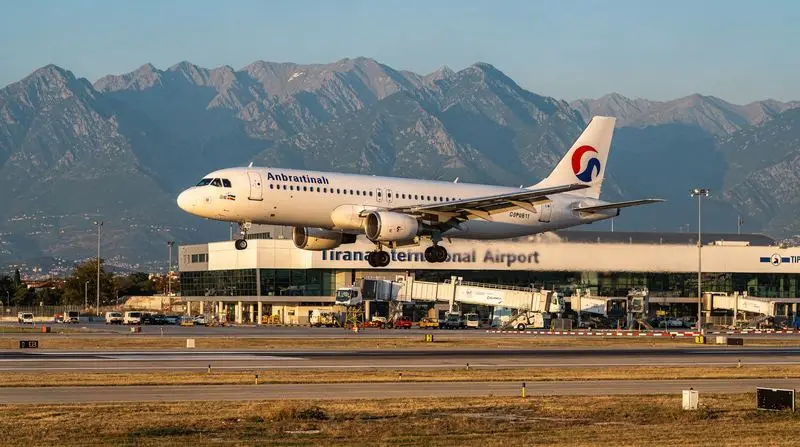
Tirana International Airport is the main entry point. The airport bus (300 lekë, approximately EUR 2.80) runs from the airport to the city centre — far cheaper than the taxi (2,500–3,000 lekë). If arriving late at night when the bus doesn’t run, share a taxi with other backpackers at arrivals to split the cost.
Accommodation
Tirana has a good hostel scene. Freddy’s Hostel and Lili Hostel are the best-reviewed; dorm beds cost EUR 10–15. Both are central (15 minutes’ walk from Skanderbeg Square), social, and knowledgeable about onward travel logistics. Private rooms in budget guesthouses: EUR 20–30.
Day 1: Free Tirana
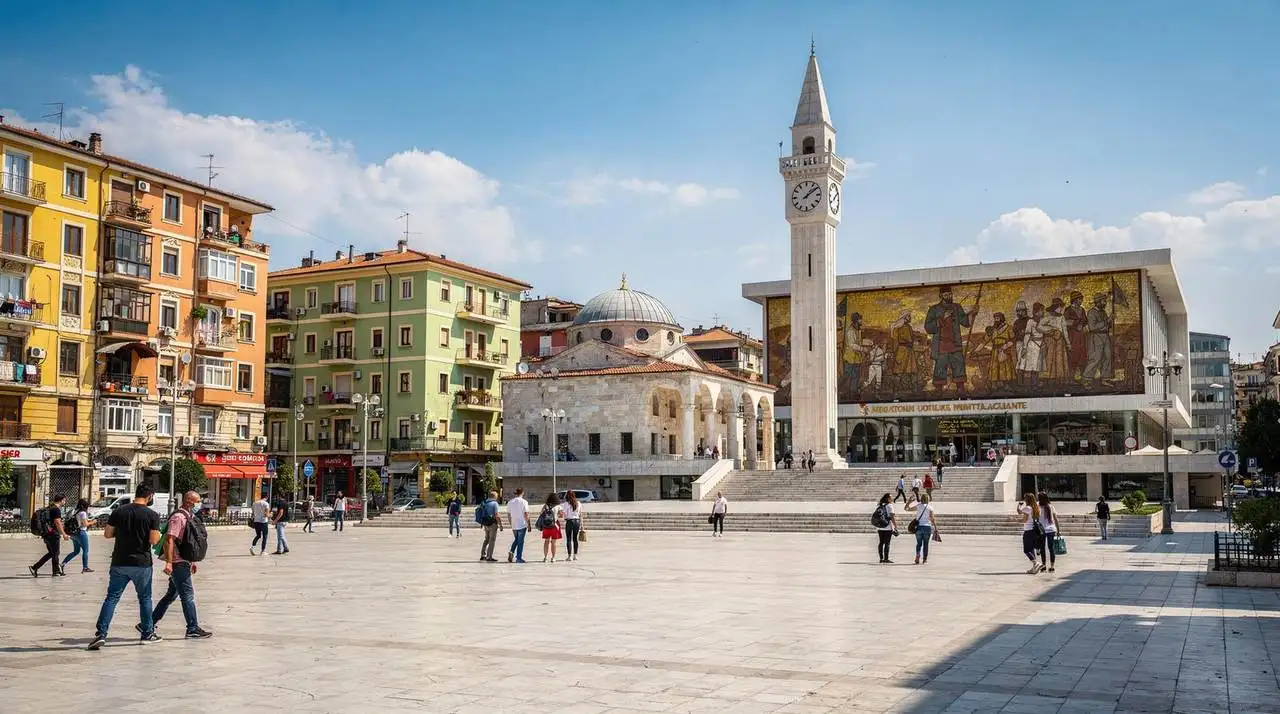
Start with the free walking tour of Tirana — these operate from Skanderbeg Square at 10am most days; tips only. A good guide covers the communist history, the bunkers, the painted facades, and the 1991 transformation — all essential context for what you’ll see in the rest of the country.
Join a Tirana walking tour for a more in-depth guided experience — at budget-friendly prices this is one of the best value tours in the country.
Free sights: the Pyramid of Tirana (climb it, it’s free), the Blloku neighbourhood (street art, colourful facades), Pazari i Ri market (lunch for 300–500 lekë from market stalls: byrek, olives, bread, cheese).
Day 2: Hike to Bovilla Lake
Instead of paying for the Dajti cable car, take a free (or cheap) day hike. Book a Bovilla Lake and Gamti Mountain hike from Tirana — a guided full-day hike to a beautiful mountain reservoir northeast of Tirana, passing through pine forest to a panoramic summit viewpoint.
Alternatively, take a furgon to Kruja (200 lekë each way) for a DIY castle visit — Skanderbeg Museum (500 lekë) and the free Old Bazaar wander. Total day cost: under EUR 6.
Route at a Glance
| Days | Stop | Highlight | Approx. daily budget |
|---|---|---|---|
| 1-2 | Tirana | Free walking tour, Blloku, Pyramid | EUR 20–30 |
| 3-4 | Berat | Kalaja castle, Onufri Museum, Osum Canyon | EUR 25–35 |
| 5-6 | Gjirokastra | Castle, Zekate House, old bazaar | EUR 25–35 |
| 7-8 | Saranda & Ksamil | Blue Eye, Butrint, island beaches | EUR 25–35 |
| 9-14 | Shkodra → Valbona → Theth | Koman ferry, Alps crossing | EUR 35–50 (mountain half-board) |
Days 3-4: Berat — UNESCO City for Less
Getting There
Morning bus from Tirana southern terminal to Berat: 400 lekë (EUR 3.70). Multiple daily departures.
Accommodation in Berat
Budget guesthouses in Berat old town: EUR 15–25 per person in a private room. Many guesthouses include breakfast; ask when booking. Guesthouse Lena and Guesthouse Mangalemi are popular backpacker choices with good value rooms and genuinely helpful hosts.
What’s Free in Berat
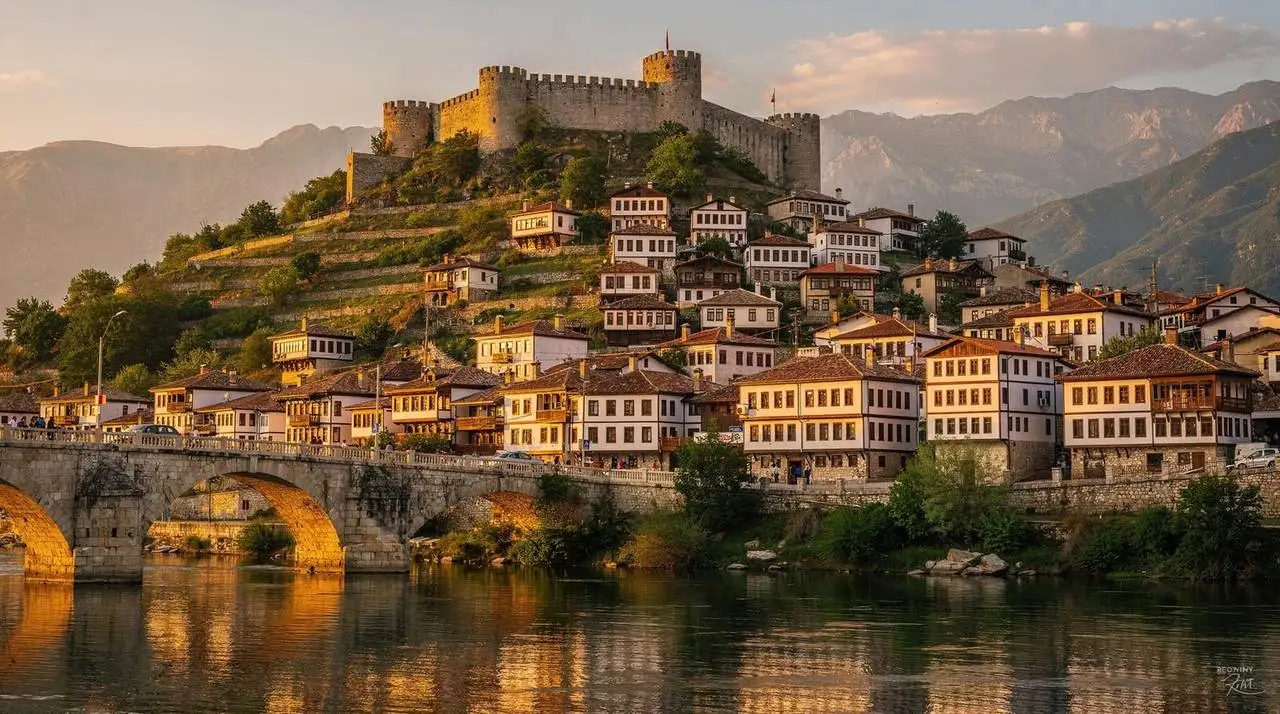
The most beautiful things in Berat are free: walking the Mangalem quarter cobblestone lanes, crossing the old bridge, sitting in Gorica watching the sunset on the thousand windows, wandering through the inhabited Kalaja castle neighbourhood.
Pay for: Onufri Museum inside Kalaja (400 lekë — absolutely worth it), Ethnographic Museum (300 lekë — worth it for the Ottoman interior). Skip: the National Museum of Medieval Art in the castle (reasonable but lower priority for limited budgets).
Day 4: Osum Canyon
Hike or taxi to the Osum Canyon for free natural drama. The trailhead is accessible by taxi (1,000–1,500 lekë each way; share with hostel friends). The canyon walk itself is free and extraordinary — just don’t attempt it in high water conditions without local guidance.
Days 5-6: Gjirokastra — Stone City on a Budget
Getting There
Bus or shared taxi from Berat to Gjirokastra: 2.5–3 hours via Tepelena. Bus fare approximately 500–700 lekë. Shared taxi (if bus timing doesn’t work): 1,500–2,000 lekë per person.
Accommodation in Gjirokastra
Budget guesthouses in the old town: EUR 15–25 per person. Guesthouse Kotoni is one of the best-value options — a stone house in the heart of the old town with genuinely atmospheric rooms and a helpful host. Guesthouse Lame is also popular with backpackers.
Gjirokastra DIY
The castle (500 lekë) is worth paying for. The rest of the old town — the bazaar, the streets, the tower house exteriors, the views — is free. Climb to the upper viewpoints for the best photographs. The Zekate House (300 lekë) is worth it for the interior; the Kadare birthplace museum is reasonable at 300 lekë.
Join a guided Gjirokastra tour if your budget allows — the guides here genuinely add value to understanding the city’s architecture and history.
Days 7-8: Saranda and Ksamil
Getting There
Bus from Gjirokastra to Saranda: 1.5 hours, approximately 400 lekë.
Accommodation in Saranda
Hairy Lemon Hostel is the main backpacker hub in Saranda — social, cheap (dorms from EUR 12), with a lively bar and great information for onward travel to Ksamil, Butrint, the Blue Eye, and Corfu. Several budget guesthouses in the streets behind the promenade offer private rooms from EUR 20.
Blue Eye — Don’t Miss It
Take a shared taxi to the Blue Eye spring early in the morning (before tours arrive): 600–800 lekë for the taxi shared between backpackers from the hostel. Entry: 100 lekë. Total cost under EUR 10. This is one of the most extraordinary natural sights in Europe and is free to experience — the taxi is the main cost.
Butrint: Student Discount
Butrint (1,000 lekë standard entry) offers a student discount with a valid ISIC card (typically 50% off). Take a local minibus or share a taxi from Saranda (700–800 lekë return).
Ksamil Beaches
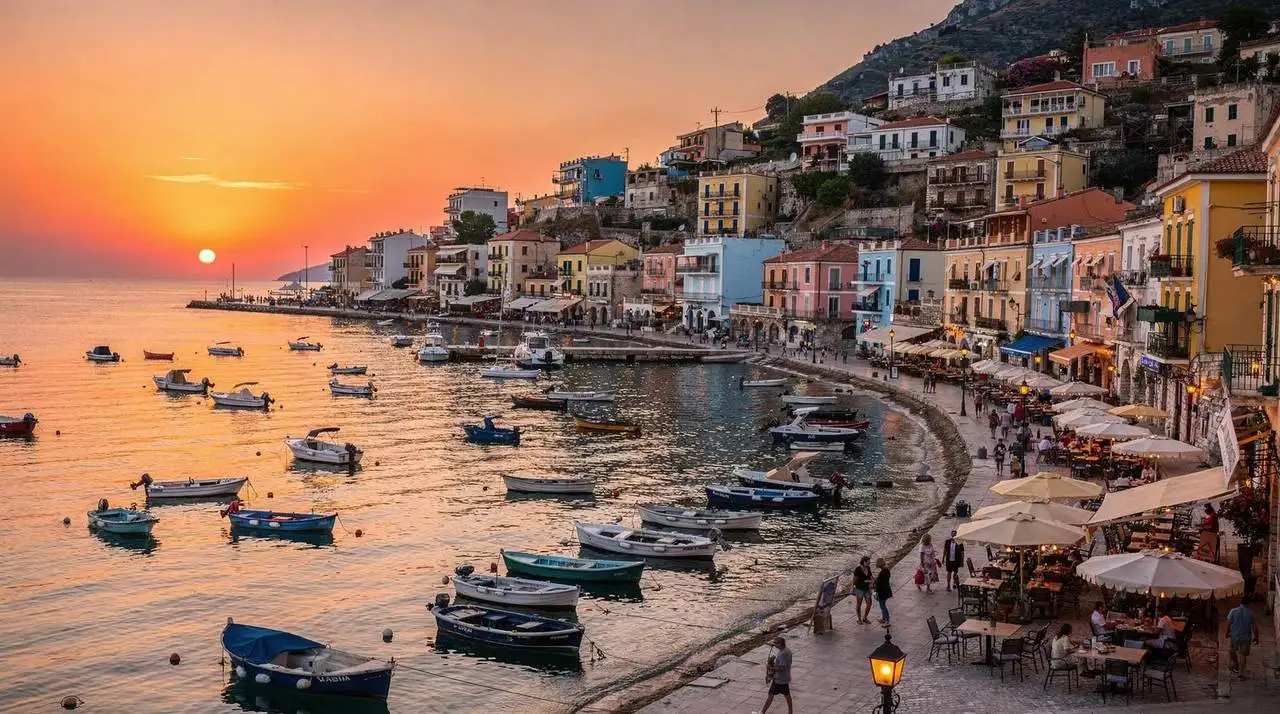
Ksamil is 15 km from Saranda; local minibus costs 150 lekë or share a taxi for 600 lekë total. The beaches are free (some beach clubs charge for sunbeds but the beach itself is public). Bring food and water from Saranda to avoid overpriced beach cafe prices.
Days 9-10: The Albanian Alps (North Route Extension)
If you have 14 days, add the northern circuit after Saranda. Take the bus from Saranda to Tirana (4–5 hours, 700–800 lekë), then bus Tirana to Shkodra (2 hours, 400 lekë).
Shkodra Budget Tips
Hostel Rozafa and several budget guesthouses near the centre offer dorm beds from EUR 10. The Marubi Museum (500 lekë) and Rozafa Castle (300 lekë) are the main paid sights. The lake promenade, old city streets, and cycling infrastructure are all free.
Koman Lake Ferry
The public ferry from Koman to Fierza costs approximately EUR 6–8 per person — one of the world’s great transport bargains for one of Europe’s most spectacular journeys. Shared taxi from Shkodra to Koman ferry: 1,200–1,500 lekë (share between backpackers).
Book a combined Koman Lake and Shala River tour from Shkodra to add the extraordinary turquoise Shala River gorge to the journey — slightly more expensive than the ferry alone but adds a completely different landscape.
Days 11-14: Valbona and Theth
This is where backpacker Albania gets genuinely wild.
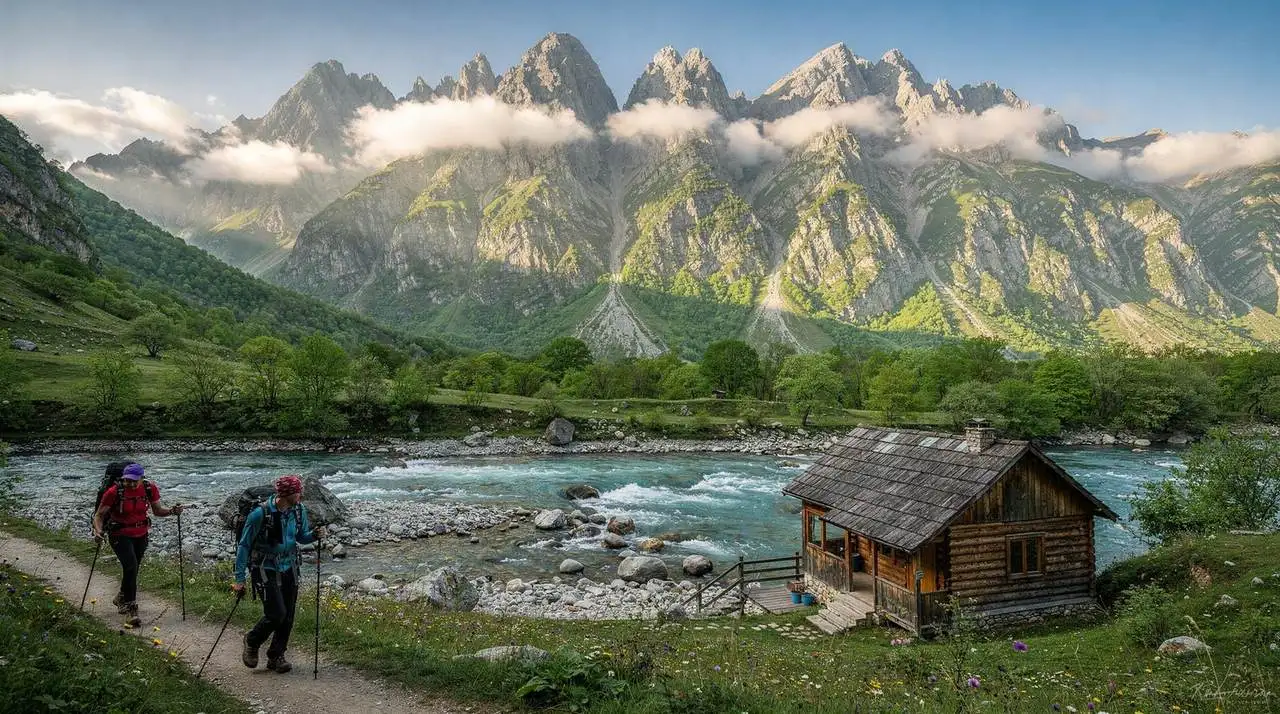
Valbona guesthouses (half-board: EUR 30–45 per person per night) are the only practical accommodation option; prices include breakfast and dinner and are non-negotiable. They represent excellent value — the food alone is worth the price.
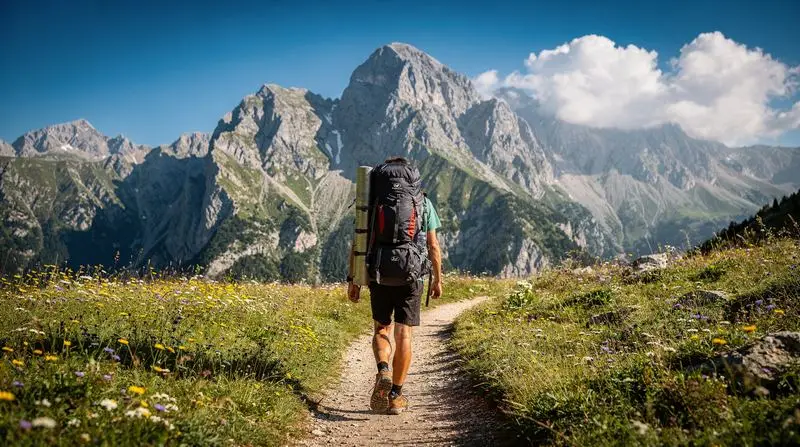
The Valbona-to-Theth crossing is free to walk. Trail waymarked with red-and-white Peaks of the Balkans markers. Permit currently not required. Pack your own food for the trail (snacks from Shkodra supermarket) and make sure you have water capacity for 2+ litres.
Book a guided 3-day Valbona-Theth crossing from Shkodra for a fully organised mountain experience — this is the best option for first-time trekkers unfamiliar with the route.
Theth guesthouses (half-board: EUR 25–40 per person per night): same deal as Valbona — cash only, home-cooked meals, exceptional value.
Return from Theth: Shared 4WD taxi from Theth to Shkodra: 2,000–3,000 lekë per person (2.5–3 hours). Then bus Shkodra to Tirana for the airport.
Backpacker Money-Saving Tips
Furgons over taxis: For most intercity routes, furgons (shared minibuses) cost 60–80% less than taxis. The southern bus terminal in Tirana and the bus stations in Berat, Gjirokastra, and Saranda all have furgon connections. Show up, pay, and leave when the vehicle fills.
Market lunches: Albania’s covered markets (Pazari i Ri in Tirana, similar markets in Berat and Gjirokastra) sell cheap, excellent food. A lunch of byrek, olives, bread, and local cheese costs 300–500 lekë and is often better than a restaurant meal at twice the price.
Guesthouse dinners: In smaller towns, eating at your guesthouse is often the cheapest and best option. Many guesthouses cook family meals for guests at restaurant prices or less.
Free drinking water: Albania’s tap water is generally safe to drink outside the main cities. In Valbona and Theth, spring water from the mountains is available and excellent. Carry a reusable bottle and fill it from springs on the trail.
Negotiate shared taxis: When buses don’t run the route you need, negotiate with shared taxi drivers at bus stations. The per-seat price should be close to the bus fare; make sure you’re paying per seat, not chartering the whole vehicle.
Free hikes: The Albanian Alps and National Parks have no trail fees. The Valbona-Theth crossing, the Grunas Waterfall walk in Theth, the Osum Canyon walk in Berat, and various mountain hikes around Gjirokastra are all free to walk.
Albanian SIM: Buy an Albanian SIM card at the airport (Vodafone AL, approximately EUR 5 for 10GB of data). Wi-Fi in hostels is generally good, but data allows offline navigation in the mountains.
Hostel Social Life
Albania’s hostel scene has developed quickly. The social clusters:
Tirana: Freddy’s Hostel, Lili Hostel — both have common rooms and bars where backpacker networks form easily.
Berat: Smaller guesthouses rather than purpose-built hostels; the guesthouse breakfast table is the social hub.
Gjirokastra: Guesthouse Kotoni and similar are intimate (6–12 guests) and naturally social.
Saranda: Hairy Lemon is the social hub for the south — heavily international, good for finding trekking and beach partners.
Shkodra: Hostel Rozafa; ask here for other hikers heading to Koman and Valbona.
Valbona and Theth: Guesthouse communal dinner tables are where the social magic happens in the mountains. Everyone at the table has done the same journey; conversations are immediate.
10-14 Day Backpacker Budget Summary
| Duration | Total budget (very tight) | Total budget (comfortable budget) |
|---|---|---|
| 10 days | EUR 280–350 | EUR 380–480 |
| 14 days | EUR 380–480 | EUR 520–680 |
Excludes international flights. Based on hostel/dorm accommodation, market food, bus transport, and selective paid activities. The mountain section (Valbona/Theth half-board guesthouses) is the main fixed cost — there’s no way around it and it’s absolutely worth it.
Albania is without question the best-value country in Europe for backpackers. The quality of what you get — UNESCO cities, mountain wilderness, Ionian beaches, genuine cultural engagement — at these prices is unmatched anywhere in Europe.
Albania for Solo Backpackers: Safety and Practicalities
Safety: Albania is very safe for solo travellers, including solo female travellers. Crime against tourists is rare; the main risks are the same as anywhere in Europe (watch your bag in crowded markets, don’t leave valuables on view in parked cars). The mountain areas are extremely safe; the culture of highland hospitality (besa) extends to treating guests — including strangers — with genuine care.
Solo female travel: Albania is safer for solo female travellers than many European countries with a higher profile on the backpacker circuit. The main adjustments: in more conservative rural areas, dressed modestly (shoulders and knees covered) draws less attention; accepting a coffee or raki from a local does not carry social obligations beyond polite conversation; and trusting your instincts in the same way you would anywhere.
Night buses: Albania has limited night bus services. Most long-distance journeys are daytime only. Plan accordingly — arrival in an unfamiliar city after dark with no confirmed accommodation is avoidable.
Medication and health: Pack a basic kit: blister plasters (essential for the hike), rehydration sachets (for hot weather), antihistamines, and any regular medication in adequate supply. Pharmacies in Tirana, Berat, Gjirokastra, and Saranda are well-stocked. The antibiotic Ciprofloxacin is available over the counter in Albania and useful for travellers’ diarrhoea (rare but possible).
The Backpacker’s Albania: What Surprises Most Visitors
The food is exceptional value: A sit-down lunch of soup, main course, bread, and a beer at a neighbourhood restaurant in Berat or Gjirokastra costs 700–1,000 lekë (EUR 6.50–9.50). The quality is genuinely good. This is not the cheap-because-it’s-terrible food of some backpacker destinations; Albanian ingredients are excellent and the cooking is mostly simple in the best sense — grilled fresh meat, roasted vegetables, local dairy.
People want to talk: Albania does not have a long backpacker history, which means travellers are still genuinely interesting to many Albanians, who want to know where you’re from, what you think of the country, what you’ve seen. These conversations — in broken English, with hand gestures and phone translation filling the gaps — are some of the most memorable interactions on an Albania trip. Accept the invitation to sit, drink coffee, and talk.
The bunkers are everywhere: Enver Hoxha’s 750,000 concrete mushroom bunkers appear in every field, on every beach, by every road. After a day in Albania you stop seeing them; after a week you start to understand what they represent — the extraordinary level of paranoia and control required to convince an entire country to build defensive structures against an invasion that never came. They are simultaneously absurd and sobering.
The mountain guesthouses are the highlight: Ask any backpacker who has done the Valbona-Theth crossing what they remember most and it’s usually not the pass itself (though the views are extraordinary) but the dinner table at the guesthouse: the hosts who learned English from YouTube, the other travellers from six different countries, the home raki that appeared without warning, the food that kept arriving.
Practical Transport Guide for Budget Travel
Tirana buses: City buses operate on a flat fare of 40 lekë — cheaper than Bolt/Uber for short hops. But they’re slower and the routes aren’t always clear. For most backpackers, the combination of walking (the centre is compact) and Bolt taxis (Bolt is available in Tirana and generally cheaper than hailing a cab) works better.
Furgon vs bus: The key distinction for intercity travel. Furgons (shared minibuses, typically Toyota HiAce or Mercedes Sprinter) run more frequently than scheduled buses, often leave when full rather than on a fixed timetable, and serve routes that scheduled buses don’t. They’re slightly more expensive than buses (perhaps 20–30% more) but much more practical. Ask at any bus station for furgon service to your destination.
Luggage storage: There are no official left-luggage facilities at Albanian bus stations. Your hostel or guesthouse will store luggage for free or minimal fee. The standard practice is to ask at your accommodation when checking out.
Hitchhiking: Surprisingly functional in rural Albania. Cars stop for backpackers on mountain roads and charge nothing or a nominal amount. It’s not recommended as a sole strategy but works well as a supplement when furgons aren’t running. Always use common sense.
Bolt and the ride-share apps: Bolt (the main ride-share app in Albania) works well in Tirana and to a lesser extent in Saranda. Outside those cities, traditional taxis (negotiate the price before getting in, or ask your guesthouse to arrange) are the option.
The night in Bajram Curri: If your timing doesn’t work for the Koman ferry and Valbona in a single day, Bajram Curri (the largest town in the Fierza valley) is a perfectly acceptable overnight stop with basic guesthouses and a lively local market. It’s not a tourist town, which makes it interesting in a different way from the rest of the itinerary.
Albania Backpacker Route: Things No Guidebook Tells You
The post-communist shock is still visible: Albania had one of the world’s most extreme communist regimes from 1944 to 1991. The transition to democracy and capitalism happened faster and more violently than anywhere in Eastern Europe — the 1997 pyramid scheme collapse triggered a civil war. This history is written into the landscape in ways that are not always obvious: the abandoned factory buildings in every mid-sized town, the half-finished construction projects from the 1990s, the bunkers in every field. Understanding this context transforms the experience of travelling through Albania.
People are very pro-American and pro-EU: Albania has a strong tradition of positive feelings toward the United States (from World War II resistance support through the 1999 Kosovo intervention) and toward the EU (which represents the direction Albania wants to travel). American and British backpackers often encounter a warmth that feels excessive by northern European standards — this is genuine, and rooted in specific historical experiences. Appreciate it.
The 1997 collapse: The pyramid schemes of 1995–1997 consumed the savings of most Albanian families and triggered an armed uprising. Weapons from military depots flooded the country; the government collapsed; UN peacekeepers were deployed. The physical infrastructure of the 1990s — roads, buildings, utilities — still bears the marks of this period. It also explains why many Albanians of a certain age have a complicated relationship with financial institutions and prefer cash.
The Adriatic coast: This itinerary focuses on the south and north, but the Adriatic coast (Durres, Kavaja, Divjaka) offers a completely different Albania — more industrial, more Albanian-tourist (rather than international), and in the case of Divjaka National Park, genuinely beautiful wetland landscape. Worth a day trip from Tirana if you have time.
Street dogs: Albania has a large population of stray dogs, particularly in smaller towns and rural areas. The vast majority are harmless and friendly; occasional territorial dogs near guesthouses or on mountain trails should be given space. Carry a light stick on the Valbona-Theth approach if you are nervous about dogs.
The beaches are better than you expect: Ksamil is genuinely world-class beach territory — the water quality, the colour, the temperature, and the relative uncrowdedness (compared to Greek islands) make it exceptional. If you time your backpacker route to end at Ksamil in July or August, you’ll understand why the Albanian Riviera is rapidly growing in international reputation.
When everything goes wrong: Albanian travel occasionally involves things that don’t work as planned: a bus that doesn’t come, a guesthouse that is full despite a booking, a shared taxi that takes two hours longer than expected because the driver stops to help a friend. The correct response in all cases is to remain calm, accept the Albanian approach of finding an alternative solution, and remember that the deviation is often the best part of the story. This is why backpackers, rather than package tourists, are the perfect audience for Albania.
Money and ATMs on the Route
Albania is still largely a cash economy outside Tirana’s larger hotels and restaurants — guesthouses in Berat, Gjirokastra, Valbona and Theth almost always expect cash, and card machines are unreliable even where they exist. Withdraw lekë from ATMs in the main towns (Tirana, Berat, Gjirokastra, Saranda, Shkodra all have several) rather than relying on cards for daily spending; Valbona and Theth have no ATMs at all, so carry enough cash for the mountain section before you leave Shkodra.
A rough rule for the mountain leg: budget the full half-board cost for both nights plus a cash buffer for extras (raki, snacks, the shared 4WD taxi out of Theth), since there’s no way to top up once you’re past Shkodra. Raiffeisen, BKT, and Credins are the most widely available ATM networks and generally offer reasonable exchange rates compared to airport currency exchange counters, which should be avoided or used only for a small emergency amount on arrival.
Connectivity and Staying in Touch
A local SIM makes the whole route easier — offline maps in the mountains, WhatsApp to confirm guesthouse bookings, and Bolt in Tirana all need data. Buy an Albanian SIM at the airport kiosk (Vodafone AL or ONE, roughly EUR 5–10 for 10–15GB) rather than relying on roaming. The Albania eSIM guide and the SIM card guide both compare the practical options, including eSIM providers that let you activate before you land — useful if you want data working from the moment you clear immigration in Tirana.
What to Pack for the Backpacker Route
The route crosses climate zones: Ionian beach heat in Ksamil, cool mountain evenings in Valbona and Theth, and dusty castle walks in Berat and Gjirokastra. A daypack, one pair of proper hiking shoes (not just sandals — the Valbona-Theth crossing is a real mountain trail), a lightweight rain shell (mountain weather changes fast even in summer), a headtorch for guesthouses with patchy electricity, and a padlock for hostel lockers cover most of it. The full Albania packing list breaks this down season by season if you’re travelling outside the June–September window.
Safety on the Backpacker Route
Albania is one of the safer backpacker destinations in Europe, but a few route-specific points are worth knowing. Furgons and shared taxis are informal — agree the price before getting in, and don’t hand over payment until you’ve confirmed the destination. Mountain weather in Valbona and Theth can close the pass with little warning outside summer; always ask your guesthouse host about current trail conditions rather than trusting an app. The full Albania safety guide covers scams, health, and emergency numbers in more depth, and is worth a read before you fly.
Going Deeper on Each Stop
Once the skeleton of the route is in place, a few companion pages help you fill in the details for each leg.
Tirana and the start of the trip. The Tirana destination page and the best restaurants in Tirana are useful for planning your first evenings, while the where to stay in Tirana guide helps if the hostels you want are full. If you prefer to sort out the arrival in advance, the guide to getting to Albania covers the entry options.
Hostels and budget beds. The best hostels in Albania and the budget accommodation guide go beyond the places named above, and the Albania backpacking guide adds general advice that applies to the whole circuit.
The southern cities. Read the Berat destination page and the Gjirokastra destination page before you arrive, so you know which quarters to prioritise on a short stay. On the coast, the Saranda page and the Ksamil page explain how the two bases fit together, and the Blue Eye page is worth reading before you commit to an early start.
The north. For the mountain leg, the Valbona and Theth pages describe the valleys themselves, the Koman Lake ferry guide covers the crossing in more detail, and the Theth to Valbona hike guide is the place to study the trail before you set out.
Keeping costs down. The Albania travel budget guide and the list of free things to do in Albania are good companions to the money-saving tips above, especially if you want to stretch a tight budget a little further.
Frequently asked questions about Albania Backpacker Route
Is 10 days enough for the Albania backpacker route?
Ten days covers the essential circuit — Tirana, Berat, Gjirokastra, Saranda/Ksamil — at a solid pace, but it means skipping or rushing the Albanian Alps. If the Valbona-Theth crossing matters to you, 14 days is the realistic minimum; trying to squeeze the north into a 10-day trip usually means one or two rushed, unsatisfying days rather than a proper mountain experience.
Do I need to book hostels in advance?
In shoulder season (April–June, September–October) you can usually turn up and find a bed, especially in Tirana and Berat. In July–August, and always for Valbona and Theth guesthouses, book at least a few days ahead — mountain accommodation is limited and fills up fast in peak weeks.
Is this route doable without a rental car?
Yes — this itinerary is built entirely around furgons, buses, and the Koman Lake ferry, which is part of the appeal for budget travellers. A car adds flexibility on the Riviera but isn’t necessary for the backpacker circuit described here; see the public transport guide for route-by-route details.