Albania vs Turkey: A Complete Traveler’s Comparison
Both Albania and Turkey offer what travelers increasingly seek from Mediterranean destinations: affordability, cultural depth, food worth eating, coastline worth photographing, and enough history to fill a library. They are separated by geography and circumstance more than by the type of experience they offer — which is precisely why comparing them is useful.
| Cost gap | Albania around 25-35% cheaper |
| Best for icons | Turkey (Istanbul, Cappadocia, Ephesus) |
| Best for solitude | Albania (far less visited overall) |
| Visa | Albania visa-free 90 days; Turkey e-Visa for most nationalities |
| Best combined route | Balkans + Greece + Turkey overland/ferry loop |
Turkey is a vast country spanning two continents, bridging Central Asia and Europe, with 84 million people and one of the world’s most visited cities in Istanbul. Albania is a small Adriatic/Ionian nation of 2.8 million, largely unknown to international tourism until very recently. Put side by side, the comparison reveals both destinations’ strengths and the types of traveler best suited to each.
Budget: How Do Costs Compare?
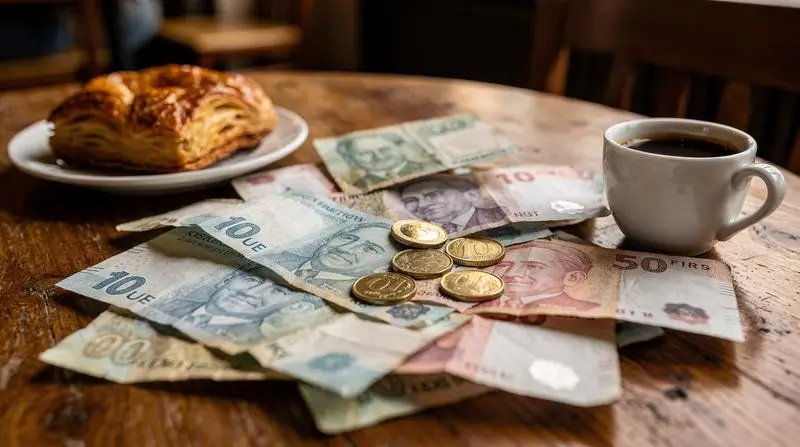
Turkey (2025-2026 prices): Despite significant inflation in recent years, Turkey remains reasonably affordable — though less so than it was in 2018-2020 when the lira collapse made it extraordinarily cheap. Current budget traveler costs in Turkey:
- Budget hostel/guesthouse: EUR 12-20 per night
- Mid-range hotel: EUR 40-80 per night
- Budget meal at a lokanta: EUR 4-7
- Restaurant dinner with drink: EUR 12-20
- Day trip tour: EUR 25-50
- Istanbul one week accommodation + food: EUR 400-600
Albania (2025-2026 prices): Albania is notably cheaper than Turkey even now, and significantly cheaper than any Western European competitor. Budget traveler costs:
- Budget hostel/guesthouse: EUR 10-18 per night
- Mid-range hotel: EUR 35-65 per night
- Local restaurant meal: EUR 3-6
- Restaurant dinner with drink: EUR 8-15
- Day trip tour: EUR 20-40
- One week in Tirana: EUR 300-450
The verdict on budget: Albania wins on cost, typically running 25-35% cheaper than Turkey for comparable accommodation and food quality. For very budget-conscious travelers, Albania stretches money further. Turkey is still affordable by European standards but has moved upmarket from its post-lira-crash bargain basement.
See the Albania travel budget guide for detailed cost breakdowns.
Beaches
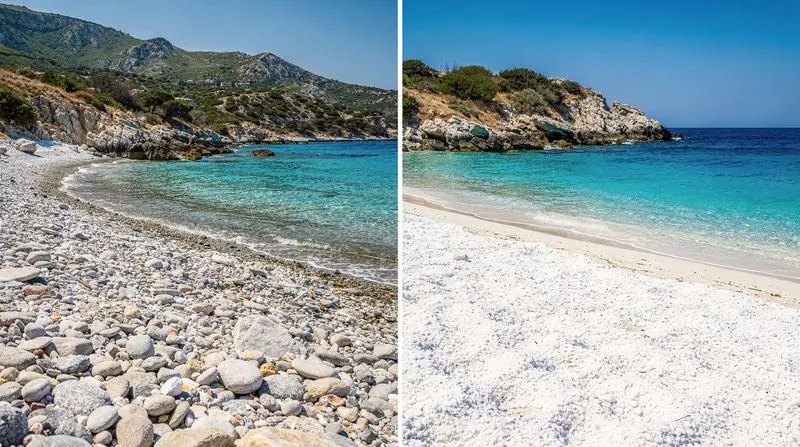
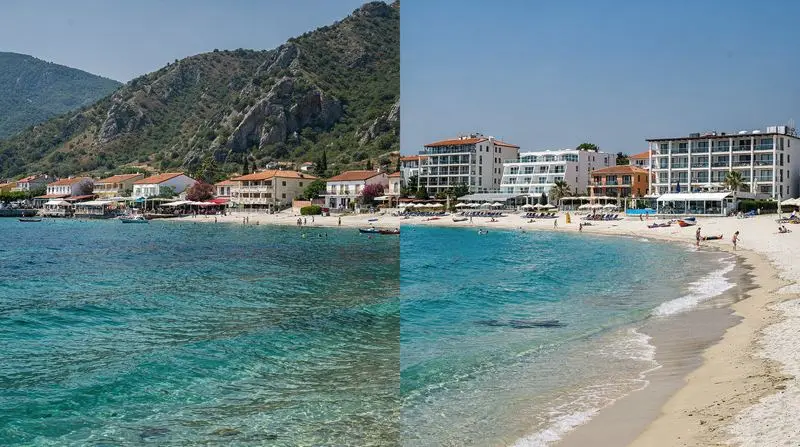
Turkey’s beaches: Turkey has an extraordinary coastline — the Aegean and Mediterranean coasts (the “Turkish Riviera” around Antalya, Bodrum, Marmaris, Fethiye) offer excellent beaches backed by excellent resort infrastructure. The Blue Voyage (Mavi Yolculuk) gulet sailing route is a world-class experience. Beaches are well developed, with sunbeds, facilities, and easy access.
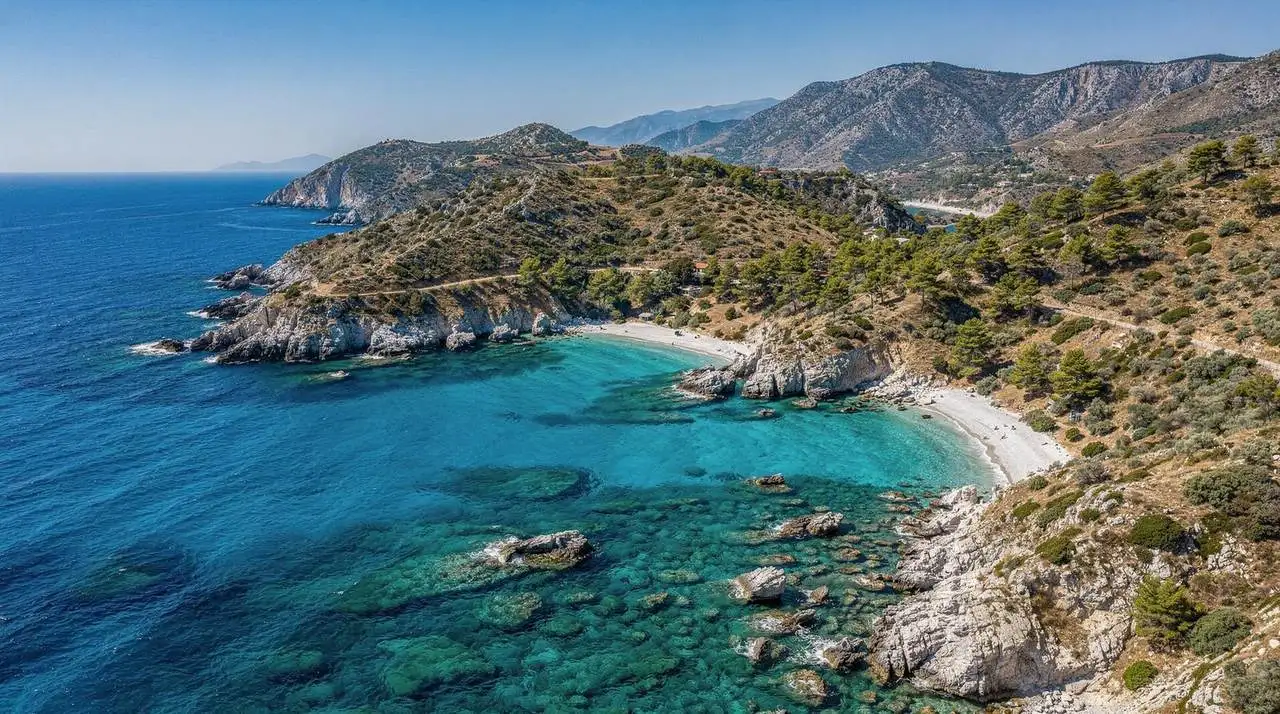
Albania’s beaches: The Albanian Riviera competes directly with Turkey’s best coastal areas on water quality and scenery — and wins on crowds and price. Albanian beaches are less developed, which means fewer facilities but also fewer sun-lounger armies. Ksamil’s beaches near Saranda have genuinely extraordinary water clarity. Riviera beaches at Dhermi, Gjipe, and Jale offer Mediterranean scenery without the infrastructure of developed resorts.
The verdict on beaches: Turkey edges Albania on resort infrastructure and variety. Albania edges Turkey on authenticity, price, and crowds. For travelers who want a beach umbrella, poolside bar, and organized watersports, Turkey’s coast is more refined. For those who want wild coastline and fewer tourists, Albania is the clear winner.
Culture and History
Turkey: Istanbul alone justifies a trip — the Hagia Sophia, Topkapi Palace, Blue Mosque, Grand Bazaar, and Bosphorus together form one of the world’s most culturally dense experiences. Beyond Istanbul: Ephesus, Cappadocia, Troy, Pamukkale, the Kurdish southeast. Turkey’s cultural depth is genuinely staggering. Five thousand years of civilization, multiple empires, East-West fusion in architecture, food, and character.
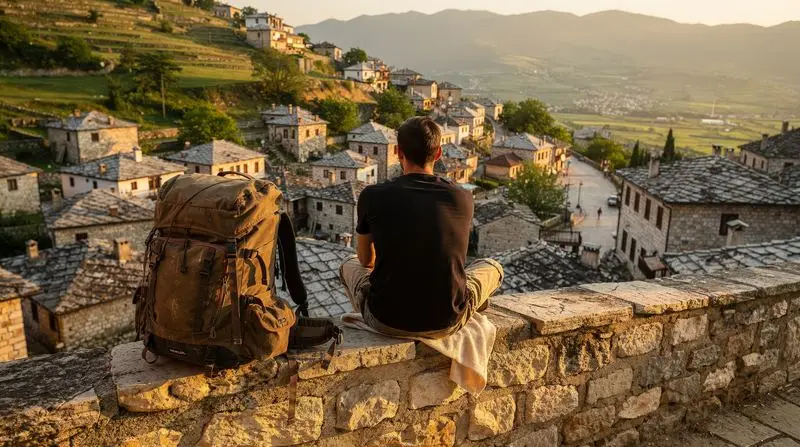
Albania: Albanian history and culture are less globally known but profoundly interesting. The Albanian people are ancient Illyrian descendants. Ottoman architecture in Berat and Gjirokastër (both UNESCO World Heritage Sites) is exceptional. The communist bunker legacy is unique in the world. The mountain kanun law code, the besa tradition, and the specific Balkan-Albanian identity are fascinating to explore. Albania is also one of the world’s first officially atheist states (under Hoxha) with a remarkably tolerant multi-faith contemporary society.
The verdict on culture: Turkey wins on sheer scale and globally recognized iconic sites. Albania wins on depth per dollar, accessibility, and the feeling of discovering something relatively unknown. If you want to be the person who went somewhere their friends haven’t heard of, and explored a culture that genuinely surprises, Albania delivers that.
Food
Turkish food: Turkish cuisine is one of the great food cultures of the world. Kebabs in their many forms, meze, fresh fish, baklava, börek, Turkish breakfast — all are world class and available at extraordinary value. Istanbul’s food scene has gone from excellent to world-class with the rise of a new generation of chefs.
Albanian food: Albanian cuisine is less globally celebrated but deeply satisfying. Byrek (flaky pastry filled with cheese, spinach, or meat), fergesa (a Tirana dish of peppers, tomatoes, and offal), tavë kosi (lamb baked in yogurt sauce), grilled meats, and fresh fish from Adriatic and Ionian waters. The food is honest, meat-forward, and made from excellent local ingredients. It lacks the sophisticated variety of Turkish cuisine but excels in freshness and value.
The verdict on food: Turkey wins on variety, global reputation, and culinary sophistication. Albanian food is excellent for what it is — unpretentious, fresh, and extraordinarily affordable — but cannot match Turkey’s breadth.
Tirana food tour to experience Albanian cuisineSafety
Turkey: Generally safe for tourists. Istanbul’s major tourist areas are well-policed. The southeast near the Syrian border requires attention to UK/US/EU government travel advisories. Petty crime in tourist areas (pickpocketing, scams) requires standard big-city awareness. The 2016 coup attempt and subsequent political climate have not materially affected tourist safety in most areas.
Albania: One of Europe’s safest countries for personal safety. Violent crime against tourists is extremely rare. Petty crime is low compared to comparable European destinations. The Albania scams guide covers opportunistic practices but these are minor compared to Istanbul’s tourist scam ecosystem.
The verdict on safety: Albania is genuinely safer for the average tourist, with less petty crime and fewer scams targeting visitors. Turkey is safe in most tourist areas but requires more standard big-city awareness, particularly in Istanbul.
Infrastructure and Tourism Development
Turkey: Excellent tourism infrastructure throughout the main tourist areas. Well-developed hotels at all price points, excellent domestic flight connections, good intercity buses, functioning rail (TCDD trains between major cities), and a large, experienced tourism industry.
Albania: Infrastructure is improving rapidly but behind Turkey. Mountain roads can be poor. Public transport requires flexibility. Major cities have good facilities; rural areas are basic. The tourism industry is younger and less organized. Reliable booking platforms (GetYourGuide, Booking.com) are increasingly available.
The verdict on infrastructure: Turkey is significantly ahead. If you want the convenience of a well-oiled tourism system, Turkey delivers it. Albania’s infrastructure gaps are part of its appeal for independent travelers but can frustrate those expecting reliability.
Which Should You Choose?
Choose Turkey if you:
- Want iconic world-famous historical sites
- Prefer better tourism infrastructure and more options at every price point
- Are combining with a longer Middle East/Caucasus itinerary
- Want a more sophisticated food and nightlife scene
- Have limited time and want maximum value per day
Choose Albania if you:
- Want beaches without the crowds
- Are budget-conscious and want to stretch every euro
- Prefer feeling like you discovered somewhere rather than joining the tourist conveyor
- Are interested in unusual post-communist culture and history
- Are combining with other Balkans destinations (Montenegro, Kosovo, North Macedonia)
- Want hiking, wild landscapes, and authentic village life
The case for both: Albania and Turkey are not mutually exclusive. A Balkans-Turkey itinerary combining Albania, Kosovo, North Macedonia, Greece, and Turkey is an increasingly popular option for travelers with a month and an appetite for the region.
Start your Albania experience with a Tirana walking tourReligion and Social Context
Turkey: Turkey is constitutionally secular but approximately 99% Muslim by cultural identity. The visible religious life — call to prayer five times daily, mosques central to every neighborhood, Ramadan observed publicly — is a significant part of the cultural experience. Istanbul uniquely bridges Christian Byzantine and Islamic Ottoman heritage in a way no other city does.
Albania: Albania has a uniquely relaxed relationship with religion. The country was declared the world’s first officially atheist state under Hoxha (1967), which paradoxically resulted in a post-communist society with very low religious observance. Today Albania is roughly 60% Muslim, 20% Orthodox, 10% Catholic, and 10% other/none — and all communities coexist with remarkable tolerance. Religion is rarely visible in daily life. The muezzin call is heard in some places but not universally.
For travelers interested in religious culture and architecture, Turkey offers more intense engagement. For travelers who prefer minimal religious pressure or who come from backgrounds where visible Islam might feel unfamiliar, Albania’s light-touch approach is notably comfortable.
Visa Considerations
Turkey: Most EU, UK, and US citizens need a visa. The e-Visa system (evisa.gov.tr) makes this easy — apply online before travel, pay approximately USD 50-100, and receive electronic authorization within minutes for most nationalities.
Albania: Most Western nationalities can enter Albania visa-free for up to 90 days within a 180-day period. No advance application needed. Simply arrive and enter. See the Albania visa requirements guide for your nationality’s specific situation.
For simplicity of entry, Albania wins. For most nationalities, Turkey’s e-Visa is also easy — just an advance step.
Language and Communication
Turkey: Turkish is unrelated to European languages, with no cognates that help English speakers. However, tourist infrastructure is well-developed, English is widely spoken in Istanbul and major tourist areas, and menus and signage are frequently bilingual.
Albanian: Also unrelated to other European languages but distinct — it is an isolated branch of the Indo-European family. English is increasingly common among younger Albanians, especially in Tirana and tourist areas. In rural areas, Italian is more useful as a second language than English.
Practically, neither country presents a serious communication barrier in tourist areas. Albania’s rural communication challenges are slightly more pronounced due to less developed tourist infrastructure.
Climate Comparison
Albania coastal summer: 30-35°C in July-August along the Riviera. Dry heat. Mountain areas 10-15°C cooler. Spring and autumn are mild and excellent.
Turkey coastal summer: Similar temperatures on the Aegean and Mediterranean coasts. Istanbul is milder (25-30°C in summer) due to its northern position and sea breezes. Cappadocia gets cold in winter and hot in summer.
Best season comparison: Both countries are best visited in spring (April-June) and early autumn (September-October) — after winter but before peak summer crowds and heat. Shoulder season in Albania is notably less busy than Turkey, where spring travel is also very popular.
Art and Contemporary Culture
Turkey: Istanbul has a world-class contemporary art and culture scene. Istanbul Modern, the Salt Beyoglu gallery, the Sabancı Museum, and numerous private galleries make it a genuine art destination. The Biennial (Istanbul Bienali) is one of the world’s most significant contemporary art events.
Albania: Tirana’s cultural scene is small but punchy. The National Gallery, the Pyramid (repurposed as a cultural and youth space), and independent galleries in the Blloku area represent a creative scene growing rapidly in confidence. Albanian contemporary art and design are interesting and less visited than they deserve to be.
Practical Itinerary Suggestions
One week in Albania: Tirana (2 nights) → Berat day trip → Shkodra (1 night) → Albanian Riviera via Saranda (3 nights). This gives a city introduction, UNESCO heritage, mountain gateway, and beach. Total cost approximately EUR 350-600 per person including accommodation, food, and activities.
One week in Turkey (Istanbul focus): Istanbul (4 nights, using city pass for museums) → day trip to Bursa or Princes Islands → fly to Cappadocia (2 nights) → return Istanbul. Total cost approximately EUR 600-900 per person.
Two weeks combining both: Fly into Tirana → 5 days Albania → fly Tirana-Istanbul → 7 days Turkey (Istanbul + Aegean coast). Returns via Istanbul. A logical pairing that shares the affordable Mediterranean character of both destinations.
Tirana food tour to start your Albania experienceInfrastructure Gap Assessment
To give an honest picture of the infrastructure difference:
Turkey’s advantages:
- Extensive domestic flight network (Turkish Airlines, Pegasus, AnadoluJet) connecting 50+ airports
- TCDD rail connecting Istanbul, Ankara, Konya, Izmir, and other major cities
- Well-organized bus network with modern coaches (Metro, Pamukkale, and other operators)
- Established ferry routes in the Aegean and Marmara
- Strong hospitality industry with quality standards well-developed
Albania’s current infrastructure:
- One international airport (Tirana), though with growing connections
- No functional rail (see Albania trains guide for full picture)
- Furgon and bus network (functional but requires local knowledge)
- Road network improving but mountain roads still challenging
- Tourism industry younger, less standardized
For first-time independent travelers unfamiliar with developing-world transport navigation, Turkey is more accessible. For experienced backpackers comfortable with improvisation, Albania’s transport system is manageable and part of the adventure.
The Diaspora Factor
Albania’s diaspora: Approximately 1 million Albanians live in Italy, 200,000 in Greece, and substantial communities in the UK, USA, and Germany. The diaspora’s summer return creates the peak tourism season in Albania — August is when diaspora Albanians return to visit family and the country feels at its most festive and busy.
Turkey’s diaspora: A large Turkish diaspora lives in Germany (3+ million), Netherlands, France, and elsewhere. Turkey’s domestic tourism dwarfs its international tourism in scale — Turkish citizens themselves travel extensively within Turkey. This creates a slightly different dynamic: major Turkish resorts serve both international tourists and domestic Turkish holiday makers.
Understanding this helps calibrate expectations: in Albania in August, you will encounter diaspora Albanians from Italy and Germany as a major visitor demographic alongside Western European tourists. In Turkey’s Mediterranean resorts, you will meet Turkish families from Istanbul alongside international visitors.
Entry Formalities and Border Experience
Albania entry: Simple and fast for most nationalities. Passport check, no visa required, stamp applied. Major land borders (Kakavija, Muriqan) processed efficiently. See the Albania border crossings guide for full detail on land entry.
Turkey entry: E-Visa system makes this simple for most nationalities — apply online, receive by email, show at border. Most processing is electronic and quick. Istanbul Airport is one of the world’s busiest and most modern airports.
Combining with Other Destinations
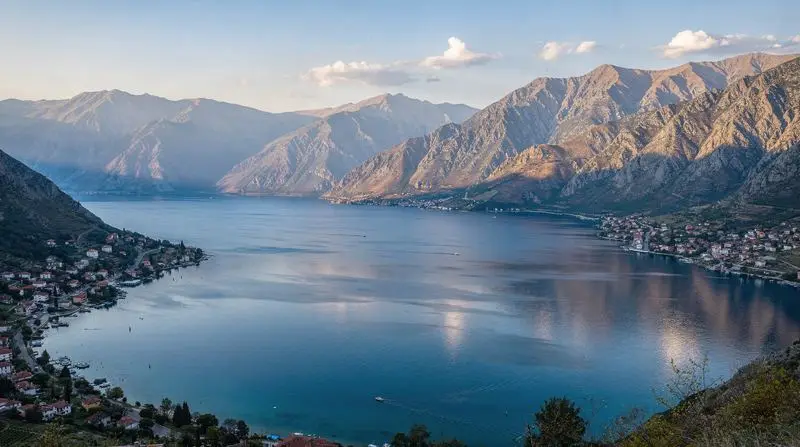
Albania as part of a Balkans loop: Albania combines naturally with Kosovo, North Macedonia, Montenegro, and Greece. A 3-4 week Balkans trip using Albania as a base requires no flights between destinations — overland connections work throughout.
Turkey as part of a Middle East/Caucasus loop: Turkey’s position between Europe, the Middle East, and the Caucasus makes it a natural hub for bigger regional itineraries. Istanbul to Georgia, Armenia, or further east is straightforward.
For travelers doing a focused Mediterranean trip, Albania + Greece + (optionally) Turkey is a coherent circuit. The Albanian Riviera vs Greek islands guide explores that specific comparison. The Tirana-Athens flight is direct; Athens-Istanbul is a major aviation hub.
Shopping and Souvenirs
Turkey: Istanbul’s Grand Bazaar is one of the world’s great shopping experiences. Turkish ceramics, textiles, spices, tea, Turkish delight, hand-woven rugs, and metalwork are all available at the bazaar and in boutique shops. Turkish leather goods are good value. The shopping experience is part of the cultural visit.
Albania: Albanian crafts are less globally recognized but include distinctive work: Shkodra hand-woven wool items, copper and silversmithing in Gjirokastër, embroidered traditional costumes, and increasingly, contemporary Albanian design from Tirana boutiques. Rakija (fruit brandy) and local honey make excellent food gifts. Prices are very low.
The verdict on shopping: Turkey wins on variety, craftsmanship heritage, and the experience of the Grand Bazaar. Albania offers more authentic pricing and less tourist-targeting in its craft markets. For serious souvenir shopping, Turkey is the destination. For a few quality items at honest prices, Albania is excellent.
Overall Recommendation by Traveler Type
The budget backpacker: Albania. Lower costs across the board, a fascinating culture to discover, and the authentic hostel and guesthouse circuit is well-established. See the Albania backpacking guide.
The culture seeker: Turkey, specifically Istanbul and Cappadocia, for globally significant heritage. Albania for those interested in less-known communist history and UNESCO sites without crowds. The Albania dark tourism guide covers communist-era sites specifically.
The beach lover: Albania for uncrowded natural beaches. Turkey for well-equipped resort beaches with organized facilities.
The foodie: Turkey, for one of the world’s great food cultures. Albania for outstanding value fresh seafood and the growing Tirana dining scene.
Coffee and Cafe Culture Compared
Both countries take coffee seriously, but in different registers. Turkish coffee — thick, unfiltered, served in small cups with grounds settling at the bottom — is a genuine cultural institution, complete with fortune-telling traditions reading the leftover grounds. Turkish cafes (kahvehane) skew toward older, male-dominated social spaces in traditional neighborhoods, alongside a thriving modern specialty coffee scene in Istanbul’s trendier districts.
Albanian coffee culture leans Italian in style — strong espresso, macchiatos, and long, unhurried sitting sessions that can stretch for hours without anyone rushing you. Tirana’s Blloku neighborhood in particular has a specialty coffee scene that rivals many Western European capitals at a fraction of the price. Both traditions reward slowing down rather than grabbing a coffee to go, and both are inexpensive by any Western standard — a rare point of genuine parity between two countries that otherwise differ sharply on scale and infrastructure.
Getting Between the Two Countries
The most practical route between Albania and Turkey runs via Greece: fly Tirana-Athens-Istanbul, or take the ferry from Saranda or Durres toward Italy and connect overland through the Balkans — a longer but more scenic option for travelers with time. Direct flights between Tirana and Istanbul are increasingly available via Turkish Airlines, typically with a short connection, making a two-country trip logistically straightforward even without extensive advance planning.
For travelers building a longer regional loop, the natural sequence often runs Albania → Kosovo/North Macedonia → Greece → Turkey, using overland transport for the Balkans legs and a flight or ferry-plus-overland combination for the final Greece-Turkey stretch. This sequencing keeps costs low in the early legs and saves the more expensive, iconic Turkey portion for last.
Combining With the Rest of the Balkans
Albania’s position makes it a natural anchor for a wider regional trip in a way Turkey, geographically peripheral to the Balkans proper, cannot match. Kosovo, North Macedonia, and Montenegro are all a short overland hop away, letting travelers stack several distinctive Balkan countries into a single non-Schengen loop without ever needing to fly between legs. See the Albania vs North Macedonia comparison for how that specific pairing works in practice, and the Albania backpacking guide for route-building across the wider region.
Which Country Suits a Shorter Trip Better
For a one-week trip, Albania’s compact size is a genuine advantage — a week comfortably covers Tirana, a UNESCO city, and the Riviera without excessive travel time between stops. Turkey’s scale works against a single week: Istanbul alone deserves 3-4 days, and adding Cappadocia or the coast means either a rushed itinerary or skipping a major region entirely. For travelers with exactly seven days and no prior Balkans or Turkey experience, Albania delivers a more complete, less rushed sense of the country in that timeframe — see the 7-day southern Albania itinerary for a tested framework that covers Tirana, one UNESCO city, and a Riviera stretch without feeling compressed.
Best Time to Visit Each Country
Both countries share a similar seasonal logic — avoid the peak summer heat and crowds if possible, and favor shoulder season for the best combination of weather and value. In Albania, June and September deliver warm sea temperatures with significantly lower prices and crowds than July-August; the Albania in June guide and equivalent monthly guides cover specifics month by month. In Turkey, April-May and September-October are the sweet spots for Istanbul and the Aegean coast, avoiding both summer heat and winter cold in Cappadocia.
For a combined trip, late spring (May) or early autumn (September-October) works well for both halves of the itinerary, keeping heat manageable in Istanbul while still allowing comfortable swimming on the Albanian Riviera and the Turkish coast.
Frequently Asked Questions About Albania vs Turkey
Is Albania or Turkey cheaper for travel?
Albania is approximately 25-35% cheaper than Turkey for equivalent accommodation and food. Both are significantly cheaper than Western Europe. Albania is one of the cheapest countries in Europe; Turkey is affordable but has risen in price from its 2018-2020 lows.
Which has better beaches, Albania or Turkey?
Turkey has more developed beach infrastructure and more variety along its Aegean and Mediterranean coasts. Albania has wilder, less crowded beaches with extraordinary water clarity along the Riviera. For raw beauty and no crowds, Albania wins. For resort amenities and variety, Turkey wins.
Is Albania safer than Turkey?
For typical tourist activity, Albania has lower rates of petty crime and fewer scams targeting tourists than Turkey. Both are broadly safe; neither is dangerous for tourists. Albania’s mountains and rural areas require awareness of road conditions more than crime concerns.
Can I combine Albania and Turkey in one trip?
Yes, with some logistics. The natural route goes through Greece — fly Tirana-Athens-Istanbul, or take the ferry from Saranda/Durres to Bari and connect overland through the Balkans to Istanbul. It is a longer journey but a coherent regional exploration.
Which is more worth visiting for first-time Balkans travelers?
For a first Balkans trip, Albania offers the most distinctive experience relative to what most Western European travelers have seen before. Turkey is better known. Albania delivers more surprise per euro for travelers unfamiliar with the Western Balkans.
Is a one-week trip better spent in Albania or Turkey?
Albania suits a one-week trip more naturally because of its compact size — a week comfortably covers the capital, a UNESCO city, and the Riviera without excessive travel between stops. Turkey’s scale means a single week forces a choice between Istanbul and the coast or Cappadocia, rather than allowing a rounded introduction to the country.