Albania in Winter: The Honest Truth
| Where | Tirana, Berat, Gjirokastra, Permet — a southern circuit |
| Prices | Around 40-50% lower than peak summer |
| Roads | Theth/Valbona often impassable Dec-Mar; south generally fine |
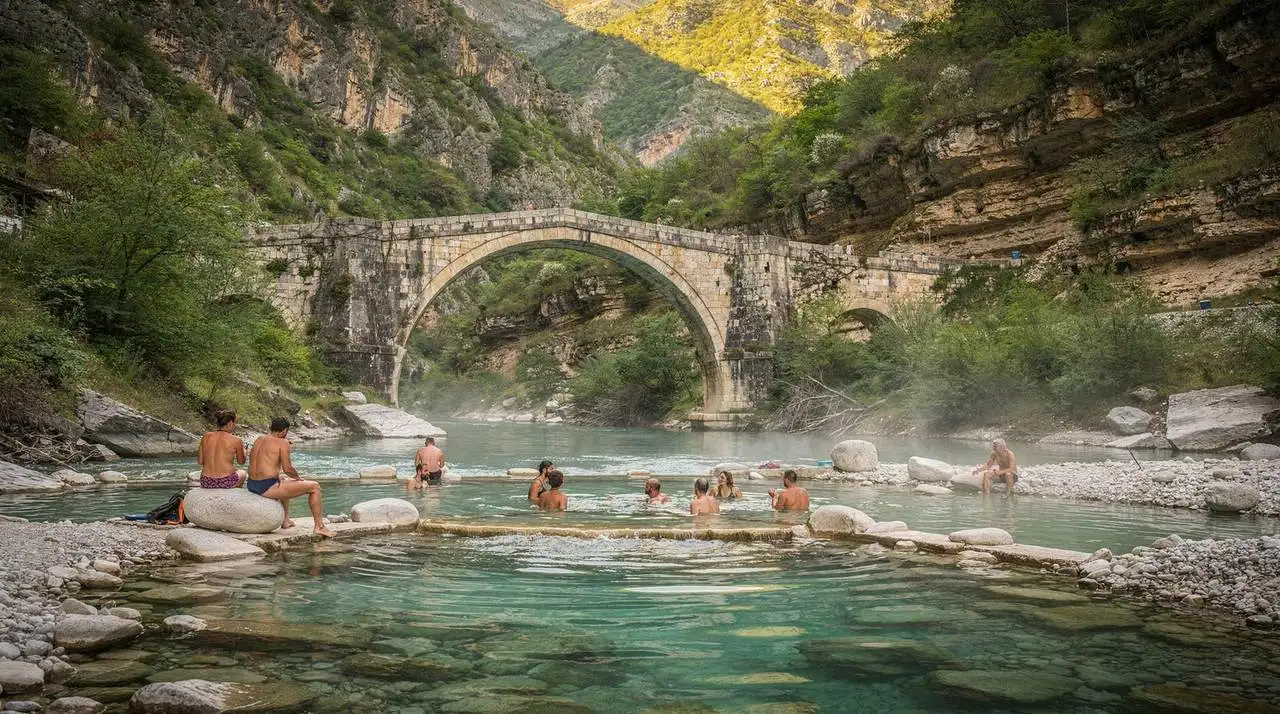
| Highlight | Benja thermal baths near Permet, often empty |
| Booking | Not urgent, but confirm ahead — some guesthouses close for the season |
We visited Albania for the first time in January — not because we planned to, but because a last-minute flight deal made it impossible to say no. We had no idea what to expect. Would everything be closed? Would the weather be miserable? Would we regret it within twenty-four hours of landing?
The short answer: we did not regret it for a single moment. The longer answer is what this post is about.
Winter in Albania is not a compromise. It is a completely different kind of trip — quieter, cheaper, more local, and in many ways more rewarding than the summer version of the same country. If you are willing to trade beach days for fireside dinners and empty cobblestone streets, you may well find, as we did, that December through February is actually our favourite time of year to visit.
What Tirana Looks Like Without the Crowds
The Albanian capital in summer is loud, social, and packed. Everyone is outside. Blloku — the neighbourhood that was once reserved exclusively for Communist Party elites — overflows with people spilling from restaurants onto terraces until two in the morning. It is energetic and fun, but it can also feel relentless.
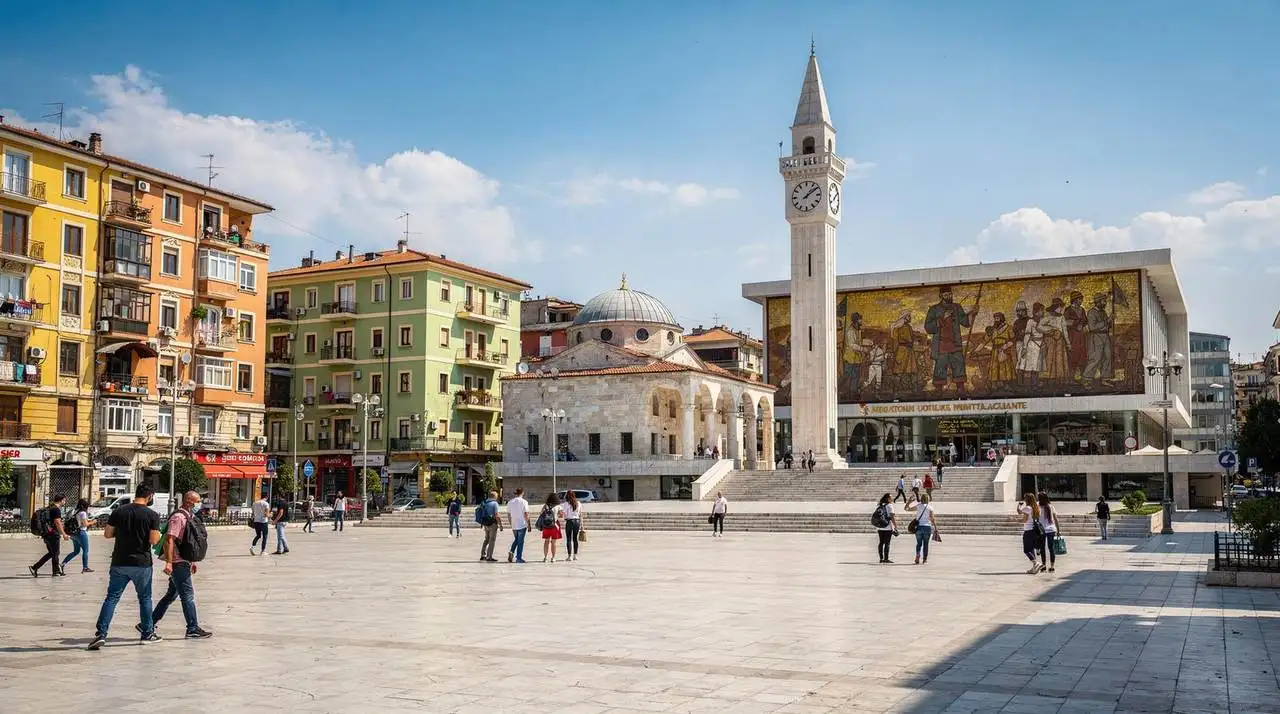
In winter, Tirana slows down without going quiet. The cafes are still full — Albanians are not the kind of people who stay home when it gets cold — but the atmosphere shifts from performance to intimacy. You can actually have a conversation with a barista. You can sit at the window of a coffee shop on Rruga Myslym Shyri and watch the city go about its real life, not its tourist-season life.
The key attractions remain open year-round. The National History Museum on Skanderbeg Square still commands your attention with its enormous mosaic facade. Tirana has enough museums, galleries, and architectural oddities to fill three or four days regardless of season. The Pyramid — now reopened as a creative hub — is actually better visited in winter when you can explore its interior spaces without queuing behind tour groups.
A communist Albania tour with BunkArt museum visit is at its best in winter. The underground bunker museums are atmospheric in any season, but in winter the quiet of the city above amplifies the strangeness of being below ground in a system designed to survive nuclear war. No queues. Small groups. The guide has time to explain everything properly.
Accommodation costs in January and February drop significantly. We paid roughly forty percent less for the same quality of hotel that would have cost considerably more in August. The service was better too — attentive without being rushed, because the staff had time to actually talk to guests.
Berat: The City of a Thousand Windows in December
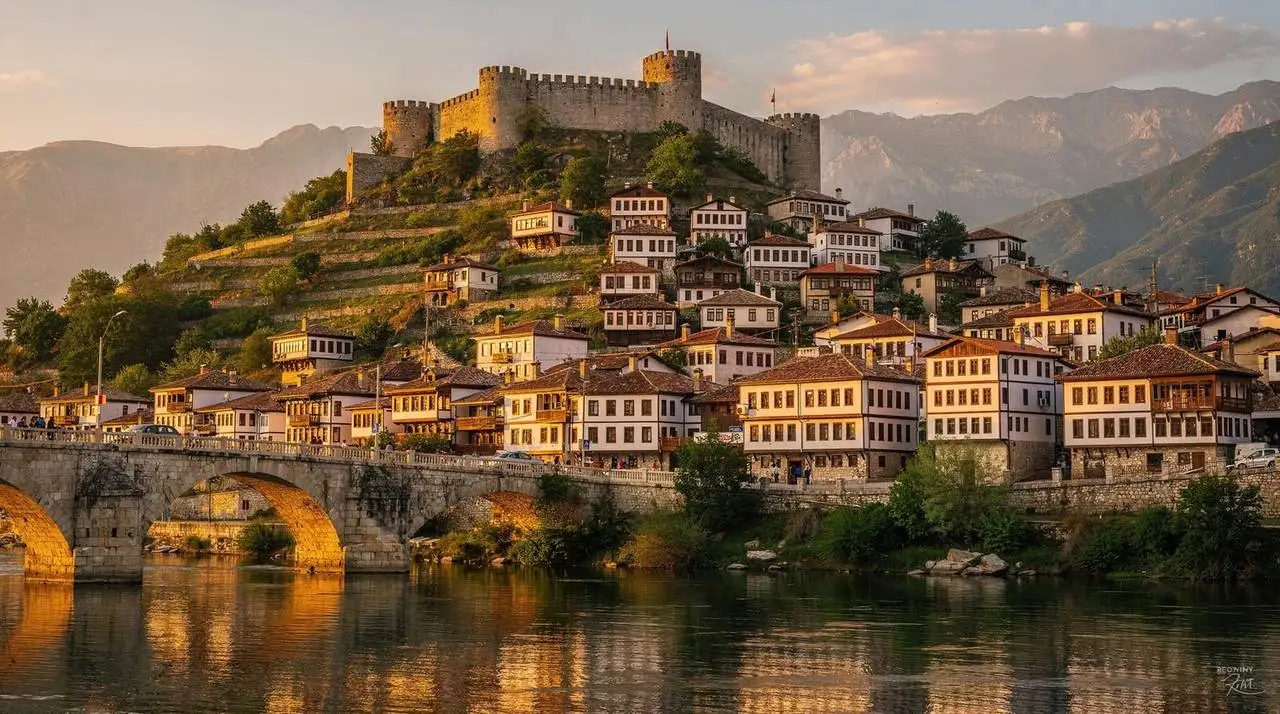
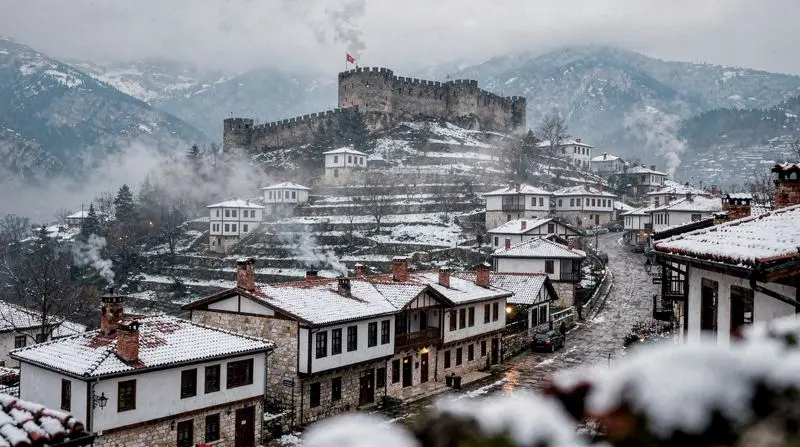
We took the bus south from Tirana to Berat on a grey December morning and arrived to find the city draped in low cloud, the Ottoman quarter of Mangalem rising steeply above the Osum river in a scene that felt genuinely medieval. No cruise groups. No selfie sticks blocking the narrow lanes. Just us, a few local schoolchildren walking uphill, and a cat sitting in a doorway.
The Berat Castle complex is open in winter, though you will want a warm layer — the hilltop gets cold. The Byzantine churches inside the walls are some of the finest in the country, and in winter the caretakers have time to actually tell you something about them. We spent two hours wandering the castle district and encountered perhaps twelve other visitors in total.
The restaurants in Berat’s old town are exceptional in winter precisely because they are cooking for Albanians rather than tourists. Traditional raki appears on tables at lunch. Portions of tave kosi arrive steaming from clay pots. The wood-burning stoves that heat these old stone interiors create an atmosphere that no amount of summer sunshine can replicate.
If you want to understand Berat’s food culture from the inside, winter is an excellent time for a cooking class. A Berat cooking class in winter often includes dishes that only appear in the cold season — slow-braised meats, winter vegetable preparations, the hearty soups and stews that Albanians consider comfort food. The class sizes are smaller in winter and the experience more intimate.
Berat in winter: genuinely one of the most atmospheric places we have experienced anywhere in the Balkans.
The Real Reason to Come in Winter: Permet and the Thermal Baths
If we are being honest, the thermal baths of Benja near Permet are the single best reason to visit Albania in winter, and they are what converted us from reluctant January visitors to committed winter advocates.
Permet sits in the Vjosa Valley in southern Albania, surrounded by mountains that in winter carry serious snow on their upper slopes. The drive down from Tirana through Gjirokastra takes about four hours and passes through landscapes that are genuinely spectacular when frosted. The town itself is small, calm, and serves extraordinary food — Permet is famous throughout Albania for its gliko (preserved fruit in syrup) and its figs.
The Benja thermal baths sit about seven kilometres outside town, reached by a road that crosses a dramatic Ottoman bridge. Hot springs emerge from the riverbank at temperatures between 27 and 35 degrees Celsius, creating natural pools where the water flows constantly over smooth rocks. In summer, these pools attract crowds. In winter, you may well have them entirely to yourself.
We arrived on a Sunday morning in mid-January. Snow dusted the hills above the river. The air temperature was about four degrees. We lowered ourselves into water at around thirty degrees and stayed for two hours while mist rose off the surface into the cold air. Three other people came and went during that time. It cost nothing to enter.
If you go in winter, this is what you come for. Book a guided Benja thermal baths experience from Permet if you want transport sorted and a local guide who can show you the best pools and explain the geology of the springs. In winter, the guided option is particularly practical because the road conditions can be variable and knowing what you are looking at adds to the experience.
Plan for at least two nights in Permet to allow time for the baths, the town’s Byzantine church, and a walk along the Vjosa river. The Permet destination page covers accommodation options and logistics.
Gjirokastra: Stone and Silence
No winter trip to southern Albania is complete without a stop in Gjirokastra. The UNESCO-listed stone city clings to a hillside above the Drino valley, its castle visible from kilometres away, its old bazaar a network of steep lanes lined with Ottoman-era houses.
In summer, Gjirokastra is increasingly busy — it features on nearly every Albania itinerary, and for good reason. In winter, the city returns to itself. The castle is open and essentially deserted. The old bazaar has a handful of artisan shops selling handmade copper goods and textiles. The famous Skenduli and Zekate houses — extraordinary examples of Ottoman domestic architecture — are open for visits with local guides who are not juggling twenty other tourists at once.
The food situation in Gjirokastra in winter requires some flexibility. A number of the tourist-facing restaurants close or reduce hours, but the places where Albanians actually eat — simple places serving grilled meats, fresh salads, and bean soup — stay open all year. Ask your accommodation for recommendations and you will eat extremely well.
A guided Gjirokastra city tour in winter gives you the guide’s undivided attention and the city’s full attention. No competition for sight lines at the castle viewpoints. No crowds in the Ottoman houses. The guide has time to go into depth on the history of each building, the social codes that produced the kulla towers, and the stories of the families who lived here.
The Winter Itinerary That Works
For a first winter trip to Albania, we recommend this structure:
Two days in Tirana — arrive, recover from travel, do the BunkArt tour, explore the Blloku and New Bazaar, eat well.
One day in Berat — the castle, the castle churches, the Onufri Museum, a long dinner in the old town. One night is enough in winter because the city is small and the main things are manageable in a day.
Two days in Gjirokastra — the castle, a guided walk of the old town, the Skenduli House, the bazaar. Stay two nights because the city rewards waking up in it, not just visiting it.
Two days in Permet — the thermal baths (both mornings if possible), the town’s churches and market, the Vjosa riverbank, the local restaurants. This is the heart of a winter Albania trip.
This seven-day southern circuit is one of the most rewarding Albania itineraries we have done at any time of year, and in winter it is particularly strong because all of these destinations are at their most authentic. Our 7-day south itinerary covers a similar route.
| Day | Base | Focus |
|---|---|---|
| 1-2 | Tirana | BunkArt tour, Blloku, New Bazaar |
| 3 | Berat | Castle, Byzantine churches, old town dinner |
| 4-5 | Gjirokastra | Castle, guided old town walk, Skenduli House |
| 6-7 | Permet | Benja thermal baths, Vjosa riverbank, local restaurants |
Skiing and the High-Altitude Alternative
Winter in Albania is not only about the lowland circuit described above. For visitors drawn to snow rather than away from it, the Albanian Alps around Theth and the Korab range have a small but growing skiing and snowshoeing scene, mostly informal and guide-led rather than resort-based. This is a different kind of winter trip entirely — more demanding, more weather-dependent, and unsuitable for anyone hoping to combine it with the Riviera or the south in the same visit given the road closures already mentioned. Our Albania snowshoeing guide and skiing in Albania guide cover what currently exists, honestly, including where the infrastructure is still thin.
Why We Rank Winter Above Autumn, Honestly
Autumn gets more attention as Albania’s other “quiet season,” and it is genuinely good — warm sea, mellow light, thinning crowds. But winter offers something autumn does not: a fully local country, restaurant menus that have reverted entirely to what Albanians actually eat, and prices that drop further than autumn’s more modest discount. The trade-off is real — you lose swimming and some mountain access — but for the specific combination of culture, food, and value, we rate a January or February trip above an autumn one more often than most guides admit.
Getting Around Without a Car in Winter
Independent winter travel through the southern circuit described above does not require a rental car, though having one gives you more flexibility around the shorter daylight hours. Buses and furgons (shared minibuses) connect Tirana, Berat, Gjirokastra, and Permet, though frequency drops in winter compared to summer, and the last departures of the day tend to be earlier. Building in a buffer day between destinations, rather than planning tight same-day connections, avoids the stress of a missed afternoon furgon leaving you stranded in a small town. Our buses and furgons guide covers current routes and how the informal furgon system actually works, which matters more in winter when schedules are less predictable than the high-season timetables.
Practical Winter Details
A few things worth knowing before you go:
Getting around is the main challenge. Bus services between major cities run year-round, but schedules can be reduced in winter and mountain roads occasionally close in heavy snow. If you plan to visit Theth or Valbona, check conditions carefully — the Theth road is often impassable from December to March. For the south — Permet, Gjirokastra, Saranda — winter travel is generally fine.
Saranda in winter is quieter than you might expect but still functional. The sea is not swimming temperature, but the town is pleasant, Ksamil is hauntingly beautiful without the summer crowds, and Butrint archaeological park is arguably best visited in winter when the light is low and the site feels genuinely ancient rather than like an outdoor museum.
Accommodation choices narrow in the south in winter. Book ahead — not because places fill up, but because some guesthouses close entirely and you want to confirm you have somewhere to stay before you arrive in a quiet town at seven in the evening.
Raki season is, technically, every season in Albania. But there is something particularly right about being handed a glass of homemade raki by a guesthouse owner on a cold evening in Permet or Gjirokastra. Accept it. It is not optional.
Prices in winter are meaningfully lower than at any other time of year. Accommodation that costs 80 euros in July costs 40-50 in January. Restaurants are fully available without reservation. Activities are bookable without the advance planning required in summer. If budget is a consideration, winter is Albania’s most affordable season by a significant margin.
The Food Is Better in Winter
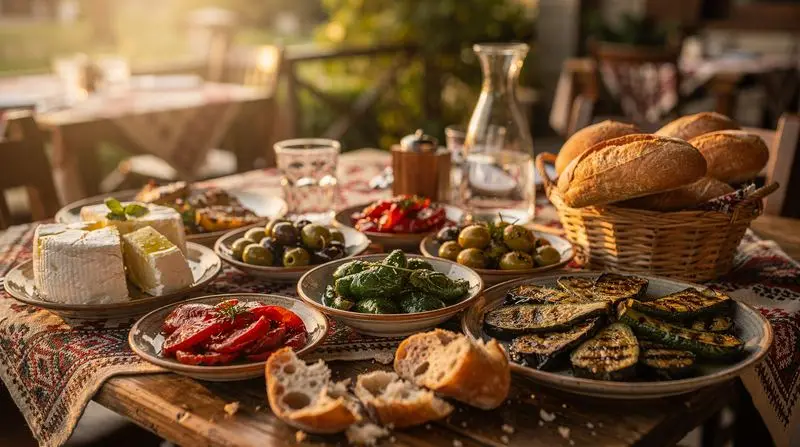
This deserves its own section. Albanian restaurants in summer calibrate somewhat toward international visitors — simpler preparations, translated menus, slightly milder spicing. In winter, they are cooking for Albanians, which means the full range of traditional food comes out.
You encounter slow-cooked offal dishes. You find bean soup (jani me fasule) that has been simmering since morning. Roasted whole lamb appears on weekend menus. Winter vegetables — leeks, cabbage, squash — show up in preparations that summer visitors never see. The Albanian food guide covers the classics, but in winter you will stumble across dishes that do not appear in any guide because they are simply what people cook at home when it gets cold.
Our best meal of the entire trip was in a small restaurant in Permet with no English menu, no tourist concessions, and a wood fire burning in the corner. We pointed at what the table next to us was eating and were served a clay pot of slow-braised goat with wild herbs and a basket of corn bread. It cost about six euros for two people.
Who Should Visit Albania in Winter
Winter travel in Albania suits a specific kind of traveller. If you need beach weather, nightlife, and a full slate of outdoor activities, wait for May or June. But if you are drawn to the texture of a place — its daily rhythms, its food, its architecture without the summer veneer — then winter delivers something that peak season simply cannot.
We go back every year now. Usually in January or February, usually with no particular plan beyond a rough itinerary and a willingness to stay somewhere longer if it turns out to be worth staying. Albania in winter rewards exactly that kind of approach.
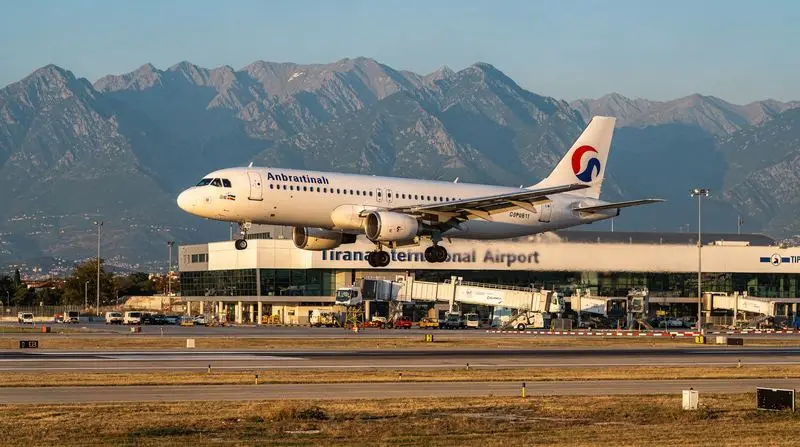
The how to get to Albania guide covers flights and arrival logistics for winter travel — note that some seasonal routes reduce frequency in winter, but core connections from major European hubs remain year-round.
The crowds will come in summer. Go now, while you can have the Benja thermal baths to yourself.