Tirana vs Belgrade: Two Balkan Capitals Head to Head
Two cities that have spent much of modern history unknown to Western tourism are now competing for the attention of city-break travelers, digital nomads, budget explorers, and anyone curious about what the post-communist Balkans actually feels like in 2026. Belgrade and Tirana represent different points on the trajectory from closed communist societies to open, chaotic, fascinating capitals.
Belgrade is further along that arc — Serbia’s capital is a serious European city of 2 million people with decades of post-communist tourism development, world-renowned nightlife, a robust food scene, and infrastructure that feels largely European. Tirana is smaller (500,000 population in the city), less polished, more chaotic, but arguably more surprising. Both offer things the other does not.
| Tirana | Belgrade | |
|---|---|---|
| Best for | Budget, novelty, day trips | Nightlife, food variety, infrastructure |
| Typical stay | 2-3 days plus day trips | 3-4 days |
| Monthly nomad budget | ~EUR 900-1,300 | ~EUR 1,100-1,600 |
| Airport connections | Growing, fewer direct routes | Extensive, well-connected |
Cost of Living: Where Your Money Goes Further
Belgrade daily costs (2025-2026):
- Budget hostel dorm: EUR 12-20 per night
- Mid-range hotel: EUR 50-90 per night
- Meal at a local konoba/restaurant: EUR 5-9
- Coffee: EUR 1.50-3
- Beer in a bar: EUR 2-4
- Monthly apartment rental: EUR 400-700 (city center)
- Monthly coworking space: EUR 80-150
Tirana daily costs (2025-2026):
- Budget hostel dorm: EUR 10-18 per night
- Mid-range hotel: EUR 40-70 per night
- Meal at a local restaurant: EUR 4-7
- Coffee: EUR 0.50-1.50
- Beer in a bar: EUR 1.50-3
- Monthly apartment rental: EUR 350-600 (city center, Blloku area)
- Monthly coworking space: EUR 70-130
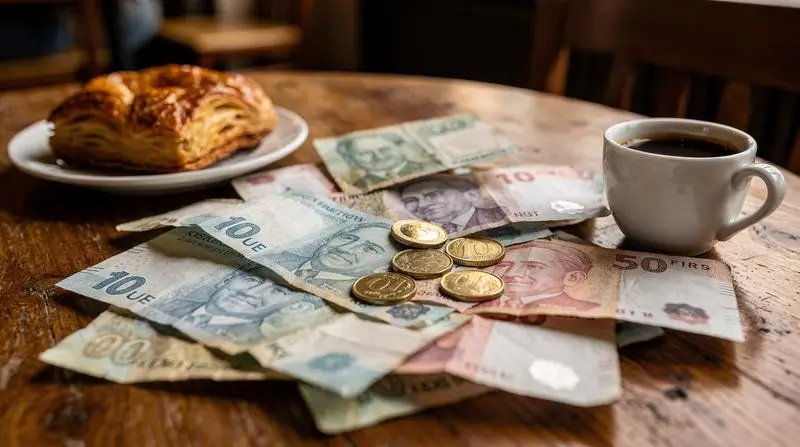
The verdict on cost: Tirana is cheaper, typically by 15-25% across the board. For digital nomads calculating monthly budgets, Tirana regularly ranks as one of Europe’s cheapest viable capitals. Belgrade is also very affordable by Western European standards but Tirana is a step cheaper.
See the Albania digital nomads guide for detailed Tirana cost-of-living breakdowns.
Nightlife
Belgrade’s nightlife is among the most celebrated in Europe and arguably the world. The city’s splavovi (floating river clubs) on the Sava and Danube rivers, the underground warehouse clubs, and the bohemian Skadarlija and Savamala neighborhoods have made Belgrade a genuine global nightlife destination.
Belgrade nightlife specifics:
- World-class clubs: Klub 20/44, Freestyler, Drugstore, Bar Central (Savamala)
- Splavovi river clubs: uniquely Belgrade — boats and floating platforms on the rivers that go from midnight to 10am
- Skadarlija bohemian quarter: outdoor kafane (traditional cafes), live Serbian folk music, a totally different atmosphere from the clubs
- Hours: Belgrade nightlife genuinely starts late (02:00-03:00 is when things peak) and runs until daylight
- Gay-friendly scene: Belgrade has a growing LGBTQ+ scene centered in Savamala
Tirana nightlife specifics: The Blloku (meaning “the block” — the former exclusive communist party residential zone) is Tirana’s main nightlife district. The transformation of Blloku from a forbidden zone to the city’s hippest neighborhood is itself a story worth knowing.
- Bars and cocktail venues on Ruga Pjetër Bogdani and surrounding streets
- Live music venues featuring Albanian jazz, pop, and folk
- Club scene that, while small, is energetic and genuinely local
- Younger average crowd than Belgrade’s international nightlife
- Hours: starts later than Western Europe but earlier than Belgrade’s extremes
The verdict on nightlife: Belgrade is decisively better for nightlife — it is not even close on the global scale. Tirana’s nightlife is fun but regional. Belgrade’s nightlife is world-famous and genuinely extraordinary. For travelers whose primary objective is nightlife, Belgrade wins comprehensively.
Food Scene
Belgrade food: Serbian cuisine is meat-heavy, unapologetically generous, and increasingly complemented by a modern restaurant scene. Ćevapi (minced meat rolls), pljeskavica (Serbian burger), karadjordjeva šnicla, grilled meats at kafanas — these are the traditional backbone. Skadarlija’s kafane have live music and serve these classics. Meanwhile, Savamala and the new market district have spawned excellent contemporary restaurants, craft beer bars, and specialty coffee shops.
Tirana food: Albanian cuisine and the Tirana dining scene have improved dramatically. The city has genuinely excellent food across all price points. Byrek (savory pastry), tavë kosi (lamb in yogurt sauce), fergesa (Tirana’s specific offal-and-pepper dish), fresh Adriatic fish, local mezze, and Turkish-influenced sweets. The Pazari i Ri (New Bazaar) area is a genuine food hub with outdoor seating and authentic options. Modern Albanian restaurants (Mullixhiu, Mrizi i Zanave’s urban outpost) represent serious culinary ambition.
Tirana food tour with included mealsThe verdict on food: Belgrade has a larger, more varied, and more internationally sophisticated food scene. Tirana’s food is excellent but the city is smaller and the scene younger. Both offer outstanding value. Belgrade wins on breadth; Tirana wins on novelty. See the Albania travel budget guide for food cost breakdowns in Tirana.
Culture and Sights
Belgrade cultural highlights:
- Kalemegdan Fortress: The defining Belgrade landmark, a massive medieval fortress at the confluence of the Sava and Danube rivers
- Nikola Tesla Museum: One of Belgrade’s most fascinating institutions, dedicated to the Serbian-American inventor
- Museum of Yugoslavia (Tito’s mausoleum): A genuinely interesting engagement with the Yugoslav communist period
- The National Museum and National Theatre
- Street art throughout Savamala
- Serbian Orthodox Cathedral and Church of Saint Sava (the enormous domed church visible from across the city)
Tirana cultural highlights:
- National History Museum: Albania’s main history museum with extensive coverage of all historical periods
- Bunk’Art 1 and Bunk’Art 2: Art installations inside Communist-era nuclear bunkers — genuinely unique. See the Albania dark tourism guide for more.
- House of Leaves (formerly the secret police headquarters): A disturbing and fascinating museum of communist-era surveillance
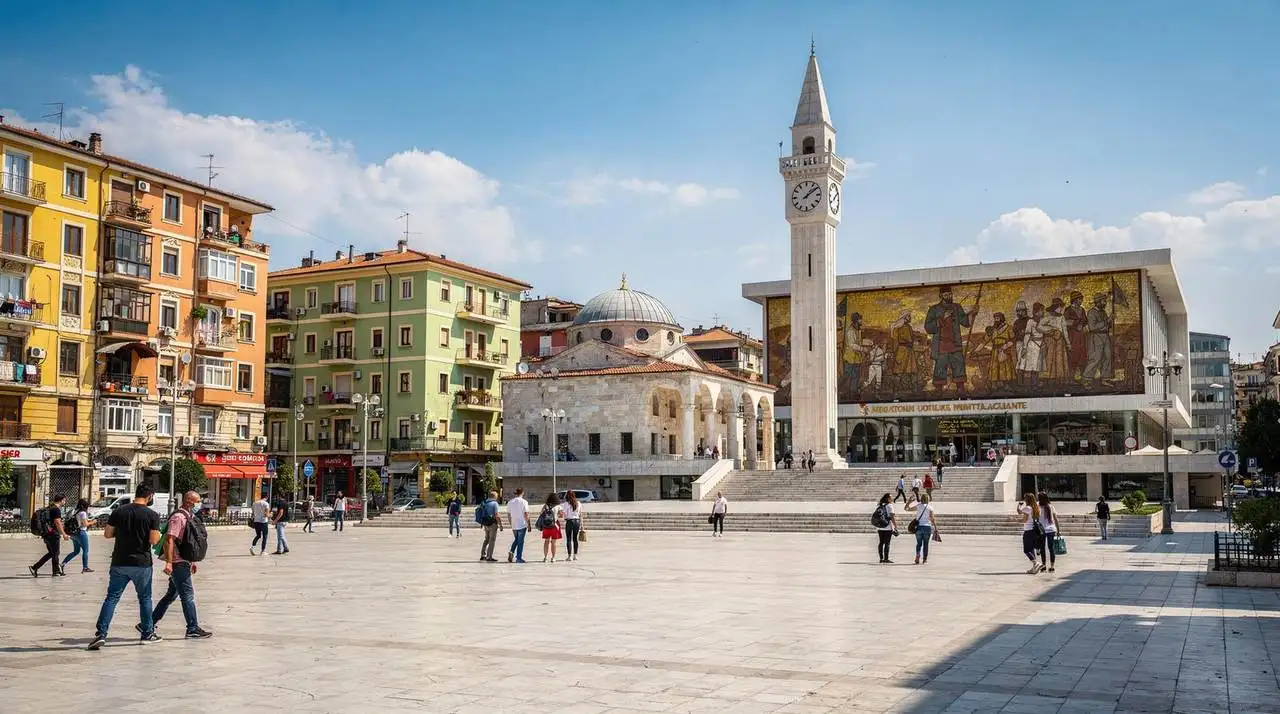
- Et’hem Bey Mosque: A fine 18th-century Ottoman mosque on Skanderbeg Square
- National Gallery of Arts
- The Pyramid (former Hoxha mausoleum, now repurposed as a cultural space)
- Walking tours:
The verdict on culture: Belgrade has more conventional tourist sights and a richer museum infrastructure. Tirana has some of the most unusual communist-era museums in Europe — particularly Bunk’Art and the House of Leaves — that offer experiences genuinely unavailable elsewhere.
Digital Nomad Infrastructure
Belgrade for digital nomads: Belgrade has been a top digital nomad destination for years. Strong infrastructure:
- Excellent fiber internet widely available
- Many dedicated coworking spaces (Startit Centre, Impact Hub, Zira Cowork, and others)
- Long-stay visa options (Serbia is outside both the EU and Schengen, allowing 90-day stays freely for most nationalities)
- Strong expat community and established nomad network
- Airbnb and apartment rental market well-developed
- Serbia’s relatively low cost of living compared to EU
Tirana for digital nomads: Tirana is emerging as a nomad destination and the trajectory is strongly upward:
- Albania outside EU/Schengen: 90 days free for most Western nationalities
- Cost of living even lower than Belgrade
- Growing coworking scene (Impact Hub Tirana and several others)
- Improving broadband infrastructure in central Tirana
- Less established expat community but growing
- Cultural novelty — nomads in Tirana often describe feeling like they’re somewhere genuinely unexplored
The verdict for digital nomads: Belgrade wins on established infrastructure, community, and the nomad ecosystem built over years. Tirana wins on cost and novelty. Both are outside Schengen which matters for non-EU nomads managing 90-day rules. For a first extended stay in the Balkans, Belgrade’s more established ecosystem makes settling easier. For budget-maximizing and frontier experience, Tirana is compelling.
Safety
Belgrade: Generally safe. Standard big-city awareness applies. Petty crime (pickpocketing in crowded areas) exists. The nightlife scene — clubs that run until dawn — requires basic personal safety judgment. Belgrade has a more complex organized crime history than Albania but this does not meaningfully affect tourist safety.
Tirana: Very safe. Albania has low petty crime rates and violent crime against tourists is extremely rare. Tirana’s Blloku nightlife is safe to navigate. See the Albania scams guide for the tourist-specific cautions that do apply.
The verdict on safety: Both cities are safe for tourists. Tirana has a marginal advantage in lower petty crime. Neither city presents significant safety concerns for normal tourist or nomad activity.
Getting There
Belgrade flights: Belgrade Nikola Tesla Airport (BEG) has excellent European connections — direct flights from London, Paris, Frankfurt, Amsterdam, Vienna, and most European capitals. Air Serbia operates a growing network. Budget carriers serve major routes. Easy to reach from anywhere in Europe.
Tirana flights: Tirana International Airport (TIA) has improved significantly and now offers direct connections to many European cities, including London, Rome, Milan, Vienna, and others. Routes have expanded rapidly as tourism has grown. Some travelers find fewer direct options from northern and eastern Europe compared to Belgrade.
Overland connection between the two: There is no direct comfortable land connection — the most sensible route goes through Kosovo, North Macedonia, or via ferries and multiple border crossings. Most travelers visit one or the other rather than combining the two on the same trip.
The Verdict: Which Should You Choose?
Choose Belgrade if you:
- Want world-class nightlife as a priority
- Prefer a more established city with clear tourist infrastructure
- Are combining with a Serbia/Croatia/Bosnia Balkans itinerary
- Want the most diverse food and cultural scene
- Plan to do extended nomad work and want established community
Choose Tirana if you:
- Want the cheapest viable European capital experience
- Are interested in unusual communist history museums
- Prefer discovering somewhere less visited
- Are combining with Albania’s extraordinary natural and cultural attractions
- Want the lowest monthly living costs in Europe alongside culture and urban energy
The most honest answer: Belgrade is the better city for nightlife, food variety, and established tourism. Tirana is the better city for travelers who want to feel like they discovered somewhere, and for anyone maximizing budget. They serve the same general market — curious Balkans travelers — but at different points on the development curve.
The Day Trip Factor
Belgrade day trips:
- Novi Sad: 1.5 hours north by bus. The second-largest Serbian city, with a charming Austro-Hungarian old town and Petrovaradin Fortress — the setting for EXIT Festival, one of Europe’s biggest music festivals
- Fruška Gora monasteries: Wine country hills north of Belgrade, with 16 Serbian Orthodox monasteries
- Topola: The mausoleum of the Karadjordjevic dynasty; interesting for Serbian history
- Smederevo Fortress: Massive ruined medieval fortress on the Danube
Tirana day trips:
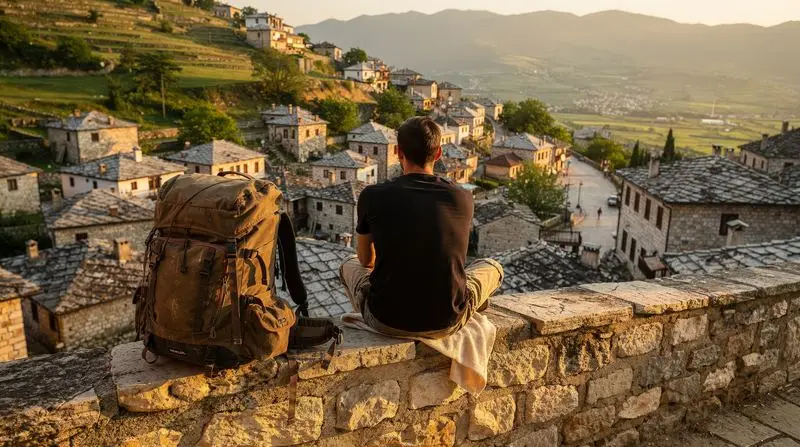
- Berat: 2 hours. UNESCO World Heritage Ottoman town on a hill — genuinely extraordinary
- Kruja: 45 minutes. Medieval town and castle associated with national hero Gjergj Kastrioti Skanderbeg
- Durres: 45 minutes. Albania’s main port city and beach resort
- Shkodra: 2.5 hours. Northern city near Lake Shkodra, gateway to the Albanian Alps
Verdict on day trips: Tirana has dramatically more impressive day trip options within 2 hours. UNESCO heritage towns, mountain access, and coastal options together make Tirana’s surroundings one of the richest day trip portfolios of any small European capital. Belgrade’s day trips are good but less visually dramatic.
Coworking and Remote Work Specifics
Belgrade coworking ecosystem:
- Startit Centre (Savamala): The most established tech/startup coworking hub in Belgrade. Professional, good internet, regular events
- Impact Hub Belgrade: Part of the global Impact Hub network. Good community, central location
- Ziggurat/Nova Iskra: Design and creative focused
- Monthly pricing: EUR 80-150 for hot desk
Tirana coworking ecosystem:
- Impact Hub Tirana: The main international-standard coworking space in Tirana. Growing community, decent internet, regular events
- Several smaller spaces emerging, often in cafe-coworking hybrid format
- Monthly pricing: EUR 70-130 for hot desk
Internet quality: Both cities have good fiber internet available. Tirana has expanded broadband dramatically in the past five years. In guesthouses and apartments, internet quality is less reliable in Tirana than in Belgrade — check specifically before committing to longer stays.
The nomad community: Belgrade has years of established nomad community, with regular meetups, Slack groups, and social infrastructure. Tirana’s nomad community is smaller and growing — you will find people there but the established ecosystem is thinner. For a first-time Balkans nomad base, Belgrade’s community integration is genuinely easier.
Social Life and Meeting People
Belgrade: A large, socially active city with a significant international community from embassies, expats, and long-term nomads. Meetup culture is established. Language barrier is modest — English in the central areas is common. Serbians are known for intense hospitality once a connection is made.
Tirana: Smaller city means the social scene is more contained. The Blloku neighborhood is genuinely young and social. Albanians are exceptionally warm and curious about foreign visitors — the tradition of besa (hospitality as an ethical obligation) means invitations to coffee, homes, and family events are genuine and common. The language barrier in less touristy settings is higher than Belgrade.
For meeting local people authentically: Tirana edges Belgrade. The relative novelty of foreign visitors means Albanians engage with genuine curiosity. In Belgrade’s more established tourist/expat scene, the engagement with locals can feel more transactional.
Architecture and Urban Character
Belgrade: A layered city with Ottoman, Austro-Hungarian, Socialist, and contemporary strata visible across different neighborhoods. Kalemegdan Fortress dominates the skyline from above the river junction. The Socialist brutalist architecture of Novi Beograd (New Belgrade) — a planned communist city across the Sava — is fascinatingly grim to some and fascinating to others. Savamala’s repurposed industrial spaces have a genuine Brooklyn loft feel.
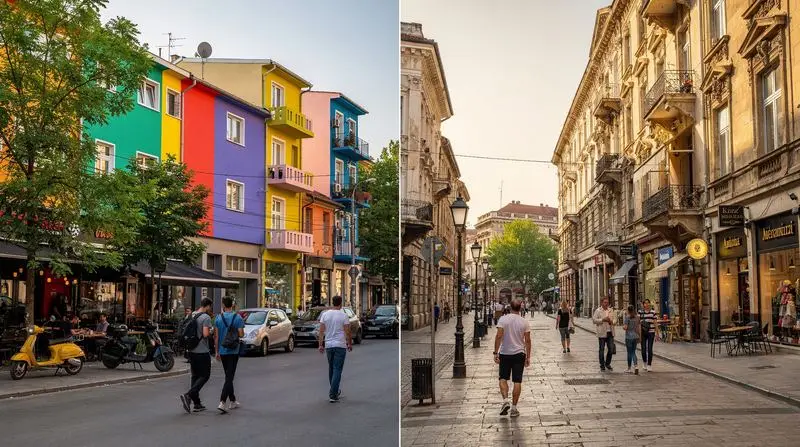
Tirana: A more chaotic, colorful, and surprising city. The Soviet-bloc apartment blocks painted in bright colors by Edi Rama as mayor became internationally famous. The Pyramid — Hoxha’s failed mausoleum, half-dismantled and partially repurposed — is architecturally unique. New glass towers in the Blloku area sit alongside Ottoman mosque and communist-era ministry buildings in surreal proximity. Tirana feels like a city actively reinventing itself.
The verdict on urban character: Tirana is more surprising and visually distinctive. Belgrade is more conventionally European and coherent. Both reward explorers who go beyond the main tourist areas.
The Political and Geopolitical Context
Understanding both cities benefits from their different geopolitical positions:
Serbia’s situation: Serbia is an EU candidate but has complicated relations with the EU over Kosovo (which Serbia does not recognize as independent) and historically close ties to Russia. This creates a unique position — European culturally, but not on an obvious EU accession path in the near term. Belgrade reflects this: European-feeling but with its own distinct identity.
Albania’s situation: Albania is also an EU candidate but on a cleaner accession path. The country has made significant reforms aligned with EU standards. See the Albania visa requirements guide for entry and stay rules. The Albania digital nomads guide covers long-stay logistics. The sense in Tirana is of a country actively moving toward EU integration. This creates a slightly different social atmosphere — forward-looking and aspirationally European.
For most travelers, these geopolitical factors are background rather than foreground. But they shape the atmosphere: Tirana feels optimistic and transitional; Belgrade feels confident and self-contained.
Practical Sample Itineraries
3 days in Belgrade:
- Day 1: Kalemegdan Fortress, National Museum, Skadarlija kafane dinner
- Day 2: Savamala walking tour, Tesla Museum, Sava riverside walk, club evening
- Day 3: Novi Sad day trip, return for evening Splavovi river bar scene
3 days in Tirana:
- Day 1: Skanderbeg Square, National History Museum, Bunk’Art 2, Blloku evening
- Day 2: Day trip to Berat (UNESCO Ottoman town, 2 hours)
- Day 3: House of Leaves museum, Pazari i Ri market lunch, food tour
Both three-day itineraries give a genuine sense of each city. The Tirana itinerary benefits more from the day trip option — Berat is simply extraordinary and accessible enough to be essential.
Language and Communication
English proficiency has risen sharply in both cities among younger residents, but the underlying languages differ substantially in how approachable they are for visitors. Serbian, written in both Cyrillic and Latin script, shares Slavic roots with several neighboring languages, giving travelers who know any other Slavic language a head start; menus and signage increasingly use Latin script in tourist areas. Albanian is a linguistic isolate with no close relatives, meaning no amount of prior European language knowledge offers a shortcut — but this also makes even basic Albanian phrases disproportionately well received, since locals rarely expect foreigners to attempt them. For a short city break, the practical difference is minor since both cities function well in English; for a longer stay or nomad base, Belgrade’s Slavic-family language offers a slightly gentler learning curve.
Weather and Best Time to Visit Each City
| Season | Belgrade | Tirana |
|---|---|---|
| Spring (Mar-May) | Mild, good for walking, occasional rain | Mild, ideal for city walks before summer heat |
| Summer (Jun-Aug) | Hot, 30°C+, splavovi season peaks | Hot, 34°C+, best combined with a Riviera extension |
| Autumn (Sep-Nov) | Comfortable, fewer crowds, cultural calendar active | Comfortable, good for Blloku and museum visits |
| Winter (Dec-Feb) | Cold, occasional snow, indoor nightlife thrives | Milder than Belgrade, fewer tourists, lower prices |
Both cities are genuinely year-round destinations rather than strictly summer ones, unlike Albania’s coast. Tirana’s winter is noticeably milder than Belgrade’s given its more southerly, coastal-influenced position, which matters if you are choosing between the two for an off-season city break. See the Albania in winter guide for what a low-season Tirana visit looks like in practice.
Visa and Entry Considerations
Both Serbia and Albania sit outside the EU and Schengen area, which shapes how visitors from different regions plan their trips. Most Western passport holders receive visa-free entry to both countries for stays up to 90 days, making either a straightforward addition to a longer Balkans itinerary without advance visa paperwork. The practical difference lies in onward travel: Serbia’s position bordering Hungary, Romania, Bosnia, and North Macedonia gives it more overland connections into both EU and non-EU territory, while Albania’s borders with Greece, Montenegro, North Macedonia, and Kosovo make it a natural hub for a southern Balkans loop. Neither country’s visa situation should meaningfully influence the choice between them for a standard tourist visit — the deciding factors remain cost, nightlife priorities, and what each city opens onto afterward. See the Albania visa requirements guide for nationality-specific details before booking either trip.
Extending the Trip: What Each City Opens Up
Neither Tirana nor Belgrade works best as an isolated city break — both are gateways to wider regions. Belgrade opens onto Serbia’s monastery country, Novi Sad, and onward rail or bus connections into Hungary, Romania, and Bosnia. Tirana opens onto Albania’s UNESCO towns, the Albanian Alps, and the Riviera — arguably a more dramatic and varied set of extensions within a shorter drive. Anyone choosing between the two cities purely as a springboard for a longer regional trip should weigh what they actually want afterward: Belgrade for deeper Serbia and Central Europe access, Tirana for Albania’s coast-to-mountains range within 2-4 hours. The Albania bucket list guide gives a sense of what a Tirana-based extension can look like beyond the city itself.
Frequently Asked Questions About Tirana vs Belgrade
Is Tirana or Belgrade more fun for a city break?
Belgrade edges Tirana for a classic city-break weekend — the nightlife, the fortress, the food, and the well-established tourism infrastructure make it easy. Tirana is more surprising and rewarding for travelers who spend more than a weekend and engage with its quirky communist history.
Which is cheaper, Tirana or Belgrade?
Tirana is cheaper across most categories — typically 15-25% less than Belgrade for accommodation, food, and drink. Both are very affordable by Western European standards.
Is Belgrade or Tirana better for digital nomads?
Belgrade has the edge for established nomad infrastructure (coworking spaces, expat community, established Airbnb market). Tirana is catching up fast and offers lower costs. For a first Balkans nomad base, Belgrade’s ecosystem makes settling in easier.
Can I visit both Tirana and Belgrade in one trip?
Possible but requires significant travel. The direct road connection goes through Kosovo and North Macedonia, making it a multi-day journey. Most travelers visit one or the other. Those doing both typically combine with Kosovo (Pristina is roughly between them) as an intermediate stop.
Which city has a better day trip scene?
Tirana is significantly better positioned for day trips — Berat (2 hours), the Albanian Riviera (4-5 hours), Gjirokastër (4.5 hours), and Shkodra (2.5 hours) are all accessible. Belgrade’s day trips (Novi Sad, Fruška Gora monastery country, Topola) are good but less dramatic scenically.