Fishing in Albania: Lakes, Rivers, and the Ionian Sea
Albania is one of Europe’s most rewarding fishing destinations, and one of its least known among international anglers. The combination of exceptional freshwater fisheries — Lake Ohrid’s famous trout, Lake Shkodra’s carp and catfish, the pristine wild rivers of the south — with accessible sea fishing along the Ionian and Adriatic coasts creates a diversity that few countries can match.
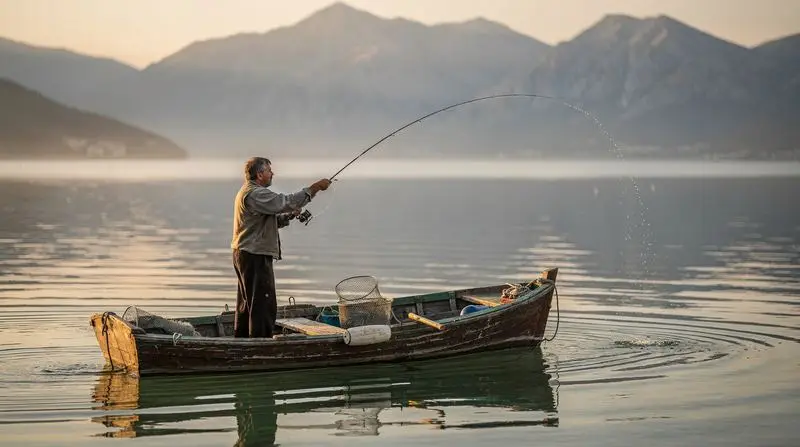
Fishing culture in Albania is deep-rooted. Lakes and rivers have sustained communities for centuries. The koran trout of Lake Ohrid is not just a fish — it is a regional identity, appearing on restaurant menus, in local folklore, and in the cooking traditions of Pogradec and the lakeshore villages. On Lake Shkodra, fishermen in traditional wooden boats are one of the defining images of the Albanian north.
This guide covers the main fishing destinations — lakes, rivers, and sea — along with practical information on seasons, regulations, methods, access, and where to base yourself.
| Best lake fishing | Lake Ohrid koran trout, near Pogradec |
| Best river fishing | Vjosa River wild brown trout, near Permet |
| Best sea fishing | Boat charters from Saranda or Vlora |
| Permit cost | A few hundred ALL per day, freshwater; casual sea fishing usually free |
| Best season | April-June and September-October for rivers; summer for lake and sea |
Lake Ohrid: The Koran Trout
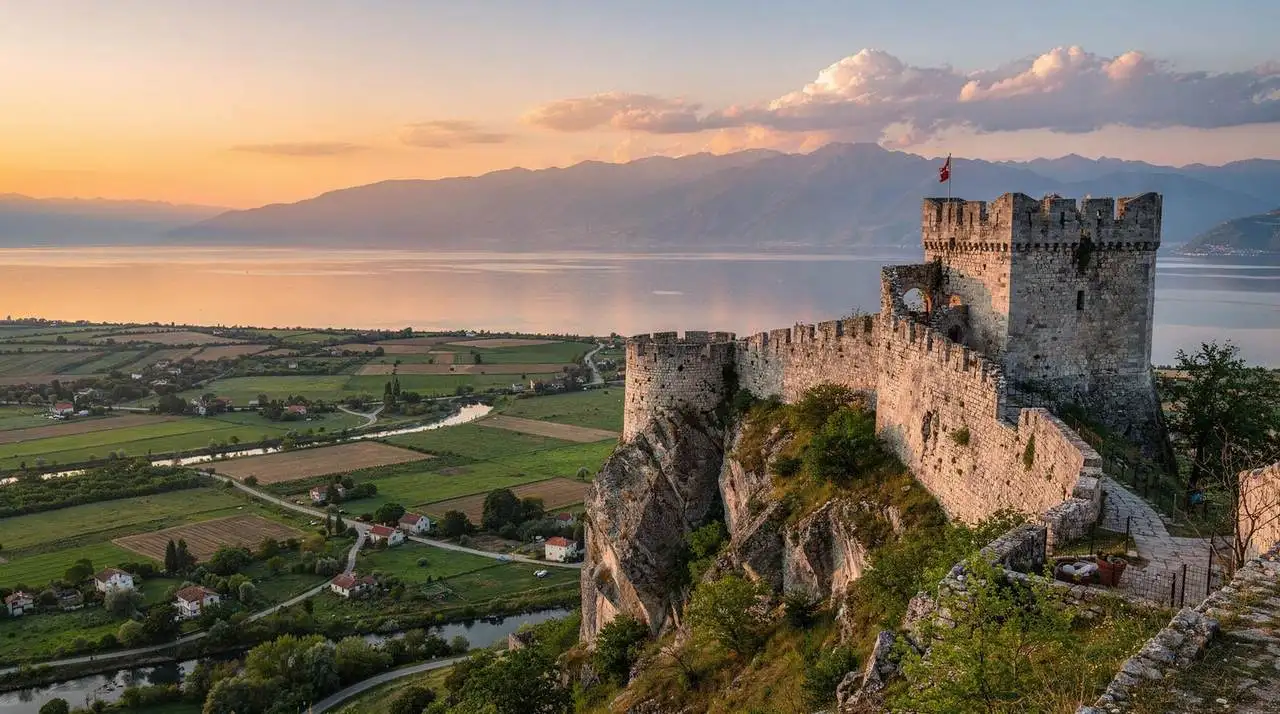
Lake Ohrid is shared between Albania (the eastern shore, centred on Pogradec) and North Macedonia (the western shore with Ohrid city). It is one of Europe’s oldest and deepest lakes — estimated at over three million years old — and home to a remarkable array of endemic species found nowhere else on earth.
The star of the Albanian fishing scene in Lake Ohrid is the koran (Salmo letnica), an endemic trout species found only in this lake. Koran is to Lake Ohrid what the Arctic char is to Scandinavian lakes — a fish of exceptional flavour tied to a specific habitat, with a cultural significance that extends far beyond sport fishing.
Koran Trout Fishing
Koran average around 500g-1kg, with larger specimens reaching 2-3kg. They inhabit the cold, deep waters of the lake and are typically targeted from boats using trolling or spinning methods. Fly fishing for koran requires specific techniques adapted to the lake’s deep water — this is not dry fly fishing but sub-surface work at depth.
The koran is a protected species with strict seasonal and method regulations. Fishing for koran is generally permitted in specific seasons (consult current regulations, which change periodically) and prohibited during spawning periods. Always obtain a current fishing permit and check regulations before fishing for koran specifically.
Pogradec as a Fishing Base
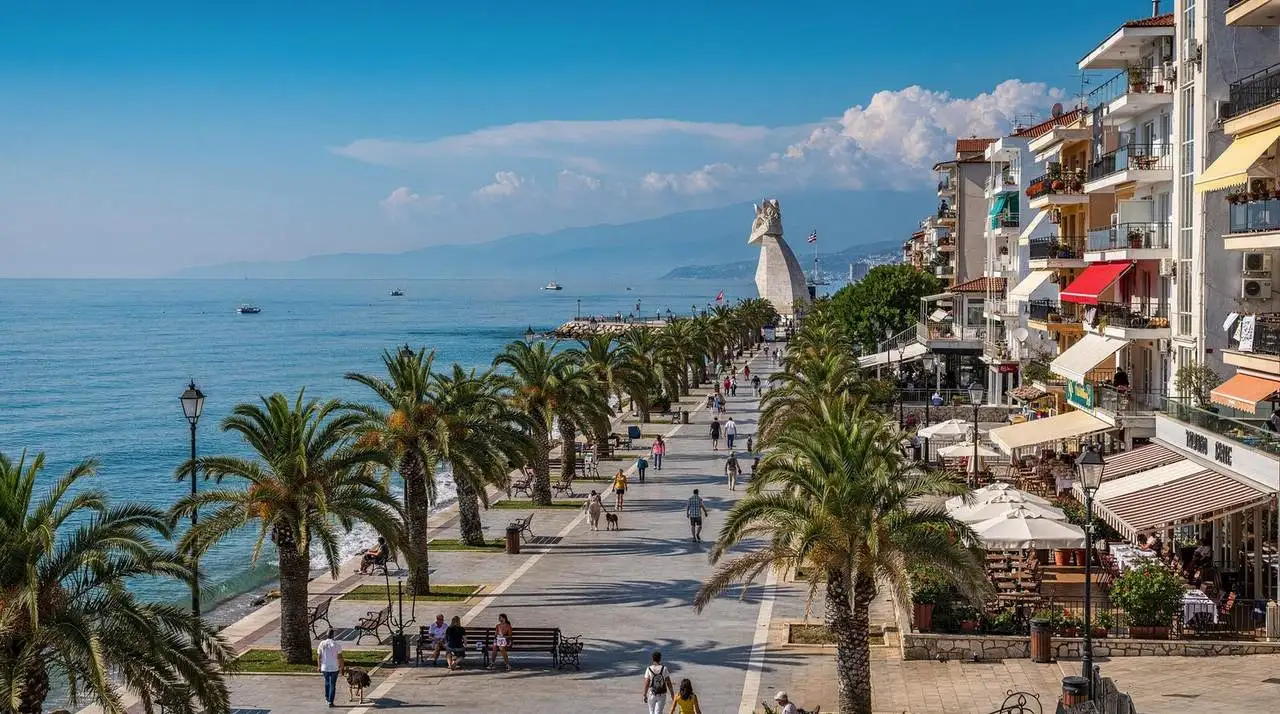
Pogradec is the main Albanian lakeside town on Lake Ohrid, situated at the southern end of the lake. It has a pleasant waterfront, reasonable accommodation, and a restaurant scene built almost entirely around koran — grilled, fried, baked with herbs. The town is unpretentious and genuinely focused on the lake rather than tourist performance.
Local fishing guides and boat hire are available in Pogradec, and this is the practical approach for visiting anglers — a guide provides not just local knowledge but helps navigate the permit and regulation requirements.
Other Species in Lake Ohrid
Beyond koran, Lake Ohrid holds other species including bream, bleak, and the endemic Ohrid eel. The lake’s extraordinary clarity (visibility to 20+ metres in places) makes it a fascinating environment and means fish can often be seen before being targeted.
Lake Shkodra: Carp, Catfish, and Eels
Lake Shkodra (Skadar in Montenegro) is the largest lake in the Balkans — shared between Albania and Montenegro, with the Albanian portion centred around the town of Shkodra. It is a vast, shallow lake system with extensive reedbeds, islands, and river channels, forming one of the most important wetland habitats in Europe.
For anglers, Lake Shkodra offers excellent carp fishing, sizeable catfish (Silurus glanis — European wels catfish, capable of growing to exceptional size in these rich waters), perch, pike, and substantial populations of eels. The lake’s natural productivity is high — nutrient-rich waters and extensive habitat support large fish populations.
Carp Fishing
Carp fishing on Lake Shkodra has attracted growing international attention. Specimens of 15-25kg are caught regularly, with larger fish reported. The carp are predominantly mirror and common carp, and the lake’s limited fishing pressure means fish are less educated than in heavily-fished Western European venues.
Typical carp fishing approach: boat-based or from the bank using hair-rigs with boilies, pellets, or corn. Night fishing is productive. The extensive margins and reed-fringed bays provide classic carp habitat.
Wels Catfish
The European wels catfish reaches impressive sizes in Lake Shkodra. Fish over 50kg have been recorded. Catfish fishing typically involves larger baits — deadbaits, live baits where regulations permit, or large lures worked slowly near the bottom. Summer night sessions are most productive as catfish are primarily nocturnal feeders.
The Shkodra Fishing Scene
Shkodra city is a well-connected base with good accommodation, restaurants, and transport links. Local fishing guides, boat hire, and permit acquisition can all be arranged through accommodation providers or directly at the lake.
The nearby village of Shiroka on the lake shore is a popular spot for lakeside dining — fresh fish from the lake appears on every restaurant menu, and eating grilled carp or eel at a waterfront table with mountains behind is one of the north Albania experiences.
The Vjosa River: Wild Trout on Europe’s Last Wild River
The Vjosa is one of the last large wild rivers in Europe — undammed along its Albanian length, with a naturally functioning ecosystem from source to sea. Its 2023 designation as a National Park reflects its extraordinary ecological significance.
For anglers, the Vjosa offers wild brown trout fishing in pristine conditions. The river runs through dramatic gorge sections, open valley plains, and braided channels — each section offering different fishing character. The lack of impoundment means the river’s trout population is self-sustaining, wild, and in excellent condition.
Trout Fishing on the Vjosa
Brown trout fishing on the Vjosa is primarily fly fishing and lure fishing. The river is large enough in its lower sections to accommodate wading anglers in most summer conditions; the upper sections above Permet are narrower and more typical chalk-stream character.
Best sections:
- Above Permet: Clearer water, more accessible banks, gin-clear visibility. The town of Permet is a natural base.
- Osum River confluences: Where the Osum joins the Vjosa near Ura Vajgurore, the combined river offers varied habitat.
- Kelcyra Gorge: Dramatic limestone gorge section — beautiful but access is more challenging.
Best season: April through June for spring trout activity. September and October for autumn feeding before winter. Summer (July-August) fishing is possible but high water temperatures reduce activity in lower sections.
Regulations and Conservation
The Vjosa National Park status brings with it conservation obligations. Fishing regulations are in development as the park management structure matures — always obtain current information from local sources and the national park authority before fishing. The long-term goal is sustainable fishing management that protects the river’s extraordinary ecology.
Catch-and-release is strongly recommended (and in some sections required) as a conservation measure for wild brown trout on the Vjosa.
The Permet Base
The town of Permet in the Vjosa Valley is the natural base for Vjosa fishing. It is also famous for its thermal baths at Benja, its rosewood jam, and its traditional music — an excellent combination of fishing and cultural immersion. Permit for accommodation and guide connections, ask at local guesthouses.
River Fishing Beyond the Vjosa
Albania’s other rivers offer additional freshwater fishing opportunities:
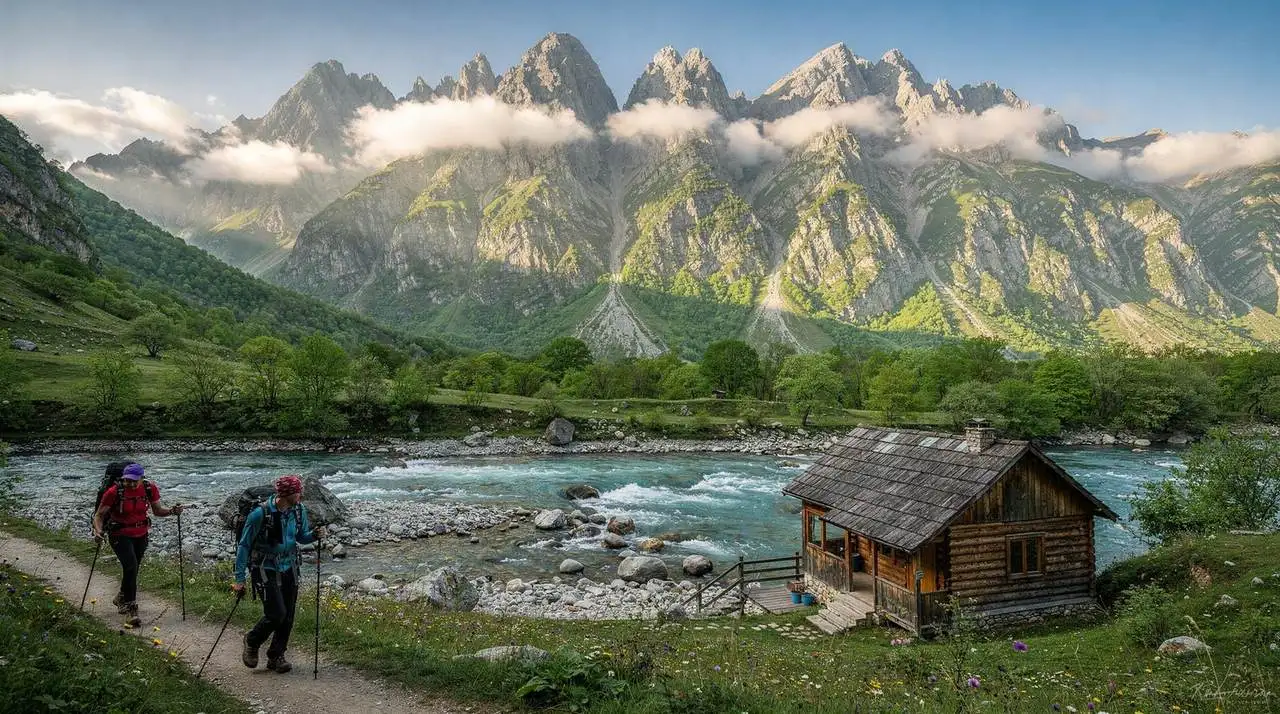
Valbona River: The Valbona is a fast, cold, mountain river running through the Valbona Valley. Wild brown trout are present throughout. The river is smaller than the Vjosa — more intimate, with pools and runs typical of Alpine trout streams. The combination of extraordinary mountain scenery and wild trout fishing makes the Valbona uniquely rewarding.
Drini River: The Black Drin and White Drin system carries significant flow and holds trout and other species. Access points vary.
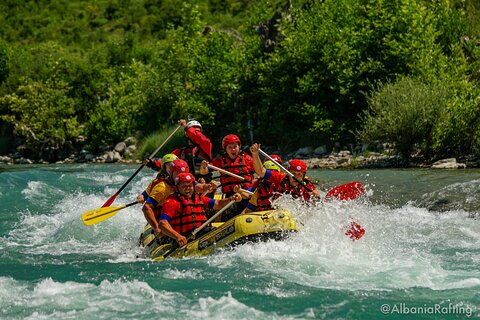
Osum River: The Osum flows through the spectacular Osum Canyon (a popular rafting destination) and holds brown trout in its upper sections above the canyon.
Mat River: The Mat runs through central Albania and holds brown trout in its upper reaches, with coarser species in lower sections.
Sea Fishing on the Albanian Riviera
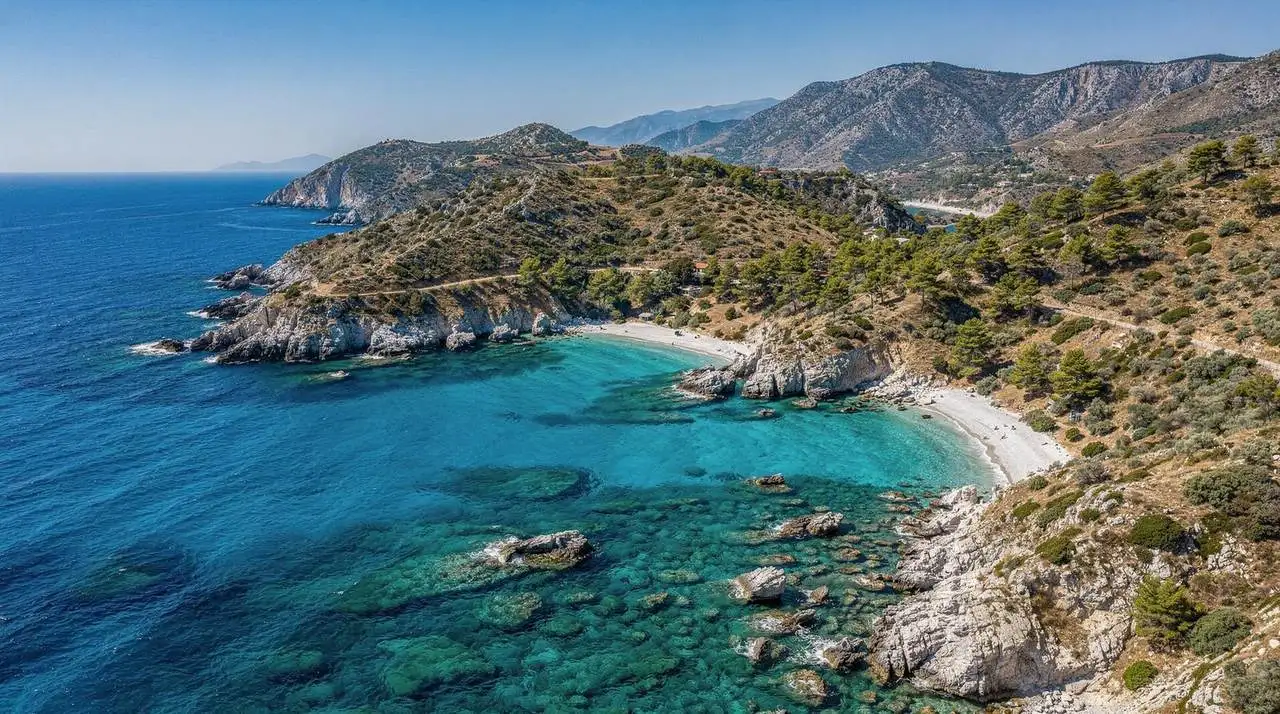
The Albanian coast offers sea fishing that is significantly less explored than inland options. The combination of Mediterranean species — sea bass, sea bream, dentex, grouper, octopus, and various mullet species — with relatively unfished inshore waters creates excellent opportunities.
Shore fishing: Rocky headlands and piers along the Riviera offer shore fishing for sea bass and sea bream. The Saranda waterfront and the rocky points around Himara and Ksamil are popular spots.
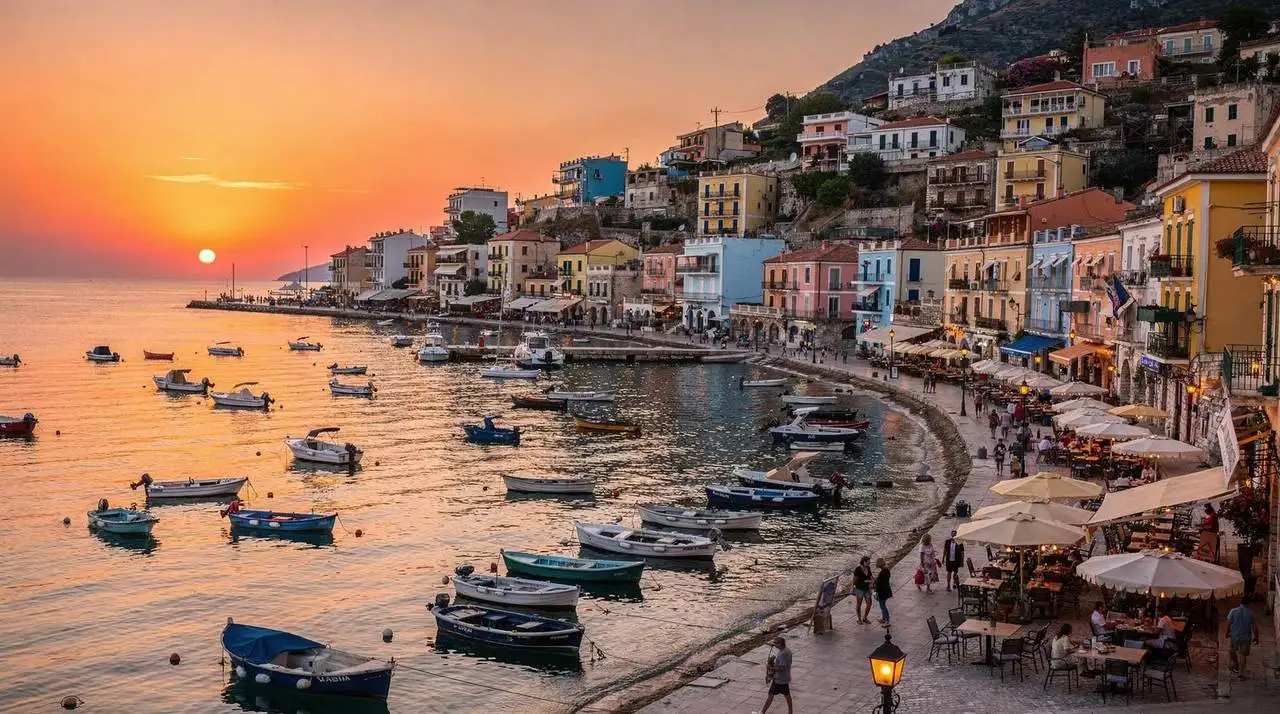
Boat fishing: Charter boats operating out of Saranda and Vlora offer sea fishing trips targeting bottom fish and pelagic species. These are the same boats used for coastal excursions, and combining a sea fishing session with swimming and sightseeing is common practice.
For a full-day boat experience around Saranda that combines coastal exploration with sea access, the Saranda boat tour to 7 destinations with snorkelling provides a platform for sea fishing sessions between the sightseeing stops.
Species profile (Ionian coast):
- Sea bass (branzino/levrek) — present throughout, best at dawn and dusk
- Sea bream (orada) — rocky bottoms, 10-50m depth
- Dentex — larger fish in rocky offshore grounds
- Grouper — rocky bottoms with caves, challenging to target
- Mullet — harbours and river mouths, numerous and large
- Octopus — rocky seabed, accessible by boat or freediving
Fishing Permits and Regulations
Albanian fishing regulations are managed by the Ministry of Environment. The regulatory framework is less complex than most Western European countries, but fishing without any permit is technically illegal.
Freshwater fishing permits: Obtainable from local municipal offices and sometimes from fishing gear shops. Costs are minimal — typically a few hundred ALL per day. Some areas (particularly within national parks like Vjosa) require additional permissions.
Lake fishing: Lake Ohrid and Lake Shkodra have specific regulations. Lake Ohrid’s koran trout has protected status with seasonal restrictions. Consult a local guide who will have current permit information.
Sea fishing: Recreational sea fishing from shore or small boats does not require a permit for casual fishing. Commercial fishing and specific methods are regulated — ask locally if using a charter boat.
Practical approach: The simplest strategy is to book accommodation at a fishing-focused guesthouse (these exist in Pogradec, Permet, and Shkodra lakeside areas) and ask the hosts about current permits and local guide contacts. They will know the current requirements better than any written guide.
Gear Considerations
Bringing gear from abroad: Albania has limited specialist fishing tackle shops. Bringing your own gear is strongly advised for fly fishing, carp fishing, and sea fishing. Major towns have basic tackle available.
Fly fishing: Standard trout kit for the rivers. A 9ft 5-weight or 6-weight covers most river situations. Nymphing rigs are more productive than dry fly in most conditions. Take a 7-weight or 8-weight if targeting larger fish on lake margins.
Carp: Standard European carp setup — buzzer bars, bite alarms, 3.5lb+ rods for the Shkodra environment.
Sea fishing: Medium spinning rods cover most shore-based sea fishing. Bottom rigs with natural bait are the most effective method.
Where to Stay Near Albania’s Best Fishing
For Lake Ohrid/Koran: Stay in Pogradec — lakeside town with direct access to the lake and excellent koran restaurants.
For Lake Shkodra: Shkodra city has the best accommodation infrastructure. The lakeside village of Shiroka is closer to the best fishing water.
For Vjosa River: Permet is the base town with accommodation and guide connections.
For Valbona River: Guesthouses throughout the Valbona Valley are situated right on the river.
For sea fishing: Saranda or Himara — both have good accommodation and boat charter access.
Booking a Local Fishing Guide
For most first-time anglers in Albania, a local guide is worth the modest cost even for freshwater fishing that technically does not require one. Guides in Pogradec, Shkodra, and Permet solve two problems at once: they clarify current permit and seasonal restrictions (which change more often than any written guide can track, especially for protected koran), and they know which stretches of river or lake margin are producing on a given week.
Typical guide costs: Half-day guided fishing (boat, tackle, and local knowledge included) runs approximately EUR 40-70 per person on Lake Ohrid or Lake Shkodra. Vjosa fly-fishing guides charge similarly, sometimes EUR 60-90 for a full day given the specialist casting technique the river rewards. Sea fishing charters out of Saranda or Vlora are usually priced per boat rather than per person — EUR 150-300 for a half-day covering up to four anglers.
Finding a guide: Ask directly at your guesthouse in Pogradec, Shkodra, or Permet — most owners either fish themselves or know exactly who to call. Facebook groups covering Albanian outdoor tourism increasingly list contact details for guides by region. Confirm what is included (rods, bait, boat, permit) before agreeing a price, as practices vary between operators.
Seasonal Fishing Calendar
| Season | Lake Ohrid (koran) | Vjosa & rivers | Sea (Riviera) |
|---|---|---|---|
| Spring (Apr-Jun) | Improving, check spawning closures | Best window, clear cold water | Building, dawn/dusk best |
| Summer (Jul-Aug) | Deep trolling, hot surface water | Slower, high water temps | Peak season, early/late best |
| Autumn (Sep-Oct) | Good, cooling water | Second best window | Still strong, fewer boats |
| Winter (Nov-Mar) | Limited access, cold | Quiet, check local advice | Generally closed for tourism |
Frequently Asked Questions About Fishing in Albania
Do I Need a Fishing Permit in Albania?
Yes. Freshwater fishing requires a permit, obtainable from local municipal offices at minimal cost. Lake Ohrid has specific protections for koran trout with seasonal regulations. Casual sea fishing from shore does not typically require a permit. Engage a local guide who can clarify current requirements for your specific location.
What Is Koran Trout and Why Is It Famous?
Koran (Salmo letnica) is an endemic trout species found only in Lake Ohrid — shared between Albania and North Macedonia. It is prized for its delicate flavour and is the centrepiece of the regional cuisine in Pogradec. Fishing for koran is regulated to protect the species; eating it at a lakeside restaurant is a cultural experience that every visitor to Pogradec should have.
Is the Vjosa Good for Fly Fishing?
Yes, but it requires planning. The Vjosa holds wild brown trout throughout its length. The upper sections above Permet fish more like a classic trout stream; the lower sections are larger and more challenging to wade. The river’s Naional Park status means regulations are evolving — current information from local guides is essential before fishing.
Can I Fish in the Albanian Alps?
Yes. The Valbona and other mountain rivers hold wild brown trout. The setting — dramatic mountain peaks, clear water, minimal fishing pressure — is extraordinary. Access guesthouses in Valbona or Theth and ask about river access and current conditions.
What Sea Fish Can I Catch Off the Albanian Coast?
The Ionian coast holds sea bass, sea bream, dentex, grouper, and mullet. Rocky headlands and the offshore grounds accessible by charter boat offer the best variety. Boat charter operators out of Saranda and Vlora can target specific species on request.
Is Lake Shkodra Carp Fishing Worth a Dedicated Trip?
For serious carp anglers, yes. Lake Shkodra’s low fishing pressure means specimens of 15-25kg are caught regularly, with less-educated fish than heavily-fished Western European waters. A base in Shkodra or the lakeside village of Shiroka gives direct access, and night sessions in the reed-fringed bays are typically most productive.