Saranda vs Dubrovnik: Which Adriatic Town Is Worth Your Time?
Two coastal towns. Both backed by historic fortifications. Both overlooking extraordinary blue water. Both featured in increasing numbers of “best of Europe” travel lists. Both accessible from the broader Mediterranean circuit. The Albania travel budget guide gives full cost details for the Albanian side of this comparison. The difference: Dubrovnik has been one of Europe’s most visited destinations for two decades and carries the price tag and crowd levels to prove it. Saranda is still being discovered.
This is a comparison that matters to any traveler planning a Adriatic or eastern Mediterranean itinerary. Understanding what each destination actually offers — and at what price — helps you allocate your time and money where they will deliver the most reward.
| Saranda | Dubrovnik | |
|---|---|---|
| One-week cost/person | Approx. EUR 434-741 | Approx. EUR 885-1,205 |
| Historic architecture | Modest; Butrint nearby is world-class | Exceptional, UNESCO Old Town |
| Beaches | Excellent (Ksamil) | Adequate |
| Crowds (peak summer) | Growing but manageable | Very high |
| Best paired with | Corfu (35-min ferry) | Kotor, Mostar |
The Price Gap: Saranda Wins Decisively
The cost difference between Saranda and Dubrovnik is not marginal. It is structural.
Dubrovnik costs (2025-2026):
- Budget hostel dorm: EUR 30-55 per night (peak season)
- Mid-range hotel: EUR 120-250 per night (Old Town area)
- Private apartment: EUR 80-200 per night
- Restaurant dinner per person: EUR 25-45
- Coffee: EUR 2.50-4
- Beer in a bar: EUR 4-7
- Day trip to Elafiti Islands: EUR 40-70
- Cable car ride: EUR 20-25
Saranda costs (2025-2026):
- Budget hostel dorm: EUR 12-20 per night
- Mid-range hotel: EUR 40-80 per night
- Private apartment: EUR 45-100 per night
- Restaurant dinner per person: EUR 10-18
- Coffee: EUR 0.80-1.50
- Beer in a bar: EUR 1.50-3
- Day trip to Ksamil/Butrint: EUR 15-25
- Entry to Butrint archaeological site: approximately EUR 5
The math: A 5-night stay in Dubrovnik during peak season (accommodation, food, activities) costs approximately EUR 600-1,000 per person at budget-to-mid-range. The same 5-night stay in Saranda costs approximately EUR 250-450. The saving is EUR 300-600 per person — not trivial.
Why is Dubrovnik so expensive? Dubrovnik is a global tourism phenomenon with a finite supply of accommodation, protected city walls, and an international profile amplified by Game of Thrones filming. Demand consistently exceeds supply. The city has also been deliberately limiting visitor numbers in recent years due to overtourism concerns.
See the Albania travel budget guide for complete Saranda and Albanian Riviera cost details.
The Old Town Question
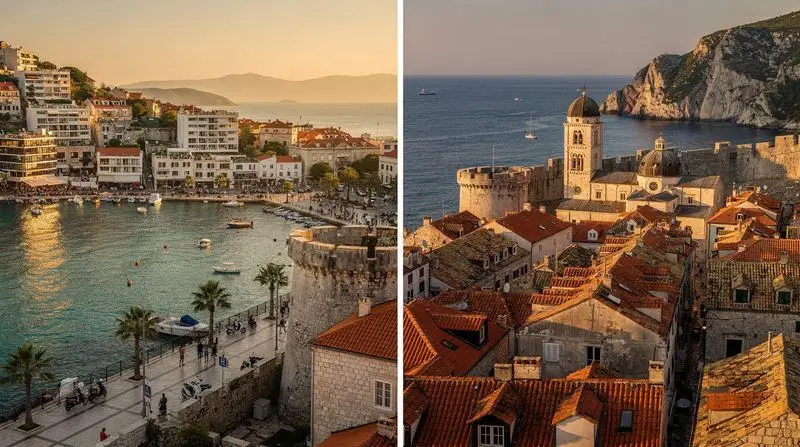
Dubrovnik’s Old Town: One of the most perfectly preserved medieval walled cities in the world. The Stradun (main limestone-paved promenade), the city walls walk, Fort Lovrijenac, the Dominican monastery, the Sponza Palace — together they form an urban ensemble that is genuinely magnificent. Walking the 2km city walls with the sea visible on one side and the terracotta rooftops on the other is an experience that justifies Dubrovnik’s reputation.
The reality of visiting in summer: you experience this magnificence alongside enormous crowds. Dubrovnik limits cruise ship visitors but still receives hundreds of thousands of tourist arrivals. In July and August, the Old Town can feel impenetrably packed during daylight hours.
Saranda’s old town: Saranda does not have a well-preserved medieval old town. The city was largely destroyed and rebuilt, and it lacks Dubrovnik’s architectural spectacle. What Saranda has instead:
- The ruins of the Lekuresi Castle on the hill above the city, with excellent views of the bay and Corfu
- The Butrint Archaeological Site — a UNESCO World Heritage Site and genuinely exceptional ancient city — approximately 20 minutes south of Saranda
- An Ottoman-era tower and bazaar fragments
- An emerging seafront promenade (the lungomare) lined with cafes and restaurants
The verdict on historic architecture: Dubrovnik wins comprehensively. Its Old Town is among the best-preserved medieval urban centers in the world and genuinely worth seeing. Saranda cannot compete for architectural heritage within the town itself. However, Butrint — easily combined with a Saranda stay — is a world-class archaeological site that adds significant historical depth to the area.
Beaches and Swimming
Dubrovnik’s beaches: The city itself is not primarily a beach destination. The most popular beaches near the Old Town — Banje Beach, the small beaches on the Lapad peninsula — are pleasant but not exceptional. The Elafiti Islands (a short boat trip) have better beaches. Water quality is excellent. The coastal walk toward Cavtat offers more swimming spots.
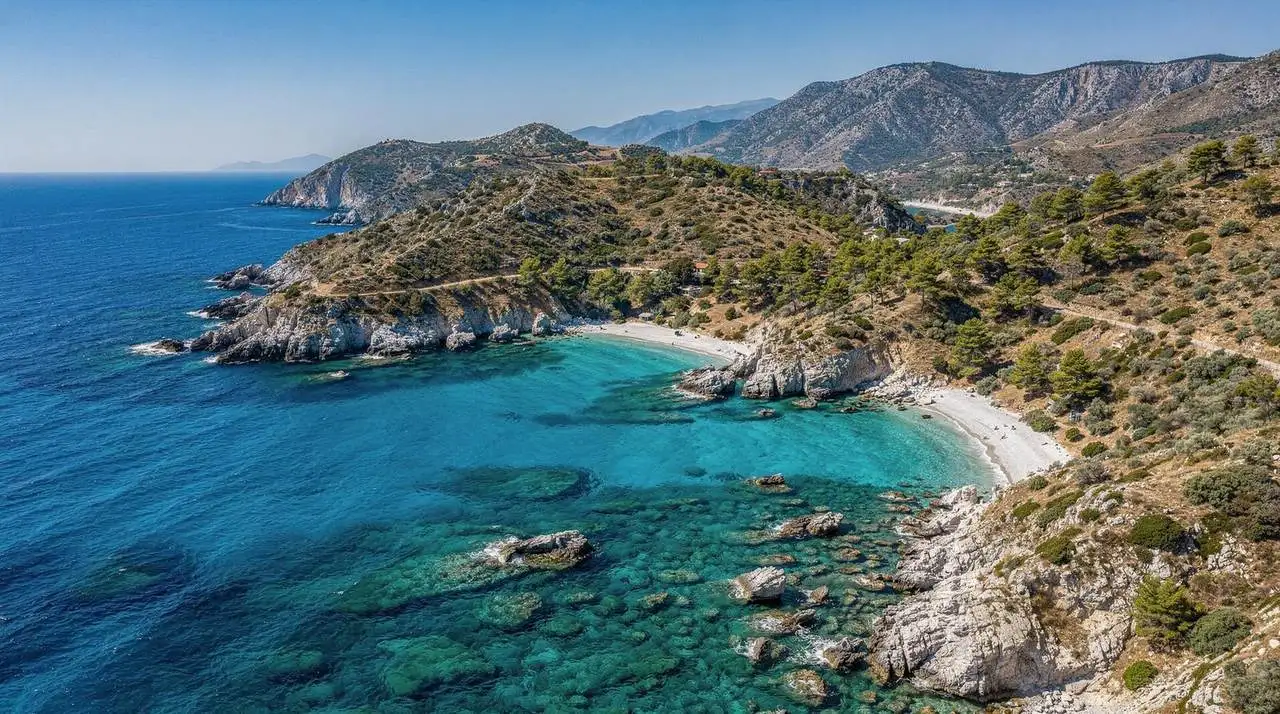
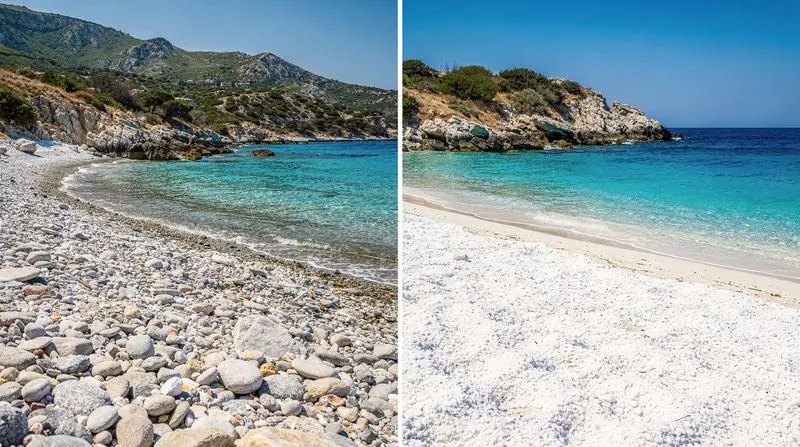
Saranda’s beaches: Saranda is directly on a bay with accessible beaches, but the town itself does not have remarkable sand. The real draw is nearby: Ksamil (3-5km south), which has multiple small sandy beaches in an extraordinarily beautiful bay setting with turquoise water and views of the Greek islands. See the Albanian Riviera guide for the full beach rundown. The water clarity at Ksamil is genuinely exceptional — among the best in the region. The coves accessible by boat between Saranda and Himara add more options.
Best of Saranda area tour including Ksamil beachesThe verdict on beaches: Saranda wins. Ksamil’s beaches are visually extraordinary, with excellent water clarity and a dramatically less crowded beach scene than comparable Croatian options. Dubrovnik’s beaches are adequate but the city is not where you go for exceptional beach experiences — you go for the architecture.
Day Trips
Dubrovnik day trips:
- Elafiti Islands (boat tour): Beautiful uninhabited or lightly inhabited islands with clear water
- Cavtat: Charming coastal village, 30 minutes by boat
- Kotor, Montenegro: 2 hours by bus, extraordinary UNESCO-listed bay and walled town
- Mostar, Bosnia: 2.5 hours by organized tour — the Stari Most bridge is iconic
- Split: 4 hours north — another UNESCO walled city, Diocletian’s Palace
Saranda day trips:
- Ksamil: 15 minutes by taxi/bus, extraordinary beach day
- Butrint: 25 minutes, UNESCO World Heritage archaeological site
- Blue Eye (Syri i Kaltër): 40 minutes inland, stunning cold spring
- Gjirokastër: 1.5 hours, UNESCO World Heritage hilltop Ottoman town
- Corfu (Greece): 35 minutes by ferry — a full Greek island day trip
The verdict on day trips: This is close. Dubrovnik’s access to Kotor and Mostar gives it UNESCO-calibre day trip options that Saranda cannot match. But Saranda’s combination of Butrint, Blue Eye, Gjirokastër, and the Corfu ferry gives it a genuinely excellent day trip portfolio. Saranda wins on variety for the price point.
Food
Dubrovnik food: Croatian coastal cuisine is excellent — fresh Dalmatian seafood, grilled fish, peka (meat or octopus slow-cooked under an ash lid), Pag cheese, local wines (Plavac Mali from the Pelješac peninsula). The Old Town restaurants are generally good quality but expensive by regional standards. Budget options exist in the Lapad area and away from the main Stradun.
Saranda food: Fresh Ionian seafood is the highlight — sea bream, bass, octopus, squid — at prices significantly lower than Croatia. Albanian grilled meats and byrek. Local raki. The seafront restaurants have improved greatly with tourism growth. Quality varies more than in Croatia but the best options are genuinely excellent.
The verdict on food: Comparable quality at significantly different prices. Croatian/Dubrovnik cuisine is more internationally celebrated. Albanian/Saranda cuisine is excellent at a fraction of the cost.
The Corfu Gateway: Combining Both Experiences
One of the most compelling aspects of Saranda’s position is the proximity of Corfu. The two destinations face each other across 7km of water. The regular ferry service (multiple crossings daily in summer, less frequent in winter) makes a combined Saranda-Corfu itinerary practical and efficient.
For travelers considering Dubrovnik AND a Greek island, this creates an interesting alternative route: instead of Dubrovnik plus Santorini (expensive, time-consuming), consider Saranda plus Corfu (cheaper, geographically logical, ferry included).
The broader Adriatic-Ionian circuit: Dubrovnik → Kotor (Montenegro) → Shkodra (Albania) → Tirana → Saranda → Corfu → onwards to Greece or back via Albania. This route hits multiple extraordinary destinations and progressively moves from Croatia’s polished tourism to Albania’s rawer appeal, finishing with the Greek island experience.
Crowds
Dubrovnik in peak season: Among the most crowded tourist destinations in Europe. The City of Dubrovnik has implemented visitor management measures including cruise ship limits, timed entry for the city walls, and caps on tourist numbers in certain areas. Despite this, July and August in the Old Town feel extremely crowded. The experience is genuinely diminished by the volume of visitors.
Saranda in peak season: Growing significantly in tourist numbers but nowhere near Dubrovnik’s crowds. Peak July-August brings more visitors than a decade ago, but Ksamil and the Riviera beaches remain far less crowded than comparable Croatian or Greek destinations. You can find genuinely uncrowded beach coves within 15-30 minutes of Saranda town center even in high summer.
The verdict on crowds: Saranda wins convincingly. If crowds significantly affect your enjoyment of a destination, this is a major factor in favor of Saranda.
Game of Thrones Effect (and Its Aftermath)
Dubrovnik is King’s Landing. The HBO series used the city’s Old Town as the primary filming location for the fictional capital, bringing a wave of Game of Thrones tourism that continues even years after the show ended. Tours of filming locations are among Dubrovnik’s most popular offerings.
Saranda has no equivalent pop-culture hook at this point in its tourism development. It is developing recognition through travel media coverage (the Guardian, Lonely Planet, NYT Travel have all covered it) rather than screen presence.
For travelers: If Game of Thrones tourism is a meaningful interest, Dubrovnik is the destination. If you want to be slightly ahead of the curve and visit before the crowds arrive, Saranda is the choice.
Which Should You Choose?
Choose Dubrovnik if you:
- Want to see one of Europe’s most magnificent preserved medieval towns
- Are combining with a Croatian or Bosnian itinerary
- Have the budget for a premium Adriatic experience
- Are interested in Game of Thrones filming locations
- Want polished tourism infrastructure and reliable restaurant/hotel quality
Choose Saranda if you:
- Want comparable coastal beauty at 50-60% of the price
- Prefer fewer crowds even in peak summer
- Are combining with Albania’s broader attractions
- Want the Corfu ferry day trip on your doorstep
- Are interested in excellent archaeological heritage (Butrint)
- Are traveling on a limited budget
The case for both in sequence: The natural route — Dubrovnik, south through Montenegro (Kotor, Shkodra border crossing), into northern Albania (Shkodra, Tirana), south to Saranda — is a 10-14 day itinerary that covers some of the most spectacular coastline and cultural heritage in Europe. Saranda and Dubrovnik work beautifully together on this route.
Albanian Riviera boat tour from HimaraAccommodation Comparison
Dubrovnik accommodation:
- Old Town luxury hotels: EUR 200-600 per night in summer (Pucic Palace, Villa Dubrovnik)
- Mid-range outside Old Town: EUR 80-150 per night (Lapad peninsula)
- Guesthouses and apartments: EUR 60-120 per night
- Hostels: EUR 30-55 per dorm bed
- Booking in advance (3-6 months for summer) is strongly recommended
Saranda accommodation:
- Best hotels: EUR 60-120 per night (sea view rooms at good properties)
- Mid-range guesthouses: EUR 40-80 per night
- Basic guesthouses and apartments: EUR 25-50 per night
- Hostels: EUR 12-20 per dorm bed
- Advance booking advisable for July-August; less critical in shoulder season
Quality comparison: Dubrovnik’s best accommodation is genuinely world-class, with service levels and facilities matching any European luxury destination. Saranda’s best properties are comfortable and often charming but cannot match Dubrovnik’s top tier. Mid-range accommodation is available at both; the price difference is 50-65%.
The UNESCO Heritage Comparison
Both towns have UNESCO-listed assets, but different ones:
Dubrovnik: The entire Old Town is a UNESCO World Heritage Site — designated for its extraordinary Renaissance and Baroque architecture, the intact medieval city walls, and its historical significance as the Republic of Ragusa. The UNESCO designation covers the built environment you see when walking the Stradun.
Saranda’s UNESCO context: Saranda itself is not UNESCO-listed, but the nearby Butrint Archaeological Site (25km south) is one of the most significant ancient sites in the Balkans. Butrint was a Greek, Roman, Byzantine, Venetian, and Ottoman settlement — each period layered on the previous. The site sits on a lake island surrounded by water and forest. The combination of extraordinary archaeology and natural beauty makes Butrint a world-class site that significantly strengthens Saranda’s cultural proposition.
Gjirokastër from Saranda: The UNESCO-listed Ottoman hill town is 1.5 hours from Saranda — easily a day trip. The Gjirokastër Castle and old bazaar area match the architectural quality of any Balkan UNESCO town. Adding Gjirokastër to a Saranda itinerary brings UNESCO heritage comparable to Dubrovnik, at Albanian rather than Croatian prices.
Seasonal Considerations
Dubrovnik timing:
- July-August: Extremely crowded, hottest weather (28-33°C), highest prices, cruise ship peaks
- September-October: Excellent — warm, less crowded, lower prices, better for the city walls walk
- April-June: Very good — the city is beautiful in spring with fewer tourists
- November-March: Quiet, some closures, significantly lower prices, atmospheric with fewer people
Saranda timing:
- July-August: Busiest period, hot (30-35°C), prices at peak but still far below Dubrovnik
- June and September: Best combination of weather and manageable crowds
- April-May and October: Quiet, warm enough for walking and some swimming, very affordable
- November-March: Off-season with minimal tourist infrastructure open, but mild Mediterranean climate
The verdict on timing: Both destinations are best in shoulder season. The Albanian advantage of lower crowds applies year-round but is most pronounced in peak summer. For a June or September trip, the Saranda vs Dubrovnik comparison tilts even more strongly toward Saranda for value.
The Full Adriatic Route: Planning Context
Understanding Saranda and Dubrovnik together requires the broader Adriatic routing context:
The classic Adriatic route (driving): Venice/Split → Dubrovnik (Croatia) → Kotor (Montenegro) → Shkodra (Albania) → Tirana → Saranda (Albania)
This route is increasingly popular among independent travelers and is fully doable in 14-21 days. Each destination adds a distinct character: Croatian Dalmatian coast, Montenegrin bay, northern Albanian mountain culture, Albanian capital energy, and Albanian Riviera discovery.
The reverse works equally well: Flying into Tirana, exploring Albania south to north, crossing into Montenegro at Muriqan, and flying out of Dubrovnik after the Croatian leg. This route has the advantage of starting with Albania — less covered in most guidebooks — and ending with the known quantity of Croatia for any contingency planning.
See the Albania border crossings guide for the Muriqan and Hani i Hotit crossings into Montenegro. The Albania backpacking guide covers overland Balkans itineraries in detail.
Flight options: Tirana International Airport has direct connections to an increasing number of European cities. Dubrovnik Airport (DBV) has excellent European connections. Most travelers fly into one and out of the other for a one-way itinerary, or use the overland route described above.
The Photography Comparison
Dubrovnik photography: Among the world’s most photographed cities — particularly the view of the Old Town and its red rooftops from the city walls, and the aerial view from Fort Lovrijenac or the cable car on Srd Hill above the city. These images are iconic but heavily saturated — Instagram has seen the Dubrovnik panorama millions of times.
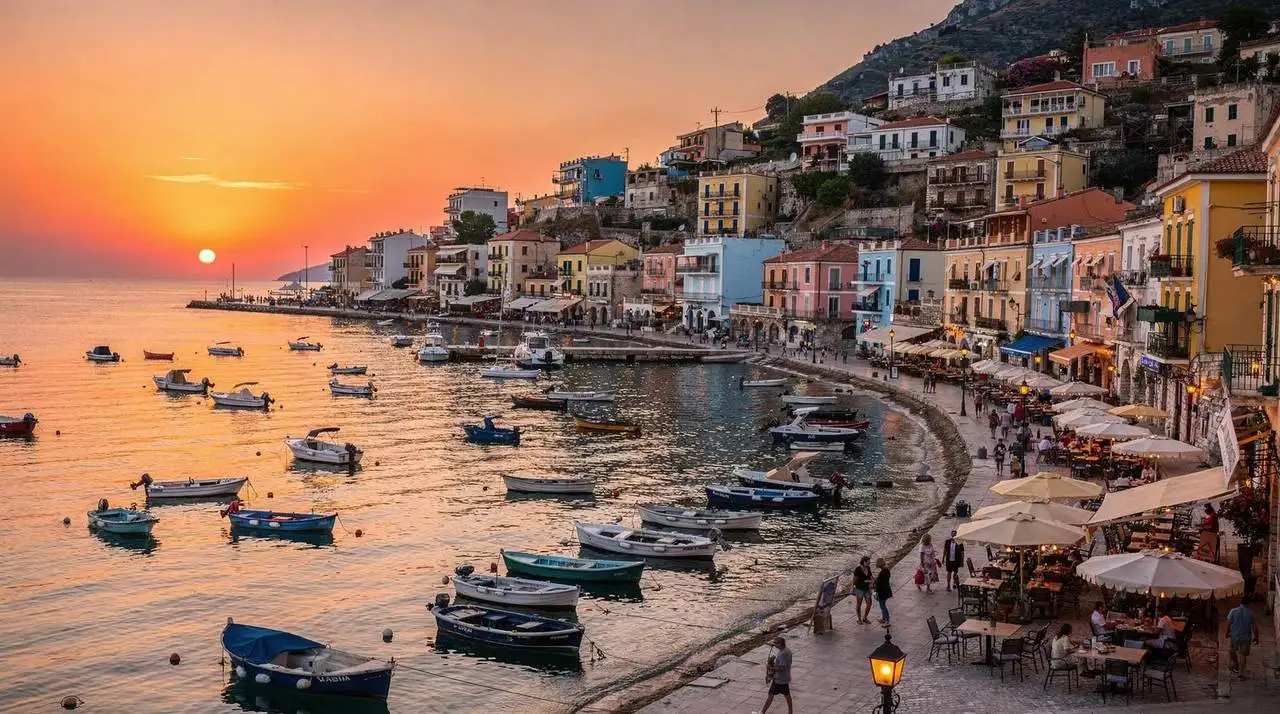
Saranda photography: Less saturated but genuinely spectacular subjects. The view of Ksamil bay from the hillside above, with its three small islands in turquoise water and the mountains of Greece visible in the distance, is a genuinely distinctive image. Saranda’s bay at sunset with Corfu visible across the water has a quality that distinguishes it from standard Mediterranean photography.
For photographers seeking original subjects, Albania’s relative undiscovery is an asset. See the drone rules guide for aerial photography options that amplify both Saranda and the wider Albanian Riviera.
Practical Cost Breakdown for One Week
One week in Dubrovnik (per person, budget to mid-range, peak season):
- Accommodation (mid-range hotel, Lapad): EUR 600-800 (7 nights)
- Food (modest restaurant 2x daily): EUR 175-245 (EUR 25-35/day)
- Activities (city walls, cable car, boat tour): EUR 70-100
- Transport (local buses, ferry to islands): EUR 40-60
- Total: approximately EUR 885-1,205
One week in Saranda (per person, budget to mid-range, peak season):
- Accommodation (mid-range guesthouse): EUR 280-490 (7 nights, EUR 40-70/night)
- Food (restaurant 2x daily): EUR 84-126 (EUR 12-18/day)
- Activities (Butrint, Blue Eye, boat tour, Ksamil): EUR 40-65
- Transport (local taxis, Corfu ferry day trip): EUR 30-60
- Total: approximately EUR 434-741
The saving on a one-week trip is EUR 400-500 per person — meaningful for most travel budgets.
Getting Around Once You Arrive
Dubrovnik’s Old Town is entirely pedestrian, and the wider city is served by a reasonably reliable local bus network — most visitors never need a car once settled. Taxis and rideshare apps cover anything the buses miss, and day-trip boats to the Elafiti Islands or Cavtat depart from the Old Port and Gruž harbour on predictable schedules.
Saranda is more spread out and less transit-dense. The town centre and seafront promenade are walkable, but reaching Ksamil, Butrint, or the Blue Eye spring means a taxi, a local bus, or joining a guided tour — none of which are difficult to arrange but none of which run with Dubrovnik’s frequency either. Renting a car for a few days is a popular option for visitors who want flexibility to explore the wider region at their own pace; see the car rental in Albania guide for current advice on that front.
Accessibility and Family Considerations
Dubrovnik’s Old Town, with its stepped medieval streets and the city walls themselves, presents real mobility challenges — cobblestones, stairs, and limited step-free routes make it a harder destination for travelers with mobility restrictions or for parents pushing strollers over long distances, though the main Stradun thoroughfare itself is flat and manageable. Saranda’s newer seafront and town layout are considerably flatter and easier to navigate, though pavement quality varies and accessible infrastructure (ramps, accessible toilets) is less consistently available than in a long-established European tourism city like Dubrovnik.
For families, both destinations work well but in different ways. Dubrovnik’s Old Town, cable car, and boat trips to the Elafiti Islands give children plenty of visual and physical variety within a compact area. Saranda’s appeal for families leans heavily on the beaches — Ksamil in particular, with its shallow, calm channels between islands, is genuinely one of the best swimming destinations in the Mediterranean for children, arguably a stronger pull for a family beach holiday than Dubrovnik’s more limited swimming options.
Beyond the Two Towns: What Each Region Offers
Neither Saranda nor Dubrovnik should be judged purely as a standalone stop — both sit within a wider region that shapes how worthwhile the visit becomes. Saranda’s strongest card is its proximity to the rest of southern Albania: Gjirokastra is 1.5 hours away, Berat is a reasonable day trip, and the whole Albanian Riviera — Himara, Dhermi, the Llogara Pass — is accessible without a long detour. Dubrovnik’s strongest card is Croatia and Montenegro’s Dalmatian-Adriatic circuit, with Split, Kotor, and the Elafiti Islands all realistic add-ons.
For travelers weighing Saranda against other Greek islands rather than Dubrovnik specifically, the Albanian Riviera vs Greek Islands guide offers a more direct comparison on that front. And if the wider question is Croatia versus Albania as a destination rather than town-to-town, the Albania vs Croatia guide covers the comparison at a country level.
Language and Everyday Communication
English is widely spoken in Dubrovnik’s tourism industry, a byproduct of two decades of heavy international visitation — menus, signage, and hotel staff generally handle English without difficulty. Saranda’s English proficiency has improved rapidly alongside its tourism growth, and most guesthouses, restaurants, and tour operators in the town centre communicate comfortably in English, though it thins out quickly once you head to smaller villages or off the main tourist strip. Neither destination requires local language skills for a comfortable visit, but a few basic Albanian phrases go further in Saranda simply because fewer visitors bother to learn them.
Currency and Border Practicalities
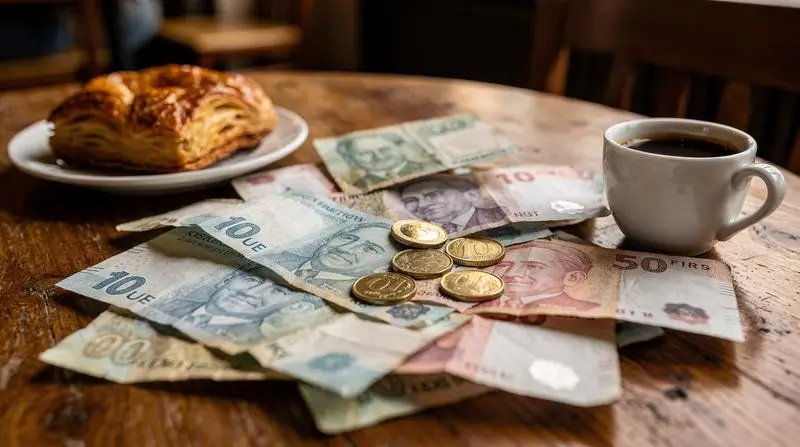
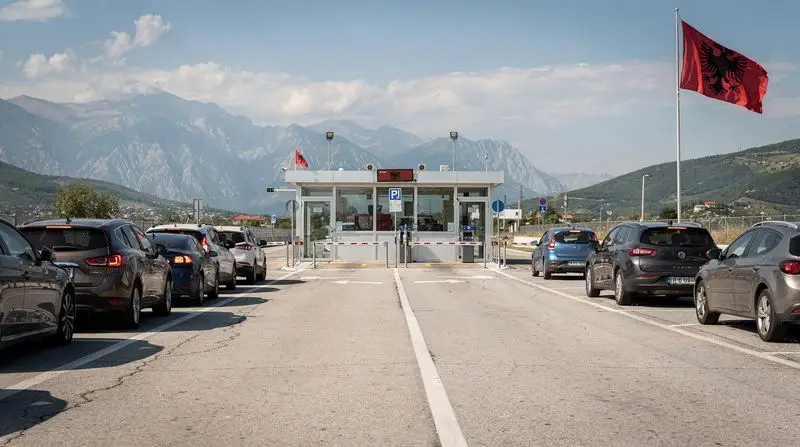
Saranda uses the Albanian Lek (ALL), though euros are widely accepted informally in tourist businesses at a rough, not always favorable, conversion rate — carrying some Lek is worthwhile. Dubrovnik uses the Euro directly, as Croatia is in the Eurozone. Travelers combining both destinations overland will cross at least one border — Montenegro into Albania at Muriqan or Hani i Hotit — where formalities are generally straightforward for EU and Western passport holders. See the border crossings guide for the specific documentation and typical wait times.
Frequently Asked Questions About Saranda vs Dubrovnik
Is Saranda as beautiful as Dubrovnik?
They are beautiful in different ways. Dubrovnik’s beauty is architectural — the walled city is extraordinary. Saranda’s beauty is natural — Ksamil’s beaches, the bay views to Corfu, and the surrounding landscape are genuinely spectacular. Neither is objectively more beautiful; they offer different types of beauty.
How much cheaper is Saranda than Dubrovnik?
Accommodation runs approximately 50-65% less in Saranda for comparable quality. Food is about 40-55% less expensive. Activities and day trips are significantly cheaper. A week in Saranda costs roughly half as much as a week in Dubrovnik.
Can I visit Saranda and Dubrovnik in the same trip?
Yes. The classic route goes Dubrovnik → Montenegro (Kotor) → Shkodra (Albania) → Tirana → Saranda, or in reverse. This takes 10-14 days and covers multiple extraordinary destinations. The Montenegro-Albania border crossing at Muriqan is straightforward.
Is Saranda worth visiting without the rest of Albania?
Yes, but you miss a lot. Saranda as a standalone beach destination is valid. But combining it with Gjirokastër (1.5 hours), Butrint (25 minutes), and the Corfu ferry, and potentially with Tirana and Berat, transforms it from a beach stop into a genuinely rich cultural and natural experience.
Is the water cleaner in Saranda or Dubrovnik?
Both have excellent water quality. Ksamil (immediately south of Saranda) has outstanding water clarity — genuinely among the best in the Mediterranean. Dubrovnik’s water is also excellent. This is not a meaningful differentiator between the two.