Drone Rules in Albania: Complete Guide for 2026
Albania is extraordinarily photogenic. The combination of dramatic mountain landscapes, pristine coastal waters, ancient hilltop towns, and low tourist density makes it one of the most appealing drone destinations in Europe. The Albanian Riviera’s turquoise water, the castle at Gjirokastër, the river canyon at Osumi, the peaks above Theth — these are places that drone footage can capture in ways that ground-level photography cannot.
This appeal makes understanding Albania’s drone regulations essential. The rules are real, enforcement is inconsistent, penalties are significant, and navigating the legal landscape correctly lets you capture stunning footage without legal problems. For general travel preparation, also see the Albania travel tips guide.
| Under 250g | No registration for recreational use |
| 250g-2kg | Registration with ACAA required |
| No-fly zones | Military sites, government buildings, airports, Tirana centre |
| Fines | Around EUR 500-5,000 for violations |
| Best areas | Riviera, Albanian Alps, Berat, Osumi Canyon |
Albania’s Drone Regulatory Framework
Albania’s civil aviation authority, the Albanian Civil Aviation Authority (ACAA — Autoriteti i Aviacionit Civil), is responsible for regulating unmanned aerial vehicles (UAVs). Albania has been moving toward alignment with EASA (European Union Aviation Safety Agency) drone regulations as part of its EU accession process, though full harmonization is not yet complete.
The primary legislation governing drones in Albania falls under civil aviation laws and specific UAV regulations that have been updated multiple times in recent years. The framework divides drones primarily by weight class:
Under 250g (micro drones, e.g., DJI Mini 3/4): These fall under the most permissive category. Registration is not required for recreational use. Many standard flight restrictions still apply (distance from people, airports, restricted zones), but the regulatory burden is lowest. The DJI Mini 3/4 and similar sub-250g drones are the most practical choice for travelers wanting flexibility.
250g to 2kg: Registration with ACAA is required before flying in Albania. The process involves submitting documentation about the drone, operator information, and paying a registration fee. Without registration, flying is technically illegal and you are exposed to fines.
2kg to 25kg: More stringent requirements, including operator certification. Not relevant for standard tourism photography.
Over 25kg: Commercial/industrial use, heavily regulated.
Operator certification: For drones over 250g, an operator certification (equivalent to the EU A1/A3 subcategory open category) may be required depending on how and where you fly. This is an evolving area — check current ACAA requirements.
How to Register a Drone in Albania
For drones requiring registration (over 250g, recreational or commercial):
Contact the ACAA: The Albanian Civil Aviation Authority’s website (caa.gov.al) is the starting point. The registration process involves:
- Submitting drone details (manufacturer, model, serial number, weight)
- Providing operator identification (passport copy)
- Paying the registration fee (amounts vary; typically EUR 20-50)
- Receiving a registration number to be displayed on the drone
For short-term tourist visits: The registration process is designed primarily for regular operators rather than tourists visiting for one or two weeks. In practice, many visiting tourists with sub-250g drones simply fly without registration paperwork. This is technically non-compliant if the drone requires registration but reflects the reality of enforcement levels.
The honest reality of enforcement: Albania’s drone enforcement is inconsistent. Random checks of tourists flying drones in open countryside are rare. That said, flying near military installations or in sensitive areas risks serious police attention regardless of drone weight. The consequences of enforcement include fines and drone confiscation.
Recommendation: If you are bringing a drone over 250g, contact the ACAA before travel or use a service (several travel law firms offer Balkan drone registration assistance) to obtain documentation. For sub-250g drones, know the no-fly zones and fly responsibly.
No-Fly Zones in Albania
The following areas are restricted or prohibited for drone flight:
Military Installations and Defence Zones
Albania has numerous military bases, radar installations, and coastal defence positions — many from the communist era’s extraordinary bunker-building program. Flying drones over or near military installations is prohibited and can result in immediate detention and serious legal consequences.
Avoid:
- Any area with visible military infrastructure
- Coastal defence positions
- Air force bases (Farka, Gjadër, Kuçovë, Vlorë)
- Naval facilities at Pasha Liman and Durres port
The Albanian military takes airspace violations seriously. Do not test this.
Government Buildings and Restricted State Facilities
The following are no-fly areas:
- The area around the Prime Minister’s office and Council of Ministers building in Tirana
- Presidential Palace and surrounding area (Tirana)
- Parliament building area
- Police headquarters
- Prison facilities
Airport Exclusion Zones
Standard international aviation rules apply. No drone flight within:
- 5 km of Tirana International Airport (Mother Teresa Airport) — the largest and busiest
- 2 km of Kukës Airport, Vlorë Airport, Gjirokastra Airport, and other civil airfields
- Controlled airspace corridors
These are hard rules. Violating airport exclusion zones is a serious offense internationally and particularly so near an active international airport.
National Park Zones
Albania’s national parks have variable rules on drone use:
- Llogara National Park: Drone use restricted; check with park authorities for specific permitted zones
- Butrint National Park: Permit required for commercial filming; recreational use restrictions apply near archaeological sites
- Valbona Valley National Park: No specific complete ban, but flying over wildlife (eagles, chamois) and crowded trail areas is inappropriate
- Theth National Park: Similar to Valbona — common sense applies
For all national parks, check with the National Agency for Protected Areas (NAPA) for current regulations before flying.
Tirana City Center
The central Tirana area — including Skanderbeg Square, the main government district, and surrounding areas — has restrictions due to the density of sensitive government infrastructure. Flying drones in the heart of the capital without specific authorization is not advisable.
Cultural Heritage Sites
UNESCO-listed areas and significant cultural heritage sites have restrictions on aerial filming without permits:
- Gjirokastra Old Town (UNESCO): Permits required for professional filming
- Berat Old Town (UNESCO): Same
- Butrint Archaeological Site: Part of the national park restrictions above
For serious photography projects at these sites, contact the relevant heritage authority and the ACAA.
Permits for Commercial Drone Use
If you are using drone footage for commercial purposes — TV production, advertising, social media monetization, news gathering, real estate, stock footage sales — you need specific permits beyond recreational registration.
Commercial operator requirements:
- ACAA commercial operator authorization
- Drone registered in the commercial category
- Insurance (third-party liability coverage for UAV operations)
- Mission-specific permits for restricted zones or national parks
The process: Apply to the ACAA well in advance (minimum 2-4 weeks for most permits). Albanian bureaucratic processes have improved but are not fast. Production companies or documentary crews should budget permit time accordingly.
Note on social media: The line between recreational and commercial is sometimes unclear for content creators. If your flight footage is posted to a monetized channel or used in commercial contexts, the commercial framework technically applies.
Where You Can (and Should) Fly in Albania
With the restrictions noted, Albania still offers extraordinary drone opportunities in completely legal, unrestricted areas:
The Albanian Riviera
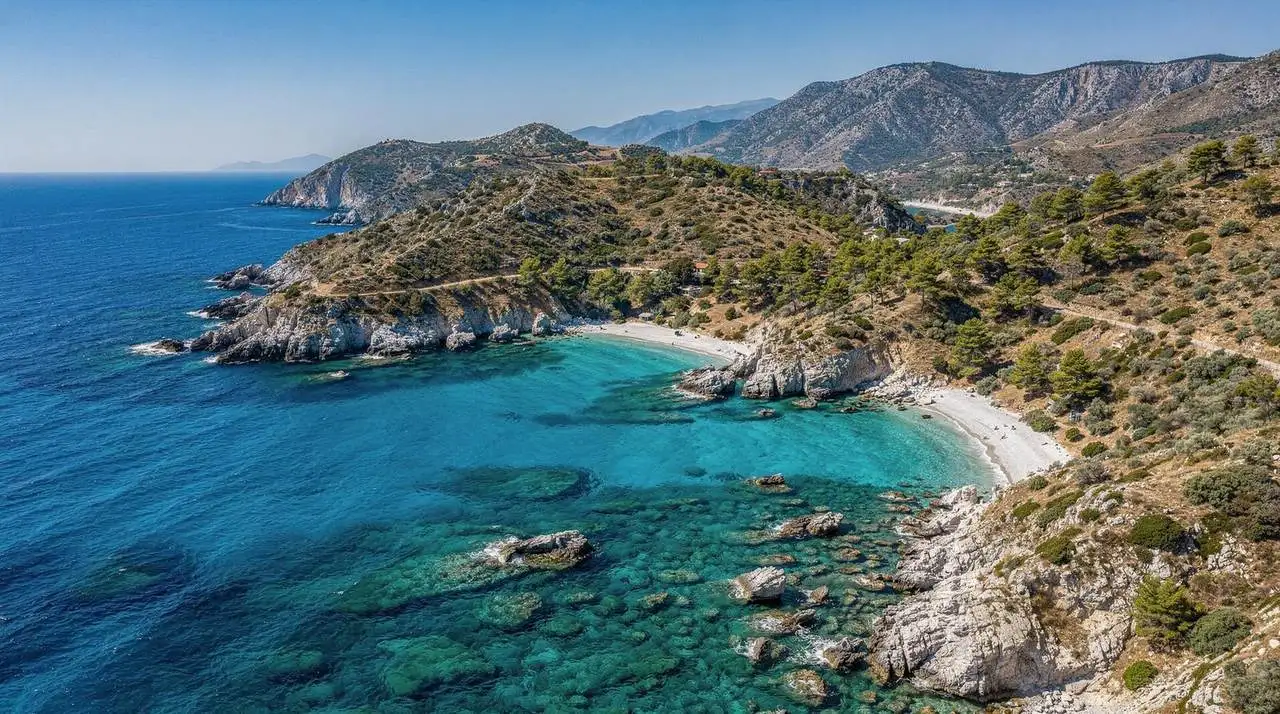
The coastal stretch from Vlora to Saranda is spectacular from the air. The turquoise water color is unlike anything in the Mediterranean and drone footage at dawn shows it at its best. Best legal areas:
- Open sea approach shots from beaches
- Uninhabited hillsides above the coastal road
- Rocky headlands away from populated settlements
Avoid flying over beach crowds in summer (privacy considerations) and over the Sazan military island (restricted).
The Accursed Mountains / Albanian Alps
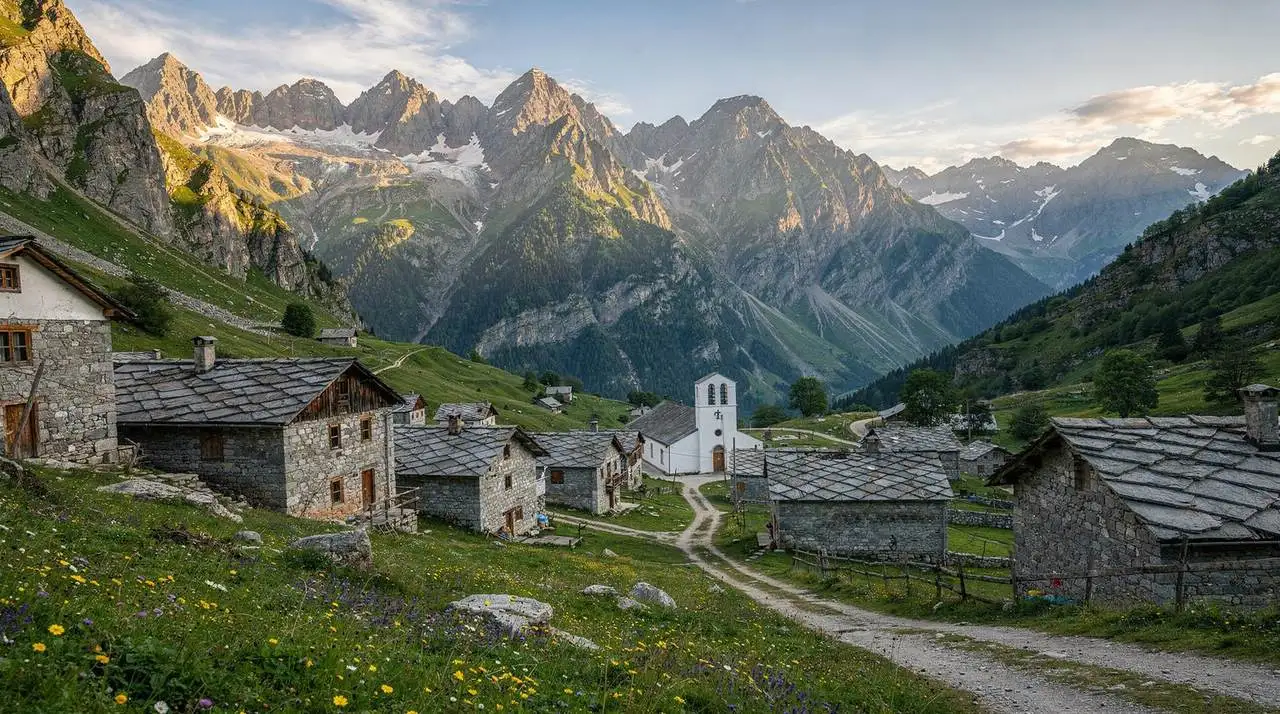
The area around Theth, Valbona, and the Peaks of the Balkans trail offers world-class mountain drone photography. The combination of glacial peaks, traditional stone houses, and river valleys is visually extraordinary. Flying away from village centers and populated areas is legally and socially appropriate.
Practical tip: Mountain weather changes rapidly. Drone battery performance drops in cold temperatures. Calibrate your drone at altitude if you have been flying at sea level.
Berat and the Osumi Canyon
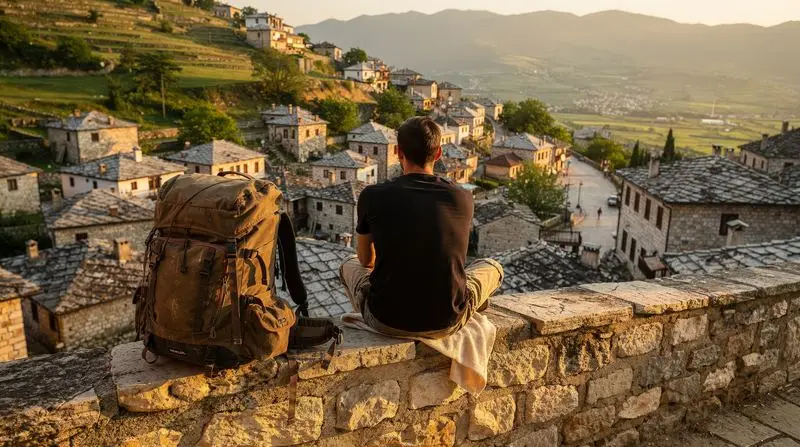
The view of Berat’s castle from the air — the white Ottoman houses stacked on the hillside — is iconic. Flying above the castle walls (not within the UNESCO protected architectural zone) and over the river below is generally feasible. The Osumi Canyon south of Berat is extraordinary from the air — sheer canyon walls with a turquoise river threading below.
Lake Ohrid Approach (Pogradec/Lin)
The Albanian shore of Lake Ohrid — less visited than the North Macedonian side — offers beautiful aerial footage of the lake, mountains, and small fishing villages.
Permet and the South
The Vjosa River valley near Permet and Gjirokastër offers dramatic aerial perspectives. The Vjosa is a candidate for Europe’s last wild river designation, and aerial footage captures its braided channels and mountain context beautifully.
The Highlands: Gramsh, Permet, Korçë Plateau
Open countryside, minimal restrictions, extraordinary light. These are the regions where recreational drone use is simplest and the scenery most dramatic.
Practical Tips for Flying Drones in Albania
Register or bring documentation: Carry your drone’s purchase documentation, model specifications, and any registration papers. If stopped, having organized paperwork helps. For Albania backpackers carrying drones, keeping equipment in carry-on luggage rather than checked bags is strongly recommended.
Always announce yourself to locals: In rural Albania, drone flights over villages can cause alarm or offense. Before flying, speak to anyone nearby. Most Albanians are curious and delighted rather than hostile — but courtesy prevents problems.
Dawn and dusk are optimal: The best light and calmest air occur at golden hour. In summer, dawn breaks by 05:30 and the sea is mirror-calm. These windows give the best footage and coincide with minimum human presence.
Watch for eagles and wildlife: Albanian mountains have Bonelli’s eagles, short-toed eagles, and other large raptors. They can and do fly into drone airspace. Beyond the photography opportunity, a direct strike can bring down a drone.
Memory cards and batteries: Bring more than you think you need. Albania’s remote areas have no drone accessory shops. The Albania digital nomads guide covers electronics sourcing in Tirana for longer stays. Extra batteries and high-speed memory cards are essential.
Insurance: DJI Care Refresh or third-party drone insurance is worth carrying. Albanian landscapes include a lot of rocky terrain, forests, and water — crashes happen.
Weather Considerations for Drone Flying in Albania
Albania’s varied geography creates distinct weather patterns that affect drone flight:
Coastal areas (Riviera, Durres, Saranda): Summer brings consistently clear skies and light morning winds that strengthen through the day. The best flying window is 06:00-10:00. By mid-afternoon, thermal activity (rising hot air) creates turbulence that challenges smaller drones. The Maestral wind (a northwesterly sea breeze) picks up reliably on hot summer afternoons and can be challenging for drones under 500g.
Mountain areas (Albanian Alps, interior highlands): Mountain weather is unpredictable at any time of year. Clear mornings can give way to afternoon thunderstorms. Fog and low cloud are common in spring and autumn. In summer, high-pressure systems provide multi-day windows of excellent flying conditions. Always have a bail-out plan — land the drone and take cover at the first sign of lightning.
Winter flying: Albania’s mountains receive significant snow from December through March. Low temperatures reduce battery performance substantially (expect 40-60% of normal flight time in freezing conditions). Keep batteries warm (body or vehicle heat) before flight. Coastal areas in winter offer mild temperatures and often dramatic light.
Rain and humidity: Most consumer drones are not waterproof. Flying in rain or heavy mist risks equipment damage and reduced visibility. Wait for clearing conditions. Post-rain light — particularly in the mountains — often provides exceptional photographic opportunities once the air clears.
Drone Photography Ethics in Albania
Beyond legal requirements, a set of ethical practices makes drone flying in Albania respectful and sustainable:
Respect privacy: Do not hover over private properties, residential gardens, or individuals without consent. Albanian villages are intimate communities — a drone buzzing over a family’s courtyard is intrusive regardless of its legality.
Wildlife disturbance: The Albanian Alps are home to birds of prey (including golden eagles, peregrine falcons, and various raptors) that are sensitive to drone presence. Nesting season runs roughly March-July. Avoid flying near obvious nest sites or when large birds show distress behavior (aggressive flying toward the drone).
Cultural sites and communities: When flying near traditional villages or communities, consider the impact. Some mountain villages are peaceful, remote refuges where the buzz of drone motors is an unwelcome intrusion. Use your judgment and community awareness.
Share your footage ethically: Drone footage of Albanian landscapes contributes to awareness of this extraordinary country. Sharing it with appropriate context — naming locations correctly, crediting local culture accurately — helps rather than harms Albania’s image and tourism development.
The Best Drone Shots in Albania: A Guide for Photographers
For those planning drone trips specifically around Albania’s visual highlights:
Berat castle from above: The castle perched on the ridge above the white Ottoman houses of Berat’s Mangalem and Gorica quarters — seen from above, the layered visual geography of the town becomes fully apparent. Fly along the ridge line in early morning light for best results.
Gjirokastër panorama: The castle, the Ottoman old town, and the surrounding mountain valley in one frame. The elevated position of the castle means relatively modest flight altitude captures the full visual context.
Osumi Canyon: The Osum River canyon south of Berat is spectacular from above. The river’s turquoise color in its narrow limestone canyon is extraordinary from altitude. This area has no specific restrictions and is genuinely one of Albania’s most impressive aerial subjects.
Ksamil bay: Three small islands in an impossibly clear bay just south of Saranda. The color gradient of the water — from deep blue offshore to turquoise-green over the sandbanks — is one of the Mediterranean’s most photographable natural features.
Theth village and the Accursed Mountains: Traditional stone kulla (tower houses) set against the dramatic limestone peaks. Morning mist in the valley adds atmosphere in September and October.
Lake Komani fjord: The narrow, steep-sided reservoir is extraordinary from the air — resembling a Norwegian fjord in a mountain setting. The ferry itself is a striking subject.
For organized tours that take you to the most photogenic areas:
Full-day Tirana to Berat tour for photographyDrone Regulations: Keeping Up to Date
Albanian drone regulations are evolving as the country aligns with EU aviation standards. What is written in this guide reflects 2025-2026 information, but the regulatory landscape can change:
How to verify current rules:
- ACAA website (caa.gov.al): The official source. Check before each trip.
- DJI Fly app: The built-in map shows no-fly zones and controlled airspace. These are updated regularly and reflect official data.
- AirMap: A third-party airspace mapping service that covers Albania with reasonable accuracy.
- Facebook groups: The Albania drone photography community on Facebook is active and often shares regulatory updates and enforcement news faster than official sources.
The EU alignment trajectory: As Albania moves toward EU accession, its drone regulations are progressively aligning with EASA’s U-Space and open category framework. The 250g threshold, category A1/A2/A3 distinctions, and registration requirements will likely become more formally aligned with EU standards over time. Operators familiar with EU drone rules will find the transition increasingly familiar.
Drone Equipment Recommendations for Albania Travel
Based on the terrain, regulations, and shooting conditions in Albania:
Best overall: DJI Mini 3 or Mini 4 Pro — sub-250g (just), exceptional image quality, obstacle avoidance, 34-minute battery life. The weight class eliminates registration requirements and the image quality is genuinely excellent for travel photography.
For professional work: DJI Air 3 or DJI Mavic 3 Pro — larger, require registration, but deliver outstanding image quality for commercial and professional contexts. The Air 3’s dual camera and obstacle sensing make it practical for solo operation in complex mountain terrain.
For minimal pack weight: DJI Mini 2 SE — affordable, lightweight, 4K video, and the essential sub-250g weight. Slightly less capable than Mini 4 but a fraction of the cost.
What not to bring: Large industrial drones or anything requiring complex setup in the field. Albanian conditions (mountain wind, narrow landing zones, remote charging) favor compact, robust equipment.
For reaching the best drone photography locations without navigating transport logistics:
Tirana walking tour to scout city photography Albanian Riviera boat tour to reach coastal photography spots Saranda area day tour including Ksamil beachAccessories worth packing:
- ND filter set (reduces overexposure in bright coastal conditions)
- Extra batteries — one is never enough for a full photography day
- Propeller guards for urban environments
- Waterproof case for mountain and coastal transport
Check for temporary restrictions (NOTAMs): Military exercises, VIP movements, and special events occasionally trigger temporary flight restrictions. Check the ACAA website or a drone flight planning app (AirMap, DJI Fly’s airspace checker) before flying.
Fines and Penalties
Violations of Albanian drone regulations can result in:
- Fines of EUR 500-5,000 depending on the severity of the violation
- Drone confiscation
- Criminal charges for flying over military installations (most serious)
- Deportation in extreme cases
The most serious risk is near military areas. Albanian military and police have authority to respond to airspace violations by military infrastructure, and their response can be swift. This is not an area for experimentation. For awareness of how Albanian authorities handle tourist incidents, see the Albania travel tips guide.
Drone Rules Compared to Neighboring Countries
Travelers combining Albania with Greece, Montenegro, or North Macedonia should be aware that drone regulations differ meaningfully across borders, and a drone legally flown in one country can run into trouble in the next:
| Country | Registration threshold | Notable restriction |
|---|---|---|
| Albania | 250g (ACAA) | Extensive military no-fly zones from communist-era bases |
| Greece | 250g (HCAA, EASA-aligned) | Strict rules near archaeological sites |
| Montenegro | 250g, similar EASA framework | Coastal military zones near Boka Kotorska |
| North Macedonia | Case-by-case, less standardized | Fewer clear public resources; more conservative approach advised |
If your Albania trip continues into any of these countries, do not assume the same no-fly zone map applies — check each country’s aviation authority resources separately, particularly around border regions and military-adjacent areas that may be sensitive on both sides.
Planning a Multi-Day Drone Photography Route
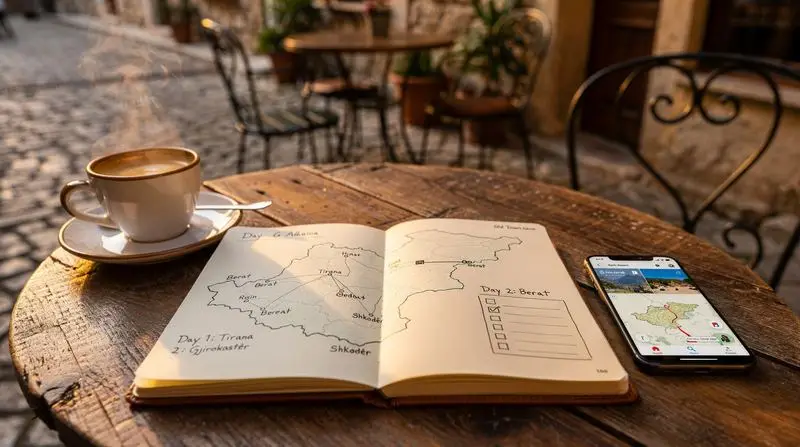
For photographers building an itinerary specifically around drone opportunities, a logical route sequences the country’s best legal flying areas without excessive backtracking: start in Tirana for orientation flights around Dajti Mountain (outside the restricted city center), continue to Berat for the castle and Osumi Canyon shots, proceed to Gjirokastra and the Blue Eye area, and finish on the Albanian Riviera from Vlora down to Saranda for coastal footage. This sequence follows the natural south-bound route many Albania itineraries take anyway, meaning drone photography can be layered onto a standard trip rather than requiring a dedicated detour. Budget flexible time at each stop for weather — a clear morning at Berat is worth waiting an extra day for if the forecast shows haze or wind.
Frequently Asked Questions About Drone Rules in Albania
Do I need to register my DJI Mini 4 in Albania?
The DJI Mini 4 Pro weighs 249g — just under the 250g threshold — and generally falls into the unrestricted recreational category. You do not need registration for recreational use. Standard no-fly zone restrictions still apply. Confirm current weight category thresholds with the ACAA as regulations evolve.
Can I fly a drone on the Albanian Riviera?
Yes, in most beach areas away from populated zones, private property, and military installations. Open sea approaches, uninhabited hillsides, and scenic coastal points are generally accessible. Avoid flying over crowded beaches in peak season (privacy law applies).
What happens if I fly a drone near a military base in Albania?
Your drone will likely be confiscated and you may face detention, questioning, and significant fines. Military airspace violations in Albania are taken seriously. The country has many active military installations, some not visually obvious from distance. Research locations before flying in any military-adjacent area.
Do I need permits for drone footage in Gjirokastra or Berat?
For professional/commercial filming in these UNESCO World Heritage areas, permits from the heritage authority and potentially the ACAA are required. For recreational photography as a tourist, registration requirements are the main issue. Flying above the historic zones is generally feasible for sub-250g drones. Both Gjirokastër and Berat reward careful aerial photography.
Can I fly a drone at night in Albania?
Night flying is generally prohibited without specific authorization. Standard international aviation practice applies — night flights require additional certification and are not covered by recreational registration. Plan shoots for dawn and dusk (legal golden-hour flight) rather than true darkness.
Can I bring my drone into Albania without any paperwork?
For a sub-250g drone used purely for recreational travel photography, no advance paperwork is typically needed beyond carrying the drone’s purchase documentation and model information. For drones over 250g, contacting the ACAA before travel to understand current registration requirements is the safer approach, since enforcement — while inconsistent — can be serious near sensitive areas regardless of drone weight.
Where should I avoid flying a drone entirely in Albania?
Avoid any area with visible military infrastructure (bases, radar installations, coastal defence positions), the government district in central Tirana, and airport exclusion zones (5km around Tirana International Airport, 2km around smaller civil airfields). These are the zones where enforcement is most serious and consequences most severe, so treat them as absolute no-fly areas rather than judgment calls.