Day Trips from Berat: The Complete Guide
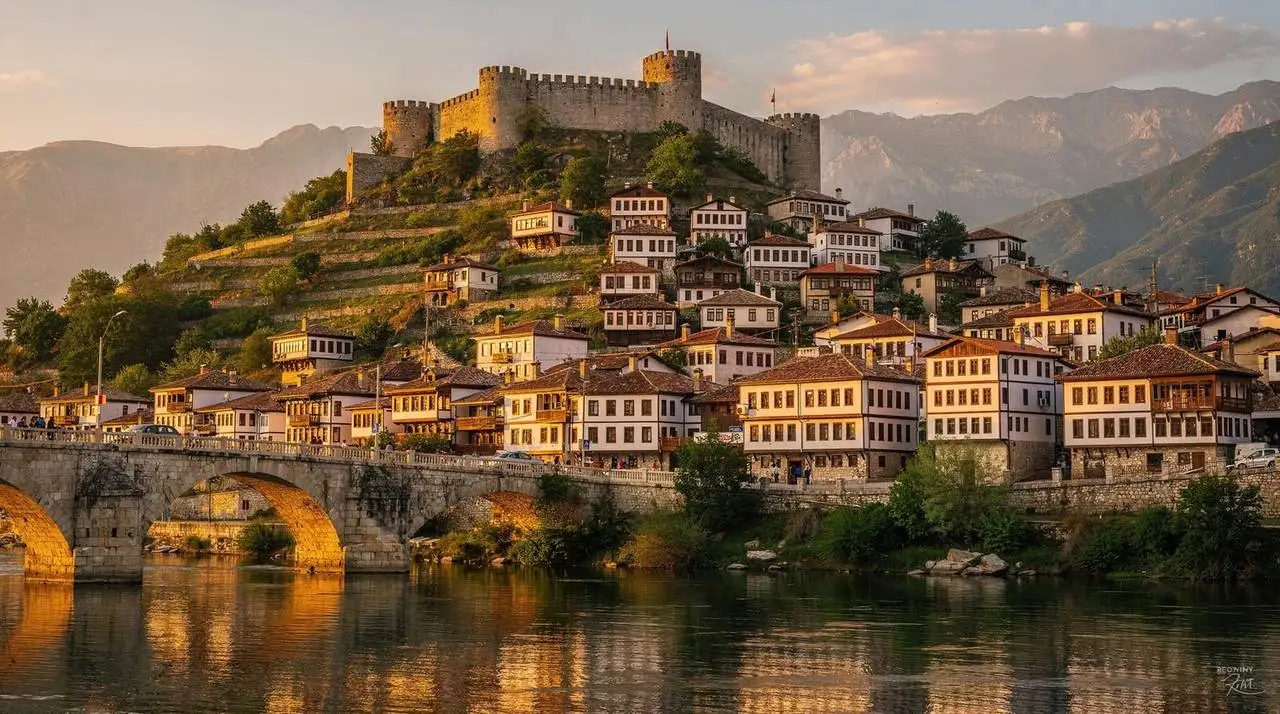
Berat is among Albania’s most rewarding bases for day trips into the surrounding countryside. The UNESCO-listed “City of a Thousand Windows” sits at a crossroads between the coastal lowlands and the mountainous interior, giving visitors access to an unusually wide range of experiences within an hour’s drive: a spectacular river canyon, an ancient Greek-Roman city, a sacred mountain that reaches well above 2,000 metres, a forgotten Illyrian hilltop fortress, a string of small family wineries, and a forest waterfall deep in the foothills of the national park.
This guide covers all the major day trips from Berat — what to expect, how to get there, how long to spend, and how to make the most of each outing.
| Destination | Distance | Time needed |
|---|---|---|
| Osum Canyon | 20-30 km south | Half to full day |
| Apollonia | 60 km west | 3-4 hours |
| Mount Tomorr | 25 km east | Full day |
| Byllis | 65 km south | 2-3 hours |
| Wine country | 5-20 km | Half day |
| Bogova Waterfall | 20 km east | 2-3 hours |
Osum Canyon
Distance from Berat: 20-30 km south Travel time: 30-45 minutes by road Best for: Dramatic scenery, rafting, hiking, canyon swimming Time needed: Half day to full day
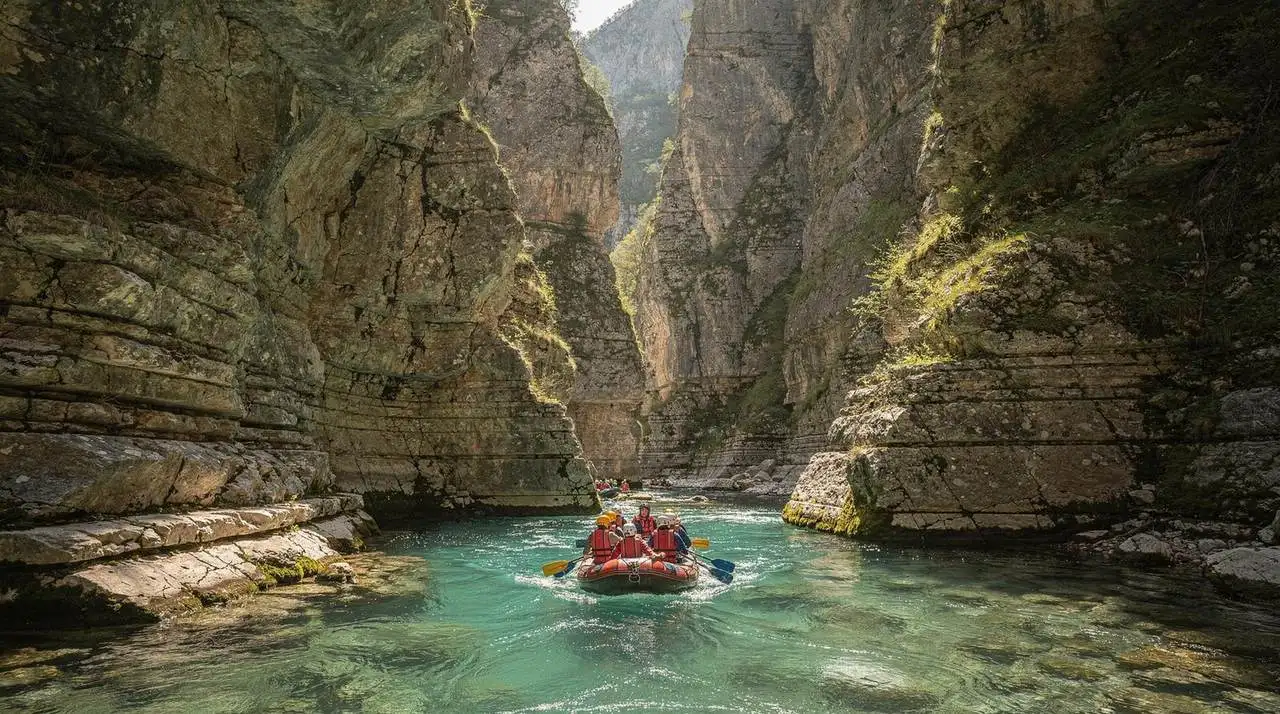
The Osum Canyon is one of Albania’s most spectacular natural formations and the single most popular day trip from Berat. The Osum River has carved a deep gorge through the limestone plateau south of the city, creating sheer canyon walls that rise 50 to 80 metres above the water in places, with narrow passages, natural pools, and rock formations that rival anything in the Balkans. The canyon stretches for roughly 13 kilometres, and the most dramatic sections are accessible from several points along the road that runs parallel to the gorge.
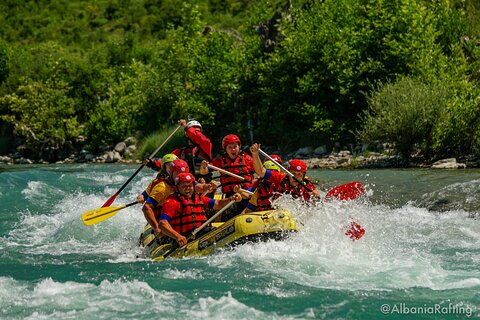
In summer, the canyon becomes a destination for rafting and swimming. Organised rafting trips run the navigable sections of the river, typically departing from near the village of Çorovoda and covering several kilometres of the gorge. The water level drops considerably by late July and August, making the experience gentler but also opening up natural swimming pools and wading routes through the shallower sections. Spring (April-June) offers the best water levels for rafting and the most dramatic canyon scenery, with waterfalls cascading over the rim after rainfall.
For those who prefer to stay dry, several viewpoints along the canyon rim provide spectacular panoramas down into the gorge. The road from Berat to Çorovoda passes close to the canyon’s edge at multiple points, and short walks from the roadside lead to dramatic overlooks. A full exploration of the canyon — combining a rafting trip or canyon walk with stops at the viewpoints — fills a satisfying day. See the canyoning guide for more on Osum Canyon and Albania’s other gorge experiences.
Osum Canyon guided tour from Berat provides transport and a guided visit to the canyon’s highlights, including stops at the best viewpoints and swimming spots — an excellent option for those without a rental car.
By public transport: No direct bus runs into the canyon itself. Buses from Berat reach Çorovoda (about 45 minutes), from which you would need to arrange local transport or walk to the canyon access points. Organised tours are the most practical option.
By car: Head south from Berat on the SH72 toward Çorovoda. The canyon is signposted, and several access points and parking areas are marked along the road. A vehicle with reasonable clearance is helpful for the rougher side roads.
Apollonia Archaeological Park
Distance from Berat: 60 km west Travel time: 1 hour by road Best for: Ancient ruins, history, museum, peaceful countryside Time needed: 3-4 hours
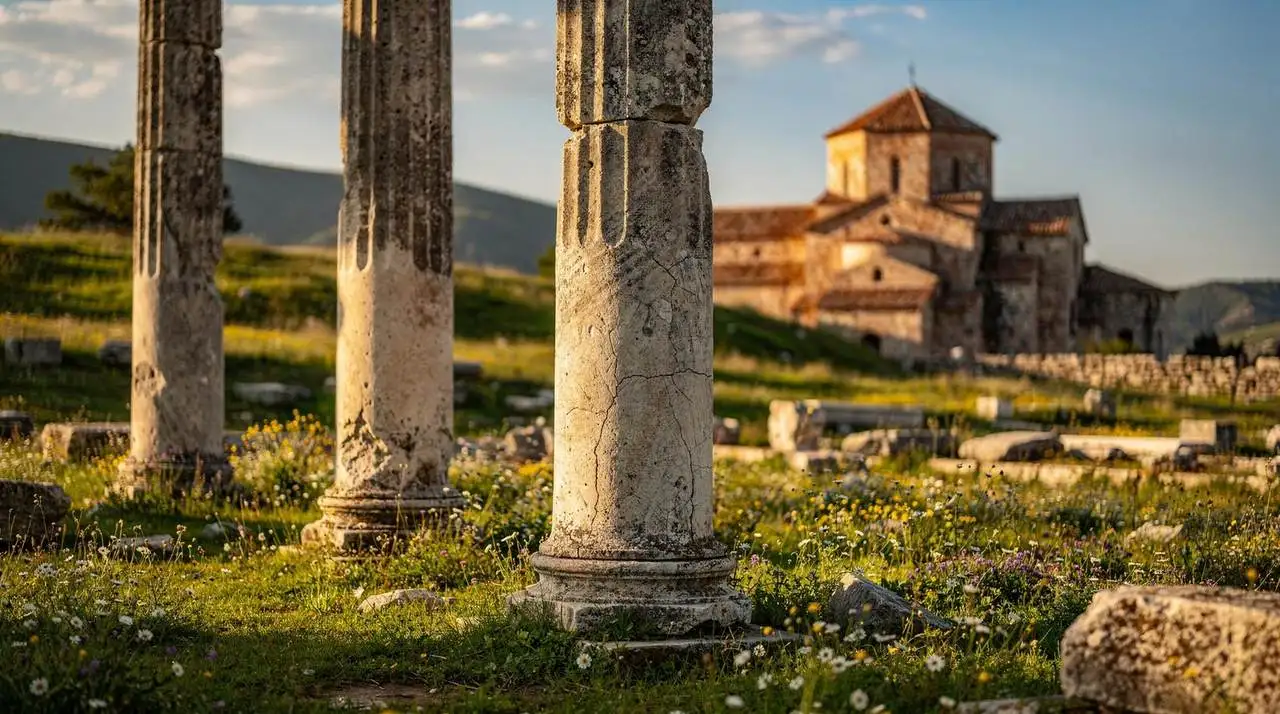
Apollonia is one of the most important ancient sites in Albania and one of the most atmospheric archaeological parks in the eastern Mediterranean. Founded in 588 BC by Greek colonists from Corinth and Corfu, the city rose to become a major centre of learning and commerce in the Roman period — Cicero praised it as a “great and important city,” and the young Octavian (later Emperor Augustus) was studying in Apollonia when he received news of Julius Caesar’s assassination in 44 BC.
The ruins are spread across a gentle hilltop overlooking the Myzeqe plain, surrounded by olive groves and farmland. The most impressive surviving structures include the Bouleuterion (council chamber), the Library, the Odeon, the monumental Agonothetes portico, and sections of the ancient city walls. The 13th-century Byzantine monastery of St. Mary sits at the centre of the site and houses the Archaeological Museum, which contains an excellent collection of sculpture, pottery, and artefacts recovered from the city and its necropolis.
What makes Apollonia particularly rewarding is the contrast between the scale of the ancient city — which at its peak covered 60 hectares and held 60,000 inhabitants — and the peaceful, almost deserted atmosphere of the site today. You can walk the ancient streets and stand in the theatre with only birdsong and wind for company. The hilltop setting also provides sweeping views west toward the Adriatic and east toward the mountains. Allow three to four hours for a thorough visit including the museum.
Apollonia guided tours offer transport from Berat with a knowledgeable guide who can bring the layers of history to life — highly recommended given the limited on-site interpretation.
By public transport: No direct bus connects Berat to Apollonia. You can take a bus to Fier (about 1 hour), then a taxi or local minibus to the archaeological park (12 km from Fier). Alternatively, organised tours from Berat are the simplest option.
By car: Drive west from Berat toward Fier on the SH4. Before entering Fier, follow signs north to Apollonia (Pojan). The last stretch is a quiet rural road through olive groves. Parking at the site entrance.
Mount Tomorr (Tomorr National Park)
Distance from Berat: 25 km east (to park entrance) Travel time: 45-60 minutes to trailhead Best for: Hiking, panoramic views, cultural significance, wild nature Time needed: Full day
Mount Tomorr is the sacred mountain that dominates the skyline east of Berat — a massive, dramatic ridge that rises to 2,416 metres and holds deep significance in Albanian culture and spiritual tradition. The Bektashi order considers it one of the holiest sites in Albania, and the annual Bektashi pilgrimage festival in August draws thousands of believers to the tyrbe (shrine) near the summit. For hikers and nature lovers, it is simply one of the most rewarding mountain day trips accessible from any major Albanian city.
The mountain sits within Tomorr National Park, which protects the peak and its surrounding forests of beech, pine, and fir. The standard approach follows a rough mountain road from the western side, climbing steeply through forest before emerging above the treeline onto exposed ridges with extraordinary views in every direction — the Osum Valley and canyon to the south, the Myzeqe plain stretching west toward the sea, and a vast expanse of mountain ranges in every other direction. On clear days, the panorama extends to the Adriatic coast.
The summit ridge itself is a dramatic knife-edge with vertiginous drops on both sides. The hike to the top from the upper parking area takes roughly three to four hours round trip, depending on fitness and conditions. The road to the upper trailhead is unpaved and rough in sections — a 4WD or high-clearance vehicle is strongly recommended. In winter and early spring, the upper sections may be snow-covered and inaccessible. The best months for the summit are June through October.
By public transport: There is no public transport to Mount Tomorr. A taxi from Berat can take you to the lower trailhead, but arranging return transport requires advance planning. A hired car or organised tour is the practical option.
By car: From Berat, cross the Osum River and follow signs east toward Tomorr National Park. The paved road gives way to a rough mountain track after the village of Uznova. Allow 45-60 minutes for the drive to the upper parking area, longer in poor conditions.
Byllis Archaeological Park
Distance from Berat: 65 km south Travel time: 1.5 hours by road Best for: Ancient ruins, off-the-beaten-path exploration, hilltop views Time needed: 2-3 hours
Byllis is one of Albania’s great hidden archaeological treasures — a vast Illyrian and Roman city built on a flat hilltop plateau at 500 metres elevation, with sweeping views over the Vjosa valley and the surrounding mountains. It is far less visited than Apollonia or Butrint, which is precisely its appeal: on most days you will have the ruins almost entirely to yourself, with only the wind, wildflowers, and the sound of distant goat bells for company.
The city was founded in the 4th century BC by the Illyrian Bylliones tribe and later became a significant Roman municipality. The remains are extensive: a large stadium, a stoa (covered walkway), several early Christian basilicas with well-preserved mosaic floors, sections of the massive city walls, and the outlines of streets and public buildings scattered across the hilltop meadow. The scale of the site — the walls enclosed an area of over 30 hectares — gives a powerful impression of the city’s former importance, even in its ruined state.
The drive to Byllis is part of the experience. The road climbs through the Shushica valley and passes through small villages and agricultural countryside that feels genuinely remote. The final approach is a winding road up to the hilltop, ending at a small parking area near the entrance. There are no facilities at the site — bring water and snacks. The combination of the drive, the ruins, and the views makes Byllis one of the most satisfying off-the-beaten-path day trips from Berat.
By public transport: Byllis is not accessible by public transport. A rental car or organised excursion is essential.
By car: Head south from Berat toward Çorovoda, then continue southwest on the SH72 toward Ballsh. Signs to Byllis (sometimes written “Bylis”) are marked from the main road. The final kilometres are on a narrow mountain road. Allow 1.5 hours each way.
Berat Wine Country
Distance from Berat: 5-20 km (various wineries) Travel time: 15-30 minutes by road Best for: Wine tasting, local food, vineyard scenery, agrotourism Time needed: Half day
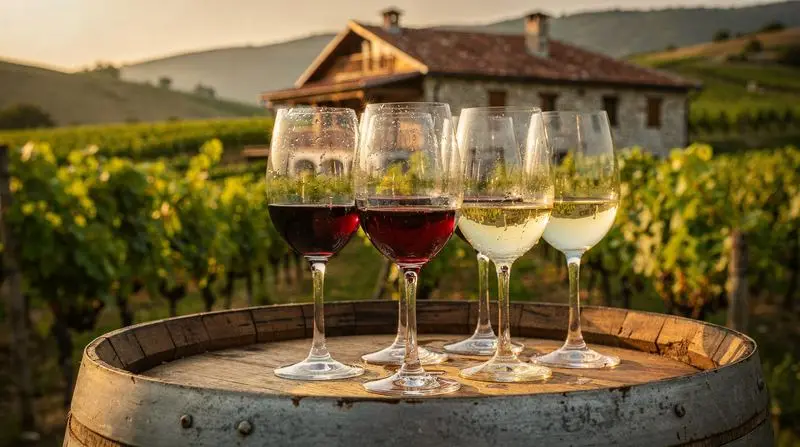
The hills surrounding Berat have been cultivated for wine since antiquity, and the region’s revival as a serious winemaking area is one of Albania’s most pleasant surprises. Within a short drive of the city, a handful of family wineries now welcome visitors for tastings, cellar tours, and meals — offering a completely different perspective on the Berat area that complements the city’s Ottoman architecture and canyon scenery.
The signature grape of the region is Shesh i Bardhë (literally “white field”), an indigenous Albanian variety that produces crisp, aromatic white wines with citrus and floral notes. You will also find Shesh i Zi (its red counterpart), Puls, and increasingly well-made blends using international varieties alongside native grapes. The leading wineries in the area include Cobo Winery, Nurellari Winery, and Alpeta Winery — all family-run operations where tastings are typically accompanied by local food, and where the winemaker or a family member will often guide you through the wines personally.
A half-day wine tour is the ideal complement to a morning spent exploring Berat’s castle and old quarters. Most wineries are happy to receive visitors with advance notice, and several offer lunch or light meals paired with their wines. The countryside around the vineyards — rolling hills planted with vines and olives, views back toward Berat and the mountains — is beautiful in its own right. See the wine tasting guide for detailed profiles of each winery and booking information.
Wine tasting tours near Berat handle the transport and bookings, letting you focus on the tasting — particularly useful if you plan to enjoy the wines properly without worrying about driving.
By public transport: The wineries are located in rural areas without regular bus service. A taxi from Berat is affordable for the short distances involved.
By car: Each winery is signposted from the main roads around Berat. Cobo and Nurellari are to the south and southeast of the city; Alpeta is to the northwest. Roads are paved and straightforward.
Bogova Waterfall
Distance from Berat: 20 km east Travel time: 30-40 minutes by road Best for: Nature walks, swimming, forest scenery, family-friendly outing Time needed: 2-3 hours
Bogova Waterfall is a refreshing half-day escape into the forested foothills of Mount Tomorr, popular with local families and increasingly discovered by visitors based in Berat. The waterfall drops into a natural pool surrounded by dense forest, creating a shaded, cool retreat that is especially welcome in the heat of summer. The walk from the parking area to the waterfall follows a well-marked forest trail along the stream, taking roughly 20 to 30 minutes each way through pleasant woodland.
The waterfall itself is not enormous — the main cascade drops approximately 15 metres — but the setting is beautiful, and the pool at the base is deep enough for a cold, exhilarating swim. The surrounding forest of beech and oak is dense and atmospheric, with the sound of running water accompanying the entire walk. In spring, the waterfall is at its most powerful, fed by snowmelt from Tomorr’s upper slopes.
Bogova makes an easy combination with a visit to Mount Tomorr, as the two are on the same road east of Berat. A practical itinerary would be to visit the waterfall in the morning, when the light in the forest is best and the trail is quieter, then continue up toward Tomorr for an afternoon hike or scenic drive. Alternatively, the waterfall alone makes a satisfying half-day outing, especially for families or those looking for a gentle nature experience after the cultural intensity of Berat’s old quarters.
By public transport: No direct service. A taxi from Berat to the trailhead and back is the most practical option without a car.
By car: From Berat, head east toward Tomorr National Park. The turnoff to Bogova Waterfall is signposted before the main Tomorr road climbs steeply. A short drive on a secondary road reaches the parking area and trailhead.
Planning Your Day Trips
The day trips from Berat divide naturally into directions: south toward Osum Canyon and Byllis, east toward Mount Tomorr and Bogova Waterfall, west toward Apollonia, and in a ring around the city for the wineries. With a rental car, you can comfortably manage one major day trip per day, or combine two shorter outings — Bogova Waterfall plus a winery visit, for example, or Osum Canyon in the morning and a winery in the afternoon.
Three to four full days based in Berat allows time to explore the city itself, visit Osum Canyon, make the trip to Apollonia, and fit in either Tomorr or the wineries. A week would allow you to do everything on this list at a relaxed pace, with time for the city’s castle, museums, and restaurants as well.
For those without a car, the organised tours from Berat cover the most popular destinations — particularly Osum Canyon and Apollonia. The wineries can be reached by taxi, and Mount Tomorr and Byllis are best attempted with your own transport or a hired driver.
Berat Day Trips by Interest
Different travelers prioritize different things, and Berat’s day trips split naturally by interest as much as by direction:
For history and archaeology: Apollonia and Byllis together give a genuinely comprehensive picture of ancient Illyrian and Greco-Roman Albania, and pairing them with the UNESCO sites guide rounds out the historical context.
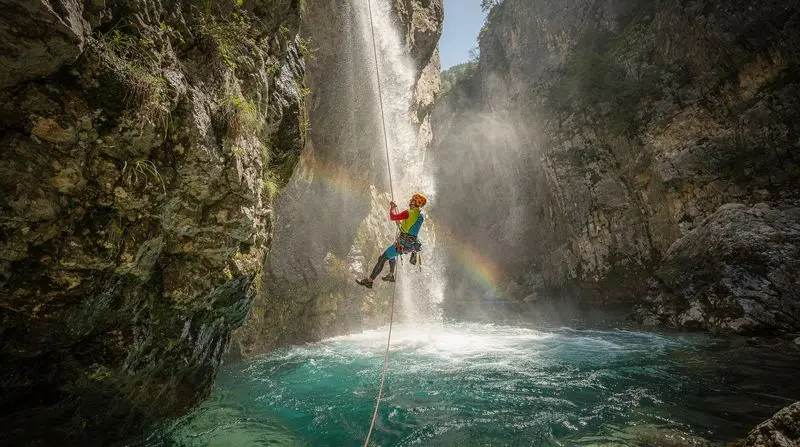
For nature and adventure: Osum Canyon and Mount Tomorr are the two standouts, offering rafting, canyon walks, and serious mountain hiking within a short drive. Combine with the canyoning guide if you want to add Langarica Canyon near Permet to a longer southern Albania loop.
For food and wine: The Berat wineries and the wine tasting guide make a relaxed, low-effort day that pairs naturally with a slow morning in the old town — ideal for a rest day between more demanding excursions.
For families with children: Bogova Waterfall is the easiest and most forgiving day trip on this list — a short, shaded forest walk to a safe swimming pool, with none of the rough roads or long drive times of Mount Tomorr or Byllis.
Combining Berat with the Wider South
Several of these day trips also work as waypoints on a longer southern Albania route rather than a there-and-back excursion from Berat. Osum Canyon and Byllis both lie roughly on the road toward the Vjosa Valley and Permet, so travelers continuing south can visit either site en route rather than doubling back to Berat. Similarly, Apollonia sits close to the main road toward Vlora, making it a natural stop for anyone driving from Berat to the Albanian Riviera rather than a dedicated round trip.
Frequently Asked Questions About Day Trips from Berat
What is the best day trip from Berat?
Osum Canyon is the single most popular and most rewarding day trip from Berat, combining dramatic scenery with rafting and swimming options in spring and summer. Apollonia is the best choice for travelers prioritizing ancient history, while Mount Tomorr suits fit hikers looking for the finest panoramic views in the region.
Can I visit Osum Canyon without a car?
Yes, though it requires either an organised tour or a combination of bus to Çorovoda plus local transport. Since no direct bus reaches the canyon itself, most visitors without their own vehicle book a guided tour from Berat, which includes transport and stops at the best viewpoints and swimming spots.