Best Restaurants in Shkodra: Northern Albania’s Lake Fish Capital
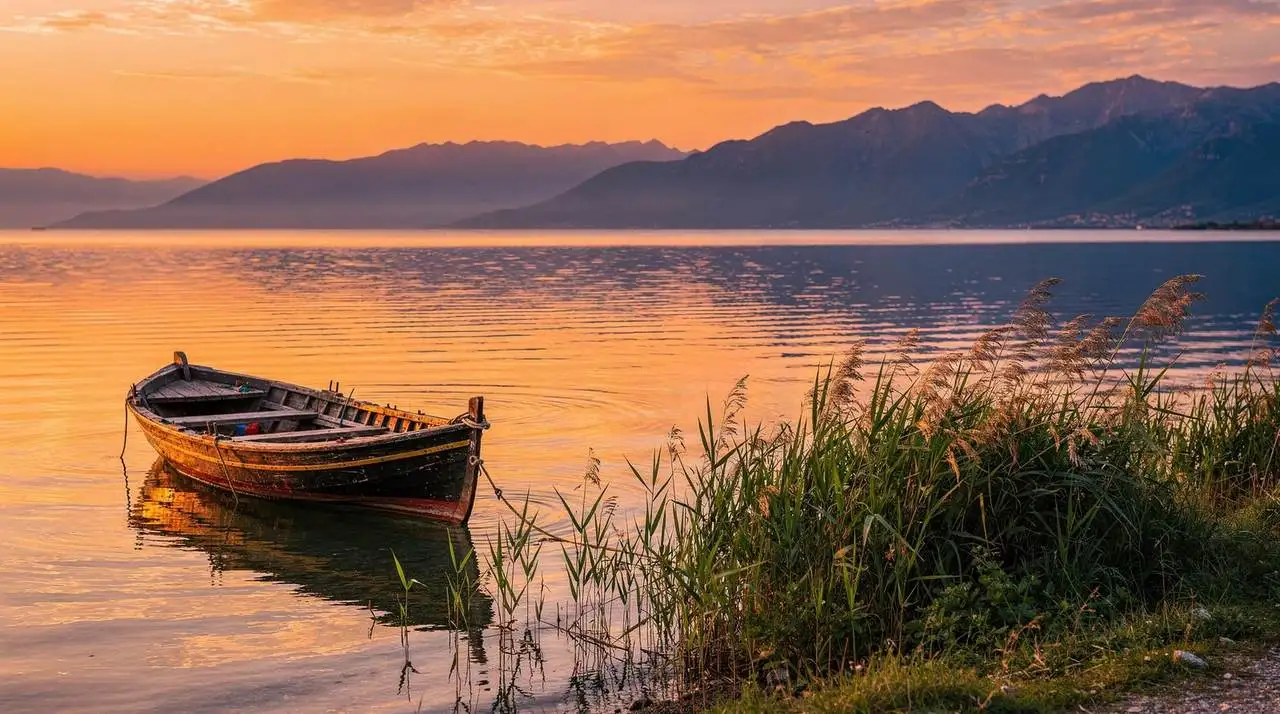
Shkodra is the cultural capital of northern Albania — a city of 100,000 people with a longer history than Tirana, a distinctive Gheg Albanian identity, and a food culture that is genuinely different from the rest of the country. The city sits at the outlet of Albania’s largest lake, Lake Shkodra, where the Drin and Buna rivers carry lake water toward the Adriatic, and this geographical position defines its most distinctive food: the lake fish that has fed Shkodra’s population for millennia.
The carp of Lake Shkodra is the city’s most famous culinary product and the dish that visitors who know northern Albanian food culture specifically seek out. Shkodra carp (krap i Shkodrës) is prepared differently from standard Albanian fish cooking — the lake fish tradition here involves preparations that have been refined over generations, and the result is a dish that is recognisably regional in character. The koran (a trout endemic to the lake system), the eel from the river, and various other lake species complete a freshwater fish menu that is unique in Albania.
Beyond the lake fish tradition, Shkodra’s food culture reflects its northern Albanian identity. The cooking is heartier, more meat-focused, and more oriented toward the mountain and lake products of the north than the olive oil-infused Mediterranean cooking of the south. Albanian raki, the slow-cooked fërgëse, the mountain dairy, and the northern-style byrek all appear in Shkodra restaurants with local variations that distinguish them from their southern counterparts.
| Where to eat | Near the Buna River for lake fish; Kolë Idromeno street for cafes |
| Typical cost | Around EUR 8-18/person for a full meal |
| Don’t miss | Tave e krapi (carp clay pot), Turkish coffee, Marubi museum area |
| Best time | Book ahead the night before the Koman ferry departure |
| Nearby | Theth/Valbona (Alps gateway), Rozafa Castle |
The Lake Fish Tradition: Carp, Koran, and Eel
Shkodra’s carp restaurants are the city’s most distinctive eating experience and the principal food reason to visit. The best establishments are located near the Buna River — the river connecting Lake Shkodra to the Adriatic — where the tradition of freshwater fish cooking has been most consistently maintained.
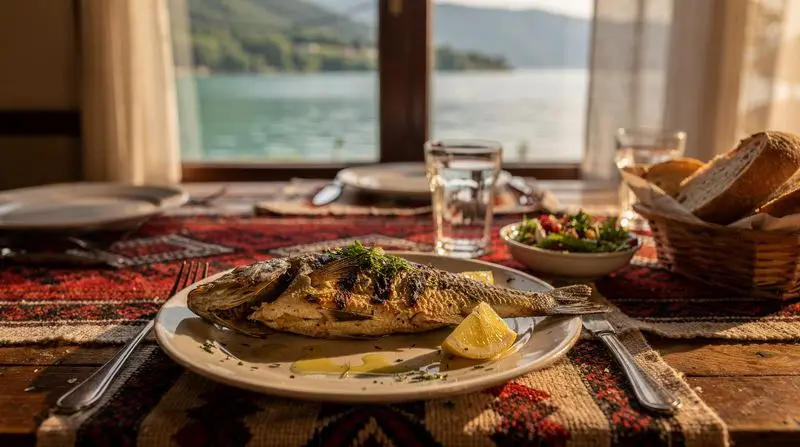
Shkodra carp is typically prepared in one of several traditional ways: whole fish baked slowly in a clay pot with onions, tomatoes, and herbs; fried in olive oil with garlic; or marinated and grilled over wood. The clay pot preparation (known locally as tave krapi) is the most traditional and most celebrated — slow heat over several hours creates a dish where the fish flesh is tender, the sauce has reduced to a concentrated richness, and the overall effect is something quite unlike grilled fish of the sort found throughout the rest of Albania.
Koran (Salmo letnica — the Ohrid trout, also present in the Shkodra lake system) is a delicacy when available — firmer and more flavourful than standard lake trout, with a distinctive taste that reflects the endemic species’ unique feeding environment.
Eel (ngjalë) from the Buna River is a traditional Shkodra dish that most visitors do not encounter. Eel is prepared smoked (a traditional northern Albanian preservation method) or cooked fresh in various preparations. It is worth asking for if available — the smoked eel in particular has a depth of flavour unlike any other Albanian fish dish.
The best lake fish restaurants are small establishments near the water — look for the ones with local regulars and simple menus in Albanian, where the fish on offer changes daily based on the catch rather than following a fixed menu.
Guided Introduction to Shkodra’s Culinary Culture
For visitors who want context for the city’s food culture alongside its broader heritage: this Shkodra highlights tour of traditional north Albania covers the city’s cultural and historical context, including the food traditions that shape the local kitchen. Understanding the northern Albanian context — the Gheg cultural identity, the lake and river economy, the mountain hinterland — makes the food more legible and more interesting.
Traditional Northern Albanian Cooking
Shkodra’s restaurant scene includes several establishments specialising in traditional northern Albanian (Gheg) cooking that is distinctly different from the southern Albanian cuisine that dominates most tourist-facing restaurants in the country.
Key northern Albanian dishes available in Shkodra:
Fërgëse e Shkodrës: The Shkodra version of fërgëse is made with cottage cheese (gjizë) and peppers, sometimes with the addition of offal, cooked in a clay pot or cast-iron pan. This differs from the Tirana version and from the southern preparations, and represents a genuine regional speciality.
Tave e krapi: The classic carp clay pot preparation described above — the Shkodra signature dish.
Kulaç: A traditional northern Albanian flatbread baked on the embers, dense and slightly charred, served as an accompaniment to stews and braises.
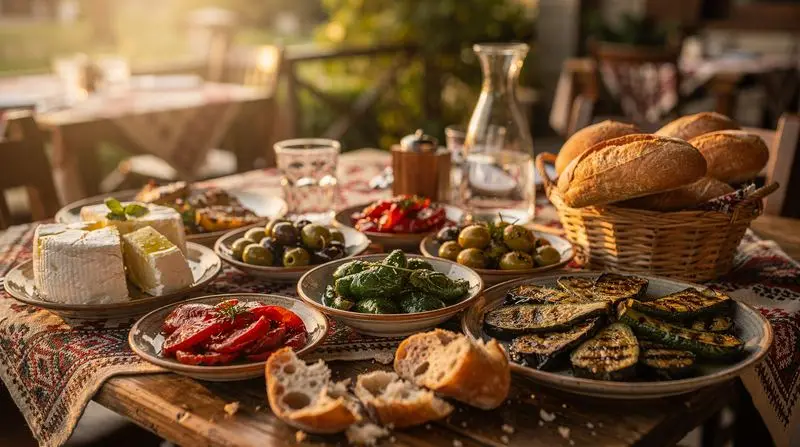
Mountain dairy: Shkodra’s position at the gateway to the Albanian Alps gives it access to the extraordinary dairy products of the northern highlands — sheep’s milk cheese, cow’s milk cheese from the mountain cooperatives, and the thick strained yogurt (kos) that the north does better than any other region.
Gjellë me misër: Corn-based dishes that reflect the northern agricultural tradition — cornbread, polenta-style preparations, and corn-flour byrek variants that appear less frequently in southern Albania.
Lake Fish vs Traditional Gheg Cooking: What to Order When
| Lake fish restaurants | Traditional Gheg restaurants | |
|---|---|---|
| Signature dish | Tave e krapi (carp) | Fërgëse e Shkodrës |
| Location | Near the Buna River | Bazaar and old city |
| Price | EUR 8-14/person | EUR 10-18/person |
| Best for | A distinctly regional meal | Hearty northern Albanian cooking |
Vegetarian Eating in Shkodra
Shkodra’s northern kitchen is heavily meat and fish oriented, making it one of the more challenging Albanian cities for strict vegetarians. Salads, byrek with cheese or spinach, mountain dairy starters, and grilled vegetables are available at most restaurants, and the bazaar market is excellent for fresh produce self-catering. Ask specifically for dishes without meat, as northern Albanian menus assume a meat or fish main course by default.
The Old Pedestrian District: Kolë Idromeno Street
The pedestrian zone running from the main square along Rruga Kolë Idromeno is Shkodra’s most attractive street and the best area for cafes and casual eating. The street is named after the 19th-century Albanian polymath (painter, photographer, architect) whose work captured Shkodra in its late Ottoman period, and the buildings along it retain a character from that era.
The cafes along this street — and the side streets connecting to the main square area — represent Shkodra’s cafe culture at its most sophisticated. The city has a strong coffee tradition; this was historically one of the most cosmopolitan cities in Albania, with Catholic, Orthodox, and Muslim communities and commercial connections to Venice, Ragusa, and the broader Mediterranean. The coffee culture reflects this historical urban sophistication.
Evening xhiro on the Kolë Idromeno pedestrian street is one of the finest examples of the Albanian evening promenade ritual. Families, young people, and the city’s social fabric converge here from around 6pm onward, and the cafes fill with an unhurried social gathering that extends until midnight.
Cafes and the Shkodra Coffee Culture
Shkodra’s coffee is exceptional. The city has maintained a coffee-roasting tradition that goes back generations — several family-run roasteries operate in and around the bazaar area — and the espresso served in the best Shkodra cafes is among the finest in Albania.
The Turkish coffee tradition (kafe turke) also persists in Shkodra more strongly than in most Albanian cities, particularly in the older neighbourhood cafes that serve an older clientele. Turkish coffee — thick, unfiltered, served in a small cup with the grounds settling at the bottom — is an authentic link to the Ottoman heritage of the city and worth trying alongside the standard espresso culture.
The cafe at Shkodra’s Hotel Rozafa, overlooking the castle and the Drin, is an excellent choice for an afternoon coffee with an outstanding view. The castle terrace and the lake beyond combine with the coffee to create the kind of idling afternoon that travel is supposed to provide.
Budget Eating in Shkodra
Shkodra is one of the most affordable cities in Albania for eating. The domestic tourism economy rather than the international tourist economy drives the pricing, and the result is very good food at exceptional value.
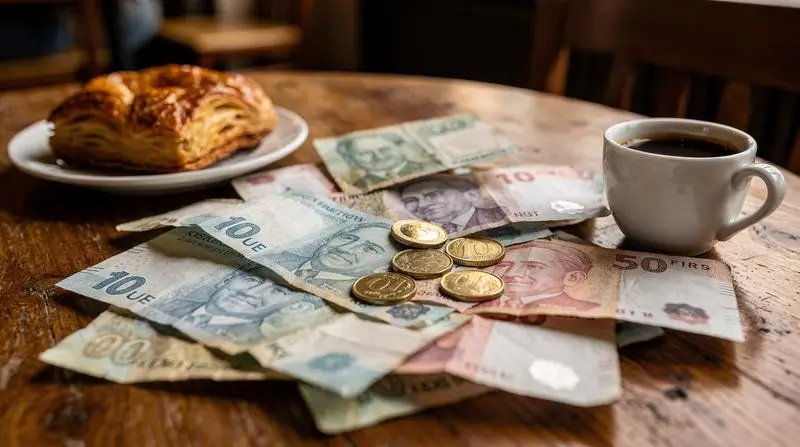
Byrek: The best byrek shops in Shkodra are in the bazaar area and along the market streets. The northern Albanian byrek tradition produces thicker, more substantial versions than the Riviera equivalents. Budget EUR 1-2 for breakfast.
Lake fish: A full plate of tave krapi (carp clay pot) with salad, bread, and wine at a traditional lake fish restaurant costs EUR 8-14 per person — exceptional value for a genuinely distinctive local speciality.
Market food: The covered bazaar in Shkodra has a daily food market with prepared stalls at lunchtime. Budget EUR 3-5 for a full market lunch.
Traditional restaurants: Full evening meals at traditional northern Albanian restaurants — multiple starters, a meat or fish main, local wine or beer, dessert — cost EUR 10-18 per person at most establishments.
Dining Near the Rozafa Castle
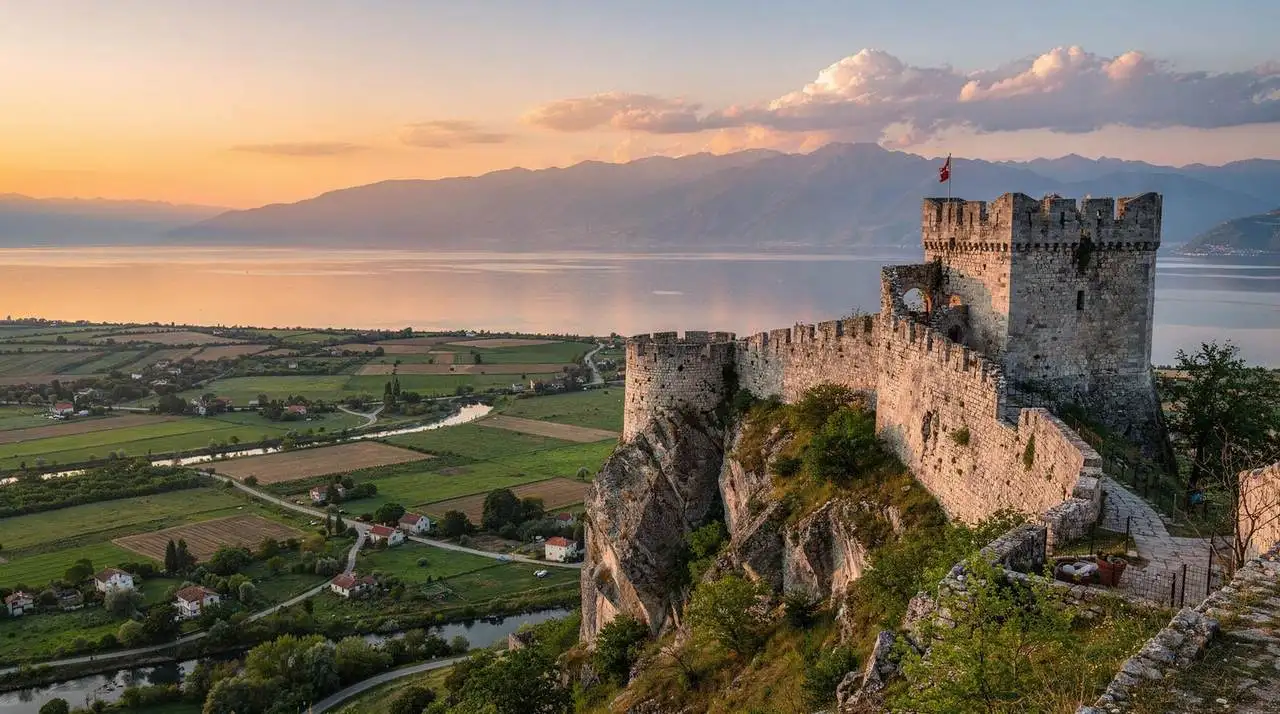
The Rozafa Castle, the dramatic hilltop fortress that dominates Shkodra’s skyline and is the city’s most visited landmark, has a small selection of cafes and simple restaurants at its base and within the outer castle precinct. These are primarily for visitors to the castle rather than serious dining destinations, but the views from the castle-side terraces — across the confluence of the Drin and Buna rivers, with Lake Shkodra visible to the north and the mountains beyond — are extraordinary.
A coffee or beer at the castle base, taken on the terrace with this view, is one of Shkodra’s finest simple pleasures. For a full meal, return to the city restaurants.
Combining Food with Shkodra’s Cultural Life
Shkodra’s restaurant culture exists within a context of genuine cultural richness that makes the food experience more resonant. The Marubi National Museum of Photography — the finest photography museum in Albania, housing the work of the Marubi dynasty of photographers who documented Shkodra and northern Albania from the 1850s onward — is within easy walking distance of the main restaurant district.
Visiting the Marubi museum before dinner — seeing the faces and streets and mountain landscapes of Shkodra across 150 years of photographic documentation — provides a historical depth to the subsequent meal that makes even simple lake fish more interesting. The faces of the fishermen in the 19th century Marubi photographs are the ancestors of the fishermen whose catch arrives in the restaurants today.
The Bazaar Area
Shkodra’s old bazaar retains more commercial character than most Albanian bazaars — the mix of craftsmen, food vendors, hardware sellers, and textile traders that constitutes a functioning Ottoman-legacy market is more complete here than in most Albanian cities, where the bazaar has been reduced to a tourist-facing market of handicrafts.
The food side of the Shkodra bazaar includes fresh produce stalls with northern Albanian seasonal products, dried herbs and spices, local honey (the mountain honey from the northern highlands is among the best in Albania), and the dried and preserved foods that northern mountain cooking traditionally relied on. Shopping here before a picnic lunch or a self-catering dinner is one of Shkodra’s more rewarding food experiences.
Seasonal Eating in Shkodra
Spring (April-May): The lake fish supply is strong following the winter, and the weather is ideal for both dining and the Rozafa Castle walk that pairs naturally with a Shkodra food day. Mountain wild greens begin appearing at traditional restaurants.
Summer (June-September): Peak season for the Koman ferry circuit, meaning restaurants near the ferry departure point see the heaviest traffic. Lake fish remains available throughout, though reservations matter more in July-August.
Autumn (October-November): A quieter and arguably better season — the mountain honey and dairy from the Alps hinterland are at their best, and the lake fish restaurants are less crowded. Good weather for combining a Shkodra meal with a Rozafa Castle visit.
Winter (December-March): The city’s restaurant scene remains genuinely local, since Shkodra does not depend on international tourism the way the Riviera does. Lake fish and hearty Gheg cooking suit the cooler northern Albanian winter well.
Practical Dining Tips for Shkodra
Book ahead for lake fish: The best traditional carp restaurants have limited capacity and local regulars. A reservation the same morning is advisable for dinner at the top establishments.
Ask about the daily fish: The catch varies daily. Asking what the restaurant received that morning, and ordering based on the answer rather than the fixed menu, consistently produces the best results in Shkodra’s lake fish restaurants.
Northern Albanian raki: Shkodra has excellent local raki production from the surrounding mountain areas. Asking for the house raki at a traditional restaurant typically produces an unlabeled bottle of genuinely artisanal spirit that is a pleasure to drink alongside the lake fish.
Language: Shkodra is north Albanian territory and English is less widely spoken in non-tourist-facing establishments than in Tirana or the Riviera. Albanian is the key language; a translation app covers the rest.
The Shkodra Wine Tradition
While Shkodra is not associated with wine production in the way that Berat or Korca are, the city has a traditional relationship with local raki production and — increasingly — with imported Albanian wines that deserve mention for visitors interested in the drinks side of Albanian food culture.
The northern Albanian mountains that surround Shkodra — particularly the highlands of the Malësia area — have a strong raki tradition using plum, pear, and grape as base materials. The mountain raki from these areas (raki mali) is a genuinely artisanal product when from traditional producers, and several Shkodra traditional restaurants stock unlabeled bottles from known northern highland producers.
For wine, the house wine at Shkodra restaurants typically comes from the Berat or Elbasan wine corridors — Albanian reds and whites from the country’s main wine-producing regions. The mountain location and northern agricultural tradition mean that wine production in the immediate Shkodra area is minimal, but the wines available from the south are the same Albanian varieties that appear across the country. The Albanian wine guide provides full context on what to look for.
Beer in Shkodra is dominated by Birra Tirana (the local standard) and the imported Korca beer from the east. The cafe culture is stronger than the beer culture in this city, and the espresso ritual is taken at least as seriously as anywhere in Albania.
The Albanian Alps Connection: Food from the Mountain Hinterland
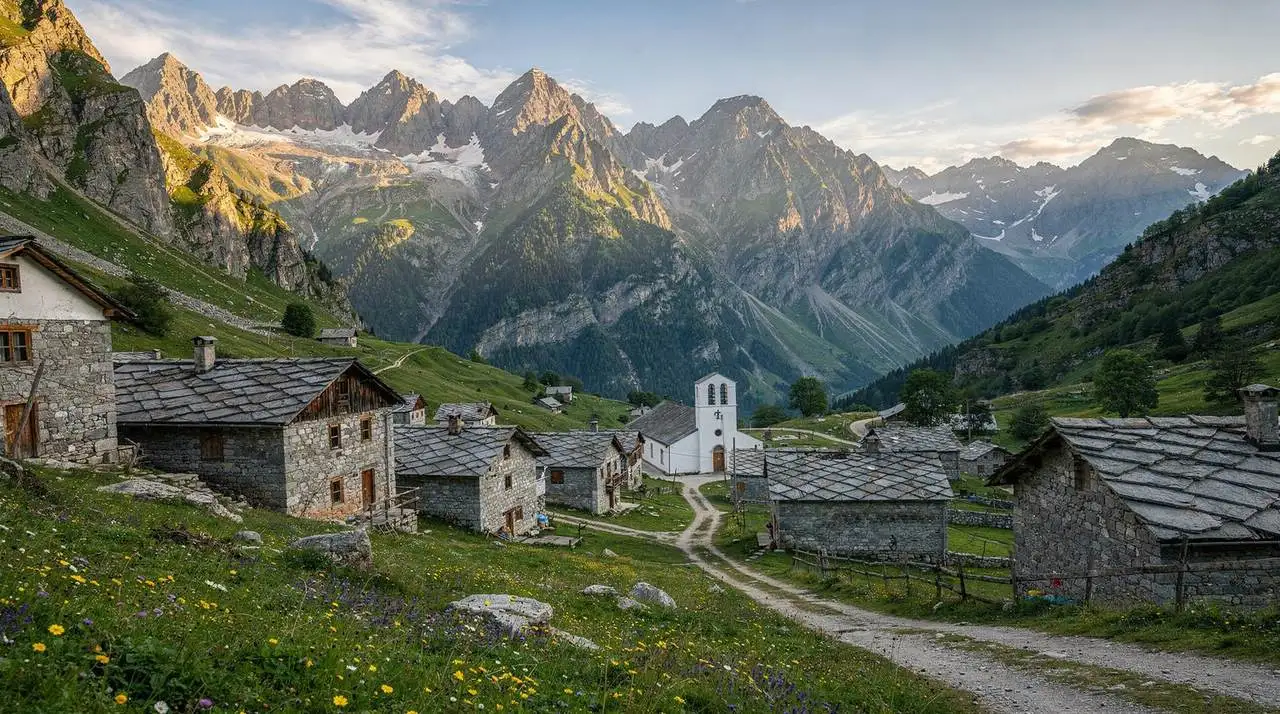
Shkodra’s position as the gateway to the Albanian Alps — specifically to Theth and the Valbona Valley — means it serves as the supply and departure point for the most dramatic mountain region in the country. This geographical relationship gives the city’s food market direct access to the products of the northern highlands: mountain dairy, highland lamb and goat, wild honey, dried mushrooms, and the preserved mountain herbs that northern Albanian cooking uses.
The products in Shkodra’s market that come from the Albanian Alps are among the finest examples of Albanian artisanal food production. The highland cheese (djath malësi) made from sheep or cow milk in the traditional mountain dairy style is firmer and more flavourful than the mass-produced white cheese available elsewhere. The mountain honey — particularly from the high pastures above Theth and Valbona where the flora is extraordinarily diverse — has a complexity and flavour depth that lowland honey cannot match.
Visiting the Shkodra market with an eye for these mountain products is rewarding even for visitors who have no intention of cooking. The display of mountain dairy, highland fruits, and dried herbs from the northern highlands provides an edible introduction to the landscape that Theth and Valbona provide visually.
Shkodra Compared to Berat and Korça for Regional Cooking
Shkodra’s northern Gheg cuisine stands apart from Albania’s other regional food capitals. Where Berat leans on Mediterranean-influenced lamb and wine, and Korça has its French-boulevard beer culture and eastern highland dairy, Shkodra’s identity is built almost entirely around the lake — the carp, the koran, the eel — supplemented by a heartier, more meat-focused mountain kitchen than either of the other two cities. Visitors who make the effort to eat in all three regions come away with a genuinely different picture of Albanian food than a single-city visit would provide.
Shkodra During the Koman Lake Ferry Circuit
Many travellers come through Shkodra as part of the famous Koman Lake ferry circuit — arriving from Tirana by bus or car, spending a night, taking the morning ferry to Fierza, then continuing to Valbona and Theth. This transit function gives Shkodra’s restaurants a specific role: the evening meal before the ferry departure.
The practical implications are that some restaurants near the central accommodation area see a regular clientele of travellers who are passing through rather than lingering. This has not, fortunately, converted them into tourist-trap operations — the Shkodra food culture is too locally grounded for that — but it means the restaurant recommendations that circulate among ferry-circuit travellers are somewhat different from those known to longer-staying visitors.
For the pre-ferry dinner, the lake fish restaurants near the Buna remain the best choice. The koran or carp dinner the evening before the morning ferry provides both a memorable meal and a connection to the lake-fish tradition that the Koman Lake ferry guide describes in its broader context.
Frequently Asked Questions About Restaurants in Shkodra
What is Shkodra’s most famous dish?
Tave e krapi — carp baked in a clay pot with onions, tomatoes, and herbs — is Shkodra’s signature dish and the food most associated with the city’s culinary identity. The dish reflects the lake fishing tradition that has fed the city for centuries and is prepared differently here than anywhere else in Albania. Any traditional restaurant near the lake shore or Buna River is the appropriate place to try it.
Where are the lake fish restaurants in Shkodra?
The best lake fish restaurants are concentrated near the Buna River and along the roads leading toward the lake shore. They are typically small establishments with Albanian-only menus and local clientele. The accommodation hosts in Shkodra can usually direct visitors to the best current options, as specific restaurant recommendations change over time. The key question to ask in Albanian is “ku e gjej krap të freskët?” (where can I find fresh carp?).
Is Shkodra good for vegetarian food?
Less so than Tirana or Saranda. Northern Albanian cooking is heavily meat and fish oriented, and the culinary tradition is less accommodating of vegetarian preferences than the more cosmopolitan south. Salads, byrek with cheese or spinach, and grilled vegetable preparations are available at most restaurants. The bazaar market is excellent for fresh produce self-catering. Strict vegans will find Shkodra challenging without self-catering provisions.
Is it worth a detour to Shkodra just for the food?
For most travellers, Shkodra’s food is a reason to extend a stay that is already happening for the Alps or Lake Shkodra, rather than a standalone destination. That said, the tave e krapi is genuinely distinctive enough that food-focused travellers building a full Albanian regional-cuisine tour should not skip it.
Can I find Shkodra’s lake fish anywhere else in Albania?
Not in the same form. While other Albanian cities serve freshwater fish occasionally, the specific tave e krapi tradition and the concentration of restaurants built around Lake Shkodra’s carp, koran, and eel are unique to this city and its immediate surroundings near the Buna River.
What is the price range for restaurants in Shkodra?
Shkodra is one of Albania’s most affordable cities for eating. Budget eating (byrek, market stalls) costs EUR 2-5 per meal. Traditional restaurants with lake fish specialities run EUR 8-15 per person for a full meal with wine or beer. The most expensive restaurants in Shkodra would be considered mid-range in Tirana and budget in Western Europe. The absence of a large international tourist market keeps prices honest.
Can you combine a restaurant visit with a Rozafa Castle trip?
Yes — the castle and the restaurant area are connected within a manageable walking distance. The typical Shkodra day involves morning castle visit (1.5-2 hours), lunch at a lake fish restaurant, afternoon at the Marubi museum and Kolë Idromeno street, and evening cafe or dinner in the old city area. This circuit covers Shkodra’s highlights efficiently and allows the food experience to be integrated with the broader cultural visit rather than separated from it.
Should I eat a big dinner in Shkodra the night before the Koman Lake ferry?
Yes, and it is worth planning for. The Koman Lake ferry departs early, so a substantial dinner the evening before — ideally lake fish near the Buna — sets you up well, since food options become more limited once you are travelling through Fierza toward Valbona and Theth.
What should I eat for breakfast before the Koman ferry?
Byrek from a bazaar bakery and a strong espresso is the standard, practical choice — filling, quick, and widely available near most Shkodra accommodation from early morning. Pack a little extra food for the two-hour ferry crossing itself, as onboard options are minimal.