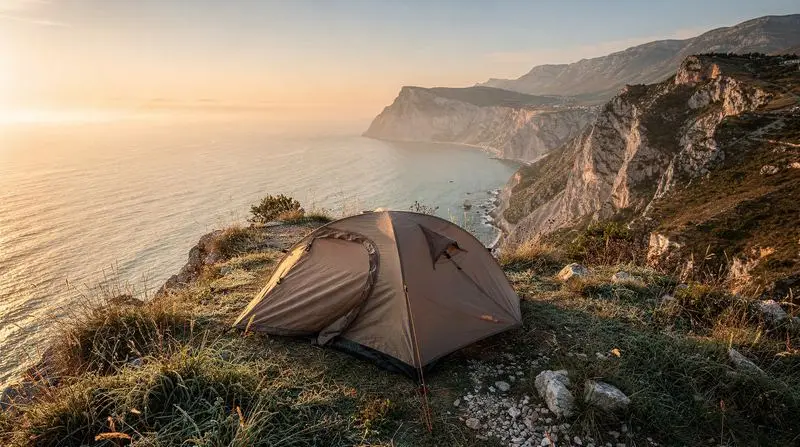
Wild Camping in Albania: Everything You Need to Know
Albania is one of Europe’s most compelling wild camping destinations. A combination of largely undeveloped coastline, vast mountain wilderness, pristine lake shores, and an absence of the restrictive land-access laws that govern many Western European countries makes it genuinely possible to camp in extraordinary places that would be inaccessible or illegal elsewhere on the continent.
This guide covers the legal situation, the best spots for wild camping across all regions, what gear you need, safety considerations, and how to practice responsible low-impact camping in a country whose natural environments deserve protection.
| Legal status | Grey area — tolerated outside core protected zones |
| Cost | Free (bring your own gear or hire locally) |
| Best regions | Riviera coves, Albanian Alps, Lake Ohrid/Prespa shore |
| Season | May–October (coast); June–September (mountains) |
| Water | Carry all water on the coast; filter mountain streams |
The Legal Status of Wild Camping in Albania
The honest answer is: it depends on where you are, and the law is not always clear.
Outside protected areas: Albanian law does not contain a blanket prohibition on camping on undeveloped public land. In practice, wild camping on mountainsides, in river valleys, and on remote sections of coastline is widely practiced and generally tolerated. Locals camp freely in many of these areas themselves.
Inside national parks: Albania has several national parks with varying levels of enforcement. Generally:
- Core zones of national parks (the most strictly protected areas) technically prohibit camping without permission.
- Buffer zones are typically more permissive.
- In practice, enforcement of camping rules in Albanian national parks is minimal. However, this is not an invitation to camp carelessly — it simply reflects the reality on the ground.
On beaches: Beaches in Albania are legally public. Camping on a deserted beach overnight is widely practiced on the Riviera and southern coast. The closer you are to developed tourist areas (Ksamil, Saranda, Himara town), the more likely you are to be asked to move.
Private land: As in any country, camping on clearly private agricultural land without permission is not appropriate. The practical rule is: if there are buildings, crops, or obvious signs of active use, seek permission or find another spot.
The practical summary: Wild camping in remote mountain areas, on undeveloped Riviera coves, and in valley areas away from settlements is common practice and generally encounters no problems. The most important factors are behaving respectfully, leaving no trace, and not camping in areas obviously used by local communities.
The Best Wild Camping Spots in Albania
The Albanian Riviera: Hidden Coves
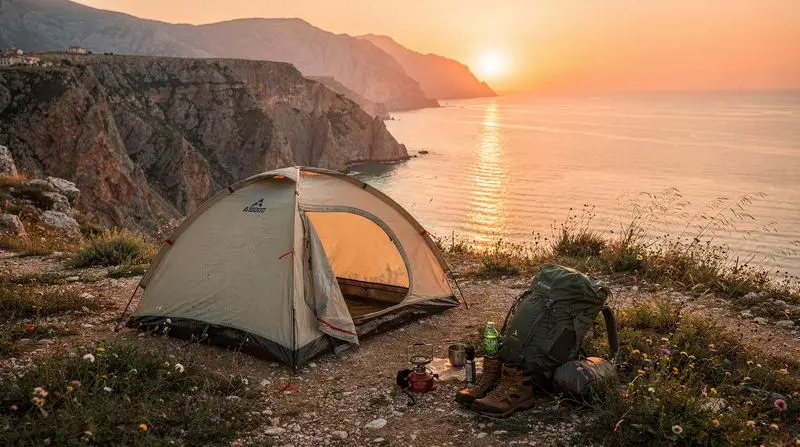
The Riviera between Vlora and Saranda remains one of the few places in the Mediterranean where you can genuinely find a deserted cove and camp. The dramatic combination of limestone headlands, clear Ionian water, and minimal development (outside the main resort beaches) creates wild camping opportunities that feel almost anachronistic in a continent where almost every beach is controlled.
Best approach: The SH8 coastal road provides access to numerous rough tracks heading toward the water. Between Himara and Borsh, between Qeparo and Palasa, and on the approach to Lukova, dirt tracks (some requiring a vehicle with good clearance, some walkable) lead to coves with no permanent facilities.
What to bring: All water (there is no fresh water on the coast — bring a minimum 3-4 liters per person per day in summer), all food. The terrain is rocky limestone with sparse vegetation, so a good sleeping mat is essential. Summer temperatures at sea level stay warm overnight (22-26°C) so heavy sleeping kit is not needed.
Season: May to October is camping weather on the Riviera. July and August are very hot but the overnight sea breeze makes sleeping comfortable at the water’s edge. October sees the first autumn storms — check forecasts carefully.
The Albanian Alps: Mountain Wild Camping
The Albanian Alps (Bjeshkët e Namuna — the Accursed Mountains) offer the most dramatic wild camping in the country. The area between Valbona, Theth, and the mountain passes above includes opportunities for camping that rival anything in the Alps — without the crowds.
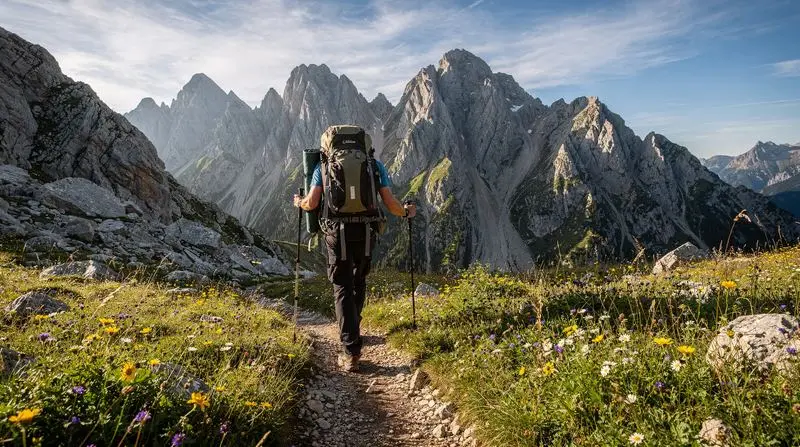
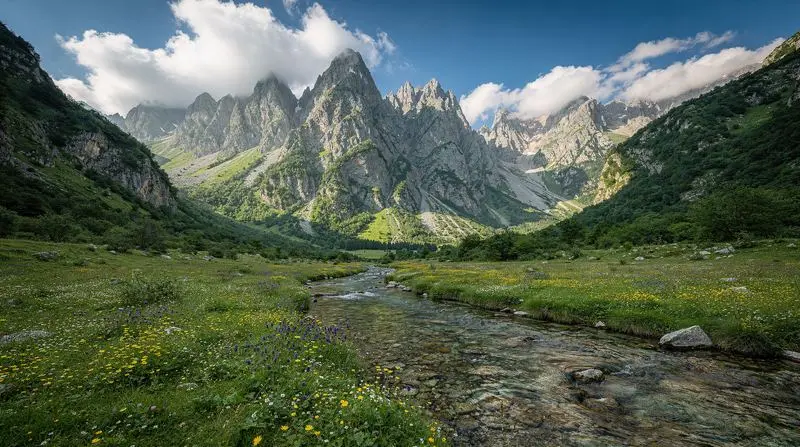
The Valbona-Theth route: The trail between the two valleys crosses mountain terrain at 1,800m. Numerous flat saddles, valley benches, and stream-side meadows along this trail and its approaches are used by multi-day trekkers as wild campsites. Water is plentiful from streams (treat before drinking; carry a filter).
Peaks of the Balkans circuit: This international trail through Albania, Kosovo, and Montenegro passes through some of the most remote mountain terrain in Europe. Designated campsites exist at some points on the route, but wild camping between them is common practice among trekkers doing the full circuit.
Above Theth: The peaks and ridges above Theth village offer outstanding high-altitude camping with extraordinary views. Approach trails from Theth are well-marked. The Arapi peak area (2,217m) has flat ground suitable for tents near the summit.
Near Valbona: The valley floor of Valbona is not ideal for wild camping (it is agricultural land), but the side valleys and the ridge approaches above the valley have excellent terrain.
What to bring: Full mountain camping kit is needed — three-season sleeping bag, insulated sleeping mat, poles and stakes for rocky ground, waterproof fly (afternoon thunderstorms are common June-September), navigation (downloaded offline maps). Water is available from mountain streams — a filter or purification tablets are essential.
Lake Ohrid Shore and Prespa Lakes
Lake Ohrid: The Albanian shore of Lake Ohrid, around Pogradec and south toward the North Macedonia border, has sections of undeveloped lake shore suitable for wild camping. The lake is extraordinarily clear (among the clearest in Europe) and the camping experience here — at the lake edge, mountains above, reflections at dusk — is memorable.
Lake Prespa (Great and Small Prespa): Albania’s section of the Prespa lakes area is little-visited and has genuinely remote lake-shore camping. The area has some nature reserve status, so approach with care and practice strict leave-no-trace behavior.
Lake Shkodra: Albania’s section of Lake Shkodra (Liqeni i Shkodrës) has some wild camping possibility, though the marshy nature of much of the shore limits suitable sites. The eastern shore toward Koplik has drier areas.
Mountain Pasture Areas: Highlands Above Permet and Gjirokastra
The highland areas of southern Albania — above Permet, the Ostrovica area, and the mountain pastures of the Lunxhëria range — offer wild camping with a character distinct from the northern Alps. These are gentler, greener mountains with summer pastures (katund) and shepherds’ tracks.
The Osumi Canyons area near Corovoda is spectacular — camping on the canyon rim above one of Albania’s most dramatic gorges. The canyon itself is best accessed by a guided kayak or rafting trip; the plateau above can be reached by vehicle track.
Reaching Wild Camping Areas Without a Car
Not every wild camper is driving a hire car, and Albania’s public transport network — mostly furgon (shared minibus) routes — can get you close to most of the areas covered here, with a final stretch on foot.
Riviera coves: Furgons run the SH8 coastal road between Vlora and Saranda throughout the day in season, stopping on request at Himara, Qeparo, Borsh, and Lukova. Ask the driver to drop you near the dirt track you want, then walk in — most cove approaches are 15-40 minutes on foot from the main road.
Albanian Alps: Theth and Valbona are both reached by furgon from Shkodra, a 2-3 hour ride on unpaved mountain roads in the final stretch. From either village, the trailheads for wild camping on the ridges and passes above are within a few hours’ walk. The hiking the Albanian Alps guide has route-by-route timings.
Lake shores: Pogradec (Lake Ohrid) and the Prespa lakes are reachable by furgon from Korça or Tirana; onward access to remote shoreline stretches generally needs a short taxi or a long walk.
Choosing Where to Wild Camp: A Regional Comparison
| Region | Difficulty of access | Water | Best season |
|---|---|---|---|
| Riviera coves | Easy — furgon + short walk | None — carry all water | May–October |
| Albanian Alps | Moderate — furgon + multi-hour trek | Streams (filter) | June–September |
| Lake Ohrid/Prespa | Easy–moderate — furgon + short walk/taxi | Treat before drinking | May–October |
| Osumi Canyon plateau | Moderate — vehicle track or guided trip | Carry your own | May–October |
Camping in the Albanian Alps guesthouses is a good fallback if weather turns or gear is limited — several are en route to the wild camping zones around Theth and Valbona and welcome a one-night stop without a full booking commitment. Serious multi-day trekkers doing the Peaks of the Balkans trail will pass in and out of designated and wild sites on the same circuit, so plan gear around the longer stretches rather than the easiest one.
Essential Gear for Wild Camping in Albania
For Coastal/Riviera Camping
- Tent with good ventilation (it is hot)
- Lightweight sleeping bag or sheet bag (summer only)
- Self-inflating sleeping mat (rocky ground)
- Water: large capacity and purification (iodine tabs or filter)
- Cooking kit or cold food (no fires on dry coastal scrubland — serious fire risk)
- Strong sun protection, hat, after-sun
- Headlamp with spare batteries
- Trowel for waste burial
- Waste bags — pack out everything
For Mountain Camping
- Three-season tent with solid wind resistance (mountain storms are sudden and strong)
- Three-season sleeping bag (nights at altitude can reach 5-8°C even in July)
- Insulated sleeping mat
- Navigation: phone with downloaded offline maps (Maps.me or Gaia GPS), compass, printed map for complex routes
- Water filter (MSR, Sawyer, or similar)
- Mountain weather layer: fleece plus waterproof jacket
- Trekking poles
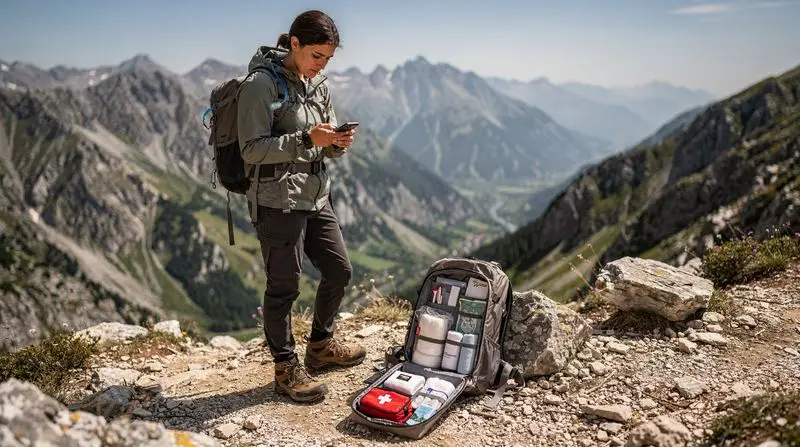
- First aid kit including blister care, anti-inflammatory, antihistamine
- Emergency whistle and emergency bivvy bag
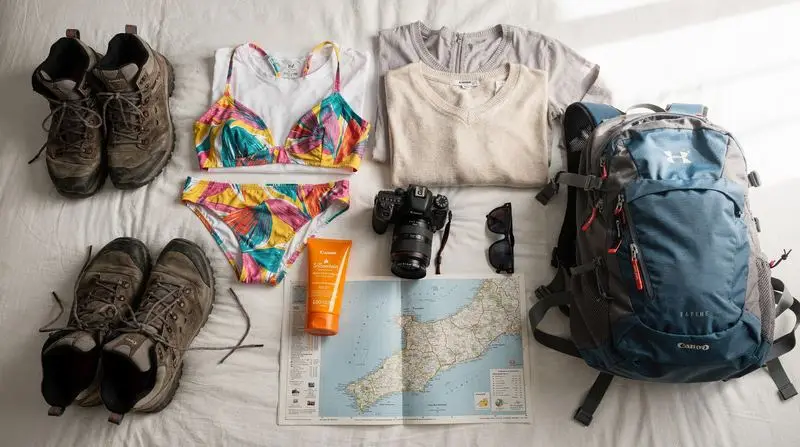
The Albania packing list guide covers general travel gear applicable to all Albania trips.
Water Sources and Safety
Mountain water: Albania’s mountain streams and rivers are generally clean and can be drunk after filtering or purification. The main contamination risks are from livestock pasture in higher valleys — treat all water, do not rely on visual clarity as a safety indicator.
Coastal water: There are no fresh water sources on the limestone Riviera coast. This is the single most important practical constraint for Riviera wild camping — you must carry all drinking water with you. In summer heat, a minimum of 3 liters per person per day is needed; 4-5 liters if active.
Lakes: Lake water can harbor waterborne pathogens, particularly in areas with livestock access. Always treat before drinking.
Fire Safety
Coastal areas: Do NOT light open fires on the Riviera or on coastal hillsides. The combination of dry summer conditions, dry grass and shrubs, and persistent winds creates serious wildfire risk. Wildfires are an ongoing problem in Albania. Use a camp stove for all cooking.
Mountain areas: Open fires in the Albanian Alps are possible in designated spots near some campsites. In the broader mountain terrain, use a stove. Never light a fire on windy days, always on mineral soil well away from vegetation, and always fully extinguish before leaving.
Forest areas: Open fires in forest are strongly inadvisable anywhere in Albania during summer.
Leave-No-Trace Principles in Albania
Albania’s natural environments are genuinely beautiful and genuinely under pressure. Plastic pollution, irresponsible camping, and the absence of infrastructure in many wild areas means that camper behavior directly affects what these places look like.
Pack out everything. There is no rubbish collection in wild areas. Everything you bring in comes out. This includes food waste, packaging, cigarette ends, and anything else. A rigid rule: if you carried it in full, you can carry it out empty.
Human waste: Use a trowel to bury waste at least 70 meters from water sources, trails, and campsites. Burn or pack out toilet paper. On the coast, away from water sources, bury at depth.
Water impact: Do not use soap or shampoo in or near natural water sources. Even biodegradable soaps affect aquatic ecosystems.
Wildlife: Albania has wolves, bears, and lynx in mountain regions. Store food in sealed bags and do not leave food out. Bear encounters are very rare but possible above 1,500m.
Campfire scars: If you do light a fire in an appropriate location, dismantle the fire ring, scatter the ash, and restore the ground to natural appearance before leaving.
Safety Considerations
Wildlife
Brown bears exist in the Albanian Alps at low population density. They are rarely encountered and attacks are extremely rare. Store food properly (not in your tent), make noise on trails, and do not approach any wildlife.
Snakes are present throughout Albania. The horned viper (gjarper) inhabits rocky areas and low scrubland — exactly the terrain of Riviera wild camping. Shake out footwear before putting on, do not put hands under rocks, wear ankle-covering footwear on approach tracks.
Weather
Mountain weather changes rapidly. Always check forecasts before heading above treeline (weather.com, Windy.com, and the local Met service all have reasonable Albania coverage). Afternoon thunderstorms are common June through September. If caught above treeline in a storm, descend immediately and avoid exposed ridges.
Coastal storms in autumn can arrive quickly. Check weather before committing to a remote cove.
Navigation
Getting lost in the Albanian Alps is a real risk. Trails are marked on the Peaks of the Balkans network but less so on secondary routes. Download offline maps before any backcountry camping trip. Tell someone your route and expected return time.
Travel Insurance
Standard travel insurance often excludes activities described as “adventure activities.” Ensure your policy covers hiking and camping, including mountain rescue if you are planning alpine camping. See the Albania travel insurance guide.
Mobile Signal and Emergencies
Signal coverage is patchy above the treeline in the Albanian Alps and non-existent in parts of Theth and the approaches to Valbona. On the Riviera, coverage is generally good along the SH8 but drops in some of the deeper coves. Save the local emergency number (112, which works across Albania for police, fire and ambulance) before you lose signal, and tell your guesthouse or a contact your planned route and return time — the single most useful safety habit for backcountry camping anywhere in the country. In the national parks with ranger presence, rangers can sometimes assist with local knowledge on current conditions.
Combined Camping and Touring
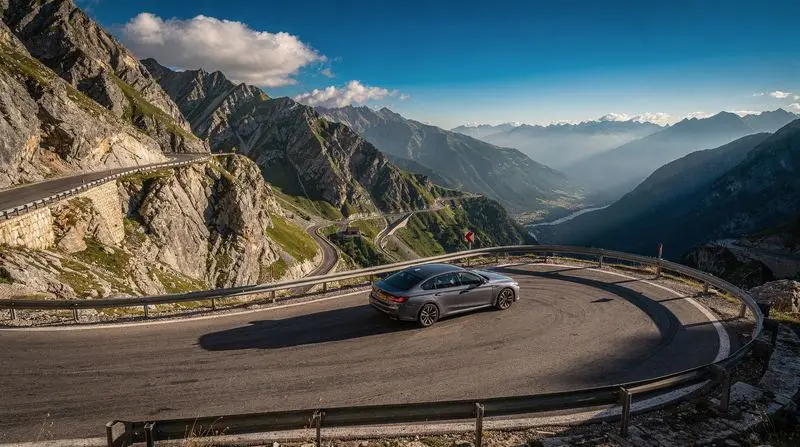
For those combining wild camping with touring the country, the Albania road trip guide has route information. A vehicle with a roof tent or capable of carrying camping gear significantly extends wild camping options — you can reach remote coastal tracks and highland areas that are not accessible on foot.
The camping Albania guide covers organized campsites as a complement to wild camping.
A Koman Lake and Shala River boat tour from Shkodra provides access to the Shala River canyon — a wilderness area where camping on the riverbanks is one of Albania’s most memorable overnight experiences.
For those doing the full Peaks of the Balkans circuit with camping, a guided 3-day Valbona to Theth crossing from Shkodra handles logistics and can be extended with additional days for mountain camping.
Frequently Asked Questions About Wild Camping in Albania
Is wild camping legal on Albanian beaches?
Albanian beaches are legally public land, so camping on a remote beach overnight is not explicitly illegal. In practice, this is widely done and rarely challenged in deserted locations. Avoid camping on or adjacent to private beach club areas or resort-associated beaches. The further from developed areas, the more relaxed the situation.
Are there bears in Albania and is it safe to camp?
Brown bears exist in the Albanian Alps at low density. The risk to campers is very low — bears are shy and encounters are extremely rare. Standard food storage practices (sealed containers or bear bag hung from a tree) are appropriate for mountain camping above 1,000m. There have been no recorded bear attacks on campers in Albania in recent years.
What is the best season for wild camping in Albania?
May-June and September are the ideal months. The weather is warm and settled, water sources are active, and the combination of mountain wildflowers and lower summer crowds makes conditions excellent. July-August is hot on the coast but the nights are warm and the sea cools things down; mountain camping remains excellent. October brings increasing storm risk. Winter camping in the Alps requires full winter expedition kit and experience.
Can I have a campfire on Albanian beaches?
No. Open fires on or near the Albanian Riviera coastline are dangerous due to wildfire risk from dry summer vegetation. Use a gas stove for all cooking. This is not merely a legal consideration — wildfires are a genuine environmental threat in Albania and responsible visitors should not contribute to the risk.
Can I wild camp without a car in Albania?
Yes. Furgons (shared minibuses) reach the SH8 Riviera road, Shkodra, Theth, and Valbona, putting most wild camping areas within a walk of a drop-off point. A vehicle extends your options — particularly for remote Riviera coves and the Osumi Canyon plateau — but is not essential for the Alps or the main coastal stretch.