Camping in Albania: The Complete Guide for 2026
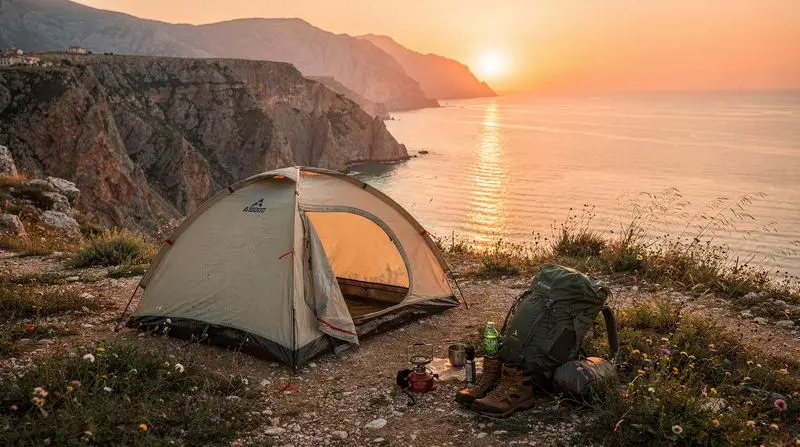
Albania is one of Europe’s last places where camping still feels genuinely free. While Western Europe has become increasingly hostile to wild camping — with fines, wardens, and private land blocking every green patch — Albania remains refreshingly open. Travelers pitch tents on Riviera clifftops, sleep under olive trees in the Alps, and park campervans beside deserted beaches without interference.
That said, camping in Albania rewards those who understand the unwritten rules. This guide covers everything: where wild camping is accepted, the handful of proper campsites with facilities, van life realities, gear recommendations, and the honest downsides nobody tells you about before you arrive.
| Legal status | No formal ban; widely tolerated outside populated areas |
| Best spots | Gjipe Beach, Jale, Valbona Valley, Theth, Llogara Pass |
| Organized campsites | 6-8, from EUR 5-12/tent/night |
| Best season | May-June and September-October |
| Cost | around EUR 9-29/day wild camping, EUR 15-39/day at a campsite |
Is Wild Camping Legal in Albania?
Albania does not have a formal law explicitly permitting wild camping, but it also lacks the prohibitive regulations found in neighboring EU countries. The practical reality is that wild camping is widely tolerated, particularly outside populated areas. Albanian locals who encounter wild campers are generally curious or friendly rather than hostile.
The key nuances:
National parks: Camping is officially regulated in national parks like Theth and Valbona, but in practice tents are set up regularly on the valley floors and nobody bothers you. The Llogara National Park is more strictly enforced in terms of fire regulations, but camping itself is not actively prevented.
Private land: If you are clearly on someone’s land — an olive grove, a vineyard, near a farmhouse — ask permission. This is both polite and practical. Albanian landowners almost invariably say yes, and often invite you for raki and coffee.
Beach camping: Albania’s beaches are legally public below the high tide mark. Camping directly on the beach is common along the less developed sections of the Riviera, particularly between Himara and Dhermi. Municipal beaches with beach clubs do not allow camping, but the wild coves accessible by boat or foot track are fair game.
Fire regulations: Open fires are discouraged during summer months (July-September) due to wildfire risk. Use a camping stove rather than a fire, especially in the mountains and in dry coastal scrubland.
The Best Wild Camping Spots in Albania
Gjipe Beach and Canyon
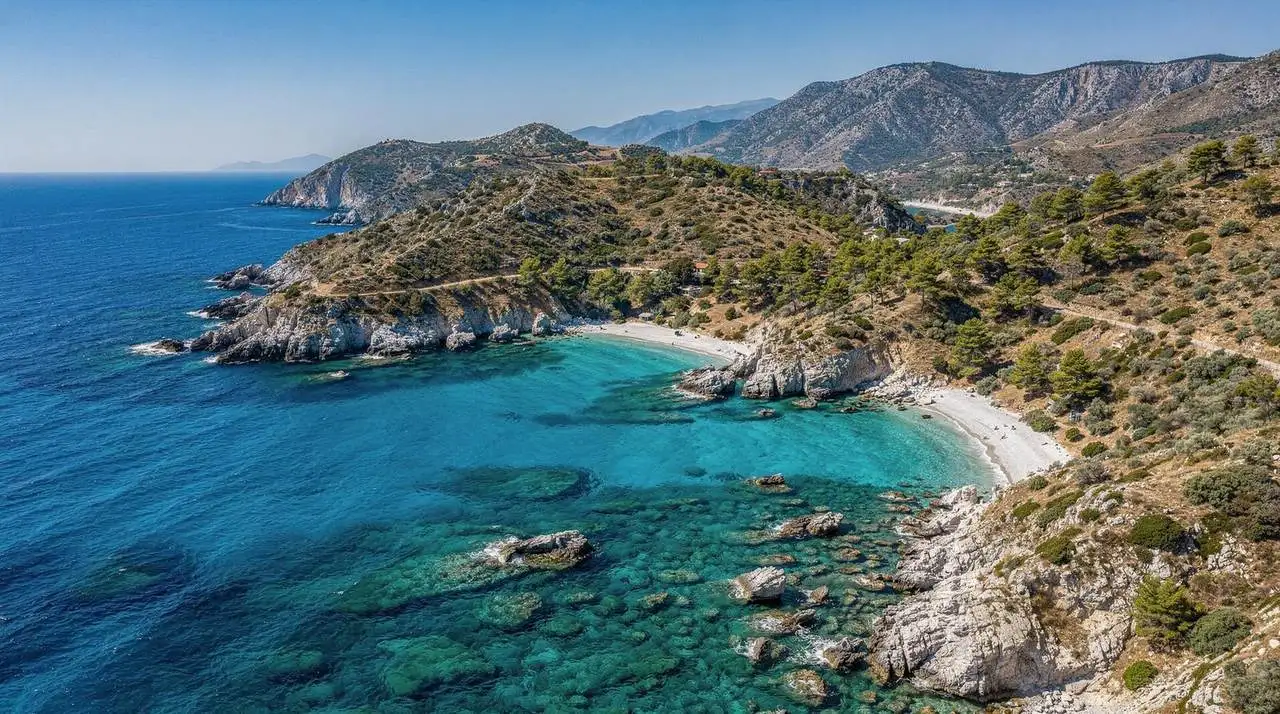
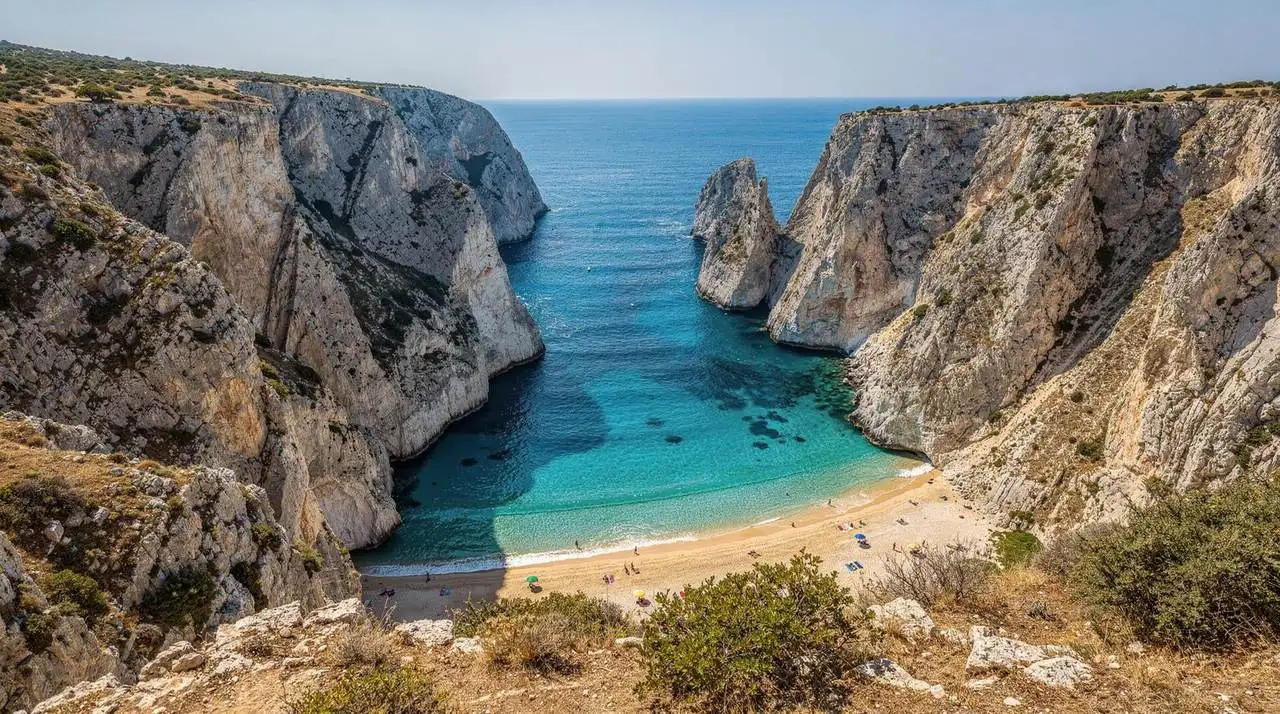
Gjipe is arguably Albania’s finest wild camping location. This double beach sits at the end of a 40-minute canyon walk from the road near Palasa, and there is no road access. Because of this, it stays relatively quiet even in peak summer. The canyon walls provide shade, fresh spring water trickles in some seasons, and the beach itself is a stunning mix of pebble and sand. Many travelers camp here for 2-3 nights, hiking in and out for supplies.
Read more about Gjipe Beach before you visit — the canyon walk is easy but you need to know the access point.
The Albanian Riviera Between Palasa and Lukova
The 30km stretch of coast between Palasa and Lukova contains dozens of small coves accessible only by boat or on foot. This is the heartland of Albanian wild camping. Spots worth seeking out include:
- Jale Beach: Has evolved into a semi-organized camping area with a handful of campsites and beach bars. Good infrastructure but busy in July-August.
- Livadhi i Harimit (Porto Palermo area): Remote coves accessible via rough paths. Minimal facilities but spectacular isolation.
- Borsh Beach: Albania’s longest beach (7km) has organized camping at the northern end and wild camping possible at the quieter southern stretches.
The Albanian Riviera overview covers the full geography so you can plan which section suits you.
Valbona Valley
Valbona offers some of the most dramatic mountain camping in the Balkans. The valley floor has flat grassy sections ideal for tents, and the view of the Valbona peaks at dawn justifies every kilo of gear you carried in. There are no formal campsite facilities here — use guesthouses for showers and food, which are abundant and affordable (full board around EUR 22-25 per person).
Theth
Theth’s valley is slightly more organized than Valbona, with the National Park of Theth having a designated camping area near the church. The guesthouses and their gardens are the most common overnight option, but tent campers are welcomed in the field areas. The access road is rough (4WD recommended for the drive, or take the furgon from Shkodra).
Prespa Lakes Region
The Prespa Lakes area in southeastern Albania, near the North Macedonia and Greece borders, is one of the country’s most underrated camping destinations. The lakeside landscape is serene, bird life is extraordinary, and you will rarely encounter another foreign tourist. Wild camping on the lakeshore is straightforward and uncontested.
Llogara Pass (1,027m)
Camping at Llogara Pass gives you one of Albania’s most memorable mornings — clouds below, pine forest above, and the entire Riviera coast glittering far beneath. The pass itself has a few picnic areas and the famous Llogara Restaurant, but walk 10 minutes into the pines and you will find flat pitches away from the road noise.
Organized Campsites in Albania
Albania’s organized campsite infrastructure is modest but growing. These are the main options in 2025-2026:
Jale Camping (Jale Beach)
The most established camping area on the Riviera. Several operators run side-by-side setups on Jale Beach offering:
- Tent pitches: EUR 5-8 per night
- Basic bungalows: EUR 15-25 per night
- Shared bathrooms, showers (sometimes cold), basic snack bars
- Beach access, kayak rental, beach volleyball
Jale gets very crowded in July and August with Albanian domestic tourists and a growing international crowd. Book ahead for bungalows; tent pitches are generally first-come.
Camping Lisus (Lezha area)
Located near the mouth of the Drin River in northern Albania, Camping Lisus is one of the country’s more developed sites with hot showers, a restaurant, a pool, and electricity hookups for campervans. Prices: EUR 8-12 for a tent pitch, EUR 25-35 for a campervan with hookup. A good base for exploring the north coast, Shkodra, and the Albanian Alps.
Kune-Vain Lagoon Area
The lagoon system near Lezha offers basic wild camping and a few semi-organized spots. This is primarily a birdwatching destination, and the camping is more about immersion in the wetland environment than facilities.
Saranda Area
A few guesthouses south of Saranda toward Ksamil have expanded into camping and glamping, offering tent pitches in their gardens. Expect EUR 8-12 per night. Not officially campsite infrastructure but functional.
Permet and Benje
The area around Permet in southeastern Albania, near the Benje Thermal Baths, has informal camping. Some guesthouses in Permet allow tent camping in their gardens for around EUR 5-8. The river setting is beautiful.
Van Life and Campervan Travel in Albania
Albania has become a legitimate van life destination over the past few years. European van travelers driving down through Montenegro or Kosovo frequently cite Albania as the highlight. Here is the practical reality:
Road Conditions
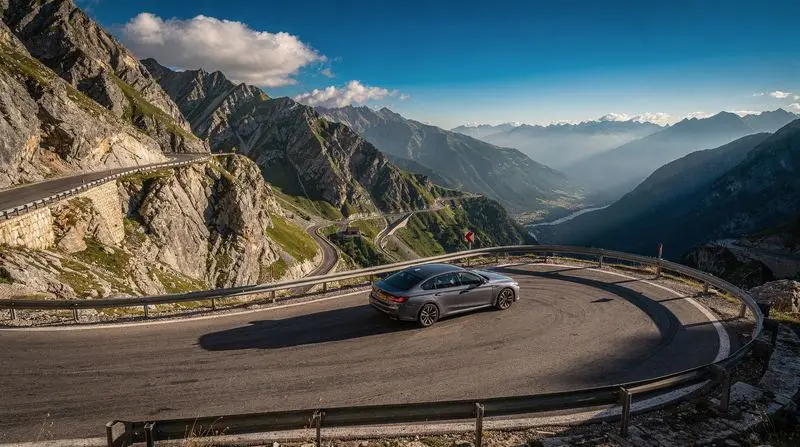
Roads in Albania range from excellent (the motorway from Tirana to Shkodra, the SH4 coastal road) to extremely challenging (mountain tracks to Theth, some interior villages). A high-clearance vehicle handles 90% of Albania, but a full-size motorhome should stick to paved roads. Campervans are well-suited.
The Albania road trip guide gives detailed road condition information by route.
Motorhome Parking and Overnight Stops
Wild parking overnight is practiced without issue throughout Albania. Popular spots include:
- Saranda waterfront (park above the town on the hill road for sea views)
- Borsh Beach northern access road
- Himara town car park (walk to restaurants, shops)
- Llogara Pass pull-offs
- Valbona valley road end (where the guesthouse area begins)
Wild camping van spots require 4G connectivity (ALBtelecom and Vodafone Albania SIM cards give best coverage) and water carrying capacity, as public water points are limited.
Fuel and Services
Petrol stations are widespread along main routes. Remote mountain areas can be 50-80km between stations — fill up when you can. Albania uses standard European plugs, and campsites with hookups are rare outside Camping Lisus. Solar panels are popular among long-term van lifers here.
Shopping for Camping Food
Albanian village shops (called dyqan) stock basics: bread, cheese, eggs, produce, raki, beer. Supermarkets exist in Tirana, Saranda, Shkodra, Vlora, and Berat. The Riviera has seasonal supermarkets in Himara and Dhermi. Fresh fruit and vegetable markets (tregu) operate in most towns in the morning.
Essential Camping Gear for Albania
For Summer (June-September) Riviera Camping
The heat is the primary challenge. Bring:
- Lightweight tent with good ventilation (avoid cheap single-skin tents — condensation is brutal)
- Sleeping mat (rocky and pebbly ground on the coast)
- Sleeping sheet rather than a sleeping bag (temperatures rarely drop below 22C at night in July-August)
- High-SPF sunscreen — the Albanian sun is aggressive
- Insect repellent — mosquitoes are present near freshwater and lagoons
- Water filter or purification tablets — spring water in mountains is drinkable; coastal springs less so
For Mountain Camping (Theth, Valbona, Prespa)
- Three-season sleeping bag (temperatures drop sharply at night, especially in May and September)
- Waterproof tent — afternoon thunderstorms are common in summer
- Trekking poles — useful on the Theth-Valbona crossing
- Warm layers — mornings at altitude can be cold even in August
General Recommendations
- Camp stove and gas canister (Campingaz standard cartridges are available in outdoor shops in Tirana; bring supplies from home if heading straight to the mountains)
- Headtorch with spare batteries
- Cash in Albanian lek — camping fees and small guesthouses rarely take cards
Safety and Practical Considerations
Theft: Petty theft at camping spots is uncommon in Albania compared to Western Europe, but common sense applies. Do not leave valuables visible in tents or vehicles. The Riviera beach spots can get busy and crowded in peak season.
Dogs: Stray dogs are common throughout Albania. They are rarely aggressive toward people, but can be territorial around campsites, especially at night. Keep food stored securely.
Snakes: The nose-horned viper exists in Albania’s rocky scrubland and mountain areas. Shake out shoes before putting them on and watch where you step in long grass. Bites are rare but possible.
Water: Do not drink directly from coastal streams or standing water. Mountain springs above 800m are generally safe, but filter if in doubt.
Toilets: Wild camping means wild toilet arrangements. Bury waste at least 50m from water sources and 100m from trails. Pack out any non-biodegradable items.
Camping vs. Guesthouses in the Mountains
One of the central questions for mountain visitors: do you camp or stay in the famous Albanian Alps guesthouses?
The guesthouses win on almost every metric for the mountain section:
- Half-board (dinner and breakfast) typically costs EUR 22-28 per person — barely more than a tent pitch with food bought separately
- Hot showers after a long hiking day are transformative
- Guesthouse dinners — homemade bread, local cheese, slow-cooked meat, garden vegetables — are among the best meals in Albania
- Guesthouse hosts provide route information, weather warnings, and genuine hospitality
Camping in the mountains makes sense if you want maximum flexibility and solitude, or are doing multi-day hikes between guesthouses. For the main Theth-Valbona route, staying in guesthouses is strongly recommended even for budget travelers.
The Albania backpacking guide covers guesthouse options in detail.
The Jale Boat Tour Option
One of the best ways to access the most remote wild camping spots on the Riviera is by boat. From Himara, day and half-day boat tours visit sea caves and isolated coves, and some operators will drop passengers at remote beaches for pickup the following morning.
Book an Albanian Riviera boat tour from Himara to scout the best wild camping coves before committing with all your gear. Many travelers do a boat tour on day one to identify their preferred camping spot, then hike in the next day.
Camping Budget Breakdown
Here is a realistic daily camping budget for Albania in 2026:
| Category | Wild Camping | Organized Campsite |
|---|---|---|
| Accommodation | EUR 0 | EUR 6-10 |
| Food (self-catering) | EUR 8-12 | EUR 8-12 |
| Water | EUR 1-2 | EUR 1-2 |
| Transport | EUR 0-5 | EUR 0-5 |
| Activities | EUR 0-10 | EUR 0-10 |
| Daily total | EUR 9-29 | EUR 15-39 |
Camping in Albania is comfortably the cheapest way to travel the country. A two-week camping road trip including ferry from Corfu and fuel costs can come in under EUR 400 per person if you are disciplined about cooking your own food.
When to Go Camping in Albania
May-June: Ideal. Warm, not yet hot, wildflowers in bloom, few crowds. Mountain snow has largely cleared by late May, opening alpine camping.
July-August: Hot (35C+ on the coast), crowded at Jale and popular beach spots. Still perfectly viable but pick less-known spots and camp early to claim the best positions.
September-October: Excellent. Crowds drop sharply after the Albanian school holidays end in late August. Sea still warm, daytime hiking temperatures pleasant. The best month for Riviera camping.
November-April: Mountain camping is only for experienced winter campers. Coastal camping is possible but nights get cold (down to 5-10C in December-January). Very few people camp in winter, and many campsite operators close.
Getting to Camping Spots Without a Car
Albania’s buses and furgons get you to the major towns, but remote camping spots often require a car, motorbike, or willingness to walk. Options for car-free campers:
- Take a furgon from Shkodra to Theth or Valbona (seasonal, summer only)
- Hire a taxi for the day to drop you at a remote spot (agree a pickup time)
- Join a boat tour to access Riviera coves
- Rent a scooter from Saranda or Himara — viable for most Riviera camping spots
Final Verdict: Should You Camp in Albania?
Yes — enthusiastically. Albania offers a camping experience that has largely vanished from Western Europe: genuine freedom, stunning settings, almost no bureaucracy, and rock-bottom costs. Wild camping on the Riviera or in the Albanian Alps is one of those travel experiences that stays with you.
Go in May, June, or September for the best conditions. Bring your own camping gas. Be respectful of private land and local communities. And for the mountains, consider supplementing camping with a night or two in the extraordinary Albanian guesthouses — the home cooking alone is worth it.
For more practical planning, see the Albania road trip guide if you are driving, or the full Albania backpacking guide for car-free travel.
Camping Near Albania’s National Parks
Several of Albania’s national parks make natural camping bases beyond the spots already covered. Vjosa National Park, protecting Europe’s last major wild river, has informal riverside camping near Permet, often combined with a soak at the nearby thermal baths. Divjaka-Karavasta, the pelican-breeding wetland on the coast between Tirana and the Riviera, allows camping near the pine forest edge for visitors combining birdwatching with a night under the stars. Both are quieter alternatives to the Riviera’s more popular wild camping spots.
Camping vs. Budget Guesthouses: A Cost Comparison
For travelers weighing camping against Albania’s famously cheap guesthouses, the gap is smaller than it first appears once meals are factored in.
| Wild camping + self-catering | Budget guesthouse (half-board) | |
|---|---|---|
| Cost/night | EUR 8-12 | EUR 20-28 |
| Hot shower | Rarely | Always |
| Meals included | No | Yes (dinner + breakfast) |
| Local insight | Minimal | High — hosts share route/weather advice |
| Best for | Riviera coves, flexible itineraries | Mountain routes (Theth, Valbona) |
For the Theth-Valbona crossing specifically, the hiking in the Albanian Alps guide explains why most hikers choose guesthouses over camping despite the cost difference — the home-cooked meals and route advice are worth it after a full day on the trail.
Frequently Asked Questions About Camping in Albania
Is camping allowed in Albania?
Wild camping is generally tolerated in Albania and widely practiced, particularly in the Albanian Alps and along the Riviera. There are no comprehensive camping regulations that restrict outdoor sleeping. Always ask permission before camping on private land, respect agricultural areas, and leave no trace. Formal campsites are available near Jale beach and in the Theth valley.
Where can you camp in Albania?
The best camping areas are the Jale bay on the Albanian Riviera (a well-established informal camping scene with basic facilities), Drymades beach (camping area at the northern end), the Valbona valley (camping alongside guesthouses), and various spots in the Albanian Alps. For mountain camping, guesthouses are typically so affordable that they are often the better choice.
How much does camping cost in Albania?
Wild camping is free. Established informal campsites at Jale and Drymades charge EUR 5-10 per tent per night during peak season, often including basic shower facilities. Camping areas near guesthouses in Theth sometimes charge EUR 5 per tent. Compared to Western European campsite prices, Albanian camping is extraordinarily affordable.
What is the best time of year to camp in Albania?
May, June, and September offer the best camping conditions — warm enough for comfortable nights, without the intense July-August heat and crowds. June camping at Jale offers excellent beach conditions with far fewer visitors than peak season. September in the Albanian Alps is ideal: stable weather, fewer hikers, and spectacular autumn colours in the beech forests.
Do I need to bring camping gas to Albania?
Yes, bring camping gas canisters from home or purchase them in Tirana before heading to remote areas. Camping gas is available at outdoor shops in Tirana but not reliably found in smaller towns, mountain villages, or Riviera settlements. Isobutane canisters (the most common type for modern stoves) are stocked at some sporting goods stores in the capital.
Is camping in Albania safe for solo travelers?
Generally yes. Petty theft at camping spots is uncommon compared to Western Europe, and Albanians encountering solo campers are typically curious or hospitable rather than threatening. Standard precautions apply: do not leave valuables visible in a tent, be aware of stray dogs (rarely aggressive but occasionally territorial at night), and let someone know your general plans if camping in remote mountain areas like Theth or Valbona.
Solo travelers on the Riviera often find the informal, semi-organized spots like Jale offer a natural safety-in-numbers effect during peak season, since other campers are nearby, while more remote coves reward the extra caution of telling someone your plans. Women traveling and camping solo generally report positive experiences in Albania, though the same common-sense precautions that apply to any solo wild camping anywhere apply here too — the female solo travel Albania guide covers this in more depth for the wider trip beyond camping specifically, including general safety norms and cultural context that carry over directly to a camping setting anywhere in the country.
Reaching Wild Camping Spots From the Nearest City
Most of the camping locations in this guide are reachable from a nearby city base without excessive difficulty. Berat and Vlora both connect to their surrounding wild camping areas by furgon plus a short taxi or walk. Shkodra is the practical base for both Theth and Valbona camping, with seasonal furgons covering the approach — see the buses and furgons guide for how these mountain connections are organized through local guesthouses rather than spontaneous street departures. For campers without a vehicle heading to the Riviera, Saranda or Himara make reasonable bases for scouting nearby coves on foot or via a scooter rental — and combining a scouting boat trip on day one with a hike-in camp the following day, as noted earlier, remains the most reliable way to find a good spot without wasted effort.