Tap Water in Albania: A Complete Safety Guide
Water is one of those overlooked travel essentials that becomes very important very fast if you get it wrong. Albania presents an interesting water safety picture: tap water in the capital is generally fine, while rural areas, mountain villages, and some coastal towns require more caution. This guide gives you the full picture — what the science says, what locals actually do, and how to stay hydrated safely throughout Albania without spending a fortune on plastic bottles.
| Tirana tap water | Generally safe, WHO-standard treated |
| Rural / coastal tap water | Use caution, bottled recommended |
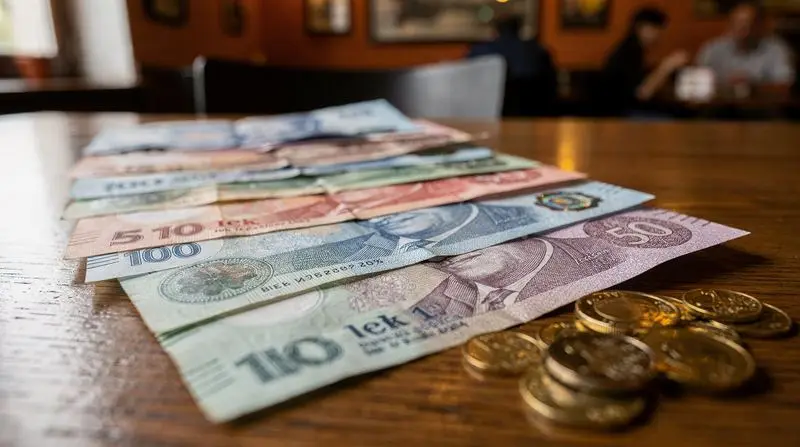
| Bottled water cost | 30-80 ALL (under EUR 1) per bottle |
| Best backup | Filter bottle (LifeStraw, Sawyer) for hiking and rural stays |
| Emergency phrase | ”Ujë çezme, ju lutem” — tap water, please |
Tap Water in Tirana
Tirana’s municipal water supply has improved substantially over the past fifteen years. The city’s water authority (Ujësjellës Kanalizime Tiranë, or UKT) treats and monitors the capital’s water supply, and official tests routinely show that Tirana’s tap water meets World Health Organization (WHO) standards for potability.
What locals do: A growing proportion of Tirana residents drink tap water directly or use home filter pitchers (Brita-style filters are sold widely in supermarkets). Older residents often maintain the habit of boiling water or buying bottled, but this is increasingly a generational preference rather than a necessity.
What visitors should expect: Drinking Tirana tap water carries minimal risk for most visitors. The taste is acceptable — some describe it as slightly chlorinated, similar to urban tap water in many European cities. If you are sensitive to water taste or have a history of stomach sensitivity when traveling, a filtered bottle or purchasing bottled water for the first few days while your system adjusts is sensible.
Areas of Tirana with older infrastructure: Tirana’s water supply pipes are largely modern in central areas. Some older neighborhoods in the periphery have aging pipes that can affect water quality at the tap. In these areas — typically outer suburban zones rather than tourist accommodation — additional caution is warranted.
Tap Water in Other Albanian Cities
Shkodra: Generally safe. The water supply has been upgraded with EU funding. Locals predominantly drink tap water or use filter pitchers.
Durres: Use caution. Durres is a coastal city with higher infrastructure strain from seasonal tourism and industrial use. Bottled water is the safer choice, particularly in summer.
Berat and Gjirokastra: Both historic cities generally have acceptable tap water. These are smaller urban centers with less infrastructure stress. Still, carrying a filter bottle provides peace of mind.
Vlora: Mixed. Central Vlora tap water is generally adequate, but in surrounding resort areas quality can vary. Bottled water is the default for most visitors to the coastal zone.
Saranda: Exercise caution. Saranda’s summer tourist population strains local infrastructure considerably. The water system serves a much smaller year-round population and can be pushed during peak season. Bottled water is recommended for drinking.
Himara and Riviera villages: Bottled water recommended. These coastal communities have limited water infrastructure and many properties rely on tanks (cisterns) that are periodically refilled. Tank water is fine for washing but not ideal for drinking.
Tap Water in Rural and Mountain Areas
In rural Albania — mountain villages, agricultural communities, remote guesthouses — the tap water situation requires careful consideration.
Mountain spring systems: Many Albanian mountain villages source water from local springs rather than a treated municipal supply. This water is often exceptionally pure and delicious — mountain spring water is legitimately some of the cleanest water in Europe in terms of source quality. However, it is untreated, which means:
- No chlorine or UV treatment
- Possible contamination from livestock grazing upstream
- Potential seasonal variation after rain events (turbid, higher bacterial load)
For healthy adults, mountain spring water in Albanian villages is usually drunk without issue. For travelers with weaker immune systems, children, elderly visitors, or anyone with a history of GI sensitivities, treat or filter it.
Remote guesthouses: If your guesthouse in Theth or the Valbona Valley sources water from a spring, ask: “A është e pijshme uji?” (Is the water drinkable?). The host will tell you honestly. Most guests who drink it are fine; carrying purification tablets provides insurance.
Agricultural areas: Near farming communities, there is greater risk of agricultural runoff affecting water sources. In the Shkodra plains, Permet area, or other heavily farmed regions, stick to bottled water.
After heavy rain: Anywhere in Albania, heavy rainfall can disturb water sources, increasing turbidity and microbial risk. After a significant storm in a rural area, bottled water is the safe choice for two to three days.
Drinking Water Fountains and Public Sources
Albania has a tradition of public water fountains (called çesme) that are genuinely used by locals. You will find them:
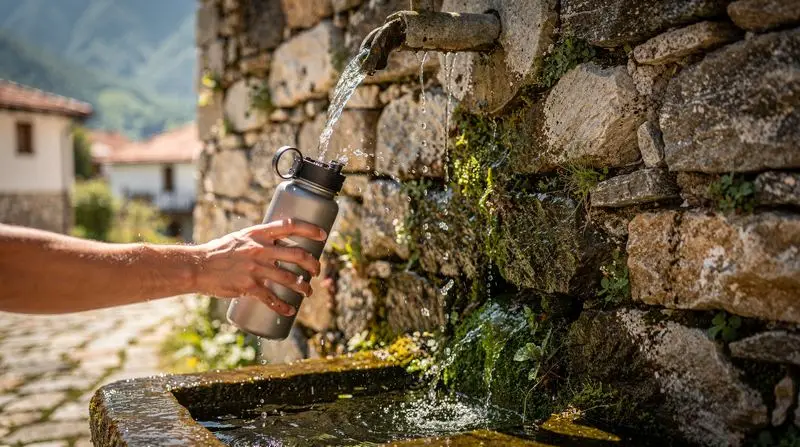
In town squares: Many Albanian towns and villages maintain ornamental/practical fountains in the main sheshi (square). These are typically connected to the municipal supply. In mountain towns like Permet, Leskovik, and Erseka, locals fill bottles from these fountains routinely.
Along mountain hiking trails: Wooden taps and pipes draining from springs are common along trails in the Albanian Alps and elsewhere. Hikers regularly drink from these. For pure enjoyment, this water is often excellent. Carry a filter bottle (Sawyer Squeeze, LifeStraw) if you plan to rely on trail sources for multi-day hikes.
At fuel stations and roadside stops: Many roadside stops have a tap available for washing. Quality varies; use judgment.
In Tirana parks and plazas: The urban fountains in Grand Park (Parku i Madh) and Rinia Park are municipal water. Potable.
Bottled Water: Costs and Availability
Bottled water is universally available throughout Albania and costs very little:
Typical prices:
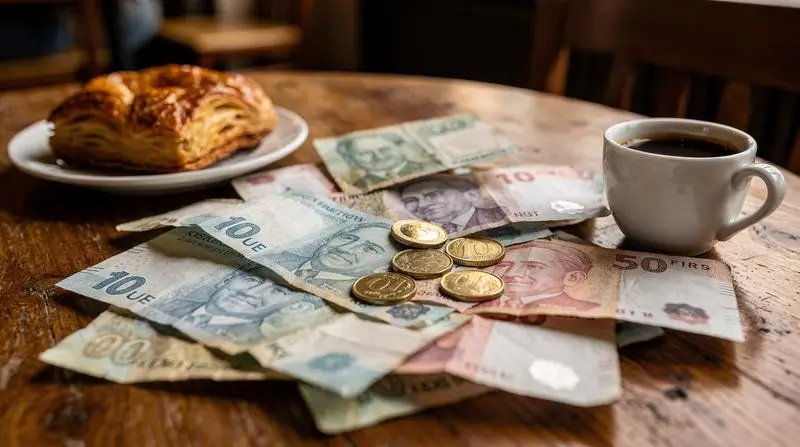
- 0.5L bottle at a market or kiosk: 30-50 ALL (EUR 0.30-0.50)
- 1.5L bottle at a supermarket: 50-80 ALL (EUR 0.50-0.80)
- 1.5L bottle at a tourist beach kiosk or restaurant: 100-200 ALL (EUR 1-2)
- 5L or 6L demijohn at a supermarket: 100-150 ALL (EUR 1-1.50)
Popular Albanian brands: Glina, Tepelena, and Kabash are widely sold Albanian spring waters. They are genuinely good quality mountain spring waters. European brands (Aqua Panna, San Pellegrino) are available at upscale restaurants.
The environmental consideration: Albania has a significant plastic waste problem, with single-use plastic bottles contributing substantially to coastal and riverine pollution. This is one of the best reasons to:
- Use a reusable filtered bottle rather than buying single-use bottles
- Carry a larger 5L container for guesthouse use rather than buying multiple small bottles
- Support any establishment that offers filtered tap water for refills
Avoiding hotel markup: Restaurant and hotel prices for bottled water can be 3-5x the shop price. Buying a 1.5L bottle at a supermarket (50-80 ALL) and refilling from your guesthouse tap (if in a city) is the smart budget move. See the Albania travel budget guide for more on managing costs.
Water Filter Options for Albania Travel
A reusable filter bottle or small filter system makes enormous sense for Albania travel:
LifeStraw Go Bottle: Filter-equipped water bottle that removes bacteria and protozoa. Perfect for drinking from mountain springs and rural taps. Widely used by hikers in the Albanian Alps.
Sawyer Squeeze: Lightweight squeeze filter that attaches to standard water bottle threads. Excellent for backpacking and trekking. Very popular among Albania backpackers.
Brita-style filter pitchers: If you are in Tirana for an extended stay, a filter pitcher (available at Jumbo, Neptun, and large supermarkets for EUR 15-20) provides filtered tap water cheaply throughout your stay. Replacement cartridges are sold widely.
Steripen UV purifier: Battery-powered UV device that sterilizes a litre of water in 90 seconds. Effective against bacteria, viruses, and protozoa. A good backup for rural guesthouses.
Purification tablets (iodine or chlorine): Cheap, lightweight backup. Use in rural emergency situations or when other options are unavailable. Leave 30 minutes before drinking.
Water at Albanian Restaurants
When ordering water at a restaurant: Restaurants will usually bring you a bottle of mineral water (minerale) unless you ask otherwise. This is charged separately from the meal (typically 100-200 ALL for a bottle at the table).
To ask for tap water: “Ujë çezme, ju lutem” (Tap water, please). In Tirana city restaurants, this is a perfectly normal request. In tourist resort areas, staff may be surprised but will comply.
Ice: In Tirana and major tourist establishments, ice is generally made with treated water. In rural areas and less formal settings, it is worth asking where the ice comes from. This is rarely an issue but worth noting if your stomach is particularly sensitive.
Water During Day Trips and Tours
When booking organized day tours from Tirana or Saranda, water is often but not always included. Confirm before departure:
Full-day tour from Tirana to Berat — carry at least 1.5L per person, especially in summer when temperatures at Berat Castle exceed 35°C.
Best of Saranda day tour including Blue Eye spring — the Blue Eye (Syri i Kaltër) itself is a stunning cold spring, but drinking directly from natural springs without filtration carries some risk.
For hikes and outdoor activities, 2-3L per person per day is the minimum in summer heat. Mountain springs along the route are usually reliable, but carrying purification backup is wise.
Children and Vulnerable Travelers
Families traveling with children: In Tirana, filtered tap water or standard bottled water is fine for children. Outside the capital, stick to bottled water for children under 12 and anyone with a compromised immune system. The Albania family travel guide has more health and safety guidance for families.
Elderly travelers: The same caution applies. Bottled water in all areas outside major cities.
Travelers with IBS, Crohn’s, or other GI conditions: Stick to bottled water or filtered water throughout Albania. Even technically safe tap water can trigger flare-ups in sensitive individuals during the body’s adjustment to new water chemistry.
Staying Hydrated in Albanian Summer Heat
Albania’s coastal areas and inland plains reach 35-40°C in July and August. Dehydration risk is real and serious. Key reminders:
- Drink consistently throughout the day, not just when thirsty
- Electrolyte sachets (available at Albanian pharmacies) are useful during extreme heat or after significant sweating
- Watermelon (shalqi) is widely sold by roadside vendors in summer and is an excellent hydration food — buy freely and often
- Coffee culture is strong in Albania; caffeinated drinks do not substitute for water
- Swimming in the sea or lake increases dehydration need — drink more than you think you need
For guidance on beaches and water activities, see the Albanian Riviera guide and the Saranda guide.
Water Quality for Swimming and Water Activities
The water quality discussion so far has focused on drinking water. Albanian sea, river, and lake water quality for swimming deserves a separate treatment.
Ionian coast swimming water: The Albanian Riviera’s Ionian coast has among the best sea water quality in the Mediterranean. The beaches at Ksamil, Gjipe, Dhermi, and the sheltered coves between Saranda and Himara consistently show very low bacterial counts in independent monitoring. The relatively undeveloped coast means less boat traffic and less pollution than comparable destinations in Croatia, Italy, or Greece.
Adriatic coast (Durres, Vlora area): Swimming water quality near Durres — Albania’s main port city — requires more caution. Industrial and urban runoff affects the Durres city beach area. The beaches away from the port and city (south toward Vlora and the Riviera) are significantly better.
Lake Ohrid (Albanian shore): The Albanian shore of Lake Ohrid at Pogradec is generally excellent for swimming. Lake Ohrid is considered one of the cleanest large lakes in Europe. Water clarity is extraordinary — visibility of 20m or more is normal.
River swimming: Albania has several rivers used for swimming by locals, particularly the Vjosa near Permet and the Osum. These are generally clean but swimming in rivers after heavy rain increases bacterial risk. Check with locals about current conditions.
Blue Flag beaches: Albania has a growing number of beaches working toward Blue Flag certification, which requires regular water quality testing meeting EU standards. The number of monitored and certified beaches is increasing each year as Albania’s tourism infrastructure develops.
The Water-Food Connection: Food Safety Tips
Water quality and food safety are connected. Some food safety considerations that relate to water quality:
Raw salads at rural restaurants: Washed with local water. In areas where tap water quality is questionable, the risk from raw salad vegetables is marginally higher. Most travelers eat salads throughout Albania without issue. If your stomach is sensitive, avoid raw salads in rural areas for the first few days.
Ice: As mentioned, in tourist restaurants it is usually made with treated or filtered water. In local rural settings, ice may be from tap water that you wouldn’t drink directly. For sensitive stomachs, ask for drinks without ice: “Pa akull, ju lutem.”
Fresh fruit and vegetables from markets: Wash produce with bottled or filtered water before eating. Albanian fruit (particularly tomatoes, figs, and summer berries) is excellent — just rinse with water you trust.
Seafood freshness: Albania’s Ionian seafood is generally very fresh, particularly along the Riviera. Fish caught that morning, grilled simply with olive oil, is one of the genuine pleasures of Albanian travel. The water quality context supports confidence in the seafood.
Water Infrastructure Investment and Future Outlook
Albania is in the midst of significant water infrastructure investment as part of its EU accession process. The EU has been a major funder of water supply upgrades across Albanian municipalities.
What has improved: Tirana’s treatment plants have been upgraded. Shkodra, Berat, and Gjirokastra have received investment. Water supply consistency has improved in many areas.
What is still pending: Rural pipe networks in many areas are old and inefficient. The “last kilometer” problem — aging distribution pipes from modernized treatment plants to actual taps — remains. Mountain villages and small rural communities are lower priority for investment than larger urban centers.
Realistic timeline: Full EU-standard water supply across all of Albania is a 10-20 year project. Major cities should reach reliable safe tap water standards well within that window. Rural areas will take longer. Visitors in 2026 should plan accordingly based on where in Albania they are traveling.
Bottled water alternatives: As infrastructure improves, the push toward reducing single-use plastic bottles is growing in Albanian environmental discussions. Using refillable filtered bottles is not only better for your health in uncertain supply areas — it is better for Albania’s environment, where plastic waste (particularly in coastal and river areas) is a significant problem that the country is actively working to address.
Practical Water Summary by Area
To summarize the guidance in one quick reference:
| Area | Tap Water | Recommendation |
|---|---|---|
| Tirana city center | Generally safe | Drink, or filter if preferred |
| Shkodra | Generally safe | Drink, or filter if preferred |
| Berat / Gjirokastra | Generally acceptable | Filter or bottled preferred |
| Durres | Use caution | Bottled recommended |
| Saranda | Use caution | Bottled recommended |
| Riviera villages | Use caution | Bottled recommended |
| Mountain guesthouses | Variable, often spring | Filter or boil |
| Rural agricultural areas | Caution | Bottled or filter |
| Wild camping / hiking | Untreated spring | Filter or purification tablets |
Tea and Coffee Made with Albanian Water
A pleasant side effect of Albania’s generally good water (in urban areas) and excellent mountain spring water: the coffee and tea made with it is genuinely good. Albanian coffee culture is strong — the country drinks an extraordinary amount of espresso — and the water quality in Tirana supports the extraction quality that specialty coffee shops pride themselves on.
For serious coffee drinkers: Tirana’s specialty cafe scene is using local mountain spring water deliveries where the local tap water’s chlorine content affects taste. For water costs in the context of a full budget, see the Albania travel budget guide. This level of attention suggests that urban Tirana tap water is fine for drinking but can have a noticeable taste that coffee professionals prefer to filter out.
Carrying Water on Albanian Day Tours
When booking organized day tours, water is often not included or only provided in small amounts. For tours in summer heat, carry your own:
Full-day Berat tour from Tirana — the walk up to Berat Castle in summer heat requires at least 1.5L per person.
Saranda area day tour — the Blue Eye and Butrint are in forested areas that are cooler, but the Lekuresi Castle has exposed sun exposure. Bring water.
Summer day tours in Albania genuinely require 2-3L per person for the full day. Albanian supermarkets and shops sell large water bottles cheaply at every stop — stock up before heading to archaeological sites or mountain viewpoints where no vendors operate.
Water Quality Testing Resources
For travelers who want objective data on current water quality in specific Albanian areas:
INSTAT (Albanian Institute of Statistics): Publishes environmental monitoring data including some water quality indicators.
ISHP (Public Health Institute of Albania): The primary authority on drinking water safety standards. Their published reports on municipal water quality are the most authoritative source.
EU Environmental Reports: As part of Albania’s EU accession process, regular environmental assessments cover water quality. These are accessible through the EU’s enlargement documentation.
Travel health advisories: The UK’s FCDO, US CDC, and equivalent bodies publish travel health information for Albania. These are updated when specific water quality issues emerge.
In practice, for day-to-day travel decisions, the guidelines in this article are sufficient. The formal reporting is useful context for longer stays, family travel, or travel with health vulnerabilities.
Tap Water for Cooking, Coffee, and Ice at Home
If you are renting an apartment or staying in a guesthouse with a kitchen, tap water quality matters for more than drinking. In Tirana, boiling tap water for pasta, rice, or tea poses no additional risk beyond drinking it directly — boiling does not meaningfully improve water that already meets safety standards, but it does nothing to harm it either. In rural or coastal areas where you are avoiding drinking tap water, extend the same caution to cooking water for anything that will not be boiled for an extended period, such as quick-blanched vegetables or delicate sauces; pasta water and anything boiled for 10+ minutes is generally fine even from a more questionable tap, since sustained boiling kills the bacterial risks that are the primary concern. For ice, if you are making your own at a rental with a freezer, use bottled or filtered water as the source — home ice trays filled from a tap you would not drink from carry the same risk as the water itself, just frozen.
How Albania Compares to Neighboring Countries
Travelers combining Albania with a wider Balkans trip often ask how the water situation compares. Greece has generally reliable municipal tap water in Athens and larger islands, comparable to Tirana’s standard, though many Greek islands rely on desalination and locals often still prefer bottled water for taste reasons rather than safety. Montenegro sits close to Albania’s profile: Podgorica and the coastal towns are generally fine, while mountain villages require the same caution as Albania’s Alps. Croatia, as an EU member with fully modernized infrastructure, has the most consistently safe tap water in the region — a useful benchmark for how far Albania’s ongoing EU-accession water investment still has to go. In practice, none of these countries requires materially different behavior from a visitor than Albania does: drink confidently in the capital and major coastal cities, default to bottled or filtered water in rural and mountain areas, and carry a filter bottle if you are combining Albania with off-the-beaten-path travel in any of its neighbors. For the wider logistics of a longer Balkans itinerary that includes Albania, see the Albania travel tips guide and the Albania safety guide.
Long Stays, Rentals, and Digital Nomad Water Habits
Visitors staying longer than a week or two — whether renting an apartment in Tirana or basing themselves on the Riviera — settle into different water habits than short-stay tourists. Many long-term renters install or inherit a Brita-style filter pitcher rather than buying bottled water daily, both for cost and for reducing plastic waste. If you are renting through Airbnb or a local agency, ask the host directly whether they drink the tap water themselves; Albanian hosts are usually candid about this and will tell you honestly whether their specific building or neighborhood has any known quality quirks. Older buildings in Tirana’s outer districts occasionally have plumbing that affects taste even where the municipal supply itself is fine, which a filter pitcher resolves. For anyone planning an extended stay, the Albania digital nomads guide and the Albania packing list cover the wider logistics of settling in, including what’s worth bringing versus buying locally.
Frequently Asked Questions About Tap Water in Albania
Can I drink the tap water in a Tirana Airbnb or rental apartment?
In most cases yes, if the building is in a central, modern area — Tirana’s municipal supply meets WHO standards. Ask your host directly; Albanians are typically candid about whether they drink their own tap water. If the building is older or in an outer district, a filter pitcher (widely available at Tirana supermarkets) is a cheap, effective solution.
Is Albania’s tap water safety comparable to Greece or Montenegro?
Broadly yes. Major cities and capitals in all three countries have treated water meeting safety standards, while rural and mountain areas in each require the same bottled-or-filtered caution. Albania is not meaningfully riskier than its neighbors for a typical traveler who follows area-specific guidance.
Is it safe to drink tap water in Tirana?
Yes, for most travelers. Tirana’s municipal water meets WHO standards and many locals drink it. If you have a sensitive stomach or prefer caution during the first days of travel, use filtered or bottled water until you adjust.
What about tap water in Saranda or along the Riviera?
Caution is recommended. Coastal resort areas, including Saranda, Ksamil, and Riviera villages, have infrastructure that can be strained during summer peak season. Bottled water is the safe choice for drinking in these areas.
Can I drink water from mountain springs in Albania?
Mountain spring water in Albania is often very pure at the source. However, untreated spring water carries some risk from livestock or upstream contamination. Use a filter bottle (LifeStraw, Sawyer) for peace of mind, especially on multi-day hikes.
How much does bottled water cost in Albania?
Very little — a 0.5L bottle at a kiosk costs 30-50 ALL (about EUR 0.40). A 1.5L supermarket bottle is 50-80 ALL (under EUR 1). Restaurant prices are higher. Buying from supermarkets or local shops keeps costs minimal.
Is Albania tap water safe for teeth brushing?
In Tirana and major cities, yes — brushing teeth with tap water is fine. In rural areas and coastal resorts where caution is advised for drinking, use bottled water for teeth brushing too if you want to be fully safe.